Understanding optical polishing cost drivers helps you make informed sourcing decisions and optimize your budget allocation. Whether you’re procuring optical components for automotive lighting, medical imaging, or consumer electronics, the principles affecting pricing remain consistent across applications.
This 2026 cost guide breaks down the factors that determine optical polishing pricing, provides typical cost ranges, and offers strategies for budgeting effectively. With 20+ years of experience supplying precision optical components to industry leaders, YISHUN Optical shares insights that help buyers understand and optimize their optical manufacturing investments.
Key Cost Factors in Optical Polishing
1. Surface Roughness Requirements
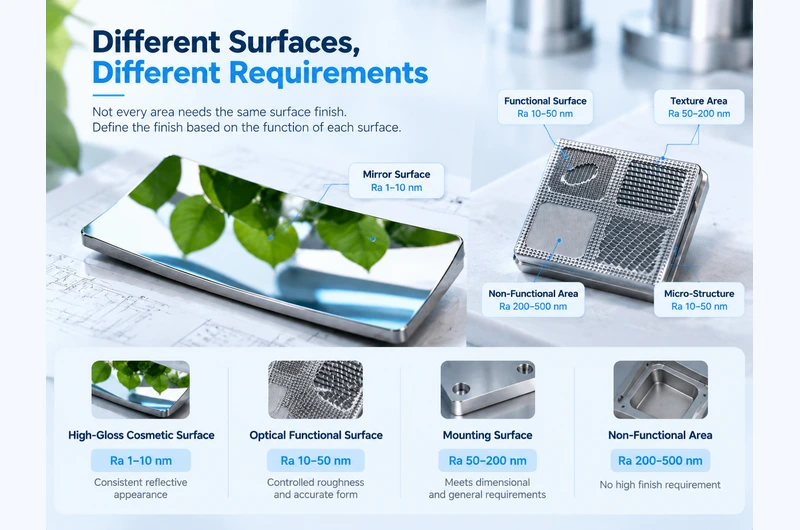
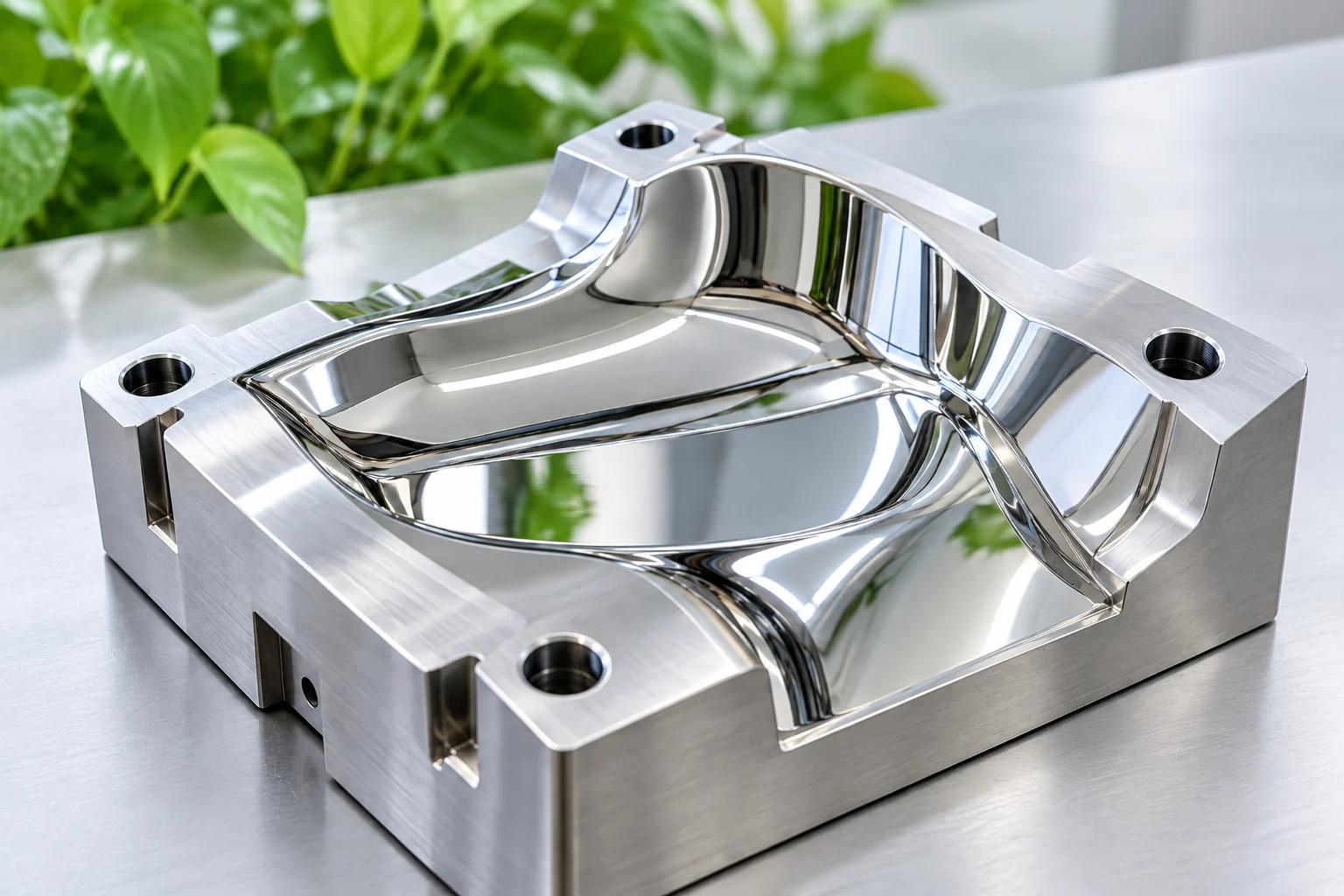
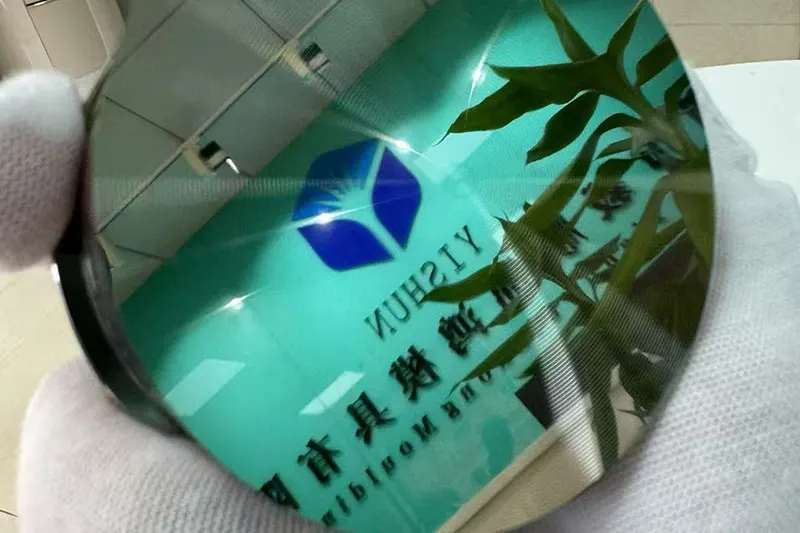
Surface roughness is the single largest cost driver in optical polishing. The progression from Ra 100nm to Ra 1nm requires exponentially more processing time and specialized consumables.
Cost Impact by Surface Roughness:
| Surface Roughness | Relative Cost | Typical Applications |
|---|---|---|
| Ra 100-500nm | 1x (baseline) | Functional surfaces, housing components |
| Ra 20-100nm | 2-3x | Standard optics, illumination |
| Ra 5-20nm | 5-8x | Quality optics, imaging |
| Ra 1-5nm | 10-20x | Precision optics, lasers, interferometry |
| Ra <1nm | 30x+ | Research-grade, specialized applications |
Why Surface Roughness Drives Cost:
- Processing time: Achieving Ra 1nm requires multiple polishing stages with progressively finer abrasives
- Consumables: Diamond slurries, polishing pads, and collimated samples increase exponentially with tighter requirements
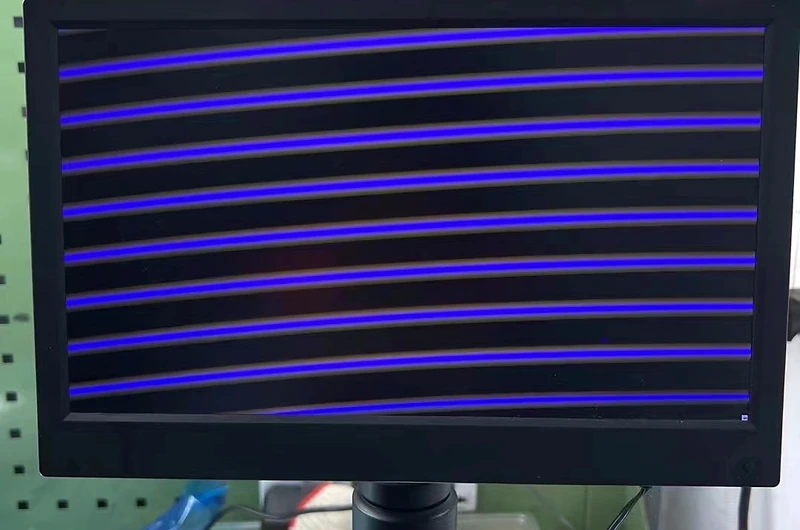
- Inspection burden: Sub-nanometer surfaces require interferometric verification, not simple profilometry
- Yield impact: Tighter surface requirements typically reduce first-pass yield rates
At YISHUN Optical, we consistently achieve Ra 1nm surface roughness with documented verification, enabling us to serve the most demanding precision optical applications.
2. Dimensional Tolerance Requirements
Tolerance requirements directly affect processing time, measurement burden, and yield. Each step tighter in tolerance typically adds 15-30% to processing cost.
Tolerance Cost Correlation:
| Tolerance Range | Relative Cost | Achievable With |
|---|---|---|
| ±50μm | 1x (baseline) | Standard CNC machining |
| ±10μm | 1.3-1.5x | Precision CNC |
| ±5μm | 1.5-2x | Advanced CNC + in-process measurement |
| ±1μm | 2-3x | Precision optical machining |
| ±0.5μm | 3-5x | Ultra-precision (Moore, RODERS) |
| ±0.1μm | 8-15x | Specialized ultra-precision equipment |
Additional Tolerance-Related Costs:
- In-process inspection: Tighter tolerances require measurement at multiple production stages
- Temperature control: ±0.5μm tolerances often require temperature-controlled machining environments
- Tooling wear: Finer tolerances require more frequent tool replacement and recalibration
- Operator skill: Ultra-precision tolerances demand highly trained machinists
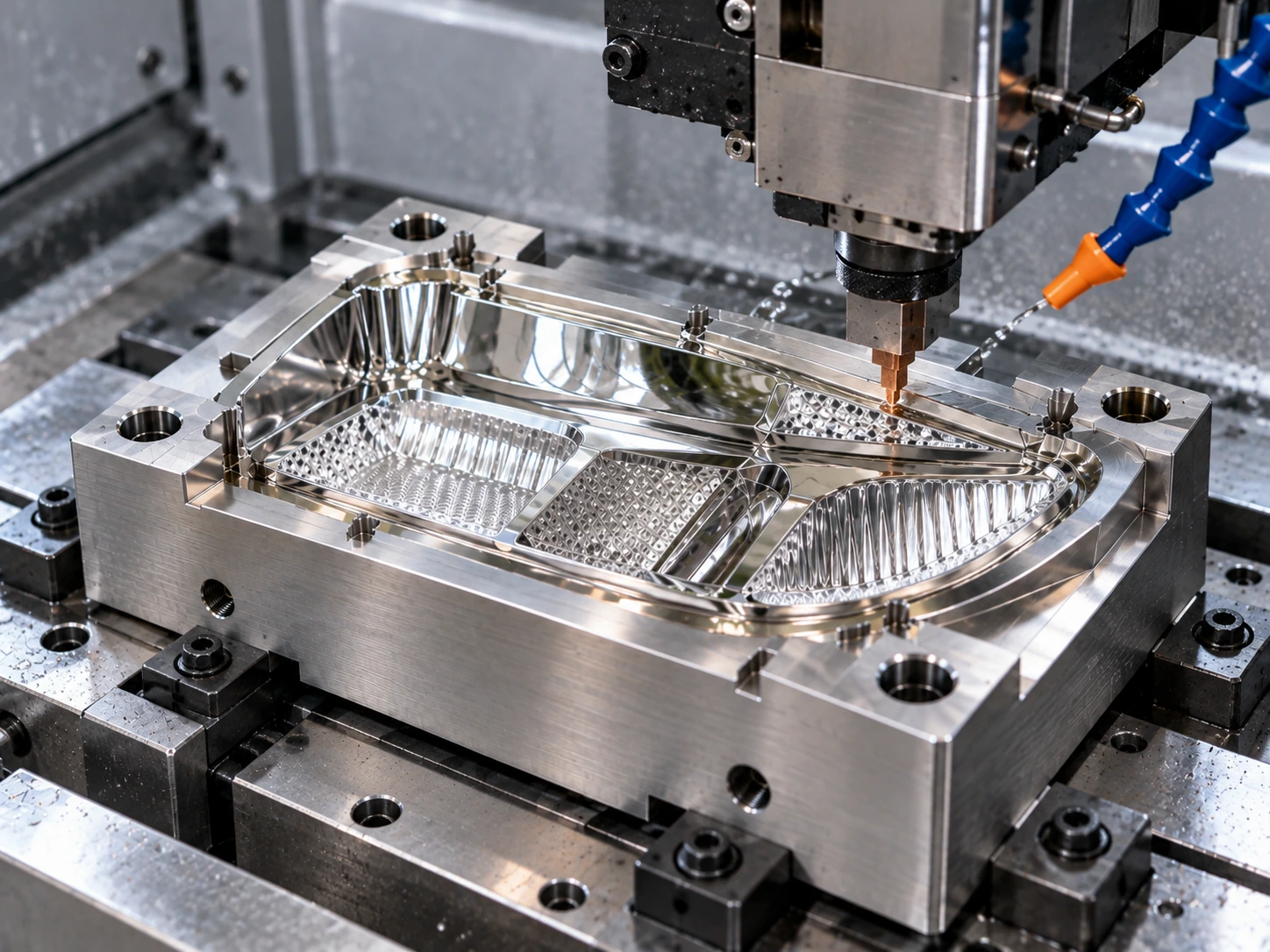
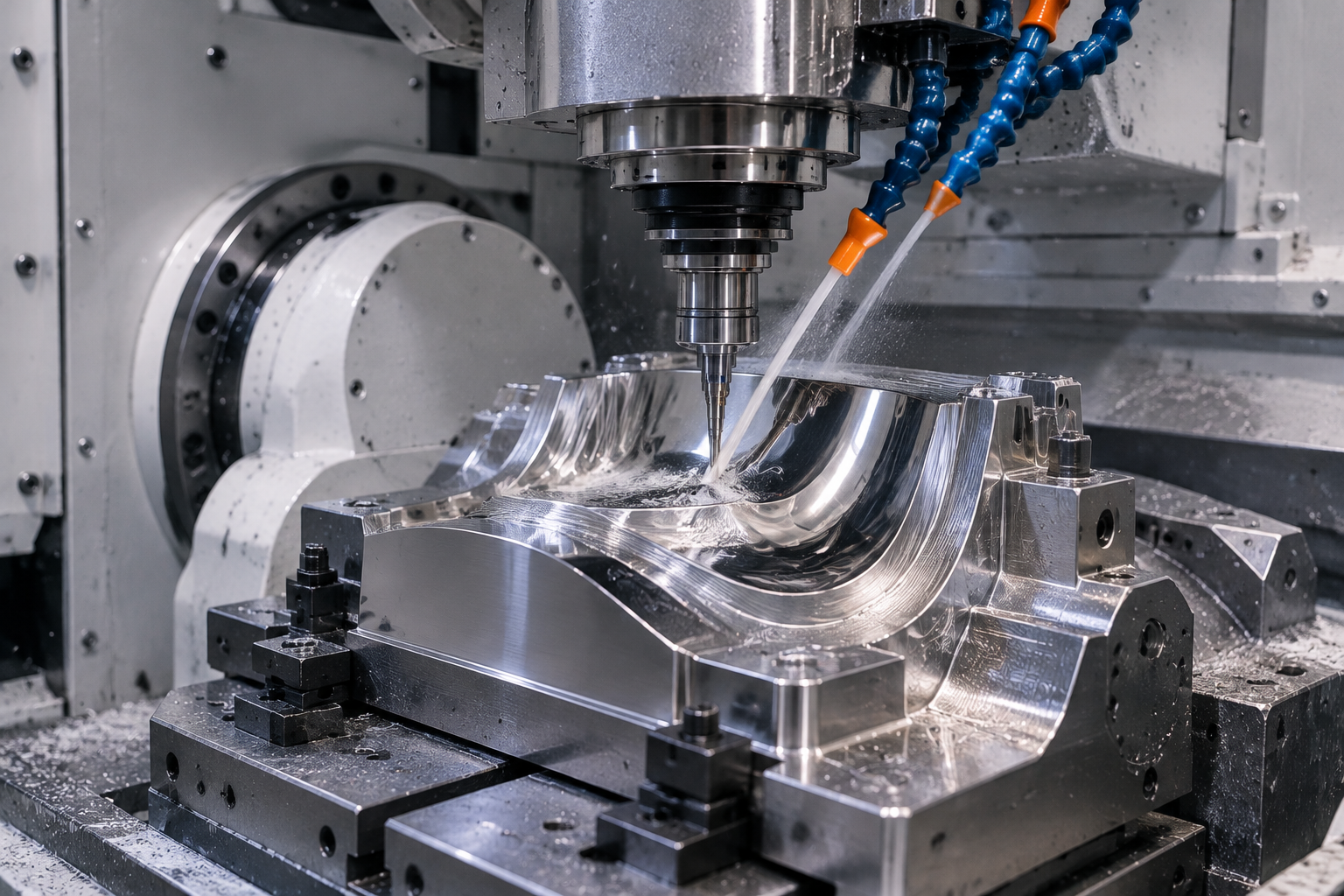
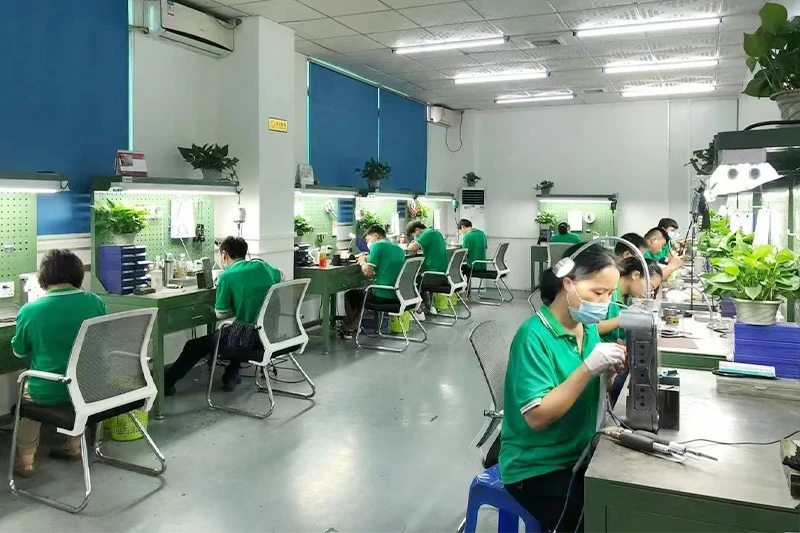
YISHUN Optical’s Moore diamond turning systems and RODERS five-axis machining centers routinely achieve ±0.5μm tolerances with full dimensional verification.
3. Material Selection
Material affects both raw material cost and processing difficulty. Some materials require specialized tooling, processes, or extended processing times.
Material Cost Categories:
Easy-to-Process Materials:
- Aluminum (6061, 7075): Good machinability, moderate raw material cost
- Brass (C360): Excellent machinability, cost-effective for non-optical surfaces
- Common optical glass (BK7): Standard processing, established techniques
Moderate Difficulty:
- Stainless steel (303, 304): Requires carbide tooling, slower feeds
- Borosilicate glass: Standard optical processing
- Copper: Good machinability but tool wear considerations
Difficult/Expensive Materials:
- Sapphire: Extreme hardness requires diamond tooling, longer processing
- Silicon carbide: Abrasive behavior increases tool wear significantly
- Tungsten carbide: Specialized equipment and tooling required
- Germanium/zinc selenide: Specialty optics with premium material costs
Raw Material Cost Ranges:
| Material | Relative Material Cost | Processing Multiplier |
|---|---|---|
| Aluminum | 1x | 1x |
| Brass | 2x | 1x |
| Stainless Steel | 3x | 1.2x |
| BK7 Glass | 5x | 1.5x |
| Sapphire | 15x | 3-5x |
| Silicon Carbide | 10x | 3-4x |
| Germanium | 30x | 2-3x |
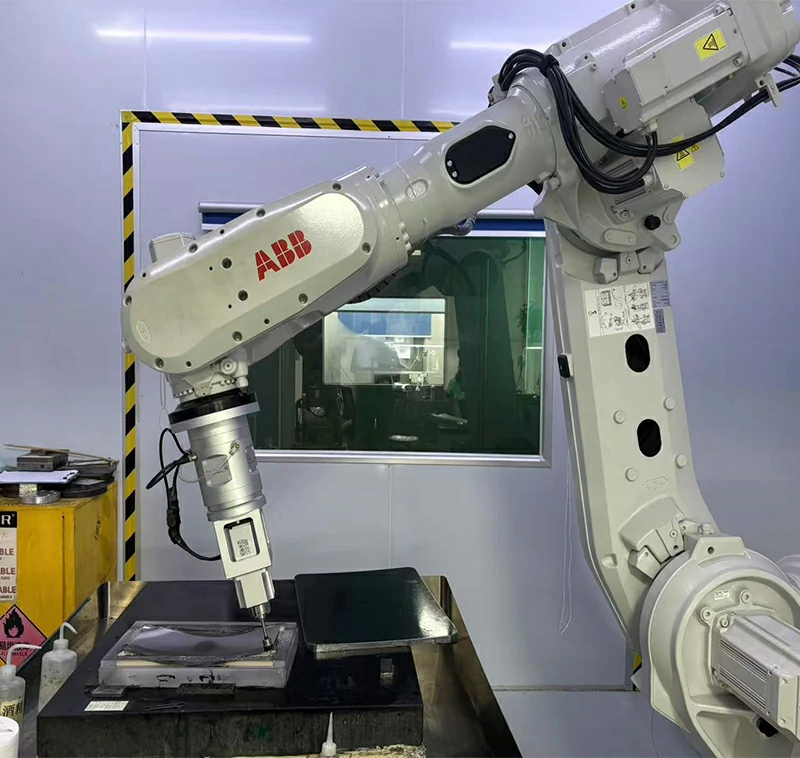
YISHUN processes a comprehensive range of optical materials, with documented expertise in sapphire, fused silica, aluminum, brass, and various optical glasses.
4. Part Geometry and Complexity
Complex geometries increase setup time, processing difficulty, and tooling costs. Understanding how geometry affects pricing helps you optimize designs for manufacturability.
Geometry Cost Factors:
- Non-rotational symmetry: Requires 5-axis machining instead of 2-axis turning
- Internal features: Bores, pockets, and internal threads add complexity
- Undercuts: May require specialized tooling or multi-setup operations
- Surface access: Features requiring unusual tool approach angles
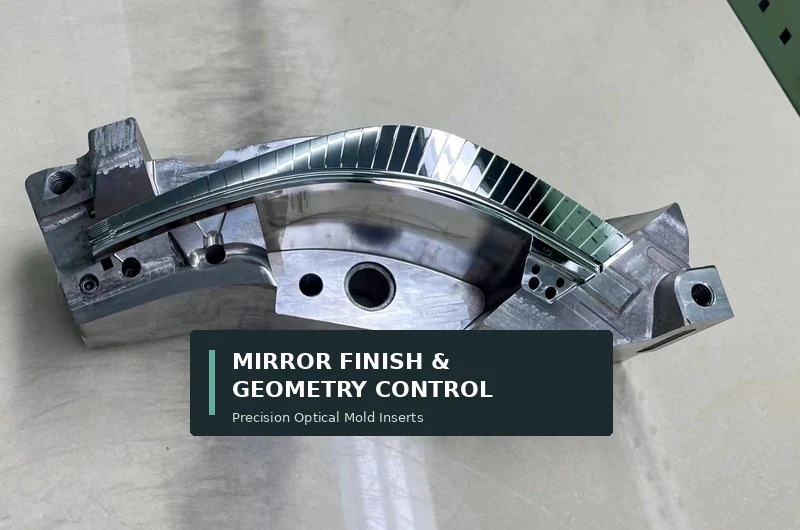
- Form accuracy: Aspheric, freeform, and specialized surface geometries
Typical Complexity Multipliers:
| Geometry Type | Complexity Factor | Notes |
|---|---|---|
| Simple rotation | 1x | Standard turning |
| Complex rotation | 1.5-2x | Multiple features, tight tolerances |
| 2-axis prismatic | 1.2-1.5x | Mill-turn parts |
| 3-axis prismatic | 1.5-2x | Standard 3-axis machining |
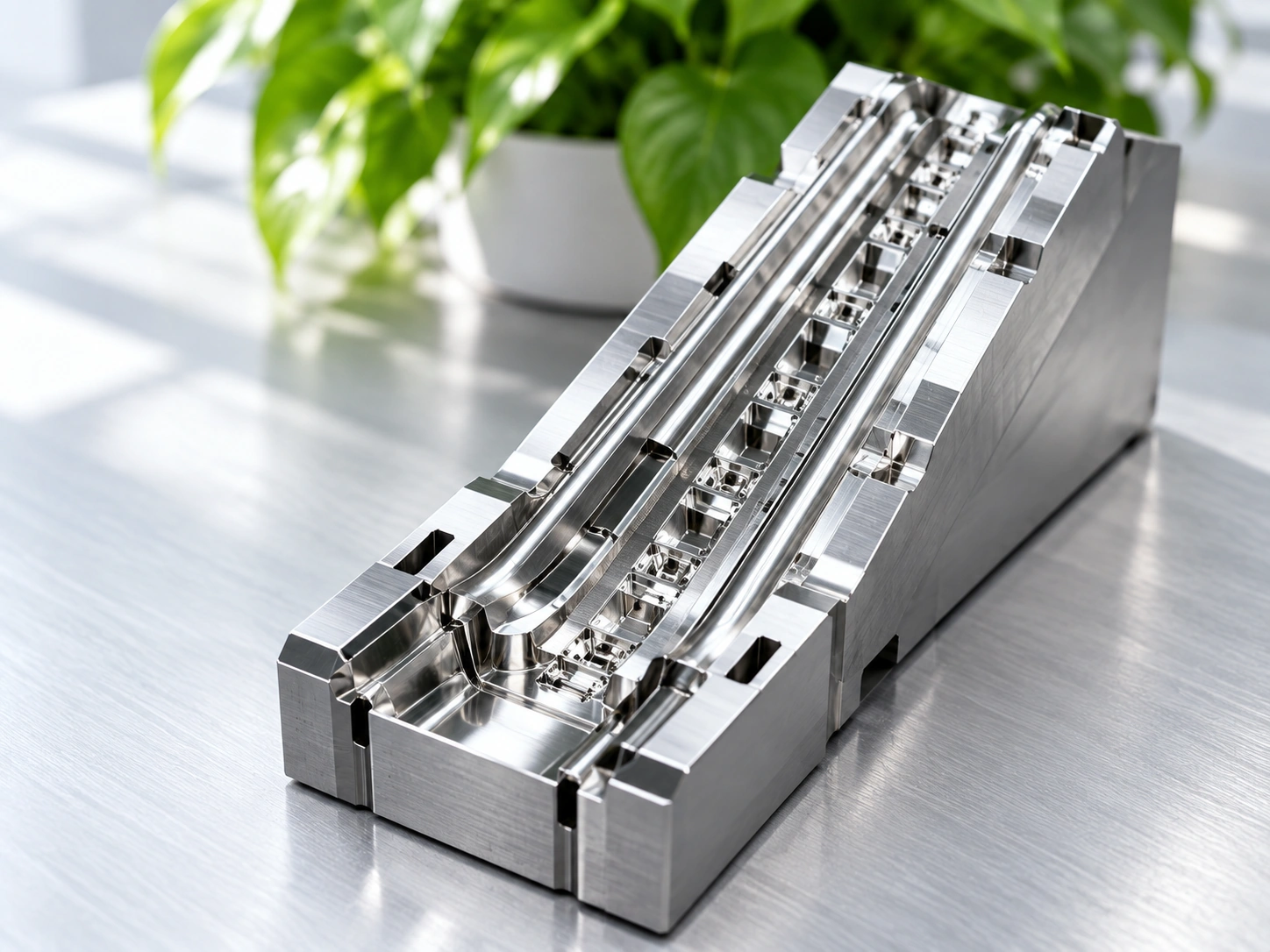
| 5-axis complex | 2.5-4x | high-reliability optical, optical mold inserts |
5. Order Quantity and Volume Economics
Volume significantly impacts per-part pricing through setup amortization and process efficiency.
Volume Pricing Tiers:
Prototype (1-10 pieces):
- Setup costs dominate (tooling, programming, first article inspection)
- Per-part pricing highest
- Extended lead times often required
- Price range: 3-10x production pricing
Pilot/Pre-production (10-100 pieces):
- Setup costs partially amortized
- Process optimization underway
- Price range: 1.5-3x production pricing
- YISHUN offers structured NPI programs for smooth prototype-to-production transition
Production (100+ pieces):
- Full setup amortization
- Process yield optimized
- Tool life fully utilized
- Volume discounts apply (typically 5-15% per doubling of quantity)
High Volume (1000+ pieces):
- Dedicated production cells may apply
- Maximum efficiency gains
- Long-term contracts enable best pricing
- Typically 40-60% below prototype pricing
Typical Volume Discount Schedule:
| Quantity | Relative Price Per Part |
|---|---|
| 1-10 | 100% (baseline) |
| 11-50 | 60-80% |
| 51-100 | 45-60% |
| 101-500 | 35-50% |
| 501-1000 | 30-45% |
| 1000+ | 25-40% |
Note: Actual pricing varies by complexity, tolerances, and surface requirements
6. Inspection and Documentation Requirements
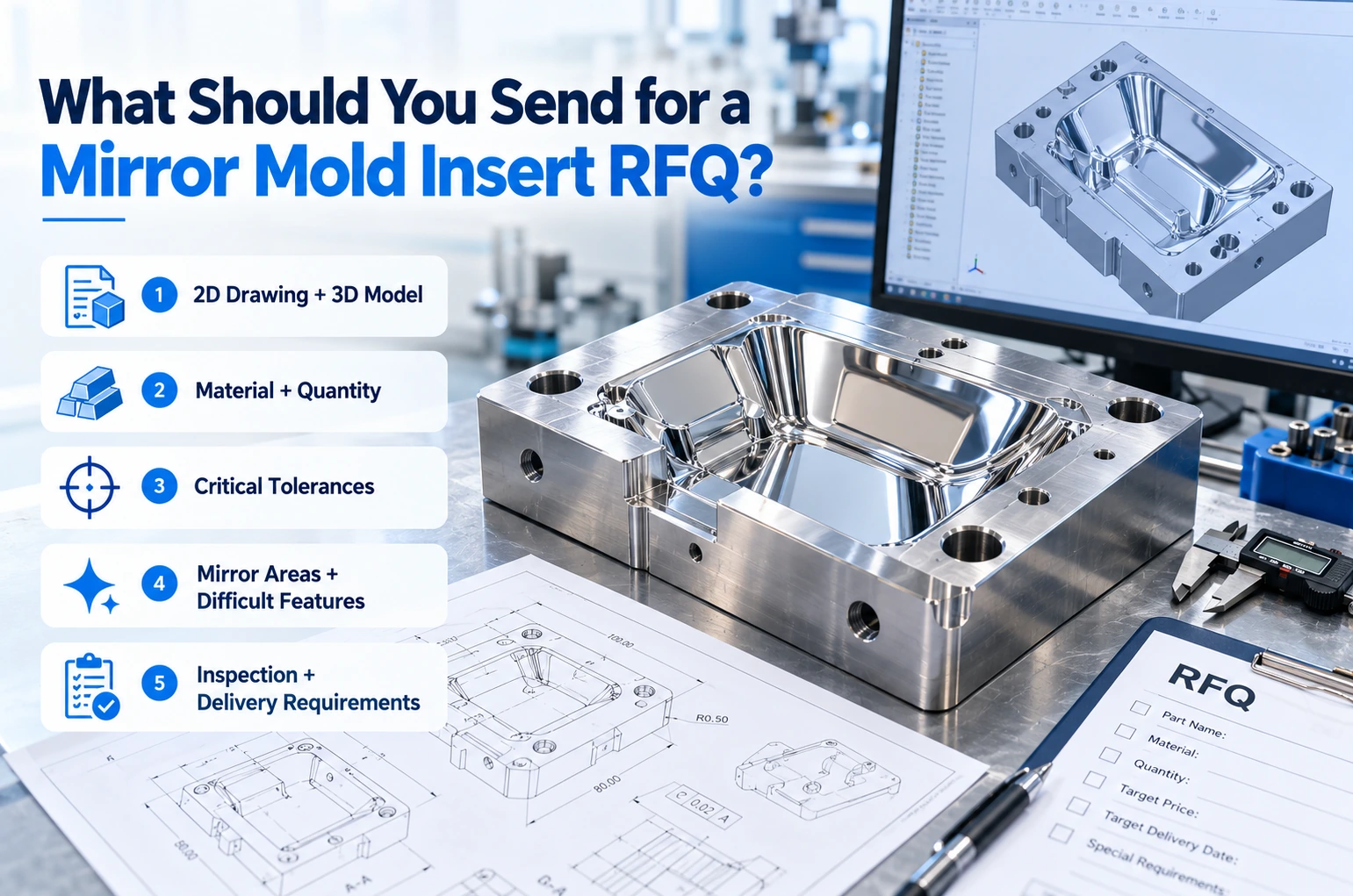
The level of inspection and documentation you require affects both cost and lead time.
Documentation Cost Factors:
- Standard C of C: Minimal added cost (included in most quotes)
- Full dimensional reports: CMM measurement time, typically 10-20% added cost
- First Article Inspection (FAI): Detailed documentation package, 15-25% added cost
- customer-defined FAI documentation/PPAP documentation: Industry-specific formats, 20-40% added cost
- Material certifications: Mill certs, composition verification, 5-10% added cost
Inspection Equipment Requirements:
| Inspection Type | Equipment | Typical Cost Addition |
|---|---|---|
| Visual inspection | Manual | Included |
| Dimensional spot check | Manual CMM | 5-10% |
| Full dimensional | Automated CMM | 15-25% |
| Surface roughness | Profilometer | 5-10% |
| Surface form | Interferometer | 10-20% |
YISHUN provides comprehensive inspection documentation including CMM reports, surface finish verification, and material certifications as standard or optional deliverables.
Budgeting Strategies
Design for Cost-Effective Manufacturing
- Specify tolerances you actually need, not tighter than necessary
- Balance surface requirements: Only specify Ra 1nm where truly required
- Consider standard sizes where raw material waste affects cost
- Optimize geometry for efficient machining strategies
- Discuss design for manufacturability (DFM) with your supplier early
Leverage Supplier Expertise
- Early engagement: Involve suppliers in design phase for DFM feedback
- Alternative material suggestions: Your supplier may know cost-effective substitutes
- Process optimization: Experienced suppliers can often achieve requirements more efficiently
- Volume planning: Forecast needs to enable production scheduling efficiency
YISHUN’s engineering team provides DFM analysis as part of quotation review, helping customers optimize designs for both cost and quality.
Understand Total Cost of Ownership
Unit price is only part of total cost:
| Cost Component | Impact |
|---|---|
| Unit price | Direct material cost |
| Tooling/setup | Amortized per part |
| Inspection | Verification costs |
| Shipping | Logistics, duties, insurance |
| Quality failures | Scrap, rework, delays |
| Inventory carrying | Working capital tied up |
| Supplier management | Qualification, relationship costs |
| Risk premium | Probability of quality/delivery issues |
Total Cost Focus: A slightly higher unit price from a reliable, high-quality supplier often results in lower total cost when you factor in reduced quality issues, fewer delivery problems, and lower qualification burden.
Conclusion
Optical polishing cost in 2026 reflects the precision, complexity, and quality requirements of your specific application. Understanding the cost drivers—surface roughness, tolerances, materials, geometry, volume, and documentation—enables informed decision-making and effective budget planning.
Work with suppliers who provide transparent cost breakdowns and help you optimize designs for both performance and cost. The lowest unit price rarely represents the lowest total cost when quality and reliability matter.
Ready to discuss your optical polishing budget and requirements?
Contact YISHUN Optical for detailed quotations and value engineering support for your precision optical components.
📧 Email: info@yishunoptical.com 🌐 Website: https://yishunoptical.com/
Frequently Asked Questions
How much does optical polishing cost per part?
There’s no single answer—optical polishing costs range from $5 for simple aluminum parts with standard tolerances to $500+ for sapphire components requiring Ra 1nm surfaces and sub-micron tolerances. Provide your specific requirements (material, surface finish, tolerances, quantity) for accurate quotations.
Why is Ra 1nm surface polishing so expensive?
Achieving Ra 1nm requires multiple precision polishing stages with progressively finer abrasives (often 0.1μm diamond or colloidal silica), extended processing times, specialized cleanroom conditions, and interferometric verification. The exponential difficulty increase from Ra 100nm to Ra 1nm drives significant cost increases.
Can I reduce optical polishing costs by loosening tolerances?
Often yes. Review your actual functional requirements—many designs specify tolerances tighter than necessary for the application. Reducing tolerances from ±0.5μm to ±5μm can reduce processing costs by 50-70% depending on geometry and surface requirements. Discuss actual requirements with your supplier.
How do I get the best pricing on optical components?
Key strategies: optimize design for manufacturability, specify tolerances you actually need, plan volumes in advance to enable scheduling efficiency, consider standard materials, and establish long-term partnerships with volume commitments. Prototype pricing differs substantially from production—plan for production early in design.
What hidden costs should I watch for in optical polishing quotes?
Watch for: inspection charges beyond basic C of C, NRE/tooling charges, rush premium for expedited lead times, surface verification costs, material certification fees, and shipping/duty calculations. Request complete cost breakdowns and clarify what’s included in base pricing.
How does material choice affect optical polishing cost?
Material affects both raw material cost and processing difficulty. Sapphire costs 15x more than aluminum and requires 3-5x more processing time. Start with cost-effective materials when optical requirements allow, and only specify exotic materials when functionally necessary.
Is it worth paying more for a supplier with better quality systems?
For critical applications, yes. ISO 9001:2015 certified suppliers with documented processes reduce quality escape risk, inspection burden, and supplier management overhead. The cost premium for proven quality suppliers is often justified by reduced scrap, rework, and production disruption.