Hiring an optical machining company requires more than comparing price quotes. The wrong supplier choice leads to quality escapes, production delays, and costly re-qualification efforts. Before committing to a partnership, you need answers to critical questions that reveal true capabilities, not just marketing promises.
This guide presents the ten most important questions to ask optical machining vendors during the qualification process. These questions reveal the information that separates reliable suppliers from problematic partnerships.
The Top 10 Questions to Ask Your Optical Machining Vendor
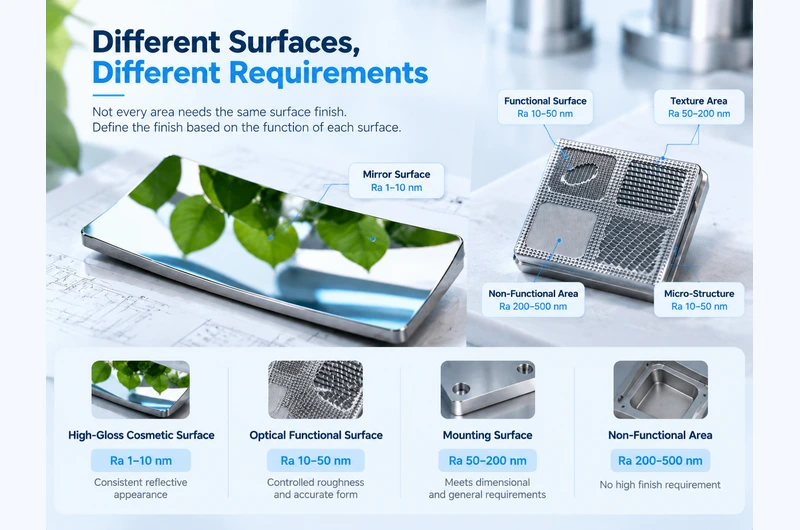
Question 1: What Surface Roughness Can You Actually Achieve?
Why This Matters: Suppliers often claim capability levels they don’t consistently achieve. Surface roughness directly impacts optical performance.
What to Ask:
- What is your best-documented surface roughness?
- How do you verify surface roughness on production parts?
- Can you provide measurement data from recent production runs?
Red Flag Response: Suppliers who quote “Ra 1nm” but can’t show actual measurement data from production parts.
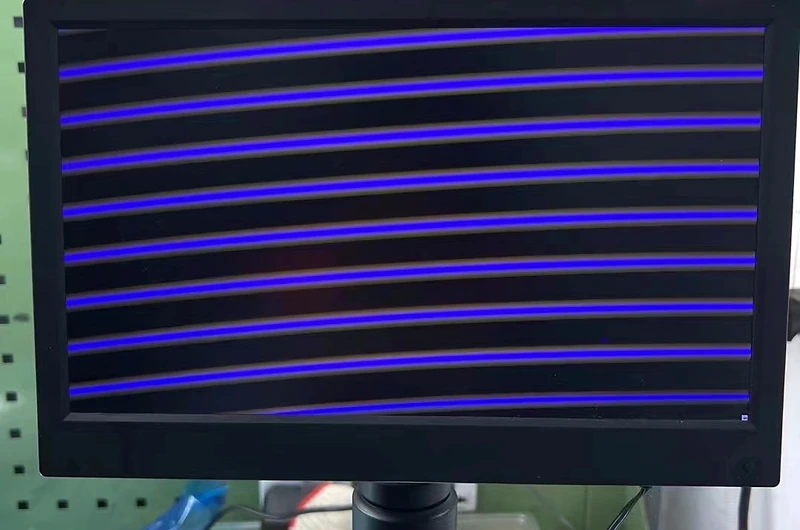
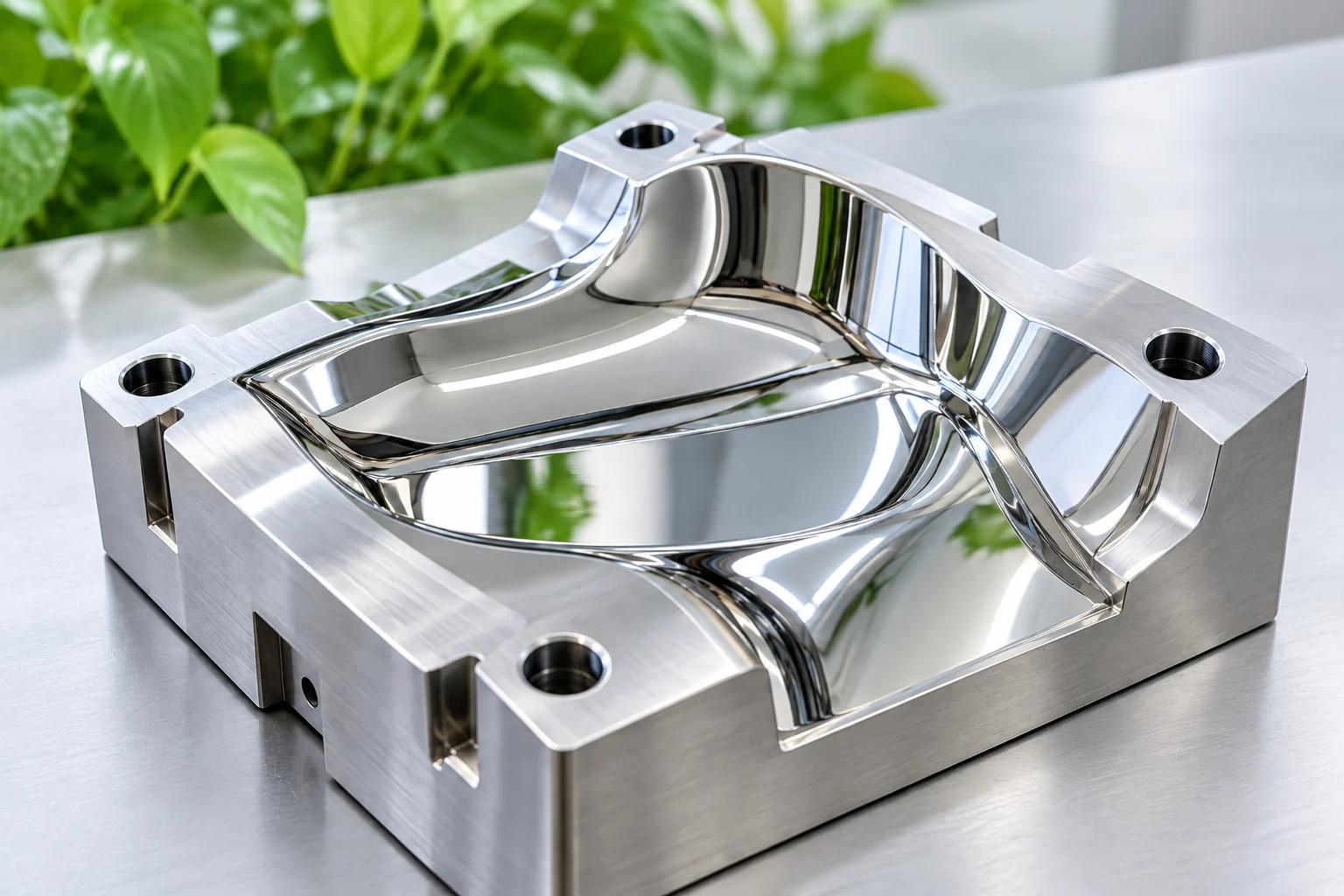
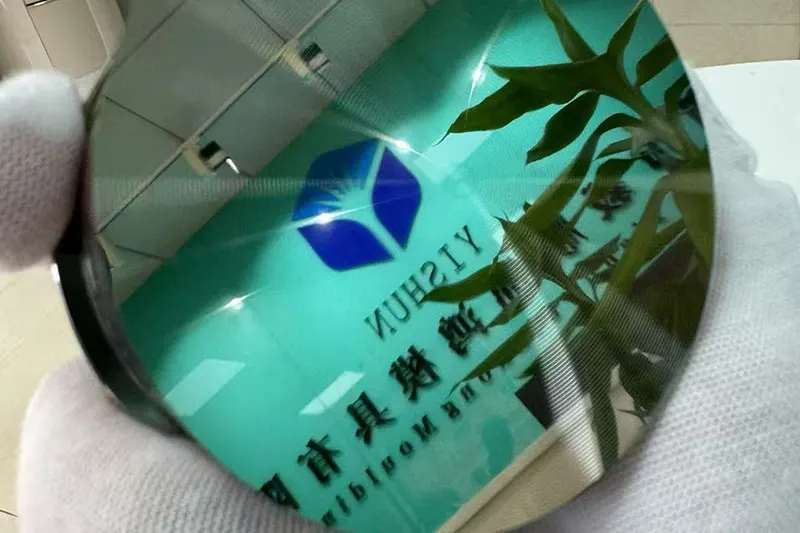
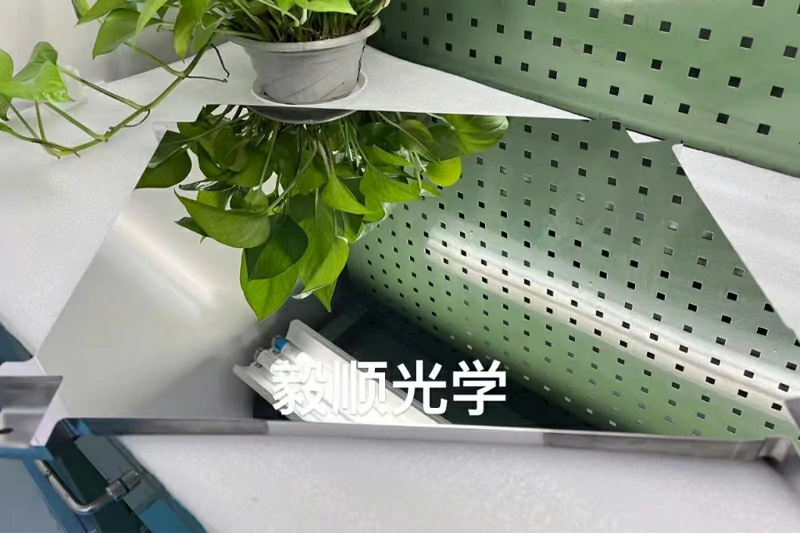
YISHUN Optical achieves and documents Ra 1nm surface roughness consistently, verified with Zygo interferometer measurements and surface profilometer analysis on every critical surface.
Question 2: What Equipment Do You Use for My Application?
Why This Matters: Equipment determines capability. A supplier without the right machines can’t deliver your requirements regardless of their promises.
What to Ask:
- What specific equipment will you use for my parts?
- How old is your equipment, and what is your maintenance schedule?
- Do you have backup equipment if primary machines go down?
What You’re Looking For:
| Equipment Category | Purpose | Ideal Suppliers Have |
|---|---|---|
| Diamond Turning | Ultra-precision rotationally symmetric parts | Moore Nanotech |
| 5-Axis CNC | Complex geometry optical components | RODERS, Hamer |
| Interferometer | Surface form verification | Zygo, Taylor Hobson |
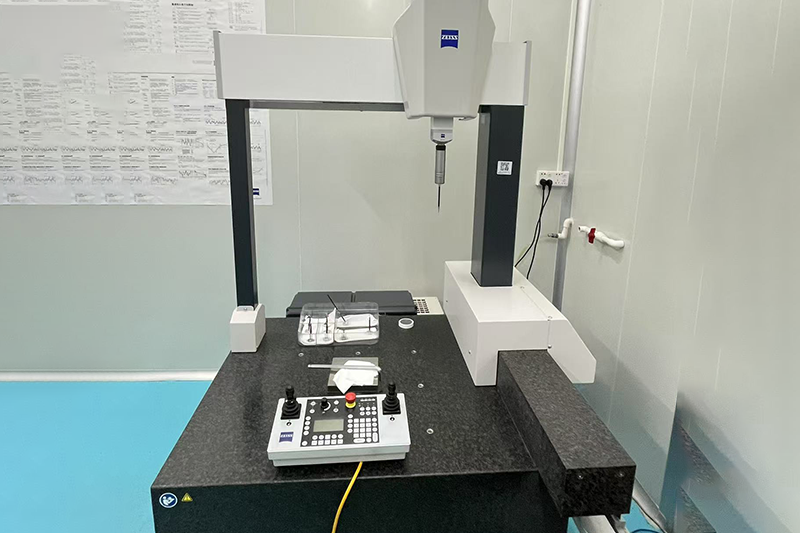
| CMM | Dimensional verification | Zeiss, Mitutoyo |
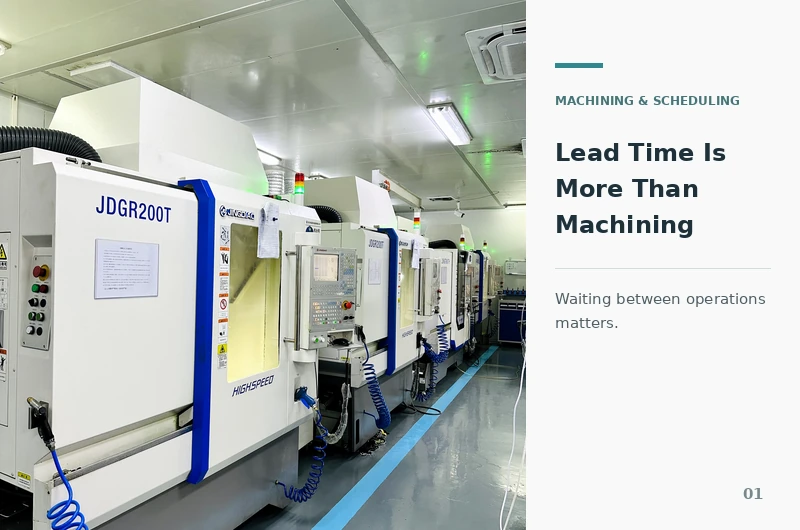
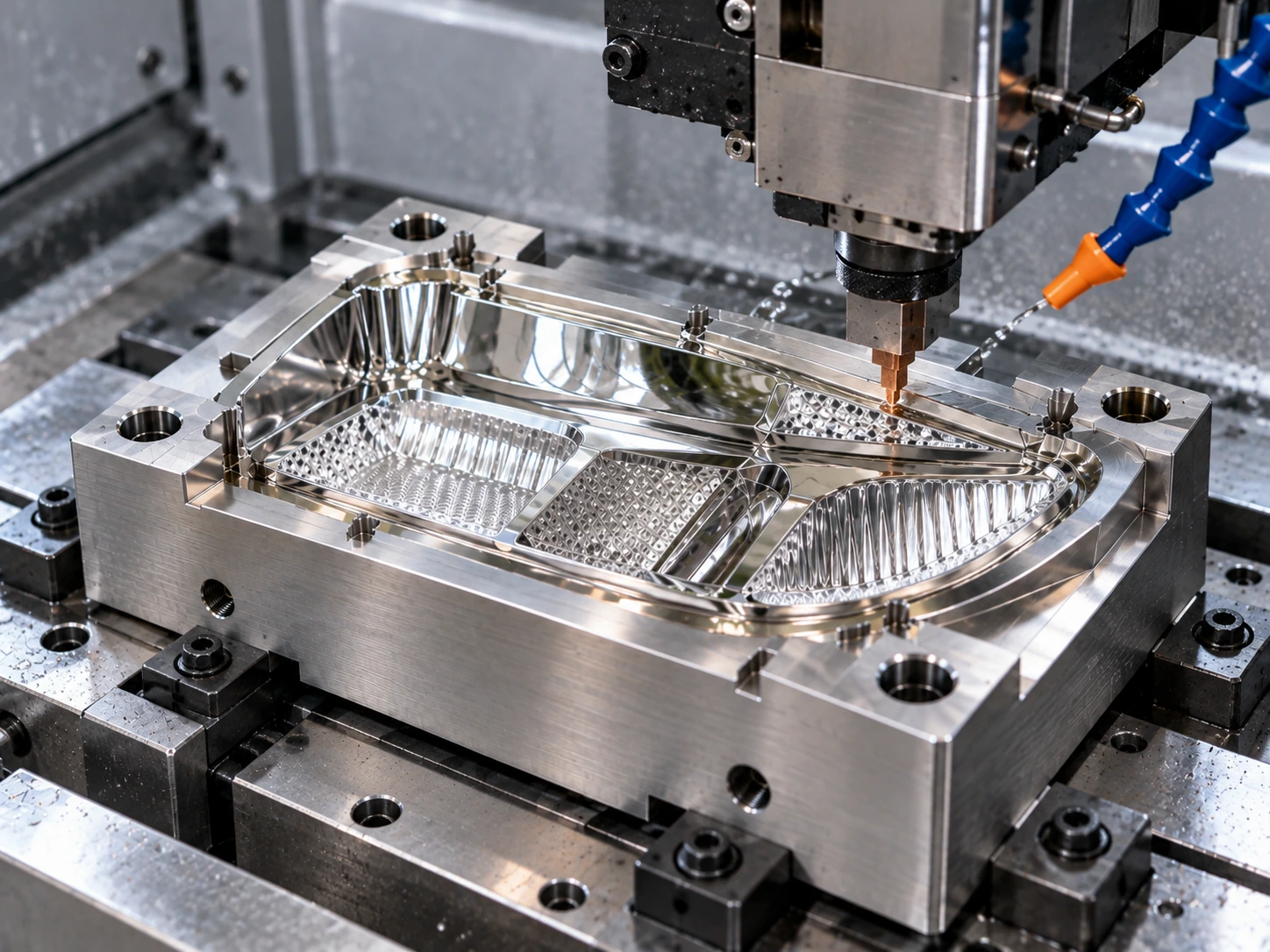
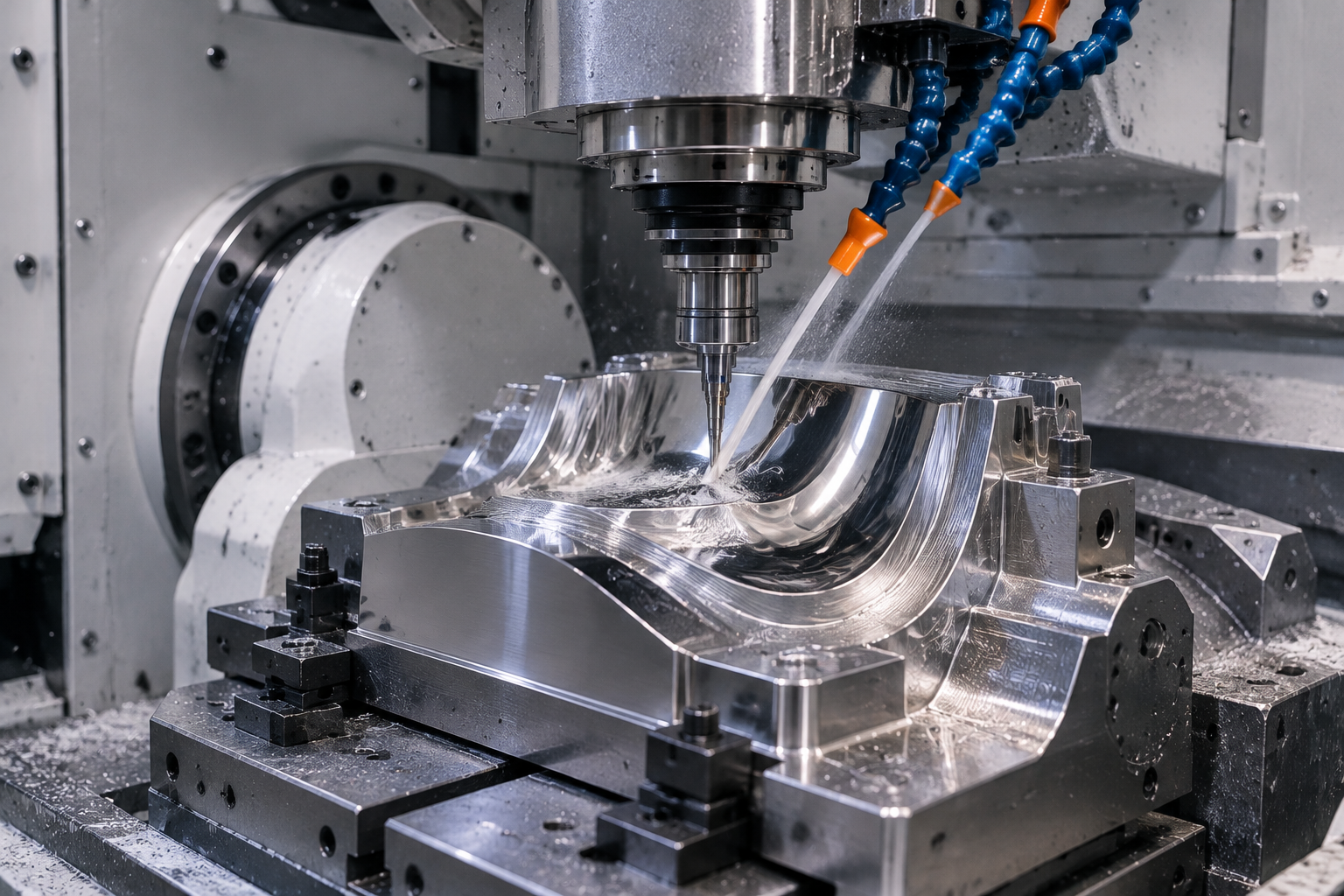
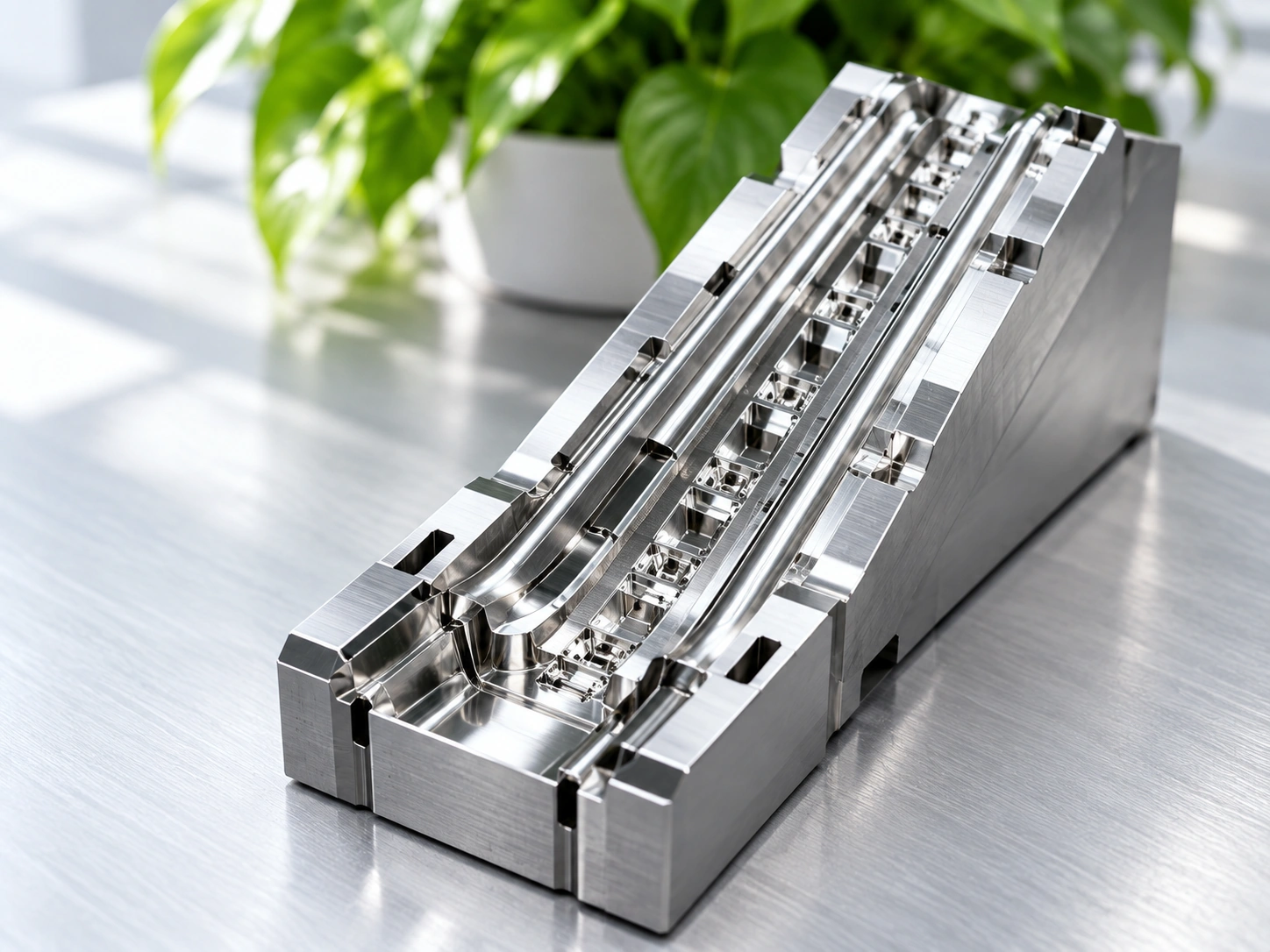
YISHUN operates Moore diamond turning systems and RODERS five-axis machining centers with regular preventive maintenance schedules and production backup capacity.
Question 3: What Dimensional Tolerances Can You Guarantee?
Why This Matters: Tolerances affect fit, function, and optical performance. Tight tolerances often increase cost significantly.
What to Ask:
- What is your tightest guaranteed tolerance capability?
- How do you achieve and verify tight tolerances consistently?
- What is your typical tolerance distribution (Cp, Cpk values)?
Critical Distinction: Capability vs. guarantee. A supplier may be capable of ±0.5μm on a good day, but can they guarantee it? YISHUN provides statistical process control data demonstrating capability indices (Cpk ≥1.33) for critical dimensions.
Question 4: What Quality Certifications Do You Hold?
Why This Matters: Certifications indicate a supplier has documented quality systems. They’re necessary but not sufficient.
What to Ask:
- What certifications do you currently hold?
- When were they last audited, and by whom?
- Do you have customers in regulated industries (medical, automotive)?
Minimum Requirements:
- ISO 9001:2015 (quality management)
- ISO 14001:2015 (environmental management)
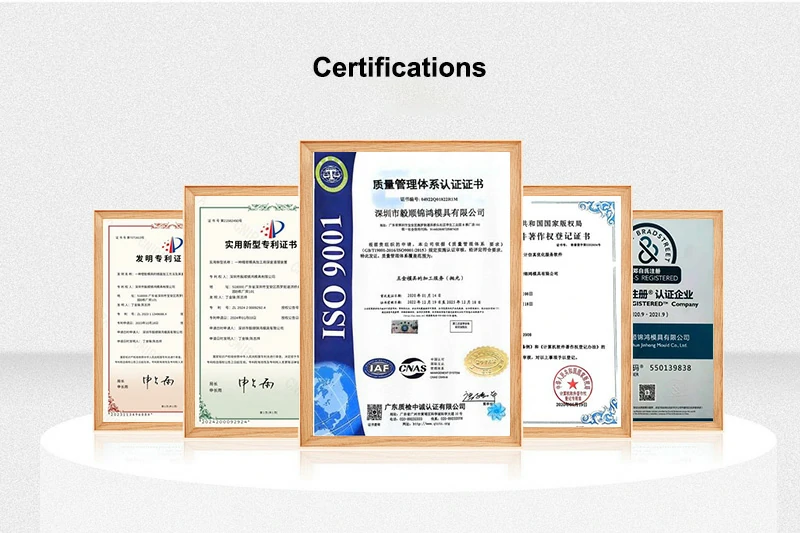
YISHUN Optical maintains both ISO 9001:2015 and ISO 14001:2015 certifications, audited annually by accredited third-party registrars. Our customer base includes medical device, automotive lighting, and consumer electronics manufacturers.
Question 5: What Inspection Documentation Can I Expect?
Why This Matters: Documentation provides traceability and proof of quality. Without it, you can’t verify what you received.
What to Ask:
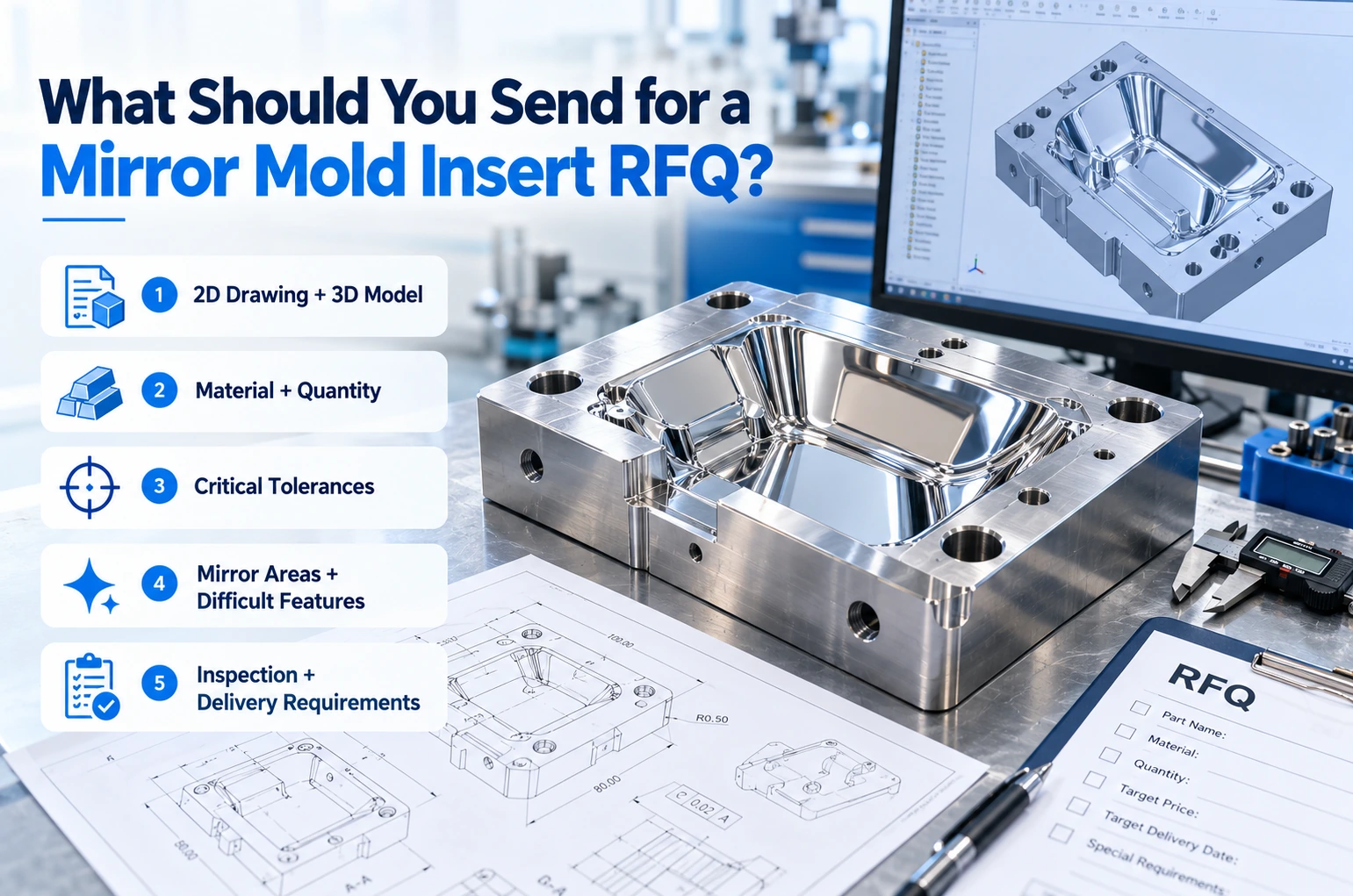
- What inspection documentation accompanies each shipment?
- Do you provide Certificates of Conformance?
- Can you provide first article inspection reports?
- What measurement equipment do you use for verification?
Documentation Expectations:
- Certificate of Conformance with each order
- Dimensional inspection data for critical features
- Surface finish verification (interferometer, profilometer)
- Material certificates (when applicable)
YISHUN provides comprehensive documentation packages including CMM reports, surface roughness data, and material certificates as standard deliverables.
Question 6: What Is Your Typical Lead Time?
Why This Matters: Lead times affect inventory requirements, production scheduling, and responsiveness to demand changes.
What to Ask:
- What are your typical lead times for prototype quantities?
- How do lead times scale with production volume?
- What factors typically cause lead time extensions?
Lead Time Factors:
- Raw material availability
- Machine scheduling congestion
- Inspection and documentation time
- Complexity of specifications
Request lead time estimates for your specific quantity requirements, not just general marketing claims. YISHUN provides detailed production scheduling with confirmed lead time commitments based on actual capacity availability.
Question 7: What Experience Do You Have in My Industry?
Why This Matters: Industry-specific experience means the supplier understands your requirements, quality standards, and business expectations.
What to Ask:
- Have you supplied components to [your industry] before?
- Can you provide references in my industry?
- What are the unique requirements you’ve encountered?
Industries Served by YISHUN:
- Automotive: KOITO, BYD—strict PPAP requirements, zero-defect expectations
- Medical: Imaging equipment manufacturers—FDA compliance, traceability
- Consumer Electronics: Apple, Foxconn—high volume, rapid ramp, cost optimization
- Semiconductor: Lithography and inspection equipment—extreme precision requirements
Ask for permission to contact references directly. Reputable suppliers will facilitate this.
Question 8: How Do You Handle Engineering Changes or Specification Revisions?
Why This Matters: Specifications evolve during product development. You need a supplier who can adapt without disrupting production.
What to Ask:
- What is your process for implementing engineering changes?
- How do you manage specification revisions during production?
- Do you require formal change documentation?
What You’re Looking For:
- Documented ECN (Engineering Change Notification) process
- Ability to implement changes without complete requalification
- Communication protocols for specification updates
- Revision control on documentation
Question 9: What Is Your Capacity for My Projected Volume?
Why This Matters: A supplier who can’t scale with your business forces painful transitions later.
What to Ask:
- What is your current capacity utilization?
- Can you scale production if my volume grows 2x, 5x, or 10x?
- Do you use dedicated or shared production capacity?
Capacity Planning Questions:
- Equipment availability for your part families
- Workforce flexibility and training
- Subcontractor relationships (and how you manage them)
- Lead time impact of volume increases
YISHUN maintains scalable manufacturing cells with ABB robotic polishing systems and multiple shifts to support volume ramp scenarios from prototype through production.
Question 10: What Is Your Approach to Continuous Improvement?
Why This Matters: Long-term supplier partnerships require ongoing optimization, not just status quo maintenance.
What to Ask:
- How do you identify and implement process improvements?
- Do you track scrap rates and first-pass yield?
- What quality improvement initiatives are you currently working on?
- Are you open to customer-driven improvement projects?
Positive Indicators:
- Documented continuous improvement programs
- Pareto analysis of quality issues
- Customer-driven improvement collaboration
- Investment in new capabilities and equipment
Beyond the Questions: Observations During Vendor Visits
Questions reveal intentions; facility visits reveal reality. During vendor visits, observe:
Cleanliness and Organization:
- Production areas should be clean and organized
- Work-in-progress storage should protect parts
- Measurement equipment should be calibrated and accessible
Staff Competence:
- Operators should understand quality requirements
- Engineers should be able to discuss technical challenges
- Management should be present and engaged
Process Visibility:
- Can you see production正在进行 (in progress)?
- Are process parameters monitored and recorded?
- Do workers have access to quality specifications?
Conclusion
These ten questions form the foundation of a thorough optical machining vendor qualification. The answers reveal capabilities, quality commitment, and partnership potential. Beyond the specific questions, pay attention to how suppliers respond—their willingness to provide information, their transparency about limitations, and their engagement with your technical challenges.
When your requirements demand Ra 1nm surface roughness, ±0.5μm tolerances, and ISO-certified quality systems, YISHUN Optical provides documented capabilities and references from demanding industry customers.
Ready to discuss your optical machining requirements?
Contact YISHUN Optical for technical consultation and detailed quotations for your precision component needs.
📧 Email: info@yishunoptical.com 🌐 Website: https://yishunoptical.com/
Frequently Asked Questions
How do I verify the answers my optical machining vendor provides?
Request supporting documentation for every claim. For surface roughness, ask for interferometer data. For tolerances, request SPC data. For capacity, ask for production schedules. YISHUN provides comprehensive documentation packages including actual measurement data from production parts.
Should I be concerned if a vendor is reluctant to answer some questions?
Yes. Transparency is essential in supplier relationships. Reluctance often indicates either poor capabilities or lack of systems. However, some questions may reveal proprietary processes—focus on results and evidence rather than process details.
How many suppliers should I qualify before making a selection?
Qualify at least three suppliers for comparison. Fewer than three limits your negotiating position and backup options. More than five may dilute your qualification attention. Focus your deepest qualification on your top two candidates.
What is the difference between supplier capability and supplier guarantee?
Capability is what a supplier can achieve under ideal conditions. Guarantee is what they commit to deliver consistently. Always ask for guaranteed specifications with stated process controls, not just theoretical capability claims.
How important is it that my optical machining vendor has experience in my specific industry?
Very important. Different industries have different requirements for documentation, traceability, quality standards, and business practices. A supplier experienced in automotive can handle PPAP and IATF requirements; one experienced in medical understands FDA compliance needs.
What red flags should I watch for during vendor qualification?
Watch for vague answers, missing documentation, reluctance to provide references, excessive subcontracting, poor facility conditions, and unrealistic pricing. Also be cautious of suppliers who tell you exactly what you want to hear without asking clarifying questions about your actual requirements.
How do I assess a vendor’s financial stability?
Request financial references or credit reports for significant partnerships. Look for signs of instability: frequent ownership changes, late payments to their suppliers, high employee turnover, or declining investment in equipment. YISHUN has operated continuously for over 20 years with consistent ownership and strategic equipment investment.