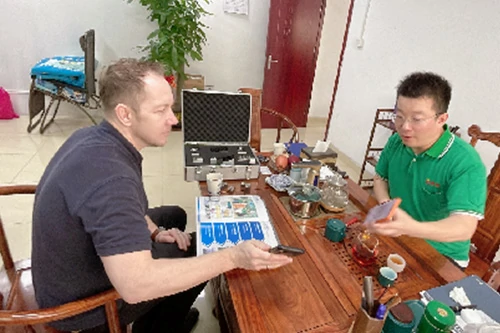
Custom Bluetooth Earphone Housing Mold Core Machining
Bluetooth earphone housings are small, but the mold core has to control much more than size. Visible surfaces, snap-fit areas, sound openings, small holes, edge definition and left-right matching all need to remain stable within a very limited space.
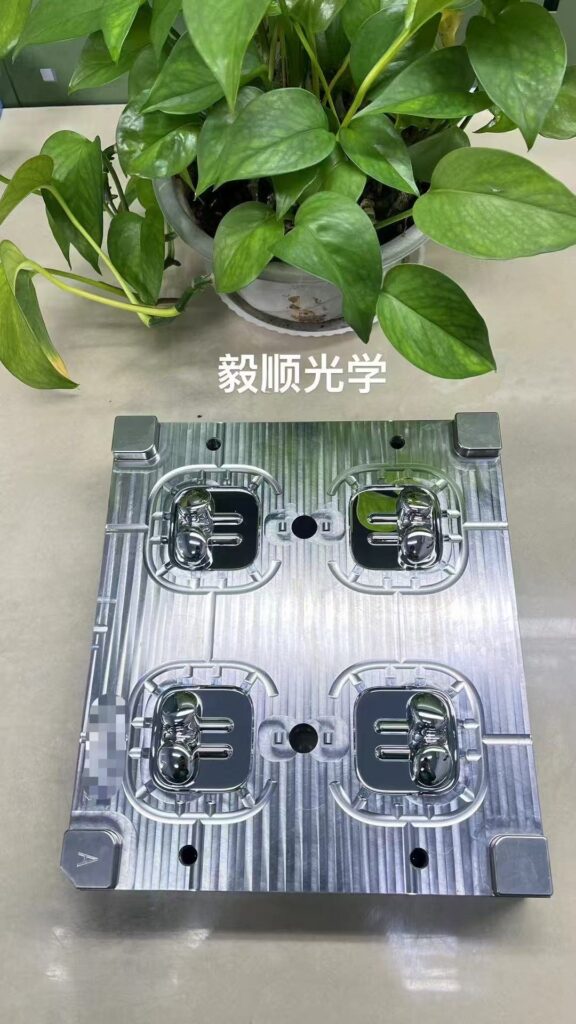
Small mold cores, many critical details
Left-right consistency
Similar-looking earbud shells can still show different gaps, gloss or hand feel if datum control and finishing removal are inconsistent.
Small functional features
Snap fits, holes, ribs, acoustic openings and fitting surfaces must keep their designed geometry after machining and polishing.
Visible surface quality
Tool marks, scratches, haze, orange peel and uneven reflection are easy to notice on glossy black or coated consumer-electronics parts.
Stable sample-to-production transfer
A good sample is not enough; the mold insert must remain easier to inspect, match and maintain after customer validation.
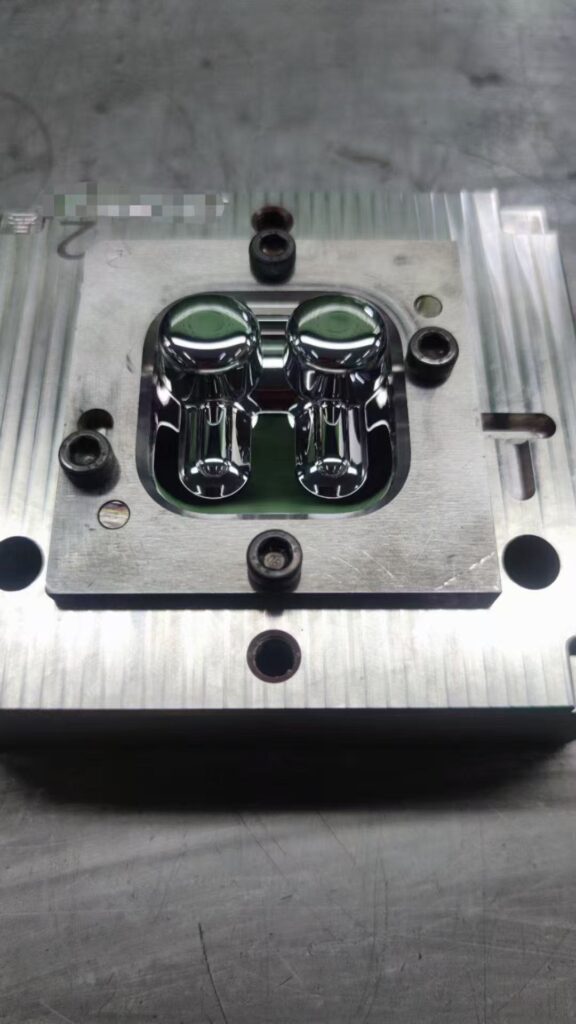
Built for earbud housings and compact functional parts
This page covers custom, non-standard mold cores and inserts for Bluetooth / TWS earphone housings. Typical molded parts include the outer earbud shell, stem housing, upper and lower covers, button areas, decorative windows, sound outlet areas, snap-fit structures and other small appearance or assembly components.
What must stay controlled after finishing
For an earphone housing insert, a brighter surface is not useful if polishing changes the geometry that controls fit or assembly.
Used to compare paired inserts and reduce unexpected fitting differences.
Need controlled material removal so engagement and gap do not change.
Small holes and sound outlet areas require stable position and edge definition.
Need clean reflection without tool marks, haze, scratches or local dullness.
These can become rounded or softened if finishing access is not planned.
Edge condition must be judged together with visible appearance and assembly.
Reference capability for drawing review
Deep holes, thin walls, micro-details, sharp edges and hard-to-reach surfaces require separate review from the actual drawing.
Problems that usually appear after the parts are assembled
Left and right housings do not match
The two inserts may both pass individual checks but still create different fitting gaps, surface conditions or hand feel.
Snap fits or holes change after polishing
Polishing removes material. A small change around a locking area or hole may affect assembly even if the visible surface improves.
High-gloss surfaces still show marks
Gloss alone does not remove periodic tool marks, micro-scratches, haze, orange peel or uneven reflection.
Small edges and ribs become too soft
Compact TWS housings often combine tight R corners, small ribs and thin local structures that are easy to round.
The sample looks good, but repeatability is unstable
A single approved part does not guarantee stable results across later inserts, maintenance cycles or matched sets.
It is unclear whether the issue comes from the mold
Appearance or fit problems can come from the insert, material, assembly method or molding conditions.
How we review an earphone housing mold-core project
Drawing review
Mark visible surfaces, assembly zones, holes, ribs, small R corners and difficult-access features.
Process selection
Choose precision machining, mirror machining, grinding and controlled polishing according to the actual geometry.
Critical-zone protection
Control material removal around snap fits, edges, openings, steps and left-right matching datums.
Inspection confirmation
Check the agreed dimensional, surface, roughness and matching requirements before delivery.
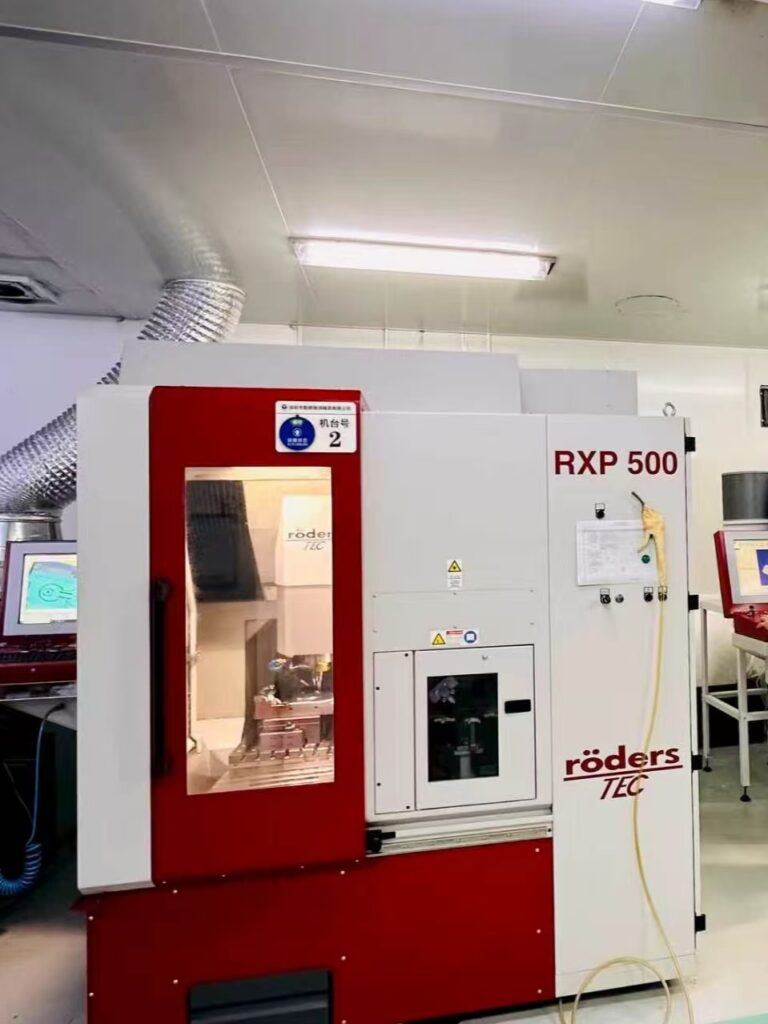
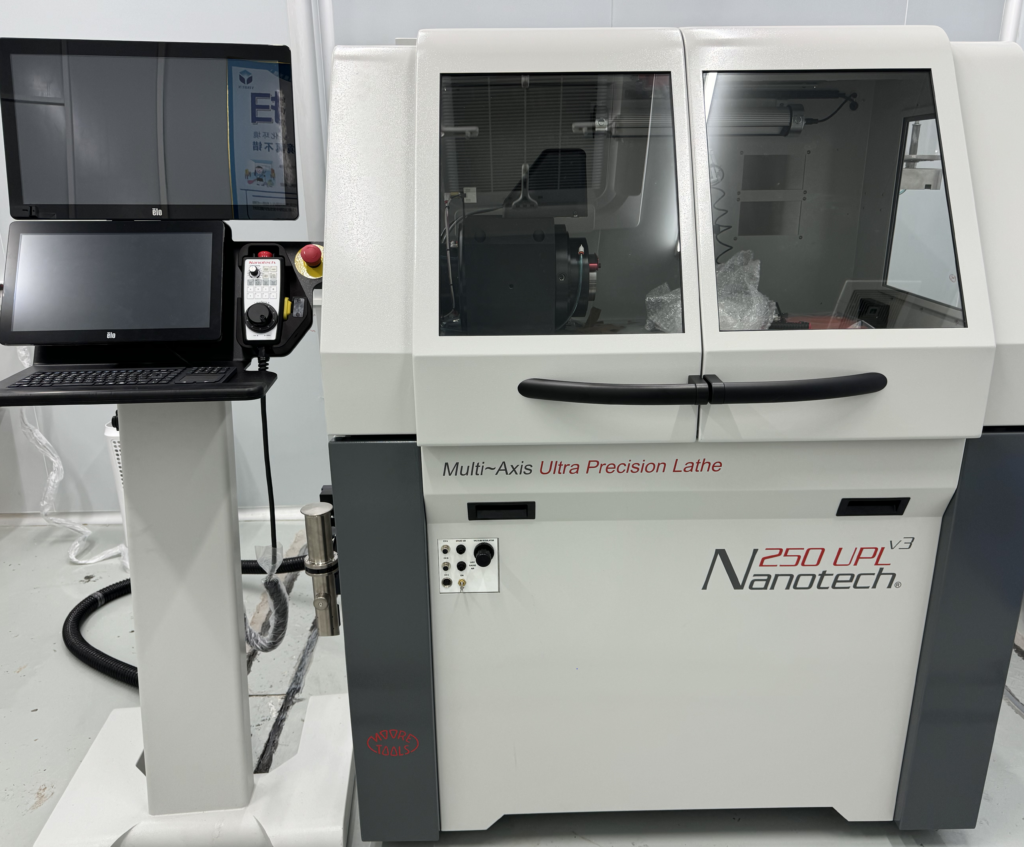
Surface quality and assembly geometry are reviewed together
What to send for project review
Core project files
- 2D drawing
- 3D file: STEP, IGES or X_T
- Mold material requirement
- Surface standard or Ra target
- Cavity quantity and left-right pairing requirement
Useful supporting information
- Sample photos or defect photos
- Critical assembly or appearance zones
- Current fitting-gap or surface issue
- Required inspection documents
- Target quantity and delivery schedule
Bluetooth earphone housing mold-core questions
Do you make complete Bluetooth earphone molds or only mold cores?
Yishun mainly provides custom mold cores, cavities, mirror inserts and precision mold components based on customer drawings. The exact supply scope is confirmed before quotation.
Can you make matched left and right TWS earphone housing inserts?
Yes. We can review matched left-right inserts and focus on common datums, surface consistency and areas that influence fitting gaps.
Can you machine acoustic holes, snap fits and small ribs?
These structures can be evaluated. The final process depends on size, depth, material, tolerance and tool access.
Can the housing mold reach SPI A1 or SPI A0?
SPI A1 is common for high-gloss appearance areas. SPI A0 can be evaluated for special optical or sensing zones when the material, geometry and acceptance requirement are suitable.
Why should assembly surfaces be protected during polishing?
Because polishing removes material. Excess removal around snap fits, holes, parting edges or fitting surfaces may change size and assembly performance even if the surface looks brighter.
Can you provide inspection reports?
Yes, according to the confirmed project scope. Dimensional, roughness, appearance and other agreed inspection records can be prepared.
Can you review an existing mold problem?
Yes. Send the drawing, trial-part photos, defect photos and a short description. We can first assess whether the issue may relate to the mold surface, geometry, assembly position, material or molding conditions.
How is this page different from the TWS charging-case mirror mold page?
This page focuses on compact earbud and stem housings, left-right matching, acoustic openings, snap fits and small assembly features. The charging-case page focuses on larger broad reflective surfaces, lid openings, deep cavities and case-level mirror appearance.
Working on a new TWS earphone housing?
Send the 2D drawing, 3D file, mold material, surface target, cavity quantity and any current defect photos. We will first review the visible surfaces, assembly zones, small holes, snap fits and left-right matching requirements before recommending the machining route.