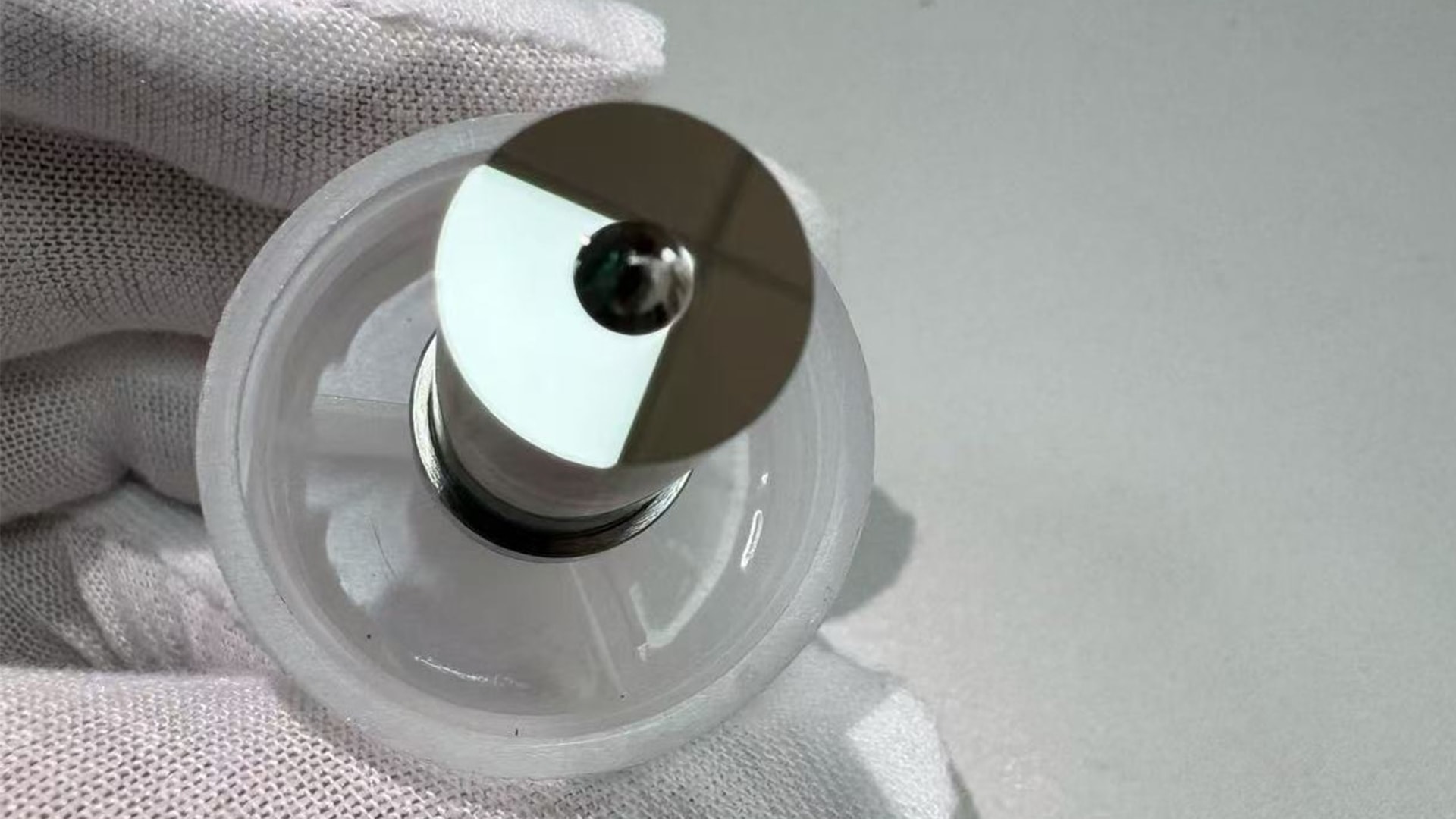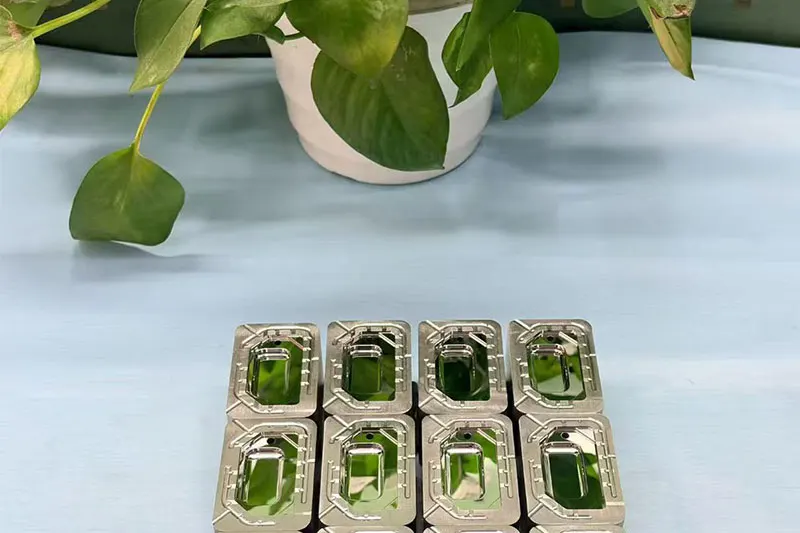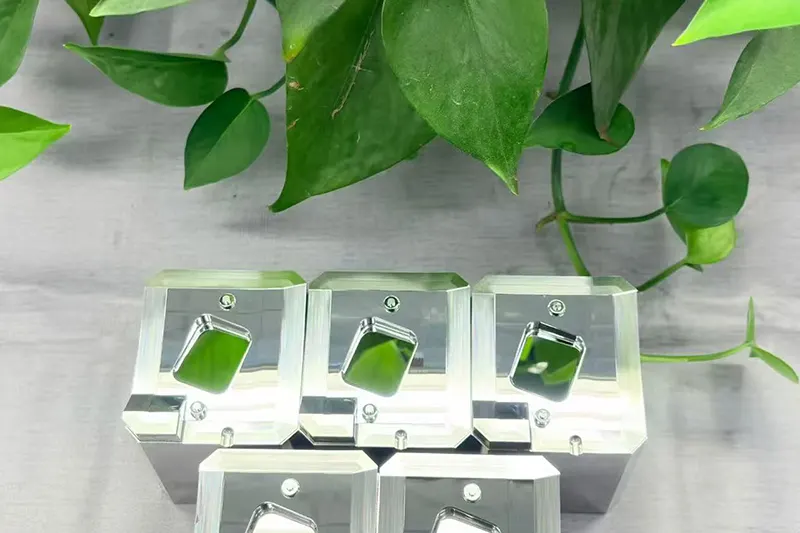
The cost of optical polishing is a complex calculation influenced by a multitude of factors, from the inherent properties of the optical material itself to the rigorous specifications of the final product and the advanced techniques employed. Understanding these variables is crucial for anyone involved in the design, manufacturing, or procurement of high-precision optical components. From initial material selection and component geometry to surface quality requirements and the chosen polishing method, each element plays a significant role in determining the final expense. This article delves deep into the economic drivers behind optical polishing, offering a comprehensive guide to the factors that push costs up or down, ensuring you can make informed decisions and budget effectively for your optical projects.
Table of Contents
- Introduction: Deconstructing Optical Polishing Costs
- Material Matters: How Substrate Properties Impact Polishing Expenses
- Geometry & Size: The Shape of Your Optics and Its Cost Implications
- Surface Specifications: Precision, Finish, and Their Price Tags
- Polishing Methods: Technology, Equipment, and Expertise
- Volume & Turnaround: Economies of Scale and Expedited Services
- Quality Assurance & Testing: Ensuring Performance, Adding Value
- Vendor Expertise & Location: The Human and Geographic Elements
- Strategies for Cost Optimization in Optical Polishing
- Conclusion: Navigating the Nuances of Optical Polishing Investment
Introduction: Deconstructing Optical Polishing Costs
Optical polishing is a critical manufacturing process that refines the surface of an optical component to achieve specific smoothness, flatness, and figure requirements, essential for its intended optical performance. Unlike simple mechanical polishing, optical polishing demands micron- and nanometer-level precision, often involving specialized machinery, skilled technicians, and rigorous metrology. The cost associated with this process is rarely straightforward, as it’s a cumulative result of numerous interconnected variables. Understanding these cost drivers is paramount for engineers, product developers, and procurement specialists to accurately budget projects and optimize component design for manufacturability and cost-effectiveness. This guide aims to demystify the financial aspects, offering clarity on what truly influences the bottom line in high-precision optical fabrication.
Material Matters: How Substrate Properties Impact Polishing Expenses
The choice of raw material for an optical component profoundly impacts the ease and cost of polishing. Different materials exhibit unique physical and chemical properties that dictate the tools, abrasives, and time required to achieve the desired surface quality.
Hardness and Brittleness of Optical Materials
Materials like sapphire, silicon carbide (SiC), and fused silica are exceptionally hard, making them highly scratch-resistant and durable. However, their hardness also means they are significantly more challenging and time-consuming to polish. Achieving nanometer-level smoothness on these materials often requires specialized diamond abrasives, longer processing times, and more aggressive polishing techniques, all of which drive up costs. Conversely, softer materials like some glasses or polymers are easier and faster to polish, but may be more susceptible to surface damage during handling or use.
Alongside hardness, *brittleness* is another critical factor. Brittle materials, such as many optical glasses, can chip or crack easily if not handled with extreme care during grinding and polishing. This risk necessitates slower processing speeds, gentler pressures, and specialized tooling to prevent damage, adding to both the time and cost. Materials with high fracture toughness are more forgiving but may still require specific approaches to avoid subsurface damage that could compromise performance.
Chemical Reactivity and Contamination Risks
The chemical composition of an optical material can influence its interaction with polishing slurries and coolants. Some materials are chemically reactive, requiring specific, often more expensive, polishing compounds that won’t etch, stain, or chemically alter the surface. For instance, certain chalcogenide glasses or exotic crystals may react poorly with water-based slurries, necessitating oil-based or custom chemical mechanical polishing (CMP) solutions. Furthermore, maintaining an ultra-clean environment to prevent contamination, especially for sensitive materials, adds another layer of cost. Contaminants can embed themselves in the surface, causing defects or altering optical properties, leading to costly reworks or scrap.
Here’s a comparison of common optical materials and their polishing considerations:
| Material Type | Hardness/Brittleness | Polishing Difficulty | Typical Abrasives | Cost Impact |
|---|---|---|---|---|
| Optical Glass (e.g., BK7) | Moderate hardness, somewhat brittle | Moderate | Cerium Oxide | Moderate |
| Fused Silica | High hardness, moderate brittleness | High | Cerium Oxide, Diamond | High |
| Sapphire (Al2O3) | Extremely hard, low brittleness | Very High | Diamond Slurries | Very High |
| Silicon Carbide (SiC) | Extremely hard, moderate brittleness | Very High | Diamond, CMP slurries | Very High |
| Germanium (Ge) | Softer, brittle | Moderate to High | Aluminum Oxide, CMP | Moderate to High |
| Zinc Selenide (ZnSe) | Softer, brittle | Moderate | Alumina, custom slurries | Moderate |
Geometry & Size: The Shape of Your Optics and Its Cost Implications
The physical attributes of an optical component—its size, shape, and overall geometry—are profound determinants of polishing costs. Simple, flat, and standard-sized optics are inherently less expensive to produce than complex, aspheric, or extremely large elements.
Component Size and Aspect Ratio
Generally, *larger optics* require larger polishing machines, more polishing compound, and longer processing times. The sheer surface area to be polished directly correlates with the time and effort invested. However, it’s not just the absolute size but also the *aspect ratio* (e.g., very thin or very thick parts relative to their diameter) that matters. Extremely thin optics are prone to breakage or distortion during polishing, necessitating specialized fixturing and gentle handling, which can increase costs. Similarly, very thick optics might require more substantial material removal during the initial grinding stages, adding to overall processing time.
Miniature optics, though small, also present unique challenges. Handling, fixturing, and inspecting tiny components can be meticulous and time-consuming, requiring specialized tools and highly dexterous operators. This “micro-precision” can sometimes command a premium similar to that of very large optics, as the setup and individual attention per piece become significant.
Flat, Spherical, Aspheric, and Freeform Surfaces
The complexity of the optical surface is arguably one of the most significant cost drivers:
- Flats and Spheres: These are the most common and generally least expensive to polish. Flat surfaces can be polished in batches using planetary laps, while spherical surfaces can be accurately generated and polished with relatively standard tooling. The symmetry simplifies metrology and process control.
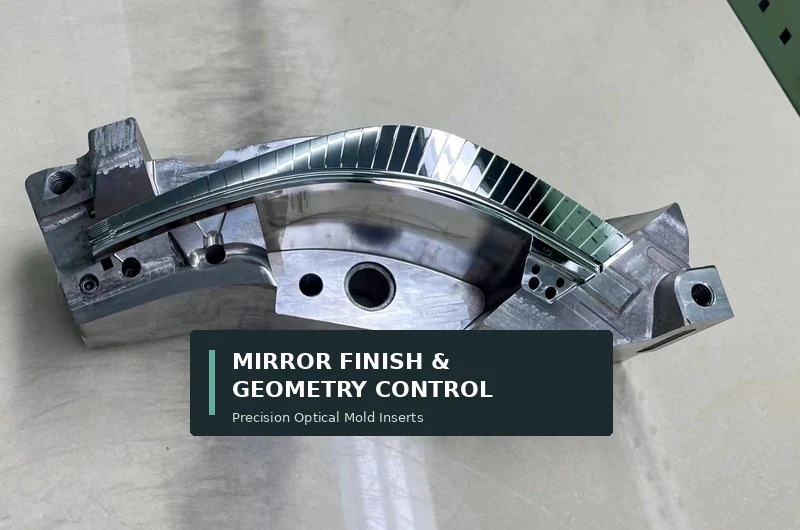
- Aspheres: Aspheric optics (surfaces that are not flat or spherical) offer superior aberration correction with fewer elements but are significantly more challenging and costly to fabricate. They require specialized computer numerically controlled (CNC) grinding and polishing machines, iterative measurement and correction cycles, and often single-point diamond turning (SPDT) followed by polishing. The non-rotational symmetry demands highly advanced metrology and adaptive polishing techniques, driving up both equipment and labor costs.
- Freeform Optics: Representing the pinnacle of optical complexity, freeform optics have no axis of rotational symmetry and are characterized by highly complex, non-standard shapes. They offer unprecedented design freedom and performance, but their manufacturing costs are exceptionally high. Fabrication typically involves advanced five-axis CNC machining, magnetorheological finishing (MRF), ion beam figuring (IBF), or other highly specialized processes. Metrology for freeforms is equally complex, often requiring custom interferometers and advanced data analysis, making them the most expensive class of optics to produce.
Internal and External Features (e.g., Holes, Grooves)
Any features beyond a simple front and back surface add complexity. Polishing *internal bores*, concave surfaces with small radii of curvature, or surfaces near *sharp edges, holes, or grooves* is inherently more difficult. These features often obstruct traditional polishing tools, requiring custom-designed laps, specialized small-scale polishing heads, or manual intervention. The risk of damage to the feature or the polished surface nearby also increases, necessitating slower processes and greater care. This additional complexity invariably translates into higher costs.
Surface Specifications: Precision, Finish, and Their Price Tags
The stringent requirements placed on an optical surface directly correlate with manufacturing difficulty and, consequently, cost. Achieving higher levels of precision demands more refined processes, specialized equipment, and extensive metrology.
Surface Roughness (RMS/Ra)
Surface roughness refers to the microscopic texture of a surface, often quantified by RMS (Root Mean Square) or Ra (average roughness). Lower RMS values indicate a smoother surface, which is critical for minimizing light scatter and maximizing transmission, especially in high-power laser applications or UV/X-ray optics. Achieving sub-nanometer RMS roughness (e.g., < 0.5 nm) is extremely challenging. It requires highly controlled polishing environments, ultra-fine abrasives, non-contact polishing techniques (like ion beam figuring), and meticulous process monitoring. Each incremental improvement in roughness specification can significantly increase polishing time, consumable costs, and rework potential.
Surface Figure (PV/RMS λ)
Surface figure describes the deviation of the optical surface from its ideal, theoretical shape, typically measured in fractions of a wavelength of light (e.g., λ/10, λ/20). PV (Peak-to-Valley) and RMS (Root Mean Square) are common metrics. A specification of λ/20 means the highest and lowest points on the surface deviate from the ideal by no more than 1/20th of the measurement wavelength, representing extreme precision. Achieving such tight tolerances demands highly stable polishing machines, advanced metrology (like interferometry), and iterative polishing cycles where the surface is measured, adjusted, and re-polished repeatedly. Each iteration adds time and cost, making λ/20 significantly more expensive than λ/4.
The table below illustrates the cost impact of various surface figure specifications:
| Surface Figure Specification | Typical Application | Polishing Difficulty | Relative Cost Impact |
|---|---|---|---|
| λ/4 (PV) | Standard imaging, general mirrors | Moderate | Base Cost |
| λ/8 (PV) | Mid-range telescopes, laser cavities | High | 1.5x – 2x Base Cost |
| λ/10 (PV) | High-performance imaging, interferometer components | Very High | 2x – 3x Base Cost |
| λ/20 (PV) | Ultra-precision interferometers, high-power lasers, high-precision optics | Extremely High | 3x – 5x+ Base Cost |
Scratch-Dig (S/D) Requirements
Scratch-Dig specifications (e.g., 60-40, 20-10) quantify surface imperfections. The first number refers to the maximum width of a scratch (in microns), and the second to the maximum diameter of a dig (pit or bubble) (in hundredths of a millimeter). Tighter S/D specifications (e.g., 10-5 or even 0-0 for super-polished surfaces) mean fewer and smaller cosmetic defects are permitted. Achieving these levels of perfection requires exceptional cleanliness throughout the entire manufacturing process, from grinding to final cleaning. Operators must wear lint-free clothing, work in cleanroom environments, and use meticulously filtered slurries. Any debris or mishandling can introduce scratches or digs, leading to rejection or costly re-polishing. The stricter the S/D, the more vigilant and expensive the process becomes.
Chamfers, Bevels, and Edge Quality
While often overlooked, the quality of chamfers (beveled edges) and edge finishes can also affect cost. Well-executed chamfers prevent chipping and improve durability. However, if the chamfers themselves need to be polished or held to tight dimensional tolerances, this adds an extra step. Polishing edges, especially for high-power laser optics where edge scattering can be detrimental, requires specialized edge-polishing techniques that are more time-consuming and expensive than simply breaking an edge.
Polishing Methods: Technology, Equipment, and Expertise
The specific technique and machinery employed for optical polishing are core cost drivers. Each method has its own associated equipment costs, operational complexity, and required skill level, directly impacting the final price.
Conventional vs. Advanced Polishing Techniques
- Conventional Polishing: This involves using a polishing tool (lap) often made of pitch or polyurethane, charged with an abrasive slurry, to physically remove material. It’s cost-effective for flats and spheres with moderate precision. However, it’s often a manual or semi-automated process, relies heavily on operator skill, and can be slow for high-precision or complex geometries.
- Advanced Polishing Techniques: These include a range of sophisticated methods designed for higher precision, complex geometries, or difficult materials. Examples include:
- Computer Numerically Controlled (CNC) Polishing: Utilizes automated machinery to precisely control tool paths and pressure, ideal for aspheres and freeforms. Requires significant investment in equipment and programming expertise.
- Magnetorheological Finishing (MRF): A non-contact, deterministic polishing process that uses a magnetic fluid to precisely remove material. Excels at correcting surface figure errors on complex shapes. High equipment cost and specialized operational knowledge.
- Ion Beam Figuring (IBF): A non-contact, sub-aperture process that uses an ion beam to precisely etch away material atom by atom. Ideal for ultra-smooth surfaces and delicate components where mechanical stress is undesirable. Extremely high equipment and operational costs.
- Chemical Mechanical Polishing (CMP): Combines chemical reactions with mechanical abrasion for ultra-smooth, damage-free surfaces, often used for semiconductors and hard crystals. Requires specific chemical handling and precision equipment.
Each of these advanced methods demands substantial capital investment in machinery, extensive research and development to optimize processes, and highly specialized technicians. This translates directly into higher per-unit costs for components polished using these techniques.
Tooling, Fixturing, and Consumables
Beyond the primary machinery, a host of supporting elements contribute to the cost:
- Custom Tooling and Laps: For unique geometries or very large optics, custom polishing laps and tools must be fabricated. This is a significant upfront cost, especially for complex designs.
- Fixturing: Holding the optical component securely and precisely during polishing is crucial. Custom fixtures are often needed for non-standard shapes, delicate parts, or batch processing, adding design and manufacturing costs.
- Abrasives and Slurries: The choice of polishing abrasives (e.g., cerium oxide, alumina, diamond compounds) and the carrier slurry significantly impact cost. High-purity, ultra-fine abrasives or custom chemical formulations (especially for CMP) can be very expensive.
- Cleaning Solutions: Maintaining pristine optical surfaces requires specialized, often high-purity, cleaning agents and multi-stage cleaning processes to prevent contamination, especially after polishing.
Metrology and Testing Equipment
Accurate measurement is indispensable for achieving and verifying optical specifications. High-precision metrology equipment is expensive to purchase, maintain, and operate:
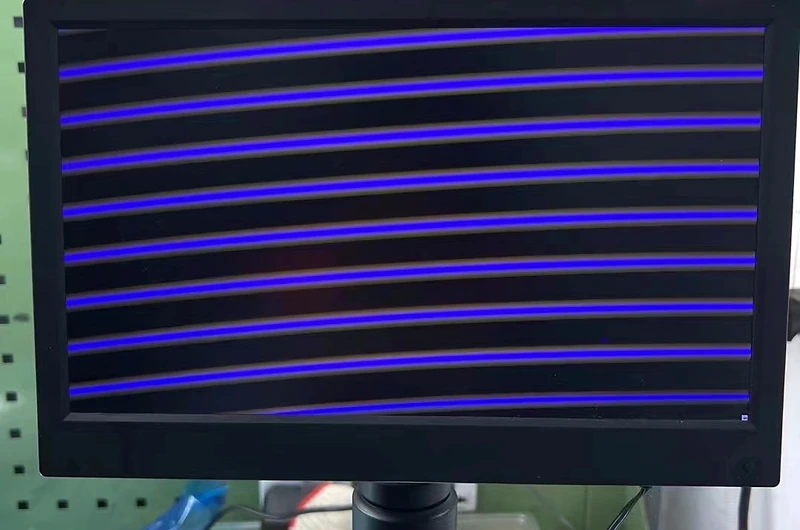
- Interferometers: Used to measure surface figure and flatness. High-end interferometers with specialized accessories (e.g., transmission spheres for radii, reference flats) are critical for tight tolerances.
- Profilometers: Measure surface roughness. Non-contact optical profilometers are preferred for fragile or highly reflective surfaces.
- Microscopes and Surface Defect Scanners: Essential for verifying scratch-dig specifications and identifying subtle imperfections.
Each measurement cycle, especially for iterative polishing, adds time and labor, directly contributing to the overall cost. The more stringent the specification, the more sophisticated and frequent the metrology required.
Volume & Turnaround: Economies of Scale and Expedited Services
The quantity of optics ordered and the desired delivery timeline significantly influence the per-unit cost of polishing. These factors are often subject to the principles of economies of scale and the premium placed on rapid service.
Batch Size and Production Volume
Optical polishing operations often have substantial setup costs, which include machine configuration, tooling preparation, fixturing, and initial calibration for each unique optical component. For *small batch sizes* or *one-off prototypes*, these fixed setup costs are amortized over very few units, making the per-unit cost exceptionally high. As the *production volume increases*, these setup costs are distributed across more units, leading to a lower average cost per piece. This is a classic example of economies of scale. Manufacturers can optimize their processes for sustained runs, reducing the labor per piece and increasing overall efficiency. Therefore, ordering larger quantities almost always results in a lower unit price for polishing.
For example, polishing 10 pieces of a specific lens might cost $500 per piece, while polishing 100 pieces might bring the cost down to $150 per piece, due to reduced setup time per unit and optimized production flow.
Lead Time and Expedited Services
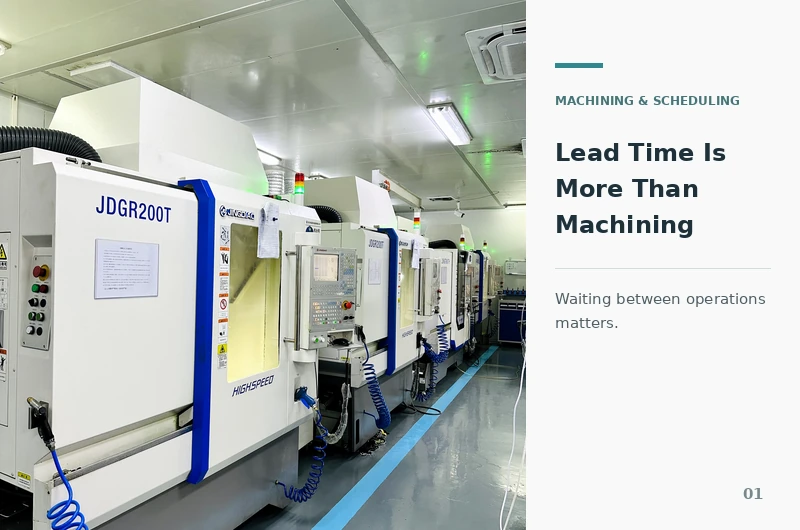
Standard lead times for optical polishing can range from several weeks to months, depending on the complexity of the optic and the manufacturer’s current workload. These timelines are based on optimized scheduling and resource allocation. However, when expedited services are required, costs invariably increase. A “rush” order often means disrupting existing production schedules, requiring overtime labor, dedicating specific machines, or even delaying other projects. Manufacturers typically charge a significant premium (e.g., 25% to 100% or more of the standard cost) for accelerated delivery, as it incurs additional operational expenses and sacrifices flexibility. Planning ahead and allowing for standard lead times can significantly reduce project costs.
Quality Assurance & Testing: Ensuring Performance, Adding Value
Beyond the act of polishing itself, the processes in place to verify the quality and performance of the finished optic are substantial cost contributors. Robust quality assurance (QA) and comprehensive testing are critical for high-performance applications but come at a price.
In-Process Metrology and Iterative Polishing
Achieving stringent optical specifications, particularly for surface figure and roughness, often requires an iterative polishing process. This means the optic is polished for a period, removed from the machine, thoroughly cleaned, measured using high-precision metrology equipment (e.g., interferometers, profilometers), and then returned to the polishing machine for further refinement based on the measurement data. Each measurement cycle is time-consuming, requires skilled technicians, and utilizes expensive equipment. The more iterations required to converge on the desired specification, the higher the labor and equipment utilization costs. For extremely precise optics (e.g., λ/20), multiple iterations are standard, directly increasing the cost per piece.
For example, an asphere might undergo 5-10 measurement and correction cycles to achieve its final figure, each cycle adding hours of labor and machine time.
Final Inspection and Certification
Upon completion of polishing, every optical component undergoes a rigorous final inspection to ensure it meets all specified parameters. This includes:
- Visual inspection: For scratch-dig, bubbles, and other cosmetic defects, often performed under controlled lighting and magnification.
- Dimensional inspection: Verification of diameter, thickness, radii, and chamfers.
- Surface figure and roughness measurement: Using interferometers and profilometers for final verification.
- Coating inspection: If applicable, verifying coating uniformity and adhesion.
For critical applications, customers may require detailed test reports and certification for each optic. This involves generating and documenting comprehensive metrology data, creating certificates of conformance, and ensuring traceability of materials and processes. The labor involved in these final checks, documentation, and quality control adds a significant but necessary cost, especially for optics used in high-reliability optical, medical, or scientific instruments where failure is not an option.
Vendor Expertise & Location: The Human and Geographic Elements
The choice of polishing vendor and their geographical location can significantly influence the cost, reflecting both the human capital and operational overheads involved.
Experience and Reputation of the Polishing House
Polishing houses with a long track record of success in producing high-precision, complex optics often command higher prices. This premium is justified by several factors:
- Skilled Workforce: Experienced technicians and engineers are critical for solving challenging polishing problems, optimizing processes, and consistently delivering quality. Their expertise is a valuable asset.
- Proprietary Processes: Leading vendors may have developed proprietary techniques, specialized tooling, or advanced software algorithms that enable them to achieve specifications others cannot, or to do so more efficiently.
- Reliability and Risk Mitigation: A reputable vendor is more likely to deliver on time, meet specifications, and provide consistent quality, thereby reducing the customer’s risk of project delays, reworks, or scrap. The peace of mind and reduced project risk associated with a trusted partner often outweighs a lower upfront cost from an unproven vendor.
The adage “you get what you pay for” often holds true in the specialized world of optical polishing. Opting for a less experienced or cheaper vendor can sometimes lead to costly reworks, missed deadlines, or components that don’t meet performance expectations.
Geographic Location and Labor Costs
The geographic location of the polishing facility plays a substantial role in determining labor rates and operational overheads. Facilities in regions with higher average wages, more stringent environmental regulations, and higher property costs (e.g., Western Europe, North America, Japan) typically have higher operating expenses. These increased costs are then reflected in their pricing for polishing services. Conversely, facilities in regions with lower labor costs and less stringent regulations (e.g., certain parts of Asia or Eastern Europe) may offer more competitive pricing.
However, choosing a lower-cost geographical option might come with trade-offs in terms of communication, logistical complexities, intellectual property protection, or quality control, especially for highly sensitive projects. The overall “value” must be considered, not just the lowest sticker price.
Strategies for Cost Optimization in Optical Polishing
While many factors contribute to the cost of optical polishing, there are proactive strategies that designers and procurement specialists can employ to optimize expenses without compromising performance.
Early Design Collaboration with Manufacturers
Engaging with optical manufacturers and polishing experts early in the design phase is perhaps the most impactful strategy for cost reduction. Manufacturability feedback can identify potential cost drivers before they become ingrained in the design. For example:
- Simplifying geometry: Can an asphere be replaced by a spherical element with a slightly more complex multi-element design? Can a freeform be simplified to an asphere?
- Relaxing tolerances: Are all surface figure, roughness, and scratch-dig specifications absolutely necessary for the component’s function? Often, specifications are “over-engineered” for safety. A careful analysis can reveal areas where tolerances can be slightly relaxed without performance degradation, leading to significant cost savings.
- Material selection: Are there alternative materials that are easier to polish but still meet optical and mechanical requirements?
Early collaboration can lead to design iterations that are inherently more cost-effective to produce, avoiding expensive re-designs later in the development cycle.
Understanding and Specifying Minimum Requirements
A common mistake is to specify “best possible” or “industry standard” without a clear understanding of what is truly *required* for the application. Every increment in precision, every tightening of a tolerance, adds disproportionately to the cost. Before finalizing specifications, ask:
- What is the absolute minimum surface figure (e.g., λ/8 instead of λ/20) that still allows the system to meet its performance goals?
- What is the acceptable level of surface roughness or scratch-dig? Is 60-40 acceptable instead of 20-10? This can drastically reduce polishing time and reject rates.
By specifying only what is genuinely needed, rather than what is ideal, significant cost reductions can be achieved. This requires a thorough understanding of the optical system’s sensitivity to various surface parameters.
Batching and Volume Discounts
As discussed, economies of scale play a crucial role. If possible, consolidate orders to achieve larger batch sizes. Even if the immediate need is small, consider ordering a slightly larger quantity if the future demand is predictable. The per-unit savings from a larger run can often offset the inventory holding costs. Similarly, establishing long-term relationships with a trusted vendor for recurring orders can often unlock volume discounts and preferential pricing, as the vendor benefits from consistent business and reduced sales overhead.
Considering the Total Cost of Ownership
When evaluating polishing costs, it’s important to look beyond the initial price quote. Consider the total cost of ownership (TCO), which includes:
- Cost of reworks or rejects: A cheaper vendor might have a higher reject rate, leading to increased overall costs if parts need to be re-ordered or re-polished.
- Impact of delays: Cheap but slow polishing can delay an entire project, leading to lost market opportunities or increased internal costs.
- System integration and performance: Poorly polished optics can lead to reduced system performance, requiring expensive troubleshooting or even redesigns down the line.
Sometimes, investing slightly more upfront in a reputable vendor who can guarantee quality and on-time delivery can save substantially in the long run by avoiding these hidden costs.
Conclusion: Navigating the Nuances of Optical Polishing Investment
The cost of optical polishing is a multifaceted equation, intricately woven from material science, geometric complexity, stringent specifications, advanced manufacturing technologies, and human expertise. From the inherent hardness of the substrate to the sub-nanometer demands of a high-power laser optic, every choice in the design and procurement process carries financial implications. By thoroughly understanding these drivers—be it the premium for an aspheric surface, the investment in cutting-edge metrology, or the overheads of a highly skilled workforce—stakeholders can make more informed decisions. Engaging in early design collaboration, judiciously specifying only essential requirements, leveraging economies of scale, and adopting a total cost of ownership perspective are powerful strategies for optimizing budgets without compromising critical optical performance. Ultimately, a successful and cost-effective optical project is not merely about achieving precision; it’s about intelligently navigating the economic landscape of advanced optical fabrication.
Main Keywords: optical polishing cost, what affects optical polishing cost, optical fabrication cost, precision optics cost, lens polishing cost
Long-tail Keywords: cost of polishing sapphire optics, how much does optical polishing cost, factors influencing optical polishing price, reduce optical polishing costs, aspheric polishing cost, freeform optics manufacturing cost, surface roughness cost impact, scratch-dig specifications cost, conventional vs advanced polishing cost, volume discounts optical polishing, lead time optical manufacturing, optical material polishing difficulty
Synonyms: optical surface finishing expenses, precision optics manufacturing price, optical component fabrication cost, lens surface refinement costs, superpolishing price, ultra-precision polishing cost
Interrogative Pronouns: What influences optical polishing costs? How to reduce optical polishing expenses? Why is optical polishing so expensive? Which factors drive up optical polishing prices? When does optical polishing become more costly?