Ultra precision machining and precision CNC machining both produce accurate components, but they are designed for different levels of tolerance, surface finish, dimensional stability, and functional performance. Precision CNC machining is widely used for tight-tolerance mechanical parts, while ultra precision machining is used when a component requires extremely fine surface quality, higher geometric accuracy, optical-level finishes, or highly controlled form accuracy.
In simple terms, precision CNC machining is suitable for many industrial components that need reliable dimensional accuracy. Ultra precision machining is used when standard machining methods may not achieve the required surface finish, form accuracy, or optical/mechanical performance.
For optical, photonics, semiconductor, metrology, and high-end industrial applications, the difference is not only about the machine tool. It also involves environmental control, tooling, process planning, material behavior, inspection capability, and operator experience. If your project involves optical components, precision molds, mirror surfaces, micro features, or tight form tolerances, working with an experienced ultra precision machining service provider can help reduce technical risk from prototype to production.
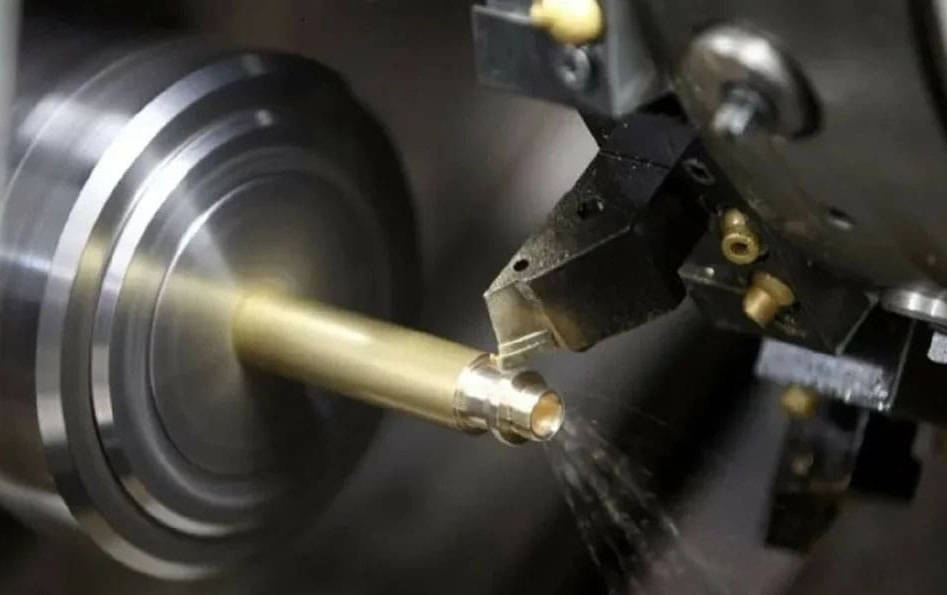
What Is Precision CNC Machining?
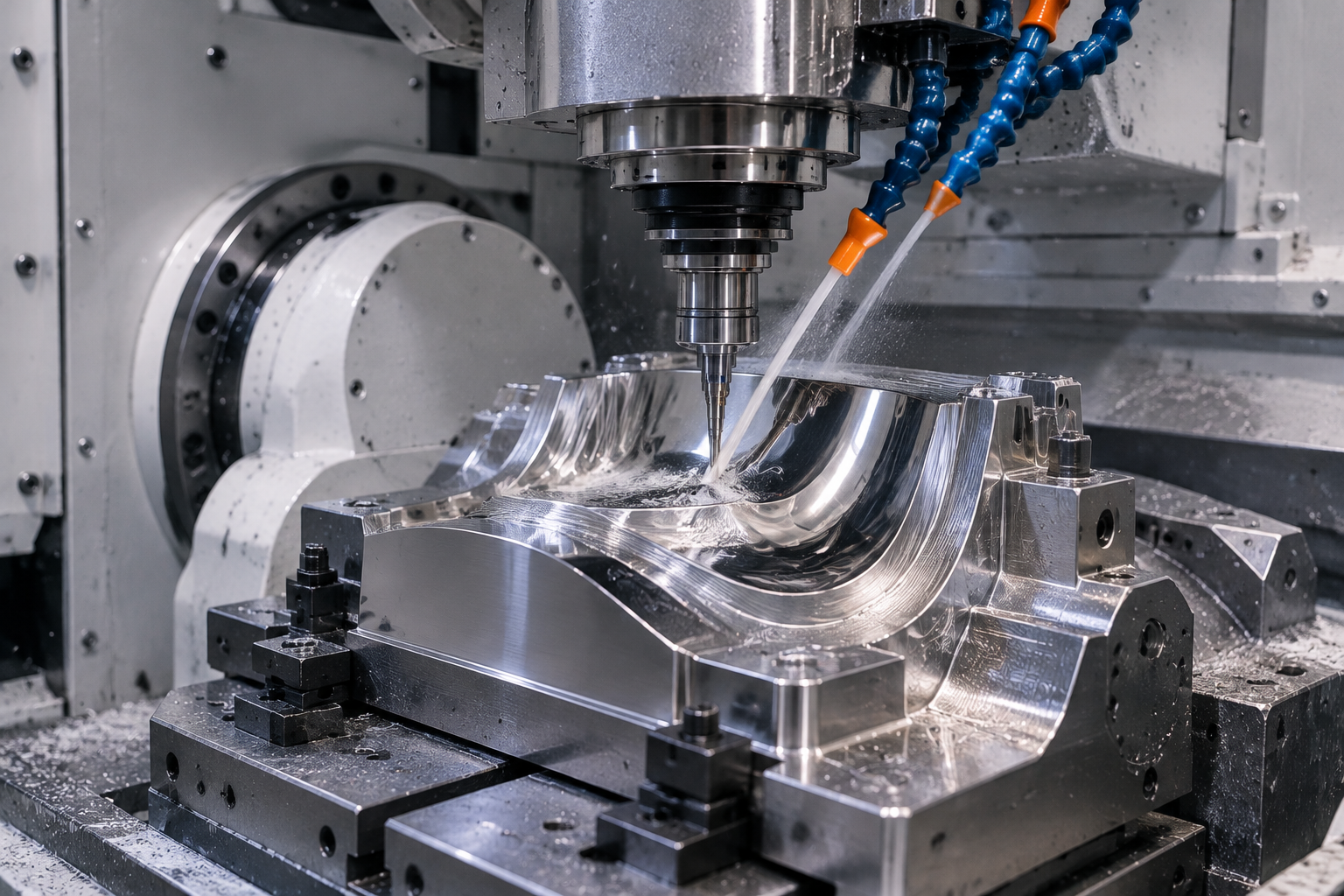
Precision CNC machining is a computer-controlled manufacturing process used to produce accurate metal, plastic, and composite components. CNC machines follow programmed toolpaths to cut, drill, mill, turn, or shape materials into finished parts.
In many industries, precision CNC machining is used for:
- Mechanical housings
- Brackets and fixtures
- high-reliability optical components
- Medical device parts
- Electronic enclosures
- Automotive parts
- Industrial equipment components
- Precision shafts, plates, and connectors
- Prototype and low-volume production parts
Precision CNC machining is a practical choice when a part requires reliable dimensional accuracy, repeatability, and cost-effective production, but does not require optical-level surface finish or ultra-fine form control.
CNC machining can be highly accurate, especially when performed with stable machines, proper tooling, suitable fixtures, and good inspection practices. However, standard precision CNC processes usually leave visible or measurable tool marks and may require secondary finishing if the part needs very low roughness, mirror-like surfaces, or specialized optical performance.
What Is Ultra Precision Machining?
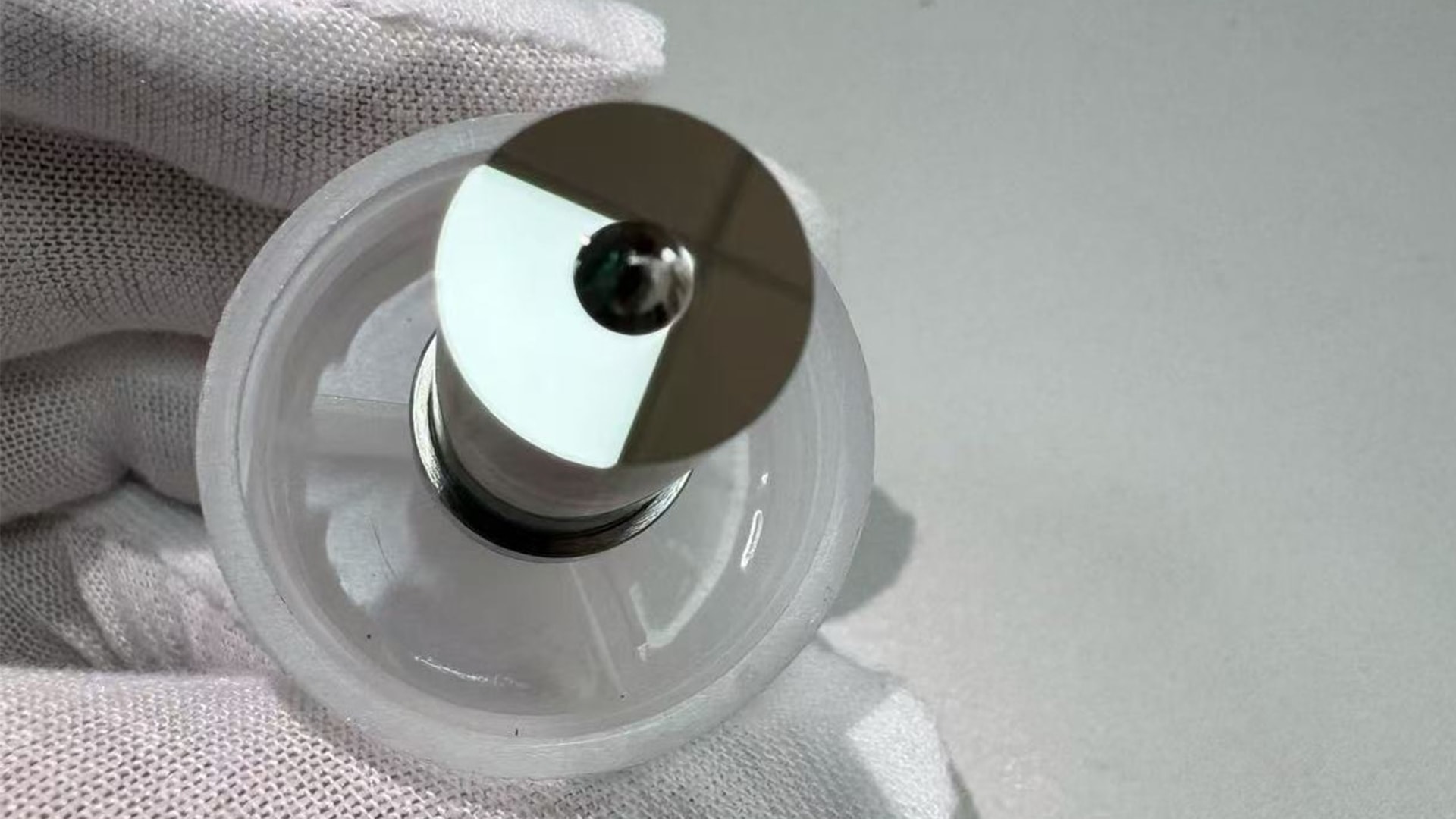
Ultra precision machining is a higher-level manufacturing approach used to produce components with very fine geometric accuracy, surface quality, and process stability. It often involves specialized machines, high-precision spindles, air-bearing or hydrostatic systems, vibration control, thermal management, diamond tooling, and advanced metrology.
Ultra precision machining is commonly used for:
- Optical components
- Precision mirrors
- Lens molds
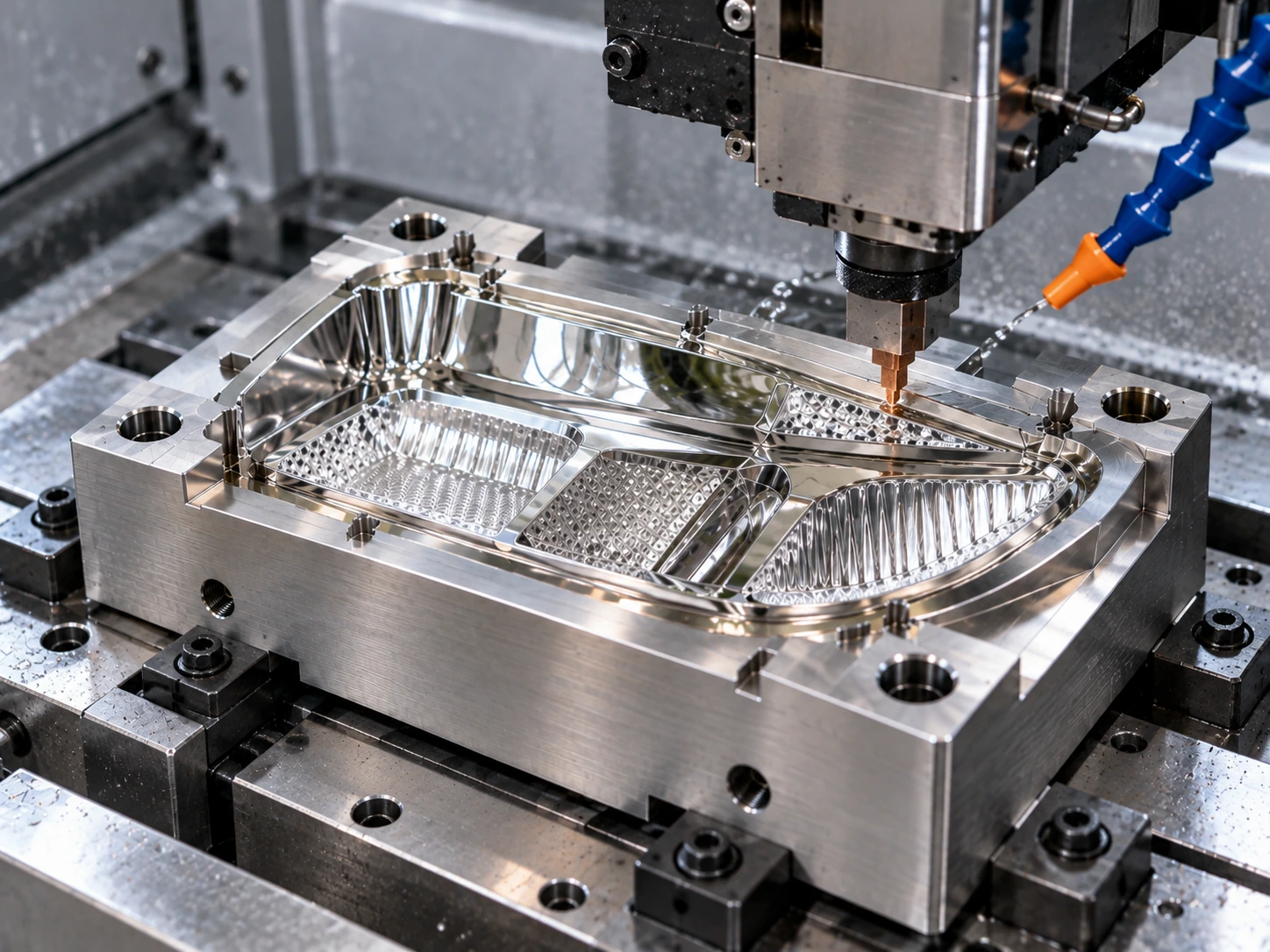
- Mold inserts
- Photonics parts
- Semiconductor components
- Infrared optical parts
- Micro-structured surfaces
- High-accuracy mechanical references
- Precision instrument components
- Research and laboratory components
Ultra precision machining is selected when surface finish, form accuracy, flatness, roundness, or micro-level detail directly affects the performance of the final product.
In many applications, ultra precision machining may include processes such as diamond turning, precision milling, micro machining, fine grinding, or other specialized cutting operations. The right process depends on material, geometry, tolerance, optical requirements, and final application.
Yishun Optical provides ultra precision machining services for custom components that require controlled accuracy, surface quality, and engineering support.
Ultra Precision Machining vs CNC Machining: Quick Comparison
| Comparison Item | Precision CNC Machining | Ultra Precision Machining |
|---|---|---|
| Main Purpose | Produce accurate mechanical components | Produce extremely accurate functional, optical, or high-performance components |
| Typical Focus | Dimensional tolerance, repeatability, productivity | Form accuracy, surface finish, stability, functional performance |
| Surface Finish | Good machined finish, may show tool marks | Much finer surface finish in suitable materials and processes |
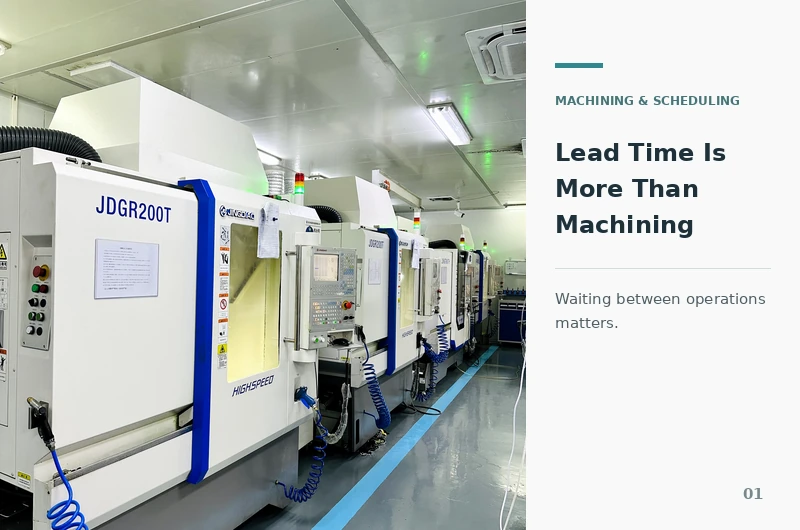
| Machine Requirements | CNC mills, lathes, turning centers, machining centers | Specialized ultra-precision machines, high-stability platforms, advanced spindles |
| Tooling | Carbide, coated tools, drills, end mills, inserts | Diamond tools, micro tools, specialized cutting tools, fine finishing tools |
| Environment Control | Important, but often less strict | Often requires strong thermal, vibration, and cleanliness control |
| Inspection | CMM, calipers, micrometers, gauges, surface roughness tools | Advanced metrology for form, surface roughness, flatness, optical quality, micro features |
| Cost | Usually more economical for general precision parts | Higher due to equipment, process control, inspection, and expertise |
| Best For | Mechanical parts, fixtures, housings, prototypes, production components | Optical parts, mirror surfaces, precision molds, photonics, semiconductor, metrology components |
The key difference is that precision CNC machining mainly controls part dimensions, while ultra precision machining controls dimensions, surface quality, form accuracy, and functional performance at a much finer level.
Key Difference 1: Accuracy and Tolerance Requirements
Precision CNC machining can achieve tight tolerances for many industrial parts. However, ultra precision machining is used when the required accuracy is beyond what standard CNC machining can reliably achieve or economically maintain.
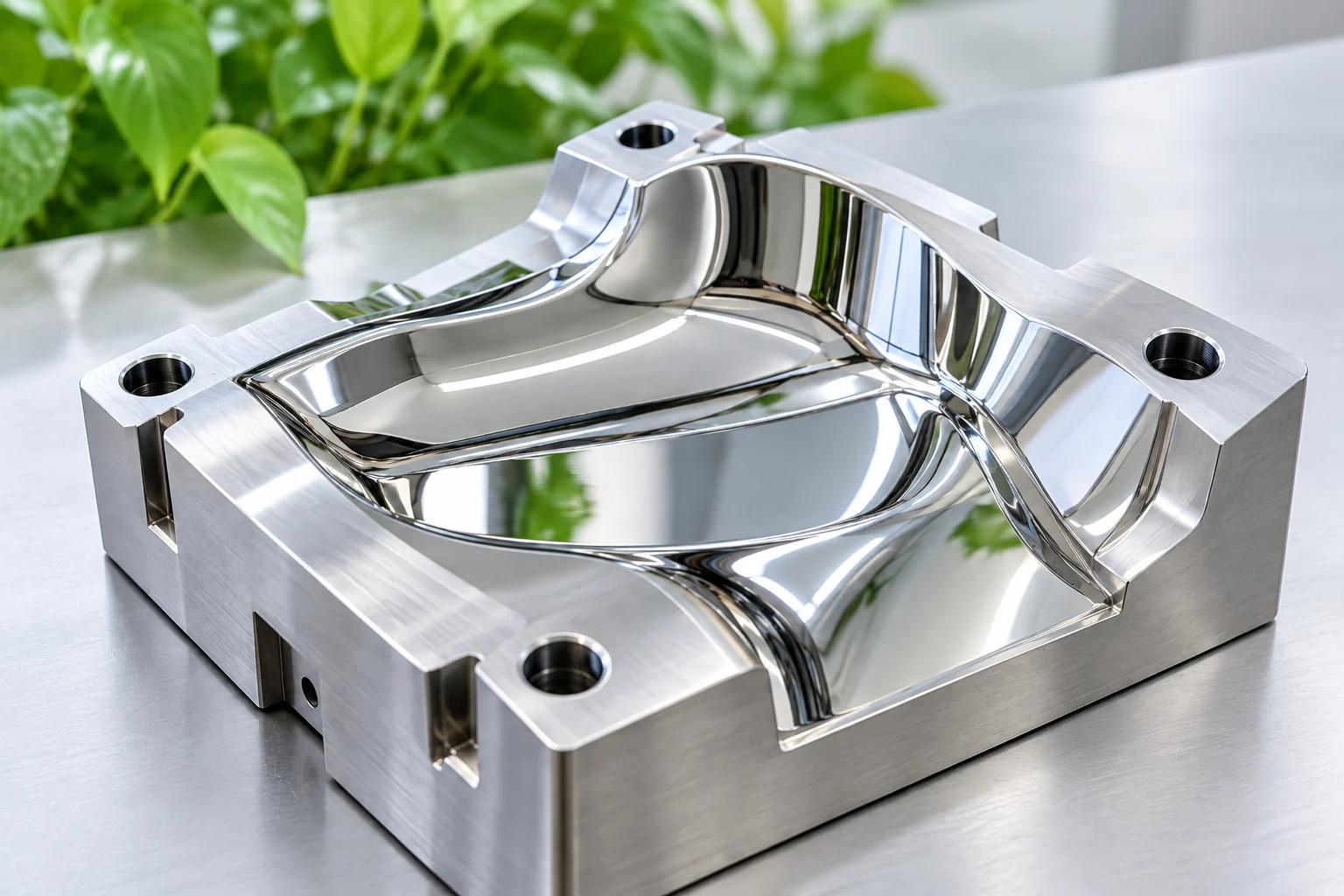
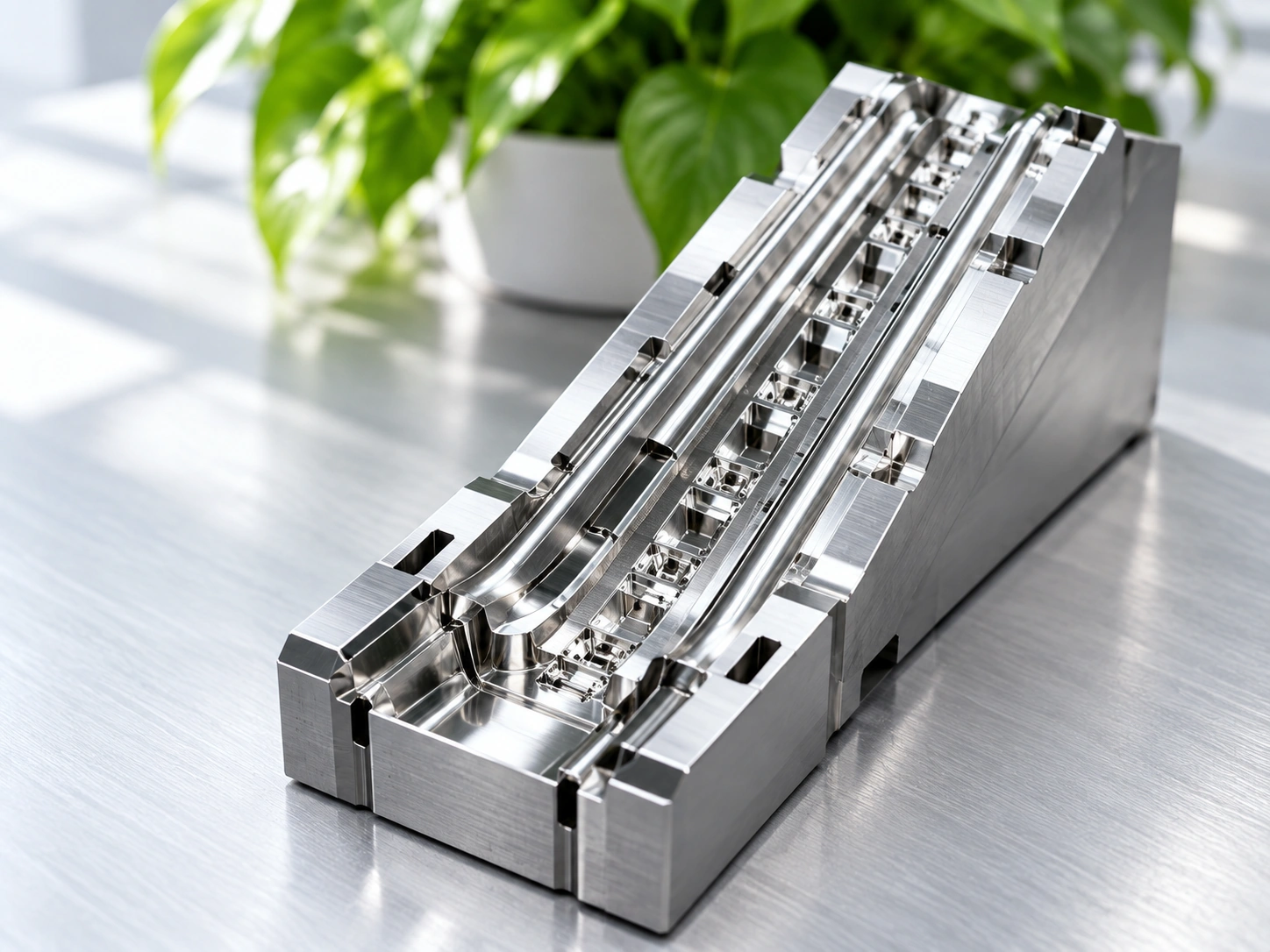
For example, a mechanical mounting plate may only need good dimensional tolerance and hole position accuracy. A precision optical mold insert, however, may require controlled surface finish, form accuracy, and extremely stable geometry because the final molded part depends directly on the machined surface.
| Requirement Type | Better Fit |
|---|---|
| General mechanical fit | Precision CNC machining |
| Tight but standard industrial tolerances | Precision CNC machining |
| Optical surface accuracy | Ultra precision machining |
| Mirror-like surface in suitable material | Ultra precision machining |
| Complex micro features | Ultra precision machining |
| Precision mold insert surface | Ultra precision machining |
| Stable reference surface for metrology | Ultra precision machining |
| High-volume standard mechanical part | Precision CNC machining |
The decision should not be based only on tolerance numbers. Part geometry, material behavior, surface finish, inspection method, and final function are equally important.
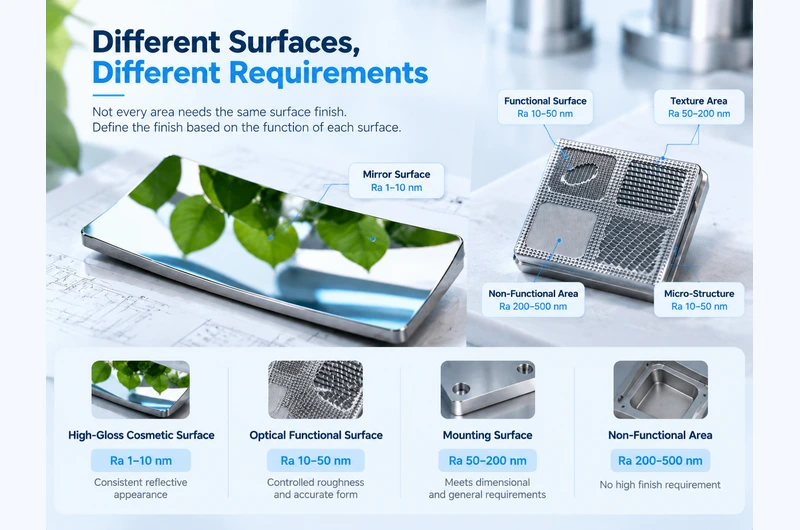
Key Difference 2: Surface Finish and Surface Integrity
Surface finish is one of the most important differences between ultra precision machining and precision CNC machining.
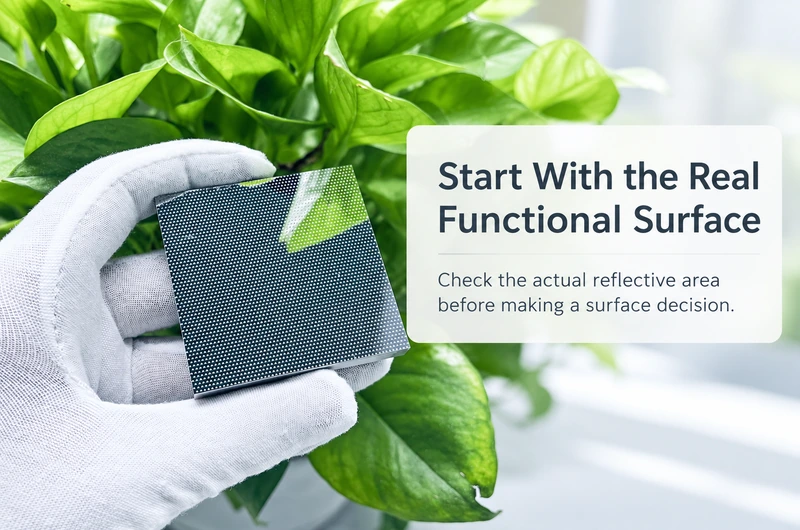
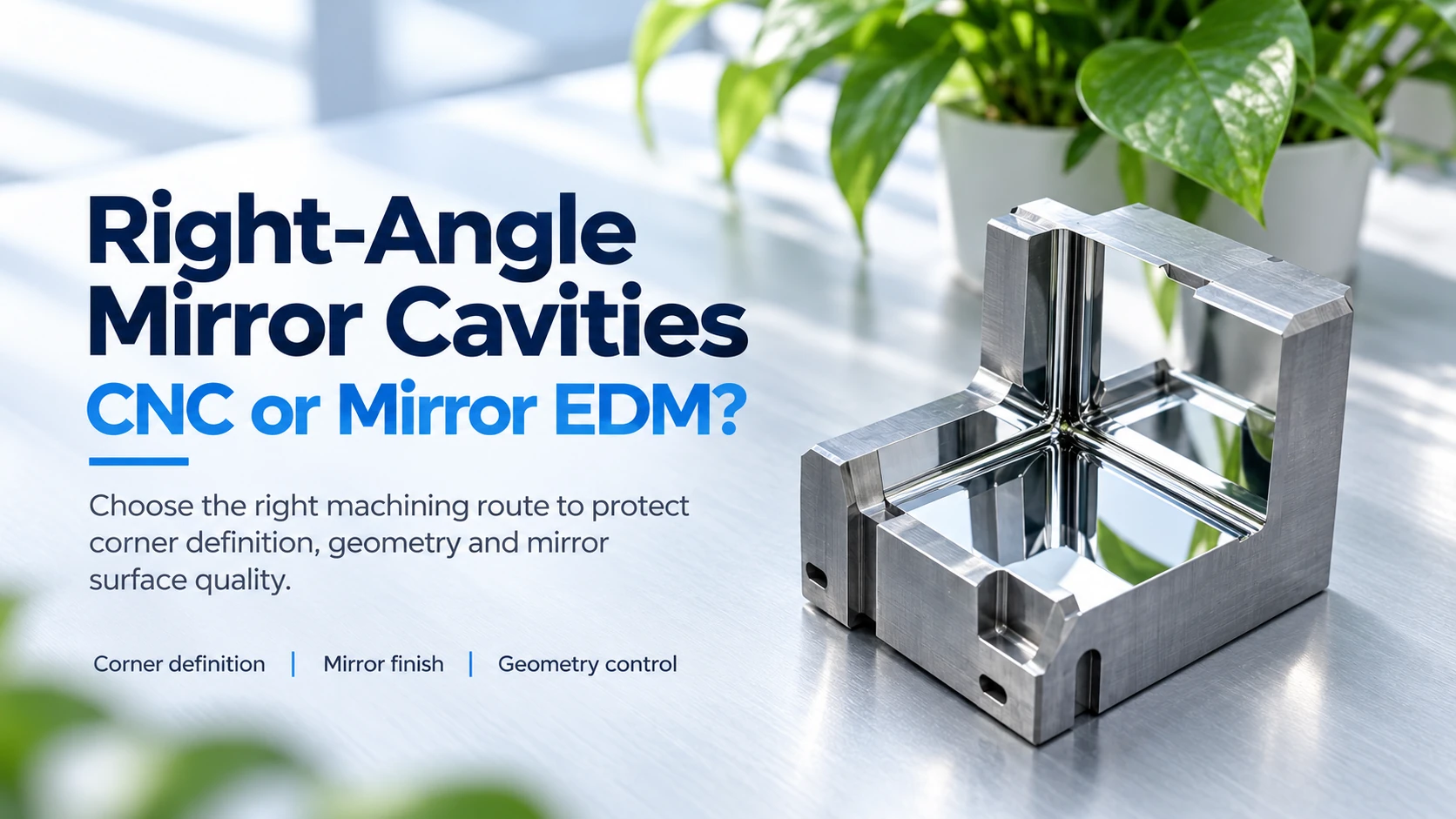
Precision CNC machining produces a controlled machined surface, but the surface may still show tool paths, cutter marks, feed marks, or burrs. For many mechanical parts, this is acceptable. For optical, sealing, sliding, or reflective surfaces, it may not be enough.
Ultra precision machining focuses more heavily on surface integrity. In suitable materials and with the right process, it can produce very smooth surfaces that may reduce or minimize the need for additional polishing.
Surface quality matters because it can affect:
- Optical reflection
- Light scattering
- Sealing performance
- Friction and wear
- Coating adhesion
- Molded part replication
- Measurement accuracy
- Long-term component stability
If the functional surface of a part directly interacts with light, fluid, another precision surface, or a molded optical component, ultra precision machining may be more appropriate than standard precision CNC machining.
Key Difference 3: Machine Tool Stability
Precision CNC machines are designed for controlled cutting and repeatable production. Ultra precision machines are designed with additional stability requirements because even small vibration, thermal drift, or spindle error can affect the final result.
Ultra precision machining may require:
- High-stiffness machine structures
- Thermal stability control
- Vibration isolation
- Precision spindles
- High-resolution motion control
- Stable workholding
- Controlled cutting conditions
- Fine tool positioning
- Careful machine calibration
In standard CNC machining, small thermal or vibration effects may still remain within acceptable tolerance. In ultra precision machining, those same effects can become significant.
Key Difference 4: Tooling and Cutting Strategy
Precision CNC machining commonly uses carbide tools, coated tools, drills, reamers, inserts, and end mills. These tools are suitable for a wide range of materials and production needs.
Ultra precision machining may use more specialized tooling, including diamond tools, micro tools, fine finishing tools, or custom tool geometries. Tool sharpness, tool wear, cutting edge quality, and tool path strategy become much more critical.
Tooling decisions affect:
- Surface roughness
- Burr formation
- Cutting force
- Heat generation
- Dimensional stability
- Edge quality
- Form accuracy
- Tool marks
For optical and mirror-like surfaces, tool condition is especially important. A worn or damaged tool can create defects that may be difficult to remove later.
Key Difference 5: Material Suitability
Not all materials are equally suitable for ultra precision machining. Material hardness, grain structure, ductility, brittleness, thermal expansion, and internal stress can affect the achievable finish and accuracy.
| Material Type | Precision CNC Machining | Ultra Precision Machining Considerations |
|---|---|---|
| Aluminum alloys | Commonly used | Often suitable for high-quality machined surfaces |
| Copper and brass | Commonly used | Often used for precision optical or thermal components |
| Stainless steel | Commonly used | More difficult for ultra-fine surface finishing |
| Optical plastics | Commonly used | May require careful heat and burr control |
| Ceramics | More difficult | Often requires grinding or specialized processes |
| Glass | Usually not standard CNC | Often requires grinding, lapping, polishing, or specialized optical processing |
| Nickel-plated surfaces | Possible | Common in some mold and optical applications |
| Silicon or brittle materials | Application-dependent | Requires specialized process planning |
Ultra precision machining is not automatically the right choice for every material. In many cases, a combined process may be needed, such as precision machining followed by grinding, lapping, polishing, or coating preparation.
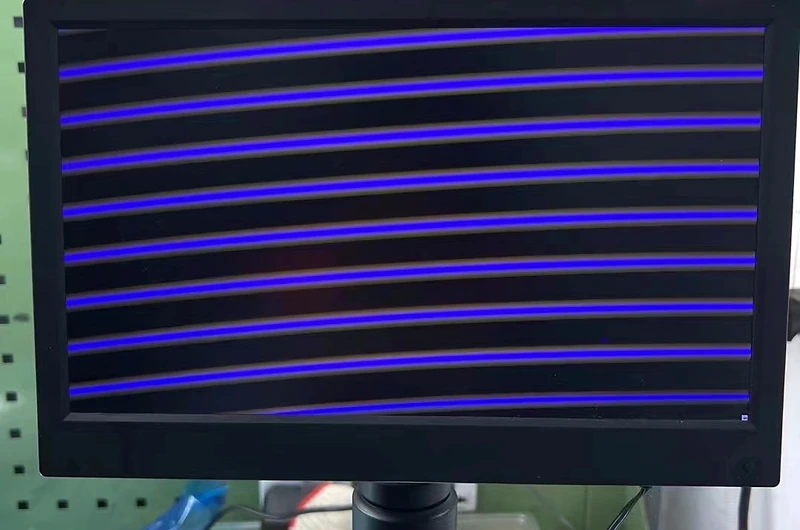
Key Difference 6: Inspection and Quality Verification
In precision CNC machining, inspection may focus on dimensions, hole positions, thread quality, surface finish, and general tolerance compliance. Common tools include calipers, micrometers, height gauges, CMMs, pin gauges, and surface roughness testers.
In ultra precision machining, inspection may need to go further. Depending on the component, quality verification may include:
- Surface roughness measurement
- Form accuracy measurement
- Flatness inspection
- Roundness inspection
- Profile measurement
- Optical surface inspection
- Microscopy
- Interferometry in suitable cases
- Dimensional metrology
- Visual defect inspection
A supplier should be able to measure the same critical features that it promises to manufacture. For ultra precision projects, inspection capability is not optional; it is part of the manufacturing process.
Key Difference 7: Cost and Lead Time
Ultra precision machining usually costs more than standard precision CNC machining. This does not mean one process is better in every case. It means the process should match the functional requirement.
Ultra precision machining may cost more because of:
- Specialized equipment
- Slower cutting conditions
- Higher tool cost
- More process planning
- More inspection steps
- Environmental control
- Lower tolerance for defects
- Higher operator skill requirements
- More careful handling and packaging
Precision CNC machining is often more cost-effective when the component does not require ultra-fine surface finish or specialized form accuracy. A practical engineering decision should avoid over-specifying parts that do not truly require ultra precision.
When Should You Choose Precision CNC Machining?
Precision CNC machining is usually suitable when your part needs accurate mechanical features, repeatable production, and practical cost control.
Choose precision CNC machining when:
- The part is mainly mechanical or structural
- Standard tight tolerances are sufficient
- Surface finish is functional but not optical-grade
- Tool marks are acceptable or can be removed by simple finishing
- The part is a fixture, bracket, housing, plate, connector, or mechanical assembly component
- Cost and production efficiency are important
- The material is commonly machined by CNC milling or turning
Precision CNC machining is often the right starting point for prototypes and functional mechanical parts.
When Should You Choose Ultra Precision Machining?
Ultra precision machining is more suitable when the machined surface is directly tied to performance.
Choose ultra precision machining when:
- The part requires very fine surface finish
- Optical or reflective performance is important
- Form accuracy affects product function
- The part is a mirror, mold insert, optical component, or precision reference surface
- Micro features or fine profiles are required
- Standard CNC machining leaves unacceptable tool marks
- Flatness, roundness, or profile accuracy must be tightly controlled
- The component is used in photonics, semiconductor, metrology, laser, or precision instrument applications
For projects involving optical or high-performance components, Yishun Optical can support customers with custom ultra precision machining solutions based on material, geometry, and application requirements.
Typical Applications of Ultra Precision Machining
Ultra precision machining is used in industries where small surface or form errors can cause significant performance issues.
Optical Components
Optical parts may require highly controlled surfaces for reflection, transmission, imaging, or beam control. Ultra precision machining is often used for optical molds, mirror substrates, and precision optical structures.
Photonics and Laser Systems
Laser and photonics components require stable alignment and controlled optical paths. Surface finish and form accuracy can affect system efficiency and repeatability.
Semiconductor Equipment
Semiconductor-related components often require precision surfaces, clean processing, tight tolerances, and reliable repeatability.
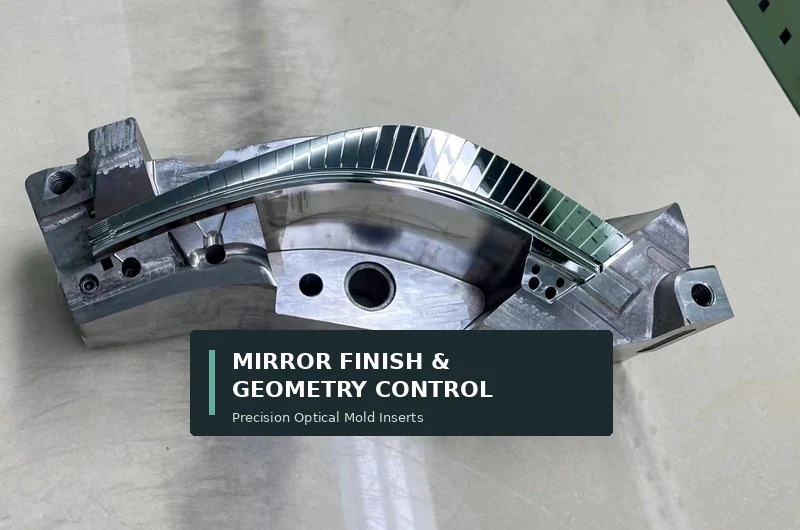
Precision Mold Inserts
Mold inserts for optical or high-accuracy molded parts require surface quality and form accuracy because the mold surface transfers directly to the final product.
Metrology and Scientific Instruments
Measurement systems depend on stable reference surfaces, accurate geometry, and predictable mechanical behavior.
Common Mistakes When Comparing Ultra Precision Machining and CNC Machining
| Mistake | Why It Causes Problems | Better Approach |
|---|---|---|
| Assuming CNC and ultra precision machining are the same | May lead to unrealistic supplier selection | Define accuracy, surface finish, and functional requirements clearly |
| Over-specifying every tolerance | Increases cost and lead time unnecessarily | Match tolerance to real performance needs |
| Ignoring surface finish | A dimensionally correct part may still fail functionally | Specify roughness, surface quality, or optical requirements |
| Not considering material behavior | Material may limit achievable finish or accuracy | Discuss material suitability with the supplier |
| Only comparing price | Lower quote may not include inspection or process control | Compare capability, inspection, and technical support |
| Providing incomplete drawings | Supplier cannot evaluate risk accurately | Provide drawings, material, tolerance, surface finish, and application |
How to Choose the Right Machining Supplier
Choosing between precision CNC machining and ultra precision machining often depends on supplier capability. The right supplier should help you determine whether ultra precision machining is truly required, instead of simply quoting the most expensive process.
Review Technical Experience
Ask whether the supplier has experience with similar components, materials, tolerances, and applications. Ultra precision machining requires process knowledge that may not be visible from equipment lists alone.
Confirm Equipment and Process Capability
A supplier should explain which process is suitable for your part and why. The answer may involve ultra precision machining, CNC machining, polishing, lapping, or a combined process.
Check Inspection Capability
Inspection should match the requirement. If the part needs controlled surface roughness, flatness, or form accuracy, the supplier should be able to verify those features.
Evaluate Engineering Communication
A capable supplier should review your drawing, identify unclear requirements, and suggest practical improvements. This is especially valuable during prototype development.
Consider Handling and Packaging
Ultra precision components can be sensitive to scratches, particles, and handling damage. Packaging and cleaning should be considered part of the quality process.
Yishun Optical provides ultra precision machining service support for custom high-accuracy components used in optical, photonics, precision instrument, and technical applications. You can also visit Yishun Optical to learn more about the company’s optical manufacturing and precision processing capabilities.
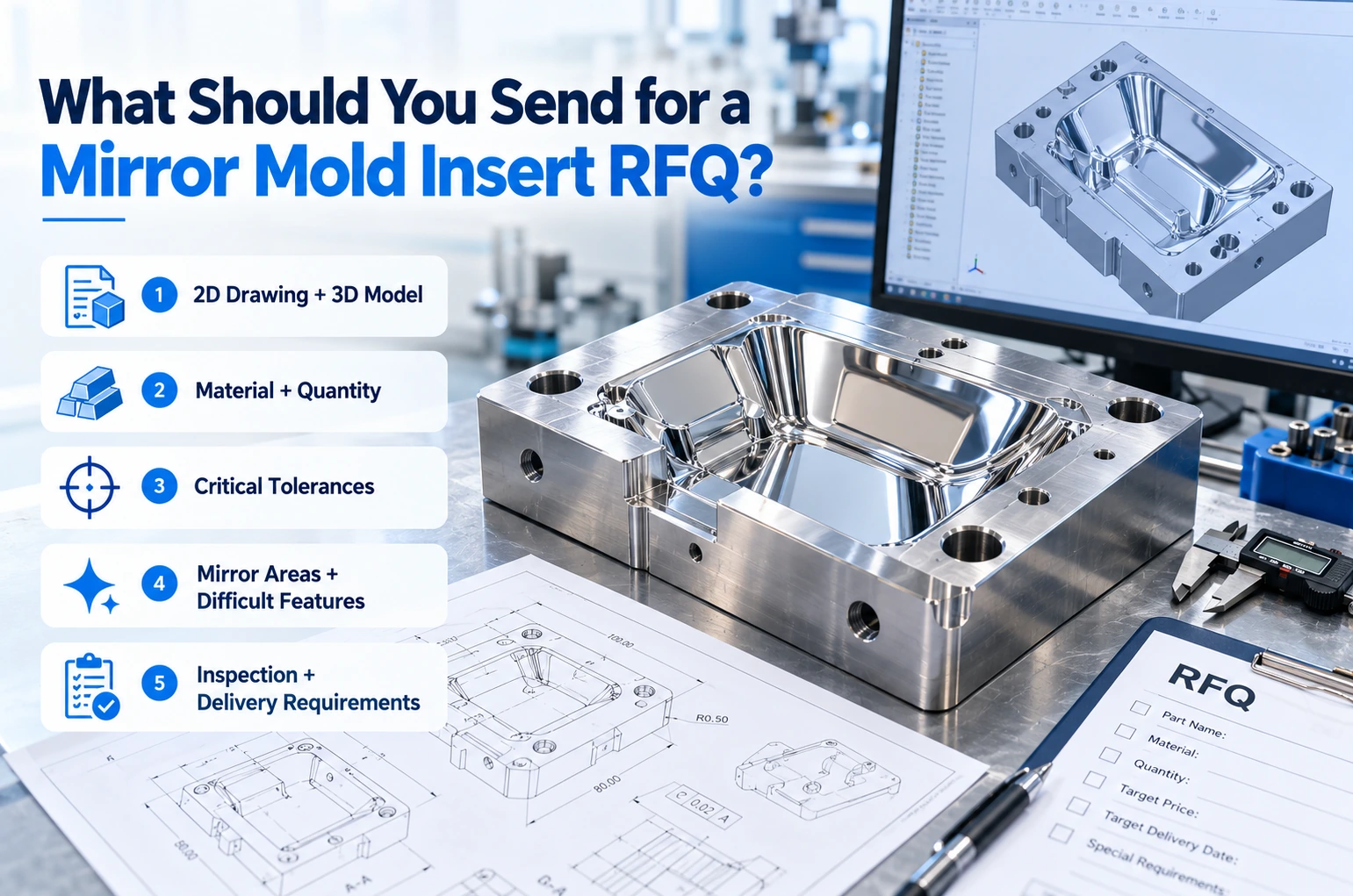
What Information Should You Provide for an RFQ?
To receive an accurate quotation, provide enough technical information for the supplier to evaluate process feasibility.
| RFQ Information | Why It Matters |
|---|---|
| 2D drawing and 3D model | Defines geometry, tolerances, and critical features |
| Material | Determines machining method, tool selection, and achievable finish |
| Quantity | Affects setup, pricing, and production planning |
| Critical dimensions | Helps identify the most important control points |
| Surface finish requirement | Determines whether CNC machining or ultra precision machining is needed |
| Form accuracy requirement | Important for optical and high-performance surfaces |
| Flatness or roundness requirement | Helps define inspection and process strategy |
| Application | Allows supplier to understand functional priorities |
| Inspection requirement | Defines acceptance criteria and reporting needs |
| Post-processing needs | May include polishing, coating, cleaning, or assembly preparation |
If you are not sure whether your part needs ultra precision machining or precision CNC machining, provide the drawing and application requirements first. A qualified supplier can help recommend a practical process route.
Conclusion
Ultra precision machining and precision CNC machining both play important roles in modern manufacturing, but they serve different needs. Precision CNC machining is suitable for many accurate mechanical parts, prototypes, fixtures, housings, and production components. Ultra precision machining is used when the part requires finer surface finish, higher form accuracy, optical performance, micro features, or stable functional surfaces.
The right choice depends on tolerance, material, surface finish, geometry, inspection requirements, cost target, and final application. For B2B buyers, the safest approach is to define the function of the component first, then select the process that can meet the required performance without unnecessary over-specification.
If your project involves optical components, precision molds, photonics parts, semiconductor-related components, or high-accuracy functional surfaces, Yishun Optical can help evaluate your requirements and provide ultra precision machining services for custom components.
FAQ
What is the difference between ultra precision machining and CNC machining?
Ultra precision machining focuses on very fine surface finish, form accuracy, and functional performance, while precision CNC machining mainly focuses on accurate dimensions and repeatable mechanical features. CNC machining is suitable for many industrial parts, while ultra precision machining is used for optical, photonics, mold, semiconductor, and metrology components.
Is ultra precision machining the same as precision CNC machining?
No. Precision CNC machining can produce accurate parts, but ultra precision machining uses more specialized machines, tooling, process control, and inspection methods to achieve finer surface and form requirements. Some ultra precision machines may use CNC control, but the process requirements are different.
When should I use ultra precision machining services?
You should consider ultra precision machining services when your part requires fine surface finish, optical performance, mirror-like surfaces, tight form accuracy, micro features, or high-stability functional surfaces. It is commonly used for optical components, mold inserts, precision mirrors, and photonics parts.
Is ultra precision machining more expensive than CNC machining?
In many cases, ultra precision machining is more expensive because it requires specialized equipment, slower processing, advanced tooling, environmental control, and detailed inspection. However, it may be necessary when standard CNC machining cannot meet the functional requirements.
Can precision CNC machining achieve tight tolerances?
Yes, precision CNC machining can achieve tight tolerances for many mechanical and industrial components. However, when the requirement involves ultra-fine surface finish, optical quality, or very high form accuracy, ultra precision machining may be more suitable.
What materials are suitable for ultra precision machining?
Common materials may include aluminum alloys, copper, brass, optical plastics, nickel-plated surfaces, and selected high-performance materials. Material suitability depends on the required surface finish, geometry, tooling, and final application.
What should I include in an RFQ for ultra precision machining?
A complete RFQ should include 2D drawings, 3D models, material, quantity, critical dimensions, tolerance requirements, surface finish, form accuracy, flatness or roundness needs, application, inspection requirements, and any post-processing needs.