
Consumer Electronics Lens Mold Core Custom Machining
If your lens mold core is holding back image quality, cavity consistency or mold-trial progress, the answer is rarely just “polish it more.” We help solve the difficult optical-surface, micro-feature and cavity-matching problems that make camera lens tooling hard to stabilize.
From compact smartphone camera cores to larger camera optical inserts, we machine the features that matter most to the final molded lens—so you can move into validation with fewer repeated corrections and less uncertainty.
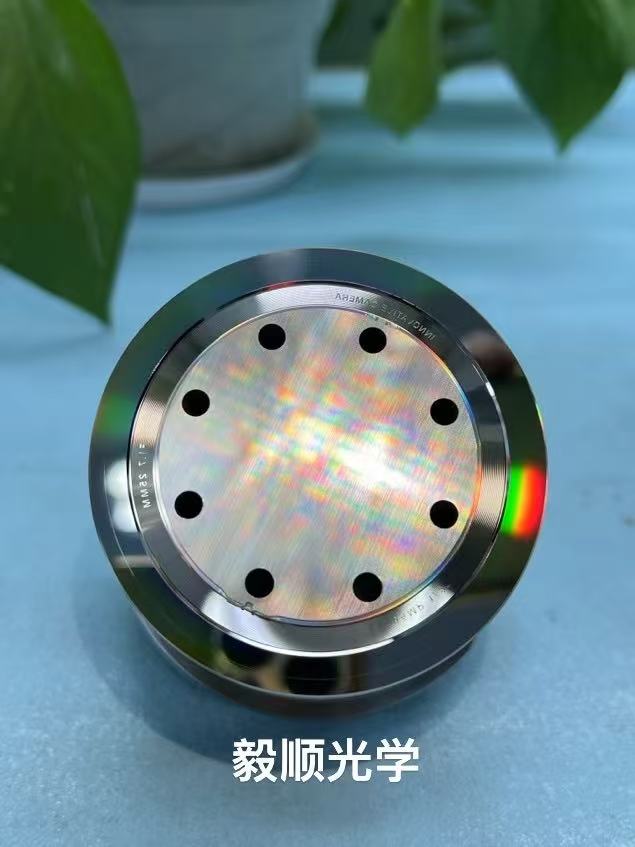
Smartphone camera and camera optical projects need different structures—but the same control logic
We keep the two application directions balanced on this page. The geometry may change, but the customer still needs the lens-forming surface to stay stable and repeatable.
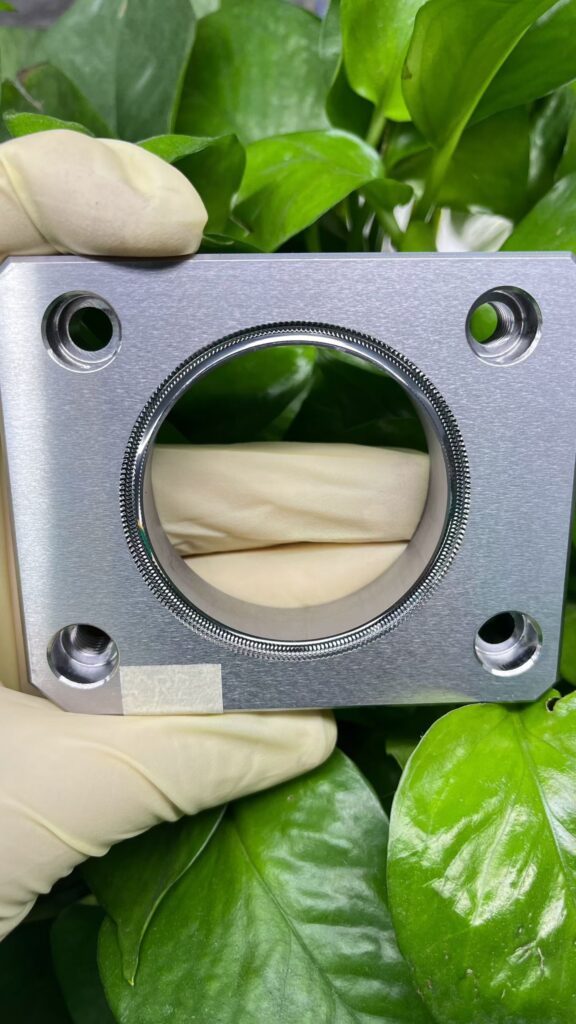
Compact lens cores with very little room for local error
Phone-camera tooling usually puts more pressure on small optical zones, thin local features and multi-cavity consistency.
- Main and front camera lens cores
- Small spherical or aspheric surfaces
- Micro-features and narrow transitions
- Single-cavity and multi-cavity inserts
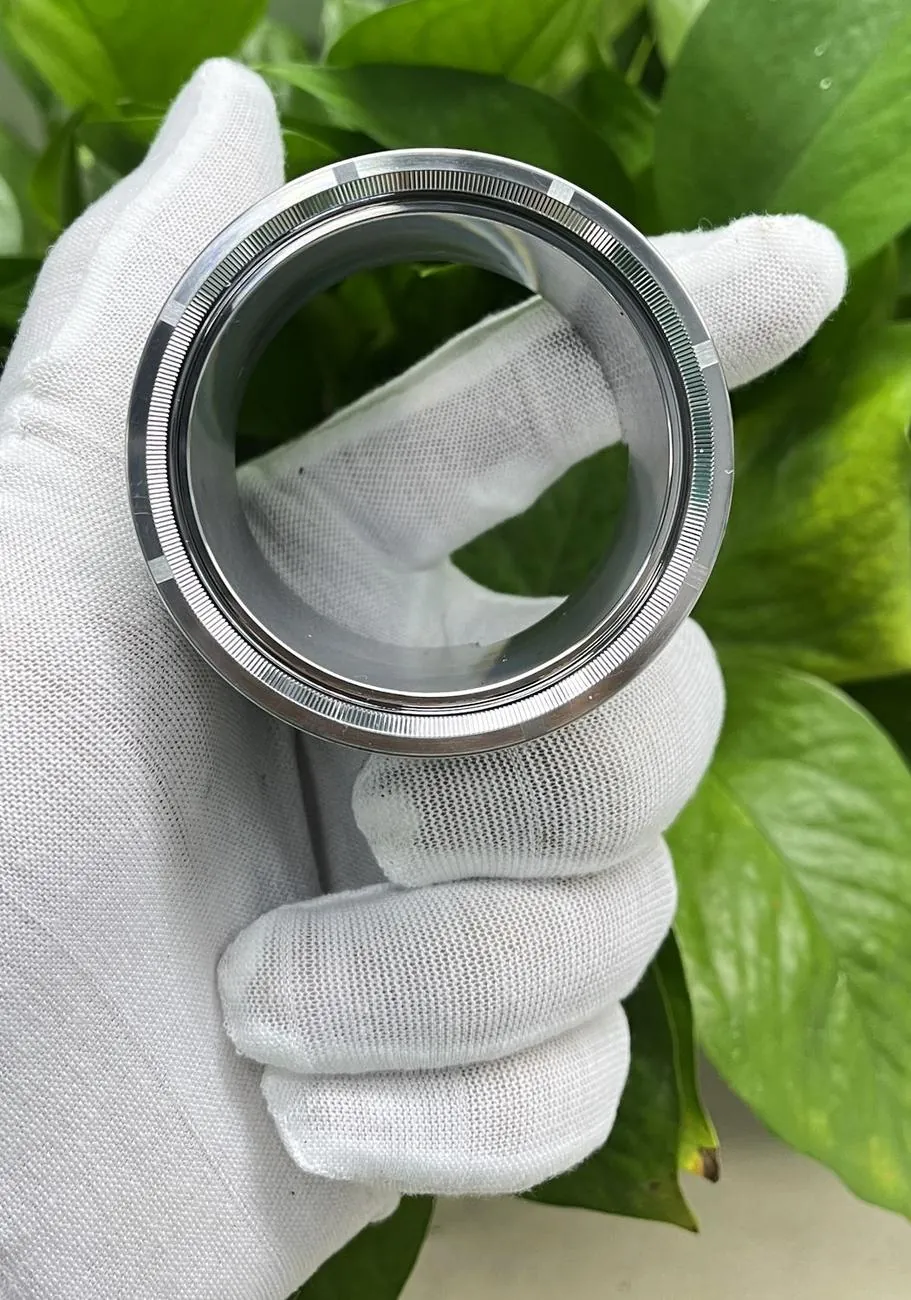
Larger round optical cores where form and mirror quality need to stay together
For camera optical projects, the surface area and curvature may be different, but the same problem remains: improving finish without losing the intended optical form.
- Round optical lens-forming cores
- Spherical / aspheric configurations
- High-gloss optical surfaces
- Replacement and prototype insert work
Four things that can make a lens mold core fail even when it looks finished
Most difficult projects do not fail because the whole insert is wrong. A small local issue can be enough to affect replication or optical performance.
Bright surface, unstable reflection
Directional marks, haze or local waviness can remain even after the insert looks highly polished.
Micro-features lose their shape
Small grooves, edges and transitions can be rounded or softened during finishing.
Cavities stop matching
One good cavity does not prove the whole set will replicate consistently.
Correction removes too much material
Repeated recutting or polishing without a clear cause can quickly consume the remaining allowance.
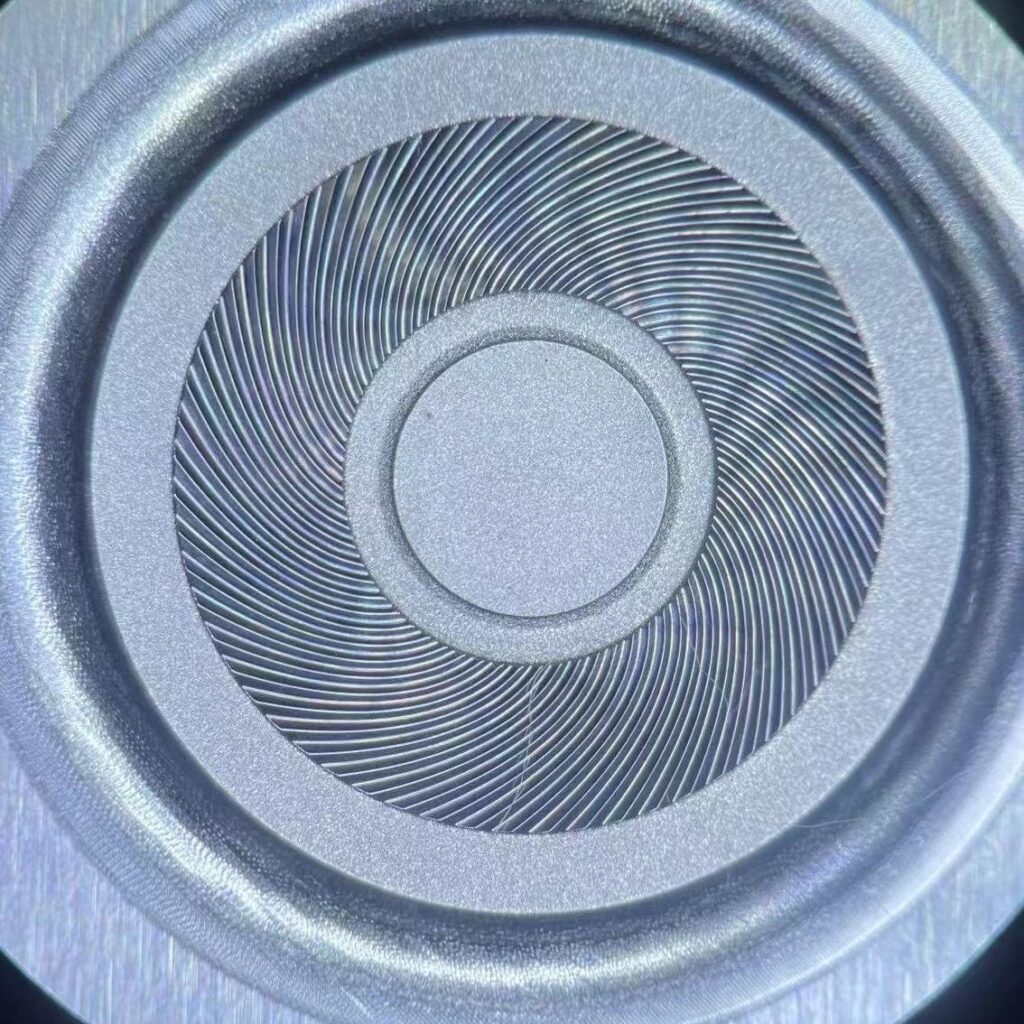
We once had a camera insert that looked reflective—but the reflection itself told us something was wrong
The surface already looked bright. The real issue was that micro-scratches and directional tool marks were still visible in reflection.
The marks were treated as process clues rather than just cosmetic defects.
The goal was to improve the mirror surface without losing the required optical profile.
Reflection continuity and geometry were checked together instead of using brightness alone.
What we keep under control from drawing review to final inspection
The exact machining route changes by project, but these six control points stay important for both smartphone camera and camera optical mold cores.
Representative lens mold core structures from Yishun
These are real Yishun optical mold-core images showing typical lens mold-core structures.
Smartphone camera mold core
Compact optical mold-core structure used for phone-camera lens tooling.
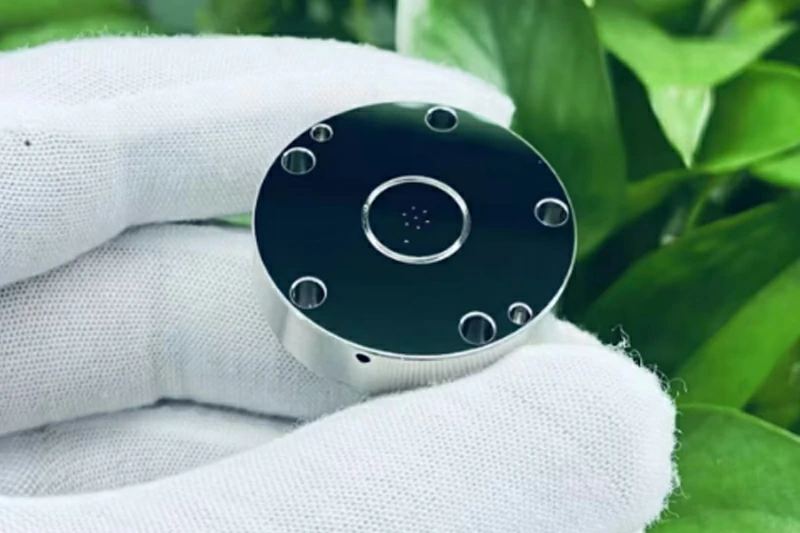
Mirror optical mold insert
Mirror-finish optical insert with controlled surface quality and geometry.
Round mirror optical mold core
Round optical core with mirror surface and precision reference geometry.
What we need to understand from your project
To review the optical zone and local geometry.
Because they affect machining and finishing choices.
Mark the areas that control reflection, imaging or replication.
Show which values actually control function.
Photos and measurements help connect the molded problem back to the insert.
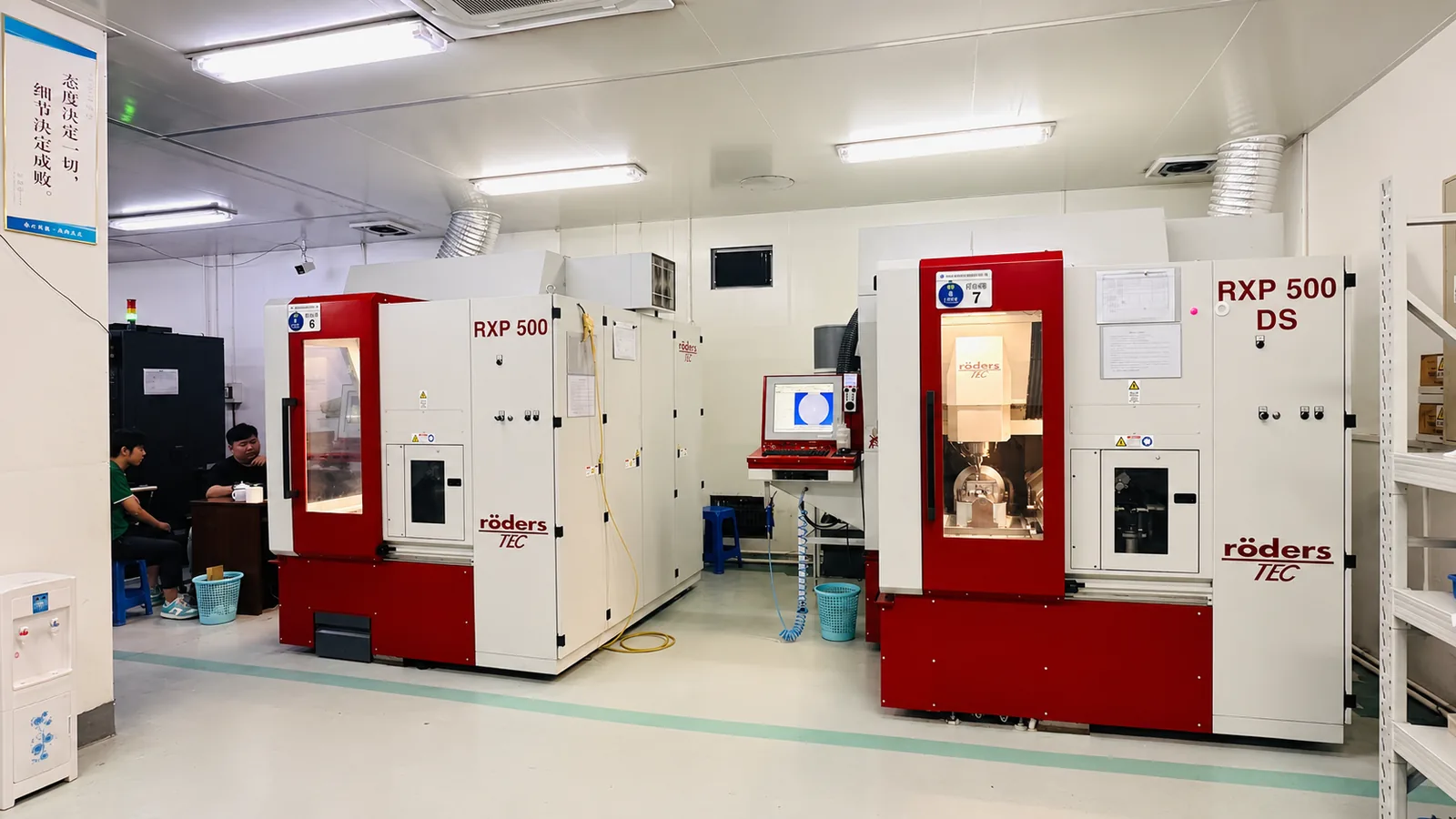
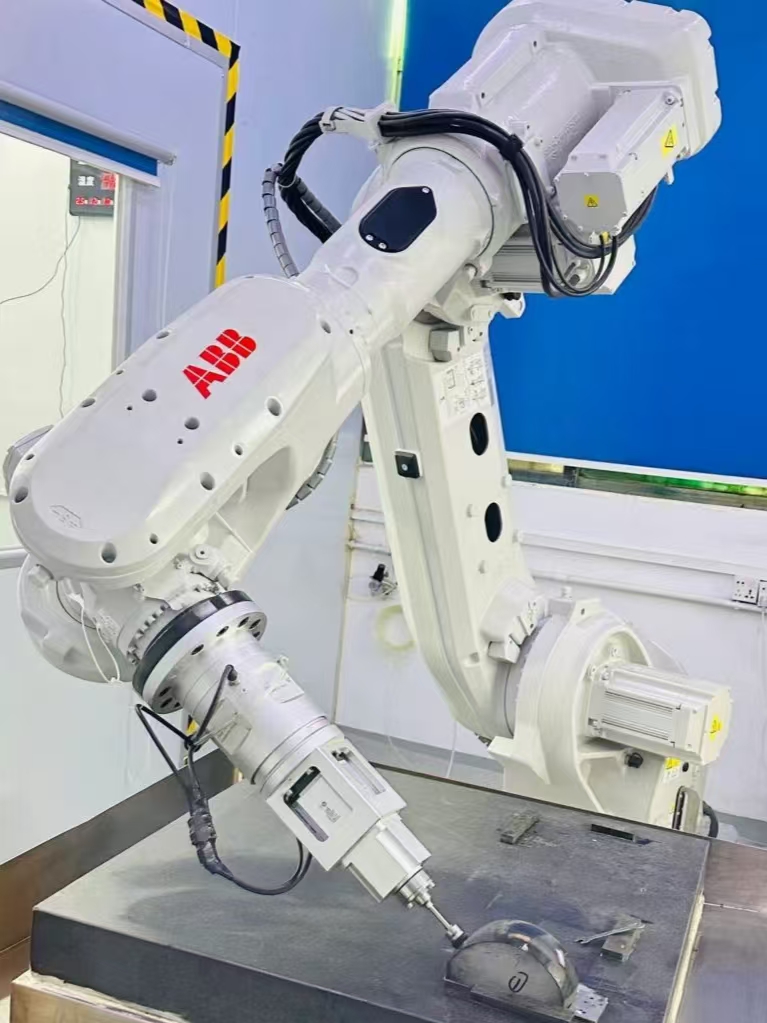
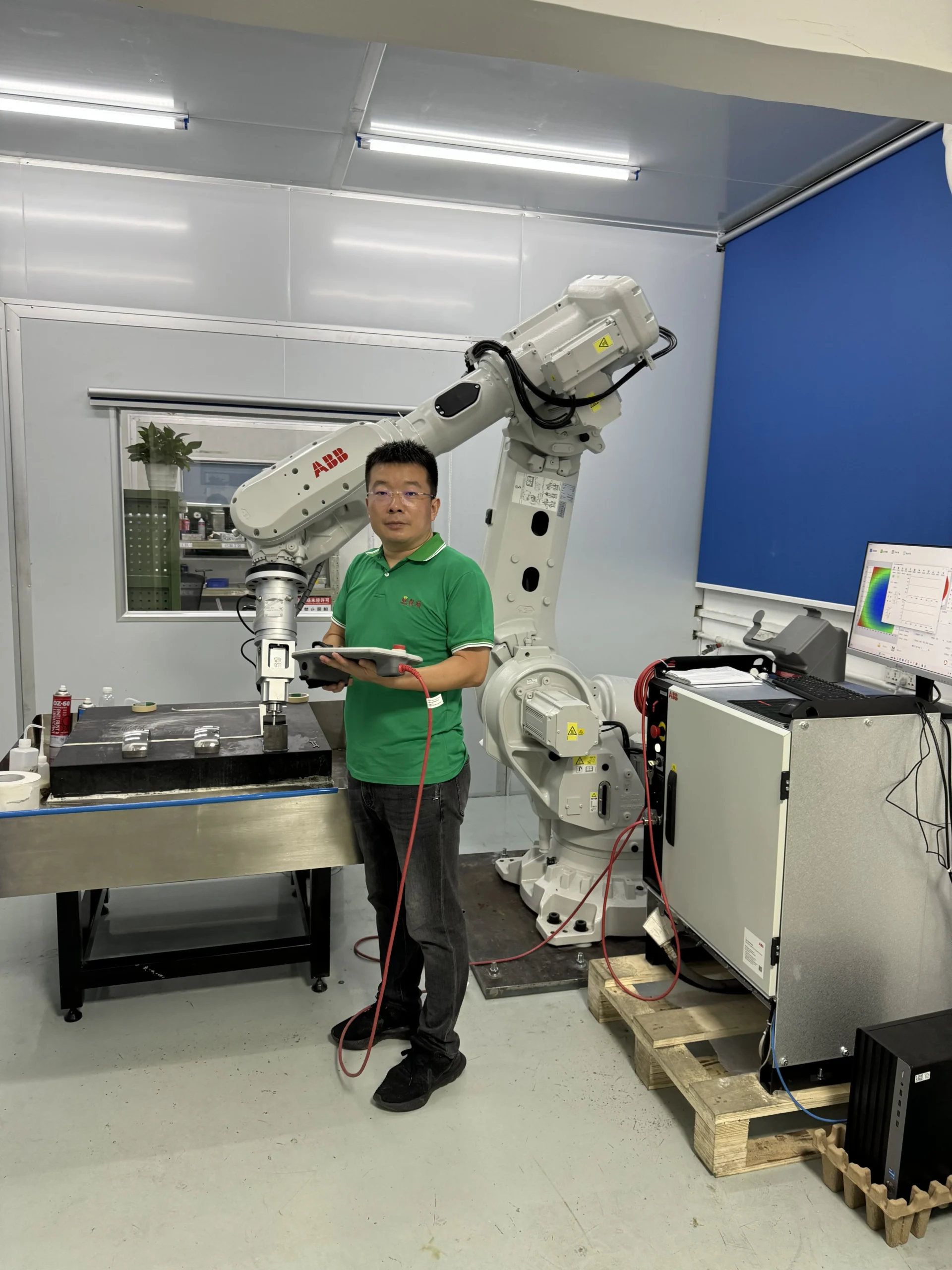
Machining and finishing need to work as one process
The lens-forming surface is not finished when machining ends. Controlled polishing, inspection and correction decisions all affect the final optical insert.
We want the risk to be clear before the insert reaches the mold
Identify critical optical and structural features before machining.
Clarify difficult radii, deep areas, thin structures and polishing access.
Agree on the dimensions, form and surface conditions that matter most.
Decide whether an existing insert can be corrected or whether replacement is safer.
Questions about consumer-electronics lens mold cores
These are the questions we usually discuss before a camera-lens mold-core project starts.
1. Can Yishun support both smartphone camera and camera optical lens mold cores?
2. Can you machine spherical and aspheric lens mold cores?
3. Can you support multi-cavity lens mold-core projects?
4. Can you support micro-features and small local radii?
5. Is a low Ra value enough to accept the optical insert?
6. Can you help if the current insert already has polishing or reflection problems?
7. What files are needed for quotation?
8. Do you manufacture finished lenses?
Have a lens mold core project that needs a closer review?
Send the drawing, material, cavity quantity and any current defect photos. We can start by reviewing the optical surface, local features and the risks most likely to affect the final molded result.