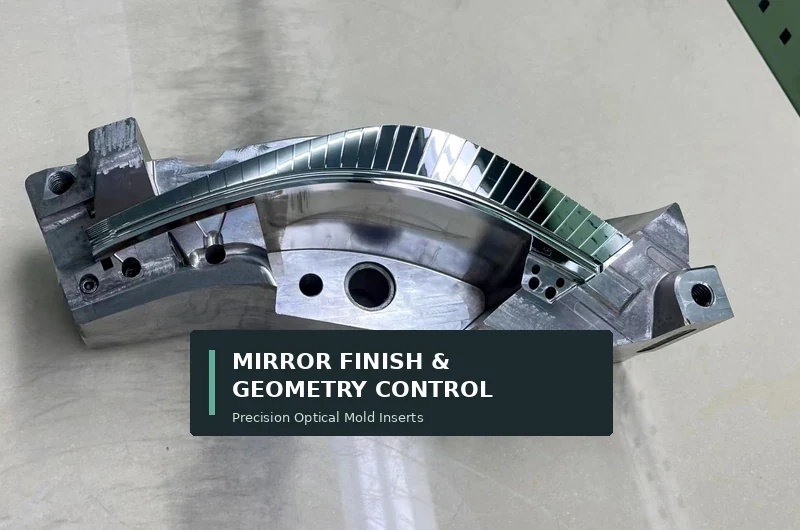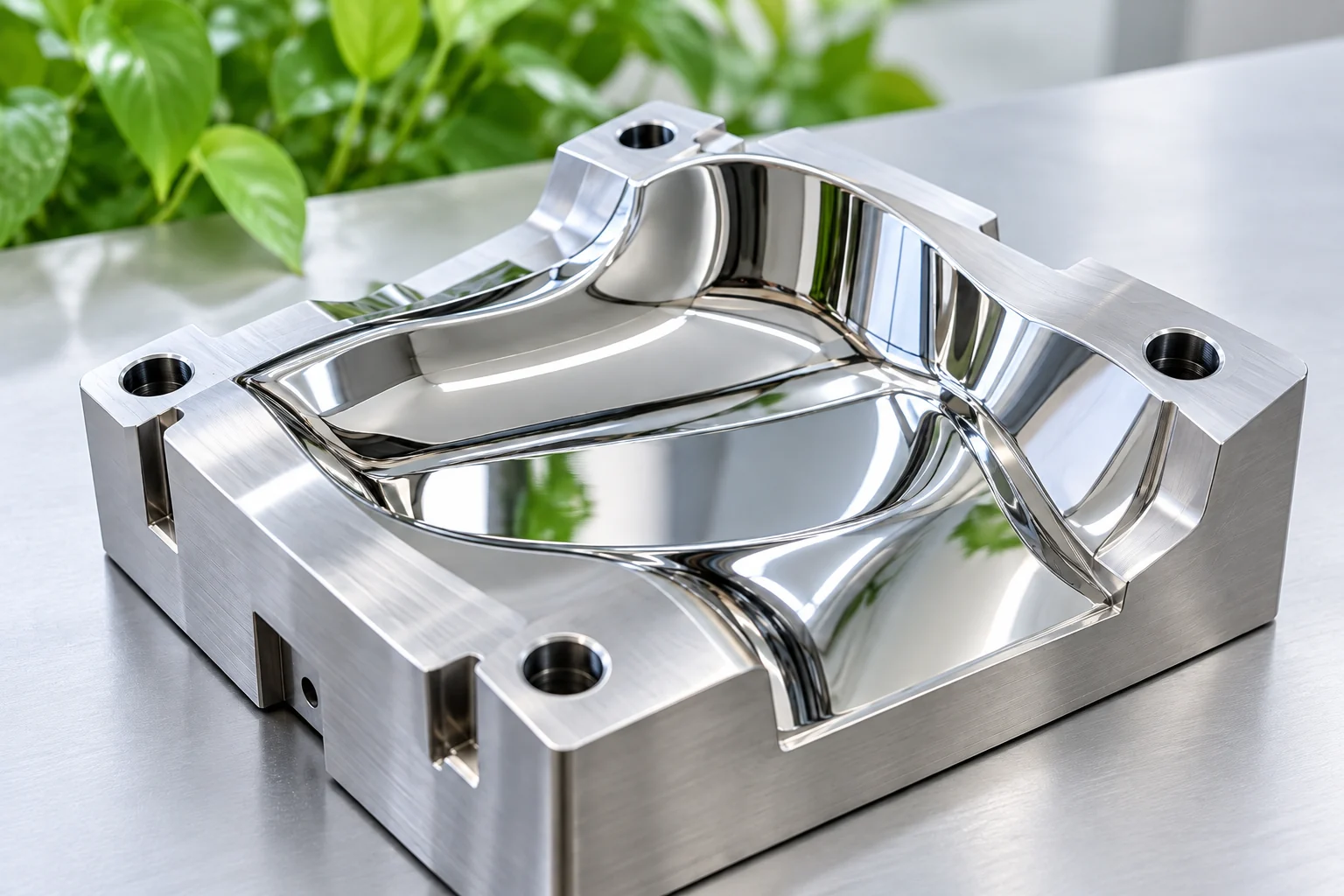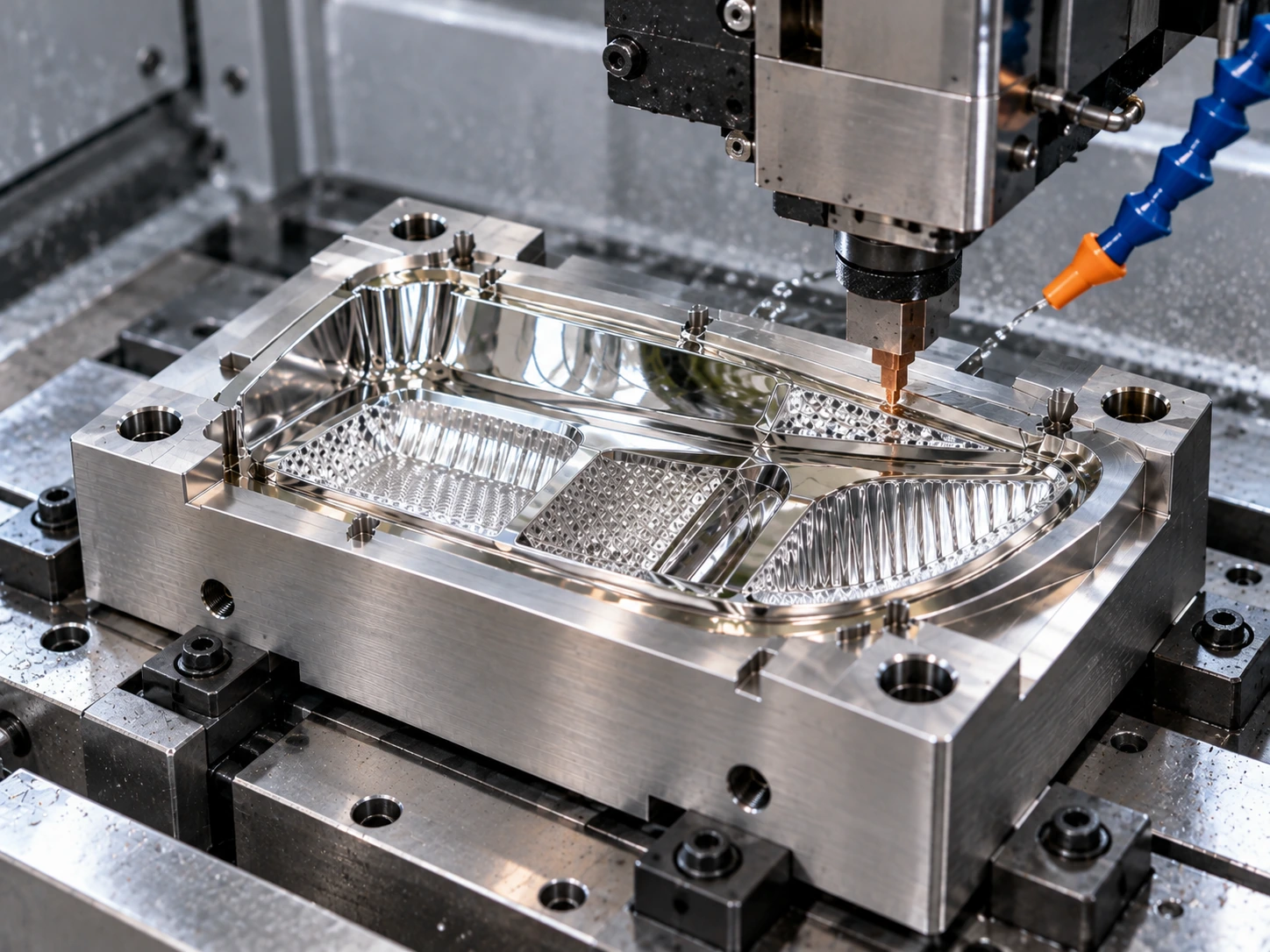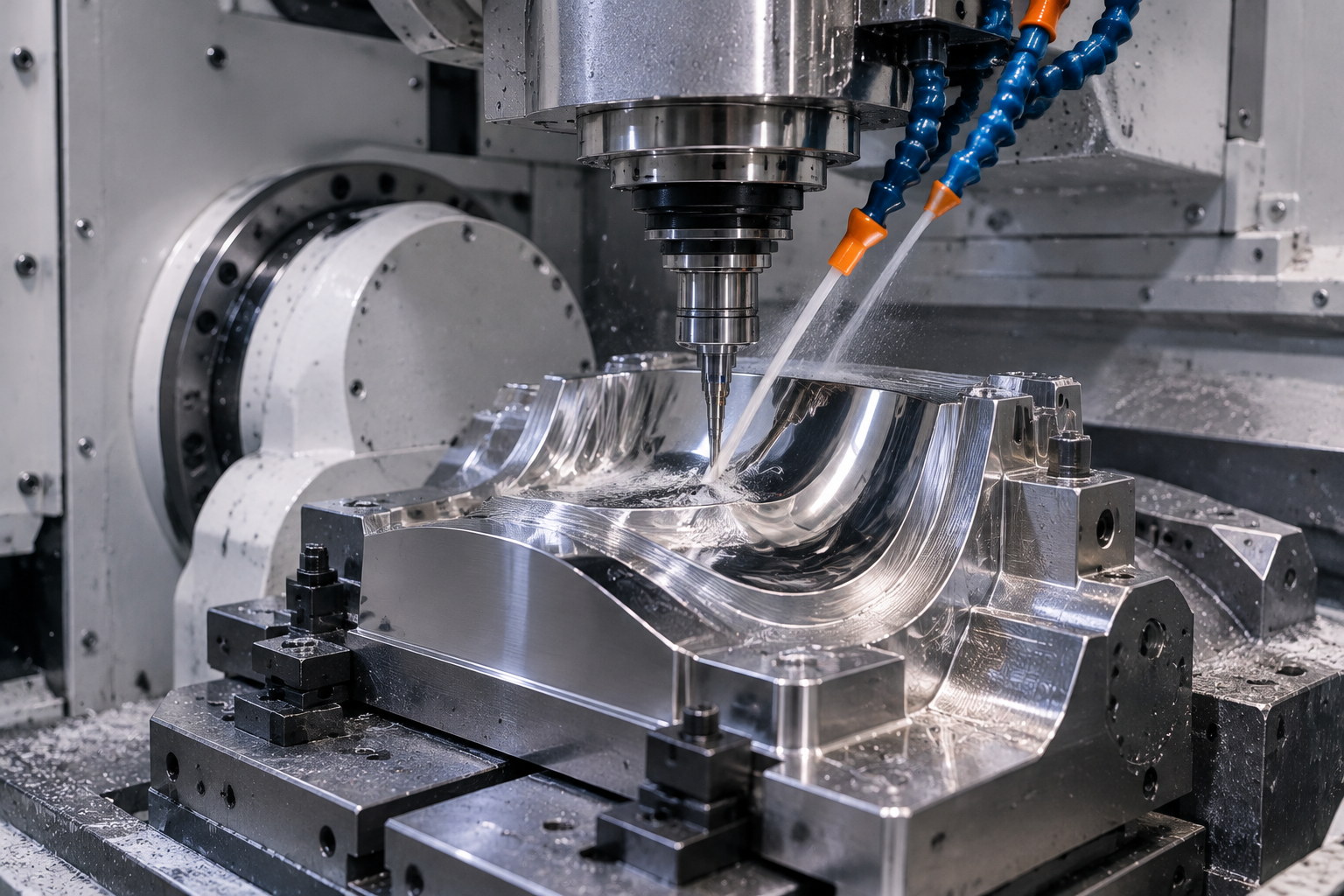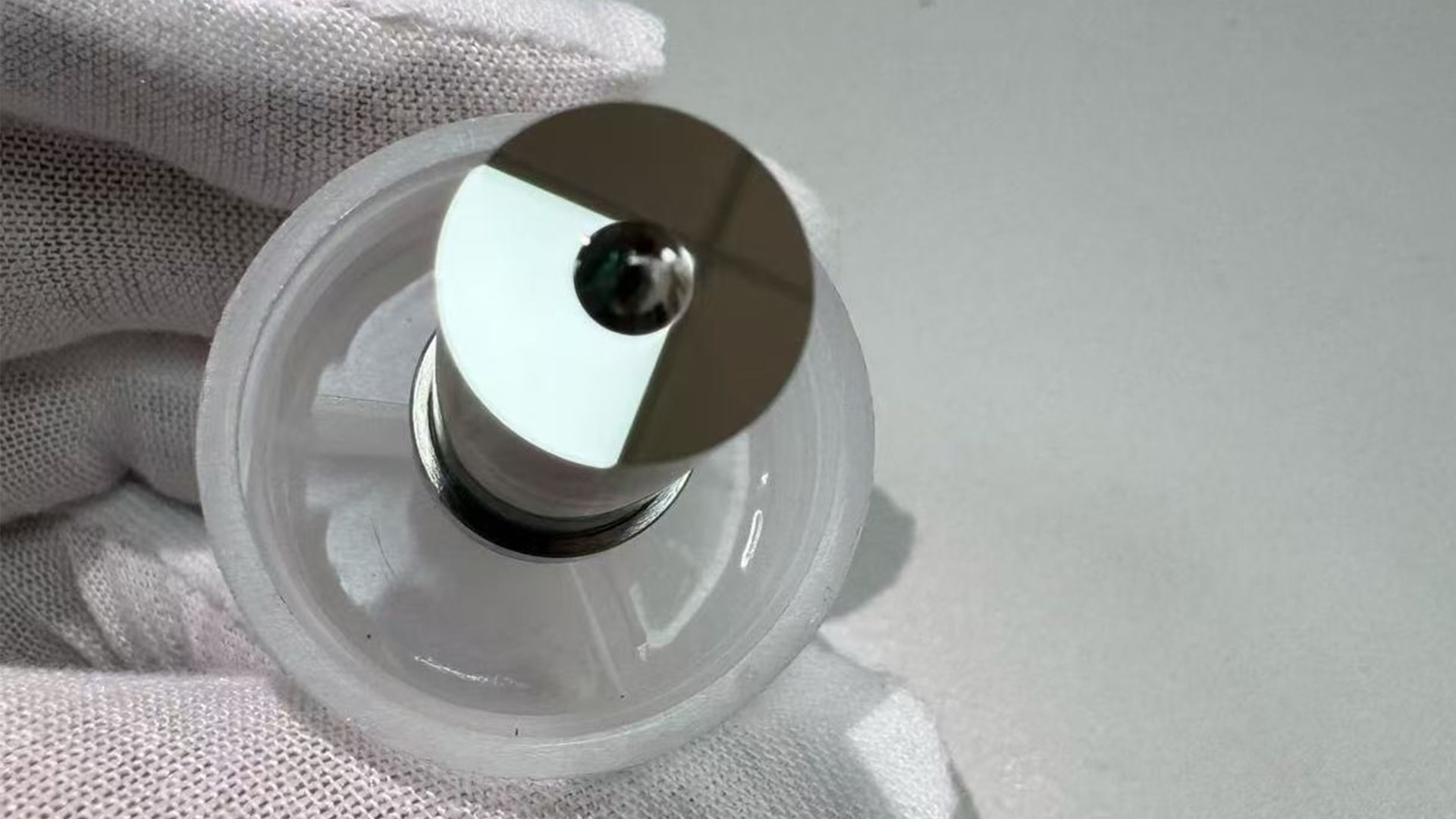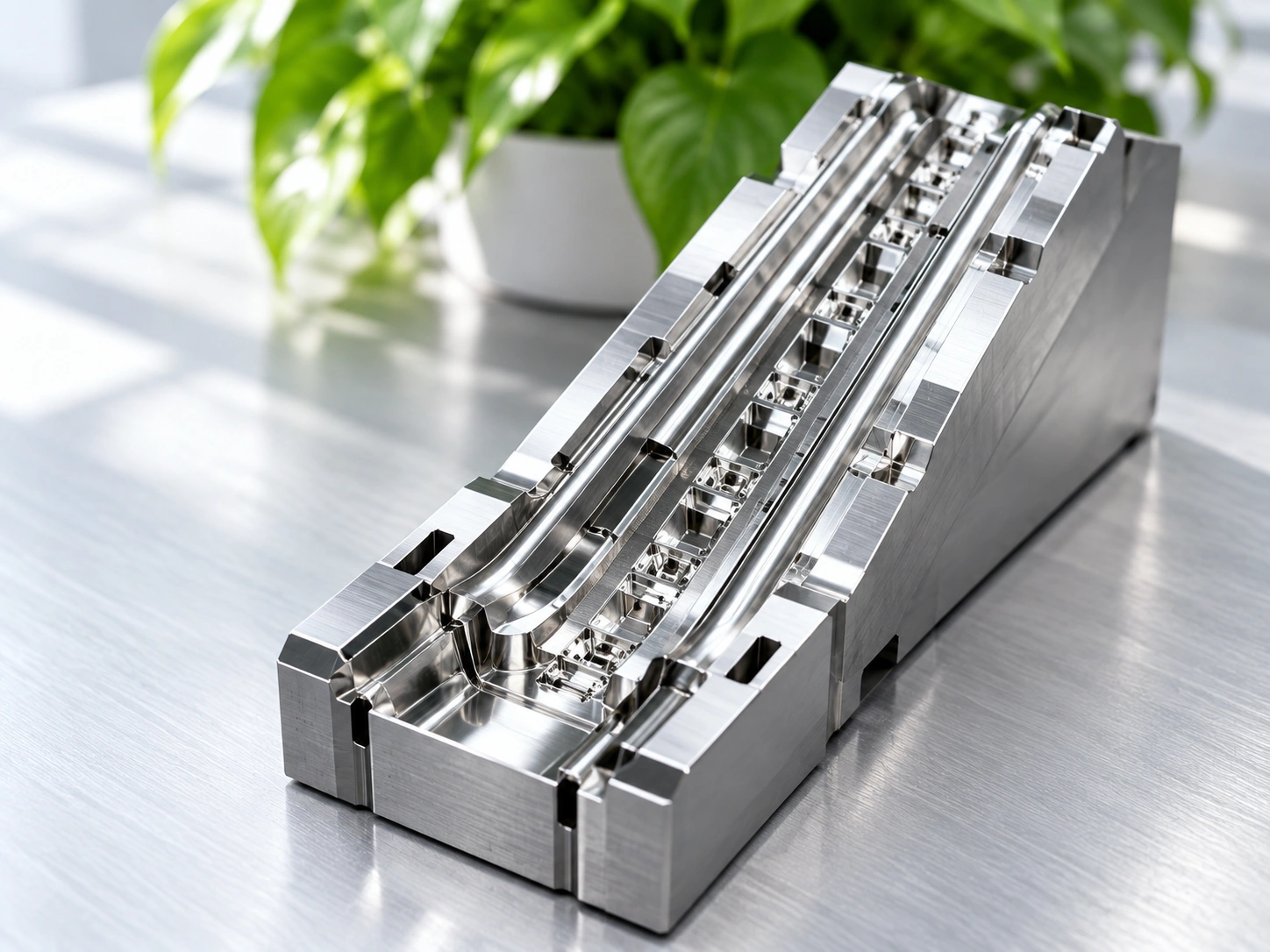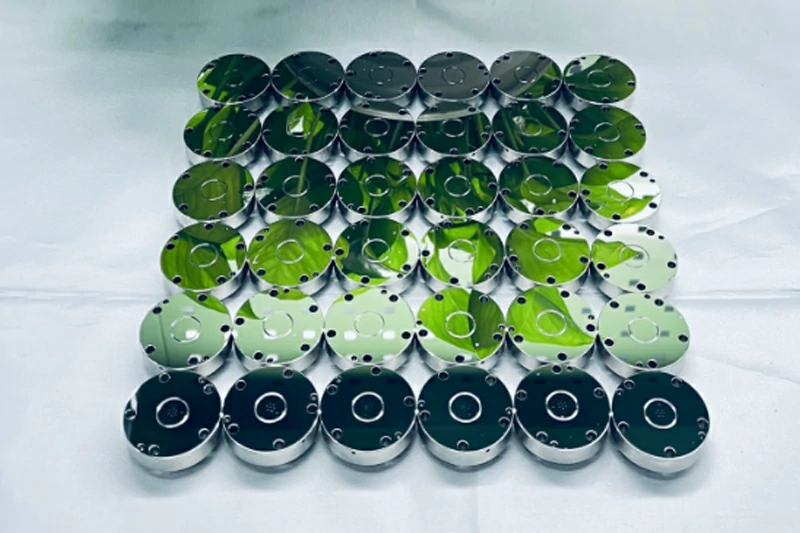
The machining is finished. The mold insert is sitting on the workbench. From the customer’s point of view, the order should be almost ready to ship.
But the delivery date is approaching, and the part still hasn’t moved to final inspection.
When the customer asks for an update, the answer is often frustrating:
“We’re waiting for the next operation.”
This is one of the less obvious reasons why mirror mold insert projects fall behind schedule.
The delay isn’t always caused by slow cutting, difficult geometry, or an overloaded machine. Sometimes the machining itself goes according to plan, but the workpiece spends too much time waiting between operations.
For customers working against prototype deadlines, tool trials, or production schedules, that waiting time matters just as much as the actual machining time.
At YISHUN Optical, we believe a reliable delivery plan should follow the complete journey of a mirror mold insert, including the points where the part changes hands.
A Finished Machining Operation Is Not a Finished Project
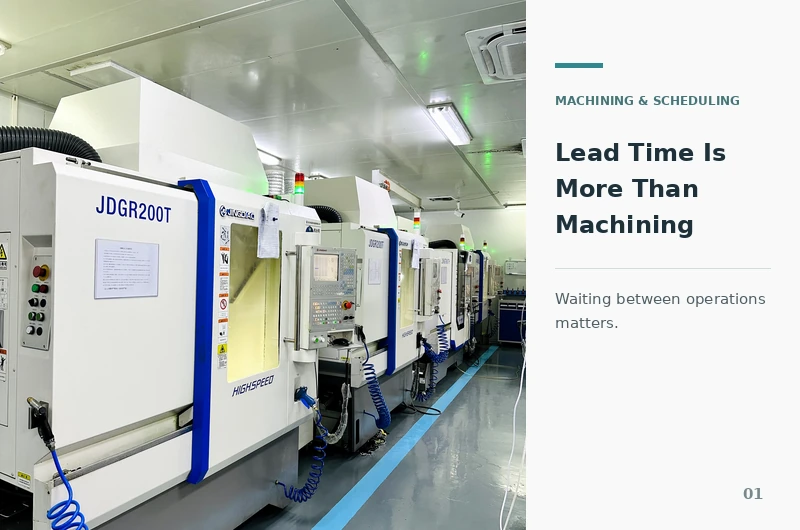
Let’s imagine a precision optical mold insert that requires CNC machining, localized finishing, dimensional inspection, and final packaging.
The CNC operation finishes on schedule.
However, the finishing technician doesn’t receive the part immediately because the required inspection results have not yet been reviewed.
Once the measurements are approved, the part moves forward. But the finishing workstation has already started another scheduled job.
After finishing, the insert waits again because final inspection needs a specific setup.
None of these delays necessarily means that the machine operators worked slowly.
The problem is that the project schedule did not fully account for what had to happen between operations.
This is why mirror mold insert lead time should not be calculated simply by adding up machine-running hours.
We need to consider three different types of time:
Processing time: When a machine or technician is actively working on the insert.
Waiting time: When the workpiece is ready but the next operation cannot begin.
Decision time: When progress stops because an engineer, inspector, or customer must confirm something.
Reducing processing time helps, but it may have little effect if the project is losing more time in queues and unresolved decisions.
Every Handoff Needs a Clear Release Condition
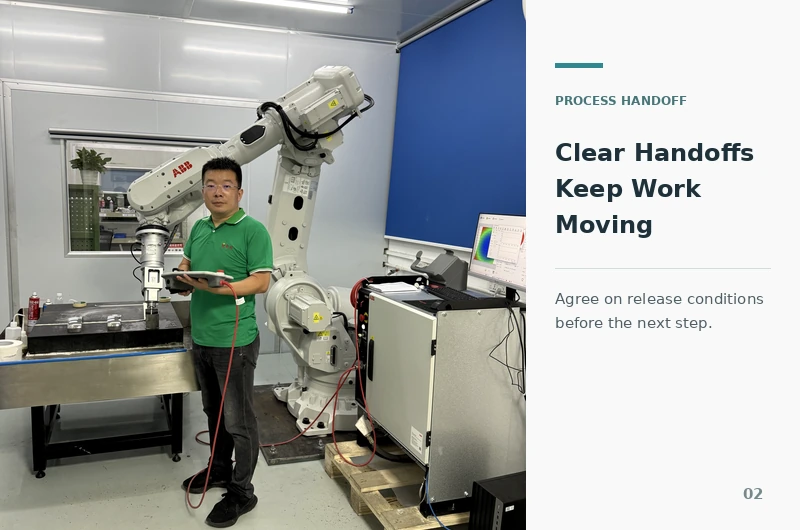
An operation can be completed without the part being ready for the next one.
For example, the machining technician may consider the CNC work finished. The finishing technician, however, may need confirmation that a critical surface has enough remaining material for the planned finishing operation.
The inspection team may also need to know which features must be checked before further material is removed.
If these requirements are not agreed upon, the part can arrive at the next workstation only to be sent back for clarification.
We prefer to make the handoff requirements clear before machining starts.
For a suitable project, this means identifying the conditions that allow the insert to move from machining to finishing, and from finishing to final inspection.
The requirements don’t need to create unnecessary paperwork. They need to answer practical questions.
Has the correct machining operation been completed?
Are the critical features ready for the next stage?
Have any unexpected conditions been recorded?
Is additional material removal permitted?
Who can authorize the next operation if something does not match the plan?
A clear release condition helps prevent a simple question from stopping an entire project.
The Next Technician Shouldn’t Have to Guess
A precision mirror mold insert may pass through several people during production.
One person prepares the CNC program. Another operates the machine. A finishing technician handles the surface. An inspector verifies the finished features.
Each person sees the workpiece from a slightly different perspective.
The CNC programmer may focus on cutting access and toolpath accuracy.
The finishing technician needs to understand which areas can be refined and which edges or surfaces must remain untouched.
The inspector needs the approved drawing and the correct measurement references.
When critical information stays with one person instead of traveling with the project, time can be lost.
The next technician has to ask questions, locate records, or wait for someone who is busy with another job.
For example, an instruction saying “polish the mirror surface” may not be enough for a complex insert.
It should be clear which surface zones require finishing, what condition is acceptable when the operation is complete, and which geometric features must be protected.
This doesn’t mean writing a long report for every task.
It means providing enough information for the next operation to begin safely without repeating the previous engineering discussion.
Schedule Inspection as a Production Operation
Inspection is sometimes treated as something that happens when machining is finished.
For urgent precision projects, that assumption can create an avoidable delay.
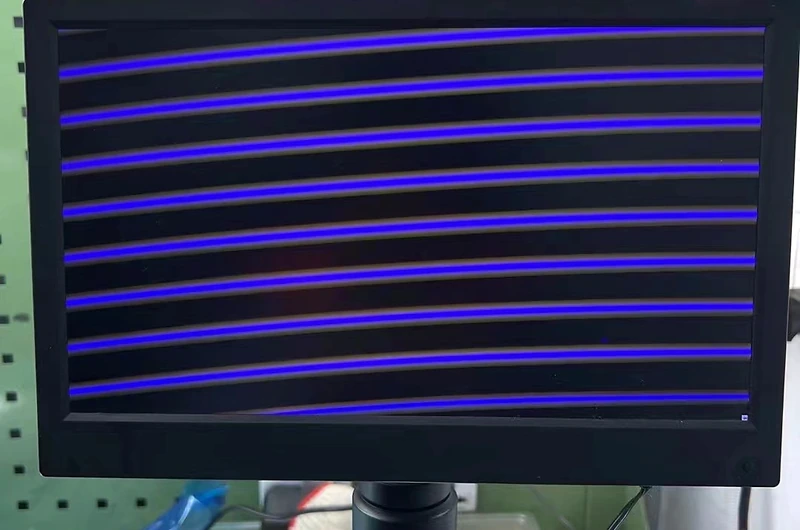
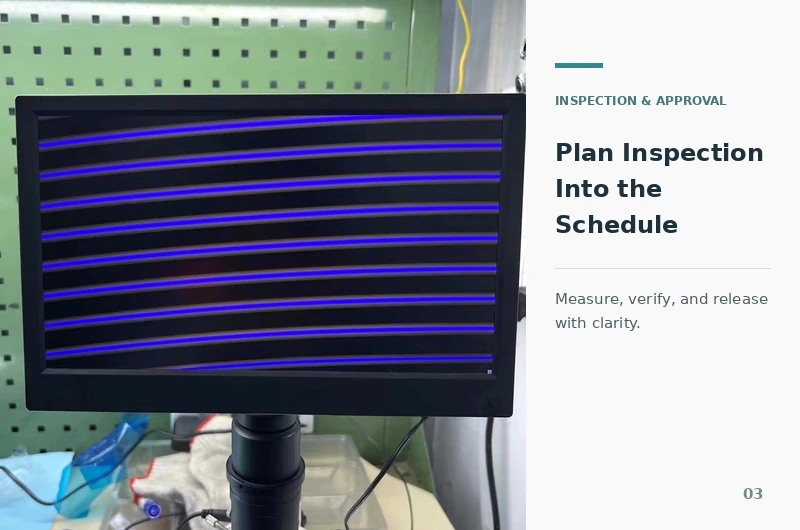
A dimensional inspection may require a suitable fixture, an agreed datum setup, a qualified measurement program, or access to a particular instrument.
A critical optical surface may require a different method from a mounting feature.
The equipment may be available, but that doesn’t mean the inspection can begin immediately if the necessary setup or acceptance criteria are missing.
We recommend planning important inspection activities together with the machining and finishing sequence.
For example, an intermediate measurement may determine whether a part can proceed to final finishing.
If that measurement is required, the project schedule should recognize it as a decision point.
It may be possible to prepare the inspection setup in advance, confirm the drawing revision, and identify the required measurements before the part arrives.
That doesn’t remove inspection time.
It reduces the chance that an otherwise finished workpiece waits unnecessarily because nobody prepared the next step.
For complex inserts, our ultra-precision machining capabilities are considered together with the relevant geometric and inspection requirements during engineering evaluation.
When a Problem Appears, Decide Before Reworking
An unexpected measurement result can create a particularly difficult scheduling situation.
The part has been machined. The inspector identifies a feature that needs attention.
What happens next?
Without a clear response procedure, the workpiece may move between engineering, production, and inspection while everyone waits for a decision.
The temptation is to send it straight back for corrective machining or polishing.
But that decision should depend on the actual problem.
A dimensional deviation may require one response. A surface defect may require another. A measurement disagreement may need the setup or method checked before any metal is removed.
If the team begins correction before understanding the issue, the workpiece may have to go through additional operations without resolving the original concern.
That creates more waiting and increases the risk of damaging acceptable features.
A better approach is to identify the affected area, understand whether a correction is technically possible, and determine who has authority to approve it.
When customer acceptance is involved, the customer should receive the relevant information before the project proceeds with an unapproved change.
The fastest useful decision is not necessarily the decision to start machining again.
Sometimes it is the decision to stop, verify the evidence, and protect the workpiece from unnecessary rework.
Make Delays Visible Before They Reach the Delivery Date
Not every project needs a complicated production management system.
However, it should be possible to identify where the workpiece is and what prevents it from moving forward.
A simple operation-status record can be useful:
| Project stage | Information needed |
|---|---|
| Precision machining | Completed, in progress, or blocked |
| Intermediate verification | Inspection completed or approval pending |
| Surface finishing | Ready to start, in progress, or awaiting release |
| Final inspection | Measurements completed or issue under review |
| Delivery preparation | Accepted, documented, and ready for dispatch |
The important distinction is between work completed and work approved to proceed.
If CNC machining is complete but the required intermediate inspection is still pending, the project should not be reported as though every remaining step is routine.
A useful status update explains the current stage, the next required action, and whether anything threatens the agreed delivery date.
This gives the customer a more reliable picture than simply saying the insert is almost finished.
It also helps identify schedule risks early enough for both sides to discuss realistic options.
Expediting the Wrong Operation Doesn’t Solve the Delay
When a customer needs an insert urgently, the obvious response is often to increase machining priority.
That can help if machine capacity is the actual constraint.
But suppose the remaining delay comes from an unresolved inspection requirement.
Finishing the CNC operation a few hours earlier does not necessarily help if the next stage still cannot be released.
Similarly, working overtime on a surface that is already acceptable doesn’t solve a missing customer approval.
Before changing the schedule, we should identify the operation or decision that actually controls the remaining delivery date.
Can the next setup be prepared while the current operation is running?
Can an inspection plan be finalized before the workpiece arrives?
Are there supporting tasks that can proceed without placing critical geometry or surface quality at risk?
Can an engineering question be answered earlier?
Some activities can be prepared in parallel. Others must remain sequential.
For example, final acceptance cannot legitimately be completed before the required finishing and inspection work is done.
The objective is to remove unnecessary waiting—not to skip necessary quality controls.
How YISHUN Approaches Time-Sensitive Insert Projects
At YISHUN Optical, we support customers with precision optical mold inserts, complex mirror surfaces, and components requiring tightly controlled machining and finishing.
Our available processes include ultra-precision machining, five-axis mirror machining, selected EDM operations, precision finishing, and dimensional or surface inspection.
For suitable projects, having complementary technical resources available helps us evaluate how the operations should connect.
However, equipment availability alone cannot guarantee a short delivery time.
Material readiness, workpiece geometry, machining capacity, inspection requirements, and the technical risk of the part all affect the achievable schedule.
For a time-sensitive project, we want to identify critical operations and the conditions required to release the workpiece between them.
We also consider whether the proposed surface finishing requirements can be evaluated early enough to avoid last-minute uncertainty.
We don’t believe in promising an unrealistic turnaround simply because a customer needs the part urgently.
A useful commitment should reflect the actual project requirements and the operations that must be completed before shipment.
What Customers Can Do After Placing an Urgent Order
Once the project begins, customers can help prevent avoidable delays by keeping the approved requirements consistent.
If a drawing is revised, the affected features and approval status should be communicated clearly.
If an appearance-critical surface requires a reference sample, that requirement should be confirmed before final finishing.
If an inspection report needs customer review before production continues, the responsible contact should be available to respond.
It is also helpful to distinguish the date the customer needs the insert dispatched from the date it must arrive for assembly or a scheduled trial.
These dates are not interchangeable, especially for international deliveries.
For an urgent mirror mold insert project, we recommend agreeing on the critical checkpoints and communication responsibilities rather than focusing only on the final shipping date.
This makes it easier to see whether the schedule is still realistic as production progresses.
Faster Delivery Starts With Fewer Unanswered Questions
When a mirror mold insert misses its delivery date, the slowest machine isn’t always the reason.
The real delay may be sitting between two operations, waiting for information that nobody knew was needed until the part arrived.
Clear handoff conditions, planned inspection, timely engineering decisions, and realistic status updates help reduce that uncertainty.
They also protect something more important than speed: the quality of the finished insert.
If your project has experienced repeated waiting between machining, finishing, and inspection, we can help review the requirements before the next order.
Send us your drawings, material specification, surface requirements, quantity, required delivery date, and any known scheduling constraints.
YISHUN Optical can evaluate the machining requirements and discuss a practical production sequence for your precision mirror mold insert.