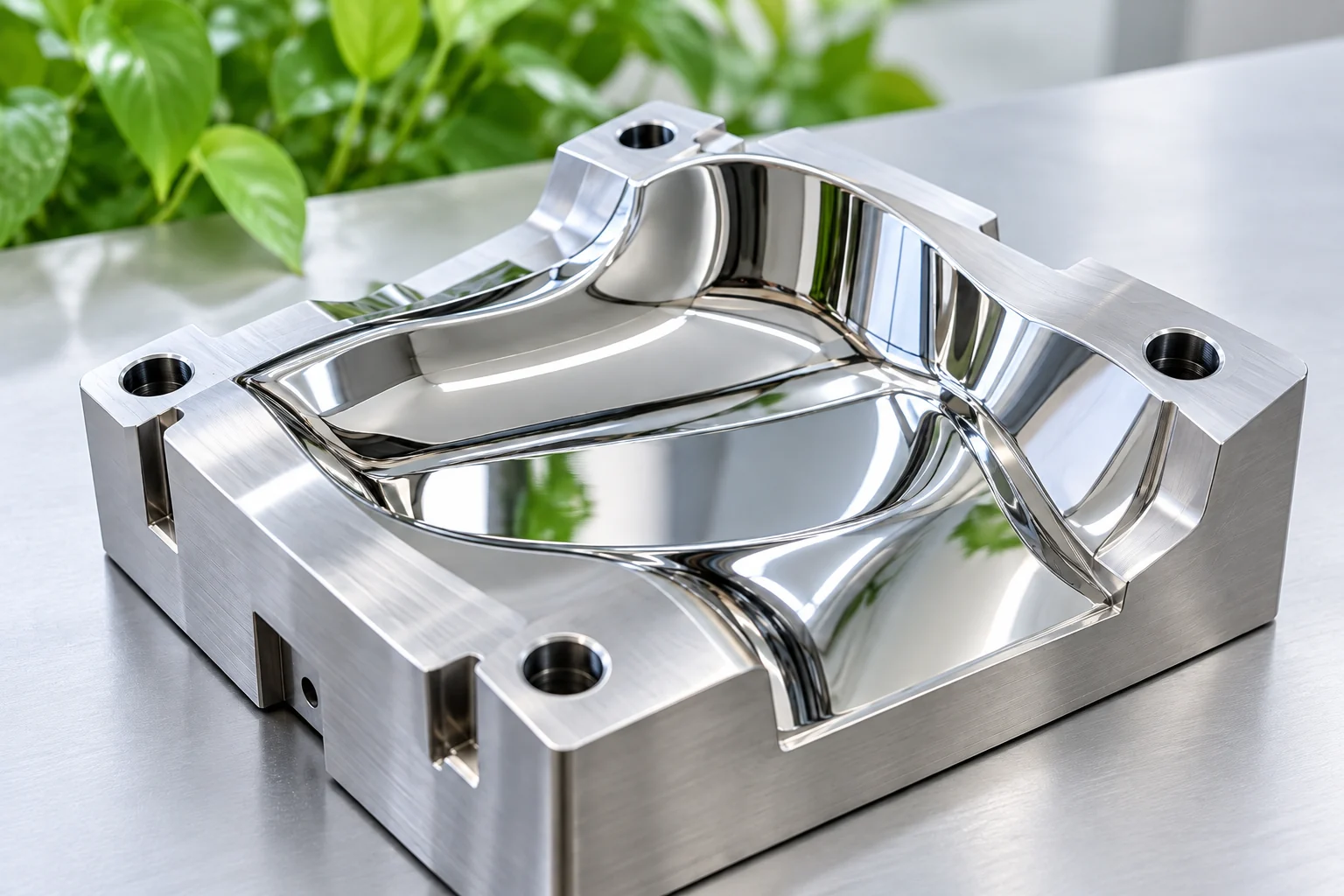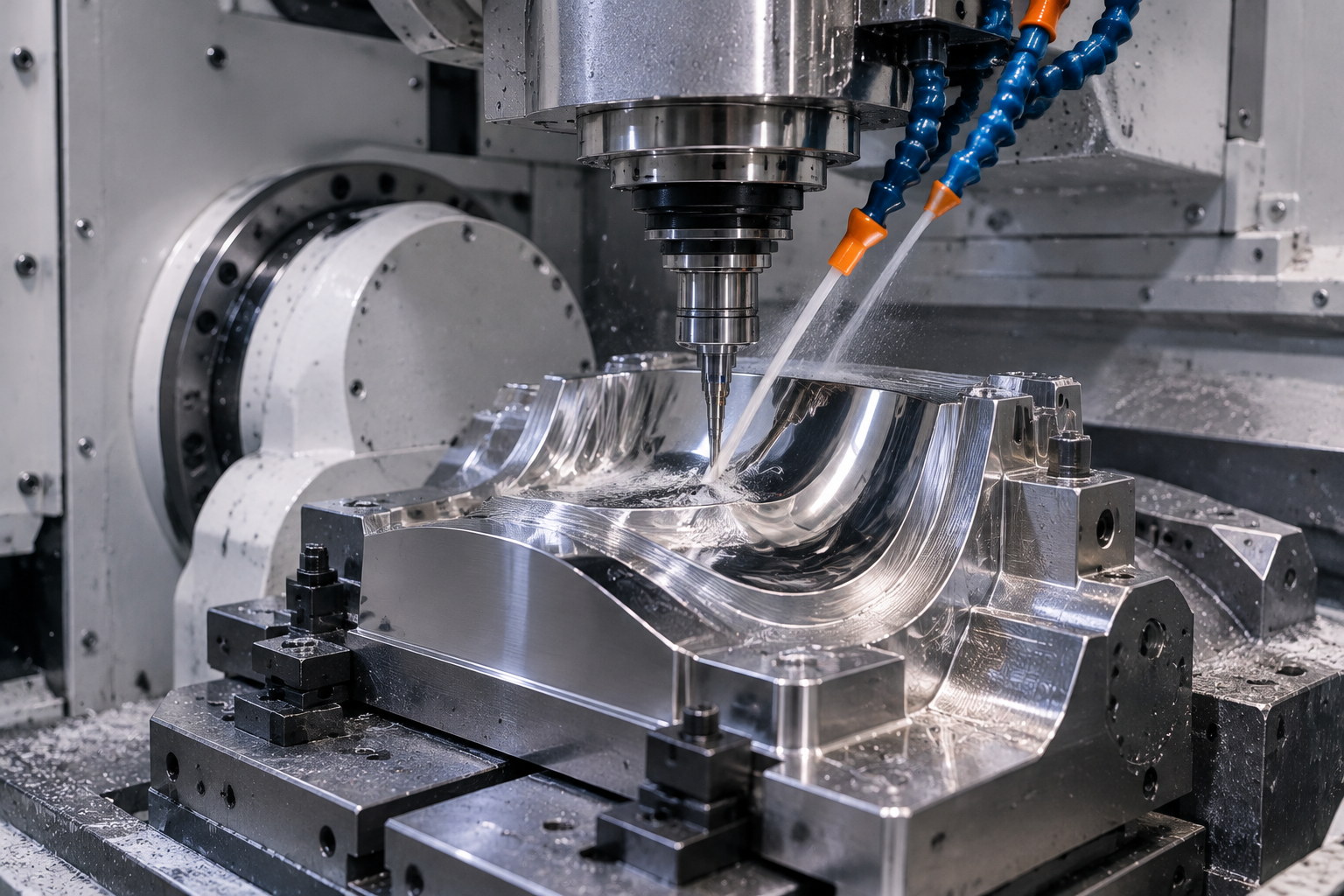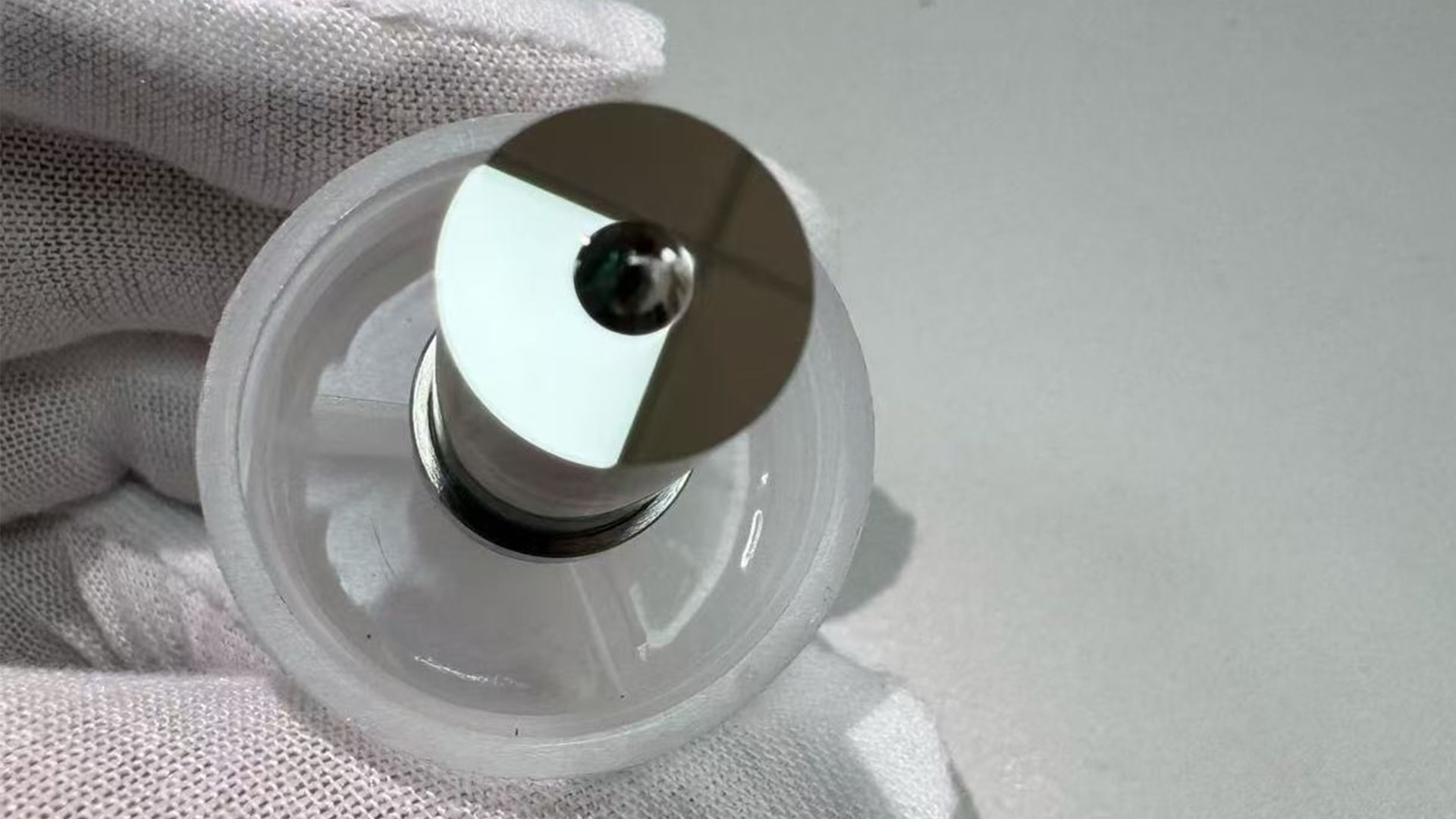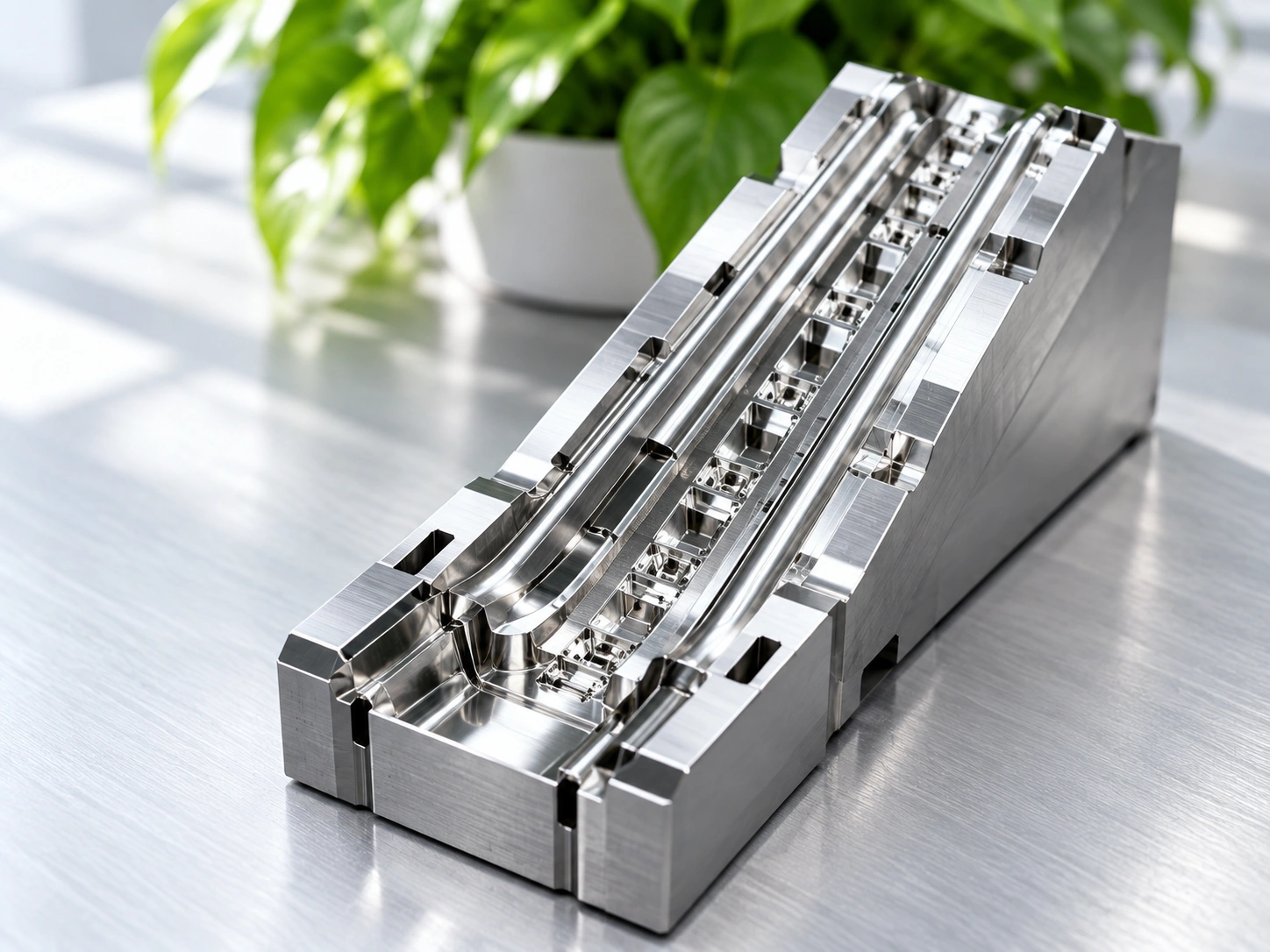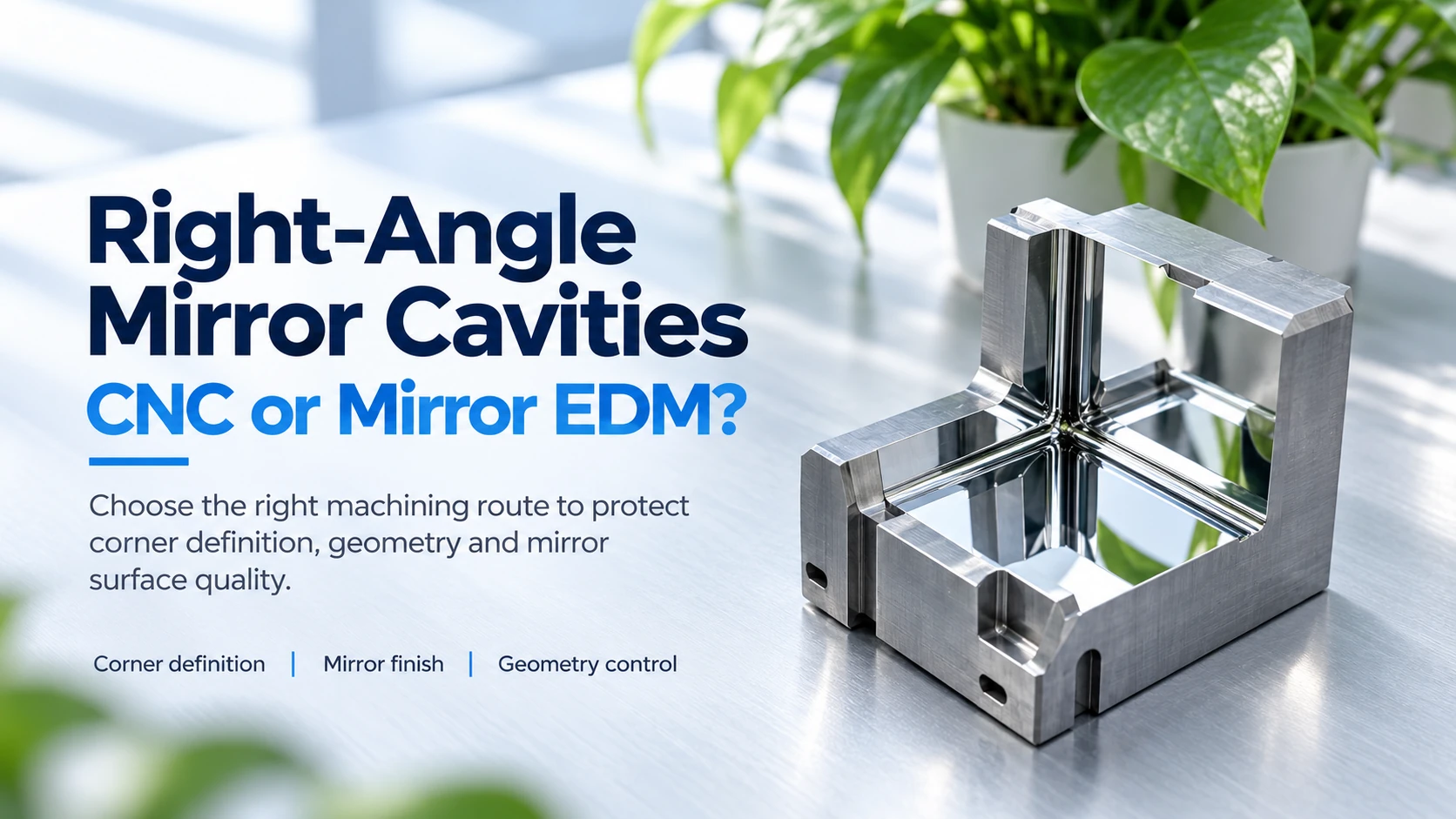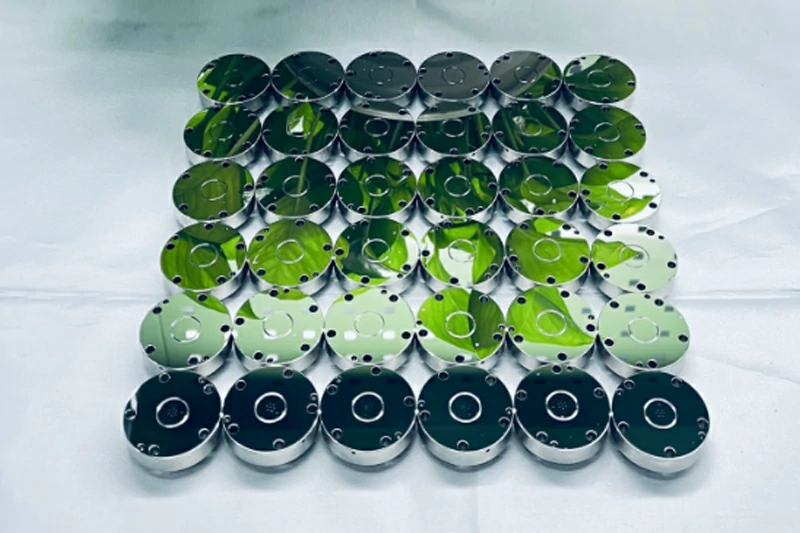
A lower machining price does not always mean a lower final cost for a mirror mold insert.
This is easy to overlook when comparing supplier quotations.
One supplier may offer a lower machining price, while another quotes more for mirror milling. At first glance, the lower-priced option seems more attractive.
But the real cost can change once the rest of the process begins.
The project may still require:
- Electrode manufacturing
- EDM machining
- Extensive manual polishing
- Additional inspection
- Local correction
- Rework
These costs may not all appear in the initial quotation, but they can have a significant impact on the final project cost.
That is why we believe mirror milling cost should be evaluated as part of the complete machining process.
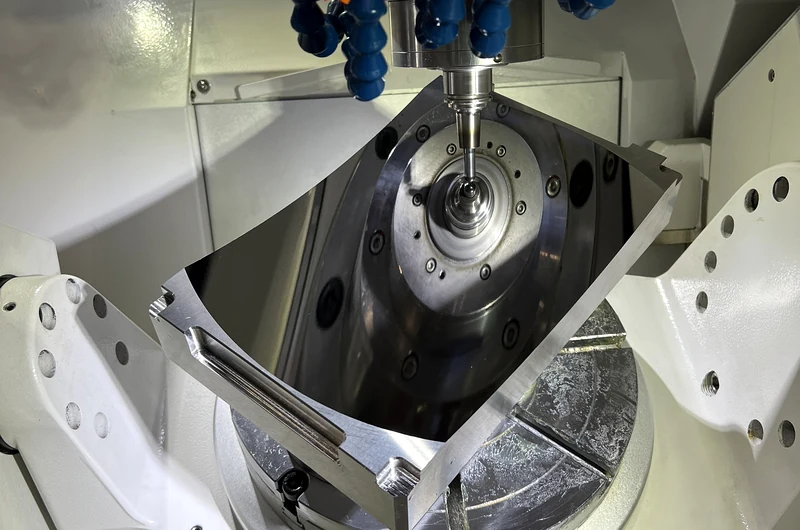
Don’t Compare Only the First Machining Operation
Suppose two suppliers are working on the same high-gloss mold insert.
Supplier A offers a lower initial machining price, but the machined surface requires extensive downstream finishing.
Supplier B charges more for mirror milling, but can achieve a better surface condition during the machining stage.
If you only compare the CNC machining price, Supplier A is clearly cheaper.
But once the entire process is considered, the result may be completely different.
| Cost Item | Traditional Process | Mirror Milling Process |
|---|---|---|
| Initial machining | Lower | Potentially higher |
| Electrode / EDM | May be required | May be reduced |
| Subsequent polishing | Potentially more | Potentially less |
| Local correction | Depends on machining condition | Can be reduced with stable machining |
| Final inspection | Required | Required |
| Total cost | Must be evaluated as a whole | Must be evaluated as a whole |
So, a lower machining quotation is simply a lower machining quotation. It does not automatically mean a lower project cost.
Why Does the Machined Surface Affect Polishing Cost?
The amount of polishing work required depends heavily on the surface condition when the insert enters the polishing stage.
If the machining marks are controlled, the machining allowance is appropriate, and the geometry is stable, polishing can focus mainly on achieving the required final surface finish.
But if the machined surface contains deeper tool marks, uneven transition areas, or features that require significant correction, the polishing technician must first deal with those machining issues.
At that point, polishing is no longer simply about achieving a mirror finish.
It becomes:
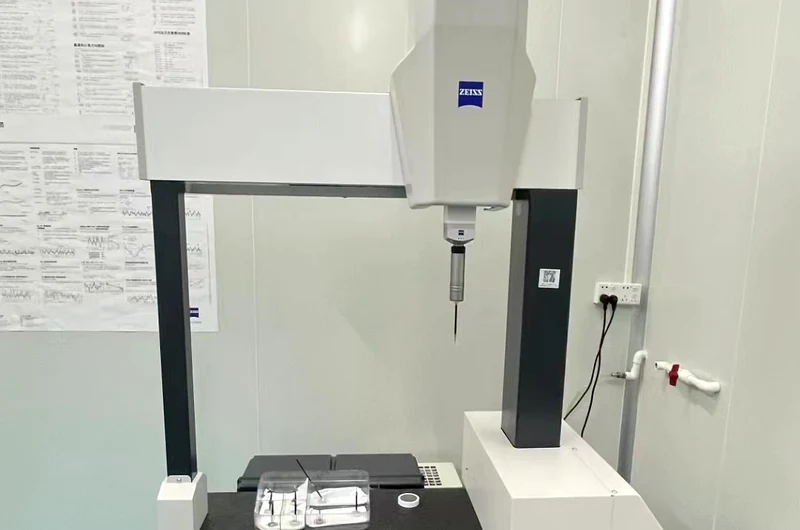
Removing machining defects + protecting the original geometry.
This is particularly important for inserts with small radii, complex transitions, or high-precision boundaries.
The more material that has to be removed during polishing, the greater the risk of changing the original geometry.
For a deeper look at how machining conditions can reduce unnecessary manual finishing, see How to Make a High Gloss Mold Insert With Less Hand Polishing.
So, upstream machining quality is not separate from polishing.
It directly affects the amount of downstream work required.
When Can Mirror Milling Actually Reduce Cost?
Mirror milling is not simply a way to “replace polishing.”
Its real value is in controlling the final surface condition earlier in the process when the geometry is suitable.
For example, it can be valuable when:
- The optical surface can be machined stably;
- The cutting tool can access the machining area properly;
- The geometry allows a continuous and stable toolpath;
- Both surface quality and geometric consistency are important;
- The project should not rely heavily on manual correction.
In these situations, if mirror milling can bring the machined surface closer to the final requirement, the amount of subsequent polishing may be reduced.
The higher initial machining cost can then potentially be balanced by reducing downstream operations.
But the key word is:
“Potentially,” not “automatically.”
Not Every Area Is Suitable for Mirror Milling
Complex mold inserts often contain different types of machining areas.
Some surfaces are well suited to mirror milling.
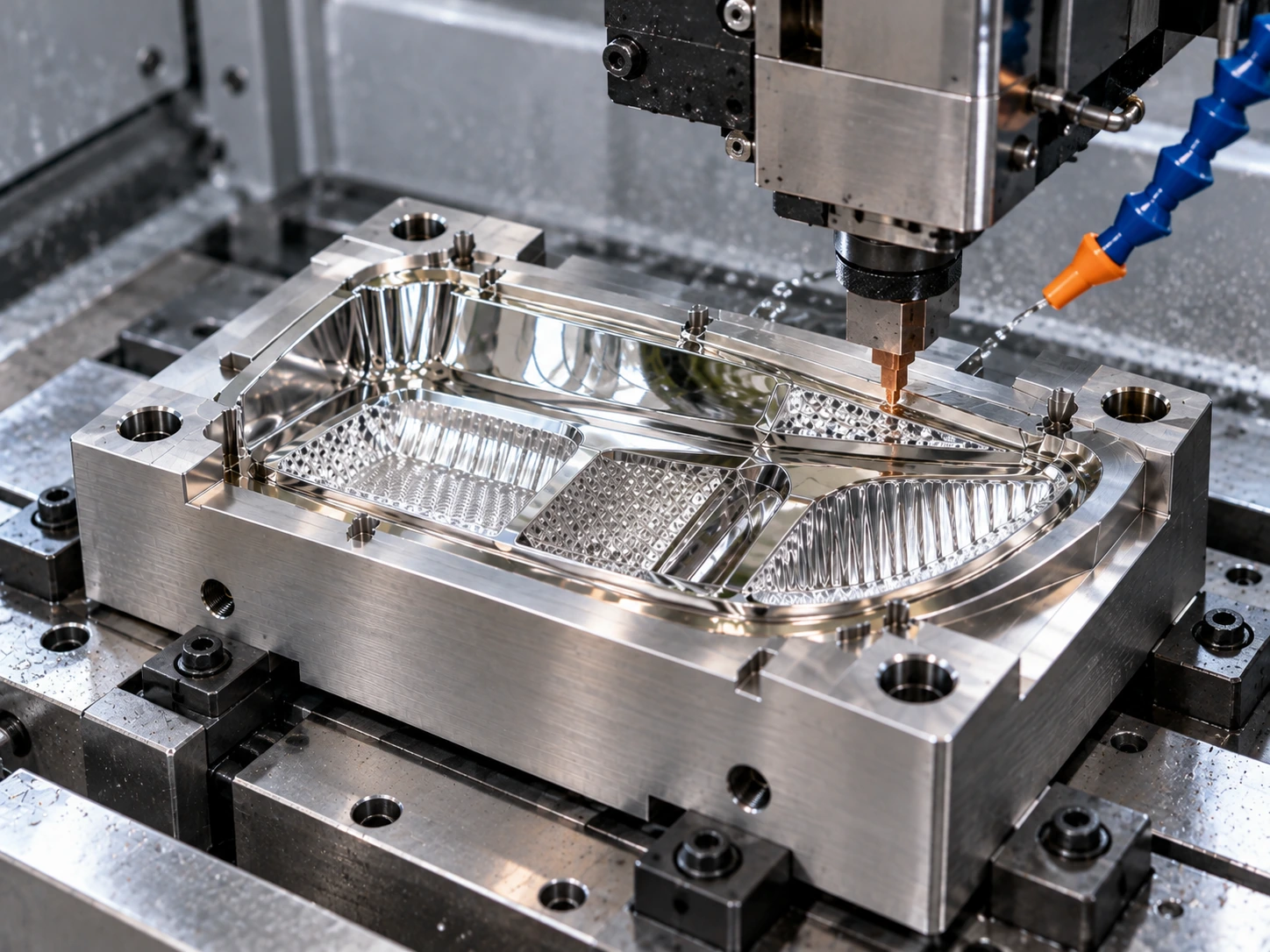
Other areas, such as deep grooves, narrow openings, or features that cannot be reached stably by the cutting tool, may require EDM or another process.
Therefore, a practical machining route may be:
Mirror milling + EDM + controlled finishing.
Rather than forcing one process to cover the entire insert.
If mirror milling is used in an area where the tool cannot work stably, the result may include tool deflection, poorer surface quality, or additional corrective work.
In that case, the attempt to reduce one process can actually increase the total cost.
For high-gloss inserts, EDM surface condition can also influence the amount of finishing required. See Reducing EDM Marks on High-Gloss Mold Inserts.
So, real cost optimization is not about choosing the cheapest process. It is about using the right process for each area.
Rework Should Also Be Part of the Cost Comparison
Another cost that is easy to overlook is rework.
If a problem is found after machining, the insert may need to be set up again, corrected, inspected, and evaluated once more.
Even when the supplier does not charge a separate “rework fee,” the time and resources still exist.
For a complex mirror mold insert, rework is not simply a matter of cutting the same area again.
A new setup may affect the reference position.
Local correction may influence adjacent geometry.
Excessive polishing may change an edge or radius.
That is why, when comparing machining routes, we pay attention to one question:
Can the proposed process bring the insert reliably to the next operation, rather than simply asking how much the first operation costs?
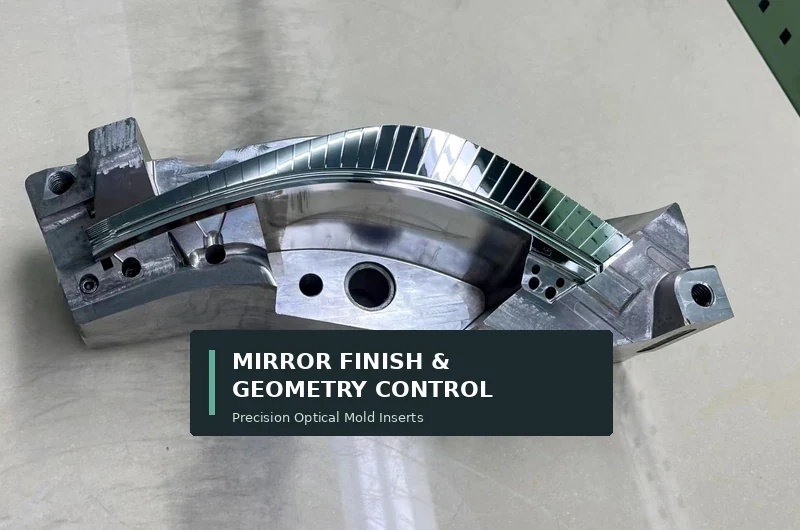
How Does YISHUN Evaluate Whether Mirror Milling Is Worthwhile?
We do not automatically recommend mirror milling simply because a customer requires a high-gloss surface.
When evaluating a project, we first look at:
- Material
- 3D geometry
- Surface type
- Cavity depth
- Minimum radius
- Tool accessibility
- Surface requirements
- Dimensional tolerances
- Areas suitable for direct machining
- Areas that may require another process
Then we ask:
Where can mirror milling actually create value?
Some projects are suitable for extensive mirror machining.
Some only benefit from mirror milling in selected areas.
For other projects, combining conventional processes with mirror machining may be the more practical solution.
This type of evaluation is more important than simply asking which machine is more advanced.
For a more detailed explanation of how we approach process selection, see How to Choose the Right Process for a Mirror Mold Insert.
How Should Customers Compare Supplier Quotations?
If you are purchasing a high-gloss mirror mold insert, we do not recommend asking only:
“How much does the machining cost?”
A more useful question is:
“What complete machining route do you recommend?”
You can then confirm:
- Is an electrode required?
- Is EDM required?
- Which areas will use mirror milling?
- How much polishing is expected afterward?
- Which areas may require manual correction?
- How will the final inspection be performed?
- How will local problems be handled if they occur?
This makes supplier quotations much easier to compare.
Two suppliers may offer different prices not because one supplier simply has a higher margin, but because they are proposing different machining routes.
If you compare only the final numbers without comparing the process behind them, the cost comparison may be misleading.
The Lowest Machining Price Does Not Always Mean the Lowest Final Cost
Mirror milling can reduce polishing costs for some mold inserts, but only when the geometry is suitable and the process is evaluated as part of the complete manufacturing route.
A higher machining price does not automatically mean a higher final cost.
A lower machining price does not automatically mean a better quotation.
What really needs to be compared is:
Machining + EDM + polishing + inspection + rework risk
rather than the CNC machining price alone.
For suitable optical surfaces and complex high-gloss areas, more stable mirror machining may reduce downstream finishing work.
For deep grooves, narrow openings, or areas that cannot be reached stably by the tool, another process may be the better choice.
So there is no single answer that makes mirror milling the most economical solution for every insert.
The most practical approach is to match each process to the part of the geometry it is best suited to handle.
If you are comparing suppliers for a high-gloss mirror mold insert, send us the 2D drawing, 3D model, material, surface requirements, and critical tolerances.
YISHUN Optical can evaluate the actual geometry and review the relationship between mirror machining, EDM, and downstream finishing, helping you determine which machining route is more suitable for the project.
The cheapest individual operation is not always the cheapest way to produce the finished insert.