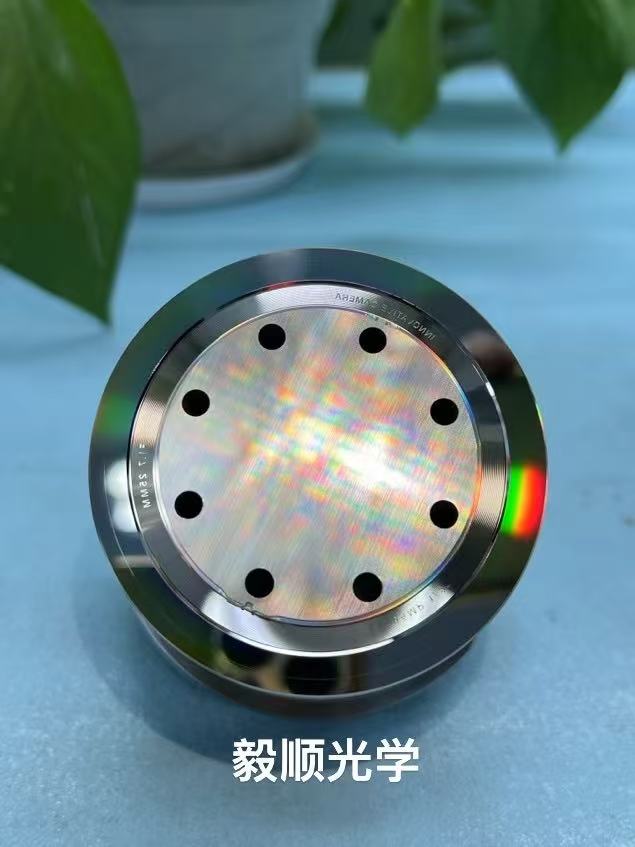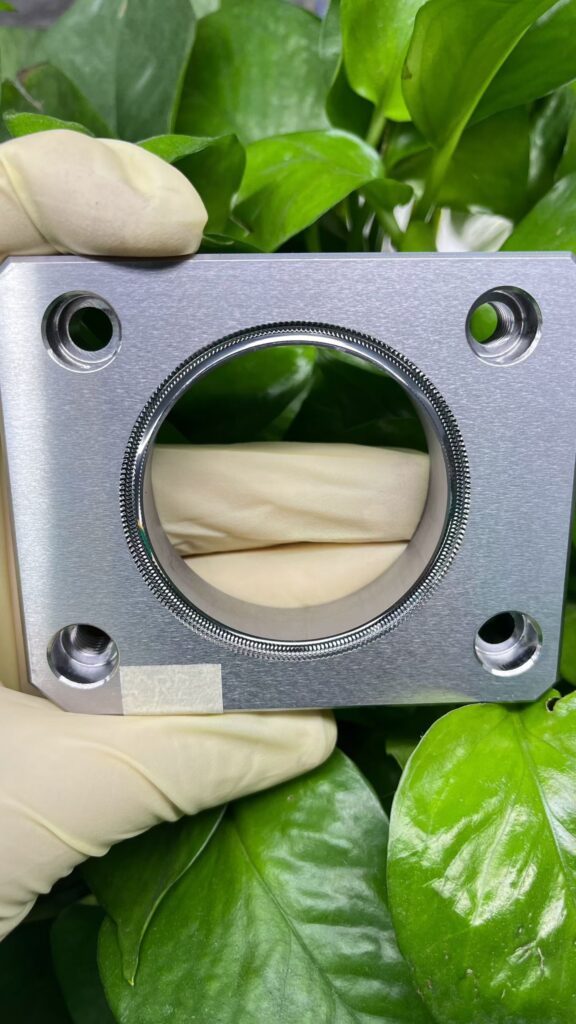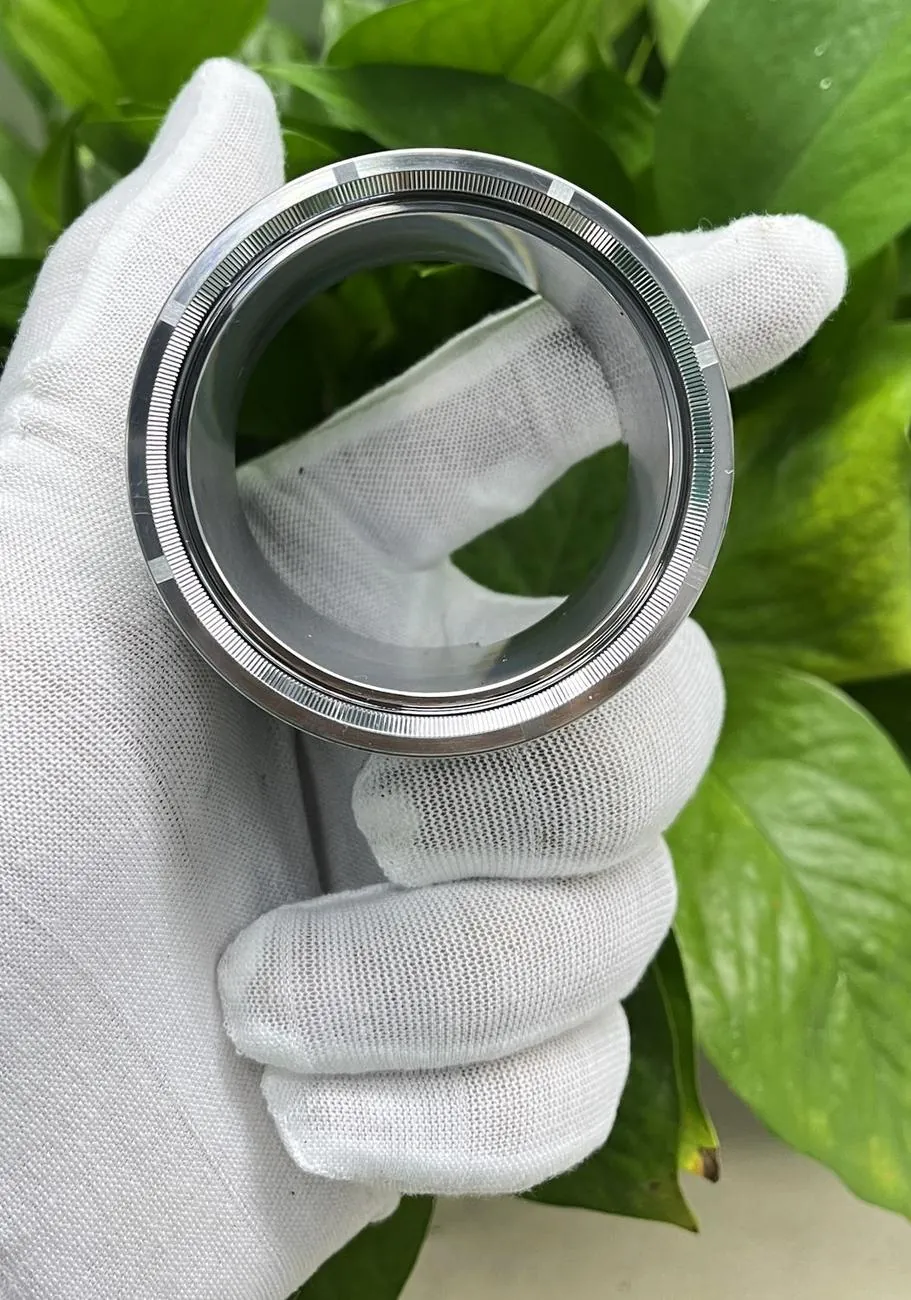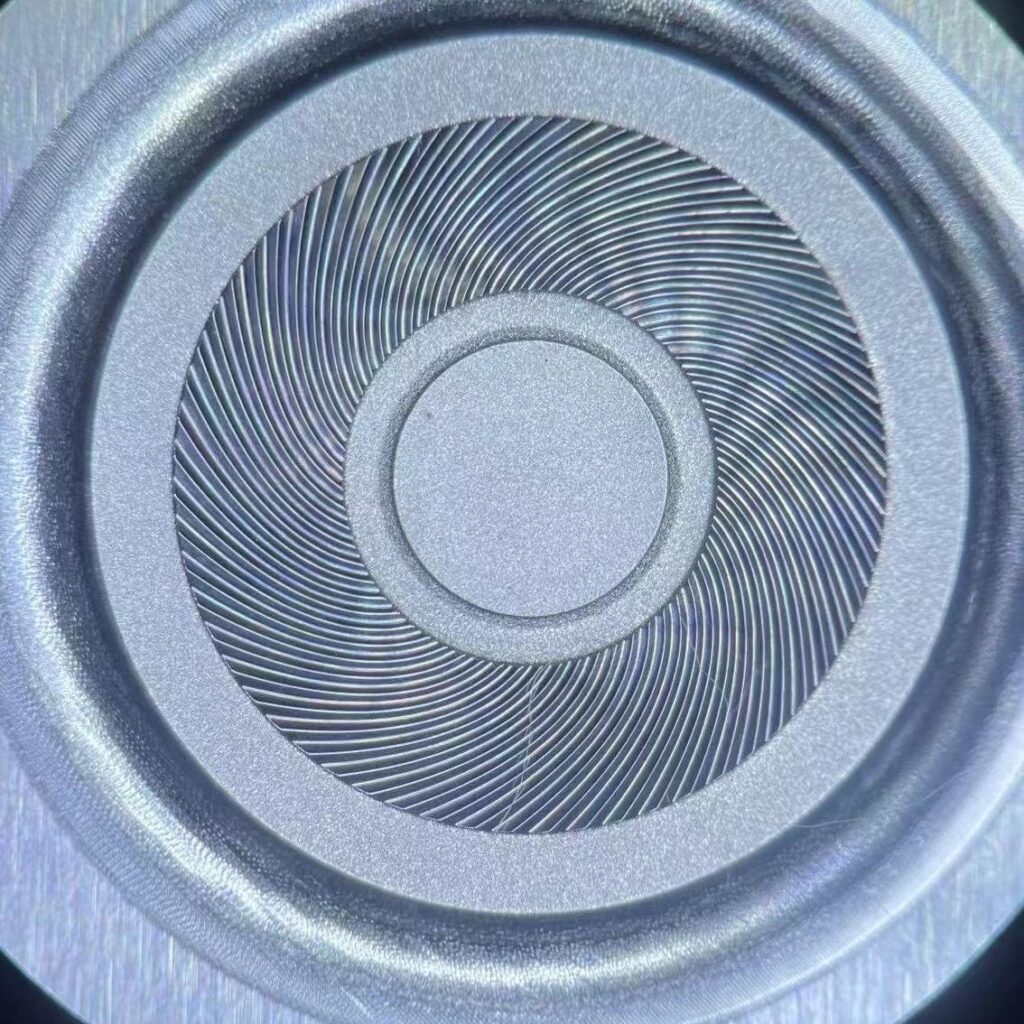
Yishun Optical focuses on custom machining for mobile phone camera optical mold cores, mirror mold inserts, and complex optical cavities. We support projects for phone main cameras, front cameras, lens decoration rings, lens holders, micro-texture cavities, and high-gloss camera housings.
For small optical lenses in mobile phones, the mold core surface is not only about appearance. It can directly affect plastic lens replication, stray light control, image clarity, and stable mass production. From drawing review, process planning, mirror machining, polishing control to final inspection, we help customers find machining risks early and reduce repeated mold repair and production changes.
Available for customization: main camera lens mold cores, front camera lens mold cores, spherical lens mold cores, aspheric lens mold cores, camera decoration ring mold inserts, lens holder cavities, micro-texture camera mold cores, single-cavity and multi-cavity mirror mold cores.
Request a Free Drawing Review | View FAQ
Product Description
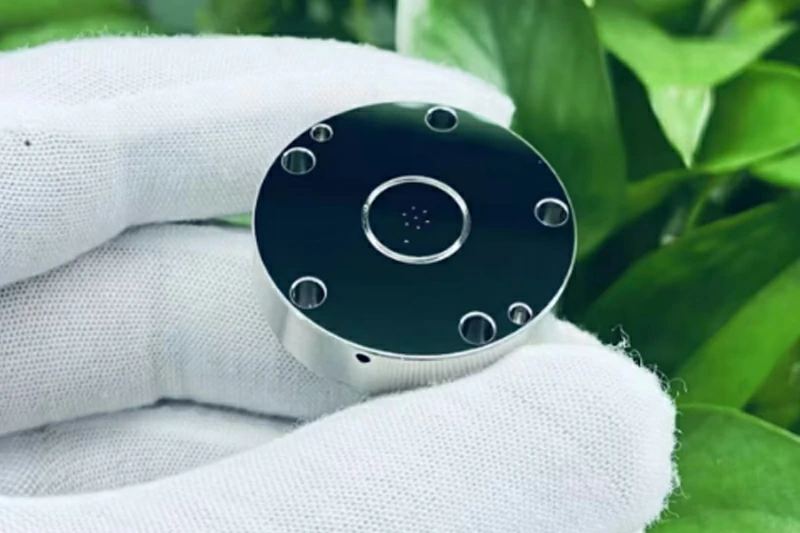
Mobile phone camera optical mold cores are mainly used for injection molding of plastic lenses and related optical parts for rear main cameras and front cameras. Concave aspheric surfaces, micro-structure areas, and high-gloss mirror areas can directly affect the final image clarity of the lens.
- Use: Suitable for injection molding of plastic lenses and optical parts for rear main cameras and front cameras.
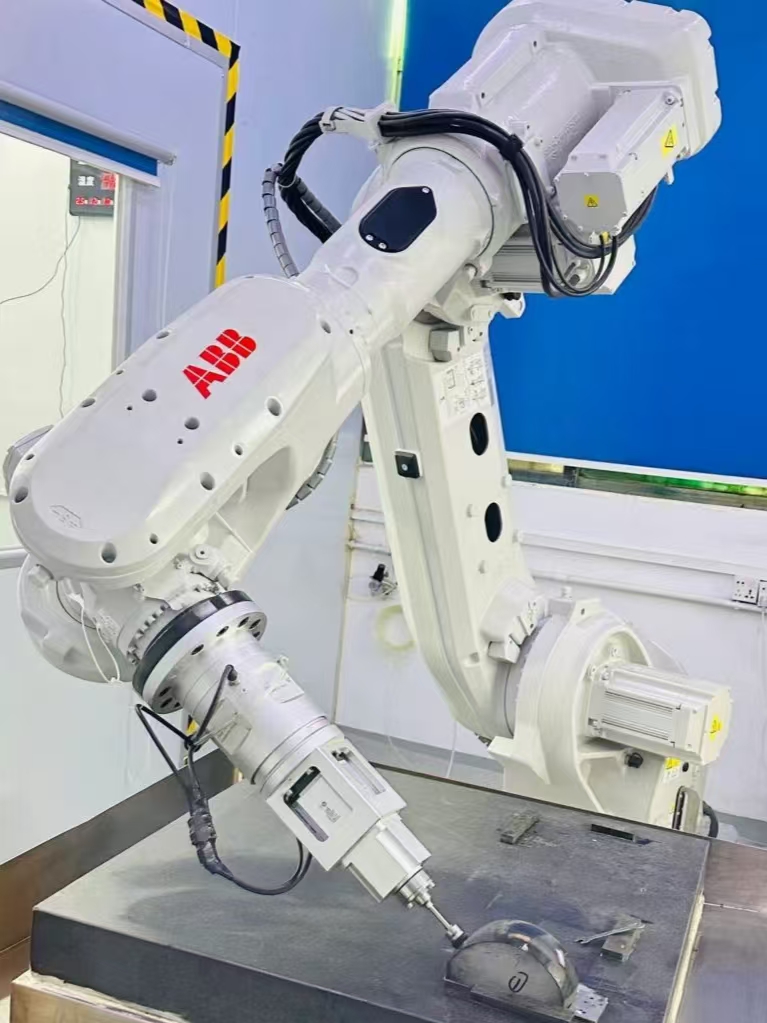
- Process: Based on project needs, we can use S136 mold steel, ultra-precision single-point turning, 5-axis mirror machining, nano-level mirror polishing, and other process routes.
- Surface result: We can support SPI A0 or customer-specified mirror standards. The focus is to control flow marks, pits, scratches, orange peel, and haze risks.
- Project accuracy: For suitable projects, we can evaluate profile tolerance ≤0.005 mm. The final capability depends on the real drawing, material, structure, and acceptance standard.
Mobile Phone Camera Mold Core Types We Can Machine
- Main camera lens mold cores
- Front camera lens mold cores
- Spherical lens mold cores
- Aspheric lens mold cores
- Camera decoration ring mold inserts
- Lens holder cavities
- High-gloss camera housing mold inserts
- Micro-texture camera mold cores
- Diamond texture and fine texture mold inserts
- Single-cavity and multi-cavity mirror mold cores
- Replacement cavities for existing camera molds
- Sample mold cores for new project development

.jpg)

Technical Parameters
| Item | Typical Requirement / Capability |
|---|---|
| Product Type | Custom mobile phone lens mold cores, mirror mold inserts |
| Main Applications | Main camera, front camera, lens decoration ring, lens holder, micro-texture cavity, high-gloss camera parts |
| Lens Type | Spherical lens mold cores, aspheric lens mold cores |
| Surface Standard | SPI A0 or customer-specified mirror standard |
| Surface Roughness | When the material, structure, and machining conditions are suitable, Ra ≤ 0.008 μm can be evaluated |
| Typical Finished Accuracy | For suitable projects, ±0.005 mm can be achieved |
| Micro Feature Capability | Some projects can support mirror machining with R0.05 mm small tools |
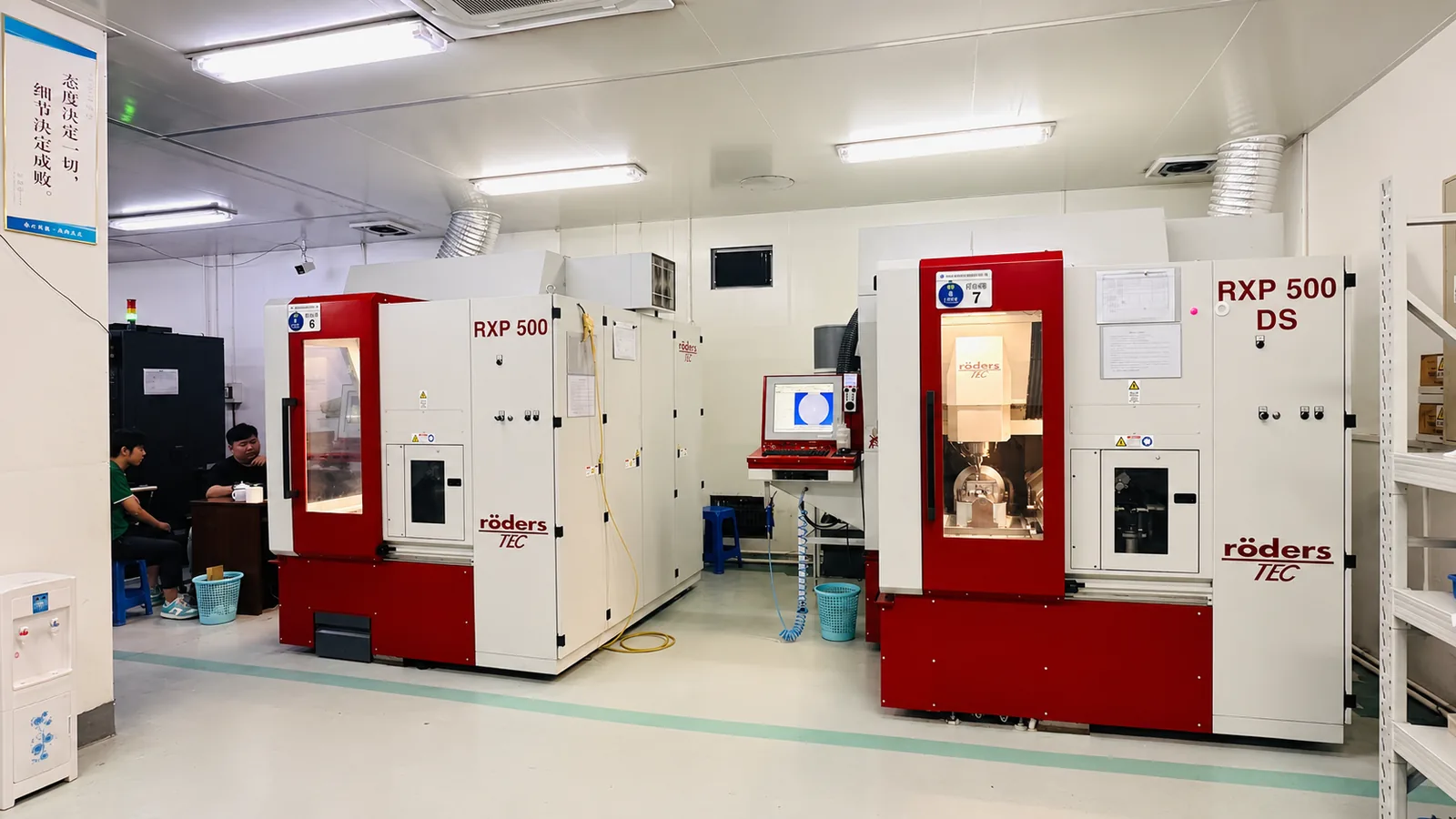
| Main Processes | 5-axis mirror machining, ultra-precision machining, grinding, mirror polishing |
| Spindle Type | Some equipment uses air spindles |
| Maximum Spindle Speed | Some equipment can reach 60,000 rpm |
| Reference Machining Size | Up to 500 × 450 × 200 mm for reference |
| Machinable Materials | Mold steel, stainless mold materials, tungsten carbide, SiC, and other compatible materials |
| Cavity Quantity | Single cavity or multi-cavity, confirmed after drawing review |
| Inspection Methods | CMM, roughness inspection, microscope inspection, visual inspection, and form inspection when needed |
| Available Documents | Dimension report, roughness report, visual record, and customer-specified document format |
| OEM / ODM | OEM machining and process support are available |
Note: The final machining capability depends on the actual drawing. Deep cavities, micro-textures, freeform surfaces, thin ribs, and hard-to-polish areas usually need a separate process plan.
Common Pain Points and Solutions in Custom Mobile Camera Optical Mold Cores
1. Unstable optical performance: size alone is not enough
Mobile phone camera parts are very sensitive to image quality. Small surface scratches, orange peel, tool marks, haze, and roughness changes can affect light transmission, optical replication, and final image quality. Many customers also worry that samples look fine, but batch differences appear after mass production starts.
Yishun Optical’s solution: We use ultra-precision mirror machining and mirror polishing to control the surface condition of optical mold cores. This helps reduce the risk of small scratches, tool marks, orange peel, and surface haze.
2. Poor mold core consistency causes unstable injection molding yield
For mobile camera lenses, lens barrels, and optical structural parts, the surface quality of the mold core and cavity directly affects how well the plastic part is replicated. If each cavity in a multi-cavity mold gives a different result, or if one batch has local haze or bright spots, the yield and delivery schedule can be affected. Surface wear after long use can also lower the yield.
Yishun Optical’s solution: Through 5-axis precision machining, mirror polishing, and inspection feedback, we help control dimensional consistency, surface consistency, and replication stability between multiple mold cores.
3. Micro structures are hard to machine, and edges can deform or become rounded
Mobile phone camera parts are becoming smaller, while the structures are becoming more complex. Examples include micro lens mold cores, ultra-thin lens mold inserts, light-shielding structures, micro grooves, micro steps, micro prism structures, and high-gloss complex mirror surfaces. If machining or polishing is not well controlled, edges may become rounded, sharp corners may be damaged, and local dimensions may change.
Yishun Optical’s solution: We use controlled mirror polishing and precision correction processes. While improving surface finish, we try to keep the original design shape and avoid rounded edges, damaged sharp corners, and local deformation.
4. Tight development schedule and high trial-and-error cost
Consumer electronics projects usually move fast. New phone models have short development cycles, and sample validation time is limited. If the mold needs repeated repair, it may affect the full device project schedule. If optical machining risks are not found early, later rework can be costly.
What Yishun Optical can provide: Initial drawing review, key optical surface identification, material machining risk judgment, polishing allowance suggestions, surface roughness feasibility review, inspection method suggestions, and process route suggestions from sample stage to mass production.
5. Lack of inspection confirmation and project feedback loop
For mobile phone camera optical mold cores, quality cannot be judged only by whether the surface “looks bright.” Dimensions, surface roughness, key optical surfaces, visual defects, and multi-cavity consistency all need to be checked based on the agreed project standard.
Yishun Optical’s solution: Based on the project scope confirmed by both sides, we can provide key dimension data, surface roughness data, visual records, multi-cavity consistency data, and customer-specified file formats. This helps build a clear machining and acceptance feedback loop.
6. Some suppliers understand machining, but not the application
The real challenge of mobile camera optical parts is not just making the mold core bright. The key is to keep it stable during injection molding replication. Even a tiny scratch, tool mark, or haze on the mold core may be copied onto the plastic lens. This may lead to scattering, glare, or unclear images.
Yishun Optical’s solution: We pay attention to mirror quality, structure protection, multi-cavity consistency, and long-term production life. Our goal is not just to make a good-looking sample. We want to help customers make injection molding more stable, reduce mold repair, and keep yield easier to control.
7. Cross-border communication risks: drawing understanding, standard understanding, and response speed
Overseas customers often worry about whether the drawing standard is understood correctly, whether tolerance and roughness requirements are clearly confirmed, whether inspection references are the same, whether problems can be answered in time, and whether the supplier can give machining suggestions based on the drawing instead of only giving a price.
Yishun Optical’s solution: We confirm key machining surfaces based on the customer drawing, clarify whether the roughness requirement is for a functional surface or a visual surface, confirm inspection references, and give manufacturability suggestions before machining. During machining, we can keep communication through email, drawing marks, photos, and written progress updates.


Why Choose Yishun Optical
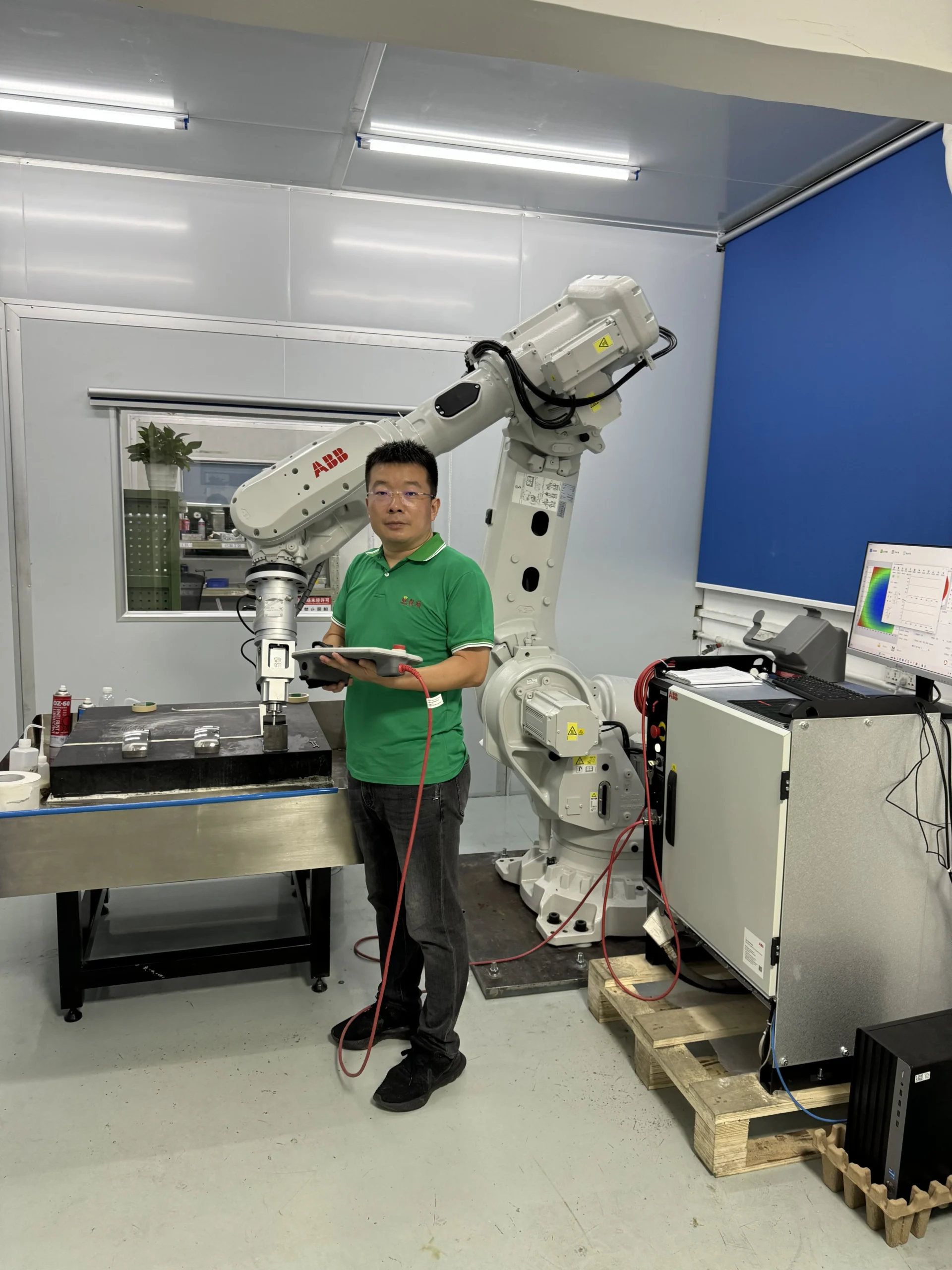
Mobile phone camera optical mold insert projects require strong overall supplier capability. Yishun Optical has years of experience in optical mold machining, stable production space, a professional technical team, precision machining equipment, and inspection confirmation capability.
- Experience: We have long-term experience in optical mold and mirror mold core machining projects. We understand the requirements for replication stability and image quality in mobile phone camera optical parts.
- Team: From the drawing review stage, we can identify key optical surfaces, structure difficulties, machining risks, and quality control points.
- Equipment: We support different process combinations, including 5-axis mirror machining, ultra-precision machining, grinding, and mirror polishing.
- Quality control: Through dimension inspection, roughness inspection, microscope visual inspection, and form inspection when needed, we help customers confirm the machining result.
- Project support: From sample development to mass production introduction, we care more about whether the machining result is stable, verifiable, and suitable for later injection molding and optical use.
For projects with RoHS requirements, we will confirm material and document requirements before production. RoHS usually involves the final product material system and supply chain documents, so we suggest confirming these requirements early in the project.

Sampling, Quotation, and After-Sales Support
Please send drawings, material information, target surface requirements, cavity quantity, and photos of any current problems. Drawing review and quotation are free.
For projects with simple structures and suitable conditions, we can evaluate a fast sampling plan of about 3 working days. The actual time still depends on material preparation, cavity structure, machining difficulty, and inspection requirements.
We do not write one fixed mass production lead time on the website. A single-cavity lens mold core and a complex multi-cavity lens mold are clearly not the same type of project. After drawing review, we will provide a written production plan based on the real situation.
- Free drawing review and quotation
- Sample feasibility review
- Sample testing support within the scope confirmed by both sides
- Roughness and key dimension inspection suggestions
- Product photos before shipment
- Free rework for products confirmed to have manufacturing quality problems
- Long-term online technical support through email, drawing marks, photos, and written progress updates
For small optical features, written communication is usually clearer than unclear phone explanations. When drawings, photos, and technical notes are kept together, both sides can check details more easily later.
FAQ
What is the MOQ?
There is no fixed MOQ. All mobile phone lens mold cores are customized based on drawings. Single samples, replacement inserts, sample cavities, and batch mold projects can all be evaluated.
Can you make spherical and aspheric lens mold cores?
Yes. Based on confirmed drawings, 3D data, material, and optical surface requirements, we can evaluate the machining and inspection route for spherical and aspheric lens mold cores.
Can you make camera mold cores with micro-textures?
Yes, but drawing review should be completed first. We have experience in mirror machining with R0.05 mm small tools. The final process depends on texture depth, material, tool accessibility, and cavity structure.
Can you reach SPI A0?
For projects with suitable materials and structures, we can support it. SPI A0 is mainly a visual mirror standard. We suggest customers confirm both the appearance requirement and the roughness target.
Can every project reach Ra ≤ 0.008 μm?
No. It depends on material, geometry, surface accessibility, and the final acceptance standard. After checking the drawing, we will confirm a more realistic achievable range.
What files are needed for quotation?
It is best to provide 2D drawings and 3D files. STEP, IGES, X_T, DWG, and PDF are all acceptable. Please also provide material, cavity quantity, surface requirement, target lead time, and document requirements when possible.
Can you provide CMM and roughness reports?
Yes. Based on the project scope confirmed by both sides, we can provide CMM dimension reports, roughness reports, visual inspection records, and customer-required file formats.
What happens if the finished part does not meet the confirmed requirements?
We will check it based on the confirmed drawing, inspection plan, and sample standard. If the problem is confirmed to come from our manufacturing process, we will arrange free rework. If the problem is related to mold trial conditions, resin properties, coating, drawing changes, or assembly factors, we will still help analyze it and discuss the next step based on the real situation.
Get a Quote for Mobile Phone Lens Mold Cores
Please send drawings, 3D files, material requirements, target surface requirements, and estimated quantity. If there are current mold problems or injection molded part defects, photos are also welcome.
You can also tell us the roughness target, SPI standard, inspection report format, and any painting, electroplating, vacuum coating, or other post-treatment needs in advance. We will first check the difficult areas, then give a more suitable solution.
Request a Free Drawing Review
Request a Sample Plan
Get a Quote for Main Camera and Front Camera Lens Mold Cores