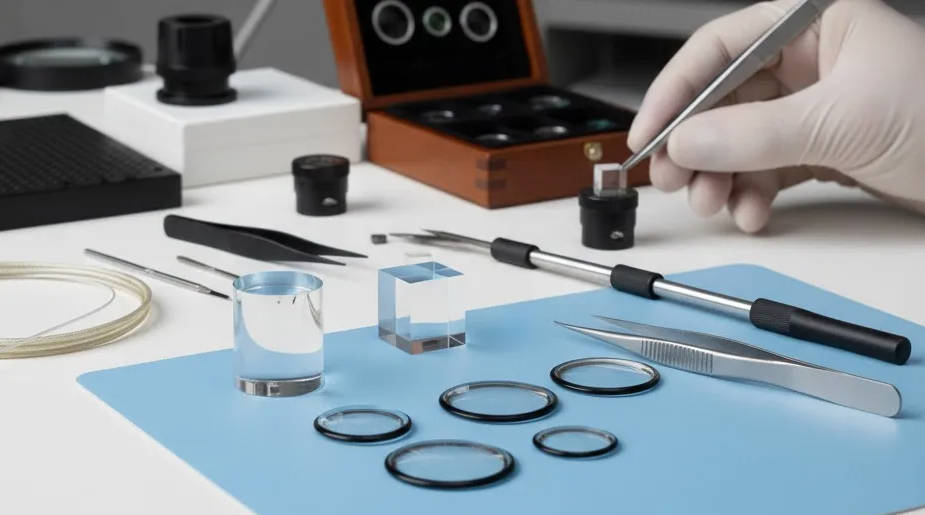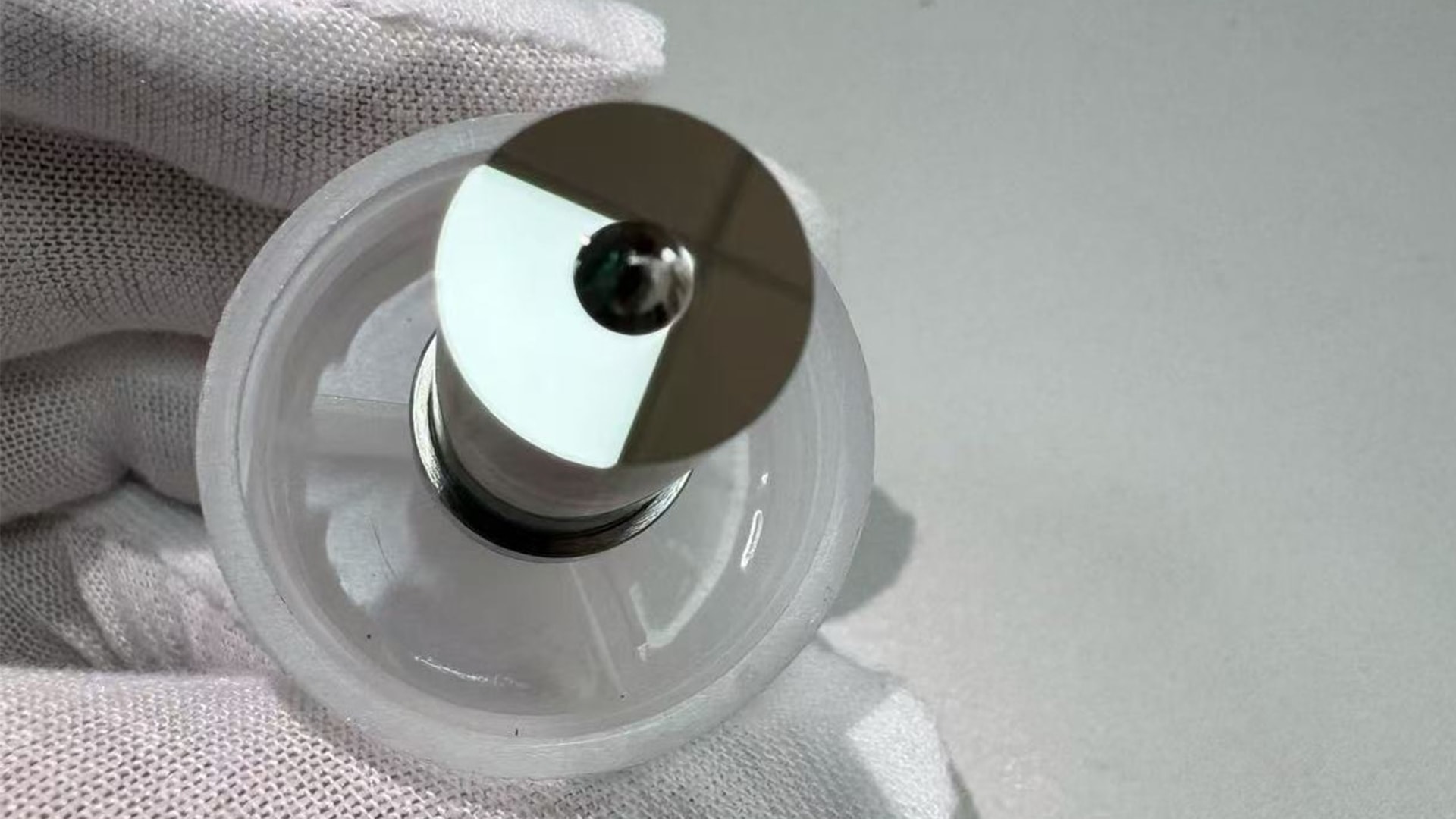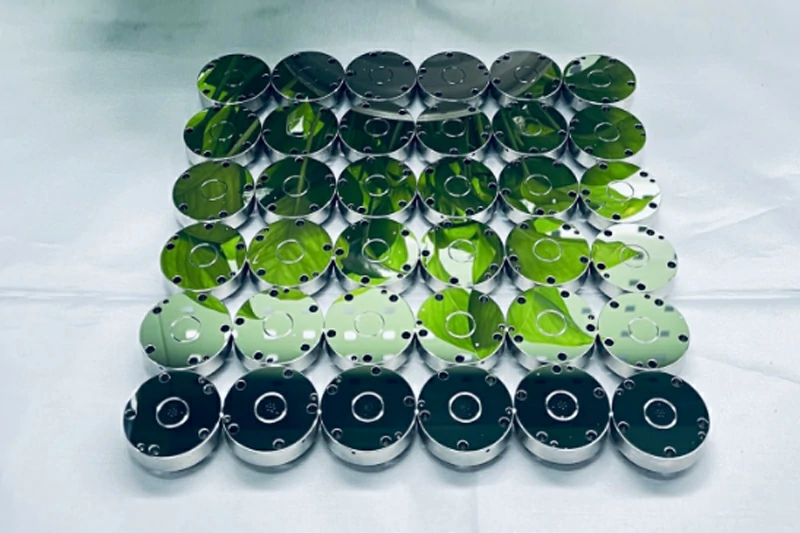
Sapphire (single-crystal aluminum oxide, Al₂O₃) occupies a unique position among optical materials—combining exceptional hardness with outstanding optical transmission across a broad wavelength range. This combination makes sapphire indispensable for demanding applications including sapphire polishing service for watch crystals, camera lens covers, medical instruments, high-reliability optical windows, and semiconductor process equipment.
However, sapphire’s remarkable properties also create significant processing challenges. Its extreme hardness (9 on the Mohs scale, second only to diamond) and crystalline structure demand specialized manufacturing approaches that differ substantially from conventional glass or metal optics.
YISHUN Optical’s 20+ years of precision optical manufacturing experience encompasses comprehensive sapphire processing capabilities, from raw material selection through final polishing to achieve Ra <1nm surface quality.
Key Takeaway:
- Sapphire’s extreme hardness (Mohs 9) requires diamond abrasive tooling throughout processing
- Chemical-mechanical polishing (CMP) achieves optical-grade surfaces on sapphire
- Subsurface damage control is critical—sapphire is sensitive to brittle fracture during grinding
- Temperature management essential due to sapphire’s low thermal expansion coefficient
- Surface activation through chemical treatment improves polishing efficiency
Understanding Sapphire as an Optical Material
Before examining processing challenges, understanding sapphire’s fundamental properties illuminates why specialized approaches are necessary:
Sapphire Material Properties
| Property | Value | Significance |
|---|---|---|
| Crystal Structure | Hexagonal (corundum) | Anisotropic properties affect processing |
| Hardness | 9 Mohs, 2000 HV | Requires diamond abrasives exclusively |
| Melting Point | 2050°C | High thermal stability |
| Thermal Expansion | 5.0×10⁻⁶/°C | Low expansion requires careful thermal management |
| Transmission Range | 0.15-5.5 μm | UV to mid-IR optical transparency |
| Refractive Index | 1.76-1.77 | Relatively high for good optical efficiency |
| Chemical Resistance | Excellent | Nearly inert to most chemicals except hot alkalis |
| Knoop Hardness | 2000-2200 kg/mm² | High abrasive wear on tooling |
Sapphire Optical Applications
Sapphire’s combination of hardness, optical clarity, and environmental stability makes it essential for:
- Watch Crystals: Scratch-resistant transparent covers
- Smartphone Camera Windows: Durable protection for mobile imaging
- Medical Lasers and Endoscopes: Biocompatible, sterilizable optics
- high-reliability optical Windows: High-strength transparent armor
- Semiconductor Process Equipment: Viewports in plasma environments
- Optics: Durable window materials for harsh environments
- Industrial Sensors: Protection windows in demanding conditions
Sapphire Polishing Challenges
Challenge 1: Extreme Hardness
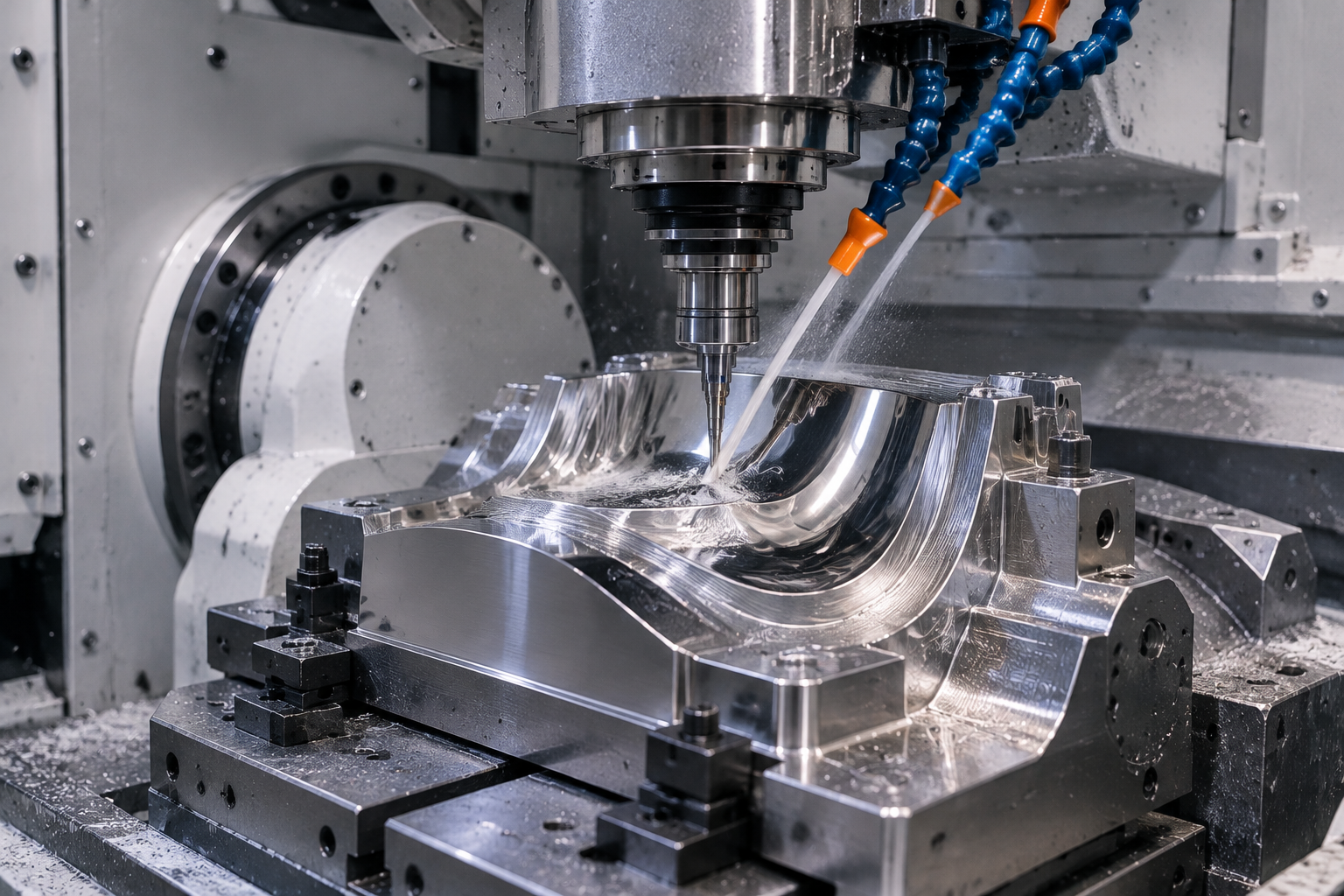
Sapphire’s hardness presents the primary processing challenge. Where conventional optical glass can be ground using silicon carbide or aluminum oxide abrasives, sapphire requires diamond abrasives throughout—from rough grinding through final polishing.
Implications of Diamond-Only Processing:
- Higher tooling costs due to diamond abrasive expense
- Specialized equipment with adequate rigidity for diamond processing
- Process optimization for diamond grit sizing and concentration
- Cooling requirements to manage heat from diamond-sapphire interaction
Challenge 2: Anisotropic Material Behavior
Sapphire’s hexagonal crystal structure creates anisotropic processing characteristics:
- Material removal rates vary with crystallographic orientation
- Surface quality depends on which crystal plane is being processed
- Basal plane (0001) and prism planes {10-10}, {11-20} process differently
- R-plane and C-plane sapphire exhibit distinct grinding behaviors
Practical Implications: Grinding and polishing rates can vary by 20-50% depending on surface orientation relative to the crystal axes. Process parameters must account for these variations or accept non-uniform material removal.
Challenge 3: Brittle Fracture Susceptibility
Despite its hardness, sapphire is a brittle ceramic at room temperature:
- Grinding with excessive pressure creates subsurface micro-cracks
- Crack propagation can cause catastrophic fracture during processing
- Subsurface damage depth can exceed 50μm with inappropriate grinding
- Residual stress from damage can cause delayed fracture
SSD Management for Sapphire:
| Grit Size | Typical Max SSD | Risk Level |
|---|---|---|
| 60-120 mesh | 30-60 μm | Very High |
| 120-240 mesh | 15-30 μm | High |
| 240-400 mesh | 5-15 μm | Moderate |
| 400-600 mesh | 2-5 μm | Low |
| Diamond paste 3-6μm | 0.5-2 μm | Acceptable |
| Final CMP | <0.1 μm | Excellent |
Challenge 4: Chemical Inertness
Sapphire’s excellent chemical resistance—while beneficial for end-use applications—complicates polishing:
- Standard polishing slurries have minimal chemical interaction with sapphire
- Purely mechanical polishing is inefficient and time-consuming
- Chemical activation is necessary for economic material removal rates
- Polishing pad selection must consider chemical compatibility
Challenge 5: Thermal Management
Sapphire’s low thermal conductivity and expansion create thermal sensitivity:
- Friction heat during grinding can cause thermal cracking
- Temperature gradients induce stress that may fracture workpieces
- Coolant selection and flow rate are critical parameters
- Processing schedules must include thermal stabilization periods
Sapphire Polishing Solutions
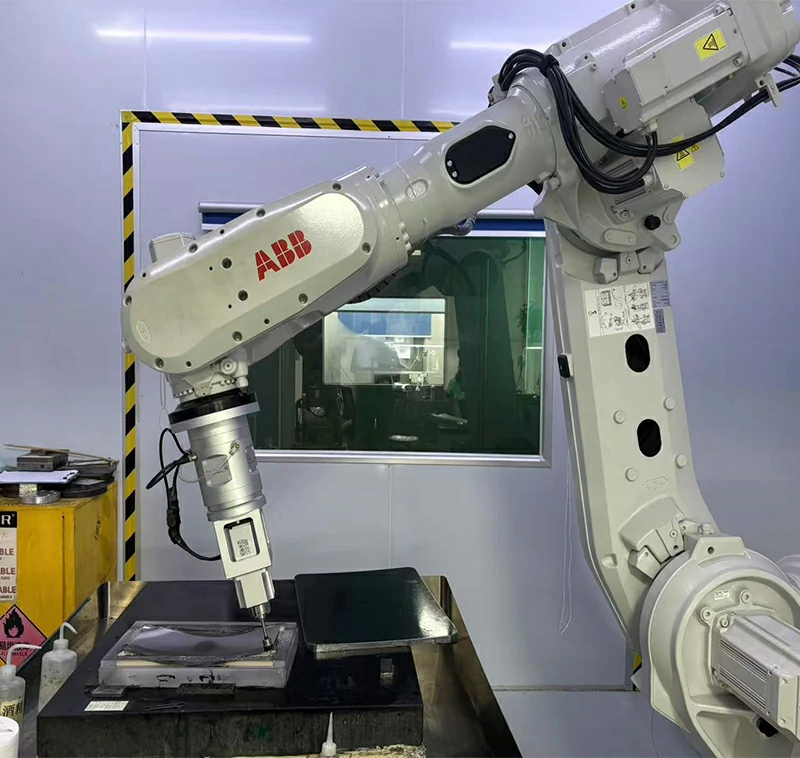
Solution 1: Optimized Diamond Grinding
Successful sapphire grinding requires carefully controlled parameters:
Grinding Wheel Selection:
| Parameter | Recommendation |
|---|---|
| Diamond Grit | Synthetic diamond, metal or resin bond |
| Grit Sizes | 54μm (coarse) → 20μm → 9μm → 3μm progression |
| Concentration | 75-100% for metal bond, 50-75% for resin |
| Wheel Speed | 25-35 m/s |
| Feed Rate | Light feeds essential for SSD control |
| Coolant | Water-based with rust inhibitors, high flow |
Key Process Principles:
- Multiple fine-grit stages remove previous damage and minimize new damage
- Each stage must remove depth equal to 3-5× previous maximum SSD
- Wheel dressing must maintain sharp cutting edges
- Workpiece temperature monitoring prevents thermal damage
Solution 2: Chemical-Mechanical Polishing (CMP)
CMP is essential for achieving optical-grade surface quality on sapphire:
CMP Mechanism: CMP combines mechanical abrasion with chemical surface activation. On sapphire, silica-based slurries (colloidal silica or silicon dioxide particles in alkaline solution) chemically soften the surface layer, enabling mechanical removal at lower abrasive loads.
CMP Process Parameters:
| Parameter | Typical Value | Purpose |
|---|---|---|
| Slurry Type | Colloidal silica, pH 9-11 | Surface activation |
| Slurry Concentration | 5-15% by weight | Material removal rate |
| Pad Material | Polyurethane or suede | Consistent contact |
| Pressure | 2-6 psi | Material removal |
| Speed | 60-100 rpm | Distribution |
| Time | 15-60 minutes | Surface quality |
Surface Quality Achievement: With optimized CMP, sapphire surfaces achieve:
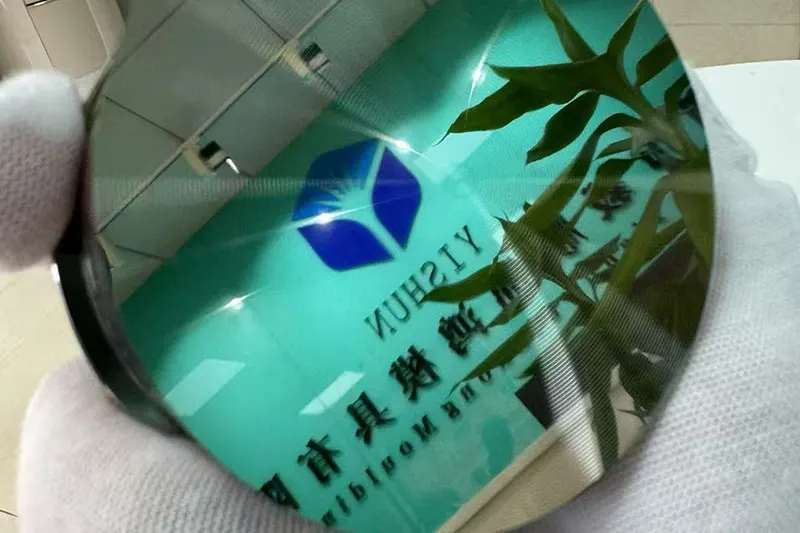
- Surface roughness: Ra 0.3-1.5 nm
- Subsurface damage: <0.1 μm
- Surface accuracy: λ/4-λ/8 (with additional processing)
- Clear aperture: >95% of surface
Solution 3: Subsurface Damage Minimization
Controlling SSD in sapphire requires systematic approach:
Sequential Grit Reduction:
- Coarse Grinding (54-63μm): Initial shaping, accepts significant SSD
- Medium Grinding (20-30μm): Form generation, 15-20μm removal
- Fine Grinding (9-15μm): Pre-polish prep, 5-10μm removal
- Superfine Grinding (3-6μm): Transition to polishing, 2-5μm removal
- CMP (Colloidal Silica): Final surface, 0.5-2μm removal
SSD Verification: Chemical etching with hot phosphoric acid (H₃PO₄ at 150°C) reveals subsurface damage as etch pits, enabling quantitative SSD assessment. Etch pit density correlates with processing quality.
Solution 4: Process Temperature Control
Thermal management strategies for sapphire processing:
- Coolant Delivery: High-volume, continuous coolant flow directly to cutting zone
- Intermittent Processing: Periodic pauses for thermal equilibration
- Temperature Monitoring: Infrared sensors detect thermal excursions
- Environmental Control: Stable room temperature (20±1°C) minimizes thermal drift
- Fixture Design: Low thermal mass fixtures reduce heat retention
Solution 5: Crystal Orientation Consideration
When sapphire orientation is specified or can be chosen:
| Orientation | Characteristics | Best For |
|---|---|---|
| C-plane (0001) | Most common, basal plane | General applications, good polishability |
| R-plane (1-102) | Optical grade, minimal twinning | Precision optics |
| A-plane (11-20) | High processing rates possible | High-volume production |
| M-plane (10-10) | Anisotropic properties | Specialized applications |
Working with crystal orientation parallel to the polishing direction often improves surface quality on sapphire.
Material Comparison: Sapphire vs Glass
Understanding sapphire’s relative processing difficulty compared to optical glasses:
| Property | Sapphire | Fused Silica | BK7 Glass |
|---|---|---|---|
| Hardness | 9 Mohs | 5-6 Mohs | 5-6 Mohs |
| Grinding Abrasive | Diamond only | SiC, Al₂O₃, diamond | SiC, Al₂O₃, diamond |
| Polishing Time | 3-5× longer | Baseline | Baseline |
| CMP Slurry | Silica-based | Cerium oxide | Cerium oxide |
| SSD Sensitivity | High | Moderate | Moderate |
| Surface Quality | Ra 0.5-2nm achievable | Ra 0.3-1nm achievable | Ra 0.3-1nm achievable |
| Cost Factor | 4-8× glass | Baseline | 1.2× baseline |
Quality Verification for Polished Sapphire
YISHUN Optical’s sapphire quality verification encompasses multiple techniques:
Surface Form Measurement:
- Coordinate measuring machines for dimensional verification
- Interferometric testing with appropriate reference optics
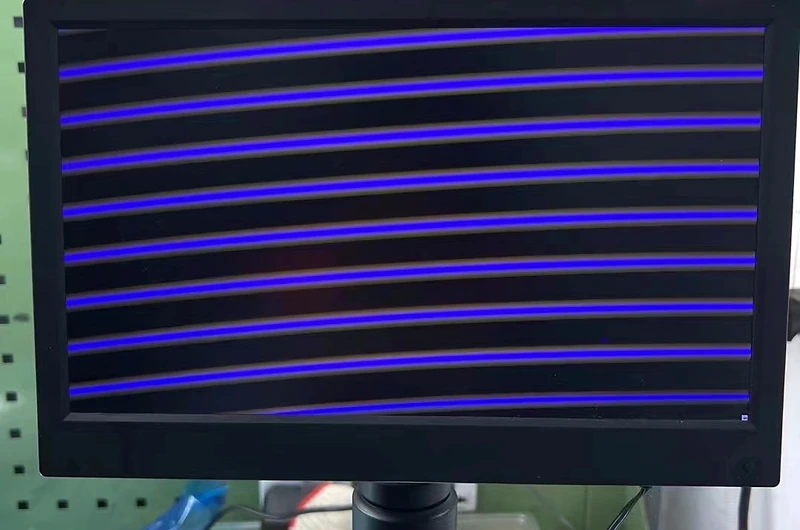
- Fringe reflection for surface figure assessment
Surface Roughness Measurement:
- Optical profilometry (WYKO, Zygo)
- Atomic force microscopy for nanoscale features
- Phase-shifting interferometry for high-resolution mapping
Subsurface Damage Verification:
- Chemical etching with hot phosphoric acid
- Etch pit counting via microscopy
- Cross-sectional analysis for verification
Optical Transmission:
- Spectrophotometric measurement for wavelength range verification
- Scatter measurements for surface quality correlation
Conclusion
Sapphire polishing presents genuine manufacturing challenges—the material’s exceptional hardness, anisotropic behavior, and brittle nature demand specialized approaches. However, these challenges are surmountable with appropriate equipment, diamond abrasive tooling, and optimized chemical-mechanical polishing processes.
Successful sapphire polishing service requires:
- Diamond abrasives throughout the entire grinding process
- Systematic grit progression to minimize and remove subsurface damage
- CMP with silica slurries for final surface activation and smoothing
- Rigorous thermal management to prevent fracture
- Comprehensive metrology to verify surface quality and SSD
YISHUN Optical’s precision manufacturing capabilities include specialized sapphire processing equipment and 20+ years of experience producing sapphire optical components for medical, high-reliability optical, semiconductor, and consumer applications.
Contact info@yishunoptical.com or visit yishunoptical.com to discuss your sapphire polishing requirements.
YISHUN Optical delivers ISO 9001:2015 certified sapphire optical components with Ra <1nm surface quality for the most demanding applications. Our comprehensive capabilities include grinding, CMP, and final polishing for optical-grade sapphire surfaces.
Frequently Asked Questions
Why does sapphire require diamond abrasives for grinding?
Sapphire’s extreme hardness (Mohs 9) exceeds the hardness of conventional grinding abrasives like silicon carbide (Mohs 9.5) and aluminum oxide (Mohs 9). Only diamond (Mohs 10), synthetic diamond, and cubic boron nitride provide adequate hardness to cut sapphire efficiently. Using softer abrasives results in rapid abrasive wear and ineffective material removal.
What causes subsurface damage in sapphire grinding?
Subsurface damage in sapphire results from brittle fracture during grinding. When diamond grit contacts the sapphire surface under pressure, micro-cracks form and extend into the material. Deeper grinding passes (larger grit, higher pressure) create more severe damage. Proper grit progression, light cutting loads, and adequate cooling minimize SSD introduction.
How is subsurface damage detected in polished sapphire?
The primary detection method involves chemical etching—hot phosphoric acid (H₃PO₄ at 150°C) selectively attacks damaged regions, revealing them as etch pits visible under microscopy. Etch pit density provides quantitative SSD assessment. This destructive technique requires dedicated test pieces alongside production components.
Can sapphire achieve the same surface quality as optical glass?
Yes, polished sapphire can achieve comparable surface quality to optical glass—Ra 0.3-1.5nm is routinely achievable with optimized CMP processing. However, achieving this quality requires more processing time (typically 3-5× longer than BK7 glass) and more expensive tooling due to the exclusive use of diamond abrasives.
What is the best polishing method for optical-grade sapphire?
Chemical-mechanical polishing (CMP) using colloidal silica slurry is the industry-standard method for achieving optical-grade surfaces on sapphire. The silica particles provide mechanical abrasion while the alkaline slurry chemically activates the sapphire surface, enabling efficient material removal at nanoscale. Proper pad selection, pressure, speed, and slurry chemistry are essential for optimal results.
How does crystal orientation affect sapphire polishing?
Sapphire’s hexagonal crystal structure creates orientation-dependent processing characteristics. Different crystal planes (C-plane, R-plane, A-plane, M-plane) exhibit varying hardness and chemical reactivity. This anisotropy causes material removal rates and surface quality to vary with crystallographic orientation. Process parameters may require adjustment based on specified orientation.
What are common applications for polished sapphire optics?
Polished sapphire optics serve demanding applications including watch crystals (20+ million annually), smartphone camera windows, medical laser delivery systems and endoscopes, high-reliability optical sensor windows, semiconductor process equipment viewports, industrial optics, industrial sensor protection, and UV-LED packaging. Sapphire’s combination of optical clarity, hardness, and chemical resistance makes it irreplaceable for these applications.
How does CMP differ between sapphire and glass polishing?
CMP for sapphire uses silica-based slurries at alkaline pH (9-11) that chemically activate the extremely hard sapphire surface. Glass CMP typically uses cerium oxide slurries which are highly effective on silica-based glasses but ineffective on sapphire. The chemical mechanisms differ significantly—sapphire requires surface softening through chemical reaction before mechanical removal, while glass polishing relies more heavily on mechanical abrasion.