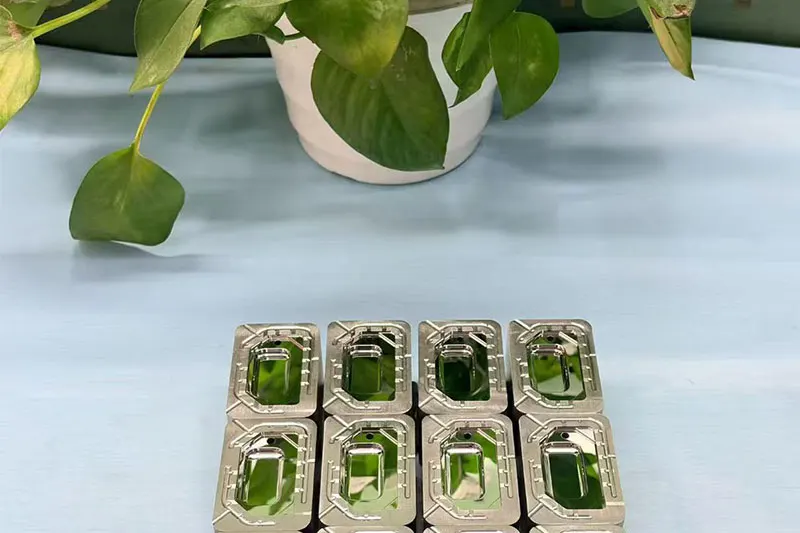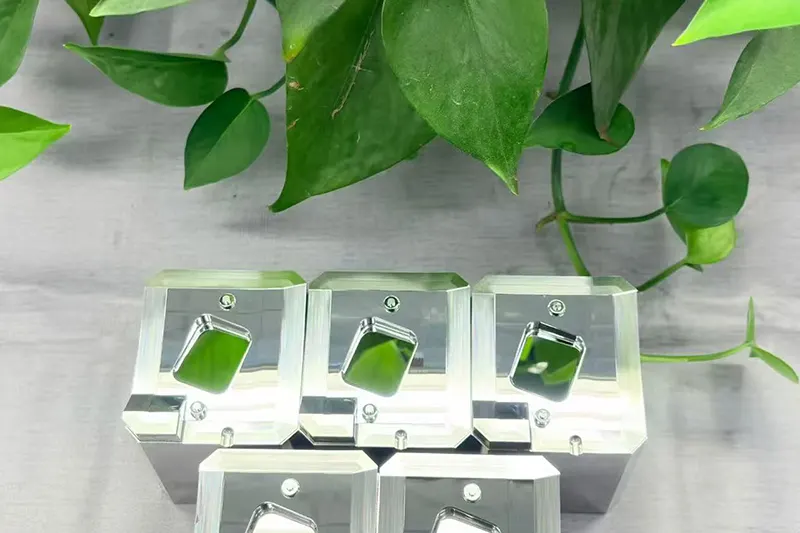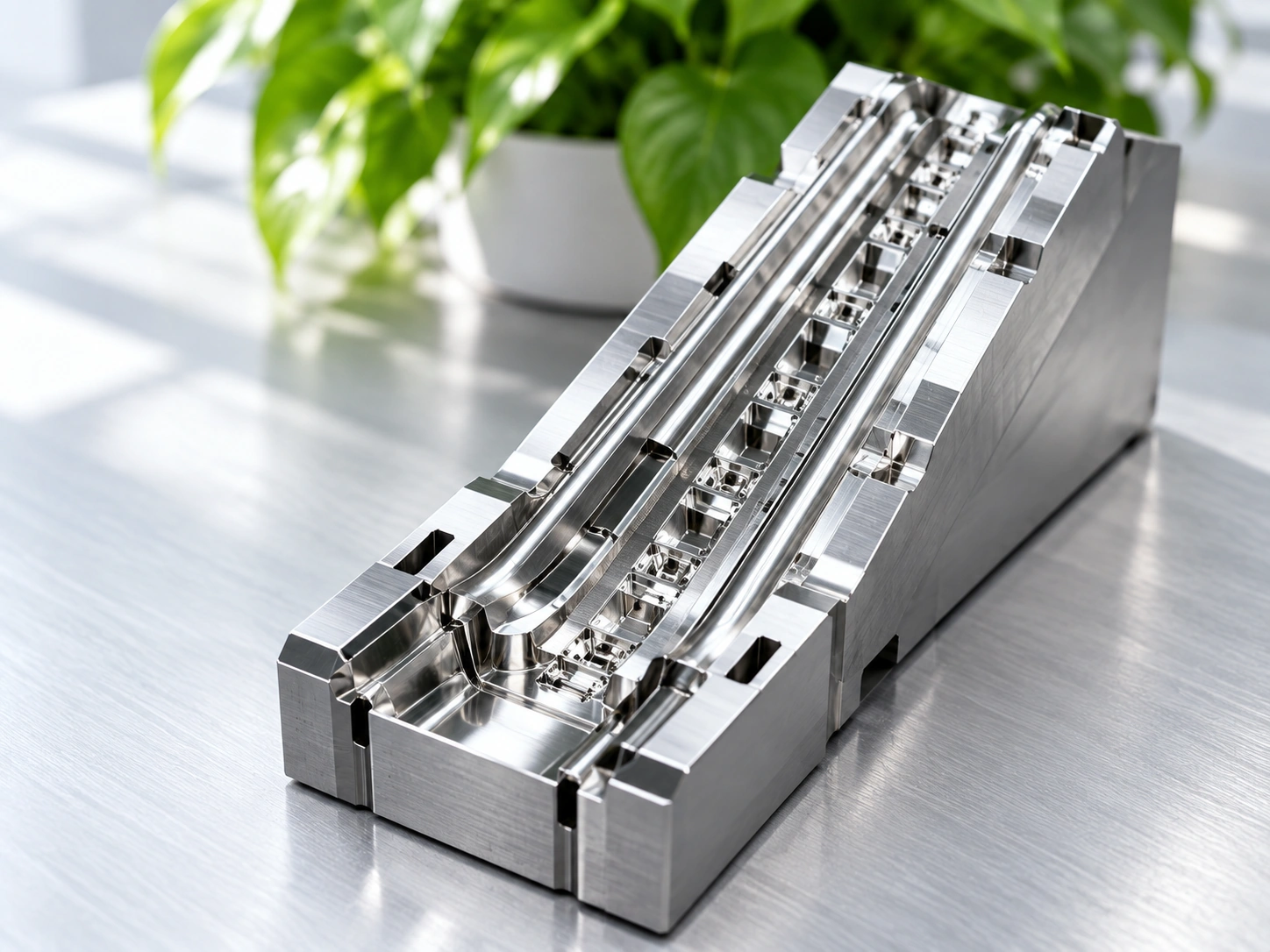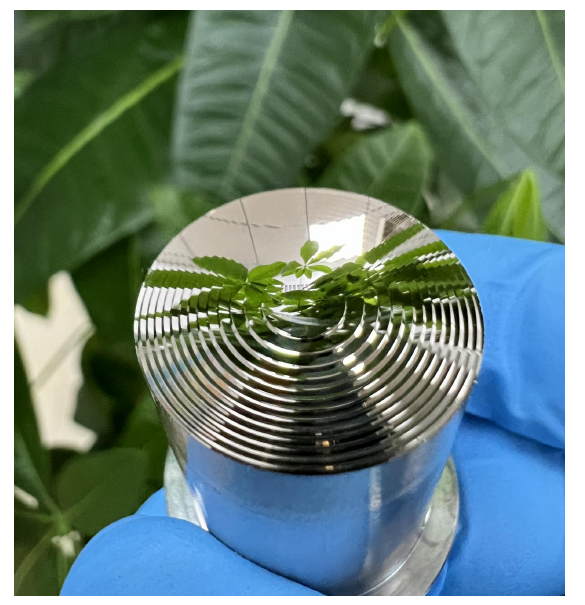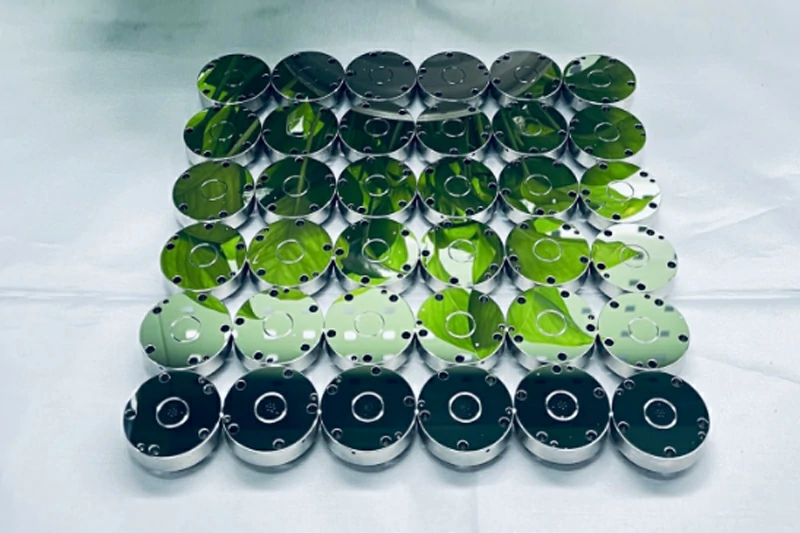
The main difference between sapphire polishing and glass polishing is that sapphire is much harder, more wear-resistant, and more anisotropic than optical glass, so it usually requires more aggressive abrasives, longer processing time, tighter heat control, and more careful surface damage management. Glass polishing is generally faster and more chemically responsive, while sapphire polishing is more challenging because sapphire resists material removal and can be sensitive to crystal orientation.
For optical engineers and purchasing teams, this difference matters because the polishing process directly affects surface roughness, flatness, transparency, coating adhesion, optical performance, and final cost. A supplier that can polish optical glass may not automatically have the right process experience for sapphire windows, sapphire lenses, sapphire substrates, or sapphire protective covers.
Sapphire is widely used for optical windows and protective components because it is extremely hard, scratch-resistant, and transparent across a broad optical range. Sapphire is commonly described as having Mohs hardness 9, which makes it one of the hardest optical materials used in industrial applications. However, the same hardness that makes sapphire durable also makes sapphire polishing slower and more technically demanding.
If your project involves sapphire, optical glass, quartz, or other precision optical components, choosing the right optical polishing and lapping services can help reduce surface defects, improve surface finish, and support more stable optical performance.
What Is Sapphire Polishing?
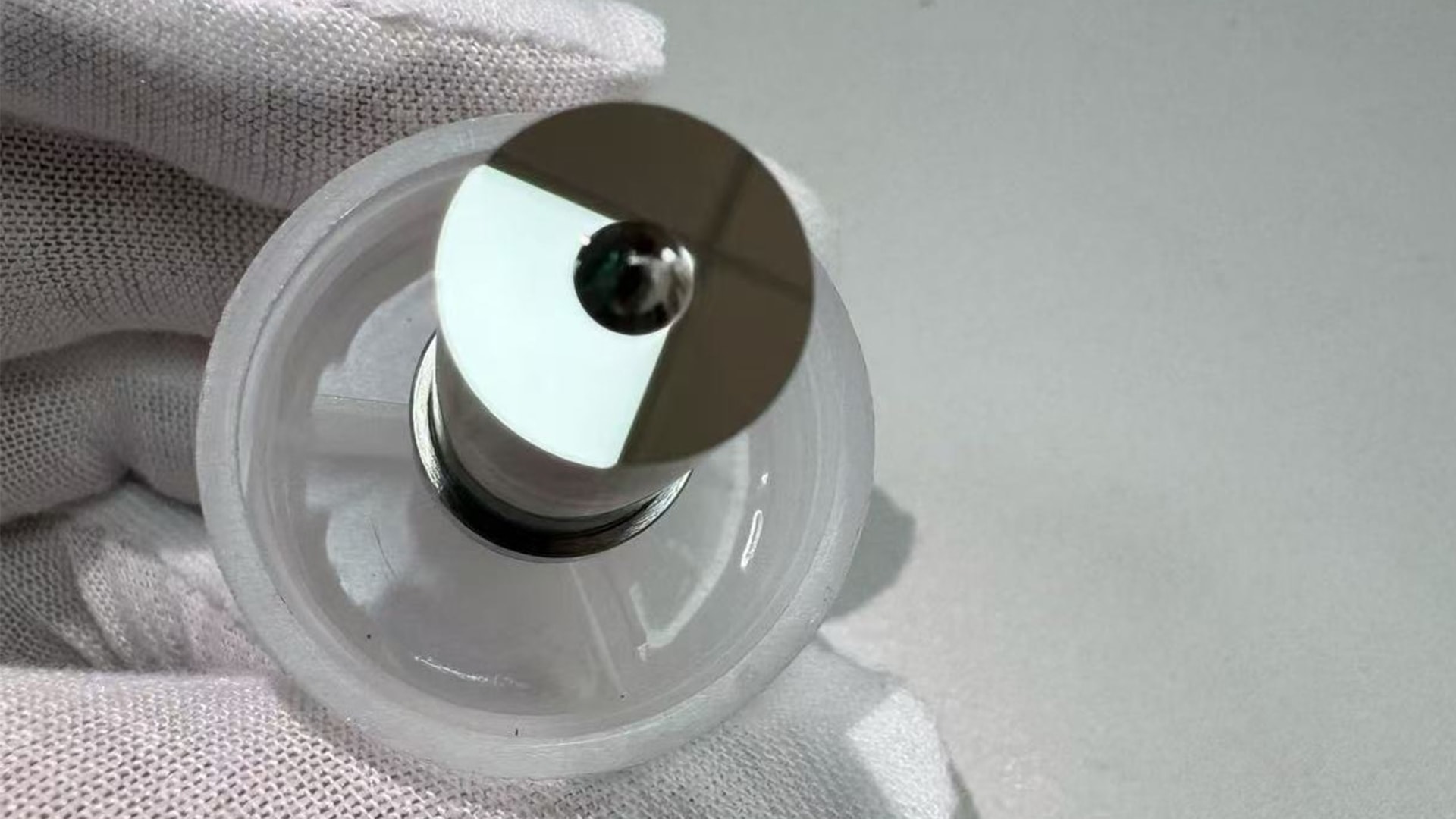
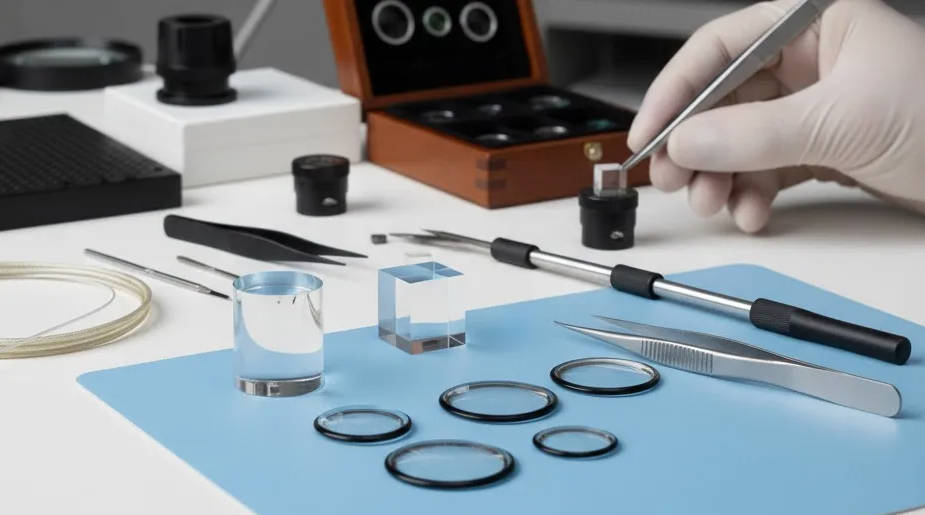
Sapphire polishing is the precision finishing process used to improve the surface quality, flatness, and optical clarity of sapphire components. These components may include sapphire windows, sapphire lenses, sapphire watch covers, sapphire wafers, sapphire substrates, sensor covers, laser windows, and protective optical panels.
Sapphire is a single-crystal form of aluminum oxide. Unlike many optical glasses, sapphire is not isotropic in the same way. Its mechanical and polishing behavior may vary depending on crystal orientation, which means the polishing response can differ between C-plane, A-plane, R-plane, and other orientations. Studies on sapphire chemical mechanical polishing have specifically investigated how crystal orientation affects removal rate and polishing behavior.
Sapphire polishing is difficult because the material is extremely hard, chemically stable, and resistant to abrasion, so material removal is usually slower than optical glass polishing.
A typical sapphire finishing process may involve:
- Cutting or slicing
- Precision grinding
- Lapping
- Pre-polishing
- Fine polishing or chemical mechanical polishing
- Cleaning and inspection
For optical-grade sapphire parts, the process must control both surface roughness and subsurface damage. If grinding marks, microcracks, or edge chips remain, they may affect optical transmission, coating quality, and long-term reliability.
What Is Glass Polishing?
Glass polishing is the precision finishing process used to produce smooth, transparent, and optically functional surfaces on glass components. Optical glass polishing is commonly used for lenses, prisms, mirrors, filters, display glass, light guides, optical flats, and custom glass components.
Compared with sapphire, optical glass is usually easier to polish because it is softer and more chemically responsive. Many optical glasses respond well to cerium oxide or other polishing compounds, depending on the glass composition and final requirements.
Optical lapping and polishing are widely used finishing techniques for precision optical components when specific surface quality, dimensional accuracy, and optical performance requirements must be achieved.
Glass polishing is generally faster than sapphire polishing because glass usually has lower hardness and can be finished through a more efficient combination of mechanical and chemical polishing action.
However, “easier” does not mean simple. Glass polishing still requires control of:
- Surface roughness
- Flatness or surface figure
- Scratch-dig quality
- Subsurface damage
- Edge chips
- Cleaning residue
- Coating compatibility
- Dimensional tolerance
Poorly controlled glass polishing can still cause scratches, haze, pits, figure distortion, or hidden subsurface damage.
Sapphire vs Glass: Material Differences That Affect Polishing
The polishing process starts with material behavior. Sapphire and glass respond differently to abrasive particles, polishing pads, slurry chemistry, heat, pressure, and process time.
| Factor | Sapphire | Optical Glass | Why It Matters in Polishing |
|---|---|---|---|
| Material type | Single-crystal aluminum oxide | Amorphous glass material | Sapphire may show orientation-dependent behavior |
| Hardness | Very high, commonly Mohs 9 | Lower than sapphire, varies by glass type | Sapphire removes more slowly |
| Scratch resistance | Excellent | Moderate to high depending on glass | Sapphire is harder to finish but more durable in use |
| Chemical response | Chemically stable | Often more chemically responsive | Glass polishing can be more efficient |
| Heat sensitivity | Good thermal resistance but still process-sensitive | Depends on glass type | Heat control affects stress and surface figure |
| Processing time | Usually longer | Usually shorter | Sapphire polishing often costs more |
| Subsurface damage risk | High if grinding/lapping is aggressive | Also possible but usually easier to remove | Process sequence must be controlled |
| Typical applications | Protective windows, laser windows, sensors, harsh environments | Lenses, prisms, mirrors, displays, filters | Application determines surface quality target |
Key Difference 1: Sapphire Is Much Harder Than Glass
The most obvious difference is hardness. Sapphire is selected for demanding applications because it resists scratching, abrasion, and harsh operating environments. This is why sapphire is often used for protective windows, barcode scanner windows, laser windows, watch covers, and sensor covers.
However, hardness creates a manufacturing challenge. Harder materials generally require more careful abrasive selection and longer polishing cycles. If the process is too aggressive, it may introduce scratches or subsurface damage. If the process is too gentle, it may be inefficient and fail to remove earlier grinding damage.
For glass polishing, material removal is usually more efficient. The polishing slurry can interact with the glass surface more easily, allowing microscopic high points to be removed and smoothed.
In practical production, sapphire polishing usually requires more time, more process control, and more experience than standard optical glass polishing.
Key Difference 2: Sapphire Polishing Is More Sensitive to Crystal Orientation
Optical glass is amorphous, meaning it does not have a crystal lattice direction in the same way sapphire does. Sapphire is crystalline, and its polishing behavior can depend on orientation.
This matters because the same polishing parameters may produce different material removal rates, surface roughness, or defect patterns on different sapphire crystal planes. Research on sapphire CMP has shown that sapphire polishing behavior is influenced by crystal orientation and reaction mechanisms.
For buyers, this means sapphire drawings and RFQs should clearly specify:
- Sapphire orientation if required
- Optical axis direction
- Surface finish requirement
- Flatness requirement
- Parallelism requirement
- Coating requirement
- Application wavelength
If this information is missing, the supplier may not be able to choose the right polishing route.
Key Difference 3: Abrasive and Slurry Selection Is Different
Sapphire polishing and glass polishing often require different abrasives and slurry strategies.
For optical glass, cerium oxide is commonly used because it can support effective glass polishing through both mechanical and chemical action. Other abrasives such as aluminum oxide or colloidal silica may also be used depending on the required finish and material type.
For sapphire, polishing often requires abrasives and chemistry that can handle a much harder material. Diamond abrasives may be used during grinding or lapping stages, while fine polishing may involve alumina, silica-based slurries, or chemical mechanical polishing depending on the part and application.
CMP studies show that sapphire polishing performance is affected by down force, rotation speed, abrasive behavior, polishing pad condition, and slurry chemistry. Increased down force and rotation speed can increase removal rate, but they may also influence friction and process stability.
| Process Factor | Sapphire Polishing | Glass Polishing |
|---|---|---|
| Abrasive selection | Often requires harder or more specialized abrasives | Often uses cerium oxide or other optical polishing compounds |
| Slurry chemistry | More difficult due to chemical stability | Usually more responsive to chemical polishing action |
| Material removal rate | Lower in many applications | Higher in many applications |
| Risk if process is wrong | Scratches, retained lapping marks, edge chips, SSD | Scratches, haze, pits, surface figure error |
| Process optimization | Strongly material- and orientation-dependent | Strongly glass-type- and application-dependent |
Key Difference 4: Sapphire Usually Takes Longer to Polish
Because sapphire resists abrasion, it often requires longer polishing time than glass. This affects production planning, cost, lead time, and process development.
For simple glass components, the polishing process may be relatively efficient once the correct surface geometry has been prepared. For sapphire, even a small improvement in roughness may require more time because the material removal rate is lower.
This does not mean sapphire is always too expensive. It means sapphire polishing should be planned realistically. If the application requires high scratch resistance, high durability, or harsh-environment performance, sapphire may justify the additional processing cost.
Buyers should avoid comparing sapphire and glass polishing quotes only by part size. The material, surface area, flatness, thickness, edge quality, and surface finish requirements all influence the final cost.
Key Difference 5: Subsurface Damage Control Is More Demanding for Sapphire
Both sapphire and glass can develop subsurface damage during cutting, grinding, and lapping. However, sapphire can be more challenging because it is hard and brittle. If aggressive grinding creates deep damage, final polishing may not remove it completely unless enough material is removed in later stages.
Subsurface damage can affect:
- Optical clarity
- Mechanical strength
- Coating reliability
- Laser damage resistance
- Long-term durability
For sapphire optical windows used in laser, high-reliability optical, medical, or semiconductor equipment, subsurface damage control is especially important.
The goal of sapphire polishing is not only to create a shiny surface, but also to remove or reduce the damaged layer left by previous grinding and lapping steps.
This is why professional optical polishing and lapping services should consider the full process chain, not only the final polishing step.
Key Difference 6: Surface Roughness Targets May Be Similar, But the Path Is Different
A finished sapphire surface and a finished glass surface may have similar roughness requirements, but the process used to reach those requirements can be very different.
For example, both materials may require low roughness for optical transmission or coating. However, sapphire may need more careful pre-polishing, longer finishing time, and different slurry control. Glass may reach the same roughness target faster, but it may be more sensitive to chemical staining, surface haze, or figure distortion depending on composition.
| Requirement | Sapphire Component | Glass Component |
|---|---|---|
| Low roughness | Achievable but slower | Achievable with efficient polishing |
| High flatness | Requires controlled lapping and polishing | Requires controlled lapping and polishing |
| Scratch-free appearance | Difficult due to hardness and abrasive behavior | Easier but still process-dependent |
| Coating-ready surface | Requires strong SSD and cleaning control | Requires surface cleanliness and low defects |
| High-volume production | More challenging due to time and wear | Usually easier to scale |
| Harsh-environment use | Strong advantage | Depends on glass type |
When Should You Choose Sapphire Instead of Glass?
Sapphire is often selected when the component must survive harsh conditions. It may be the better choice when the optical part needs:
- High scratch resistance
- Abrasion resistance
- High mechanical strength
- Good thermal stability
- Chemical resistance
- Long service life in demanding environments
- Protection for sensors, cameras, lasers, or inspection systems
Common sapphire applications include:
- Sapphire optical windows
- Sapphire protective covers
- Laser windows
- High-pressure viewports
- Sensor windows
- Medical device covers
- Semiconductor equipment windows
- Industrial inspection windows
Sapphire is not always necessary. If the main requirement is optical transmission at lower cost, optical glass may be more suitable. Glass provides more material options, easier polishing, and often better cost efficiency for lenses, filters, prisms, mirrors, and display-related components.
When Should You Choose Glass Instead of Sapphire?
Optical glass is often the better choice when the project requires:
- Complex lens design
- Lower material and polishing cost
- High optical homogeneity
- Easier shaping and polishing
- A wide range of refractive index options
- Coating compatibility
- Faster prototyping
- More flexible material selection
Glass is widely used in imaging systems, laser systems, medical optics, display optics, laboratory instruments, sensors, and optical assemblies.
If your part does not need sapphire’s extreme scratch resistance or harsh-environment durability, glass may offer better cost-performance.
Sapphire Polishing vs Glass Polishing: Process Comparison
| Process Stage | Sapphire Polishing | Glass Polishing |
|---|---|---|
| Cutting | Requires diamond tools and careful edge control | Usually easier depending on glass type |
| Grinding | Slow and must avoid deep cracks | More efficient but still requires damage control |
| Lapping | Important for flatness and removing grinding marks | Important for flatness and geometry control |
| Pre-polishing | Often longer and more demanding | Usually more efficient |
| Final polishing | Requires careful slurry, pressure, and time control | Often uses established polishing compounds |
| Cleaning | Must remove fine abrasive residue | Must remove slurry, particles, and stains |
| Inspection | Roughness, flatness, scratches, chips, SSD risk | Roughness, flatness, scratch-dig, haze, pits |
Engineering Questions to Ask Before Polishing Sapphire or Glass
Before sending parts for polishing, engineers and buyers should clarify the following details.
| Question | Why It Matters |
|---|---|
| What is the material grade? | Different glasses and sapphire grades polish differently |
| Is sapphire crystal orientation specified? | Orientation can affect polishing response |
| What surface roughness is required? | Determines process time and finishing method |
| What flatness or surface figure is required? | Determines lapping and polishing control |
| Is the part for laser, imaging, medical, or industrial use? | Application affects defect tolerance |
| Will the part be coated? | Coating requires clean, stable, low-defect surfaces |
| Are edges polished or chamfered? | Edge chips can cause failure or assembly issues |
| What is the batch quantity? | Influences tooling and process planning |
| What inspection standard is required? | Prevents quality disputes after production |
For custom components, it is better to share drawings, material details, application requirements, and target surface specifications early. This allows the polishing supplier to recommend a realistic process route.
Common Mistakes When Comparing Sapphire and Glass Polishing
Mistake 1: Assuming sapphire is just “hard glass”
Sapphire is not glass. It is a crystalline material with very different hardness, mechanical behavior, and polishing response.
Mistake 2: Comparing price only by part size
A sapphire part and a glass part with the same diameter and thickness may have very different polishing costs because the material removal rate and process difficulty are different.
Mistake 3: Ignoring crystal orientation
For sapphire components, crystal orientation may affect optical performance and polishing behavior. This should be considered early in design.
Mistake 4: Over-specifying roughness without considering application
Not every part needs ultra-low roughness. Over-specification can increase cost and lead time without improving product performance.
Mistake 5: Choosing a supplier without sapphire experience
Sapphire polishing requires specific experience. A supplier that only handles standard glass may not be suitable for high-precision sapphire windows or sapphire substrates.
How to Choose a Supplier for Sapphire and Glass Polishing
A reliable optical polishing supplier should understand both the material and the final application. For sapphire and glass parts, look for a supplier who can discuss:
- Material-specific polishing routes
- Lapping before polishing
- Surface roughness control
- Flatness and parallelism
- Scratch and edge chip prevention
- Subsurface damage reduction
- Cleaning before coating or assembly
- Inspection and quality documentation
- Prototype and batch production support
If your project includes sapphire windows, optical glass components, quartz parts, or other precision optical surfaces, working with a specialist in custom optical polishing and lapping can help you reduce process risk before production.
FAQ: Sapphire Polishing vs Glass Polishing
1. Is sapphire harder to polish than glass?
Yes. Sapphire is much harder and more wear-resistant than most optical glasses, so it usually requires longer polishing time, specialized abrasives, and tighter process control.
2. Why is sapphire polishing more expensive than glass polishing?
Sapphire polishing is often more expensive because sapphire has a lower material removal rate, higher tool wear, longer processing time, and stricter control requirements for scratches, flatness, and subsurface damage.
3. Can sapphire be polished to optical clarity?
Yes. Sapphire can be polished to optical clarity when the grinding, lapping, polishing, and cleaning process is properly controlled. The required process depends on surface finish, flatness, thickness, and application.
4. What abrasive is used for sapphire polishing?
Sapphire may require diamond abrasives during grinding or lapping and fine polishing slurries such as alumina, silica-based, or CMP formulations depending on the required finish and part type.
5. What abrasive is used for glass polishing?
Optical glass is commonly polished with cerium oxide or other fine polishing compounds. The best choice depends on the glass type, surface roughness target, and optical application.
6. Is sapphire better than glass for optical windows?
Sapphire is better when the window needs high scratch resistance, durability, chemical resistance, or harsh-environment performance. Glass may be better when cost, refractive index options, or easier fabrication are more important.
7. Does sapphire polishing remove subsurface damage?
Sapphire polishing can reduce or remove subsurface damage if the process removes enough material after grinding and lapping. Final polishing alone may not remove deep damage if earlier steps were too aggressive.
8. Should I choose sapphire or glass for my optical component?
Choose sapphire for durability, scratch resistance, and harsh environments. Choose glass for more flexible optical design, lower cost, and easier polishing. The best choice depends on your application, budget, and performance requirements.
Conclusion
Sapphire polishing and glass polishing may look similar from the outside, but they are very different in process difficulty, material behavior, removal rate, abrasive selection, and cost structure.
Sapphire polishing is usually slower and more demanding because sapphire is extremely hard, chemically stable, and crystal-orientation dependent. Glass polishing is generally more efficient, but it still requires precise control of surface roughness, flatness, and defects.
For engineers and buyers, the key is to match the polishing process to the material and application. Sapphire is ideal for durable optical windows and harsh environments, while glass remains a strong choice for lenses, prisms, filters, mirrors, and many precision optical systems.
If your project requires sapphire, optical glass, quartz, or other precision optical components, YISHUN Optical can support your project with professional optical polishing and lapping services for custom surface quality and dimensional requirements.