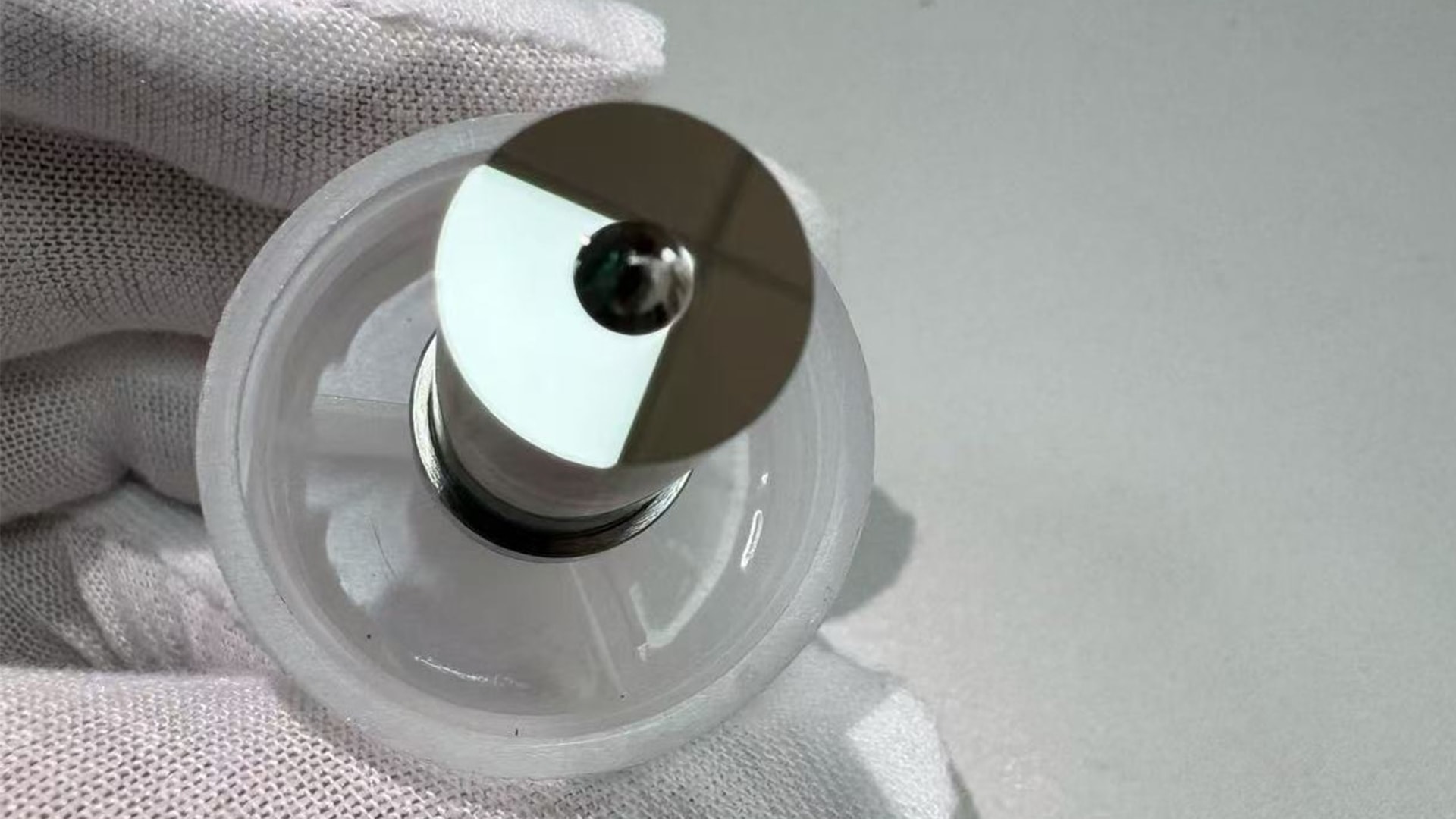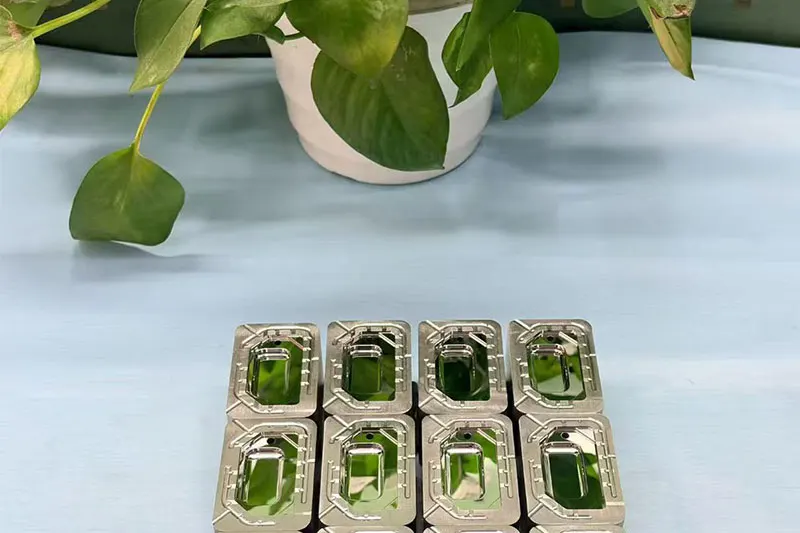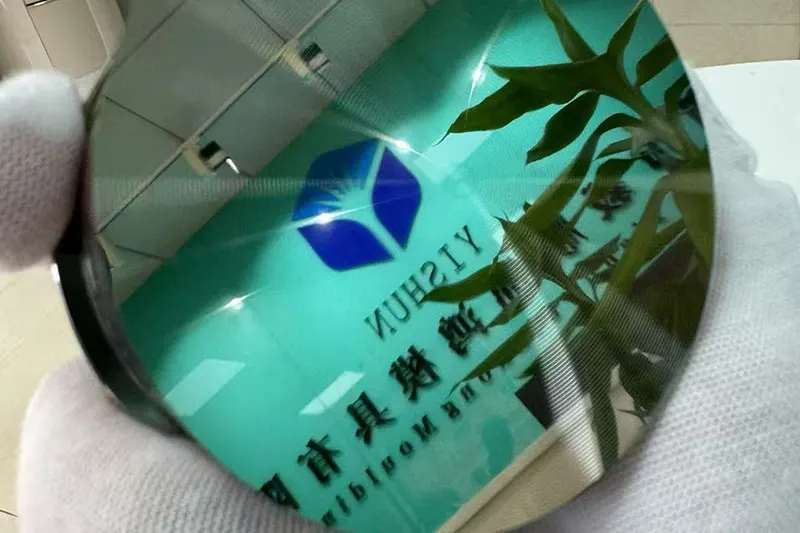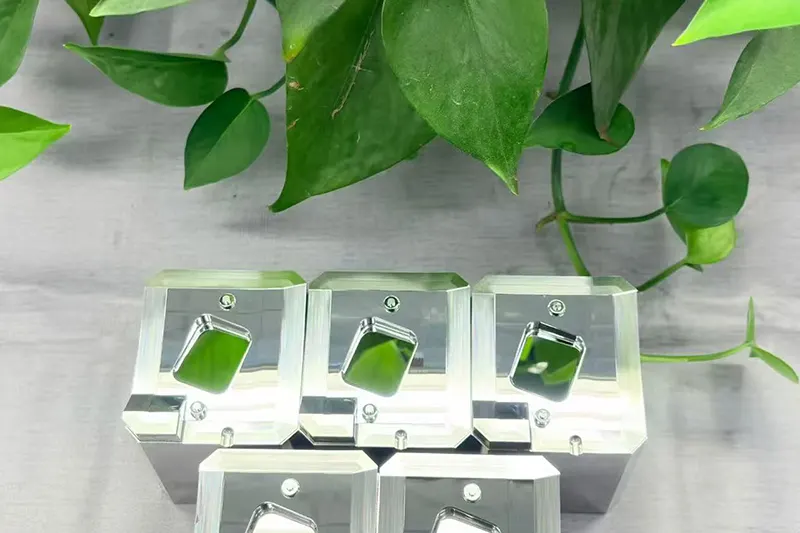
In the rapidly evolving industrial landscape of 2026, precision optics have become the backbone of transformative technologies. From the intricate lenses found in next-generation Augmented Reality (AR) headsets to the robust mirrors used in deep-space exploration and LiDAR systems for autonomous transit, the demand for sub-nanometer perfection has never been higher.
However, for many engineers and procurement specialists, the “black box” of pricing remains a significant hurdle. In 2026, the cost of optical polishing and lapping services is primarily determined by material complexity, surface figure requirements, and the volume of the production run, with average precision-grade projects ranging from $200 to $2,500 per unit.
This guide is designed to pull back the curtain on these costs, offering you a professional and sincere look at how to budget for your next optical project.
I. The 2026 Landscape: Why Precision Costs More (and Less) Than Ever
As we navigate through 2026, two competing forces are shaping the cost of optical services. On one hand, the “Optics Renaissance” driven by AI-integrated manufacturing has made standard polishing more efficient. On the other hand, the push for “Extreme Ultraviolet” (EUV) and high-power laser systems requires specifications that were considered impossible a decade ago.
We understand that you aren’t just buying a smooth surface; you are buying the performance and reliability of your end product. Whether you are a startup working on a medical imaging prototype or a veteran buyer for a industrial partners, understanding the nuances of Optical Polishing services and Optical Lapping services is the first step toward a successful partnership.
II. Lapping vs. Polishing: Understanding the Value Stream
Before diving into the numbers, it is crucial to distinguish between these two fundamental processes. While they are often quoted together, they serve very different roles in the manufacturing chain.
Optical Lapping: The Foundation
Lapping is a “subtractive” machining process used to achieve extreme flatness and parallelism. It involves using a slurry of abrasive particles (like aluminum oxide or silicon carbide) between a rotating plate and the optical substrate.
The primary goal of optical lapping is to establish the dimensional integrity of the part, typically achieving flatness within a few microns and preparing the surface for the final polishing stage.
Optical Polishing: The Finish
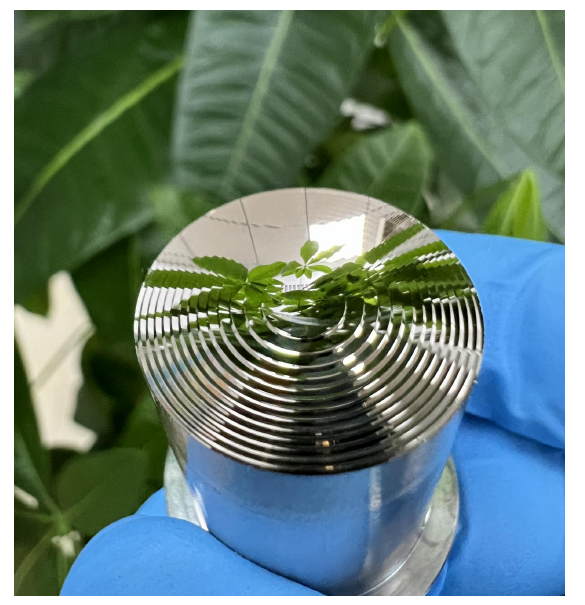
Polishing is the final touch. It uses much finer abrasives (often cerium oxide or diamond) and softer “pads” or “pitch” to remove the subsurface damage left by lapping.
Optical polishing focuses on surface roughness ($R_a$) and “scratch-dig” specifications, ensuring the material is transparent and free of light-scattering imperfections.
III. The 6 Major Cost Drivers in 2026
When you receive a quote, several variables are working behind the scenes. In 2026, these six factors are the most influential:
1. Material Characteristics
Not all glass is created equal. The “workability” of a material dictates how long it sits on a machine.
- Standard Materials (BK7, Fused Silica): These are the “bread and butter” of the industry. They are predictable and relatively easy to process.
- Hard/Brittle Materials (Sapphire, Silicon Carbide): These materials require diamond abrasives and significantly longer cycle times, often increasing costs by 3x to 5x compared to Fused Silica.
- Infrared Materials (ZnSe, Germanium): These require specialized handling due to toxicity or sensitivity to environmental factors.
2. Surface Quality (Scratch-Dig)
The Standard (ISO 10110-7 surface imperfection specification) remains the benchmark, but in 2026, many high-power laser applications now demand even stricter “Super-Polish” finishes.
- Commercial (80-50): Economical, used for basic illumination.
- Precision (40-20): Standard for most imaging systems.
- High-End (10-5): Required for high-power lasers; involves significant manual inspection and clean-room processing.
3. Surface Figure and Flatness
How “flat” do you need it to be? This is measured in fractions of a wavelength ($\lambda$).
- $\lambda/2$ to $\lambda/4$: Standard precision.
- $\lambda/10$ to $\lambda/20$: Requires iterative polishing and constant interferometric testing, which adds substantial labor hours.
4. Geometry and Size
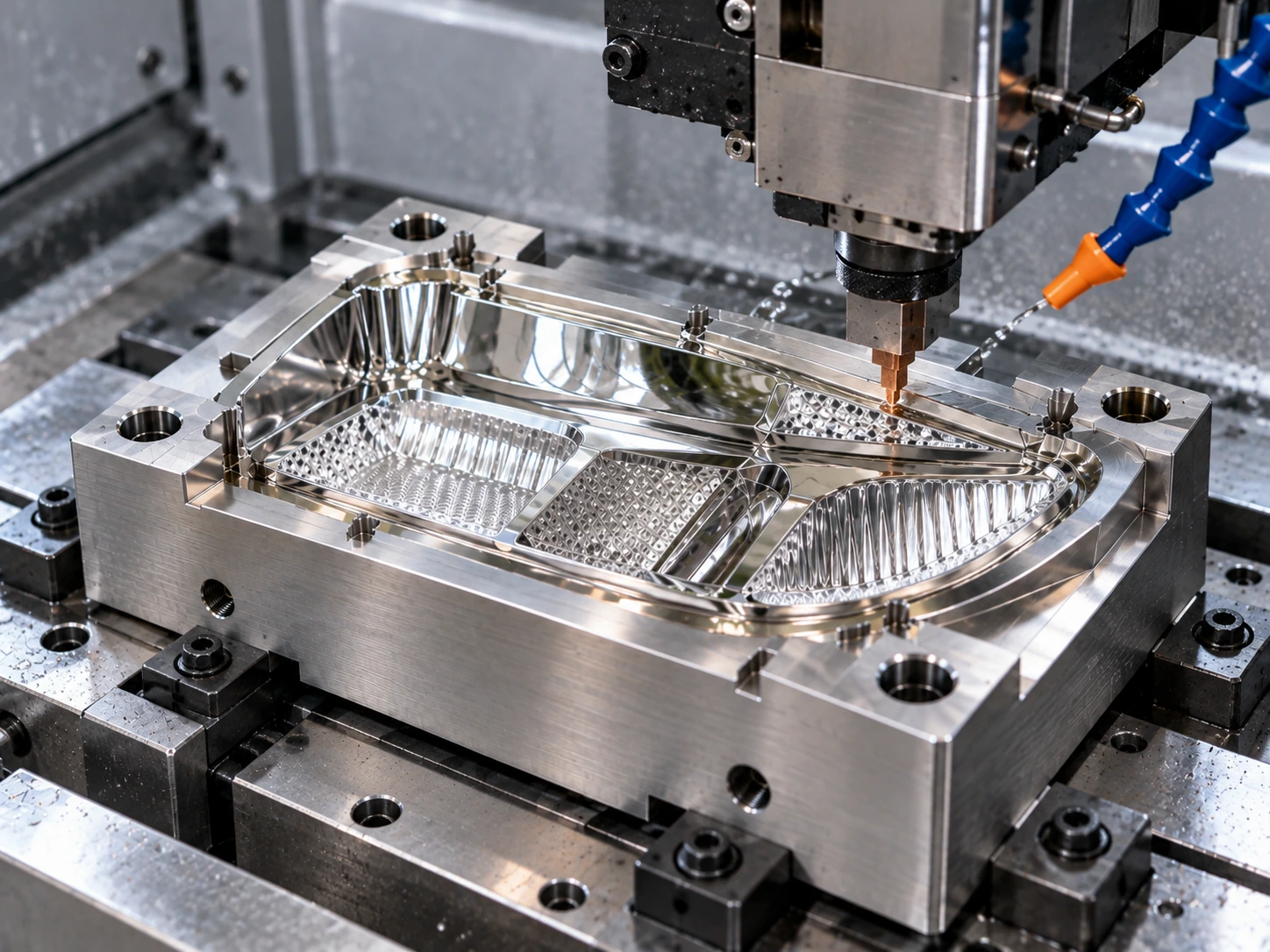
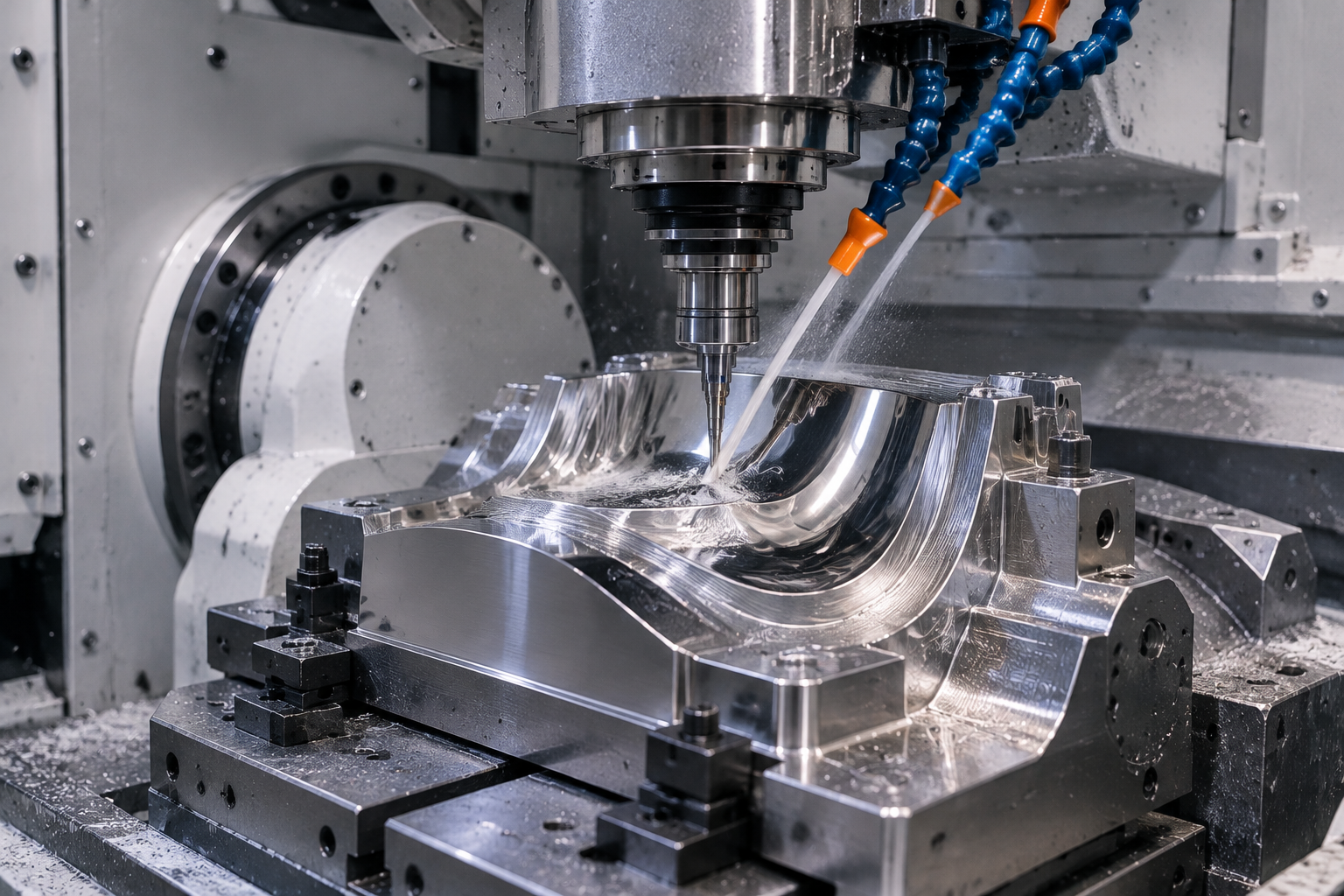
Flat windows are the least expensive to process. Aspheric lenses or complex prisms require 5-axis CNC polishing or Magnetorheological Finishing (MRF), which carries a higher hourly rate for the machinery.
5. Metrology and Documentation
In 2026, “Proof” is a product in itself. If your project requires 100% inspection with interferometry reports, Atomic Force Microscopy (AFM) for roughness, and environmental stress testing, expect the metrology fee to account for 15-25% of the total quote.
6. Volume and Lead Time
In 2026, the most cost-effective way to procure optical polishing services is through batch production, as setup times for high-precision machinery can often exceed the actual processing time for a single unit. Expedited “Fast-Track” services (2-week turnaround) typically command a 30-50% premium over standard 8-week lead times.
IV. Estimated Pricing Tiers (2026 Industry Benchmarks)
The following table provides a general framework for what to expect in the current market. Note: Prices are per unit based on a quantity of 10-25 pieces.
V. Innovations Reducing Costs in 2026
Despite inflation, some technologies are helping to keep prices stable:
- AI-Driven Process Control: Modern polishing machines use real-time sensors to adjust pressure and slurry flow. This reduces “scrap rates” (wasted material), passing the savings onto the customer.
- Sustainable Slurry Management: The 2026 industry has shifted toward closed-loop systems that recycle cerium and diamond compounds. This mitigates the rising cost of rare-earth materials.
VI. Expert Advice: How to Optimize Your Budget
As your partner in this process, we want to ensure you get the best value. Here are three sincere tips to reduce your costs:
- Avoid Over-Specification: Do not ask for a 10-5 scratch-dig if your application is a simple outdoor sensor. Over-specifying is the number one cause of “budget bloat.”
- Standardize Your Substrates: Whenever possible, design your system around standard glass sizes (e.g., 25mm or 50mm diameters). Custom tooling for odd shapes is a one-time cost that can be avoided.
- Collaborate Early: Share your “Design for Manufacturing” (DFM) with your optical shop during the prototyping phase. A small change in a radius or material choice can sometimes save thousands of dollars in the production run.
VII. Frequently Asked Questions (FAQ)
What is the typical Minimum Order Quantity (MOQ)?
While most shops will do a “one-off” prototype, the setup fees usually make the first piece very expensive. Most buyers find that an MOQ of 5 to 10 pieces provides the best balance of price and risk.
Can I provide my own material for polishing-only services?
Yes, this is common in 2026. However, please note that the service provider will not be responsible for material defects (like internal inclusions) discovered during the polishing process.
How do international shipping and customs affect the total cost?
For high-precision optics, we recommend climate-controlled shipping. While it adds 5-10% to the cost, it prevents surface degradation from humidity or temperature swings during transit.
VIII. Conclusion: Choosing a Partner, Not Just a Vendor
At the end of the day, the true cost of optical polishing and lapping is measured by the success of your final system. A cheaper service that fails an inspection or delays your launch by three months is the most expensive option of all.
In 2026, the best service providers are those who offer transparency, detailed metrology, and open communication. We hope this guide empowers you to make an informed decision for your next precision project.