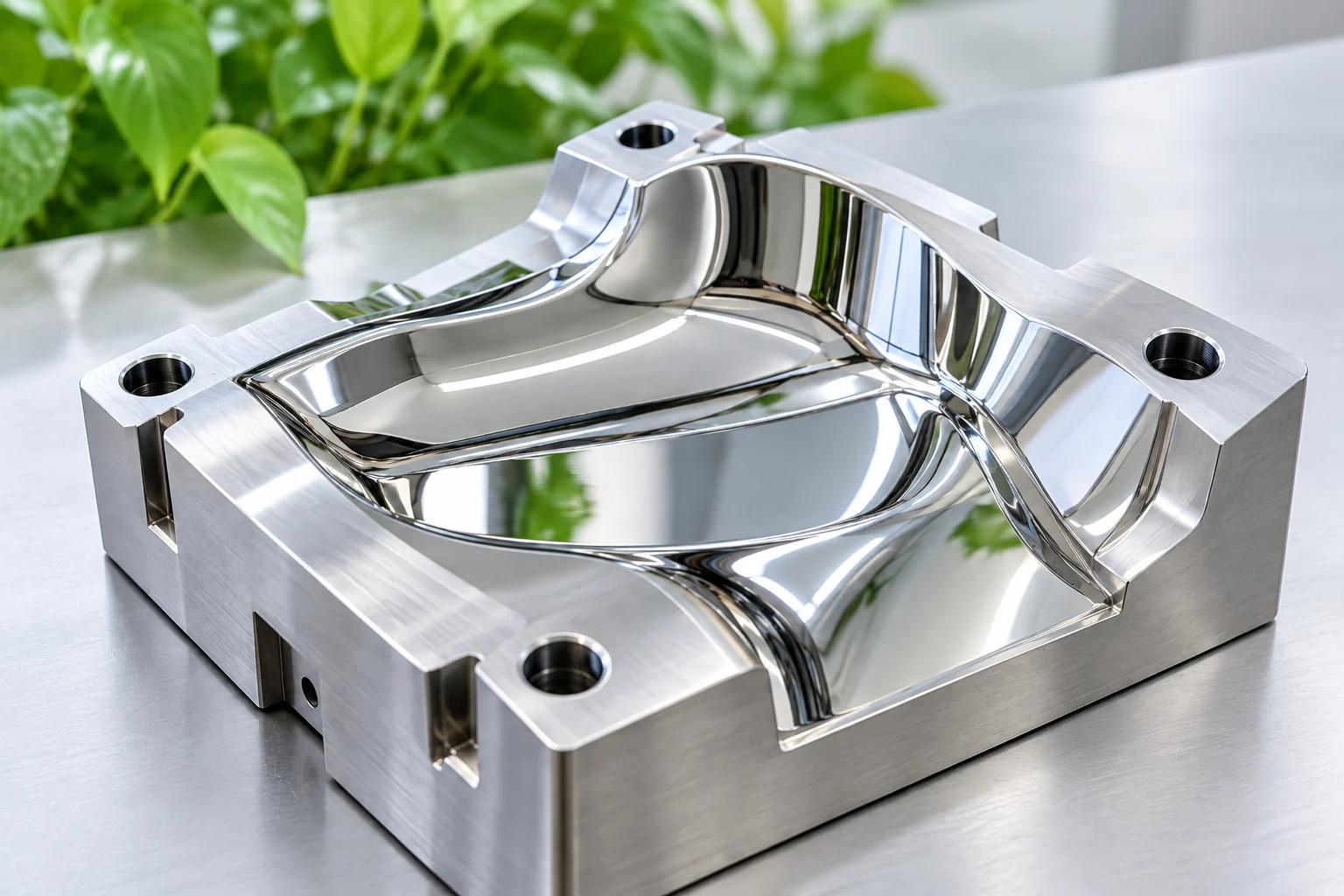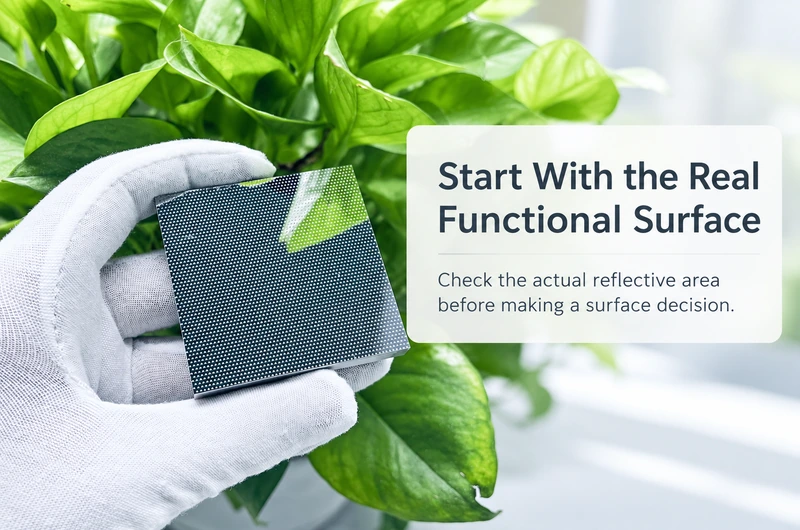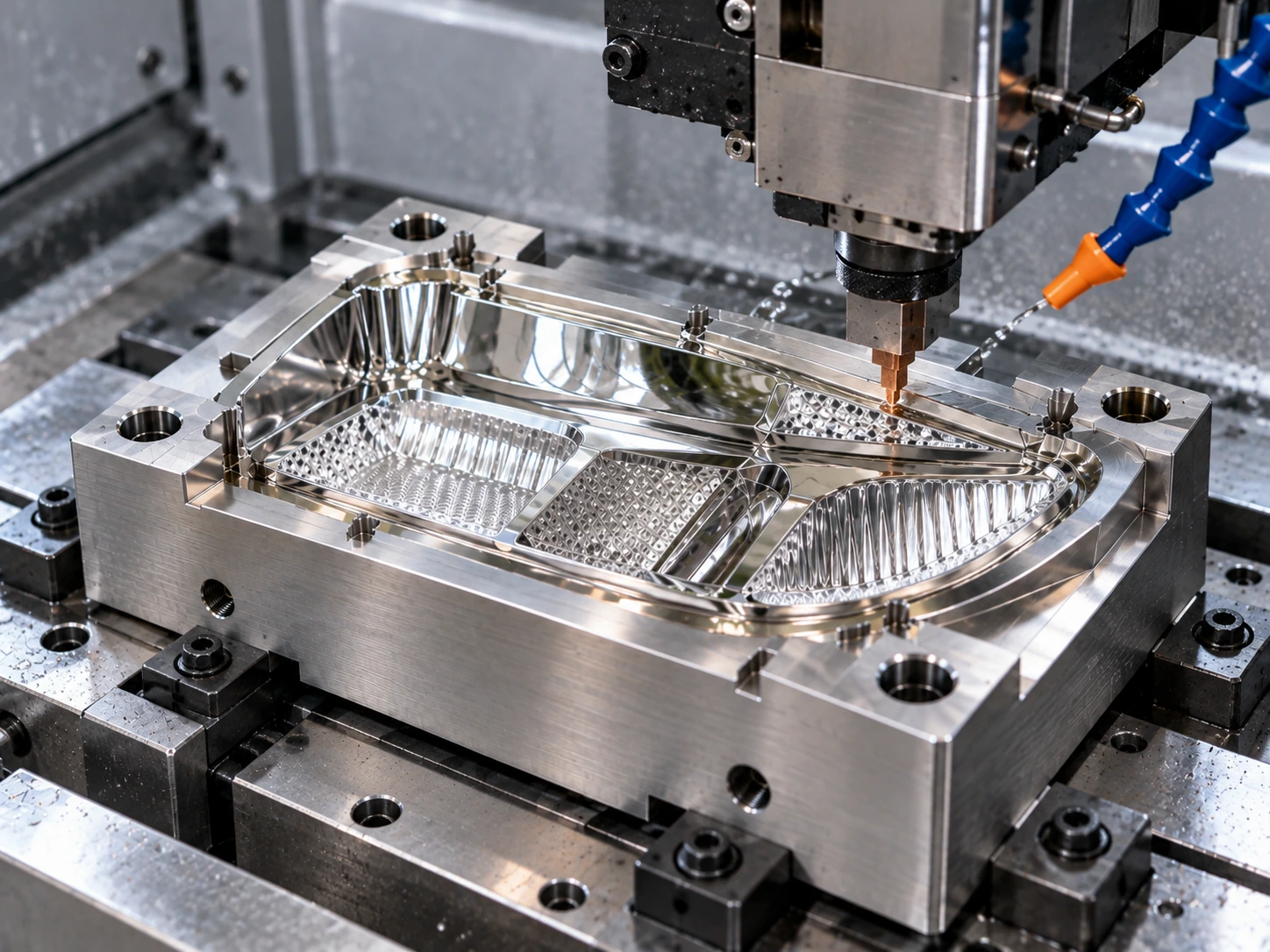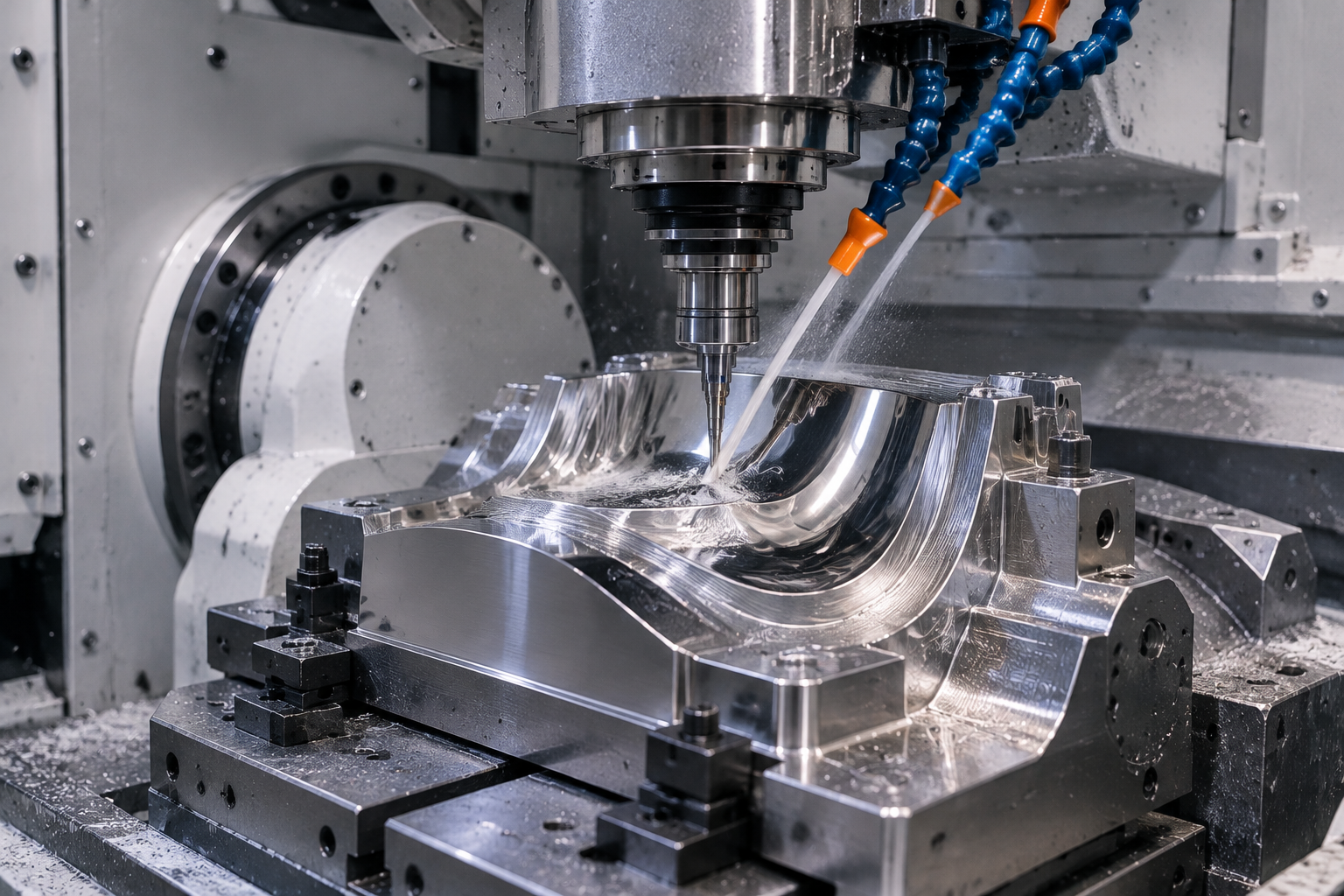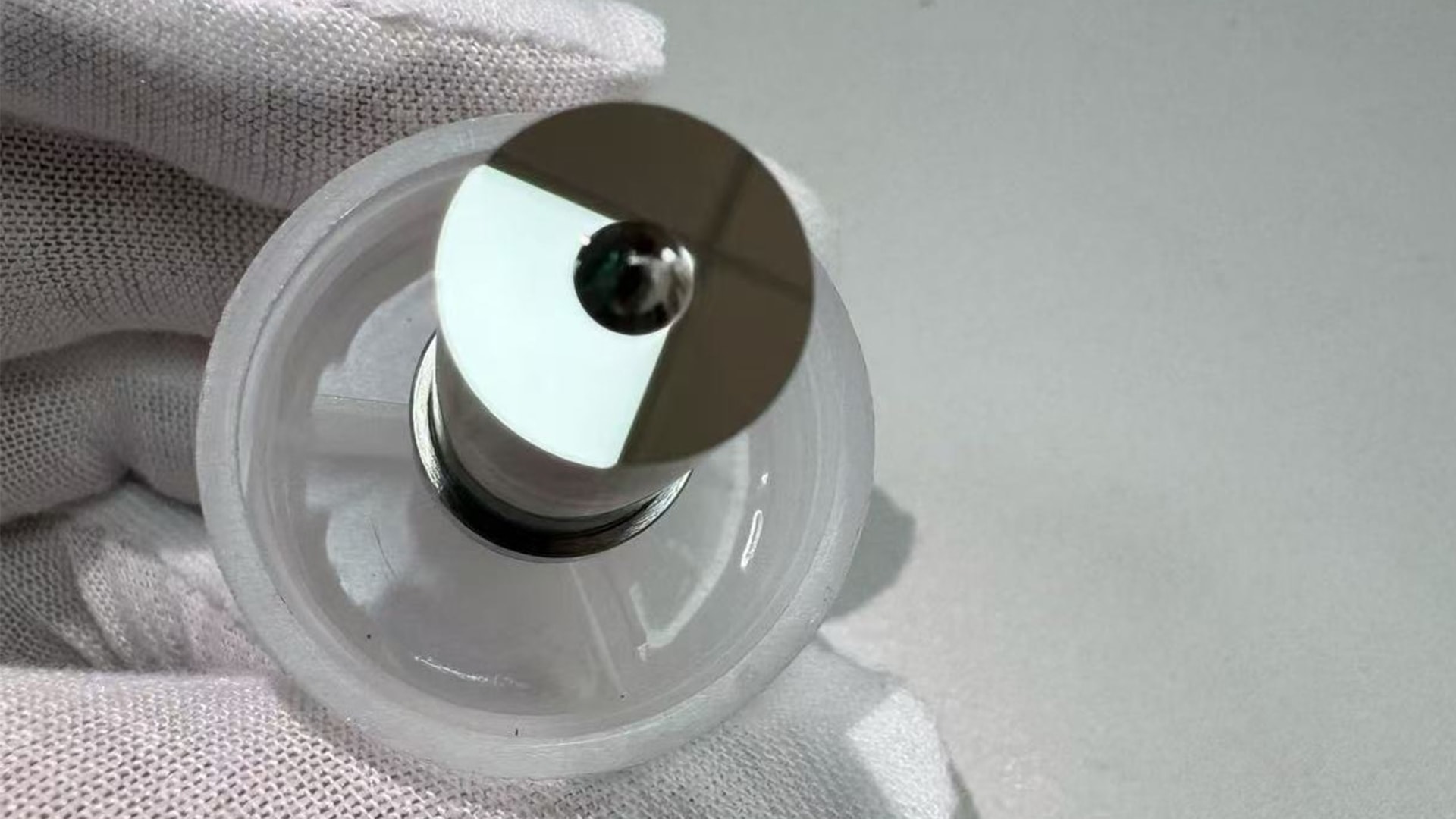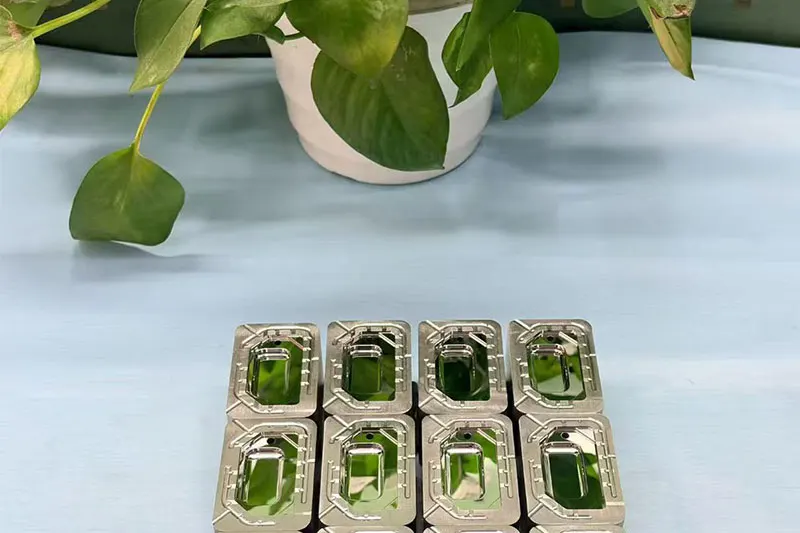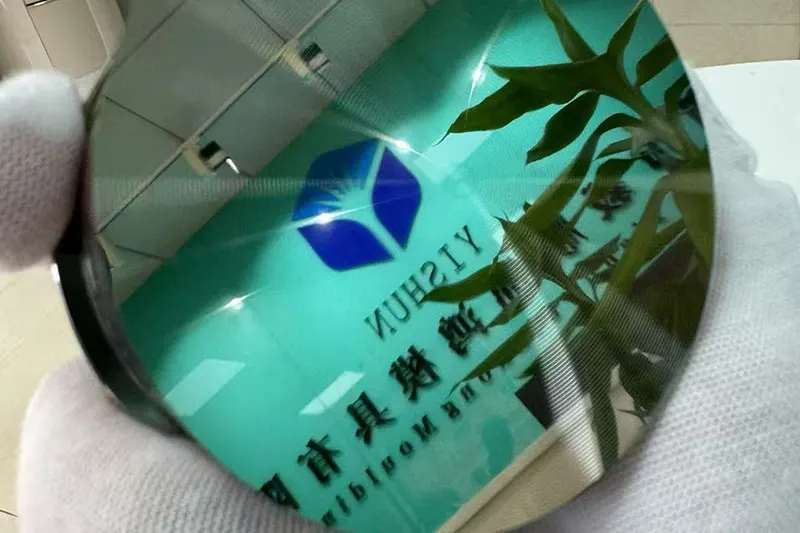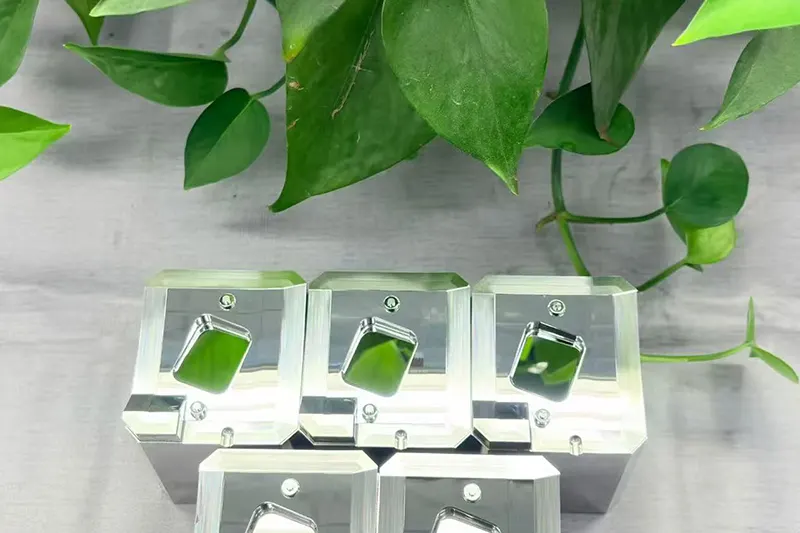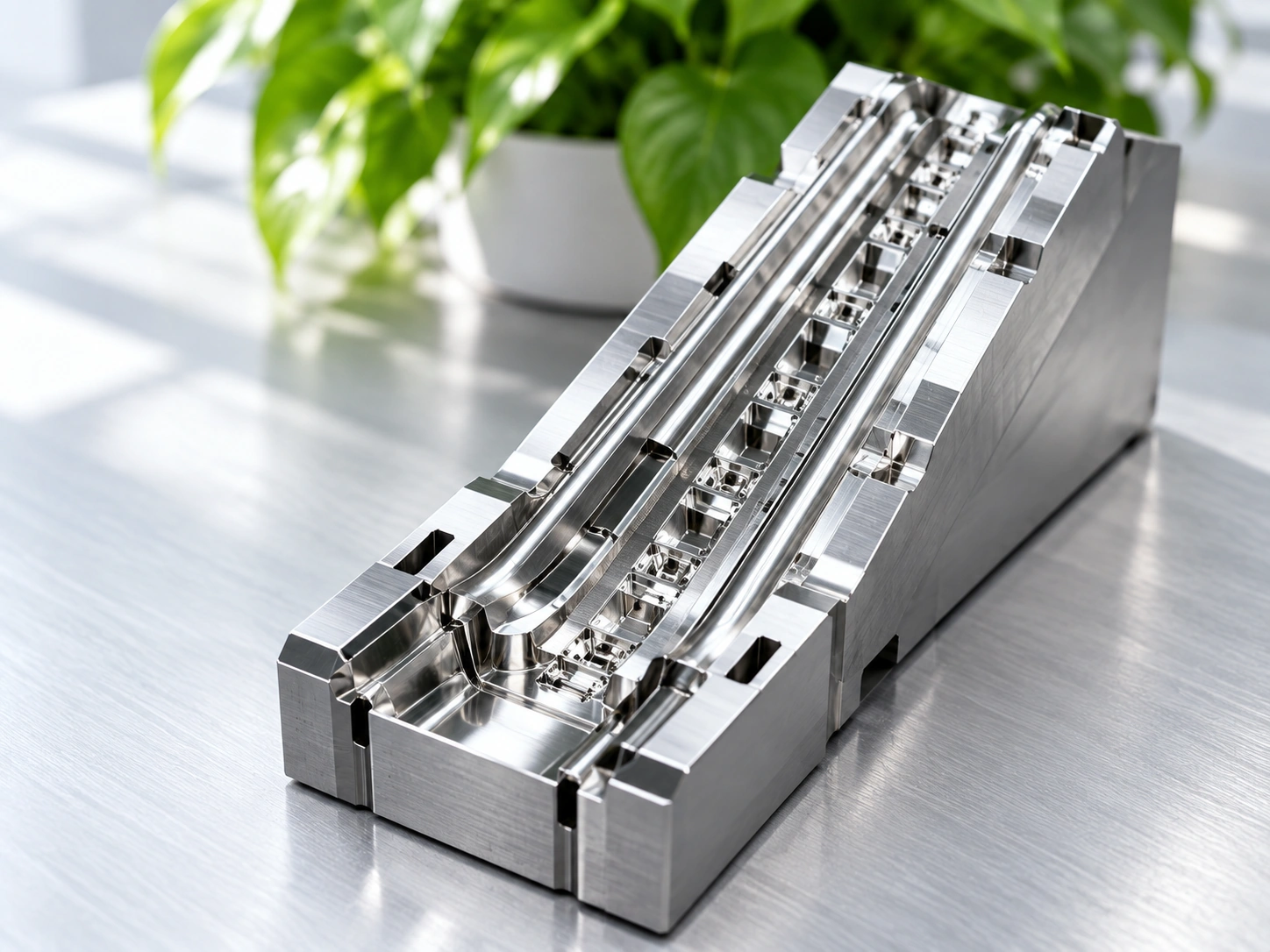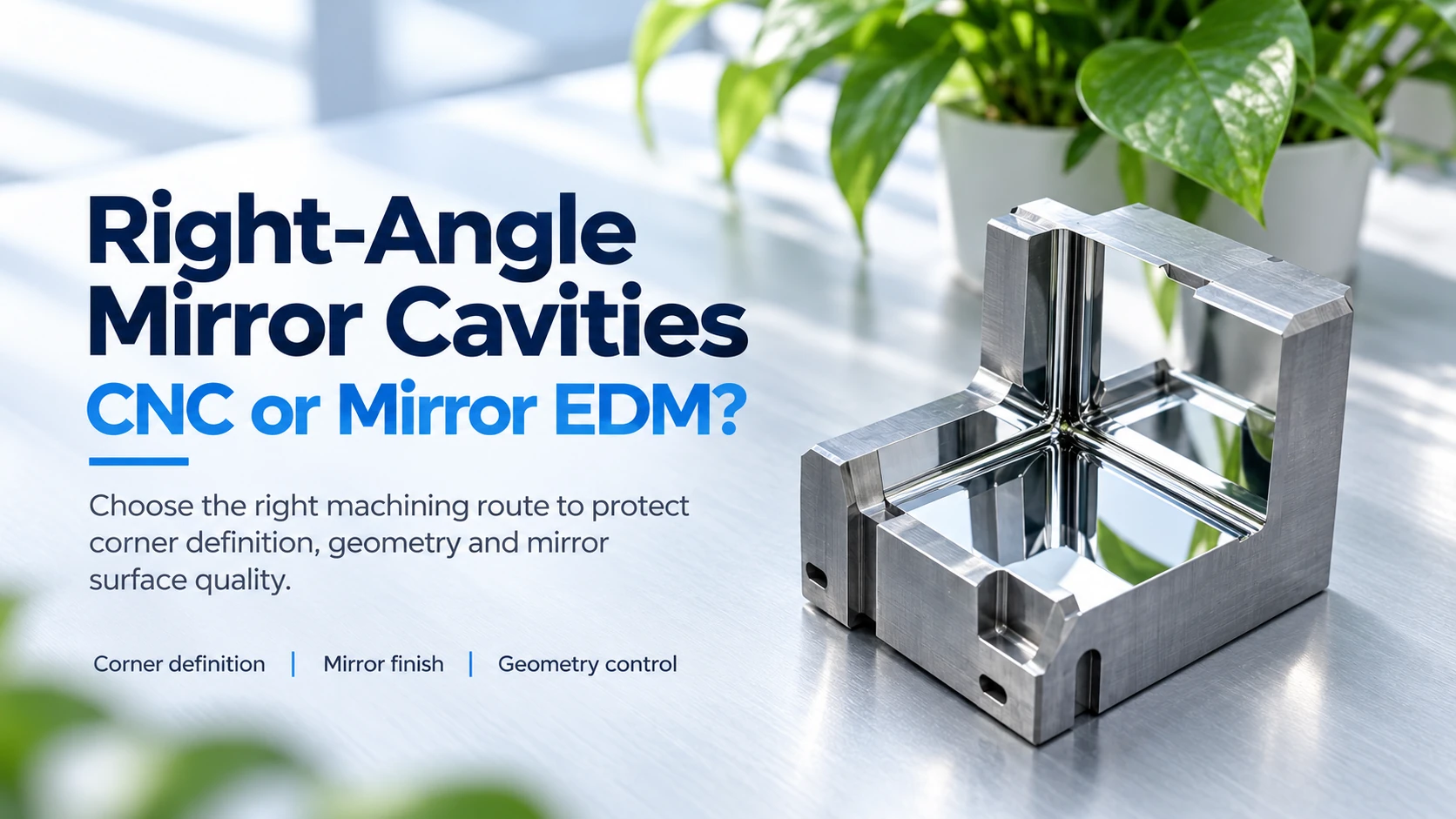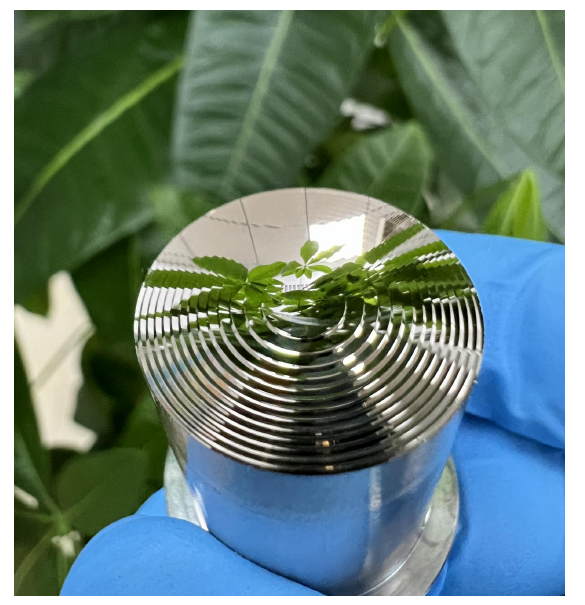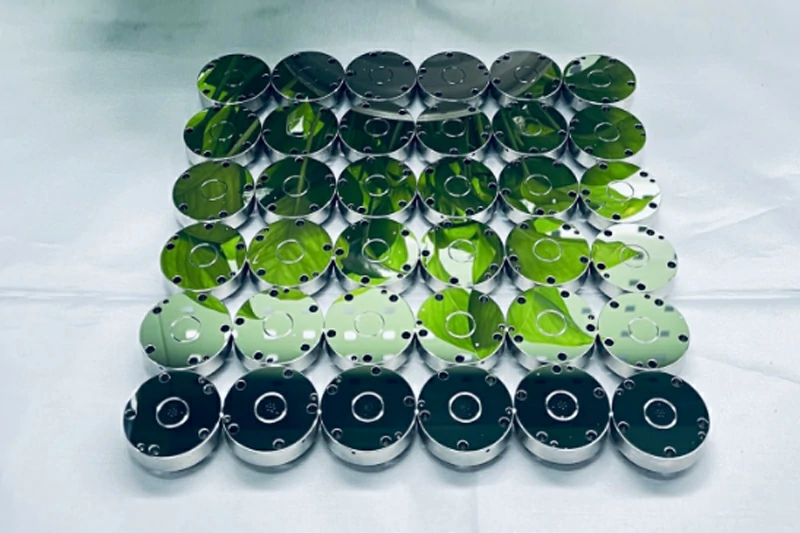
Custom optical polishing services help engineers and buyers turn optical drawings, material blanks, or semi-finished parts into polished components with controlled surface quality, flatness, roughness, and dimensional requirements. These services are commonly used for optical windows, lenses, mirrors, filters, substrates, prisms, wafers, and precision components used in laser, photonics, semiconductor, imaging, metrology, and industrial optical systems.
For prototype projects, optical polishing helps validate material selection, surface requirements, component design, and process feasibility. For production projects, polishing must also support repeatability, inspection consistency, packaging control, and stable delivery.
Unlike general polishing, custom optical polishing is not only about making a part look clear or shiny. It is a technical finishing process based on drawings, tolerances, material behavior, inspection requirements, and final application needs. If a component requires controlled flatness, low surface roughness, scratch-dig quality, coating readiness, or optical clarity, it is important to work with a supplier that understands both prototype development and production manufacturing.
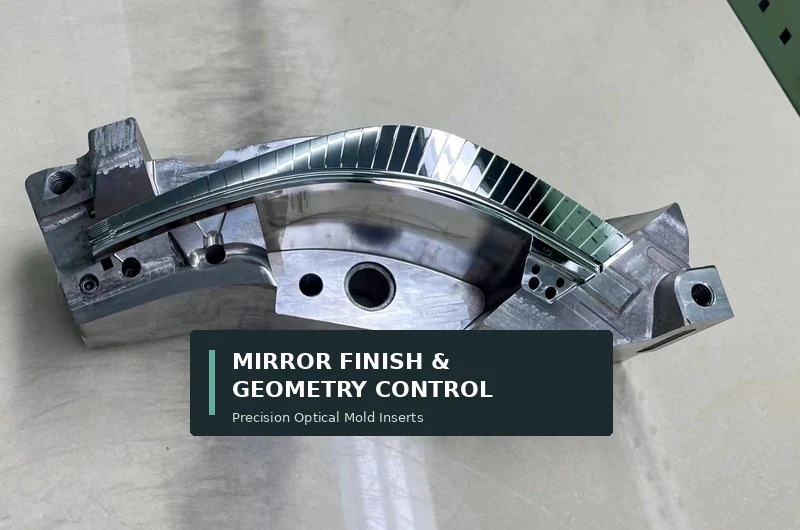
YISHUN Optical provides optical polishing and lapping services for custom optical components that require precision surface finishing, geometry control, and application-focused process support.
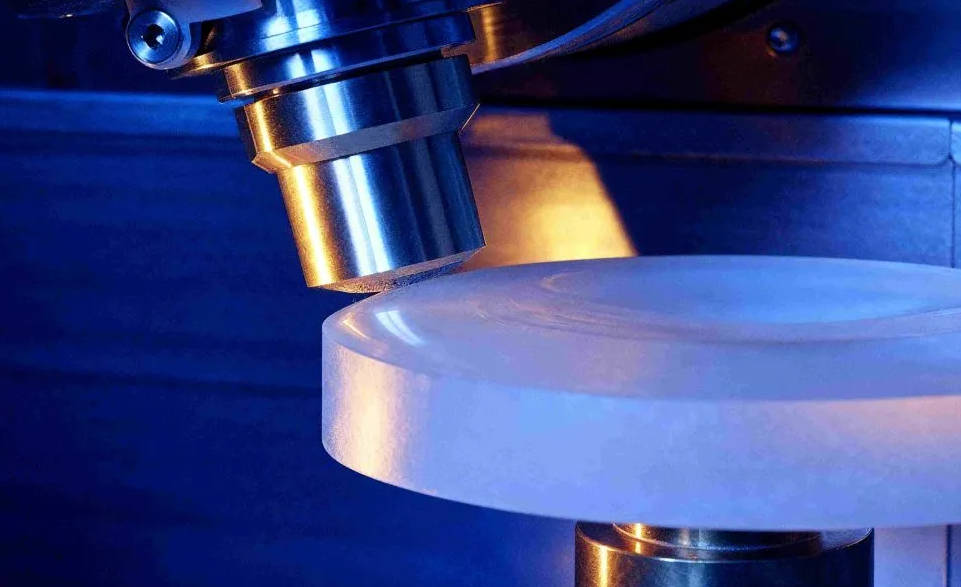
What Are Custom Optical Polishing Services?
Custom optical polishing services are precision finishing services used to process optical components according to customer-specific drawings, materials, dimensions, tolerances, and surface quality requirements. The supplier reviews the part design, selects a suitable process route, performs lapping or polishing as needed, and inspects the finished surface against agreed specifications.
The purpose of custom optical polishing is to produce a functional optical surface that meets the application requirement, not simply a visually smooth surface.
Typical custom optical polishing projects may involve:
- Optical windows
- Lenses and lens blanks
- Mirrors and mirror substrates
- Quartz and fused silica components
- Sapphire components
- Glass plates and substrates
- Ceramic components
- Silicon parts
- Optical filters
- Prisms
- Laser optics
- Photonics components
- Semiconductor-related precision parts
- Research and laboratory optical parts
Because each project may have different material, geometry, tolerance, and surface quality requirements, custom optical polishing usually starts with engineering review rather than immediate production.
Why Custom Optical Polishing Matters for B2B Projects
Optical components are often used in systems where small surface defects or geometry errors can affect final performance. A part may meet its external dimensions but still fail because of scratches, haze, poor flatness, high roughness, edge chips, or inconsistent polishing quality.
Custom optical polishing is especially important when the component must support:
- Light transmission
- Reflection
- Imaging performance
- Laser beam stability
- Surface coating
- Bonding or sealing
- Mechanical alignment
- Optical path control
- Semiconductor or photonics assembly
- Precision measurement
For example, an optical window may require controlled flatness and parallelism to reduce beam deviation. A mirror substrate may require a smooth surface before reflective coating. A sapphire component may require careful polishing to reduce scratches and edge damage. A quartz plate may require thickness control and clean surface preparation before assembly.
In optical manufacturing, polishing quality can directly affect transmission, reflection, scattering, coating performance, and assembly reliability.
This is why buyers should treat optical polishing as a specification-driven process, not as a simple finishing step.
Prototype Optical Polishing vs. Production Optical Polishing
Prototype and production projects have different priorities. A prototype may focus on feasibility, design validation, and process development. A production project must also focus on repeatability, yield, documentation, and consistent quality across batches.
| Item | Prototype Optical Polishing | Production Optical Polishing |
| Main Goal | Validate design, material, and process feasibility | Maintain repeatable surface quality and delivery |
| Quantity | Usually small batch or sample quantity | Larger batch or recurring production |
| Process Focus | Flexibility, engineering review, risk identification | Stability, consistency, inspection control |
| Tolerance Strategy | May be adjusted after test results | Usually fixed after approval |
| Inspection Focus | Verify whether the process can meet requirements | Confirm each batch meets agreed standards |
| Communication Need | High, because specifications may evolve | High, but usually more standardized |
| Typical Buyer Concern | Can this part be polished successfully? | Can this part be polished consistently? |
Prototype polishing answers “Can this design and material work?” while production polishing answers “Can this process be repeated reliably?”
For many optical projects, prototype polishing should not be skipped. It helps identify risks before larger production investment, especially when working with brittle materials, thin parts, unusual shapes, or demanding surface requirements.
How the Custom Optical Polishing Process Works
The exact process depends on material, component geometry, surface requirement, and application. However, most custom optical polishing projects follow a similar workflow.
1. Drawing and Requirement Review
The supplier reviews the customer’s drawing, material, dimensions, quantity, tolerance, surface roughness, flatness, parallelism, scratch-dig, edge quality, and application.
This step is critical because unclear requirements can lead to delays, rework, or mismatched expectations. For example, “optical quality” is not enough as a production requirement unless it is supported by measurable specifications.
2. Process Feasibility Evaluation
The supplier evaluates whether the required surface finish and geometry can be achieved with the selected material and design. Some materials are harder to polish than others. Some geometries may be sensitive to deformation, edge chipping, or uneven pressure.
If needed, the supplier may suggest a different process route, tolerance adjustment, edge design, or pre-processing method.
3. Pre-Processing
The component may need cutting, grinding, shaping, machining, or lapping before polishing. For flat optical windows, substrates, and plates, lapping is commonly used to improve flatness, thickness uniformity, and parallelism before final polishing.
YISHUN Optical supports custom optical polishing and lapping services for components that require both geometry control and final surface finishing.
4. Rough Polishing
Rough polishing removes fine defects left from previous processing and prepares the surface for finer polishing. The goal is to create a stable and consistent surface condition.
5. Fine Polishing
Fine polishing uses controlled abrasives, pads, slurry, pressure, speed, and processing time to improve final surface quality. This stage affects surface roughness, clarity, scratch control, and polishing uniformity.
6. Cleaning
After polishing, the part must be cleaned carefully. Residual slurry, particles, and handling contamination may cause scratches, coating problems, or inspection failure.
7. Inspection
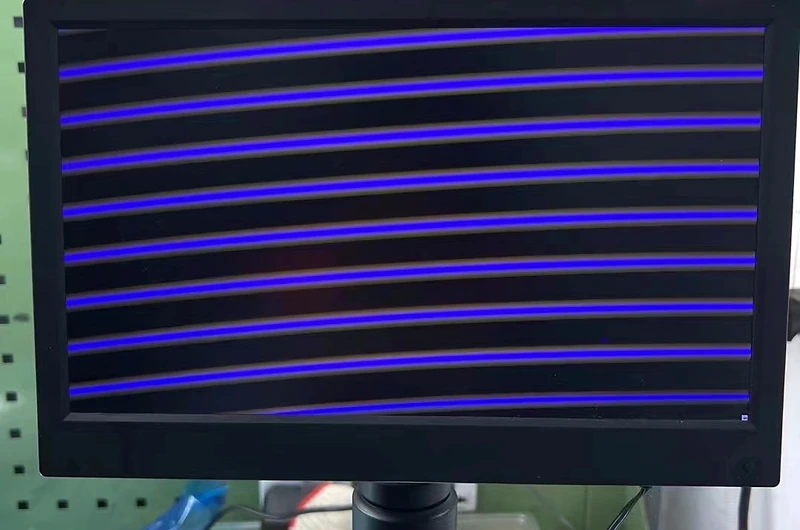
Inspection verifies whether the finished part meets agreed requirements. Depending on the project, inspection may include surface defect review, roughness measurement, flatness measurement, thickness measurement, parallelism inspection, dimensional checks, or other optical inspection methods.
8. Packaging
Polished optical surfaces are sensitive to scratches, dust, fingerprints, and edge damage. Proper packaging helps protect the component during transport, storage, and later assembly.
Key Specifications for Custom Optical Polishing
A successful custom optical polishing project depends on clear, measurable specifications. The most common requirements include the following:
| Specification | What It Controls | Why It Matters |
| Material | Glass, quartz, fused silica, sapphire, ceramic, silicon, etc. | Determines process difficulty and polishing method |
| Dimensions | Length, width, diameter, thickness, radius, or shape | Ensures assembly compatibility |
| Surface roughness | Microscopic surface texture | Affects scattering, coating, sealing, and optical clarity |
| Flatness | Surface deviation from a plane | Important for windows, mirrors, substrates, and bonding surfaces |
| Parallelism | Relationship between opposite surfaces | Important for windows, plates, and optical path stability |
| Scratch-dig | Surface defect quality | Controls visible scratches and pits |
| Edge quality | Chamfer, bevel, chip control | Reduces handling and assembly risks |
| Coating readiness | Surface condition before coating | Affects coating adhesion and optical performance |
| Inspection method | How the part is verified | Prevents disagreement during acceptance |
| Application | Final use of the component | Helps supplier prioritize functional requirements |
The most important specifications for custom optical polishing are usually material, drawing, surface roughness, flatness, parallelism, scratch-dig, edge quality, and inspection criteria.
Buyers should avoid over-specifying every parameter unless the application truly requires it. Unnecessarily tight tolerances may increase cost, lead time, and production risk.
Materials Commonly Used in Custom Optical Polishing
Different materials require different polishing strategies. Hardness, brittleness, thermal expansion, chemical resistance, and internal stress can all affect the process.
| Material | Common Use | Polishing Considerations |
| Optical glass | Windows, lenses, filters, prisms | Requires scratch and surface defect control |
| Quartz | Optical plates, instruments, thermal applications | Needs stable polishing and clean handling |
| Fused silica | UV optics, laser components, precision substrates | Requires careful surface and contamination control |
| Sapphire | Protective windows, wear-resistant components | Hard material; needs controlled lapping and polishing |
| Silicon | Semiconductor-related parts, substrates | Often requires flatness and surface control |
| Ceramics | Precision technical components | Brittle; edge quality and chipping control are important |
| Optical crystals | Specialized optical parts | May require material-specific handling |
| Metal mirror substrates | Reflective components or coating substrates | May need special surface preparation |
For brittle materials such as glass, sapphire, quartz, fused silica, and ceramics, polishing quality depends heavily on earlier processing steps. Poor cutting or grinding can create subsurface damage that is difficult to remove later.
When Is Lapping Needed Before Polishing?
Lapping is often used before polishing when the part requires flatness, parallelism, or thickness uniformity. Polishing improves the final surface, but it may not be the most efficient process for correcting larger geometry errors.
| Requirement | Lapping Needed? | Reason |
| High flatness | Often yes | Lapping helps control surface geometry |
| Tight parallelism | Often yes | Double-side processing can improve thickness uniformity |
| Optical clarity only | Not always | Polishing may be enough if geometry is already acceptable |
| Coating-ready surface | Sometimes | Depends on flatness and surface preparation needs |
| Thin or large plates | Often yes | Geometry control is usually important |
| Repairing deep scratches | Depends | Additional grinding or lapping may be needed before polishing |
Lapping controls geometry; polishing refines the final surface quality. For optical windows, substrates, wafers, and flat components, both processes are often used together.
Common Applications of Custom Optical Polishing Services
Custom optical polishing services are used across many industries where surface quality and geometry affect component performance.
Prototype Optical Components
R&D teams often need polished prototypes to test optical performance, material behavior, assembly design, or coating compatibility. Prototype polishing helps validate the design before production.
Optical Windows and Protective Covers
Windows protect optical systems while allowing light to pass through. Polishing helps improve transmission, reduce scattering, and prepare the surface for coating or assembly.
Lenses and Optical Surfaces
Lens polishing supports imaging, focusing, beam shaping, and optical alignment. Surface quality and form accuracy are important for final performance.
Mirrors and Reflective Substrates
Mirror substrates may require polishing before reflective coating. Surface roughness and defect control are important for reducing scattering and coating issues.
Photonics and Laser Components
Laser and photonics components often require clean surfaces, low defects, and stable optical performance. Polishing quality can affect beam quality and system reliability.
Semiconductor and Precision Instrument Parts
Semiconductor-related and metrology components may require flatness, surface consistency, and controlled thickness for assembly or measurement functions.
Common Mistakes When Buying Custom Optical Polishing Services
Many project problems come from incomplete specifications or process misunderstandings.
| Mistake | Possible Problem | Better Approach |
| Providing only a rough sketch | Supplier cannot evaluate tolerances accurately | Provide drawings, material, and critical dimensions |
| Saying “high polish” without standards | Surface quality expectations may differ | Specify roughness, scratch-dig, flatness, or application |
| Ignoring lapping requirements | Polished surface may still have poor flatness | Confirm whether geometry control is needed |
| Over-tightening all tolerances | Higher cost and longer lead time | Match requirements to actual function |
| Not defining edge quality | Edge chips may appear during handling | Specify chamfer, bevel, or edge protection |
| Ignoring inspection methods | Acceptance disputes may occur | Agree on inspection criteria before production |
| Not sharing the application | Supplier may not understand functional priorities | Explain how the component will be used |
A clear RFQ reduces quotation delays, improves process planning, and helps the supplier recommend a practical polishing method.
How to Choose a Custom Optical Polishing Supplier
Selecting a custom optical polishing supplier should be based on technical capability, material experience, inspection support, and communication quality.
1. Confirm Material Experience
Ask whether the supplier has experience with your material. Polishing sapphire is different from polishing optical glass. Fused silica, quartz, ceramics, and silicon also require different handling and process control.
2. Check Lapping and Polishing Capability
If your component needs flatness, parallelism, or thickness control, polishing alone may not be enough. A supplier with both lapping and polishing capability can better manage the full process.
You can review YISHUN Optical’s precision optical polishing and lapping services to understand the service direction for custom optical parts.
3. Evaluate Inspection Capability
A supplier should be able to inspect the parameters that matter to your project. If the drawing requires flatness, surface roughness, scratch-dig, or dimensional control, the supplier should be able to verify those features.
4. Look for Engineering Communication
For prototype and custom projects, communication is important. A qualified supplier should review your drawing, identify unclear requirements, and suggest practical process options.
5. Consider Production Repeatability
For production projects, ask how the supplier controls batch consistency, surface quality, cleaning, handling, and packaging. Prototype success does not automatically mean production stability unless the process is documented and repeatable.
For companies sourcing custom optical finishing support, YISHUN Optical provides optical polishing and lapping services for optical, photonics, laser, semiconductor-related, and precision technical components.
RFQ Checklist for Custom Optical Polishing Projects
To receive a practical quotation, prepare the following information:
| RFQ Information | Why It Is Needed |
| Component type | Window, lens, mirror, substrate, prism, wafer, or custom part |
| Material | Determines polishing difficulty and process method |
| Drawing or CAD file | Defines dimensions, geometry, and tolerance requirements |
| Quantity | Helps estimate setup, pricing, and production planning |
| Prototype or production stage | Helps supplier understand project priority |
| Surface roughness | Defines the final surface finish requirement |
| Flatness | Important for windows, mirrors, substrates, and bonding surfaces |
| Parallelism | Important for plates, windows, and optical path stability |
| Scratch-dig | Defines acceptable visible surface defects |
| Edge requirement | Helps reduce chipping and handling damage |
| Coating or bonding needs | Affects surface preparation and cleaning |
| Inspection requirement | Defines acceptance criteria |
| Application | Helps supplier recommend a practical process route |
If the project is still in the prototype stage, include your functional goal even if the final tolerance is not fully defined. This allows the supplier to help evaluate what specifications are practical.
Conclusion
Custom optical polishing services are essential for prototype and production projects that require controlled surface quality, flatness, roughness, scratch-dig, edge quality, and optical performance. For prototypes, polishing helps validate design feasibility and material behavior. For production, it supports repeatable quality, stable inspection, and reliable delivery.
The key to a successful project is clear communication. Buyers should provide drawings, material, dimensions, quantity, surface requirements, geometry requirements, edge specifications, inspection criteria, and final application information. When lapping and polishing are combined properly, custom optical parts can meet both geometry and surface quality requirements.
If your project requires prototype optical polishing, production optical polishing, or custom optical polishing services for technical components, YISHUN Optical can support your project with optical polishing and lapping services from requirement review to finished part delivery.
FAQ
What are custom optical polishing services?
Custom optical polishing services are precision finishing services used to polish optical components according to customer drawings, materials, tolerances, and surface quality requirements. They are commonly used for windows, lenses, mirrors, substrates, wafers, and precision optical parts.
What is the difference between prototype optical polishing and production optical polishing?
Prototype optical polishing focuses on design validation, process feasibility, and small-batch testing. Production optical polishing focuses on repeatability, inspection consistency, batch quality, and stable delivery.
What information should I provide for an optical polishing RFQ?
You should provide material, drawings, dimensions, quantity, surface roughness, flatness, parallelism, scratch-dig requirement, edge quality, coating needs, inspection criteria, and final application information.
When do optical parts need lapping before polishing?
Optical parts usually need lapping before polishing when flatness, parallelism, or thickness uniformity must be controlled. Lapping improves geometry, while polishing improves final surface quality.
What materials can be processed by custom optical polishing services?
Common materials include optical glass, quartz, fused silica, sapphire, silicon, ceramics, optical crystals, and selected mirror substrate materials. Each material requires a suitable polishing method.
Can custom optical polishing remove scratches?
Polishing can remove many fine scratches and surface defects, but deep scratches, chips, cracks, or subsurface damage may require additional grinding or lapping. Some defects may not be repairable depending on depth and location.
How do I choose a custom optical polishing supplier?
Choose a supplier based on material experience, lapping and polishing capability, inspection support, engineering communication, prototype flexibility, and production repeatability. The supplier should be able to review drawings and recommend a practical process route.