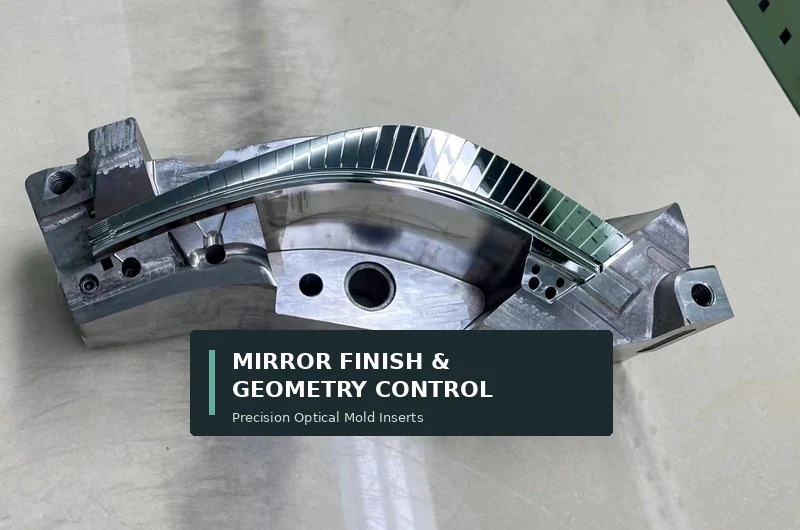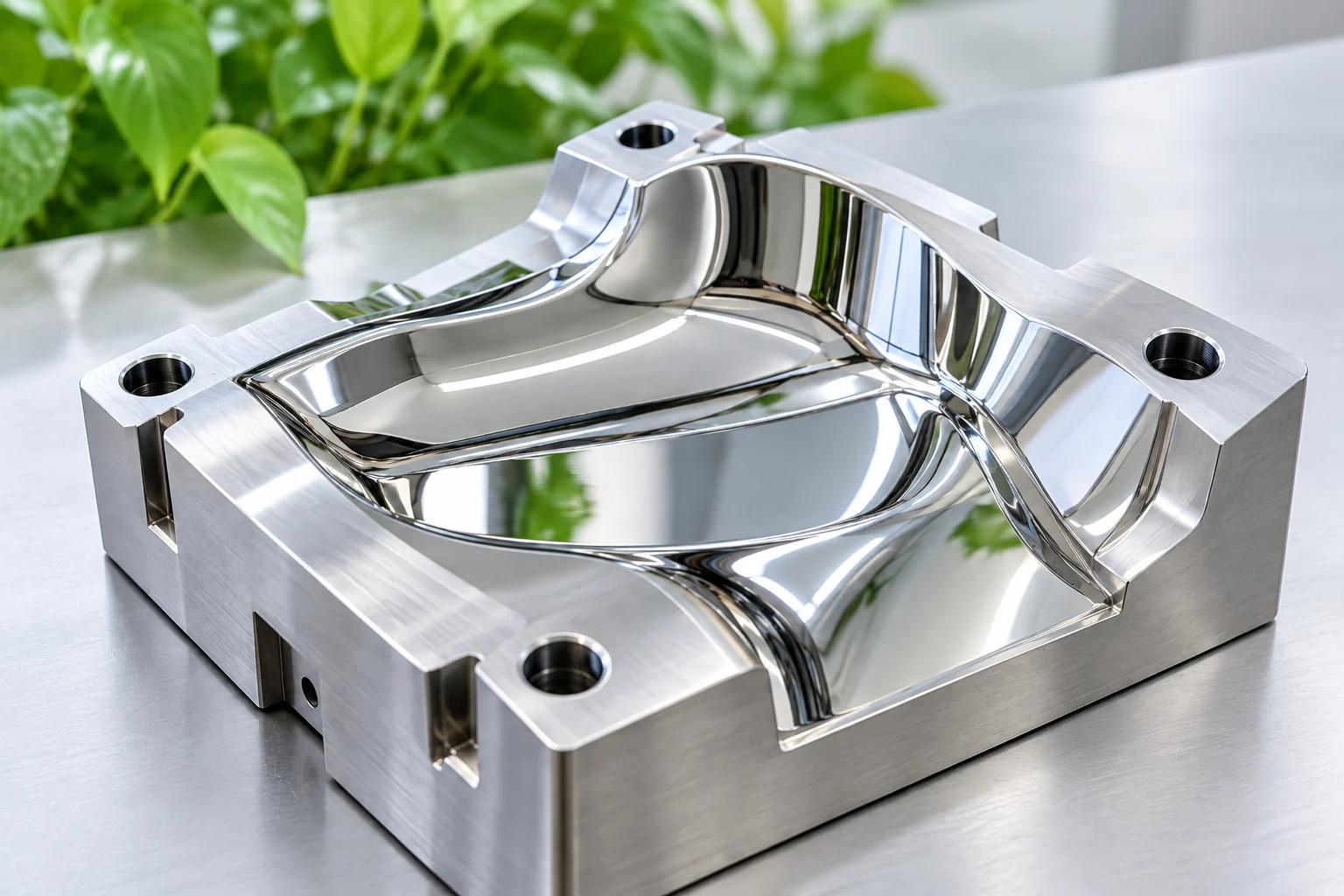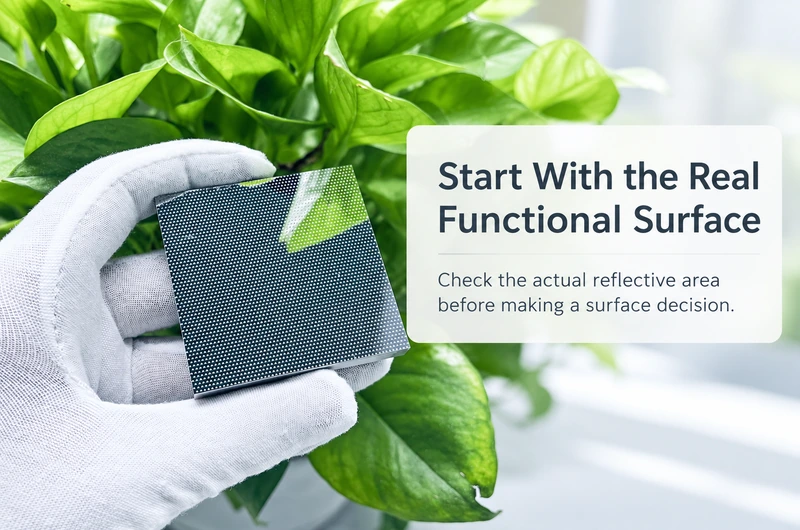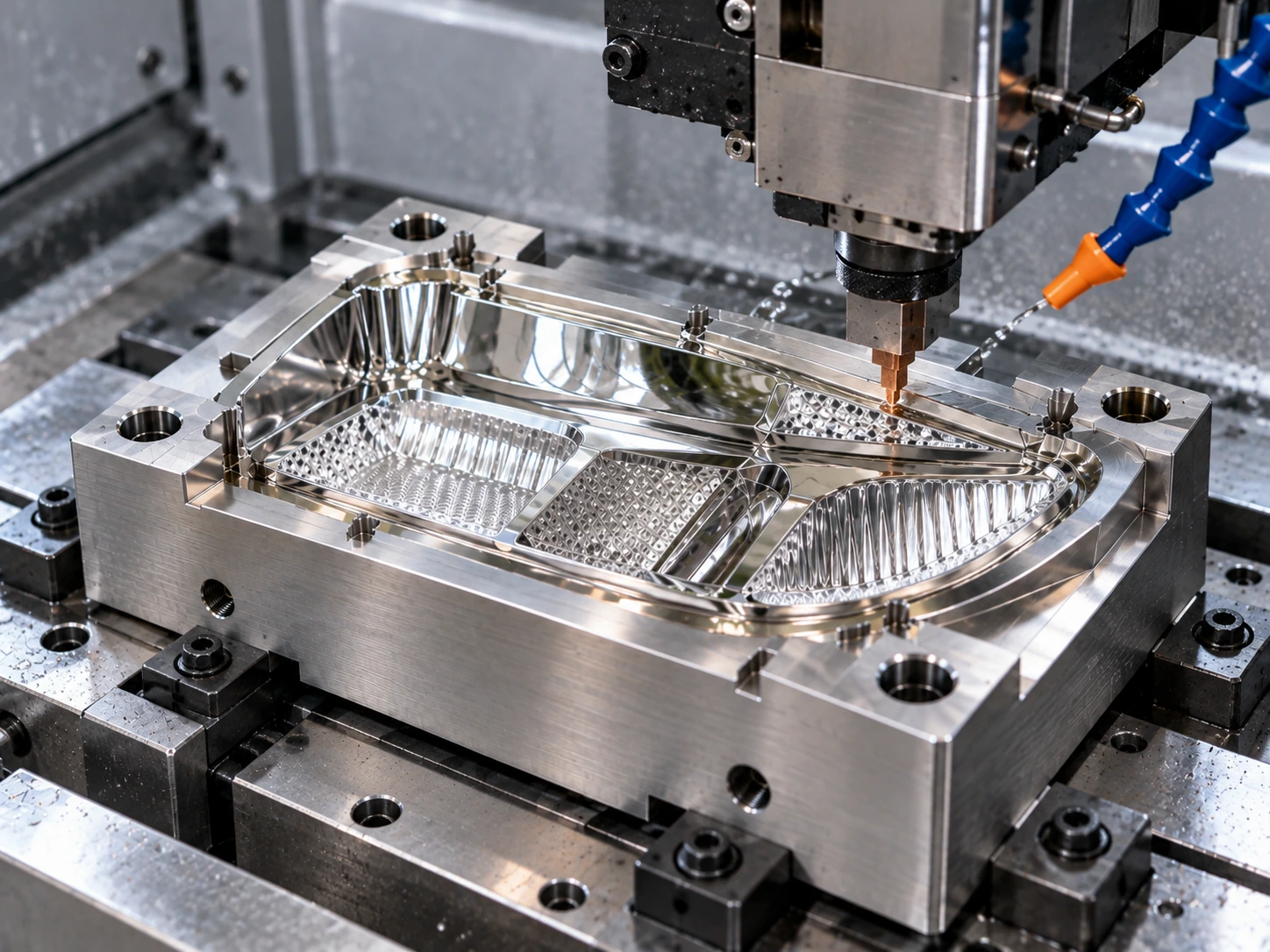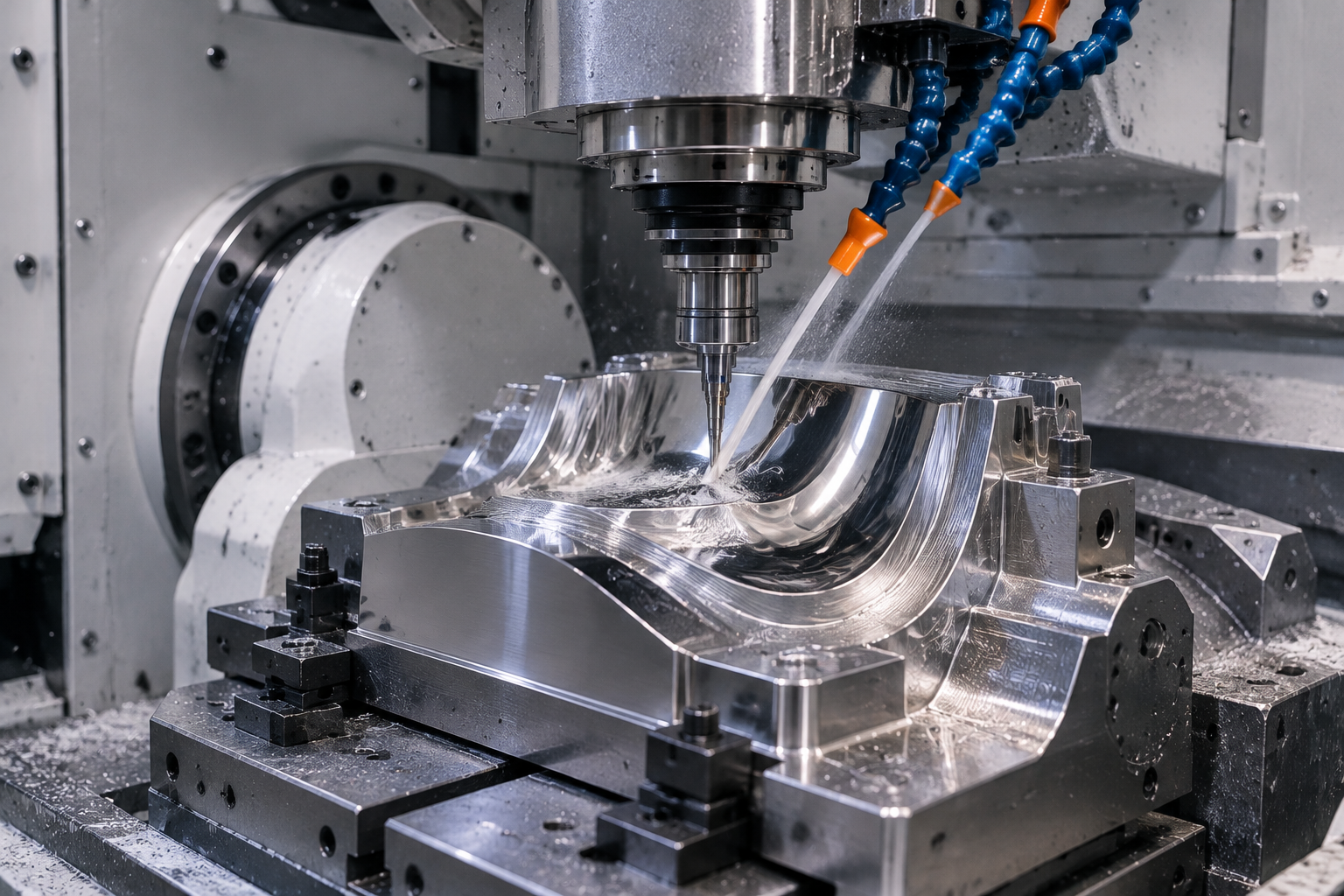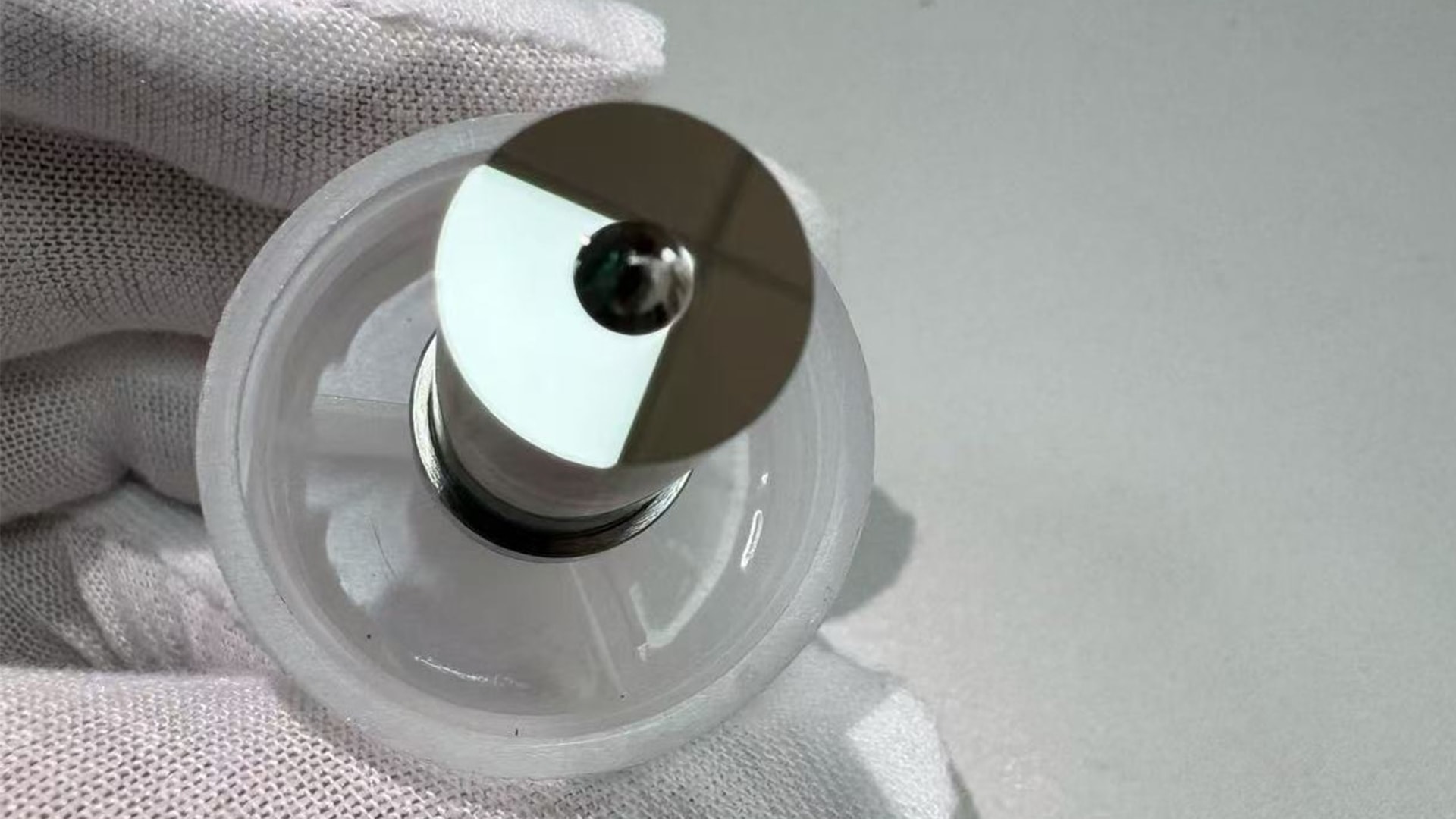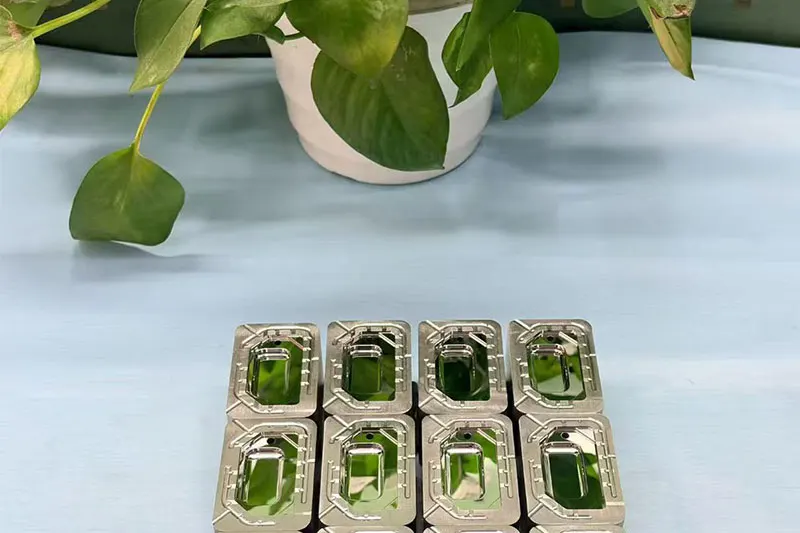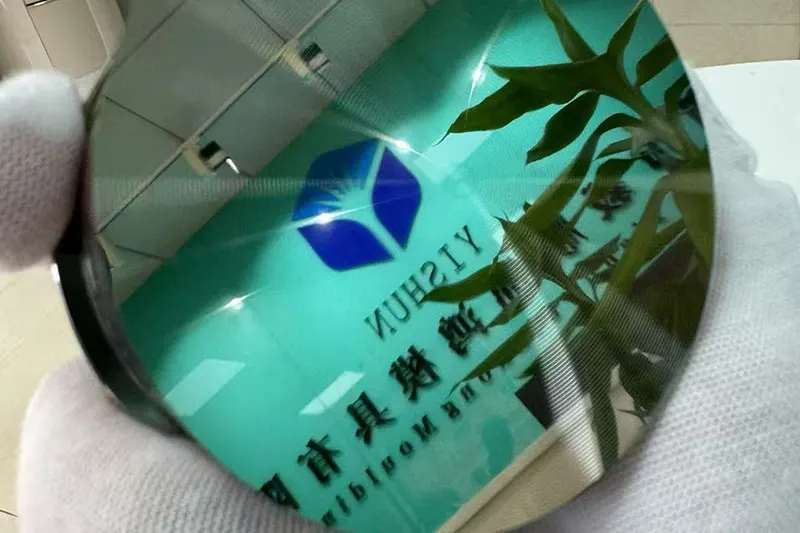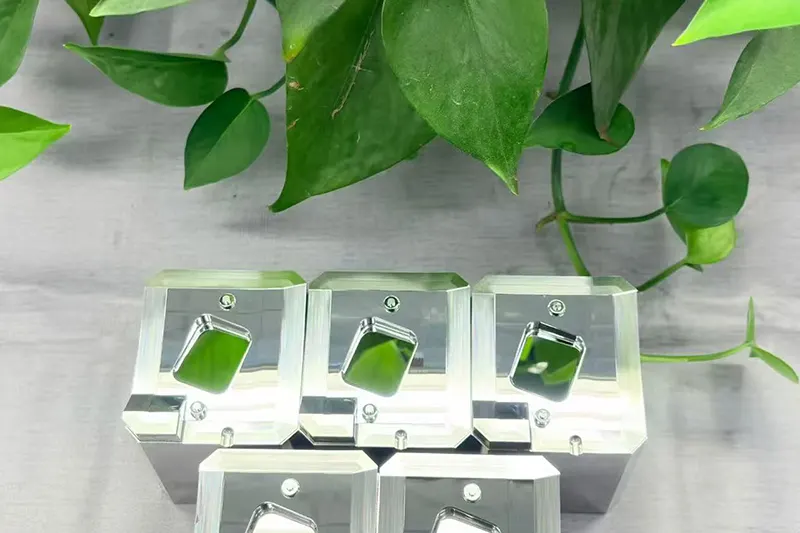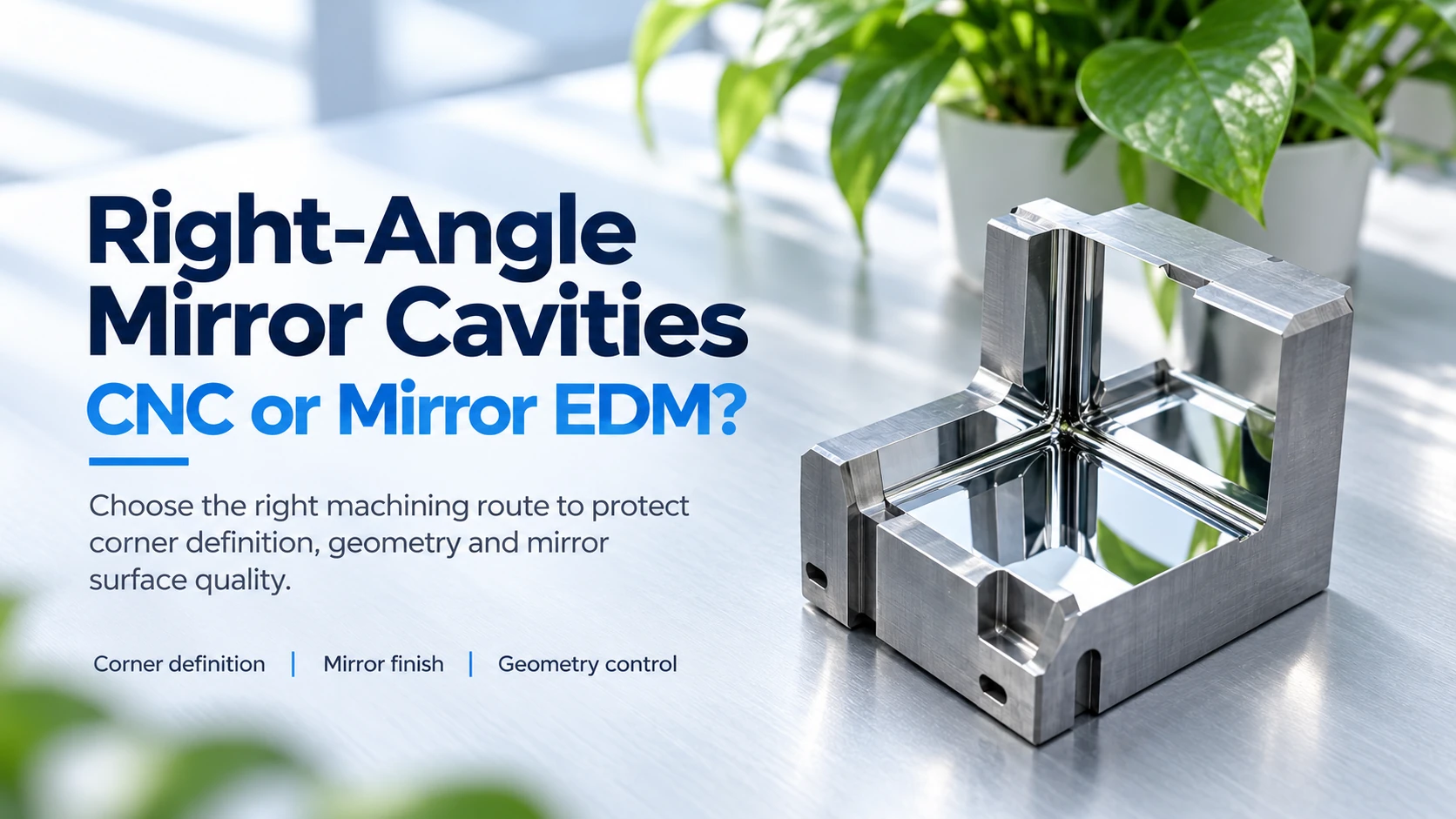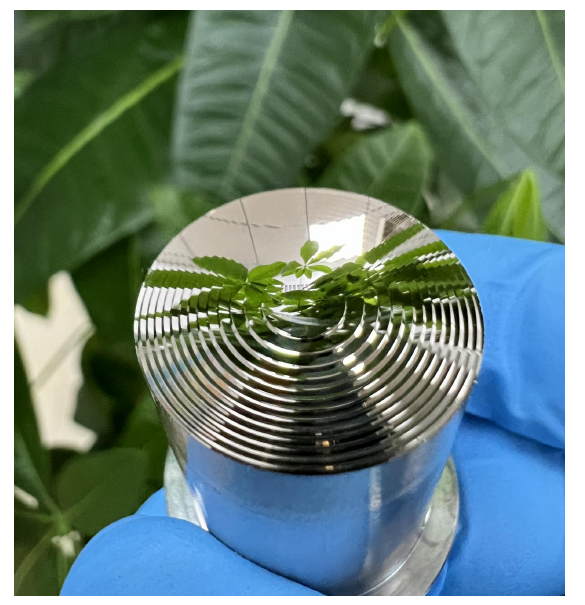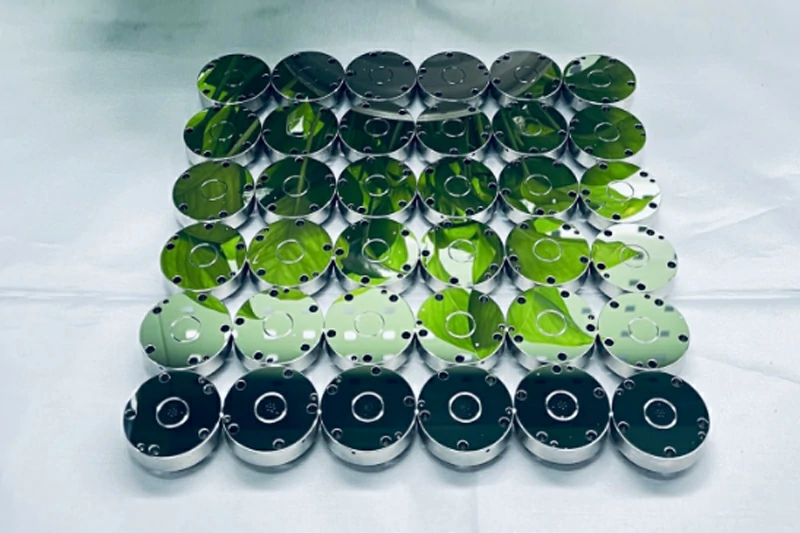
Optical component polishing is a precision finishing process used to improve the surface quality, flatness, roughness, clarity, and optical performance of components such as optical windows, lenses, and mirrors. For B2B optical projects, polishing is not only a final appearance treatment. It directly affects light transmission, reflection, scattering, coating performance, image quality, laser stability, and assembly reliability.
Optical windows, lenses, and mirrors each have different polishing requirements. Windows usually need controlled flatness, parallelism, transmission, and low surface defects. Lenses require accurate optical surfaces that support imaging, focusing, or beam shaping. Mirrors require smooth and stable reflective surfaces, often before coating or final use.
For companies developing custom optical parts, working with an experienced optical polishing and lapping service provider can help reduce risks related to scratches, edge chips, poor flatness, surface haze, coating problems, and inconsistent optical performance.
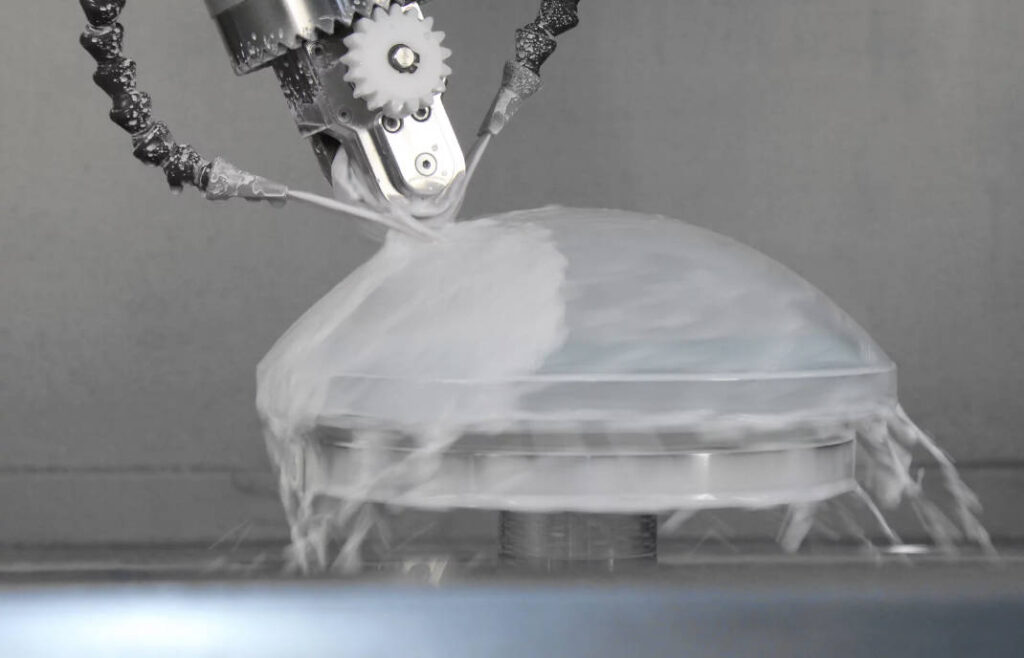
What Is Optical Component Polishing?
Optical component polishing is a controlled material-removal process used to refine the surface of optical parts after cutting, grinding, machining, or lapping. The process removes fine surface defects and improves the surface condition so the component can meet its optical or mechanical function.
Unlike general polishing, optical polishing is measured by technical specifications. These may include surface roughness, flatness, parallelism, scratch-dig quality, dimensional tolerance, edge quality, and coating readiness.
The goal of optical component polishing is to create a functional optical surface, not just a visually smooth surface.
Common optical components that require precision polishing include:
| Optical Component | Main Polishing Purpose |
| Optical windows | Improve transmission, flatness, clarity, and surface quality |
| Lenses | Support imaging, focusing, beam shaping, or optical alignment |
| Mirrors | Prepare smooth reflective surfaces or coating-ready substrates |
| Prisms | Maintain clear optical paths and accurate functional surfaces |
| Filters | Improve surface consistency before coating or assembly |
| Substrates | Control flatness, thickness, and surface finish |
| Laser optics | Reduce scattering and surface defects in sensitive optical paths |
In many projects, polishing is combined with lapping. Lapping is used to control geometry such as flatness, thickness, and parallelism, while polishing improves the final surface quality.
Why Polishing Matters for Optical Windows, Lenses and Mirrors
Optical components interact directly with light. Even small defects can affect performance, especially in laser, imaging, metrology, photonics, semiconductor, and precision instrument applications.
A component may meet its size requirement but still fail functionally if the polished surface is not suitable. For example, scratches can increase scattering. Poor flatness can affect beam direction or assembly contact. Surface haze can reduce clarity. Edge chips can create handling or mounting risks. Rough surfaces may affect coating adhesion or reflective performance.
For windows, lenses, and mirrors, surface quality is often as important as dimensional accuracy because light passes through or reflects from the finished surface.
Precision polishing matters because it can influence:
- Light transmission
- Reflection efficiency
- Beam quality
- Image clarity
- Optical distortion
- Surface scattering
- Coating adhesion
- Laser performance
- Mechanical contact
- Sealing or bonding stability
- Long-term component reliability
For B2B buyers, this means polishing requirements should be specified clearly during the RFQ stage, instead of being treated as a general finishing note.
Optical Window Polishing: Key Requirements
Optical windows are transparent components used to protect sensors, lasers, cameras, instruments, or internal optical systems while allowing light to pass through. They are commonly used in imaging systems, laser equipment, sensors, inspection devices, medical instruments, high-reliability optical systems, and industrial optical assemblies.
What Polishing Does for Optical Windows
Optical window polishing improves both surface quality and optical clarity. Depending on the application, polishing may also support coating, sealing, or bonding.
Important polishing requirements for optical windows include:
| Requirement | Why It Matters |
| Surface roughness | Affects scattering, transmission, and coating quality |
| Flatness | Helps maintain optical path stability and assembly contact |
| Parallelism | Reduces wedge error and beam deviation |
| Scratch-dig quality | Controls visible and functional surface defects |
| Thickness uniformity | Supports consistent optical and mechanical performance |
| Edge quality | Reduces chipping during handling and installation |
| Cleanliness | Important before coating, bonding, or optical assembly |
Optical window polishing usually focuses on transmission, flatness, parallelism, scratch control, and coating-ready surface quality.
Common Materials for Optical Windows
Optical windows may be made from different materials depending on wavelength range, operating environment, mechanical strength, and thermal performance.
Common materials include optical glass, quartz, fused silica, sapphire, and selected optical crystals. Sapphire windows may be used where hardness and wear resistance are important. Fused silica and quartz are often selected for applications involving thermal stability, UV transmission, or chemical resistance.
Each material requires a suitable polishing strategy. For example, sapphire is hard and wear-resistant, but it is more difficult to process than many standard glasses. Fused silica may require careful cleaning and surface control for optical and laser-related applications.
Lens Polishing: Key Requirements
Lenses are optical components used to focus, diverge, collimate, or shape light. Compared with flat windows, lenses often involve curved surfaces, radius control, center thickness, surface figure, and optical alignment requirements.
Lens polishing must consider both surface quality and optical function. A polished lens surface should support the intended imaging or beam performance without introducing unnecessary scattering, distortion, or surface defects.
What Polishing Does for Lenses
Lens polishing can improve:
- Surface smoothness
- Optical clarity
- Surface defect control
- Imaging performance
- Beam transmission
- Coating readiness
- Final optical appearance
- Functional surface quality
For lens components, polishing is closely connected with earlier grinding or shaping processes. If the pre-polishing surface has deep subsurface damage or form errors, polishing alone may not correct all issues efficiently.
Lens Polishing Considerations
| Requirement | Why It Matters |
| Radius or surface form | Affects focusing, imaging, and optical design performance |
| Surface roughness | Influences scattering and coating quality |
| Scratch-dig quality | Helps control optical defects visible under inspection |
| Center thickness | Important for optical path and assembly design |
| Edge condition | Reduces handling damage and mounting issues |
| Coating preparation | Ensures the surface is suitable for coating processes |
Lens polishing is often more complex than flat window polishing because the geometry is not always planar. The supplier must understand both the material and the optical surface requirement.
Mirror Polishing: Key Requirements
Mirrors are reflective optical components used in laser systems, imaging devices, scanning systems, telescopes, measurement instruments, and optical assemblies. Depending on the design, the mirror substrate may need polishing before reflective coating, or the polished surface itself may be part of the functional reflective structure.
What Polishing Does for Mirrors
Mirror polishing improves the surface smoothness and form stability needed for reflection. Poor polishing can lead to scattering, uneven reflection, coating defects, or wavefront-related issues in sensitive applications.
Important mirror polishing requirements include:
| Requirement | Why It Matters |
| Surface roughness | Influences scattering and reflective quality |
| Flatness or surface form | Affects beam direction and wavefront behavior |
| Defect control | Reduces visible scratches, pits, and local imperfections |
| Coating readiness | Supports stable reflective coating deposition |
| Substrate stability | Helps maintain surface shape during processing and use |
| Cleaning quality | Reduces contamination before coating or assembly |
Mirror polishing is usually focused on surface smoothness, form accuracy, defect control, and preparation for reflective coating or optical use.
Mirror substrates may be made from glass, fused silica, ceramics, metals, or coated materials. The polishing approach depends on the final reflective design and whether coating is required after polishing.
Optical Window vs Lens vs Mirror Polishing
Although optical windows, lenses, and mirrors all require precision polishing, their priorities are different.
| Item | Optical Windows | Lenses | Mirrors |
| Main Function | Transmit light while protecting the system | Focus, shape, or direct light | Reflect light |
| Main Polishing Focus | Flatness, parallelism, clarity, transmission | Surface form, clarity, imaging performance | Surface smoothness, form accuracy, reflectivity preparation |
| Common Geometry | Flat or slightly shaped | Curved, spherical, aspheric, or custom | Flat, curved, or freeform depending on design |
| Key Risks | Scratches, wedge, haze, edge chips | Form error, scratches, surface defects | Scattering, coating defects, form instability |
| Common Downstream Process | Coating, bonding, mounting | Coating, assembly, optical alignment | Reflective coating, mounting, alignment |
| Typical Buyer Concern | Can it transmit light clearly and fit the assembly? | Will it meet imaging or beam requirements? | Will the surface support stable reflection? |
This comparison shows why a polishing supplier should not treat all optical components the same. The process must match the component’s function.
How the Optical Polishing Process Works
The polishing process depends on material, geometry, tolerance, surface quality, and final application. However, a typical workflow for optical component polishing includes several key stages.
1. Drawing and Requirement Review
Before production begins, the supplier reviews drawings, material, dimensions, quantity, surface quality, flatness, roughness, coating requirements, and application. This step helps identify technical risks and decide whether lapping, grinding, polishing, or combined processing is required.
2. Pre-Processing
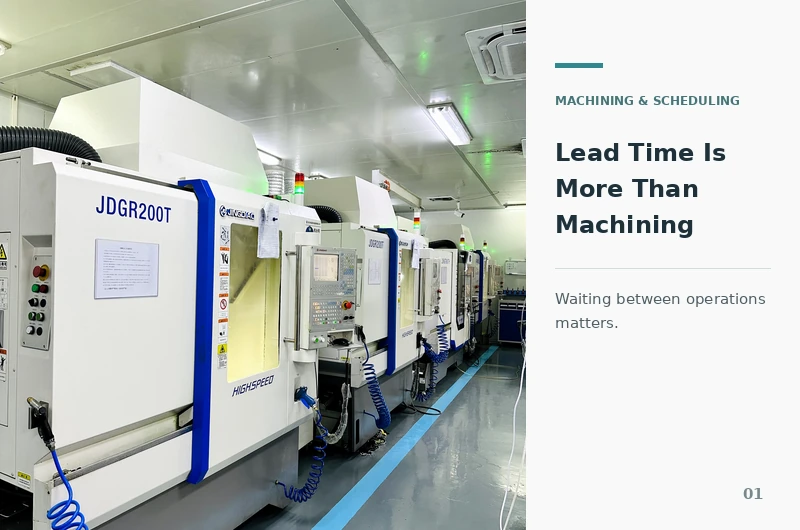
The component may first be cut, ground, machined, or lapped to reach the required shape or near-final dimensions. For flat windows and substrates, lapping may be used to improve flatness and parallelism before polishing.
YISHUN Optical provides precision optical polishing and lapping capabilities for components that require both geometry control and surface finishing.
3. Rough Polishing
Rough polishing removes fine damage left by previous processes and starts improving the surface. The goal is to prepare a consistent surface for finer polishing steps.
4. Fine Polishing
Fine polishing uses more controlled abrasives, pads, slurry, pressure, motion, and time. This stage is critical for reducing surface roughness and improving optical surface quality.
5. Cleaning
After polishing, components must be carefully cleaned. Residual slurry, particles, or fingerprints can create scratches, coating problems, or inspection failures.
6. Inspection
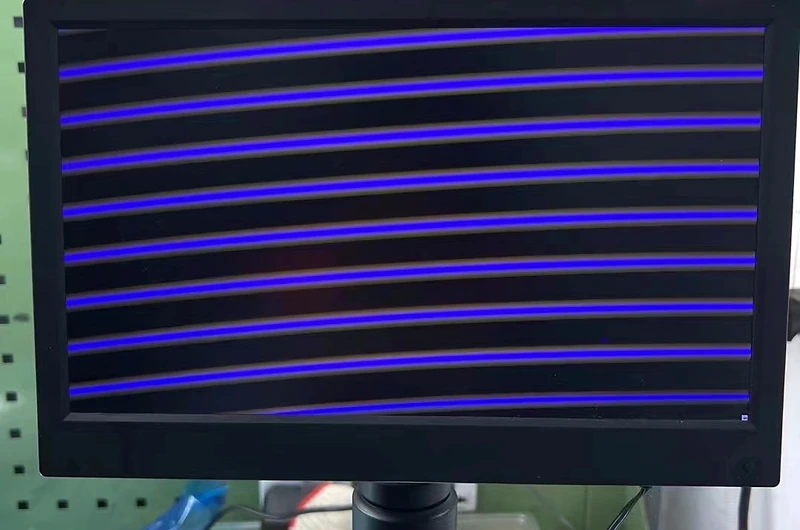
Inspection confirms whether the component meets the required surface and dimensional specifications. Depending on the part, inspection may involve visual checks, roughness measurement, flatness measurement, thickness measurement, surface defect inspection, or other optical metrology methods.
7. Packaging
Polished optical components require protective packaging to reduce scratches, edge damage, and contamination during shipment.
Key Specifications for Optical Component Polishing
When purchasing optical polishing services, buyers should define the required specifications clearly. Vague requirements such as “high quality polish” or “optical grade” can create misunderstanding.
| Specification | Meaning | Why It Matters |
| Material | Glass, fused silica, quartz, sapphire, ceramic, etc. | Determines process difficulty and polishing method |
| Surface roughness | Microscopic surface texture | Affects scattering, clarity, coating, and reflection |
| Flatness | Deviation from a flat plane | Important for windows, mirrors, substrates, and bonding surfaces |
| Parallelism | Alignment of opposite surfaces | Important for windows, plates, and optical path stability |
| Scratch-dig | Visual surface defect standard | Helps control scratches and pits |
| Dimensional tolerance | Length, width, diameter, thickness, radius | Ensures assembly compatibility |
| Edge quality | Chamfer, bevel, chip control | Reduces handling and installation risks |
| Coating requirement | Whether coating follows polishing | Affects cleaning and surface preparation |
| Application | How the component will be used | Helps supplier prioritize functional requirements |
A complete polishing specification should include material, drawing, dimensions, surface roughness, flatness, scratch-dig, edge quality, coating needs, and final application.
Common Defects in Optical Polishing
Optical polishing requires careful process control. Some defects may be visible, while others may only affect performance during testing or assembly.
| Defect | Possible Cause | Potential Impact |
| Scratches | Particles, poor cleaning, abrasive contamination | Scattering, visual defects, coating issues |
| Edge chips | Brittle material, poor handling, aggressive processing | Assembly risk, part rejection, crack growth |
| Haze | Incomplete polishing, contamination, material behavior | Reduced clarity and transmission |
| Pits or digs | Material defects, grinding damage, abrasive issues | Surface quality failure |
| Uneven polish | Poor pressure control, fixture problems | Optical inconsistency |
| Poor flatness | Inadequate lapping, stress, thin part deformation | Assembly or optical path problems |
| Subsurface damage | Previous grinding or cutting damage | May affect reliability or final surface quality |
A capable supplier should understand how to reduce these risks through process planning, cleaning control, inspection, and careful handling.
How to Choose an Optical Component Polishing Supplier
Choosing a polishing supplier should be based on process capability, material experience, inspection methods, and communication quality.
Material and Component Experience
Confirm whether the supplier has experience with the specific type of optical component you need, such as windows, lenses, mirrors, filters, substrates, or custom precision parts. Experience with one component type does not automatically mean the supplier can process all optical geometries.
Combined Polishing and Lapping Capability
Many optical windows, substrates, and mirrors require lapping before polishing. A supplier with both capabilities can better control flatness, parallelism, thickness, and final surface quality.
You can review YISHUN Optical’s optical component polishing and lapping services to evaluate whether the process range matches your project needs.
Inspection Capability
The supplier should be able to inspect the parameters that matter to your project. For example, a window project may need flatness and parallelism inspection. A mirror substrate may need surface roughness and defect control. A lens project may need surface quality review and dimensional verification.
Engineering Communication
A qualified supplier should review your drawing, identify unclear specifications, and suggest practical process options. This is especially important for custom optical parts, prototypes, and low-volume technical projects.
Handling and Packaging
Finished optical surfaces are sensitive to scratches, particles, and fingerprints. Packaging should protect both the polished surfaces and edges during storage and transportation.
For companies seeking custom optical finishing support, YISHUN Optical provides optical polishing and lapping services for technical components used in optical, photonics, laser, and precision instrument applications.
RFQ Checklist for Optical Windows, Lenses and Mirrors
To receive an accurate quotation, buyers should provide clear technical information. The more complete the RFQ, the easier it is for the supplier to evaluate feasibility, cost, and lead time.
| RFQ Information | Why It Is Needed |
| Component type | Window, lens, mirror, prism, substrate, or custom part |
| Material | Determines polishing process and risk level |
| Drawing or CAD file | Defines dimensions, geometry, and tolerances |
| Quantity | Affects process planning and pricing |
| Surface roughness | Defines surface finish requirement |
| Flatness or surface form | Important for optical performance and assembly |
| Parallelism | Important for windows and plates |
| Scratch-dig requirement | Defines acceptable surface defects |
| Edge requirement | Helps control chips and handling damage |
| Coating requirement | Determines surface preparation and cleanliness needs |
| Application | Helps supplier understand functional priorities |
| Inspection requirement | Defines acceptance criteria |
For custom projects, it is useful to explain how the component will be used. A supplier can often provide better process recommendations when the functional purpose is clear.
Conclusion
Precision polishing for optical windows, lenses, and mirrors plays a critical role in optical performance, surface quality, coating readiness, and assembly reliability. Although these components may look similar from a manufacturing perspective, their polishing priorities are different. Windows often require transmission, flatness, and parallelism control. Lenses require surface quality and optical form control. Mirrors require smooth, stable, and coating-ready reflective surfaces.
For B2B buyers, the key is to define polishing requirements clearly and choose a supplier that understands both the material and the application. Surface roughness, scratch-dig, flatness, parallelism, edge quality, and inspection methods should be discussed before production begins.
If your project requires optical window polishing, lens polishing, mirror polishing, or custom optical component polishing, YISHUN Optical can support your project with precision optical polishing and lapping services from requirement review to finished component delivery.
FAQ
What is optical component polishing?
Optical component polishing is a precision finishing process used to improve surface quality, roughness, clarity, flatness, and optical performance of components such as optical windows, lenses, mirrors, filters, and substrates.
Why is optical window polishing important?
Optical window polishing is important because it affects transmission, scattering, surface clarity, flatness, parallelism, coating quality, and assembly reliability. Poor polishing may lead to haze, scratches, beam deviation, or coating defects.
What is the difference between lens polishing and mirror polishing?
Lens polishing focuses on optical clarity, surface quality, and surface form for focusing or imaging. Mirror polishing focuses on smoothness, form accuracy, defect control, and preparation for reflective coating or direct reflective use.
What materials can be used for optical polishing services?
Common materials include optical glass, quartz, fused silica, sapphire, optical crystals, ceramics, and selected mirror substrates. The right polishing process depends on hardness, brittleness, geometry, and final application.
Do optical windows need lapping before polishing?
Many optical windows benefit from lapping before polishing, especially when flatness, parallelism, or thickness uniformity is important. Lapping controls geometry, while polishing improves the final surface quality.
What specifications should I provide for optical component polishing?
A useful RFQ should include material, drawing, dimensions, quantity, surface roughness, flatness, parallelism, scratch-dig requirement, edge quality, coating needs, application, and inspection requirements.
Can polishing remove scratches from optical components?
Polishing can remove many fine scratches and surface defects, but deep scratches, chips, cracks, or subsurface damage may require additional processing or may not be repairable. The supplier should inspect the part before confirming feasibility.