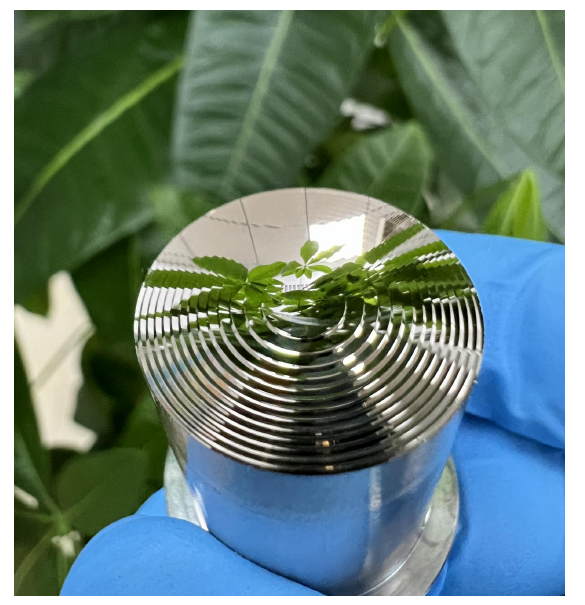
Lead time in optical polishing typically ranges from 4 to 12 weeks, depending on the material’s hardness, the complexity of the component’s geometry, and the required surface precision (such as λ/10 or better). While standard glass components may be processed quickly, high-precision aspheres or exotic materials like Silicon Carbide require significantly longer iterative cycles. Understanding the variables that drive these timelines—such as metrology feedback loops and material removal rates—is essential for project managers and engineers to optimize their supply chains and reduce time-to-market.
Table of Contents
- Understanding Lead Time in Precision Optics
- Key Factors Influencing Optical Polishing Lead Times
- The Optical Polishing Workflow: A Step-by-Step Breakdown
- Strategies to Reduce Lead Time Without Sacrificing Quality
- The Role of CNC and MRF in Accelerating Production
- Conclusion: Balancing Precision and Speed
Understanding Lead Time in Precision Optics
In the realm of precision optical manufacturing, “lead time” refers to the total duration from the moment a purchase order is placed to the final delivery of the polished component. Unlike mass-produced mechanical parts, optical elements require a high degree of craftsmanship and technical validation. The polishing phase is often the most time-consuming portion of the production cycle because it involves the atomic-level removal of material to achieve specific surface roughness and wavefront error targets.
Industry standards fluctuate based on market demand and raw material availability. For instance, during periods of high demand for Fused Silica or specialized infrared crystals, the “pre-polishing” phase (material sourcing) can add weeks to the overall schedule. To manage expectations, it is vital to distinguish between quoted lead time and actual processing time, the latter of which is dictated by the physical limits of the polishing slurry and the material’s wear resistance.
Key Factors Influencing Optical Polishing Lead Times
Several variables can either accelerate or bottleneck the polishing process. Identifying these early in the design phase can help in setting realistic milestones.
1. Material Selection
The Knoop hardness and chemical stability of the substrate play a massive role. Softer glasses like BK7 are relatively easy to polish, whereas harder materials like Sapphire or Ceramics require specialized diamond abrasives and longer dwell times. See the table below for a comparison:
| Material Type | Relative Hardness | Typical Polishing Difficulty | Estimated Time Impact |
|---|---|---|---|
| N-BK7 / S-BSL7 | Low | Standard | Baseline |
| Fused Silica | Moderate | Moderate | +1-2 Weeks |
| Sapphire / Al2O3 | High | Difficult | +3-5 Weeks |
| Silicon Carbide | Very High | Extremely Difficult | +6+ Weeks |
2. Geometric Complexity
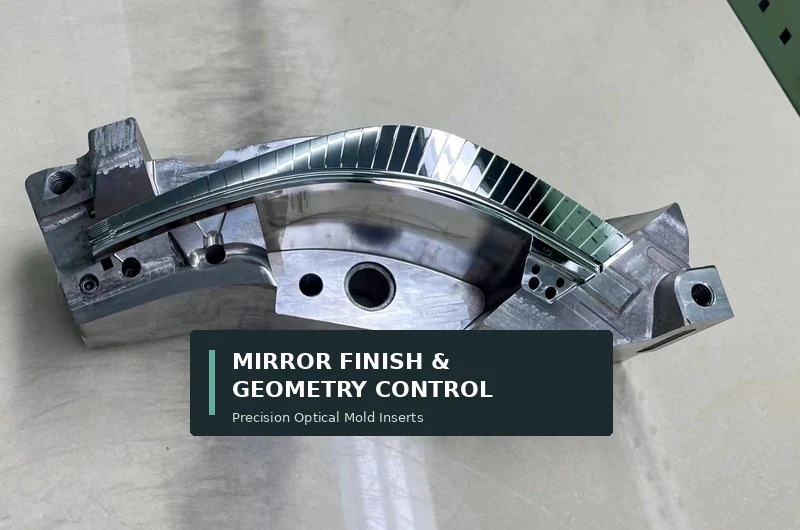
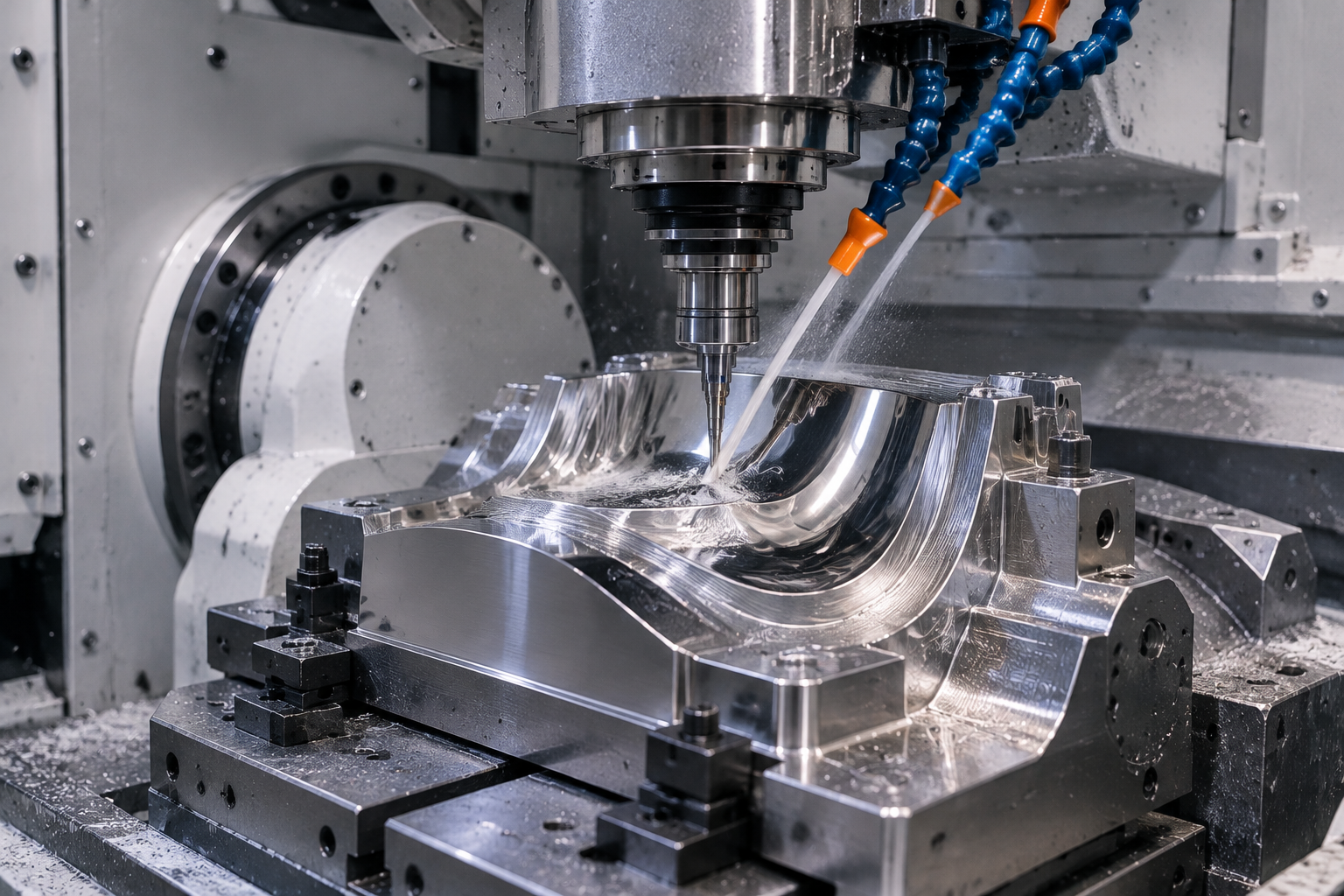
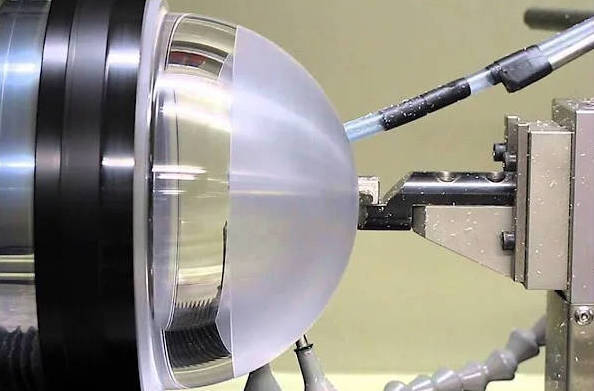
Flat surfaces and simple spherical curves are faster to polish because they allow for full-aperture polishing techniques. Conversely, aspheric lenses, off-axis parabolas, or cylinders require sub-aperture polishing or CNC-controlled tools. These methods are inherently slower because the tool only contacts a small portion of the surface at any given time, necessitating multiple passes to achieve the final figure.
3. Tolerance Specifications
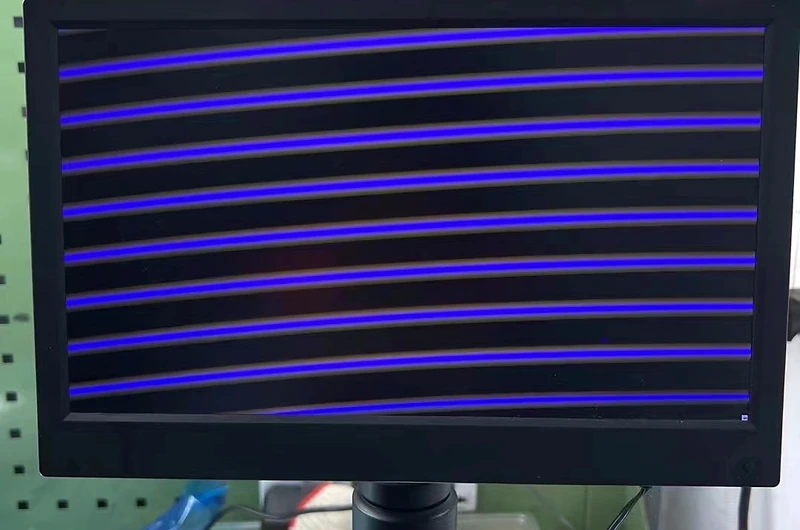
There is an exponential relationship between precision and time. A surface spec of λ/4 (quarter-wave) is standard and relatively fast. However, moving to λ/20 or λ/40 precision requires an “iterative metrology” approach. This means the technician must polish for a short duration, clean the part, measure it on an interferometer, analyze the data, and repeat. Each iteration adds hours or days to the process.
The Optical Polishing Workflow: A Step-by-Step Breakdown
To understand why lead times are what they are, one must look at the optical fabrication workflow. It is not a single continuous action but a series of delicate stages:
1. Generating and Grinding: The raw glass blank is shaped into its near-net form. This stage removes the bulk of the material but leaves “sub-surface damage” (SSD) that must be removed in subsequent steps. If the grinding is too aggressive, it can lead to deep fractures that prolong the polishing stage.
2. Pre-Polishing (Graying): This stage uses medium-grade abrasives to transition the surface from a ground finish to a semi-transparent state. The goal here is to remove all SSD from the grinding phase. Any shortcuts taken here will reappear as defects during final inspection.
3. Final Polishing and Figuring: Using cerium oxide or pitch polishing, the technician refines the surface roughness (RMS) and form error (PV). This is where the “art” of optics meets science. Environmental factors like cleanroom temperature and slurry pH levels must be strictly controlled to prevent scratches or “sleeks.”
Strategies to Reduce Lead Time Without Sacrificing Quality
Reducing lead time is often a matter of communication and Design for Manufacturing (DfM). Here are the most effective ways to speed up your optics procurement:
- Optimize Tolerances: Do not over-specify. If your application only requires λ/2 precision, requesting λ/10 will unnecessarily double your lead time and cost. Always align your specs with the functional requirements of the system.
- Standardize Materials: Whenever possible, use “off-the-shelf” glass types that the manufacturer keeps in stock. Custom melts of exotic glass can add 8-12 weeks just for material delivery.
- Provide Clear Metrology Requirements: Specify exactly how the part should be measured. If the manufacturer knows the expected test setup (e.g., 632.8nm interferometry), they can calibrate their process more efficiently.
- Early Engagement: Involve the optical engineer during the prototyping phase. They can often suggest small design changes—such as slightly altering a radius of curvature—that allow for more efficient batch processing.
The Role of CNC and MRF in Accelerating Production
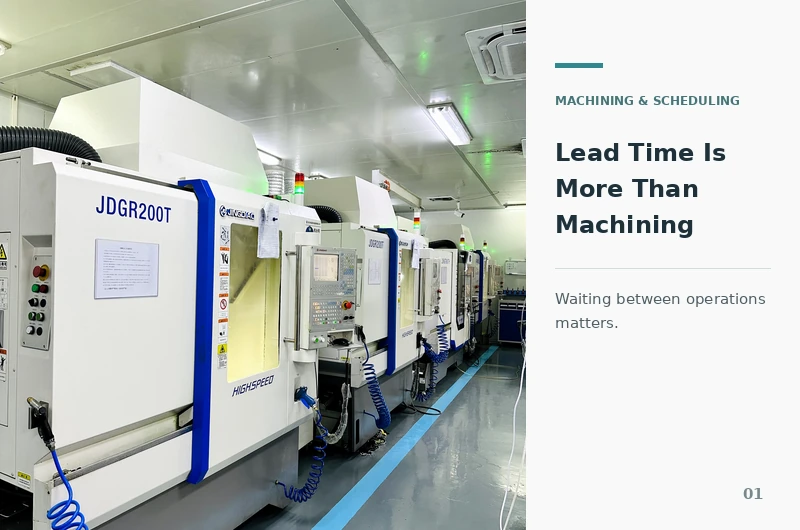
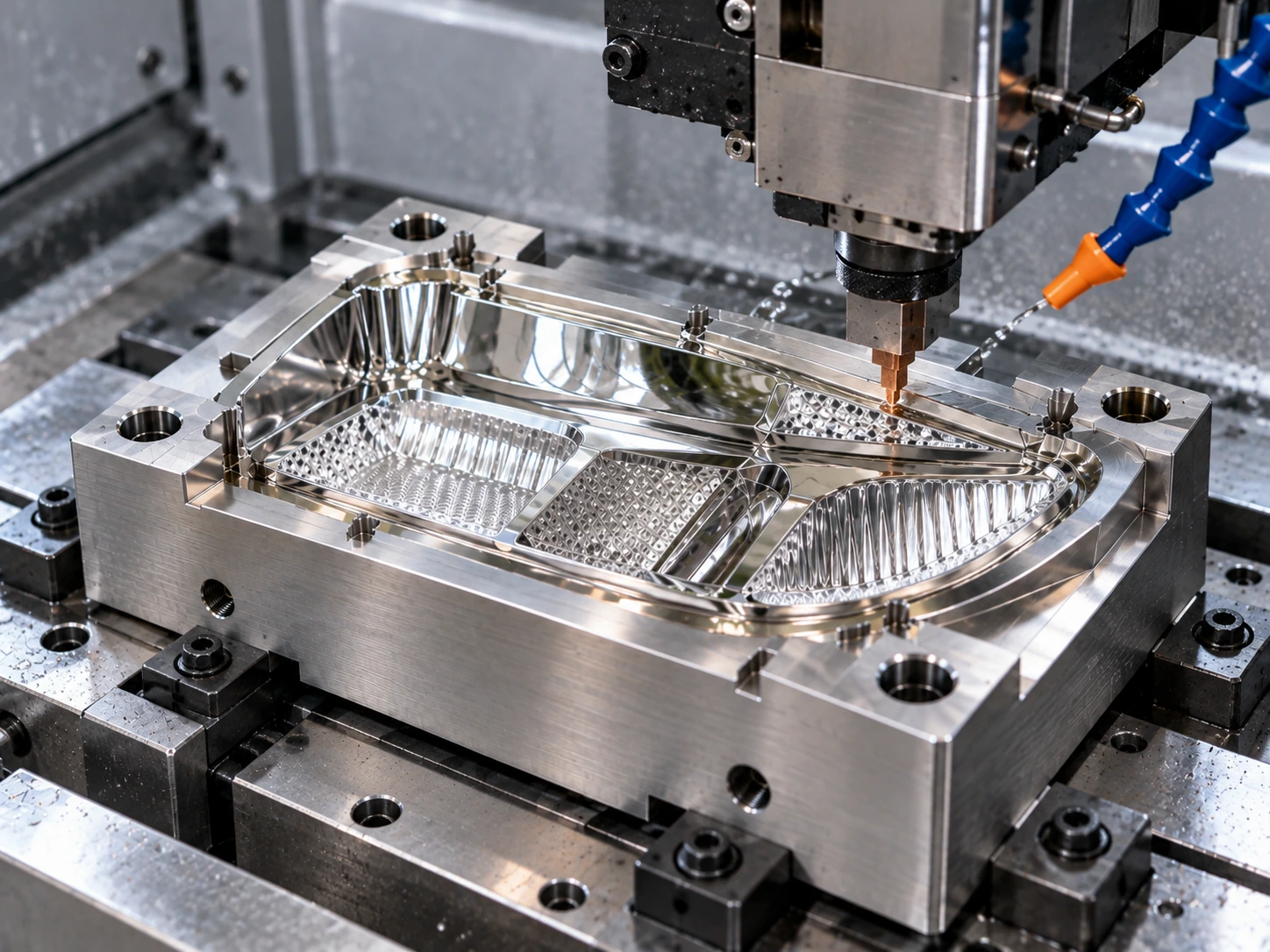
Modern technology has revolutionized optical finishing. Traditional pitch polishing is highly dependent on operator skill, which can be a bottleneck. In contrast, CNC Optical Polishing and Magnetorheological Finishing (MRF) offer predictable, deterministic results.
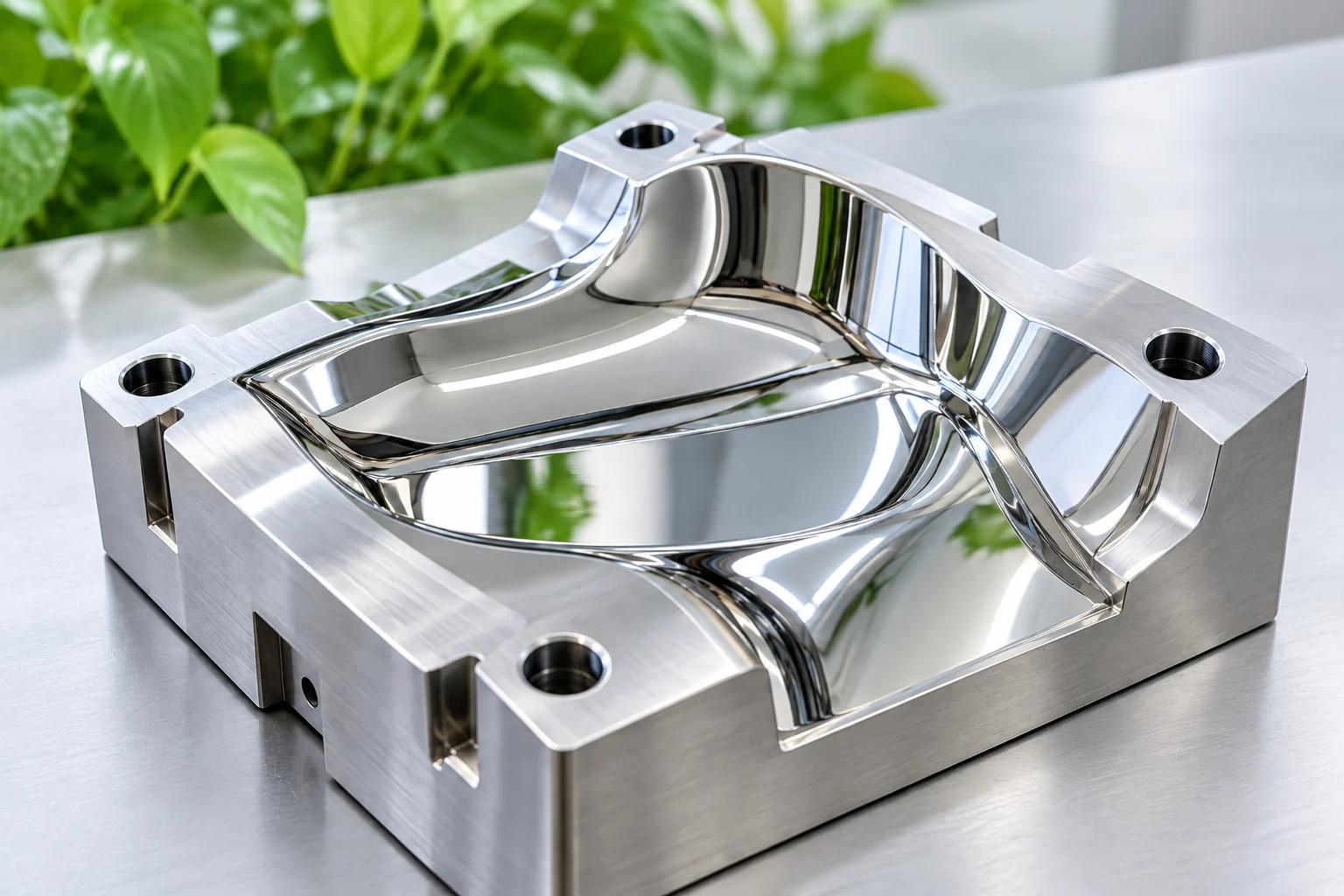
MRF technology uses a magnetic fluid to polish the surface. Because the process is computer-controlled, it can correct specific high spots on a lens with extreme accuracy. While the setup time for MRF is higher, the number of iterations required to reach a high-precision spec is drastically reduced. For complex geometries like aspheres, MRF is often the only way to meet tight deadlines while maintaining sub-nanometer surface finishes.
Conclusion: Balancing Precision and Speed
In the world of high-end optics, time is a function of complexity. While optical polishing lead times can seem daunting, they are a reflection of the rigorous steps required to ensure light behaves exactly as intended. By selecting the right materials, avoiding over-tolerancing, and utilizing advanced manufacturing technologies like MRF, companies can significantly compress their production schedules. Ultimately, the best way to reduce lead time is through a transparent partnership with your optical fabricator, ensuring that every design choice is optimized for both performance and manufacturability.
optical polishing lead time, reduce lead time in optics, precision optical manufacturing, surface roughness, figuring, MRF polishing, optical fabrication workflow, aspheric lens polishing, surface precision, CNC optical polishing, optics procurement, design for manufacturing optics