When selecting a lapping service provider, the stakes are incredibly high. Precision lapping is often the final stage in the manufacturing process, meaning any error can result in the loss of expensive, pre-machined components. To ensure your project meets exacting specifications for flatness, parallelism, and surface finish, you must vet your partner thoroughly.
The top 10 questions to ask include:
1. What are your achievable tolerances?
2. What quality certifications (ISO/AS) do you hold?
3. Do you have experience with my specific material?
4. What metrology equipment do you use for verification?
5. Can you handle my production volume?
6. What is your typical lead time?
7. Do you offer secondary finishing services?
8. How do you handle part cleaning and packaging?
9. What is your technical support process?
10. Can you provide case studies or references?
Table of Contents
- Technical Capabilities and Precision Limits
- Quality Management and Certifications
- Material Compatibility and Experience
- Metrology and Measurement Verification
- Scalability, Volume, and Lead Times
- Operational Excellence: Cleaning and Logistics
- Conclusion: Making the Final Decision
1. What are your achievable tolerances for flatness and parallelism?
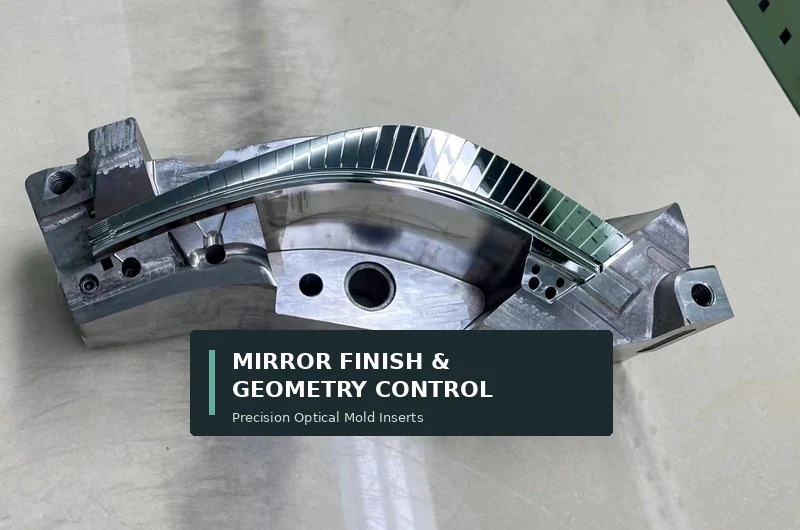
The primary reason for seeking precision lapping services is to achieve geometric dimensions that standard milling or grinding cannot reach. You must ask a potential provider for their specific limits. A high-tier provider should be able to discuss tolerances in terms of light bands or microns. If your project requires flatness within 0.00001″, you need to know if their equipment is capable of maintaining that consistency across a large batch.
Beyond simple flatness, ask about parallelism. In many dual-sided lapping applications, the relationship between two surfaces is just as critical as the finish of a single side. A provider who understands the nuances of simultaneous double-sided lapping will be better equipped to prevent “potato-chipping” or stress-induced warping in thin substrates.
2. What quality certifications and standards do you adhere to?
In industries such as high-reliability optical, medical device manufacturing, and, ISO 9001:2015 or ISO 9001 certifications are non-negotiable. These certifications demonstrate that the provider has a documented Quality Management System (QMS). When you ask this question, you are looking for more than just a certificate on the wall; you want to know how they handle non-conforming parts and how they ensure traceability throughout the production cycle.
Ask specifically about their Corrective and Preventive Action (CAPA) procedures. A reliable partner will have a transparent method for identifying the root cause of any deviation from specifications. This level of accountability is what separates a world-class contract lapping service from a general machine shop that happens to have a lapping machine.
3. What is your experience with my specific material?
Lapping is not a one-size-fits-all process. The abrasive slurry and plate material used for ceramic lapping are vastly different from those used for stainless steel or copper. Asking about material experience is vital because different materials react uniquely to heat and pressure during the abrasive process. Hard materials like tungsten carbide require diamond abrasives, while softer materials may require specialized aluminum oxide or silicon carbide blends to avoid embedding particles into the surface.
| Material Category | Common Applications | Lapping Challenge |
|---|---|---|
| Advanced Ceramics | Semiconductors, Seals | Brittleness and edge chipping |
| Optical Glass | Lenses, Prisms | Sub-surface damage control |
| Ferrous Metals | Automotive, Hydraulics | Heat dissipation and oxidation |
| Exotic Alloys | high-reliability optical, | Work hardening and stress relief |
4. What metrology equipment do you use to verify finished results?
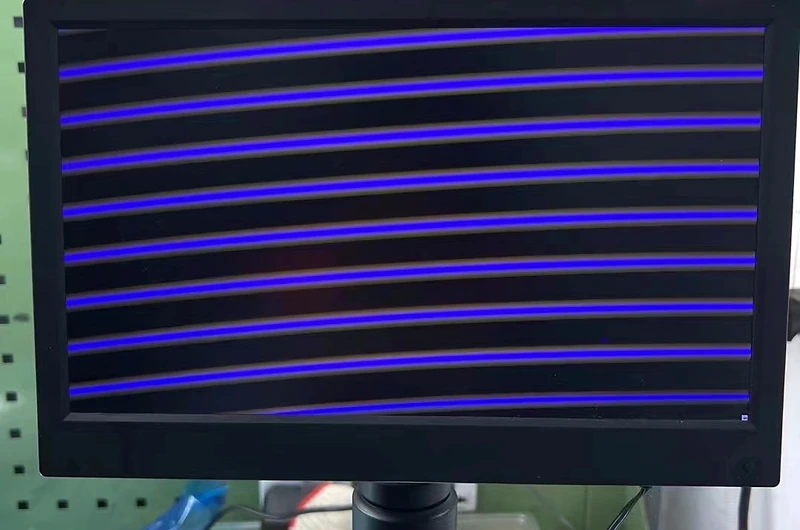
A provider can only claim a tolerance that they can accurately measure. Ask if they use monochromatic light sources and optical flats for flatness testing, or if they utilize advanced CMM (Coordinate Measuring Machines) and interferometry. If they cannot provide a detailed inspection report that correlates with your internal metrology standards, you risk a high rejection rate once the parts reach your facility.
Furthermore, inquire about the calibration frequency of their instruments. Professional lapping services should have their gauges and measurement tools calibrated to NIST-traceable standards. This ensures that the “zero” on their shop floor is the same as the “zero” in your quality lab, facilitating a seamless supply chain integration.
5. Can you handle my production volume and what are your lead times?
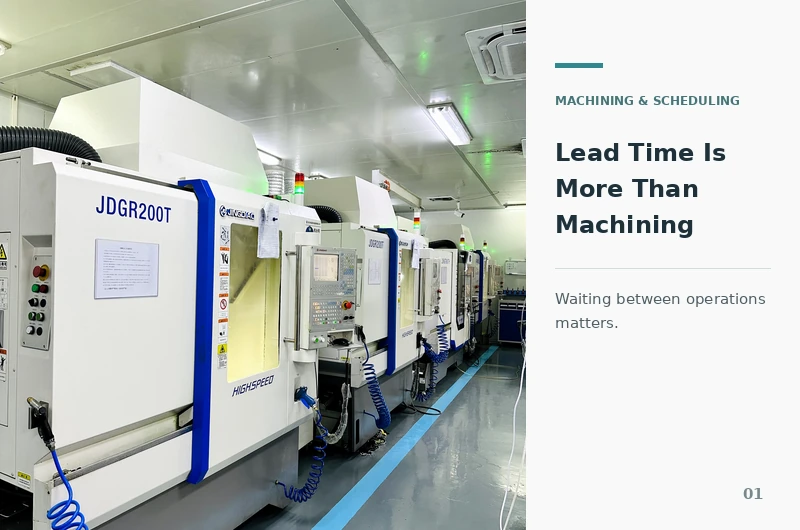
A shop that excels at prototyping one or two complex parts might struggle with a purchase order for 10,000 units. You must determine if they have the machine capacity—specifically the number of plates and plate diameters—to meet your throughput requirements. Ask about their shift structure and how they manage “rush” orders without compromising the quality of existing jobs.
Lead times are a critical component of your Time-to-Market (TTM). In the current global economy, supply chain disruptions are common. Ask your provider how they manage consumables (slurries, vehicle oils, and plates) to ensure that your project won’t be delayed by a lack of raw materials. A transparent provider will give you a realistic timeline rather than a “best-case scenario” estimate.
6. How do you handle part cleaning, deburring, and packaging?
Lapping is inherently a “dirty” process involving abrasive slurries. If parts are not cleaned immediately and correctly, the slurry can dry and become extremely difficult to remove, or worse, cause corrosion. Ask about their ultrasonic cleaning capabilities and what chemical solvents they use to ensure parts are delivered in a “ready-to-use” state.
Additionally, packaging is often overlooked but critical for lapped parts. Because lapped surfaces are so precise, they are highly susceptible to scratches and “clinking” during transit. Ensure the provider uses VCI (Volatile Corrosion Inhibitor) paper for ferrous metals and individual partitioned packaging to prevent surface-to-surface contact. This attention to detail protects your investment during shipping.
Conclusion: Making the Final Decision
Choosing the right lapping service provider requires a balance of technical capability, quality rigor, and clear communication. By asking these ten questions, you move beyond surface-level quotes and delve into the operational integrity of the company. A partner who can answer these questions with data-driven confidence will likely provide the high-precision finishes and reliability your project demands. Remember, the cheapest option is rarely the most cost-effective if it results in scrapped parts or delayed assemblies. Prioritize EEAT (Experience, Expertise, Authoritativeness, and Trustworthiness) to ensure a successful long-term manufacturing partnership.