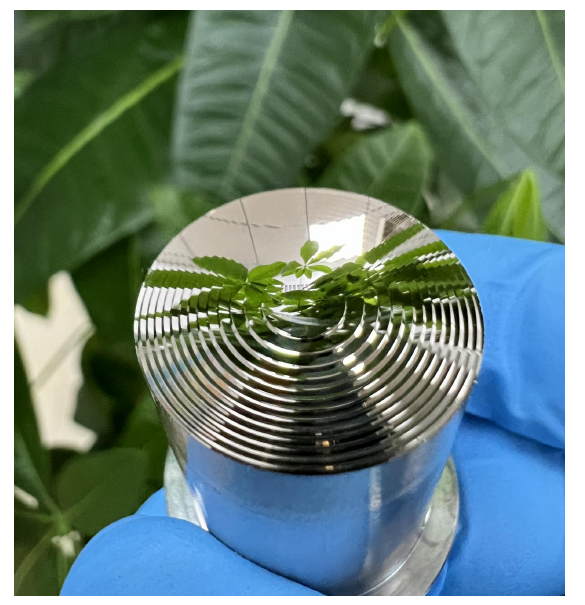
To evaluate an optical polishing service supplier effectively, you must assess their technical metrology capabilities, material expertise, quality management certifications (such as ISO 9001), and their ability to meet specific surface roughness and flatness tolerances. A reliable supplier should provide interferometric data and profilometer reports to validate that components meet Angstrom-level requirements. Choosing the right partner involves auditing their production scalability, from rapid prototyping to high-volume manufacturing, ensuring they possess the specialized equipment necessary for your specific glass or crystalline substrates.
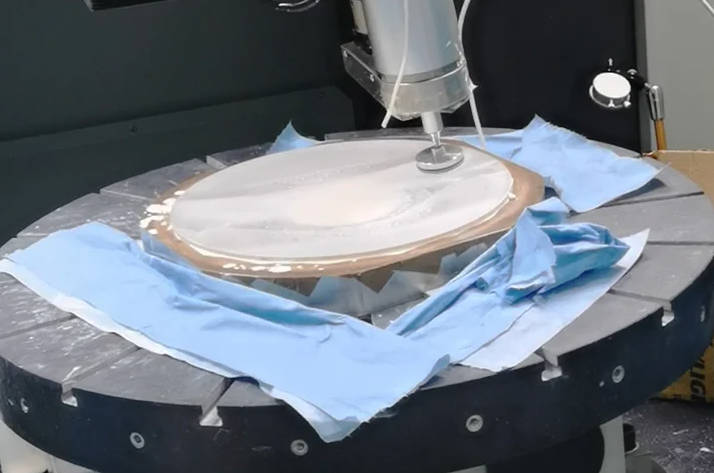
Table of Contents
- Assessing Technical Capabilities and Machinery
- Metrology and Quality Assurance Protocols
- Material Versatility and Handling Procedures
- Operational Reliability and Lead Time Management
- Engineering Support and Design for Manufacturing (DFM)
- Comprehensive Supplier Evaluation Checklist
Assessing Technical Capabilities and Machinery
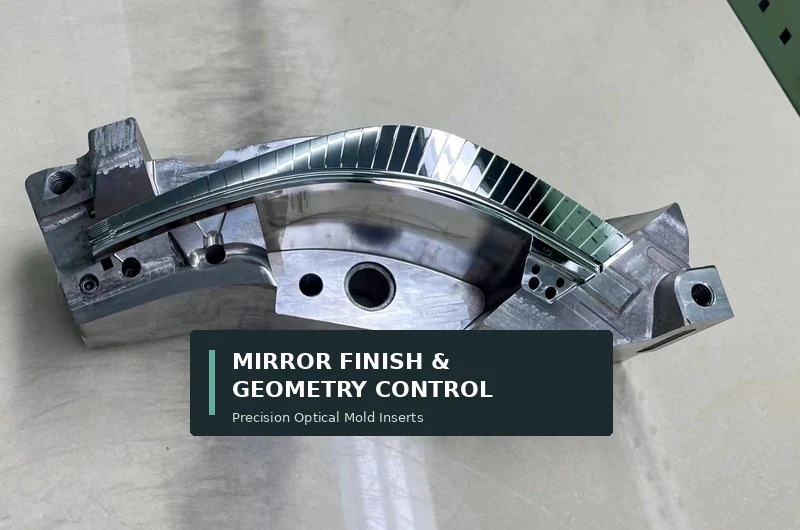
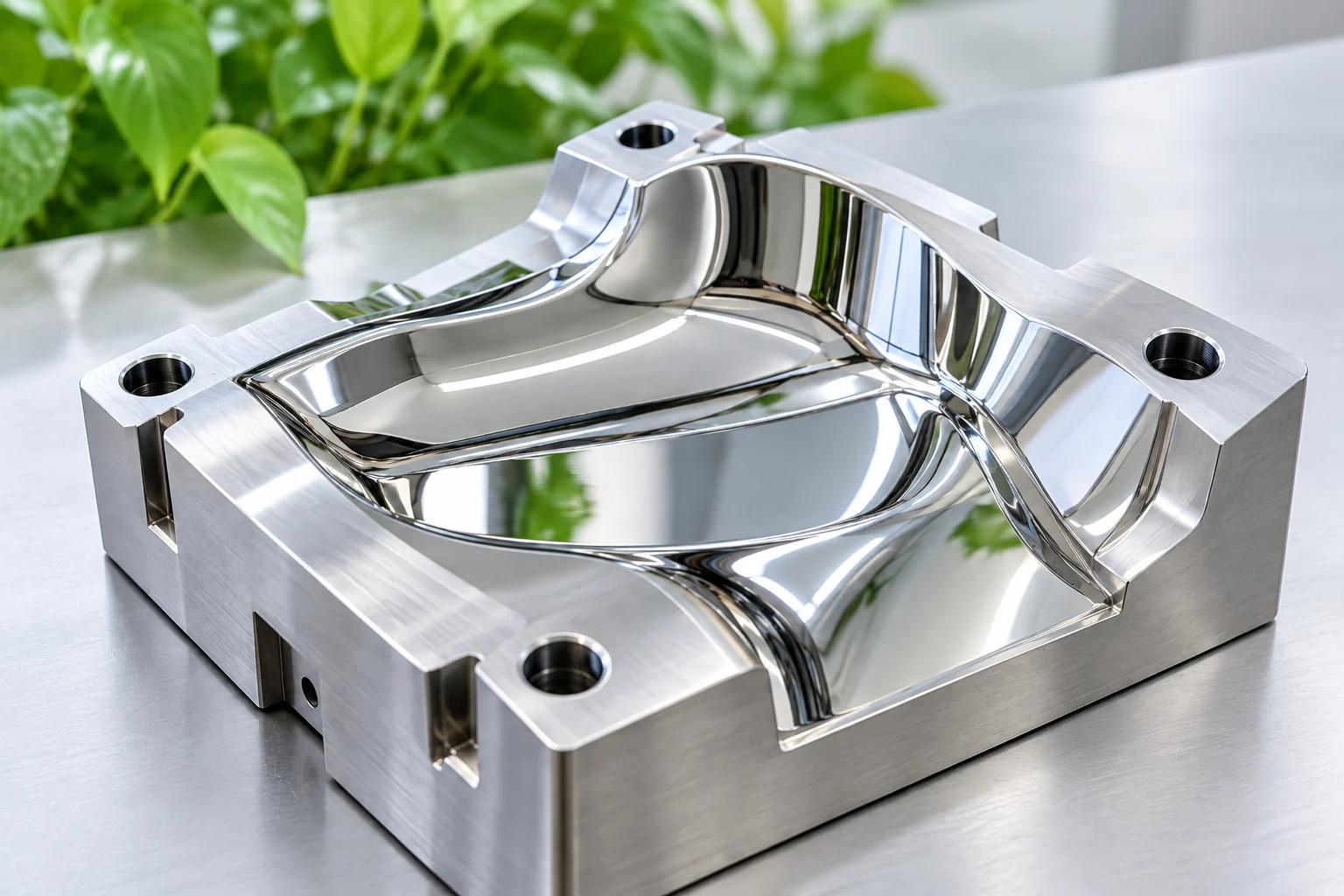
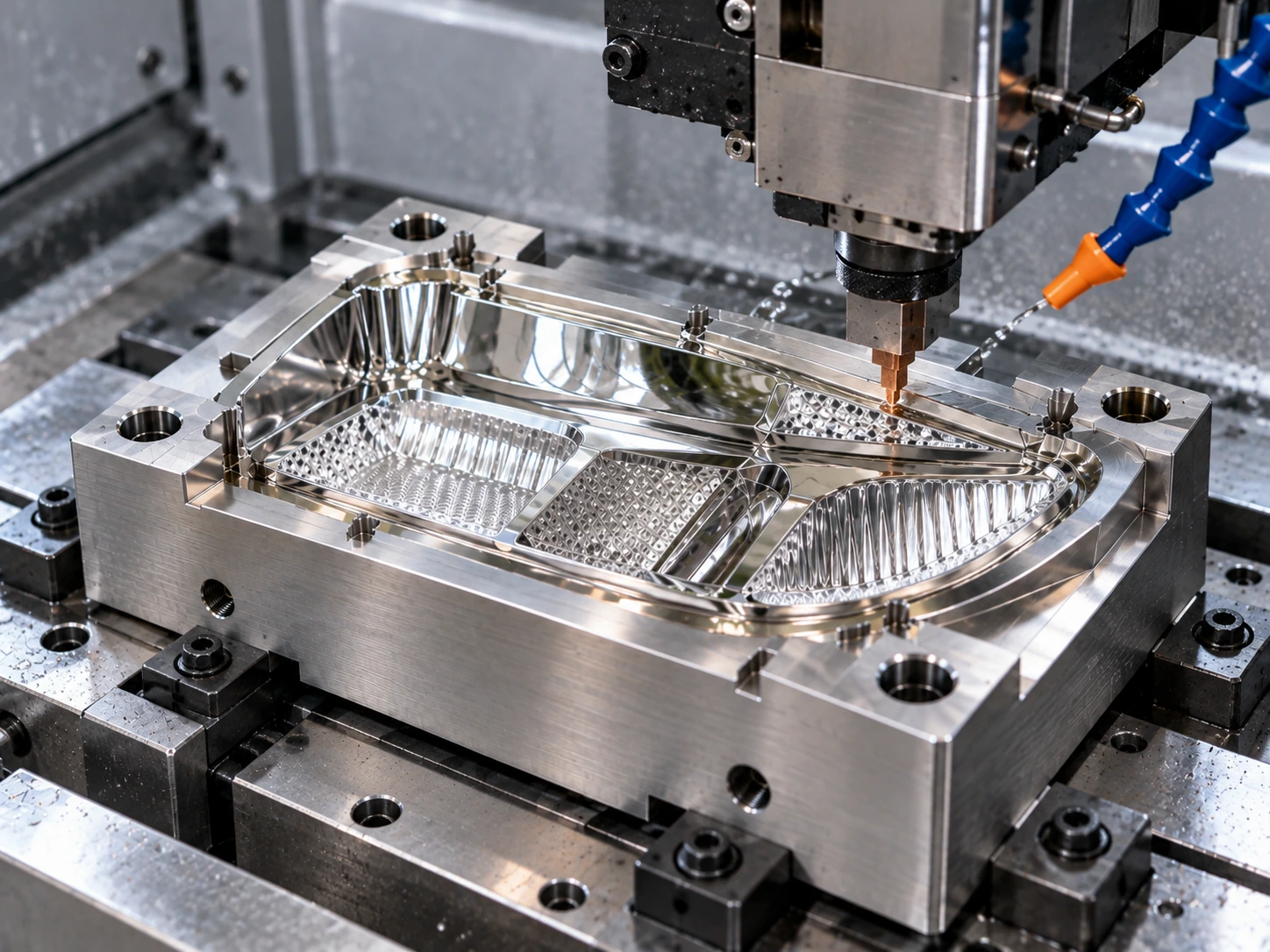
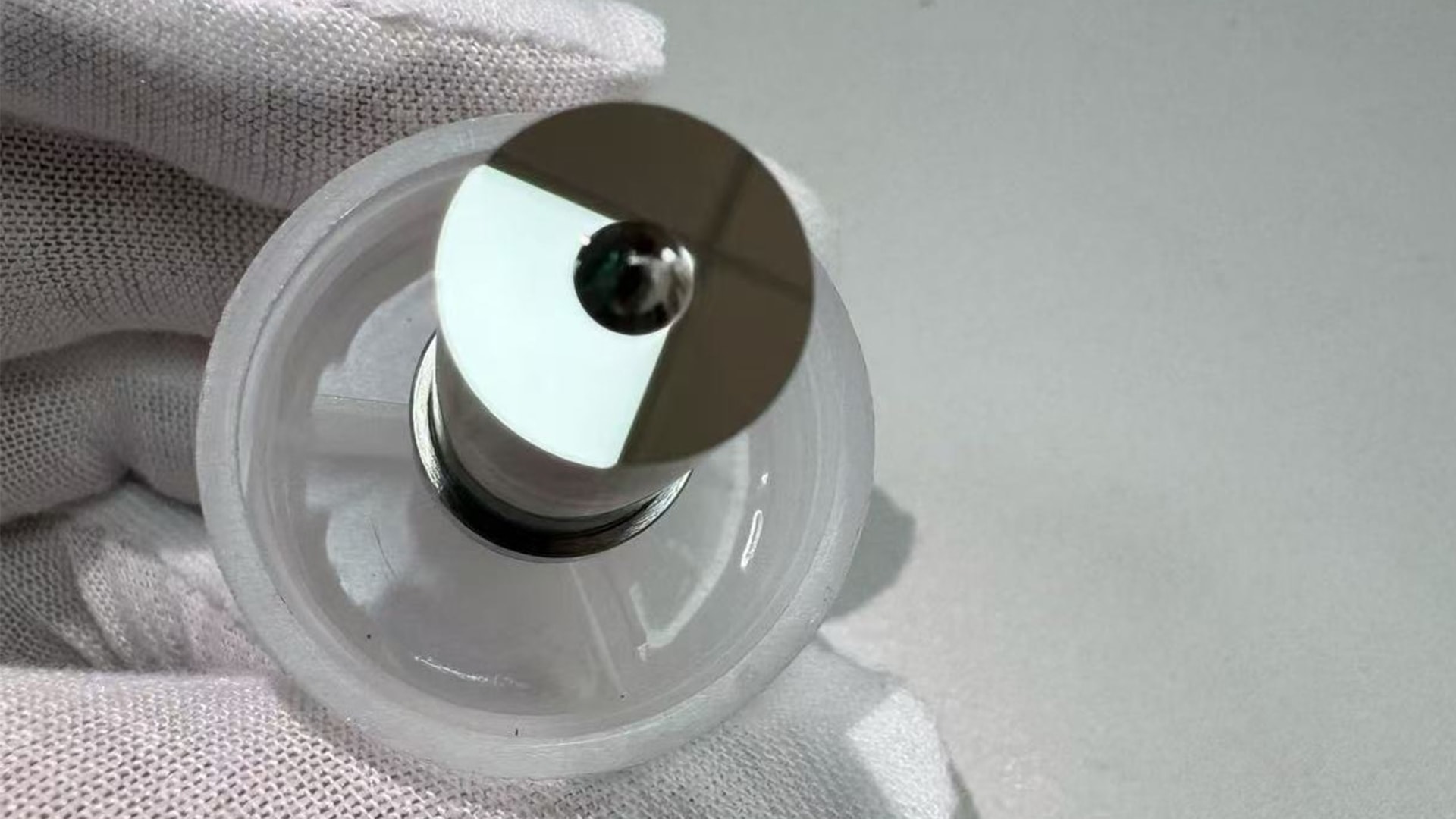
The foundation of any high-precision optical component lies in the machinery used during the fabrication process. When evaluating a supplier, you must inquire about their polishing technologies. Do they utilize traditional pitch polishing for high-precision flat optics, or do they employ advanced Magnetorheological Finishing (MRF) and Computer Numerical Control (CNC) polishing for complex aspheric or freeform surfaces? Pitch polishing remains the gold standard for achieving sub-angstrom surface roughness, whereas MRF is essential for correcting figure errors with extreme deterministic precision.
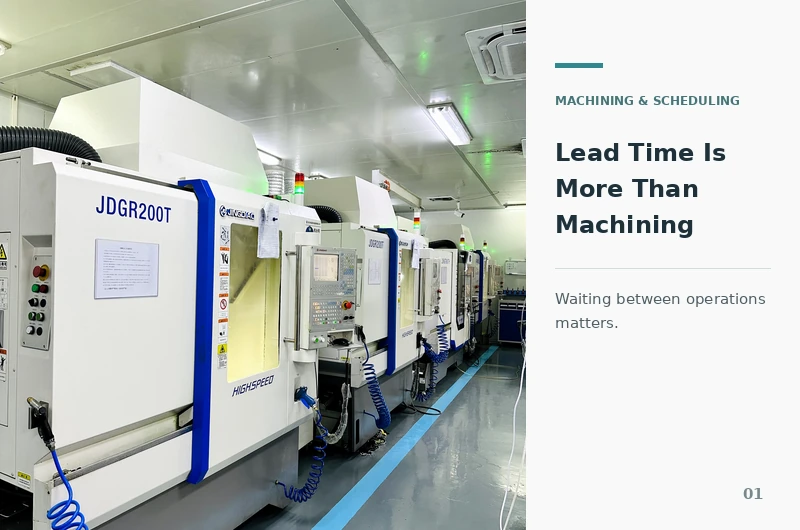
Furthermore, the physical capacity of the facility dictates the size of the optics they can handle. A supplier specialized in micro-optics may lack the large-aperture planetary polishers required for telescope mirrors or high-power laser windows. It is critical to match your project’s dimensional requirements with the supplier’s equipment list. Ask for a detailed equipment manifest to ensure they have the spindle speeds, pressure controls, and environmental stability (temperature and humidity control) necessary to prevent thermal expansion errors during the polishing cycle.
Metrology and Quality Assurance Protocols
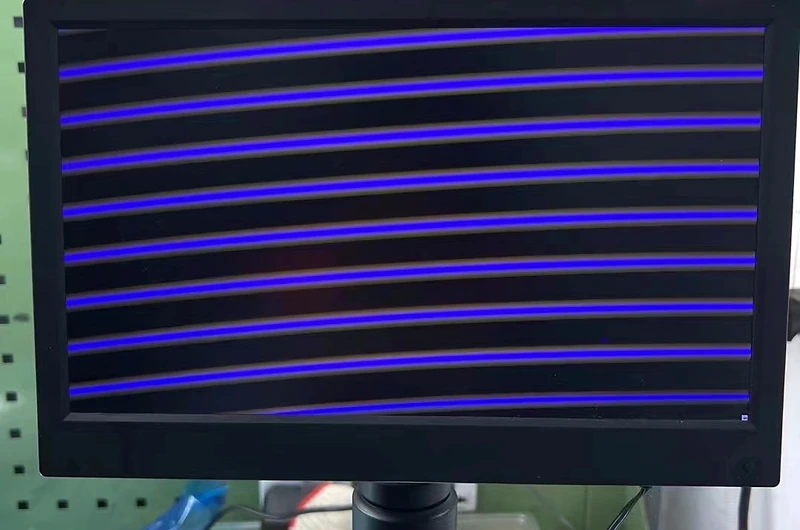
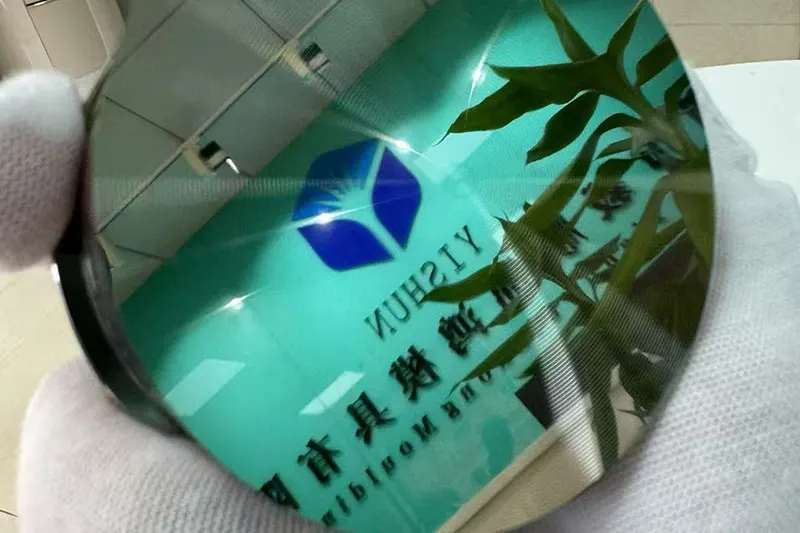
In the world of precision optics, “if you can’t measure it, you can’t make it.” A supplier’s metrology suite is arguably more important than their polishing machines. High-end optical polishing requires sophisticated validation tools, such as laser Fizeau interferometers for measuring surface flatness and wavefront distortion. You should verify if their equipment is regularly calibrated and traceable to national standards (NIST). If your application requires specific surface finishes, ensure they possess white-light interferometers or atomic force microscopes (AFM) to measure micro-roughness in the Angstrom range.
Quality assurance goes beyond just the tools; it involves the documentation and the “Paper Trail.” Does the supplier provide a Certificate of Compliance (CoC) and full test reports with every shipment? You should look for suppliers who implement Statistical Process Control (SPC) to monitor production consistency. This is especially vital for long-term contracts where batch-to-batch repeatability is the primary concern for system integration. An ISO 9001:2015 certification is the baseline, but ISO 9001 certification is often preferred for High-Reliability Optical Systems-grade optical components.
Material Versatility and Handling Procedures
Optical materials range from standard Borosilicate and Fused Silica to exotic Infrared (IR) crystals like Germanium, Zinc Selenide, or Calcium Fluoride. Each material possesses unique mechanical and thermal properties—some are brittle, others are hygroscopic or toxic. A competent optical polishing service must demonstrate a deep understanding of material-specific slurry chemistry and lap materials. For instance, polishing soft crystals requires a different pH-balanced slurry than polishing hard sapphire to avoid surface leaching or scratching.
Inquire about their contamination control protocols. If your project involves high-power laser optics, even microscopic subsurface damage or chemical residue can lead to laser-induced damage (LIDT) failure. The supplier should have dedicated cleaning lines, often involving ultrasonic multi-stage cleaning and cleanroom packaging (Class 1000 or better). Understanding their handling of subsurface damage (SSD) is crucial; they should employ controlled grinding stages to ensure that all fractured layers are completely removed during the final polishing phase.
Operational Reliability and Lead Time Management
Technical prowess is secondary if the supplier cannot meet your production schedule. Evaluating operational reliability involves looking at their supply chain and workforce stability. Do they source raw materials from reputable vendors like Schott, Ohara, or Corning? Dependence on a single material source can introduce significant risks. Ask about their typical lead times for both prototypes and production runs. A supplier that offers “Quick-Turn” services often has a more agile internal scheduling system, which is beneficial for R&D phases.
Financial stability and company history also play a role in long-term partnerships. An established supplier with decades of experience in the photonics industry is more likely to have refined their “tribology”—the science of friction and wear in polishing—than a newcomer. Additionally, consider their location and logistics. International shipping of fragile optics requires specialized custom packaging to prevent “clamshell” fractures or environmental degradation during transit.
Engineering Support and Design for Manufacturing (DFM)
The best suppliers act as an extension of your own engineering team. A high-value optical fabrication partner will provide Design for Manufacturing (DFM) feedback. Often, a slight adjustment in a lens radius or a tolerance spec can significantly reduce the difficulty of polishing, thereby lowering your costs and improving yield. If a supplier blindly accepts an “impossible” print without questioning the tolerances, it is a red flag regarding their technical depth.
Effective communication is the cornerstone of this relationship. Do you have direct access to the optical engineers or master opticians working on your project? During the evaluation phase, gauge their responsiveness and willingness to discuss technical trade-offs. A supplier that suggests alternative materials or polishing methods to achieve your performance goals is demonstrating the expertise and “E-E-A-T” (Experience, Expertise, Authoritativeness, and Trustworthiness) that Google and industry leaders value.
Comprehensive Supplier Evaluation Checklist
Use the following table as a standardized tool during your next supplier audit or RFP (Request for Proposal) process.
| Category | Evaluation Criteria | Weighting |
|---|---|---|
| Technical | Capabilities in CNC, MRF, and Pitch Polishing. | High |
| Metrology | Availability of Interferometry and Profilometry reports. | Critical |
| Quality | ISO 9001/ISO 9001 Certifications and SPC usage. | High |
| Materials | Experience with Glass, IR Materials, and Ceramics. | Medium |
| Capacity | Scalability from prototype to volume production. | Medium |
| Support | DFM feedback and direct engineering contact. | Medium |
In conclusion, evaluating an optical polishing service supplier requires a multi-faceted approach that balances technical specs with operational integrity. By focusing on their metrology validation, material expertise, and proactive communication, you ensure that your optical systems perform to their theoretical limits without unexpected delays or failures.
optical polishing service supplier, precision optical fabrication, optical component manufacturing, surface roughness evaluation, optical metrology checklist, ISO 9001 optics supplier, interferometry validation, CNC optical polishing, pitch polishing vs MRF, optical design for manufacturing, optical material expertise, high-precision flat optics.