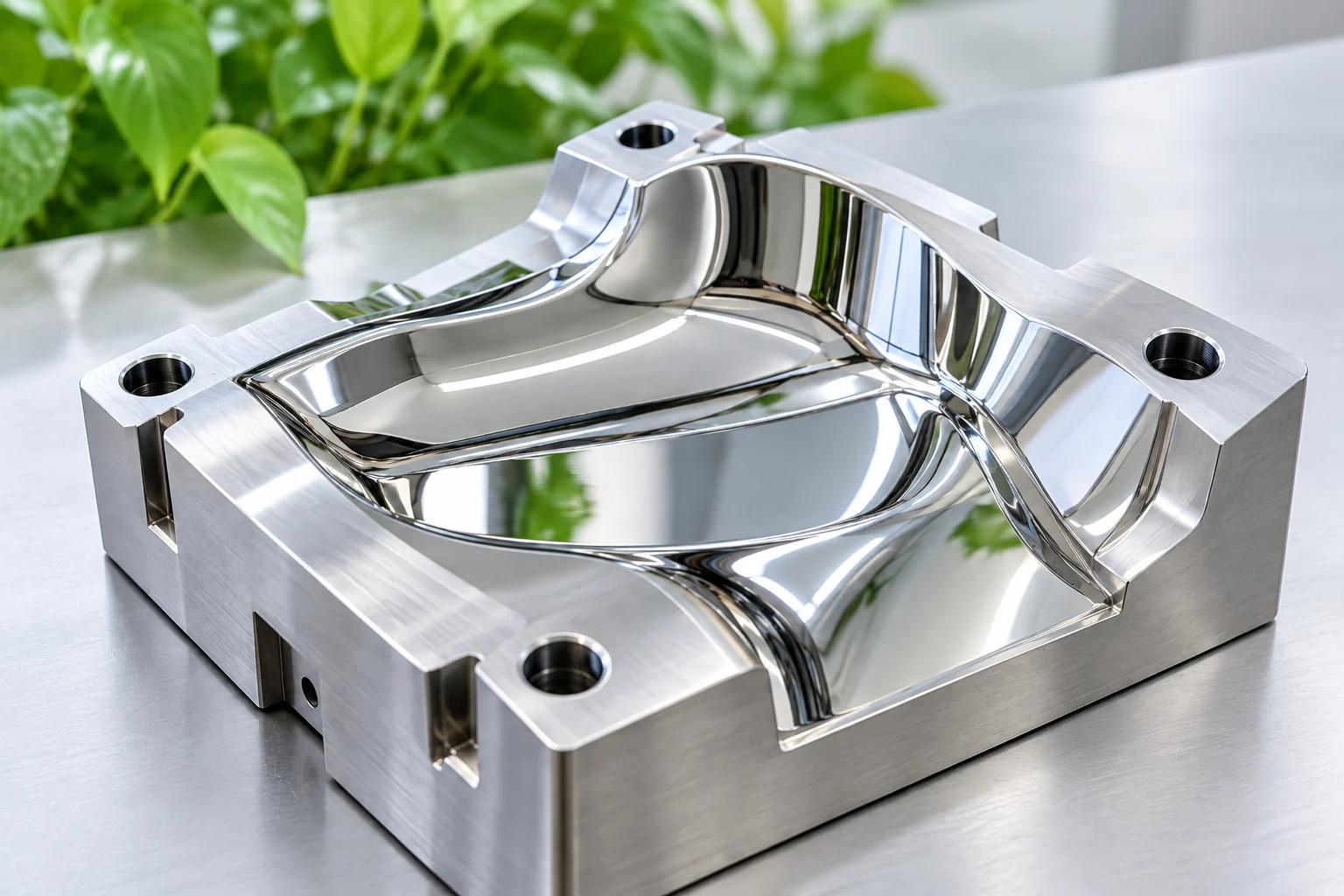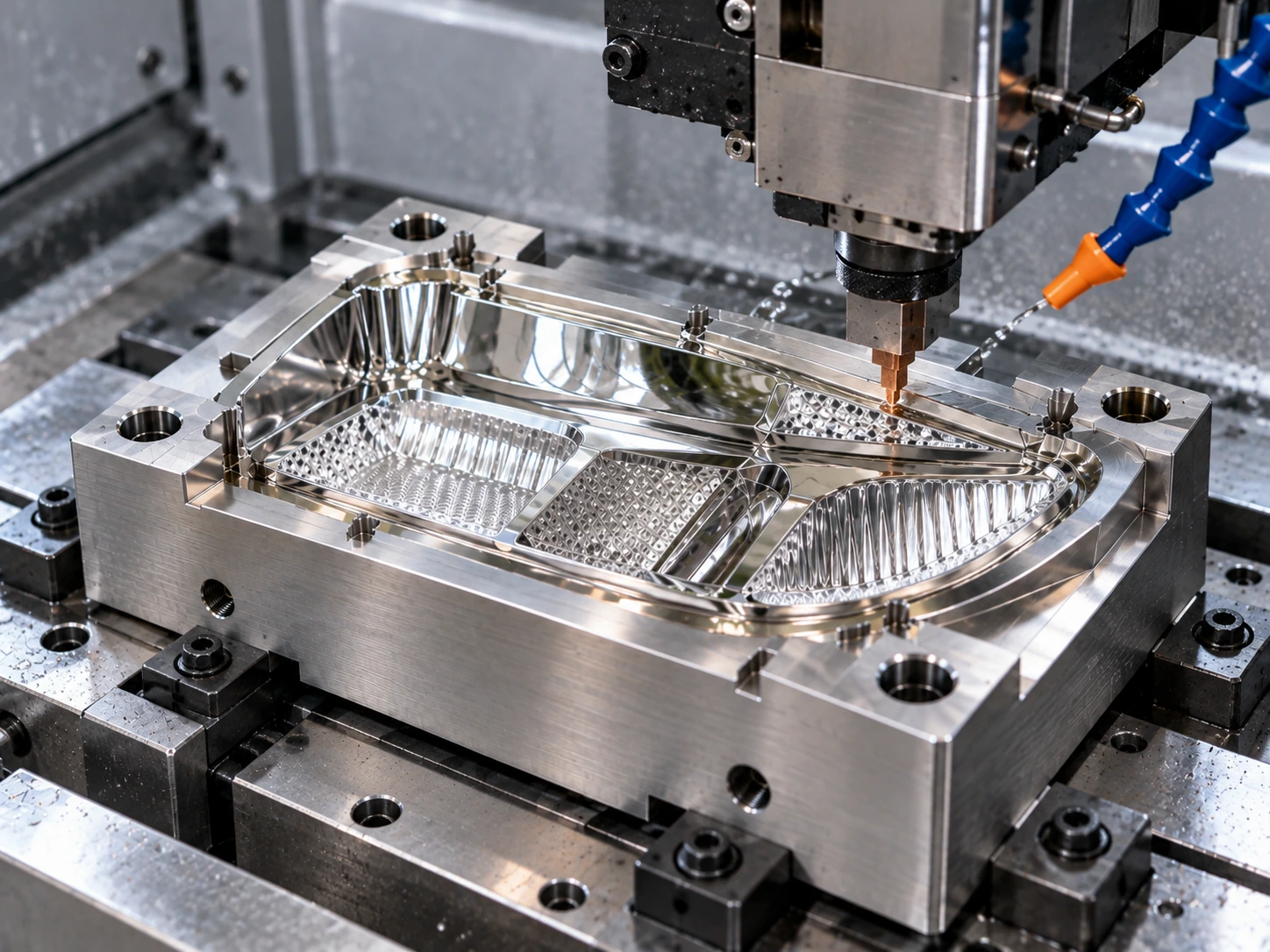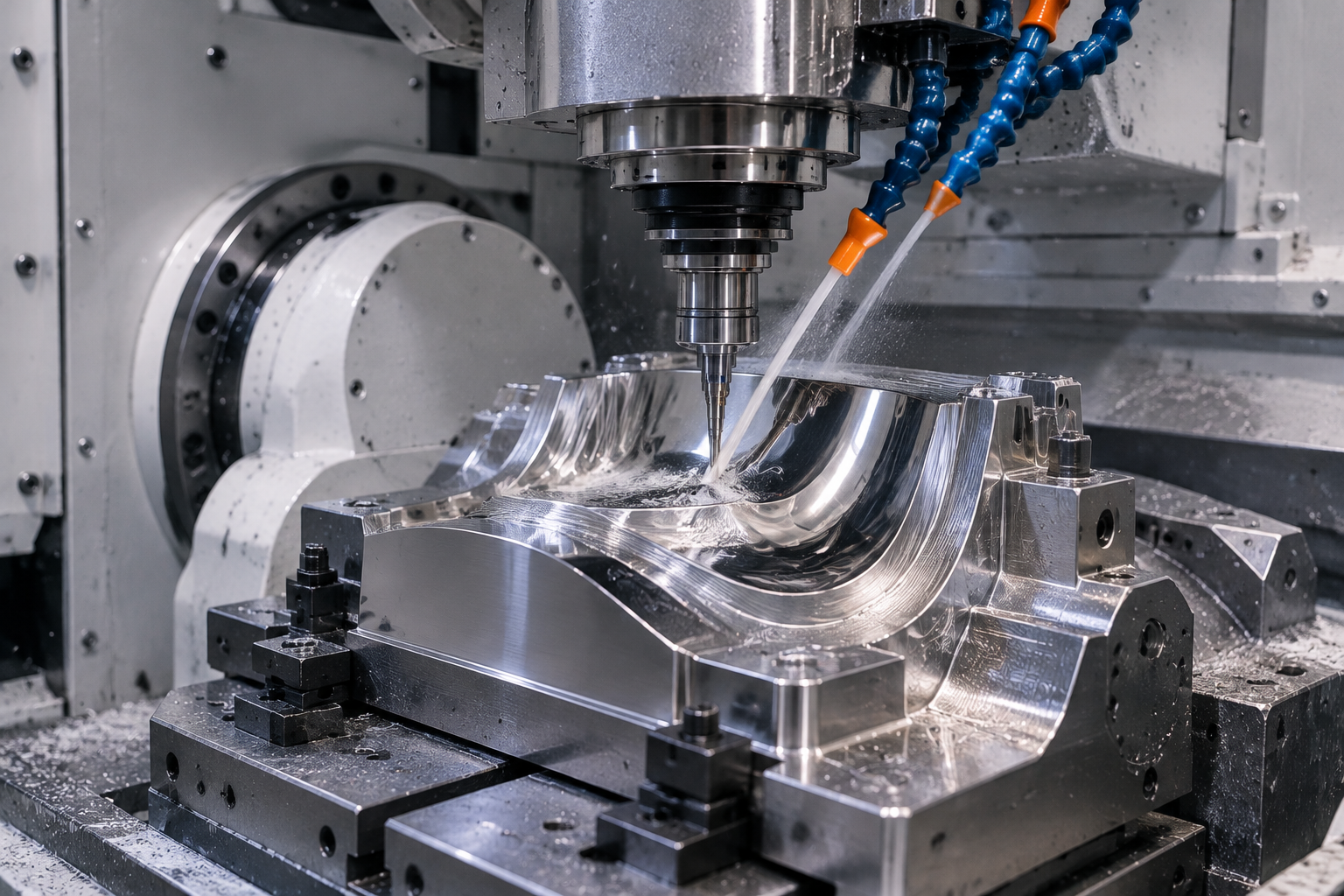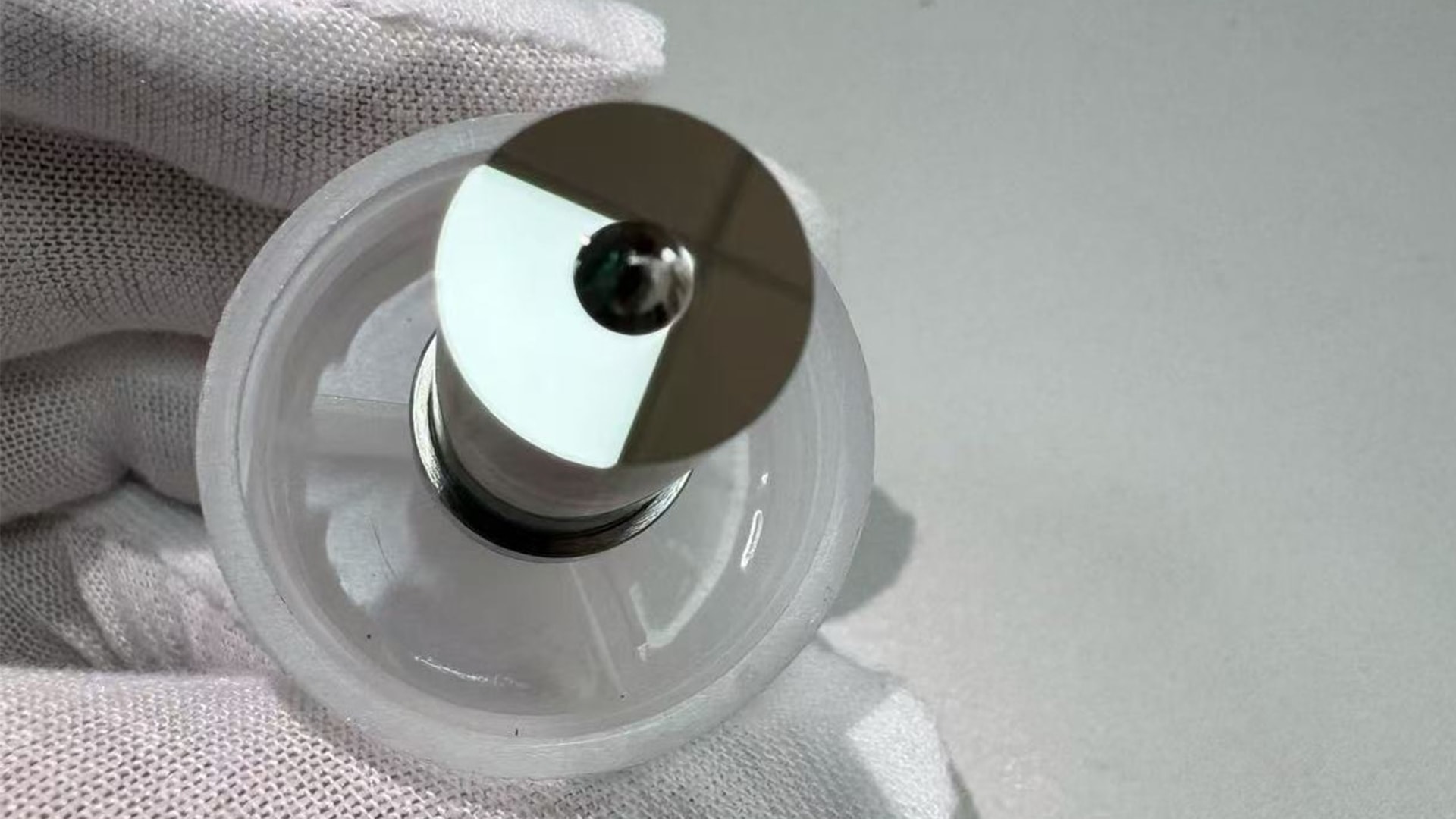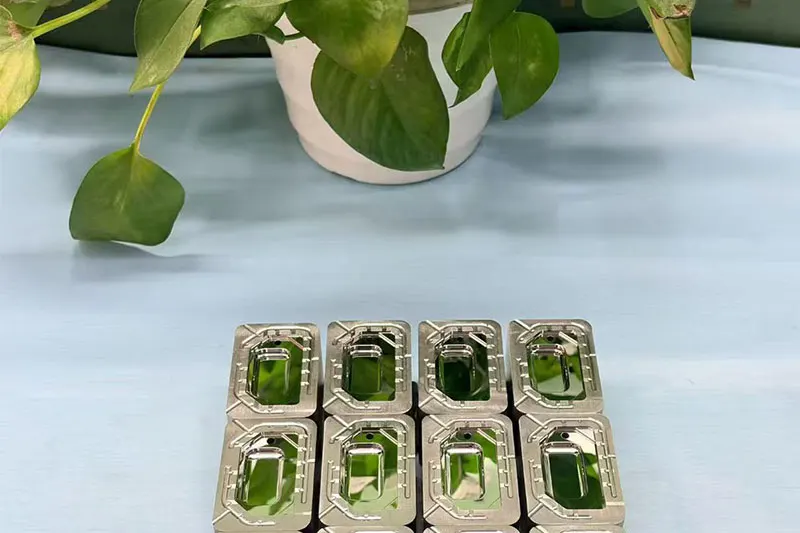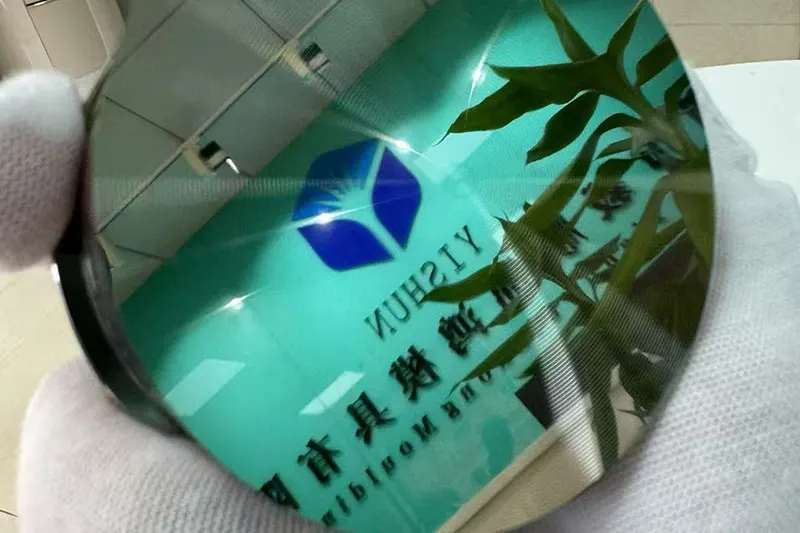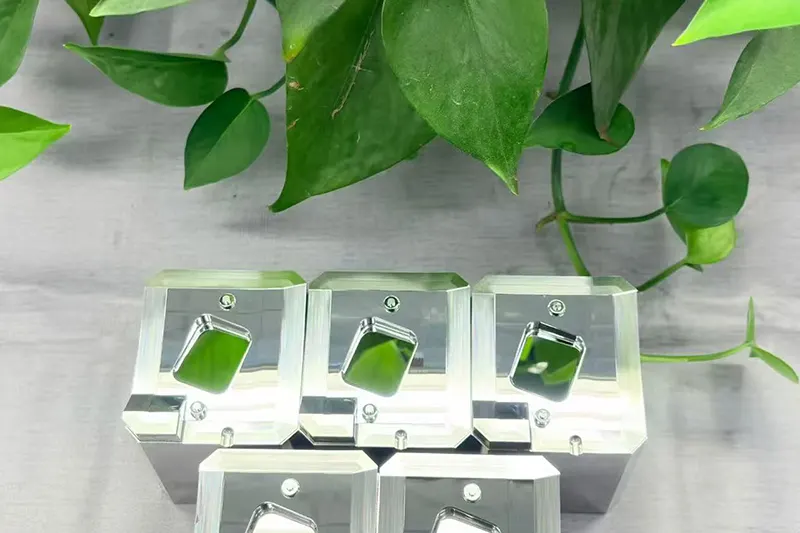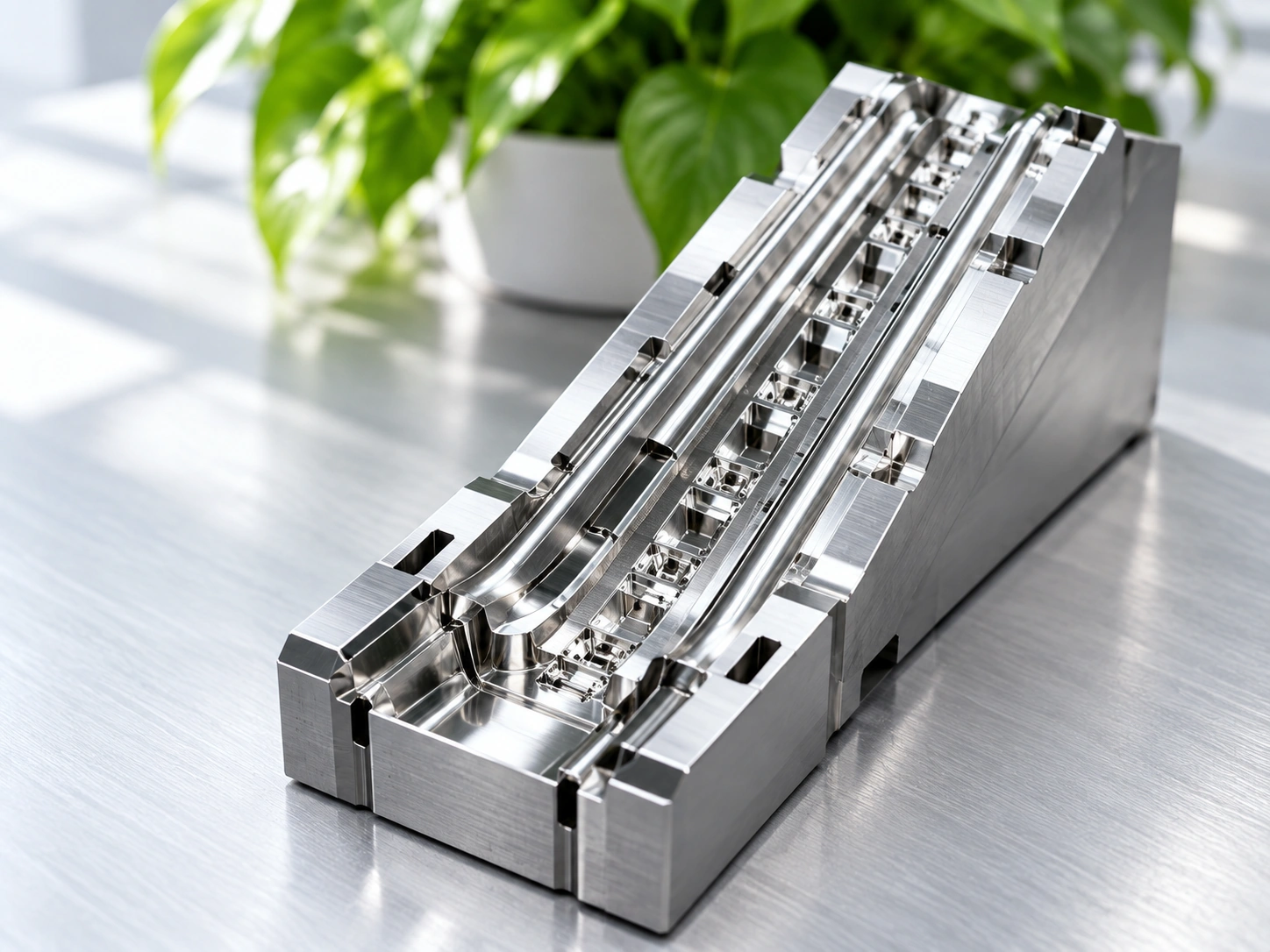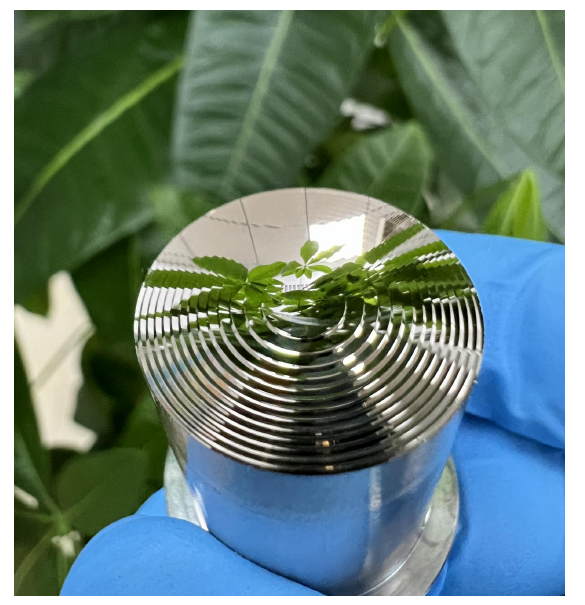
OEM optical polishing services offer *bespoke solutions* for manufacturers requiring high-precision optical components tailored to exact specifications. These services go beyond standard offerings, providing *customizable options* for material selection, surface finish, geometry, and coating applications, ensuring optimal performance for diverse industries such as high-reliability optical, medical, and telecommunications. By leveraging advanced polishing techniques and stringent quality control, OEM partners deliver optical elements that meet the most demanding operational requirements and integrate seamlessly into complex systems.
Understanding OEM Optical Polishing: The Foundation of Precision Optics
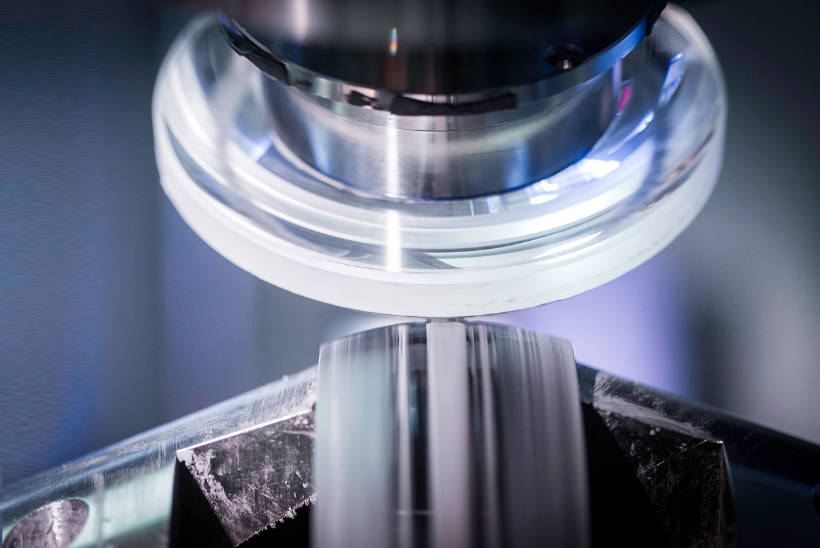
In the realm of advanced manufacturing, original equipment manufacturers (OEMs) frequently require optical components that are not only high-performing but also precisely integrated into their proprietary systems. This is where OEM optical polishing services become indispensable. Far from off-the-shelf solutions, these services specialize in crafting optical surfaces to meet an OEM’s unique design and functional specifications, ensuring that each lens, prism, or mirror contributes optimally to the overall system’s performance. The process involves meticulous shaping and smoothing of optical substrates to achieve desired *surface accuracy*, *roughness*, and *figure*, which are critical for controlling light propagation without distortion or loss.
The core value proposition of OEM optical polishing lies in its ability to deliver *repeatable precision* at scale. For an OEM, consistency across thousands or millions of units is paramount. Specialized polishing houses employ a combination of traditional techniques, such as pitch polishing, and advanced methods like magnetorheological finishing (MRF) or ion beam figuring (IBF) to achieve nanometer-level precision. This commitment to precision not only enhances the performance of the end product but also streamlines the OEM’s assembly process by minimizing variations that could lead to costly adjustments or rejections. *Why is this level of precision so crucial?* Because even microscopic imperfections on an optical surface can scatter light, reduce transmission, or introduce aberrations, compromising the functionality of sensitive equipment ranging from medical diagnostic tools to advanced laser systems.
What Are OEM Optical Polishing Services?
OEM optical polishing services are specialized manufacturing processes focused on producing high-precision optical components designed and fabricated according to an original equipment manufacturer’s specific requirements. These services encompass a broad spectrum of activities, from initial design consultation and material selection to advanced polishing techniques, metrology, and final inspection. Unlike standard catalog optics, OEM services are inherently *custom-driven*, meaning every aspect of the optical element – its shape, size, material, surface quality, and often its coating – is tailored to fit a particular application. This approach ensures that the optical components are not just functional, but perfectly optimized for their intended use within a larger, often complex, system.
The scope of these services typically includes working with diverse optical materials, such as various types of glass (e.g., BK7, Fused Silica, Sapphire), crystals (e.g., CaF2, ZnSe), and even specialized polymers. The choice of material is often dictated by the operating wavelength, environmental conditions, and mechanical properties required. Furthermore, OEM optical polishing extends to a wide array of component types, including lenses (spherical, aspherical, cylindrical), prisms, windows, mirrors, and fiber optic end-faces. Each component undergoes a multi-stage polishing process designed to achieve specific optical parameters, often involving iterative processes of polishing and metrology to ensure compliance with stringent performance specifications. The ultimate goal is to provide a reliable, high-performance optical solution that integrates seamlessly into the OEM’s product, enhancing its functionality and market competitiveness.
Why Do OEMs Need Custom Optical Polishing?
OEMs turn to custom optical polishing services primarily because off-the-shelf optical components often fail to meet the exact, demanding specifications of their proprietary products. Many advanced technologies, whether in high-reliability optical, medical devices, telecommunications, or industrial lasers, require optics with unique geometries, ultra-precise surface finishes, specific material properties, or specialized coatings that are simply not available as standard offerings. Relying on generic components would necessitate costly redesigns of the entire system or lead to suboptimal performance, potentially compromising the product’s market viability or operational effectiveness.
The need for customization also stems from the *quest for competitive advantage*. By integrating custom-designed optics, an OEM can achieve superior performance characteristics – such as higher light transmission, reduced aberrations, enhanced durability in harsh environments, or greater precision in measurements – that differentiate their product from competitors. This can translate into better energy efficiency, clearer imaging, faster data transfer, or more reliable system operation. Furthermore, custom polishing allows for optimization of size, weight, and form factor, critical considerations in compact or portable devices. For instance, an OEM developing a new miniature endoscope might require extremely small, high-numerical-aperture lenses with specific curvature and surface quality, which can only be achieved through specialized custom polishing processes. This bespoke approach ensures that every optical element is an integral, performance-driving part of the OEM’s innovative solution.
The Spectrum of Customization: Tailoring Optics to Your Needs
The true value of OEM optical polishing services lies in their capacity for extensive customization, allowing manufacturers to specify nearly every aspect of an optical component to match their exact application requirements. This level of flexibility ensures that the final product is not just functional, but *optimally integrated* into the larger system, maximizing performance and efficiency. From the fundamental choice of material to the microscopic details of surface finish, each customization option plays a pivotal role in dictating the component’s behavior and suitability for its intended use. Understanding these options is key for any OEM seeking to leverage these specialized services effectively and achieve superior optical system performance.
| Customization Category | Key Considerations | Impact on Performance |
|---|---|---|
| Material Selection | Refractive index, Abbe number, transmission range, thermal expansion, hardness, chemical resistance. | Wavelength performance, environmental durability, mechanical stability, cost. |
| Geometric Design | Shape (spherical, aspherical, cylindrical, freeform), dimensions, radii of curvature, wedge angles, chamfers. | Image quality, beam shaping, system integration, aberration correction. |
| Surface Finish & Figure | Surface roughness (RMS, Ra), scratch/dig specifications, surface flatness, wavefront error (λ/x). | Scattering, transmission, resolution, beam divergence, focal length accuracy. |
| Coating Requirements | Anti-reflective (AR), high-reflective (HR), partial-reflective (PR), dielectric, metallic, environmental durability. | Transmission, reflection, polarization, laser damage threshold, spectral range. |
| Edge & Chamfering | Edge bevels, protective chamfers, specific edge geometries. | Mechanical strength, handling safety, prevention of chipping during assembly. |
| Assembly & Mounting | Bonding, mounting features, mechanical interfaces for integration. | System alignment, stability, ease of assembly, thermal management. |
Material Selection: The Foundation of Optical Performance
The choice of material is arguably the most fundamental customization option in OEM optical polishing, as it dictates many of the component’s inherent optical, thermal, and mechanical properties. Different applications demand vastly different materials. For instance, visible light applications might use common optical glasses like *BK7* due to its excellent transmission and low cost. However, for ultraviolet (UV) systems, materials like *Fused Silica* or *Calcium Fluoride (CaF2)* are preferred due to their superior UV transmission and radiation hardness. Similarly, for infrared (IR) applications, specialized materials such as *Germanium (Ge)*, *Silicon (Si)*, *Zinc Selenide (ZnSe)*, or *Sapphire* are chosen for their transparency in specific IR bands and robust thermal properties.
Beyond spectral transmission, other material characteristics are critically important. The *refractive index* and *Abbe number* influence chromatic aberration and optical design capabilities. *Thermal expansion coefficients* are vital for optics exposed to temperature fluctuations, preventing stress-induced distortions. *Hardness* and *chemical resistance* contribute to the component’s durability and longevity, especially in harsh industrial or outdoor environments. An experienced OEM optical polishing service will work closely with the client to evaluate these parameters against the application’s demands, recommending the most appropriate material that balances performance, durability, and cost-effectiveness. This collaborative material selection process is the first step in ensuring that the final polished optic performs exactly as intended within its operational context.
Geometric Design: Shaping Light Paths with Precision
Geometric design is where the art and science of optical engineering truly converge, allowing OEMs to specify precise shapes that manipulate light in desired ways. This goes far beyond simple flat windows or spherical lenses. Customization options include a vast array of complex geometries, each serving a unique purpose. *Spherical lenses* are common for basic focusing, but for higher performance systems, especially those needing to correct for spherical aberration across a wide field of view, *aspherical lenses* are indispensable. These non-spherical surfaces offer superior aberration correction with fewer elements, leading to lighter, more compact, and often more efficient optical systems.
Further complexity arises with *cylindrical lenses*, used to focus light into a line, and *anamorphic optics*, which alter image magnification differently along orthogonal axes. *Freeform optics* represent the pinnacle of geometric customization, offering completely non-rotationally symmetric surfaces that can perform multiple functions simultaneously, enabling radically new optical designs for compact systems or unique imaging requirements. The ability to precisely polish these complex geometries, often with nanometer-level accuracy, is a hallmark of advanced OEM optical polishing services. This level of control over the optical path is what allows for the creation of innovative products, from advanced medical imaging systems to high-power laser beam shaping modules and sophisticated heads-up displays. Each precise curve and angle is meticulously crafted to direct light exactly where and how it’s needed.
Surface Finish and Figure: The Ultimate Determinants of Optical Quality
The *surface finish* and *figure* are perhaps the most critical parameters dictating the quality and performance of an optical component. Surface finish refers to the microscopic smoothness of the optical surface, typically measured in terms of *surface roughness* (e.g., RMS roughness in angstroms or nanometers) and freedom from microscopic defects like *scratches and digs*. A rough surface will scatter light, reducing transmission, creating haze, and degrading image contrast. Applications like high-power lasers demand ultra-smooth surfaces to prevent absorption and damage, often requiring RMS roughness values of less than 1 nanometer.
The *surface figure*, on the other hand, describes the macroscopic deviation of the polished surface from its ideal, designed shape. This is measured in fractions of a wavelength (e.g., λ/10, λ/20, or even λ/50, where λ is a specific wavelength of light). A perfect figure ensures that wavefronts passing through or reflecting from the surface are not distorted, preserving the intended focal point, beam shape, or image quality. Deviations in surface figure introduce *wavefront errors* and aberrations like astigmatism or coma. Achieving high-precision figure control often involves iterative polishing and metrology using advanced interferometers. The interplay between achieving an ultra-smooth finish and a highly accurate figure is a complex challenge, making these customization options central to the expertise offered by top-tier OEM optical polishing services. It is the careful balance of these two factors that truly elevates a custom optic from merely functional to exceptionally high-performing.
Coating Requirements: Enhancing Performance and Durability
Once an optical surface has been precisely polished, the application of specialized coatings can dramatically enhance its performance and durability, further tailoring it to the OEM’s specific needs. Optical coatings are thin layers of dielectric or metallic materials deposited onto the surface to modify its reflective, transmissive, and absorptive properties across specific wavelengths. The most common types include *anti-reflective (AR) coatings*, which reduce surface reflections and maximize light transmission, crucial for multi-element systems where reflection losses can quickly accumulate. These can be broadband AR (BAR) for a wide spectrum or V-coats for a narrow, specific wavelength.
Conversely, *high-reflective (HR) coatings* are used for mirrors, providing maximum reflection at particular wavelengths or over broad spectral ranges. *Partial-reflective (PR) coatings* create beam splitters or output couplers in lasers, dividing light into specific transmission and reflection ratios. Beyond spectral performance, coatings can also impart enhanced durability, offering *scratch resistance*, *environmental protection* against moisture and chemicals, or improved *laser damage threshold* for high-power laser applications. The selection and design of these coatings require a deep understanding of thin-film physics and application demands. OEM optical polishing services often partner with or integrate coating capabilities to provide a complete, optimized solution, ensuring that the custom-polished optic delivers its full potential within the OEM’s system.
Edge Treatment and Chamfering: Beyond the Optical Surface
While the optical surface is paramount, the treatment of an optical component’s edges and chamfers is also a critical customization option that impacts both its mechanical integrity and ease of integration into an OEM’s system. *Edge treatment* refers to how the perimeter of the optic is finished. This can range from a simple ground edge to a highly polished edge, depending on whether the edge itself needs to transmit light or if scattering from the edge needs to be minimized within an optical path. In certain applications, particularly those involving total internal reflection, the quality of the edge can be as important as the main optical surface.
*Chamfering* involves creating a small angled or rounded bevel along the sharp edges of the optical element. This serves several practical purposes: primarily, it *reduces chipping* during handling, cleaning, and assembly, which is a common cause of costly rejections. Sharp edges are inherently fragile and prone to micro-fractures, which can propagate and compromise the entire component. Chamfers also improve *safety for personnel* handling the optics and facilitate easier integration into mounting structures or lens barrels. The specific angle and width of the chamfer can be customized based on the fragility of the material, the size of the optic, and the assembly method. This seemingly minor detail is a testament to the comprehensive nature of OEM optical polishing services, where every aspect of the component is considered for optimal performance and manufacturability.
Assembly and Mounting Features: Seamless System Integration
For an OEM, the ultimate goal is the seamless integration of custom optics into a larger, functional system. This is where customization options related to *assembly and mounting features* become incredibly valuable. Rather than providing a bare optical element, some advanced OEM optical polishing services can incorporate features that facilitate precise alignment and stable mounting. This can include integrating *mechanical interfaces* such as flats, datum surfaces, or even tapped holes directly into the optical component or its surrounding housing. These features ensure that the optic can be accurately positioned and held securely within the system, minimizing alignment time and preventing movement during operation or environmental stress.
Another crucial aspect is *optical bonding* or *cementing*, where multiple optical elements are permanently joined together to form assemblies like doublets or triplets, or to attach a protective window. This reduces internal reflections between surfaces, improves mechanical stability, and can simplify overall system assembly. Customization might also extend to providing optics pre-mounted in custom-designed housings or cells, eliminating the need for the OEM to perform delicate mounting operations in-house. By offering these integrated solutions, OEM optical polishing services not only deliver high-performance optics but also streamline the OEM’s production process, reduce assembly risks, and ensure that the optical sub-assembly functions precisely as intended from the moment it is received and installed. This holistic approach significantly adds to the value proposition, transforming raw polished optics into ready-to-integrate precision components.
The OEM Advantage: Benefits of Partnering for Custom Optics
Partnering with a specialized OEM optical polishing service offers a distinct competitive advantage for manufacturers. This collaborative approach extends beyond simply procuring components; it’s about leveraging expert knowledge, advanced capabilities, and a commitment to quality that translates directly into superior product performance and streamlined production processes. The benefits are multifaceted, encompassing everything from technical superiority and cost efficiency to enhanced reliability and scalability. By entrusting the complexities of optical fabrication to dedicated specialists, OEMs can focus their internal resources on core competencies, innovation, and market development, knowing that their optical components are being crafted to the highest possible standards.
Unrivaled Precision and Quality Control
One of the primary benefits of engaging OEM optical polishing services is access to *unrivaled precision and stringent quality control*. These specialized providers invest heavily in cutting-edge metrology equipment – including interferometers, profilometers, and spectrophotometers – capable of measuring optical parameters with nanometer accuracy. Their facilities are often climate-controlled and vibration-isolated to ensure the integrity of these delicate measurements and manufacturing processes. This level of investment and expertise is typically beyond what a general manufacturing OEM would maintain in-house for optical component production.
Furthermore, established OEM optical polishing services implement rigorous *quality management systems* (e.g., ISO 9001 certified) throughout the entire production lifecycle, from raw material inspection to final component verification. Every step, from grinding and shaping to fine polishing and coating, is subject to meticulous checks against the client’s exact specifications. This meticulous attention to detail ensures that each custom-polished optic meets the specified surface roughness, figure, geometric tolerances, and coating performance without fail. For an OEM, this translates into higher yield rates, reduced costly reworks, and ultimately, a more reliable and higher-performing end product. The peace of mind that comes from knowing every optical element is individually verified to exacting standards is invaluable, particularly for critical or high-volume applications.
Cost-Efficiency and Scalability
While custom components might initially seem more expensive than off-the-shelf options, partnering with an OEM optical polishing service often leads to significant *cost-efficiency* and *scalability* in the long run. For one, these specialized manufacturers achieve economies of scale in optical production that individual OEMs typically cannot. They have optimized processes, dedicated machinery, and highly trained personnel, which allows for efficient production, whether for prototypes or high-volume runs. Developing in-house optical polishing capabilities would require substantial capital investment in equipment, cleanroom facilities, and expert labor, which is often not feasible or cost-effective for most OEMs.
Moreover, custom optics, precisely engineered for a specific application, can lead to *overall system cost reductions*. By optimizing light transmission, reducing aberrations, or improving durability, a single custom optic might eliminate the need for multiple standard components, simplify the mechanical design, or extend the product’s lifespan, thereby reducing warranty claims and replacement costs. As for *scalability*, established OEM partners are equipped to ramp up production from initial prototypes to full-scale manufacturing seamlessly, adapting to an OEM’s fluctuating market demands. They can manage complex supply chains for optical materials and coatings, ensuring consistent delivery even during peak production periods. This flexibility and efficiency allow OEMs to bring innovative products to market faster and respond agilely to evolving customer needs without the burden of extensive in-house optical manufacturing infrastructure.
Expert Consultation and Design Optimization
Beyond fabrication, a significant benefit of collaborating with an OEM optical polishing service is access to their *expert consultation and design optimization* capabilities. These companies employ optical engineers, physicists, and manufacturing specialists who possess deep knowledge of optical design principles, material science, and advanced polishing techniques. They don’t just execute a design; they can actively contribute to its refinement and optimization.
During the initial phases of a project, these experts can review an OEM’s optical specifications, identify potential manufacturing challenges, and suggest alternative materials, geometries, or coating strategies that could improve performance, reduce cost, or enhance manufacturability without compromising critical requirements. For example, they might recommend a slightly different radius of curvature to simplify tooling, or suggest a more robust coating for environmental resilience based on their extensive experience. This collaborative approach can help OEMs avoid costly design errors, shorten development cycles, and ensure that the final product is not only manufacturable but also optimally performs in its intended application. This synergistic partnership transforms a simple vendor relationship into a strategic alliance, leveraging specialized expertise to achieve superior optical solutions.
Reduced Lead Times and Supply Chain Simplification
Working with a dedicated OEM optical polishing service often translates into *reduced lead times* and a significantly *simplified supply chain* for optical components. Instead of sourcing raw materials from one vendor, sending them to another for grinding, then to a third for polishing, and a fourth for coating, an OEM partner can manage the entire process under one roof or through established, trusted sub-contractors. This integrated approach minimizes logistical complexities, reduces transit times between different stages, and centralizes communication, thereby accelerating the overall production cycle.
Furthermore, experienced OEM providers have pre-established relationships with material suppliers and coating specialists, ensuring a steady and reliable supply chain even for specialized or exotic materials. They can proactively manage inventory, mitigate risks associated with material shortages, and often offer preferential pricing due to their purchasing volume. For the OEM, this means fewer vendors to manage, reduced administrative overhead, and a single point of contact for all optical component needs. The result is a more predictable and efficient manufacturing schedule, allowing OEMs to bring their products to market faster and respond more flexibly to demand fluctuations. This simplification of the supply chain is a strategic advantage, freeing up internal resources and reducing potential bottlenecks in the production process.
Key Customization Options Explained: Delving Deeper
To fully leverage the capabilities of OEM optical polishing services, it’s essential for manufacturers to understand the nuances of each customization option. Each choice, from the basic material to the intricate details of a coating, has a profound impact on the component’s performance characteristics, cost, and suitability for specific applications. A detailed exploration of these options empowers OEMs to make informed decisions and collaborate more effectively with their optical partners, ensuring that the final product meets their precise functional and operational demands without compromise.
Precision Surface Finishes: Beyond the Naked Eye
The quest for optical precision often begins and ends with the surface finish. A truly precise optical surface is smooth beyond the perception of the naked eye, characterized by metrics that quantify its microscopic perfection. *Surface roughness*, typically measured in RMS (Root Mean Square) or Ra (arithmetical mean roughness) values, refers to the average deviation of the surface profile from an ideal flat line. For standard industrial optics, roughness might be in the tens of nanometers, but for high-performance laser optics or critical imaging systems, this needs to be reduced to <1 nanometer RMS to minimize light scattering and maximize transmission. *What technologies allow for such fine control?* Advanced techniques like Magnetorheological Finishing (MRF) and Ion Beam Figuring (IBF) are often employed, which use non-contact or highly controlled abrasive methods to remove material at an atomic level, achieving unprecedented smoothness.
Equally critical are *surface defects* like scratches and digs, which are categorized by industry standards such as ISO 10110-7 surface imperfection specification (Scratch-Dig numbers, e.g., 60-40, 20-10). A scratch is a line-like defect, while a dig is a pit-like defect. These defects can act as scattering centers, reduce the effective aperture, or even become initiation points for laser-induced damage in high-power applications. The specification of an appropriate scratch-dig level is a balance between performance requirements and manufacturing cost, as achieving extremely low scratch-dig numbers (e.g., 10-5) requires meticulous handling and highly controlled environments. OEMs must clearly communicate their tolerance for such defects, considering the application’s sensitivity to scattered light and its operating power levels, to ensure the optical polishing service delivers components that meet both aesthetic and functional quality thresholds.
Advanced Geometric Shapes: Aspheres, Cylinders, and Freeforms
While traditional *spherical optics* are cost-effective and suitable for many applications, they suffer from spherical aberration, especially at large apertures or wide fields of view. This is where *aspherical lenses* step in. An asphere has a surface profile that deviates from a perfect sphere, often described by a conic constant and higher-order polynomial terms. By precisely designing and polishing these non-spherical curves, engineers can correct spherical aberration, reduce the number of elements in an optical system, minimize size and weight, and improve overall image quality. The manufacturing of aspheres requires highly specialized CNC grinding and polishing equipment, along with sophisticated metrology to ensure accuracy, making them a prime example of custom OEM optical polishing expertise.
*Cylindrical lenses* have curvature in only one dimension, focusing light into a line rather than a point. They are essential for applications like anamorphic imaging, line scanning, or laser diode collimation. Polishing these surfaces requires different tooling and techniques compared to spherical optics. The ultimate in geometric complexity comes with *freeform optics*, which possess non-rotationally symmetric surfaces. These optics offer unprecedented design freedom, enabling novel optical functionalities for compact systems, off-axis illumination, or wavefront shaping in complex ways that are impossible with traditional shapes. The manufacturing of freeform optics is highly challenging, often involving advanced grinding, MRF, or IBF techniques, paired with multi-axis metrology. For OEMs pushing the boundaries of optical system design, these advanced geometric shapes, precisely customized, unlock new possibilities and performance levels.
Specialized Coatings: Beyond Standard Anti-Reflective
While standard anti-reflective (AR) and high-reflective (HR) coatings are commonplace, OEM optical polishing services offer a rich palette of *specialized coatings* that cater to highly specific and demanding applications. For instance, *dual-band AR coatings* provide high transmission in two distinct wavelength ranges, essential for systems that operate with both visible and infrared light. *Polarization-preserving coatings* are critical for applications sensitive to the polarization state of light, such as in optical communications or bio-imaging, ensuring that the coating does not introduce unwanted birefringence or depolarization.
Beyond spectral properties, coatings can be engineered for extreme environments. *High Laser Damage Threshold (LDT) coatings* are vital for high-power laser systems, where even microscopic impurities or non-uniformities in a coating can lead to component failure. These often involve complex multi-layer dielectric stacks deposited with ultra-clean vacuum processes. *Durable and environmentally resistant coatings* provide protection against abrasion, humidity, salt fog, or extreme temperatures, ensuring long-term reliability for outdoor, high-reliability optical, or industrial applications. Examples include diamond-like carbon (DLC) coatings for IR optics. The development and application of these specialized coatings require extensive expertise in thin-film design, material science, and vacuum deposition techniques, making them a crucial aspect of advanced custom optical solutions offered by OEM partners. By carefully selecting and designing the appropriate coating, OEMs can significantly enhance the performance, robustness, and longevity of their optical components.
Tight Tolerances and Advanced Metrology
The ability of an OEM optical polishing service to meet *tight tolerances* is a direct measure of its precision and capability. Tolerances for optical components extend beyond just surface figure and roughness; they include crucial parameters like *centration*, *wedge angle*, *focal length*, *effective focal length (EFL)*, *clear aperture*, and *mechanical dimensions*. For complex optical systems, even small deviations in these parameters can lead to significant performance degradation. For example, poor centration in a lens (where the optical axis deviates from the mechanical axis) can introduce coma and astigmatism, while incorrect focal length can misalign an entire imaging train.
Achieving and verifying these tight tolerances necessitates the use of *advanced metrology equipment*. Interferometers are used for measuring surface figure and wavefront error, often providing sub-nanometer resolution. Autocollimators and spherometers precisely measure angles and radii of curvature. Coordinate Measuring Machines (CMMs) are employed for verifying mechanical dimensions and geometries. Spectrophotometers confirm coating performance, and sophisticated optical bench setups measure parameters like EFL and modulation transfer function (MTF). The commitment to continuous investment in and mastery of these metrology tools is what differentiates a leading OEM optical polishing provider. This ensures that every component is rigorously tested and certified to meet the most stringent design requirements, providing an OEM with guaranteed performance and reliability for their high-value products.
How to Choose Your OEM Optical Polishing Partner
Selecting the right OEM optical polishing partner is a strategic decision that can significantly impact your product’s success, manufacturing efficiency, and overall cost. It’s not merely about finding a vendor but forging a long-term collaborative relationship with a specialist who understands your unique challenges and can deliver consistent, high-quality solutions. The choice should be based on a comprehensive evaluation of their capabilities, experience, quality assurances, communication practices, and capacity to scale with your needs. A thoughtful selection process ensures that you gain a true extension of your engineering and manufacturing team, capable of transforming complex optical requirements into tangible, high-performing components.
Key Evaluation Criteria for Selecting a Partner
When evaluating potential OEM optical polishing partners, several key criteria should guide your decision-making process to ensure a successful collaboration:
- Technical Expertise and Capabilities: Assess their range of services. Can they handle your required materials (glass, crystal, ceramic)? Do they possess the advanced polishing techniques for your desired geometries (aspheres, freeforms) and surface finishes (sub-nanometer RMS)? What kind of coating capabilities do they offer? Look for a partner with a broad and deep technical toolkit that aligns with your current and future needs.
- Quality Management Systems (QMS): Verify their quality certifications (e.g., ISO 9001). Inquire about their in-process and final inspection procedures, metrology capabilities, and defect handling protocols. Ask for examples of their quality documentation and traceability. A robust QMS is non-negotiable for critical optical components.
- Experience and Track Record: How long have they been in business? What industries do they serve (high-reliability optical, medical, )? Request case studies or references from clients with similar application requirements. A proven track record in your industry demonstrates relevant expertise and reliability.
- Communication and Collaboration: Evaluate their responsiveness and willingness to engage in design discussions. Do they offer expert consultation for design optimization and manufacturability? Effective communication channels and a proactive approach to problem-solving are crucial for complex custom projects.
- Scalability and Production Capacity: Can they accommodate both prototype quantities and high-volume production? Do they have the flexibility to ramp up or down based on your demand fluctuations? Understand their lead times for different order sizes.
- Cost-Effectiveness and Transparency: While not always the cheapest, seek a partner who offers competitive pricing without compromising quality. Request detailed quotes and understand what is included (e.g., tooling, metrology reports). Be wary of unusually low bids that might signal compromises in quality or service.
- Intellectual Property (IP) Protection: For custom designs, ensure they have strong confidentiality agreements and IP protection policies in place to safeguard your proprietary designs and processes.
By meticulously assessing these criteria, OEMs can select a partner that not only delivers high-quality optical components but also contributes strategically to their product development and market success.
Requesting a Quote: Best Practices for OEM Optics
When requesting a quote for OEM optical polishing services, providing clear, comprehensive, and unambiguous specifications is paramount to receiving accurate pricing and ensuring the final product meets your expectations. Vague or incomplete information can lead to misunderstandings, costly revisions, and delays. Here are some best practices for an effective Request for Quote (RFQ):
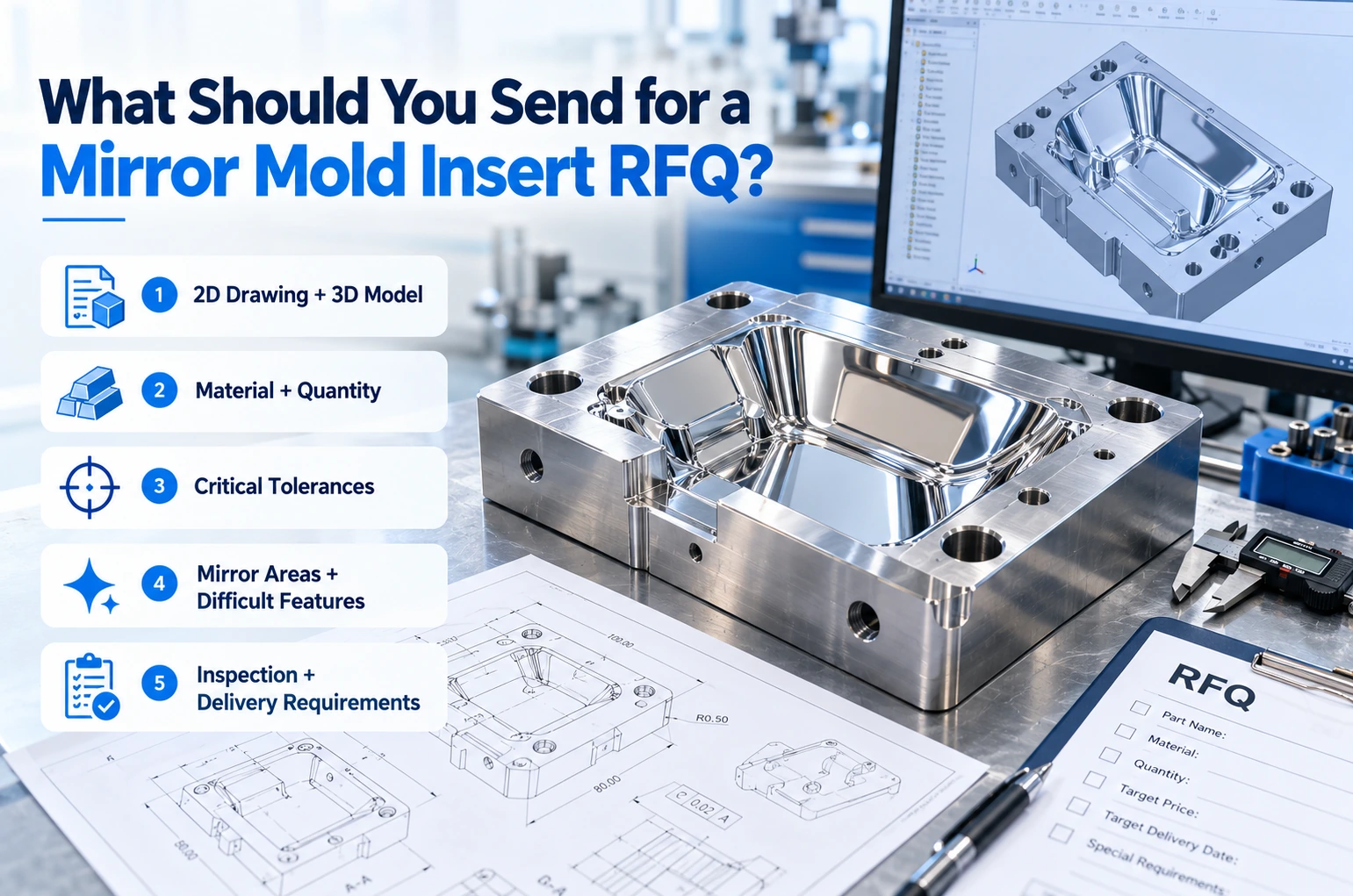
- Detailed Drawings and 3D Models: Provide fully dimensioned mechanical drawings (e.g., in PDF or CAD formats) including all critical tolerances for dimensions, radii, angles, chamfers, and clear apertures. Include 3D models (STEP, IGES) if available, especially for complex geometries.
- Material Specifications: Clearly state the exact optical material required (e.g., Fused Silica Corning 7980, Schott N-BK7). Include any specific grade requirements (e.g., UV grade, IR grade) or melt data if critical.
- Optical Performance Specifications:
- Surface Figure: Specify in fractions of a wavelength (e.g., λ/10 P-V at 632.8nm) over the clear aperture.
- Surface Roughness: Provide RMS or Ra values in nanometers.
- Scratch-Dig: Adhere to industry standards (e.g., 60-40, 20-10 ISO 10110-7 surface imperfection specification).
- Focal Length/Radius of Curvature: Specify with tolerances.
- Centration/Wedge: Specify in arcminutes or arcseconds.
- Coating Specifications: If applicable, provide full coating designs, including wavelength range, transmission/reflection percentages, angle of incidence, polarization state, and environmental/durability requirements (e.g., MIL-C-675, adhesion, abrasion).
- Quantity and Delivery Schedule: Clearly state the required quantities for prototyping, initial production runs, and anticipated annual volumes. Provide your desired delivery timeline.
- Packaging and Inspection Requirements: Specify how you want the optics packaged (e.g., individual trays, cleanroom packaging) and any specific inspection reports or certificates of conformance required.
- Application Context: Briefly explain the end application. This helps the polishing partner understand the criticality of certain specifications and may allow them to suggest more cost-effective or better-performing alternatives.
By investing time in preparing a thorough RFQ, OEMs can streamline the quotation process, minimize ambiguities, and ultimately ensure they receive optical components that precisely meet their functional and quality expectations.
Long-Term Partnership: Building a Strategic Relationship
For OEMs, viewing the optical polishing service as a *long-term strategic partner* rather than just a transactional vendor can yield profound benefits. A strong, enduring relationship is built on mutual trust, transparent communication, and a shared commitment to innovation and quality. When a polishing partner thoroughly understands an OEM’s product roadmap, core technologies, and market objectives, they can proactively offer insights, suggest improvements, and even co-develop solutions that provide a competitive edge.
This deeper partnership facilitates *predictable supply and consistent quality*. Over time, the polishing service becomes intimately familiar with the OEM’s specific requirements, often anticipating needs and streamlining processes. This can lead to improved lead times, optimized pricing through volume agreements, and enhanced responsiveness to urgent requests. Furthermore, a trusted partner can offer R&D support, assisting with prototyping new designs or exploring novel materials and manufacturing techniques. They can also provide valuable expertise in failure analysis or design for manufacturability (DFM) as product lines evolve. In essence, a strategic long-term partnership transforms the optical component supply from a potential bottleneck into a robust and reliable asset, allowing the OEM to innovate with confidence and maintain a leading position in their respective markets. This collaborative synergy is invaluable for navigating the complex and rapidly evolving landscape of high-precision optical manufacturing.
The Future of OEM Optical Polishing: Emerging Trends and Technologies
The field of optical polishing is continuously evolving, driven by the ever-increasing demands for precision, miniaturization, and complexity across various industries. As OEMs push the boundaries of their products, the services that support them must innovate in parallel. Understanding these *emerging trends and technologies* is crucial for OEMs to stay ahead of the curve, ensuring that their future products can leverage the latest advancements in optical fabrication. The horizon of OEM optical polishing promises even greater automation, higher levels of precision, and the ability to manufacture previously unattainable optical designs.
Automation and AI in Optical Manufacturing
The future of OEM optical polishing is increasingly being shaped by *automation and artificial intelligence (AI)*. Traditional optical polishing has long relied on skilled human operators, but the demand for higher throughput, greater consistency, and reduced human error is driving the adoption of advanced robotics and automated systems. Robotic polishing cells can operate continuously, executing complex polishing paths with extraordinary repeatability, minimizing variations that can occur with manual processes. This leads to more uniform quality across large production batches and reduced per-unit costs.
AI and machine learning (ML) are taking this a step further by optimizing the polishing process itself. AI algorithms can analyze real-time metrology data, predict material removal rates, and dynamically adjust polishing parameters (e.g., pressure, speed, slurry composition) to achieve desired surface figures and finishes more efficiently. This “closed-loop” manufacturing reduces iteration cycles, speeds up development, and minimizes waste. Predictive maintenance, enabled by AI, can also monitor machine performance, anticipating potential breakdowns before they occur, thereby maximizing uptime and production efficiency. For OEMs, this means faster turnaround times for custom optics, even higher levels of precision, and more cost-effective solutions for high-volume production, ultimately enabling more agile product development cycles and consistent quality.
Advanced Materials and Freeform Optics
The relentless pursuit of optical performance continues to drive innovation in both *advanced materials and freeform optics*. As systems become more compact and functionally complex, there’s a growing need for materials that can withstand extreme environments (high temperatures, radiation, harsh chemicals) while maintaining their optical properties. Exotic glasses, optical ceramics (e.g., Zerodur, ULE), and single-crystal materials like Sapphire are increasingly being polished to ultra-high precision for applications in high-power lasers. Polishing these harder, more brittle materials often requires specialized tooling, diamond grinding, and novel polishing slurries that differ significantly from traditional glass polishing techniques.
The rise of *freeform optics* is perhaps the most exciting trend in geometric design. These optics, with their non-rotationally symmetric surfaces, offer unparalleled design freedom, allowing engineers to correct multiple aberrations with a single element, achieve ultra-compact system designs, or create highly customized illumination patterns. The ability to precisely polish these complex 3D surfaces is a testament to the advancements in CNC machining, deterministic polishing (like MRF and IBF), and multi-axis metrology. For OEMs, freeform optics open up new possibilities for product innovation, enabling smaller, lighter, and more powerful optical systems that can redefine performance standards in diverse sectors, from augmented reality headsets to advanced scientific instruments. The OEM optical polishing partners capable of mastering these advanced materials and freeform geometries will be at the forefront of optical innovation.
Miniaturization and Micro-Optics Fabrication
The drive towards *miniaturization* is a pervasive trend across nearly all high-tech industries, and optical components are no exception. From compact medical endoscopes and miniature cameras for to integrated photonic circuits, there’s an increasing demand for *micro-optics* – optical elements with dimensions ranging from a few millimeters down to sub-millimeter scales. Polishing these tiny components presents unique challenges. The forces involved in polishing must be meticulously controlled to avoid damage or distortion, and handling requires specialized robotic or micro-manipulation systems in extremely clean environments.
Fabricating micro-optics to high precision demands advanced techniques like wafer-level optics (WLO), where arrays of thousands of tiny lenses or prisms are simultaneously polished on a single wafer before being diced. This parallel processing significantly reduces costs and increases throughput for mass production. Other techniques include ultra-precision molding, although polishing is often required for the highest surface quality. For OEMs in the consumer electronics, medical diagnostics, or industrial sensing sectors, the ability to integrate high-performance micro-optics allows for the creation of smaller, lighter, and more portable devices with enhanced capabilities. OEM optical polishing services that specialize in these intricate, small-scale components will be crucial partners for enabling the next generation of compact optical systems.
Conclusion: The Strategic Imperative of Custom Optical Polishing
OEM optical polishing services represent a strategic imperative for manufacturers operating at the forefront of technological innovation. These services are not merely about supplying components; they are about forging a partnership that unlocks unparalleled precision, performance, and competitive advantage. By offering extensive customization options—from the precise selection of materials and complex geometric designs to ultra-fine surface finishes and specialized coatings—these providers ensure that optical components are perfectly optimized for their intended application, seamlessly integrating into even the most demanding systems.
The benefits of such partnerships are profound: unrivaled precision and stringent quality control minimize risks and maximize yield; cost-efficiency and scalability support agile market responsiveness; and expert consultation aids in design optimization and problem-solving. As the optical landscape continues to evolve with advancements in automation, AI, advanced materials, freeform optics, and miniaturization, the role of specialized OEM optical polishing services will only grow in importance. For any OEM seeking to differentiate their products, enhance performance, and maintain a leadership position in a competitive market, understanding and leveraging the full spectrum of custom optical polishing options is no longer an option, but a fundamental requirement for success. Partnering wisely in this domain will define the next generation of high-performance optical products.drdddd