Making build-versus-buy decisions for optical mold polishing requires comprehensive cost analysis beyond unit prices. A slightly higher unit price from a reliable, high-quality supplier often results in lower total cost when factoring in reduced quality issues, fewer delivery problems, and lower qualification burden. This analysis examines direct costs, hidden expenses, and strategic considerations to guide procurement decisions for precision optical mold polishing services.
Internal rate of return calculations show that companies should outsource optical mold polishing when internal hourly costs exceed external quotes by more than 15-20%. However, quality-related costs often exceed this threshold, making outsourcing economically attractive even at higher unit prices. The decision framework presented here enables data-driven evaluation of sourcing strategies.

Understanding Total Cost of Ownership for Optical Mold Polishing
Total cost of ownership (TCO) extends far beyond the invoice price for optical mold polishing services. Direct costs include unit pricing, tooling and setup amortization, and inspection fees. Hidden expenses encompass quality failures, inventory carrying costs, supplier management burden, and risk premiums. A comprehensive TCO model captures both visible and concealed cost elements that determine true economic value.
Material costs in optical mold polishing vary significantly based on substrate hardness, geometry complexity, and required surface finish. Tool steel, stainless steel, and carbide substrates require different abrasive consumables and process parameters. Geometry complexity affects setup time and process duration. Target surface roughness determines the number of polishing stages required, directly impacting labor and consumable costs.
Inspection and verification costs often receive insufficient attention in sourcing decisions. Optical profilometry, interferometric surface measurement, and form error analysis require specialized equipment and trained operators. Internal inspection capabilities demand capital investment and ongoing operating expenses that may not be fully accounted in hourly rate comparisons.
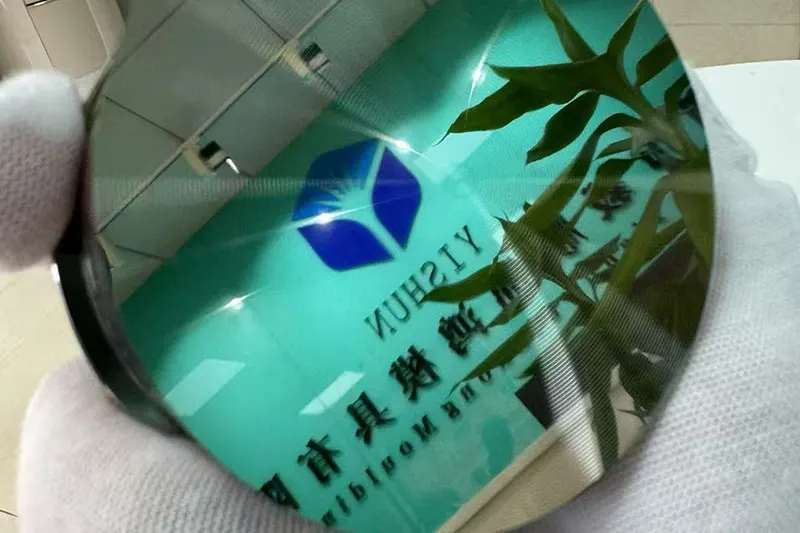
YISHUN Optical provides transparent cost breakdowns for all quotations, helping customers understand pricing structure and identify optimization opportunities. The facility’s Ra≤0.005μm surface finish capabilities and ±0.005mm tolerance control provide quality assurance that reduces downstream quality costs for customers.
Direct Cost Comparison: In-House vs. Outsourced Optical Mold Polishing
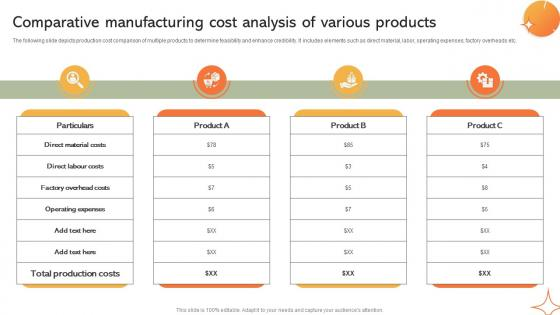
In-house manufacturing hourly rates range from $159-230 per hour when including equipment amortization, labor, facility overhead, quality control, and maintenance. Outsourced optical mold polishing typically ranges from $38-52 per hour including these cost elements, representing 72-78% lower total cost according to industry benchmarks. However, these figures require careful interpretation based on specific operational requirements.
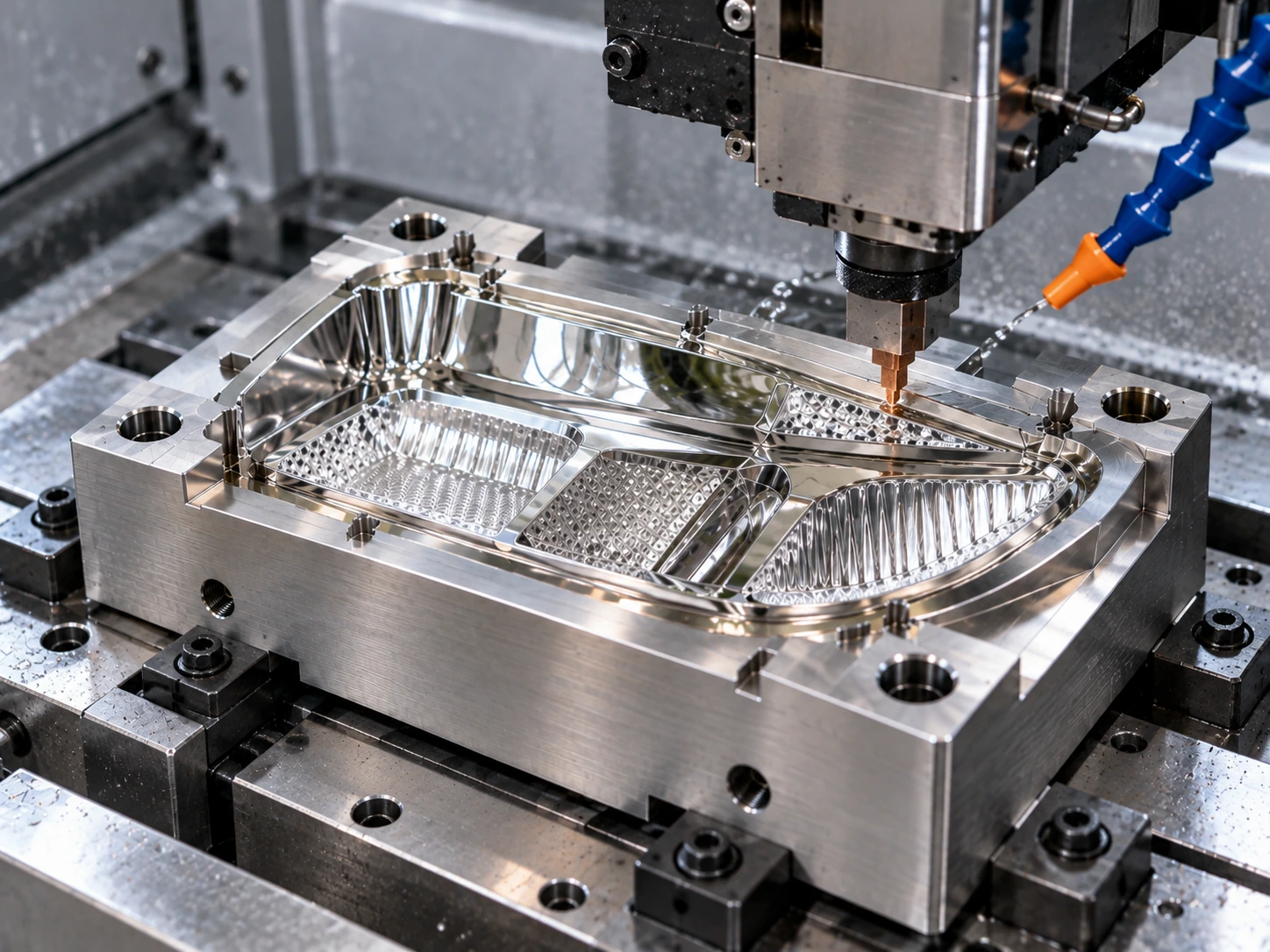
Equipment costs constitute significant in-house investments. CNC machining centers range from $60K-$200K per machine over 5-7 year amortization periods. Ultra-precision equipment like Moore single-point diamond turning lathes or magnetorheological finishing systems command substantially higher capital outlays. YISHUN Optical’s portfolio of 25 five-axis machining centers, 4 Toshiba UVM machines, and 2 Moore lathes represents capital investment beyond reach of most individual manufacturers.
Labor costs vary dramatically by region. Chinese manufacturing labor rates remain 30-40% below Western equivalents when loaded for benefits and overhead. YISHUN Optical’s skilled technicians, including those praised by Kate Thompson from the UK for solving “complex polishing challenges,” provide capabilities matching or exceeding Western standards at competitive pricing.
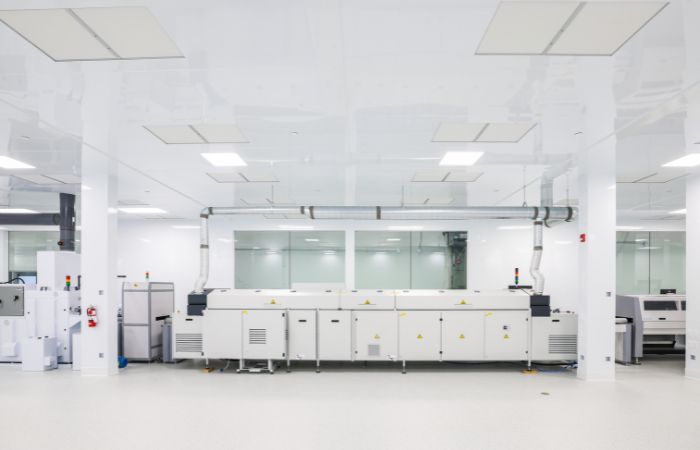
Facility overhead including cleanroom maintenance, environmental control, and equipment utilities adds $24-32 per square foot annually. Class 10 cleanroom operation for optical mold polishing requires continuous environmental management, pressure monitoring, and contamination control that significantly increase operational costs.
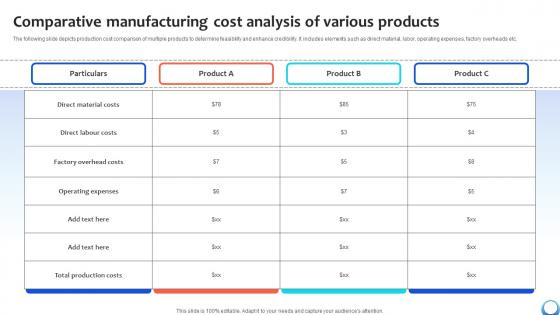
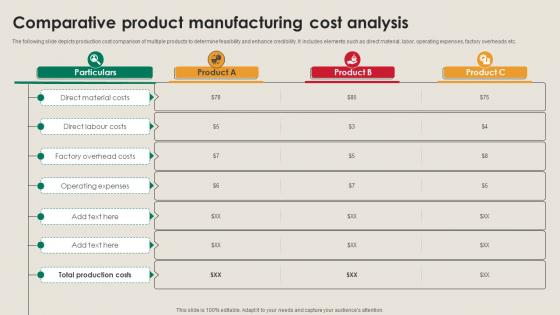
| Cost Component | In-House | Outsourced | Typical Savings |
|---|---|---|---|
| Equipment (amortized) | $60K-$200K/machine | Included | $0 explicit |
| Operator labor (loaded) | $60K-$90K/year | Included in unit price | 35-45% |
| Facility overhead | $24-32/sq ft annually | Included | 100% eliminated |
| Quality control | $16-22/hour | Included | 50-65% reduction |
| Maintenance & calibration | $5K-$15K/year per machine | Included | 70-75% lower |
| Technology upgrades | Capital-intensive | Continuous upgrades included | 100% eliminated |
Hidden Costs Frequently Overlooked in Sourcing Decisions
Scrap and rework expenses significantly impact total cost calculations. Internal operations typically experience 3-8% scrap rates for new process development, with additional rework costs for recoverable defects. When suppliers absorb reject costs under negotiated terms, customers avoid these expenses. YISHUN Optical’s 98%+ first-pass yield substantially reduces customer exposure to defect-related costs.
Engineering time for programming, fixturing, and process development represents 5-20 hours per new part that may be overlooked in direct cost comparisons. Outsourced suppliers amortize these NRE costs across multiple customers and production runs, reducing per-unit impact. Complex optical geometries requiring specialized tooling increase internal burden disproportionately.
Quality and incoming inspection requirements add CMM time, inspection labor, and documentation overhead. Outsourced suppliers typically include first-article inspection, in-process verification, and final documentation in service pricing. Customers benefit from supplier quality systems including ISO 9001 certification without maintaining parallel internal capabilities.
Inventory carrying costs tie up working capital in work-in-process and finished goods. Outsourced optical mold polishing reduces internal WIP by shifting processing to supplier facilities. Just-in-time delivery arrangements minimize finished goods inventory while maintaining production continuity. YISHUN Optical’s 99.8% on-time delivery record provides reliability that supports lean inventory strategies.
Supplier qualification and relationship management require ongoing investment. RFP processes, capability assessments, and performance reviews consume engineering and procurement resources. Long-term supplier partnerships reduce qualification burden while maintaining quality assurance. YISHUN Optical’s Apple Gold Supplier status since 2014 and certifications including ISO 9001, ISO 14001, and Dun & Bradstreet provide pre-qualified capability documentation.
Quality Considerations in Outsourcing Decisions
Quality consistency distinguishes capable suppliers from marginal providers. Robotic polishing systems like YISHUN Optical’s ABB 6-axis cell achieve ±0.001mm repeatability that manual processes cannot reliably match. Program-controlled parameters ensure identical results across production batches and time intervals, eliminating quality drift associated with operator fatigue or technique variation.
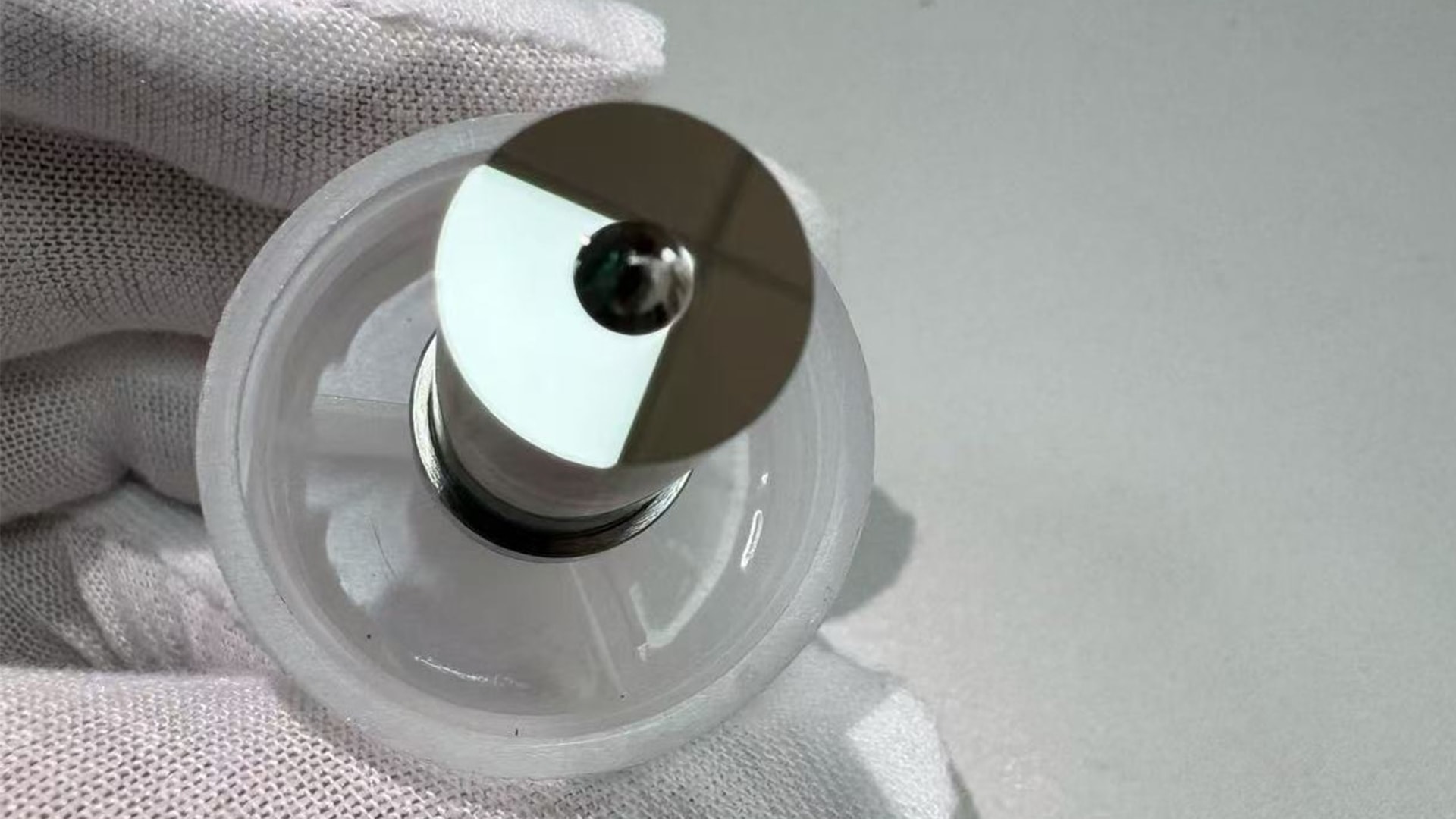
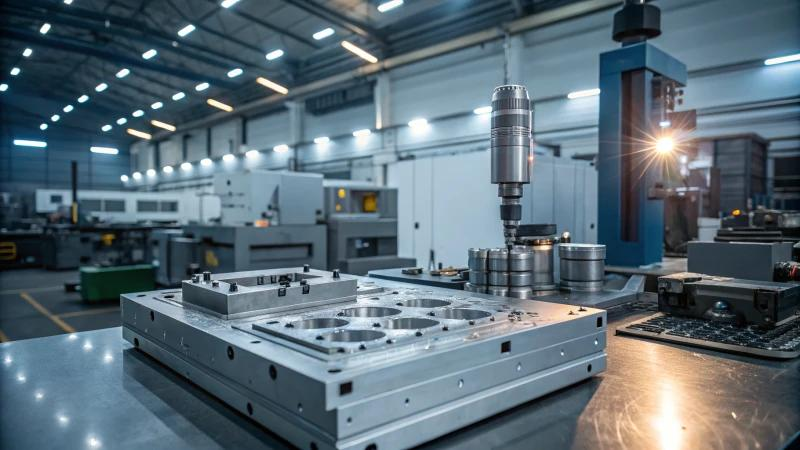
Equipment capability determines achievable quality boundaries. YISHUN Optical’s 4 Toshiba UVM ultra-precision machining centers deliver PV≤0.15μm surface accuracy, while 2 Moore single-point diamond turning lathes achieve Ra≤2nm finishes. These capabilities enable surface qualities matching or exceeding internal capabilities without capital investment in specialized equipment.
Metrology investment affects quality verification accuracy. Interferometers, optical profilometers, and coordinate measuring machines represent substantial capital requirements for comprehensive inspection capability. YISHUN Optical’s Class 10 cleanroom supports precision measurement without environmental interference, providing accurate quality data for customer review.
Process documentation and traceability support quality assurance requirements. Batch records linking materials, equipment, parameters, and inspection results enable root cause analysis when issues arise. YISHUN Optical’s quality management system provides traceability across 3,000+ Apple mold sets delivered since 2014, demonstrating systematic process control.
Customer testimonials validate quality performance across diverse applications. Ahmed Khan from the UAE praised YISHUN Optical’s “advanced machines consistently producing flawless mirror finishes.” Michael Robinson from the USA noted reliance on “YISHUN Optical’s strict quality control processes.” These references provide confidence beyond audit documentation.
Strategic Considerations Beyond Pure Economics
Technology obsolescence risk favors outsourcing for manufacturers facing rapid innovation cycles. Consumer electronics product lifecycles compress to 12-18 months, requiring flexible capacity that internal capital budgets cannot accommodate. YISHUN Optical’s continuous equipment upgrades ensure access to latest capabilities without customer capital exposure.
Skill shortages affect ultra-precision optical mold polishing disproportionately. Specialized competencies in CNC programming, metrology interpretation, and process optimization require years to develop. YISHUN Optical’s team of skilled technicians provides capabilities that recruiting and training programs cannot rapidly replicate.
Supply chain complexity increases with component integration. Optical molds increasingly incorporate sensors, actuators, and multi-material constructions requiring diverse manufacturing competencies. Outsourced specialists provide depth in specific processes while coordinating broader supply networks. YISHUN Optical’s 300+ global partners demonstrate integration capabilities across complex programs.
Intellectual property protection concerns favor domestic sourcing for some manufacturers. However, YISHUN Optical’s Dun & Bradstreet certification, established reputation with international OEMs, and systematic confidentiality practices address these concerns. Legal frameworks and contractual protections provide additional safeguards for technology-sensitive programs.
Capacity flexibility enables rapid scaling without permanent overhead commitment. Internal capacity constrains maximum throughput while requiring continued fixed costs during demand troughs. Outsourced optical mold polishing provides variable capacity that scales with demand while maintaining consistent quality levels. YISHUN Optical’s 25 five-axis machining centers provide scale that supports high-volume programs.
Break-Even Analysis and Decision Framework
The break-even point for outsourcing optical mold polishing depends on volume, quality requirements, and internal capability utilization. General guidance suggests outsourcing becomes economical when annual polishing requirements exceed 500-1,000 hours, or when quality rejection rates exceed 2-3% of production value. However, specific analysis should incorporate company-specific factors.
Calculate internal fully-loaded hourly costs including equipment depreciation, labor with benefits, facility allocation, utilities, maintenance, quality, and management overhead. Compare against comprehensive outsourced quotations including all direct costs, tooling, inspection, and logistics. Factor in quality cost projections based on supplier capability assessment and historical performance data.
Consider strategic value of internal capabilities beyond direct economics. Manufacturing engineering competency development, process optimization learning, and capacity control may justify internal investment even at higher apparent cost. Conversely, strategic focus on core competencies may favor outsourcing non-differentiated processes.
Scenario analysis should examine upside and downside cases. Upside scenarios might include rapid volume growth exceeding internal capacity, new product introductions requiring capabilities beyond current investment, or quality improvement enabling premium pricing. Downside scenarios might include demand decline leaving internal capacity stranded, technology shifts requiring new equipment investment, or key personnel turnover disrupting capability.
YISHUN Optical offers value engineering support to help customers optimize designs for both performance and cost. Engineering collaboration during product development phase can identify cost reduction opportunities that improve outsourcing economics or justify internal investment decisions.
Risk Mitigation Strategies for Outsourced Optical Mold Polishing
Supplier concentration risk requires diversification across multiple providers for critical applications. Develop primary and secondary suppliers with overlapping capabilities to ensure continuity during capacity constraints or quality issues. YISHUN Optical’s established capacity and track record provide stability for primary relationship development.
Quality agreement terms should define specifications, inspection requirements, rejection criteria, and corrective action procedures. Traceability requirements ensure batch-level identification enabling root cause analysis. Warranty provisions allocate responsibility for defects affecting customer products. Clear agreement terms prevent disputes that consume management attention.
Communication protocols maintain alignment between customer engineering teams and supplier production personnel. Design review meetings align expectations before tooling commitments. Progress updates identify schedule risks before they impact delivery. Issue escalation procedures ensure rapid response to quality or delivery concerns. YISHUN Optical’s project management practices support proactive communication across time zones and organizational boundaries.
Performance monitoring tracks supplier metrics against agreed targets. First-pass yield, on-time delivery, and quality escape rates provide objective performance indicators. Regular business reviews assess overall relationship health and identify improvement opportunities. YISHUN Optical’s 99.8% on-time delivery record provides performance benchmark for monitoring.
FAQ: Outsourcing vs In-House Optical Mold Polishing
What is the typical cost difference between outsourcing and in-house optical mold polishing?
In-house hourly costs typically range from $159-230 per hour including equipment amortization, labor, overhead, and quality control. Outsourced optical mold polishing services typically range from $38-52 per hour, representing 72-78% savings when accounting for all cost elements. However, quality-related costs and capacity utilization affect actual comparison results.
How do quality costs impact the outsourcing decision?
Quality costs including scrap, rework, and customer returns often exceed direct cost differences between internal and outsourced options. YISHUN Optical’s 98%+ first-pass yield and systematic quality control reduce customer exposure to defect-related expenses. Higher unit prices from quality-focused suppliers frequently result in lower total cost when quality factors are included.
What equipment capabilities should I evaluate when selecting an optical mold polishing supplier?
Key equipment includes five-axis machining centers for complex geometries, ultra-precision machines for surface accuracy (PV≤0.15μm), single-point diamond turning lathes for Ra≤2nm finishes, and robotic polishing systems for repeatability (±0.001mm). YISHUN Optical’s equipment portfolio spans these capabilities with 25 five-axis centers, 4 Toshiba UVM machines, 2 Moore SPDT lathes, and ABB robotic polishing.
How important is cleanroom capability for optical mold polishing?
Class 10 or cleaner environments prevent particle contamination during polishing and inspection processes. Temperature and humidity control ensure consistent process conditions. YISHUN Optical’s Class 10 cleanroom supports precision requirements for semiconductor, medical, and consumer electronics applications.
What certifications validate supplier quality systems?
ISO 9001 establishes baseline quality management requirements. ISO 14001 confirms environmental compliance. Apple Gold Supplier status, held by YISHUN Optical since 2014, demonstrates advanced consumer electronics OEM capability. Dun & Bradstreet certification provides financial stability assurance for long-term partnerships.
How do I calculate hidden costs that affect total cost of ownership?
Hidden costs include scrap and rework expenses (3-8% for new processes), engineering time for programming and fixturing (5-20 hours per new part), quality inspection overhead, inventory carrying costs, and supplier management burden. Comprehensive TCO analysis should incorporate these factors alongside direct unit pricing comparisons.
What break-even volume justifies internal investment in optical mold polishing capabilities?
General guidance suggests outsourcing becomes economical at requirements exceeding 500-1,000 annual polishing hours, or when quality rejection rates exceed 2-3% of production value. However, specific analysis should incorporate company-specific factors including capital availability, core competency strategy, and capacity flexibility requirements.
How can I verify supplier capability before committing to outsourcing?
Request capability documentation including equipment lists, certifications, and process descriptions. Review sample inspection data and quality records for similar applications. Contact customer references for performance feedback. YISHUN Optical provides capability presentations, sample processing, and customer reference introductions to support qualification processes.
Conclusion
Total cost of ownership analysis reveals that outsourcing optical mold polishing frequently delivers economic advantages beyond unit price comparisons. Hidden costs including quality failures, engineering burden, and capacity constraints often exceed direct labor and equipment savings from internal operations. Strategic considerations including technology obsolescence risk, skill availability, and capacity flexibility further favor outsourcing for many manufacturers.
YISHUN Optical provides comprehensive optical mold polishing capabilities supporting outsourced manufacturing strategies. Equipment portfolio including five-axis machining centers, ultra-precision machines, and robotic polishing systems delivers capabilities matching or exceeding internal investments. Quality metrics including 98%+ first-pass yield and 99.8% on-time delivery demonstrate operational excellence. Certifications including ISO 9001, ISO 14001, and Apple Gold Supplier status validate systematic quality management.
For manufacturers evaluating sourcing strategies, comprehensive TCO analysis incorporating quality costs, strategic factors, and risk considerations provides the foundation for sound decisions. YISHUN Optical’s transparent cost structures and value engineering support help customers optimize both supplier selection and product design.
Ready to analyze your optical mold polishing sourcing strategy?
Contact YISHUN Optical for detailed quotations, capability presentations, and value engineering support tailored to your specific requirements.
- Email: yishun158@163.com
- Phone: +86-755-82594863
- Website: https://yishunoptical.com/