Key Takeaways
- Design for Manufacturability (DFM) optimization can reduce costs 20-40% without affecting performance
- Specify tolerances and surface requirements you actually need, not tighter than necessary
- Strategic supplier partnerships reduce total cost beyond unit price
- Volume planning and forecasting enables production efficiency gains
- Total cost of ownership—including quality and delivery—matters more than unit price
Introduction
Optical component manufacturing represents significant investment for precision applications. Reducing costs while maintaining quality requires strategic approaches that address design, sourcing, and supplier relationships. This guide provides actionable strategies used by leading OEMs to optimize optical manufacturing investment.
Design Optimization Strategies
Design decisions made early in product development have the greatest impact on manufacturing cost. Working with suppliers during design phase often reveals significant cost reduction opportunities.
Specify Realistic Tolerances
The Problem: Over-specified tolerances increase manufacturing cost without improving function.
The Solution: Analyze functional requirements and specify tolerances that meet performance needs, not arbitrary precision levels.
Cost Impact by Tolerance Level:
| Tolerance | Relative Cost | When Appropriate |
|---|---|---|
| ±50μm | 1x baseline | Non-critical dimensions |
| ±10μm | 1.2-1.5x | Standard precision |
| ±5μm | 1.5-2x | Precision assemblies |
| ±1μm | 2-3x | Precision optics |
| ±0.5μm | 3-5x | Ultra-precision (Moore/RODERS) |
| ±0.1μm | 8-15x | Specialized applications |
Strategy: Review each tolerance with your engineering team and supplier. Ask: “What happens if this dimension is at ±10μm instead of ±5μm?” If the answer is “nothing functional changes,” loosen the tolerance.
Optimize Surface Requirements
The Problem: Surface roughness specifications tighter than necessary dramatically increase processing time and cost.
The Solution: Match surface requirements to functional need:
| Surface Requirement | Cost Multiplier | Appropriate Applications |
|---|---|---|
| Ra 100-500nm | 1x | Functional surfaces, housings |
| Ra 20-100nm | 2-3x | Standard optics, illumination |
| Ra 5-20nm | 5-8x | Quality imaging optics |
| Ra 1-5nm | 10-20x | Precision lasers, interferometry |
| Ra <1nm | 30x+ | Research applications |
Strategy: Only specify Ra 1nm where optical performance actually requires it. Many applications perform adequately with Ra 20-50nm surfaces at a fraction of the cost.
Consider Design Simplification
The Problem: Complex geometries require multi-setup operations, specialized tooling, and extended processing.
Simplification Strategies:
- Reduce the number of setup operations by consolidating features
- Design for standard tooling where possible
- Consider whether internal features are truly necessary
- Evaluate whether blind features can be through-features (easier to machine)
- Reduce draft angles where draft-free machining is possible
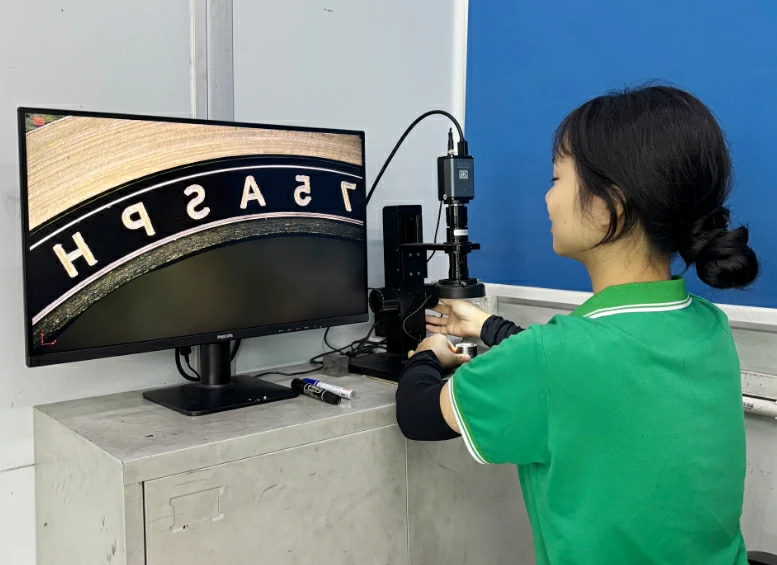
DFM Consultation: YISHUN’s engineering team provides complimentary DFM analysis during quotation review, identifying cost reduction opportunities specific to your design.
Material Selection Optimization
Balance Material Cost and Processing Difficulty
Material selection affects both raw material expense and processing cost. Sometimes a more expensive material processes more efficiently, resulting in lower total cost.
Material Cost Factors:
| Material Category | Raw Material Cost | Processing Cost | Total Cost Impact |
|---|---|---|---|
| Aluminum 6061 | Low | Low | Baseline |
| Brass C360 | Moderate | Low | Low-moderate |
| Stainless 303 | Moderate | Moderate | Moderate |
| BK7 Glass | Moderate-high | Moderate | Moderate-high |
| Sapphire | High | Very high | Very high |
| SiC | High | High | High |
Strategic Material Decisions:
- Use aluminum for non-optical structural components (cost-effective, good machinability)
- Reserve sapphire for applications requiring extreme scratch resistance
- Consider glass alternatives for less demanding optical applications
- Evaluate aluminum anodizing vs. more expensive materials for appearance parts
Standardization Opportunities
The Problem: Custom materials increase minimum order quantities and inventory costs.
The Solution: Standardize on common materials where performance allows:
- Single material across product families
- Standard optical glass types (BK7, fused silica) instead of specialty glasses
- Common aluminum grades (6061-T6, 7075-T6)
Cost Benefit: Standardization enables:
- Lower raw material pricing through volume
- Reduced inventory carrying costs
- Simplified qualification (one-time vs. repeated)
- Faster production scheduling (common setups)
Supplier Partnership Strategies
Establish Strategic Relationships
The Problem: Transactional supplier relationships optimize for each order rather than total value.
The Solution: Strategic partnerships align supplier incentives with your success.
Partnership Benefits:
- Pricing stability: Long-term agreements provide predictable costs
- Priority scheduling: Preferred customers get faster lead times
- Engineering collaboration: Partners share optimization insights
- Quality investment: Suppliers invest in capabilities for committed volumes
- Risk sharing: Partners work together on cost reduction initiatives
Building Partnerships:
- Consolidate volume with fewer suppliers
- Commit to volume forecasts (even rough, months in advance)
- Share demand projections beyond immediate orders
- Include suppliers in design decisions early
- Recognize supplier contributions to cost reduction
YISHUN Optical has maintained 20+ year relationships with customers including Apple, BYD, KOITO, and Philips through strategic partnership approaches that balance cost, quality, and innovation.
Leverage Supplier Expertise
The Problem: Buyers often specify requirements suboptimally because they lack manufacturing expertise.
The Solution: Tap into supplier knowledge:
- Request DFM feedback before finalizing designs
- Ask about alternative approaches you’ve not considered
- Discuss process improvements your supplier has developed
- Learn about material substitutions that might work
- Understand how your requirements compare to their standard capabilities
Example: A customer specified sapphire for a window application. YISHUN suggested chemically strengthened glass as an alternative—lower material cost, adequate scratch resistance, and faster processing. Result: 40% cost reduction with equivalent performance.
Volume and Planning Optimization
Volume Economics
The Problem: Low-volume orders pay premium pricing due to setup amortization.
The Solution: Optimize volume strategy:
Prototype Optimization:
- Limit prototype quantities to necessary size
- Use prototypes to validate design, not stock inventory
- Accept higher per-part cost for prototypes (acceptable trade-off)
Production Planning:
- Forecast volume requirements 3-6 months ahead
- Consolidate orders to reduce setup frequency
- Consider annual volume contracts for pricing stability
- Balance inventory cost against order frequency
Volume Pricing Tiers:
| Quantity | Typical Discount |
|---|---|
| 1-10 | Baseline |
| 11-50 | 20-40% |
| 51-100 | 35-50% |
| 101-500 | 45-60% |
| 500+ | 50-65% |
Strategic Volume Planning:
- Forecast 12-month volume for production planning
- Commit to quarterly volumes for pricing
- Plan for annual price negotiations
- Consider safety stock to buffer demand variability
Production Scheduling Efficiency
The Problem: Rush orders and irregular demand disrupt production efficiency.
The Solution: Provide predictable demand:
- Share rolling forecasts quarterly
- Provide 4-6 week firm orders with rolling forecasts beyond
- Accept standard lead times rather than expedite
- Maintain consistent order patterns
Scheduling Benefits:
- Standard lead times often 30-50% less than rush charges
- Suppliers optimize production scheduling for predictable demand
- Setup costs amortized over larger batches
- Quality consistency improves with stable production
Total Cost of Ownership Focus
Beyond Unit Price
The Problem: Unit price focus ignores significant cost components elsewhere in the value chain.
Total Cost Components:
| Cost Category | Typical Impact |
|---|---|
| Unit price | Baseline |
| Tooling/NRE | Amortized per part |
| Inspection/testing | Verification costs |
| Shipping/logistics | 5-15% of unit price |
| Duty/tariffs | Varies by origin |
| Quality failures | 1-5% typical PPM impact |
| Inventory carrying | 15-25% annual of inventory value |
| Supplier management | Qualification, relationship costs |
| Production delays | Downtime cost, lost revenue |
Hidden Cost Factors:
- Quality escapes: Scrap, rework, customer returns, reputation damage
- Delivery variability: Expediting costs, safety stock requirements, production disruption
- Supplier instability: Re-qualification costs, qualification delays, production uncertainty
- Specification mismatches: Parts that meet specifications but don’t fit application
Supplier Selection for Total Cost
Low-Price Supplier Reality:
- May require extensive incoming inspection
- Often has higher quality escape rates
- May have inconsistent delivery performance
- May lack engineering support capability
- May require repeated qualification as suppliers change
Value Supplier Benefits:
- Consistent quality reduces inspection burden
- Reliable delivery minimizes safety stock
- Engineering support reduces design issues
- Long-term stability reduces qualification costs
- Quality documentation reduces compliance burden
Example Comparison:
| Factor | Low-Price Supplier | YISHUN-Type Supplier |
|---|---|---|
| Unit price | 100% | 115% |
| Incoming inspection | 10% additional | Included |
| Quality escapes (2% vs 0.1%) | 2% scrap rate | 0.1% scrap rate |
| Delivery reliability | 85% on-time | 98% on-time |
| Engineering support | Limited | Included |
| Total cost | Higher | Lower |
Conclusion
Reducing optical component manufacturing costs without sacrificing quality requires systematic optimization across design, materials, supplier relationships, and volume planning. The strategies in this guide deliver measurable cost reduction while maintaining or improving quality outcomes.
The most effective cost reduction comes from early engagement—design phase collaboration with experienced suppliers identifies opportunities that post-design changes cannot achieve. Combined with strategic supplier partnerships and volume planning, these approaches create sustainable cost advantages.
Ready to discuss cost optimization for your optical components?
Contact YISHUN Optical for DFM consultation and value engineering support for your precision optical manufacturing.
📧 Email: info@yishunoptical.com
🌐 Website: https://yishunoptical.com/
Frequently Asked Questions
What’s the biggest cost reduction opportunity in optical component procurement?
Design specification optimization typically offers the largest single opportunity. Over-specified tolerances and surface roughness requirements often account for 30-50% of unnecessary cost. Review specifications with your engineering team and supplier to identify relaxation opportunities.
How much can DFM review save on optical components?
DFM reviews typically identify 15-40% cost reduction opportunities without affecting function. Common savings include tolerance relaxation, surface requirement optimization, geometry simplification, and material substitution. YISHUN provides complimentary DFM consultation.
Is it worth paying more for a higher-quality supplier?
For most applications, yes. Unit price differences of 10-20% are often offset by quality consistency, reduced inspection burden, reliable delivery, and engineering support. Calculate total cost of ownership before assuming lower unit price means lower total cost.
How do I reduce costs on high-volume optical components?
For high volumes: negotiate annual contracts with volume commitments, standardize designs and materials across product lines, plan demand 6-12 months ahead, and consider dedicated production cells. Higher volumes enable suppliers to optimize efficiency and pass savings to committed customers.
Should I consolidate optical component suppliers to reduce costs?
Consolidating with fewer strategic suppliers often reduces costs through volume leverage, relationship investment, and simplified management. However, maintain backup capacity for critical components. Aim for 2-3 strategic suppliers per component category rather than many transactional suppliers.
How can I reduce prototype costs for optical components?
Prototype costs are inherently higher due to setup amortization. Reduce prototype costs by: limiting prototype quantities, using prototypes for validation rather than inventory, accepting longer lead times for standard pricing, and discussing prototype-specific pricing with your supplier.
What role does material selection play in cost reduction?
Material selection affects both raw material cost and processing difficulty. Sapphire costs 15x more than aluminum and requires 3-5x more processing time. Select materials based on functional requirements, not assumed needs. Your supplier can often suggest cost-effective alternatives.