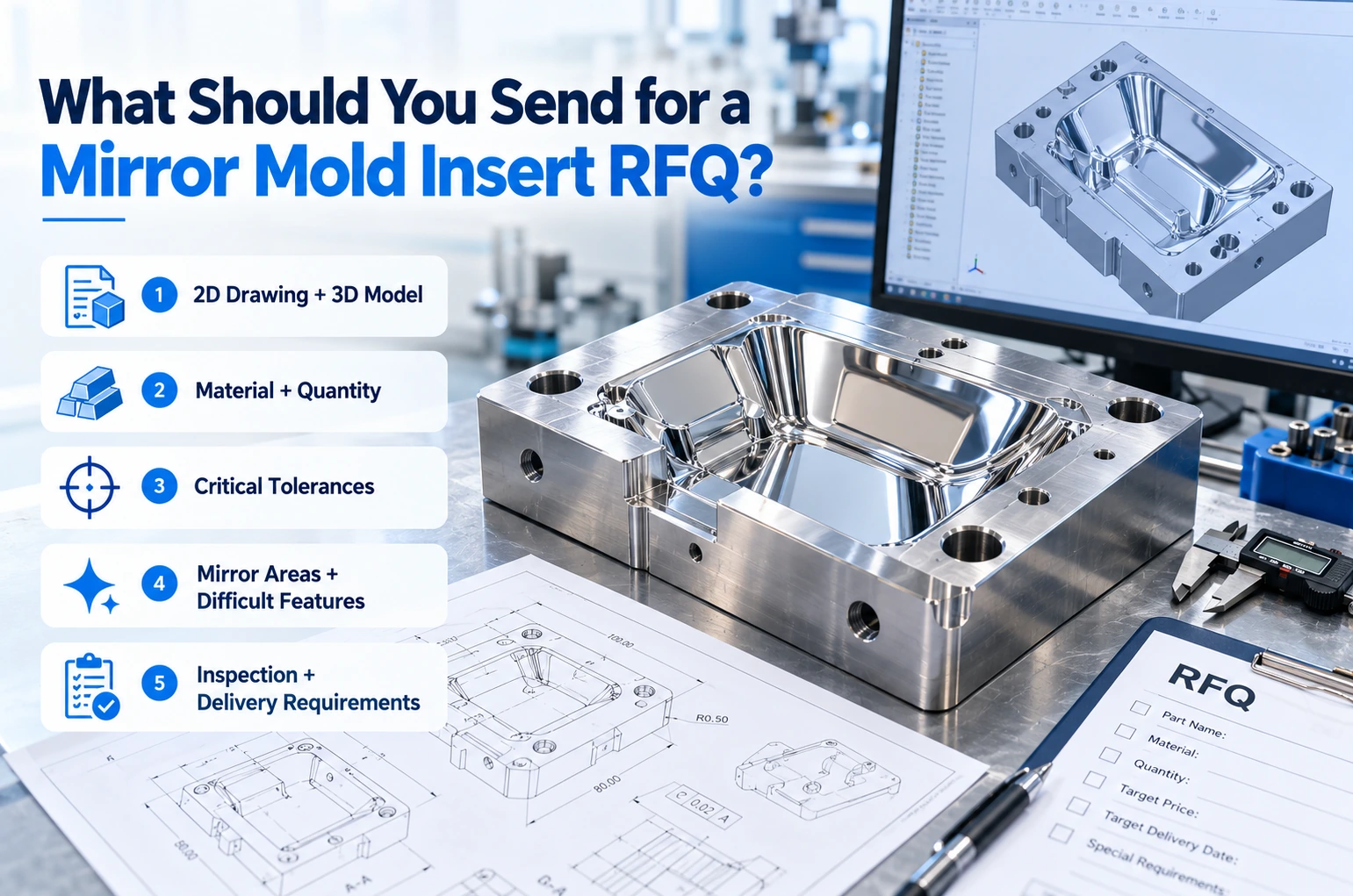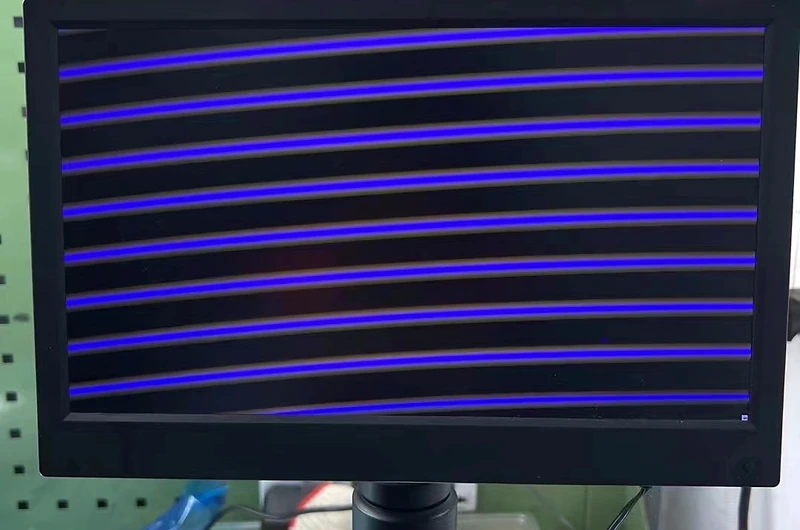
Medical device manufacturers face a unique intersection of demands: biocompatible materials that resist conventional machining, injection mold surfaces that must be entirely free of scratches and burrs, and regulatory frameworks that require documentation at every production step. Meeting these requirements starts with the mold — specifically, with precision mold polishing and mirror mold core customization performed to exacting tolerances. Yishun Optical, a Shenzhen five-axis mirror machining manufacturer with ISO 9001, ISO 14001, and ISO 45001 certifications, has developed dedicated optical mold machining capabilities for medical device component production, delivering surface roughness of Ra≤0.005μm and form accuracy of PV≤λ/4 on biocompatible injection molds.
Medical Device Mold Requirements: Regulatory Compliance and Biocompatible Material Challenges
The Regulatory Landscape Demands Flawless Mold Quality
Every medical device component produced through injection molding must comply with stringent regulatory frameworks before reaching clinical use. The U.S. Food and Drug Administration (FDA) classifies medical devices into three risk categories (Class I, II, and III), and the mold quality directly influences biocompatibility validation, cleanability testing, and particulate generation data submitted in regulatory filings. Similarly, the European CE marking process under the Medical Device Regulation (MDR 2017/745) requires evidence that device surfaces do not harbor contaminants or produce degradation byproducts — criteria that trace directly back to injection mold surface quality.
China’s National Medical Products Administration (NMPA) enforces parallel requirements for devices sold domestically, with particular emphasis on surface finish specifications for implantable components and fluid-contacting devices. Across all three regulatory regimes, injection mold surface defects such as micro-scratches, parting-line burrs, or ejection pin marks become failure points during biocompatibility testing, triggering costly redesign cycles and approval delays.
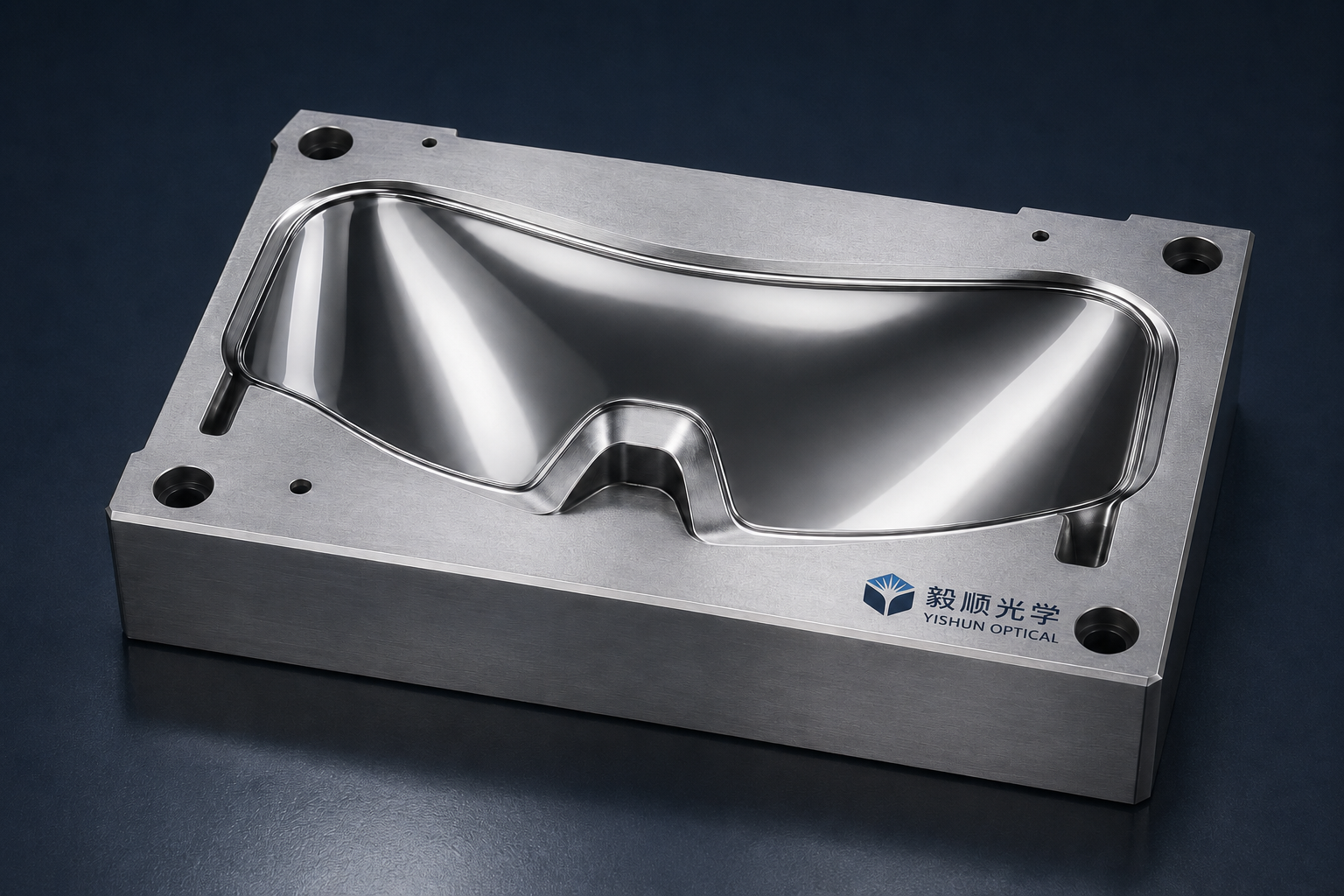
Yishun Optical understands that medical device mold compliance begins at the machining stage. The company’s precision mold polishing processes are designed to produce cavity surfaces that meet the strictest medical-grade requirements: zero visible scratches under 10x magnification, edge breaks free of burrs to 0.02mm maximum, and cavity surface gloss exceeding 90 GU (Gloss Units) to ensure effortless part release without surface transfer defects.
Biocompatible Materials and Their Mold Machining Challenges
The most commonly specified biocompatible thermoplastics for medical device injection molding include polycarbonate (PC), polyetheretherketone (PEEK), and polyphenylsulfone (PPSU). Each material serves distinct clinical functions — PC for transparent housings and fluid reservoirs, PEEK for structural implant-adjacent components requiring sterilization resistance, and PPSU for repeated autoclave environments — yet all three present significant challenges for the molds that shape them.
Polycarbonate (PC) flows readily at processing temperatures of 280–320°C but is exceptionally sensitive to mold surface texture. Any scratch, tool mark, or microscopic irregularity on the cavity surface transfers directly to the molded PC component. For medical device housings requiring optical clarity or visual inspection of internal fluid levels, the mold cavity must achieve mirror-quality surface finish. Yishun Optical’s mold mirror polishing process routinely brings PC mold cavities to Ra≤0.005μm, eliminating all surface defects that could compromise visual clarity or create contamination traps.
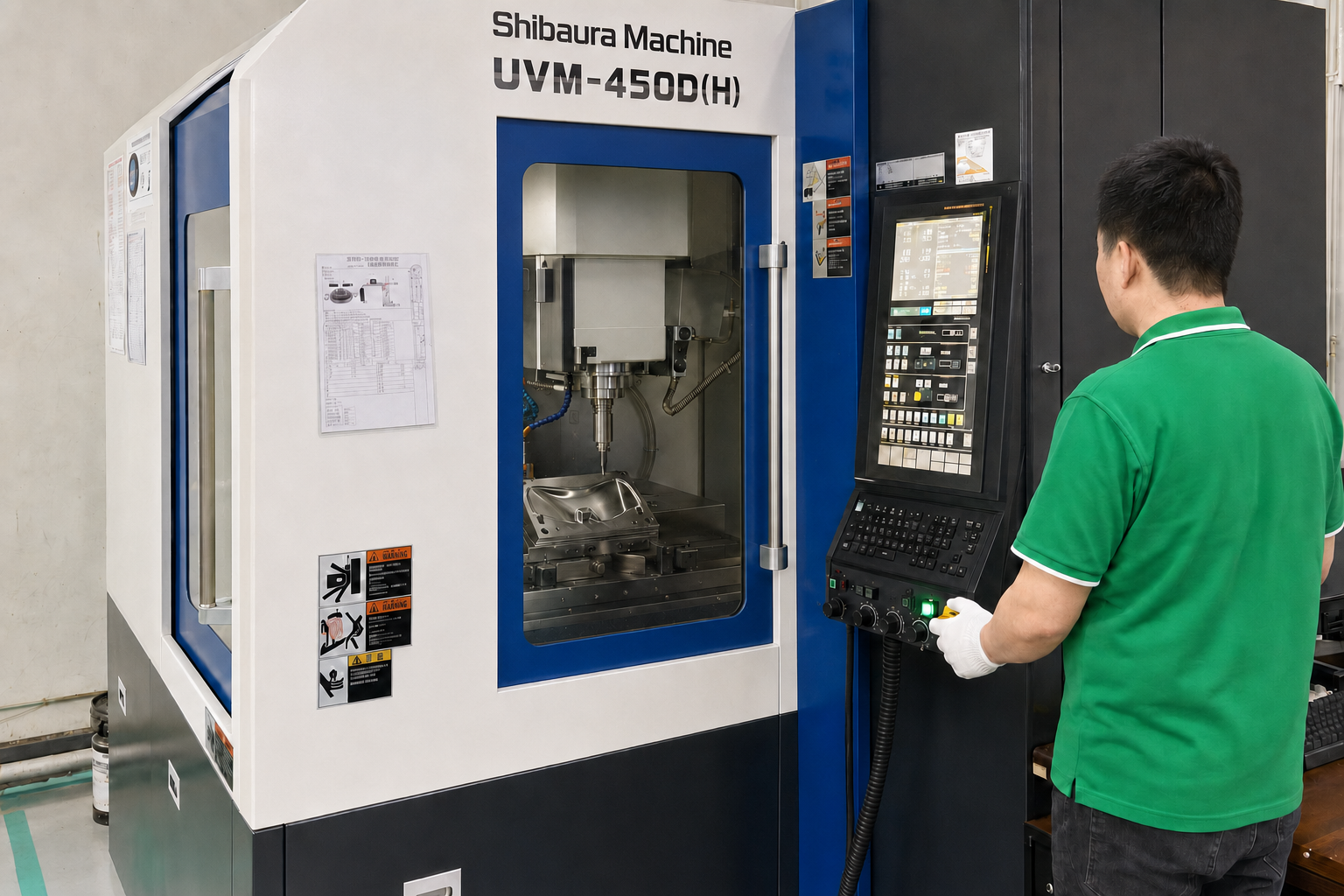
Polyetheretherketone (PEEK) processes at 370–420°C and demands mold steels capable of withstanding sustained high temperatures without surface degradation. The material’s high crystallinity means that mold surface temperature uniformity is critical — variations of even 5°C across the cavity produce differential shrinkage that warps thin-wall medical components. Yishun Optical addresses this challenge through optical mold machining on the Toshiba TTV450E-AX five-axis vertical machining center, which maintains thermal stability during extended cutting cycles on hardened mold steels (HRC 50–54) used for PEEK applications.
Polyphenylsulfone (PPSU) shares PEEK’s high processing temperature range but adds an additional complication: the material tends to adhere to mold surfaces that lack sufficient surface quality. Inadequate mold mirror polishing leads to sticking, which causes part surface defects and accelerates mold degradation. Yishun Optical’s precision mold polishing protocol for PPSU molds achieves the Ra≤0.005μm threshold that ensures consistent part release across high-volume production runs exceeding 100,000 shots.
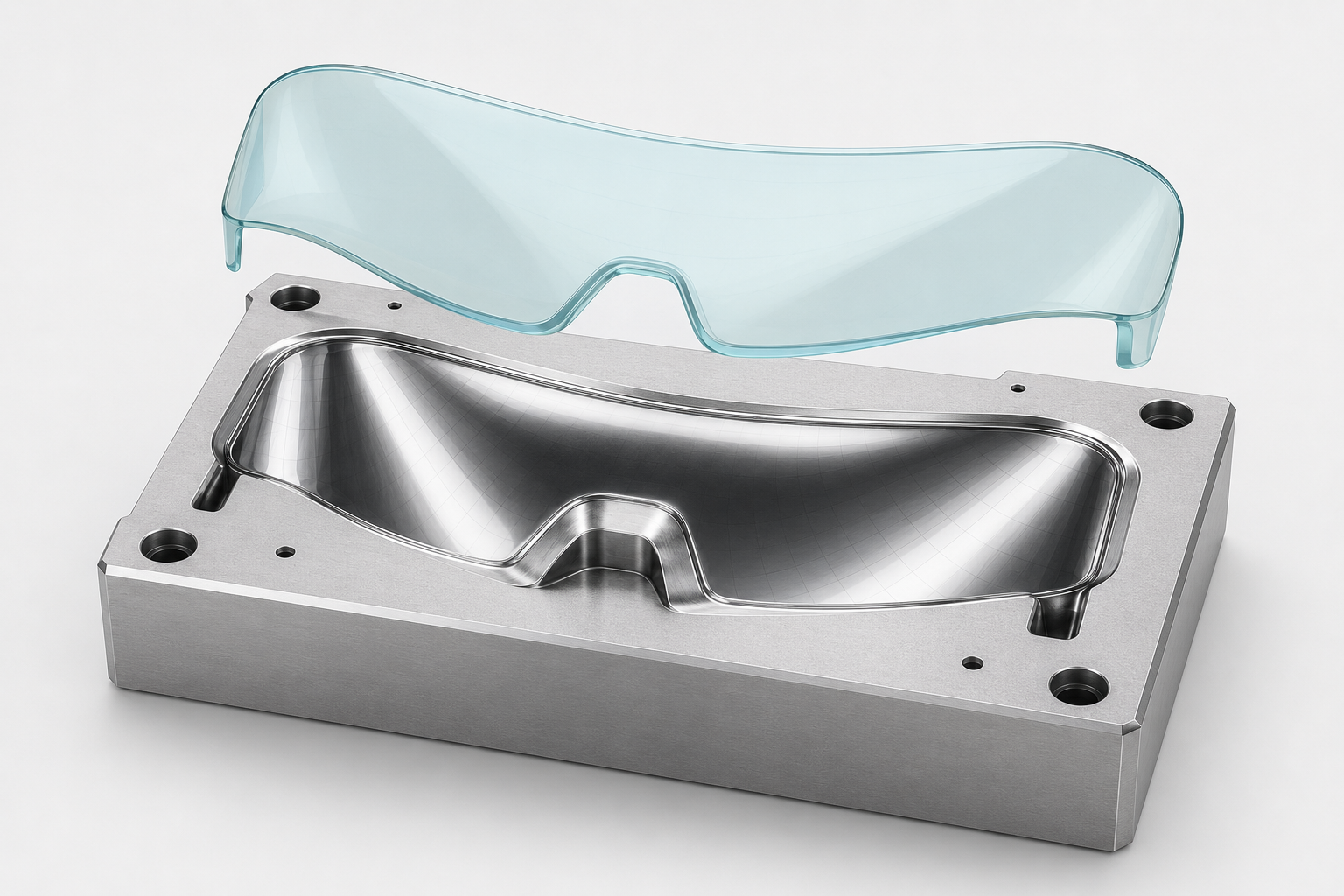
Mirror Mold Core Customization: Yishun Optical’s Process for Medical Injection Molds
From Drawing to Mirror Finish: The Customization Workflow
Yishun Optical’s mirror mold core customization for medical device injection molds follows a structured, document-controlled workflow designed to satisfy both technical requirements and regulatory traceability demands. The process begins with a comprehensive engineering review of the customer’s 3D model and 2D drawing, where Yishun Optical’s engineering team identifies all critical surfaces — those that directly contact biocompatible materials or influence part dimensions — and assigns specific machining and surface finish specifications to each zone.
The workflow at Yishun Optical proceeds through five controlled stages:
- DFM (Design for Manufacturability) Analysis: Yishun Optical engineers evaluate the medical component geometry for draft angles, undercut conditions, wall thickness uniformity, and parting line placement. This analysis ensures the mold design accommodates precision mold polishing access to all critical cavity surfaces.
- Rough and Semi-Finish Machining on the Kern Pyramid Nano: The Kern Pyramid Nano five-axis ultra-precision machining center removes bulk material from medical-grade mold steel (typically Stavax ESR or Elmax for medical applications) while maintaining nanometer-level linkage accuracy across all five interpolated axes. The Kern Pyramid Nano’s repeat positioning accuracy of ±0.002mm ensures that complex cavity features — undercuts for medical device latch mechanisms, micro-rib structures for fluid channel definition, and thin-wall sections for lightweight housings — are generated with dimensional accuracy held within ±0.005mm.
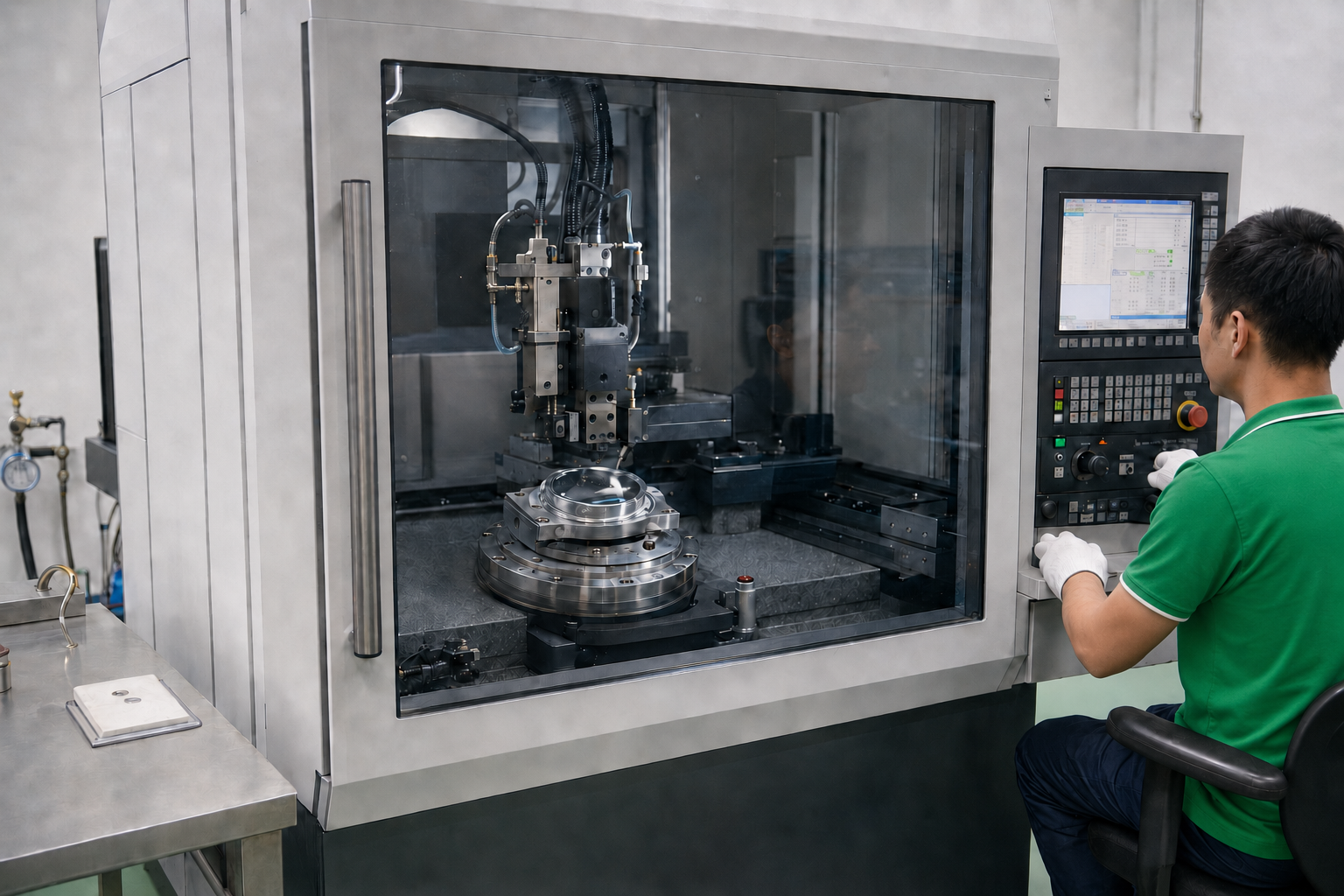
- Precision Finishing on the Toshiba TTV450E-AX: The Toshiba TTV450E-AX five-axis vertical machining center handles semi-finishing and final form generation on medical mold cavities. Its high-rigidity spindle and thermal compensation systems maintain cutting stability during extended operations on hardened mold steels, producing surface conditions that require minimal subsequent polishing. For medical device molds with deep cavity geometries — such as surgical instrument housings with internal cable routing channels — the Toshiba TTV450E-AX provides the reach and accessibility that three-axis machines cannot achieve.
- Mirror Mold Polishing by Skilled Technicians: Yishun Optical’s precision mold polishing specialists apply progressive abrasive sequences to bring cavity surfaces from the machined condition (typically Ra 0.1–0.4μm after semi-finishing) down to the target Ra≤0.005μm. This stage requires both technical skill and process discipline — Yishun Optical documents every polishing step to ensure repeatability and to support the traceability requirements of FDA quality system regulations.
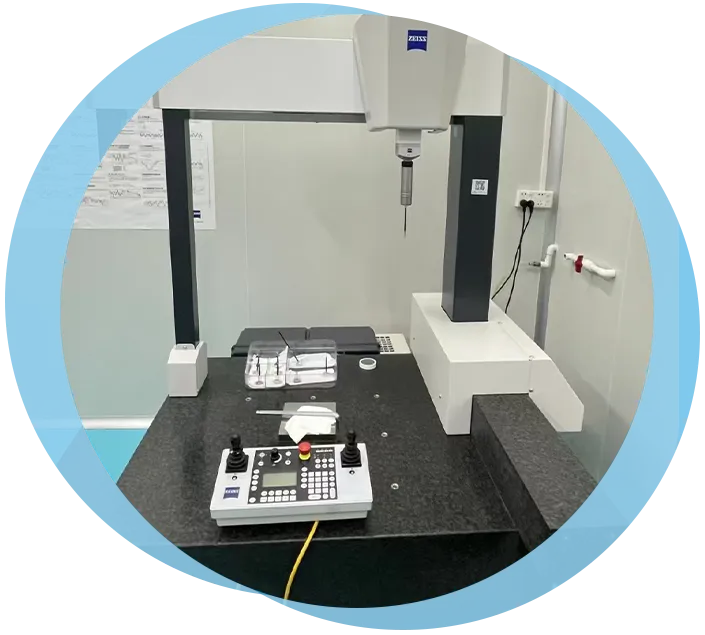
- Final Inspection and Certification: The Mitutoyo Crysta-Apex S500 coordinate measuring machine verifies all critical dimensions with 0.1μm measurement accuracy. Surface roughness is confirmed through profilometry, and form accuracy is validated to PV≤λ/4. Yishun Optical provides complete inspection reports with every medical mold core delivery, supporting the customer’s regulatory submission package.
Equipment Selection for Medical Mold Requirements
Yishun Optical’s equipment portfolio reflects the specific demands of biocompatible material processing. The Kern Pyramid Nano provides five-axis simultaneous machining for complex medical geometries, maintaining the thermal stability required for mirror-grade surfaces. The Toshiba TTV450E-AX complements this with its vertical spindle orientation, advantageous for deep-cavity medical mold machining where chip evacuation and tool access are critical.
For optical mold machining applications — molds for endoscope lens housings, optical sensor windows, and light guide components — Yishun Optical integrates mirror mold core customization with specialized diamond turning processes, delivering medical-grade optical mold components that meet dimensional and surface quality requirements in a single production flow.
Case Study: Surgical Instrument Housing Injection Mold — Yield Improvement Through Precision Process Design
The Challenge
A medical device manufacturer approached Yishun Optical with a surgical instrument housing molded from medical-grade polycarbonate, experiencing a 12% rejection rate due to surface defects. The housing featured an ergonomic form with integrated grip textures, a snap-fit closure mechanism, and a transparent viewing window requiring optical clarity for intraoperative verification. Surface defects — micro-scratches in the transparent window zone and parting-line flash along the housing perimeter — caused parts to fail visual inspection and compromised the hermetic seal required for sterilization.
The existing mold, produced using conventional three-axis machining with manual bench polishing, delivered inconsistent surface quality in deep-reach areas and excessive parting-line mismatch that generated flash during injection molding.
Yishun Optical’s Solution
Yishun Optical identified three root causes: insufficient five-axis access in the snap-fit zone for effective precision mold polishing, thermal distortion during manual polishing that created micro-ripples in the deep cavity, and parting-line accuracy degradation from guide-pin wear allowing cavity misalignment exceeding 0.01mm.
Yishun Optical redesigned the mold core using its mirror mold core customization methodology. The Kern Pyramid Nano performed five-axis machining of the snap-fit features at access angles three-axis machines could not reach. The Toshiba TTV450E-AX handled semi-finishing of the transparent window zone to Ra 0.05μm. Yishun Optical’s precision mold polishing team then brought the entire cavity to Ra≤0.005μm using a temperature-managed polishing protocol. Parting-line accuracy was restored through precision grinding on the Toshiba TTV450E-AX, achieving matching accuracy within ±0.003mm.
Measurable Results
The redesigned surgical instrument housing mold delivered by Yishun Optical produced immediate and measurable improvements:
- Rejection rate decreased from 12% to 1.8% within the first 5,000-shot production trial, representing an 85% reduction in surface defect-related waste.
- Transparent window optical clarity improved from 68% light transmission (with visible scattering) to 94% light transmission (optical-grade clarity suitable for intraoperative verification), achieved through the Ra≤0.005μm cavity surface finish.
- Parting-line flash eliminated entirely across 50,000 consecutive production shots, validated through dimensional measurement on the Mitutoyo Crysta-Apex S500.
- Mold longevity exceeded 200,000 shots without surface degradation, with the PV≤λ/4 form accuracy maintained throughout the production run.
- Regulatory documentation package included complete material certifications, dimensional inspection reports from the Mitutoyo Crysta-Apex S500, surface roughness verification data, and process validation records — all formatted to support the customer’s FDA 510(k) submission.
This project demonstrates how Yishun Optical’s integrated precision mold polishing and mirror mold core customization approach delivers measurable production quality improvements for medical device manufacturers.
Quality Assurance and Certification: Yishun Optical’s Commitment to Medical Mold Standards
ISO Certification Framework
Yishun Optical operates under a triply certified management system covering quality (ISO 9001), environmental responsibility (ISO 14001), and occupational health and safety (ISO 45001). The ISO 9001 certification ensures that every medical mold core undergoes documented design review, controlled machining, verified inspection, and traceable material handling — the process control framework that regulatory bodies expect from medical supply chain participants.
Measurement Infrastructure for Medical Mold Verification
The Mitutoyo Crysta-Apex S500 coordinate measuring machine anchors Yishun Optical’s medical mold inspection capabilities. With measurement accuracy of 0.1μm, the Mitutoyo Crysta-Apex S500 verifies dimensional tolerances of ±0.005mm with a measurement uncertainty that is one order of magnitude smaller than the tolerance band — a critical ratio for demonstrating measurement system adequacy per FDA guidance on process validation.
Beyond dimensional measurement, Yishun Optical employs additional verification methods for medical mold quality:
- Surface roughness profilometry confirms Ra≤0.005μm on all critical cavity surfaces, with measurements taken at multiple locations to verify uniformity across complex geometries.
- Optical comparison validates PV≤λ/4 form accuracy on optical surfaces within medical device components.
- Hardness testing ensures mold steel meets the required HRC specifications for biocompatible material processing temperatures.
- Surface contamination analysis verifies that precision mold polishing residues have been completely removed before mold delivery.
Apple Gold Supplier Standards Applied to Medical Molds
Yishun Optical’s Apple Gold Supplier status reflects its ability to meet the most demanding quality program in precision manufacturing. The underlying quality disciplines — statistical process control, supplier corrective action systems, and zero-defect target setting — transfer directly to medical device mold production. Whether producing molds for endoscope housings, diagnostic instrument lenses, or wearable health monitor enclosures, Yishun Optical maintains the same Ra≤0.005μm surface quality, PV≤λ/4 form accuracy, and ±0.005mm dimensional precision.
FAQ
Q1: What surface finish does Yishun Optical achieve on medical device injection molds?
A: Yishun Optical achieves surface roughness of Ra≤0.005μm through its precision mold polishing and mirror mold core customization processes. This mirror-grade finish eliminates micro-scratches, ensures effortless part release from biocompatible materials like PC, PEEK, and PPSU, and meets the surface quality requirements for medical device regulatory compliance.
Q2: Which biocompatible materials can Yishun Optical’s molds process?
A: Yishun Optical specializes in injection molds for medical-grade biocompatible thermoplastics including polycarbonate (PC), polyetheretherketone (PEEK), and polyphenylsulfone (PPSU). The company’s optical mold machining capabilities handle the high processing temperatures, material adhesion tendencies, and surface sensitivity that these biocompatible materials demand.
Q3: How does Yishun Optical ensure medical mold compliance with FDA and CE requirements?
A: Yishun Optical operates under ISO 9001 quality management certification with full process traceability. Every medical mold core delivery includes dimensional inspection reports from the Mitutoyo Crysta-Apex S500 (accuracy 0.1μm), surface roughness verification data, material certifications, and process validation records — all formatted to support FDA 510(k) and CE MDR submissions.
Q4: What equipment does Yishun Optical use for precision mold processing of medical molds?
A: Yishun Optical employs the Kern Pyramid Nano five-axis ultra-precision machining center for complex medical mold geometries, the Toshiba TTV450E-AX five-axis vertical machining center for deep-cavity and semi-finishing operations, and the Mitutoyo Crysta-Apex S500 coordinate measuring machine for dimensional verification. This equipment combination enables mirror mold core customization with Ra≤0.005μm surface finish and ±0.005mm dimensional tolerance.
Q5: What dimensional accuracy can Yishun Optical hold on medical injection molds?
A: Yishun Optical maintains dimensional tolerance of ±0.005mm across all critical features of medical injection molds, verified by the Mitutoyo Crysta-Apex S500 with 0.1μm measurement accuracy. Form accuracy is held to PV≤λ/4 on optical surfaces. The Kern Pyramid Nano provides ±0.002mm repeat positioning accuracy during five-axis mirror machining operations.
Q6: Can Yishun Optical handle high-volume medical device mold production?
A: Yes. Yishun Optical’s medical mold cores are designed for production runs exceeding 200,000 shots without surface degradation. In documented case studies, Yishun Optical has improved customer yield rates from 88% to over 98% while maintaining consistent Ra≤0.005μm surface quality throughout the production run.
Q7: Where is Yishun Optical located, and what regions does it serve?
A: Yishun Optical is based in Shenzhen, China, operating as a Shenzhen five-axis mirror machining manufacturer serving medical device companies globally. The company provides mirror mold core customization, precision mold polishing, and optical mold machining services to customers across North America, Europe, and Asia-Pacific markets.
About Yishun Optical
Yishun Optical is a professional optical mold machining and precision mold polishing service provider, headquartered in Shenzhen, China. As a Shenzhen five-axis mirror machining manufacturer, the company specializes in mirror mold core customization for medical device components, consumer electronics, automotive, optical instruments, and home appliance industries.
Yishun Optical’s core capabilities include five-axis mirror machining, optical mold core customization, precision mold polishing, and mirror polishing processing — all performed to achieve Ra≤0.005μm surface roughness, PV≤λ/4 form accuracy, and ±0.005mm dimensional tolerance. The company’s equipment portfolio features the Kern Pyramid Nano five-axis ultra-precision machining center, the Toshiba TTV450E-AX five-axis vertical machining center, and the Mitutoyo Crysta-Apex S500 coordinate measuring machine.
Certified to ISO 9001, ISO 14001, and ISO 45001 standards, and recognized as an Apple Gold Supplier, Yishun Optical delivers precision mold solutions that meet the most demanding quality requirements across industries — including the stringent regulatory and biocompatibility standards of the medical device sector.