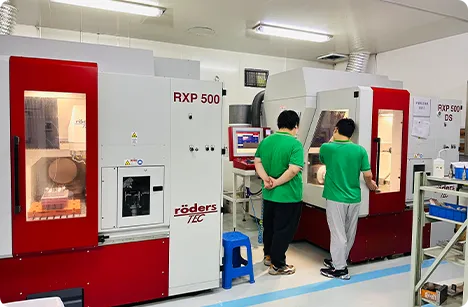
Medical Optical Mold Insert Custom Machining
Medical consumable and diagnostic-component molds often combine mirror-finish surfaces, tiny functional geometry and repeated multi-cavity production. The insert must therefore hold surface quality and dimensional consistency at the same time—not one after the other.
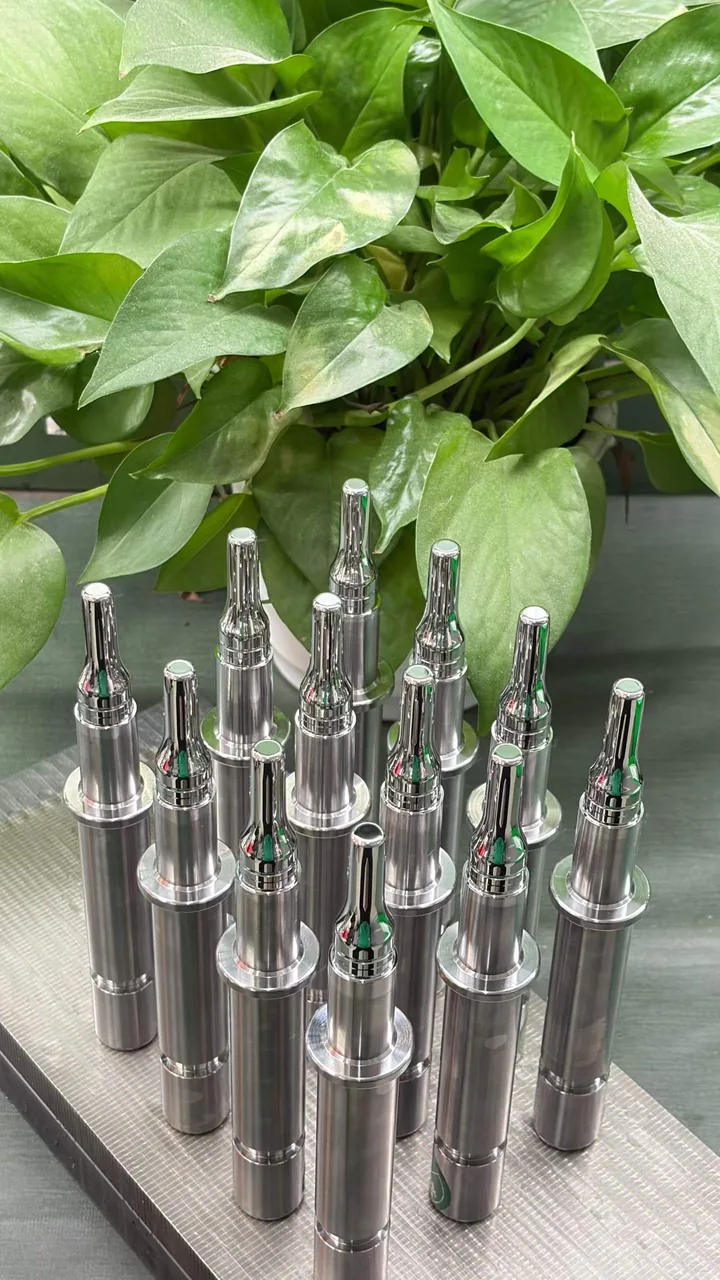
When the part is small, the machining margin is even smaller
For medical insert projects, the challenge is usually not just “make it shiny.” It is keeping the micro-geometry, edge condition, cavity repeatability and fitting relationship stable while still reaching the surface target.
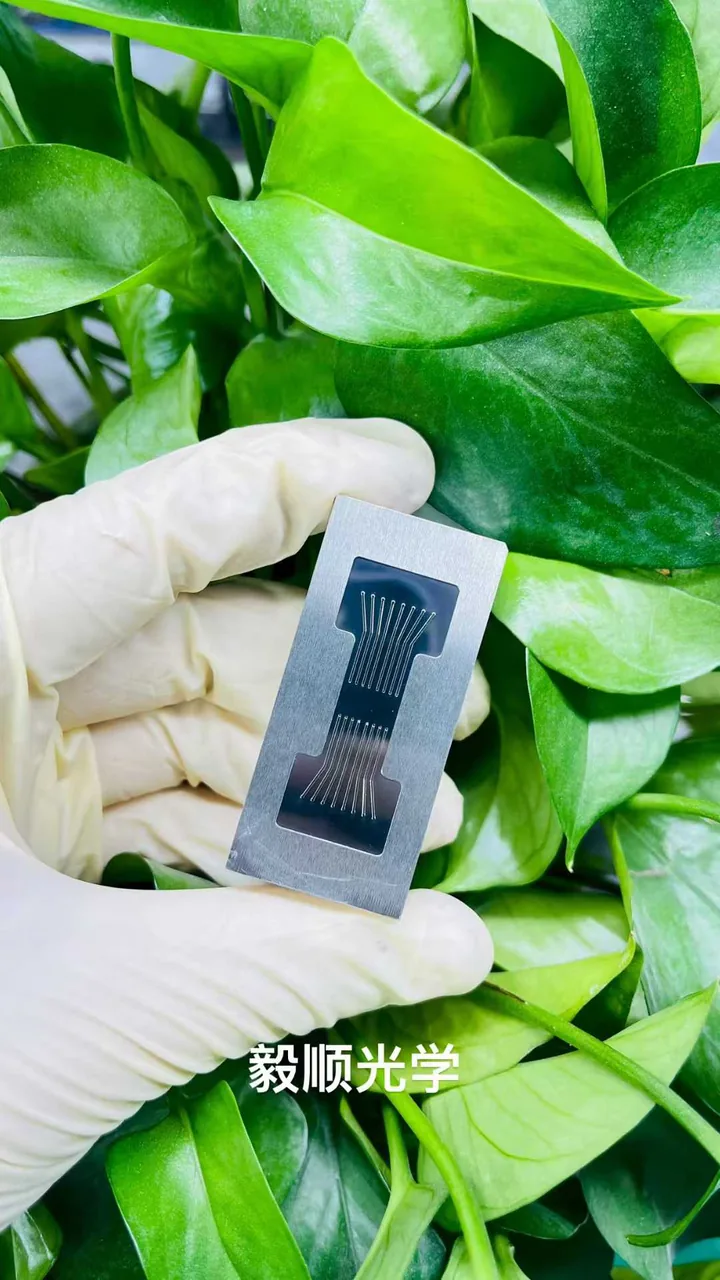
What needs to stay under control at the same time
One medical insert can include mirror-finish areas, narrow functional grooves, tiny radii, local depth changes and positioning features used during assembly.
If finishing is too aggressive, the surface may look better but the feature geometry can move. If geometry is corrected without considering the surface route, the optical appearance may no longer remain stable.

Machining strategy changes with the medical insert structure
The same medical-mold project does not always follow the same route. The machining plan depends on whether the risk comes from mirror-finish appearance, micro-features, local depth, cavity consistency or matching datums.
Medical projects need review support, not just machining support
Before machining starts, the team checks whether the drawing and actual molding goal are aligned. This helps avoid correcting the wrong area later.

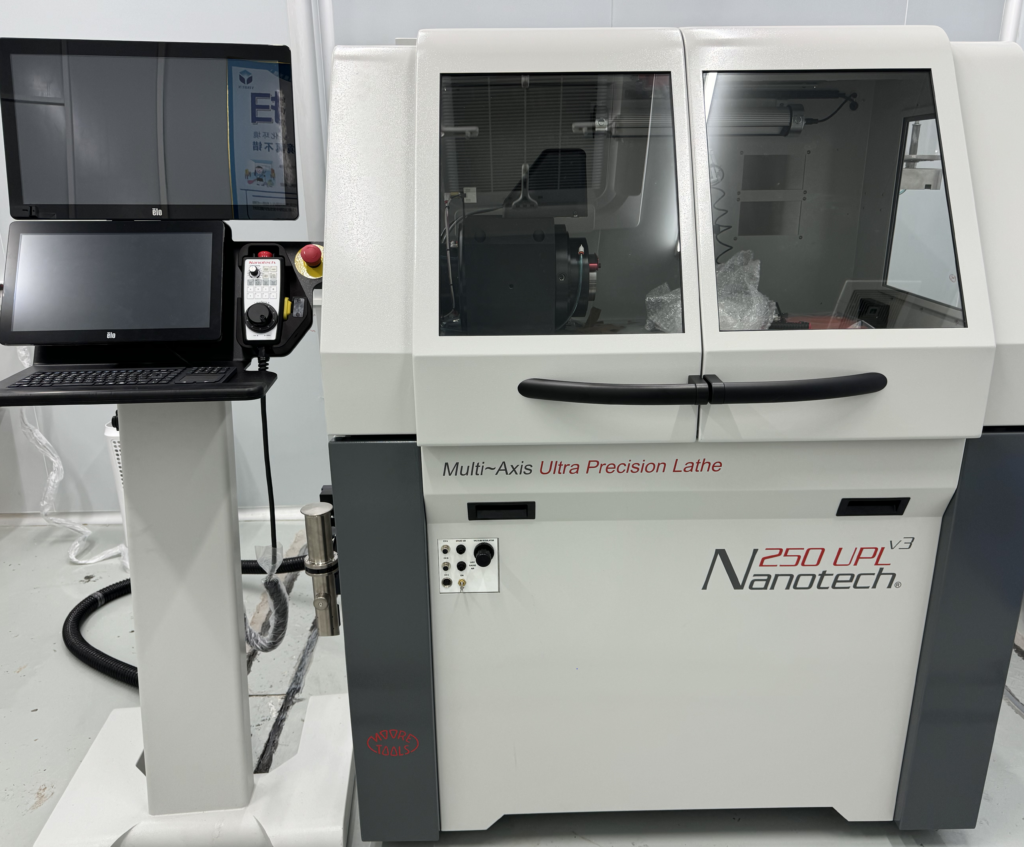
What we check before a medical insert is accepted
Feature size and local depth
Confirm the critical geometry really follows the required relationship, not just one isolated measurement.
Surface condition
Judge the real surface result based on function—mirror quality, finishing traces and local consistency.
Cavity-to-cavity repeatability
For multi-cavity tooling, the project is not complete until the repeated inserts hold the same standard.
Assembly and datum logic
Check that the insert will fit the mold structure correctly and preserve the intended reference system.
Questions we often receive on medical insert projects
Can you support custom medical mold inserts instead of standard catalog parts?
Yes. This page is focused on custom medical mold insert machining, especially for projects with mirror surfaces, small geometry and multi-cavity consistency requirements.
Do you only machine mirror surfaces?
No. Many medical inserts also include local channels, narrow features, fitting datums and structural areas that need different control logic.
What should we send before asking for review?
2D/3D drawings, material requirements, cavity quantity, target appearance/function, existing mold information and any trial or defect feedback will help the review become more accurate.
Can you manufacture inserts for multi-cavity medical molds?
Yes. Multi-cavity projects can be reviewed based on cavity quantity, shared datums, critical dimensions, surface requirements and consistency expectations between inserts.
How do you control mirror-finish surfaces on medical mold inserts?
The surface strategy depends on the insert geometry, material, functional area and acceptance requirement. We evaluate machining allowance, surface condition and finishing risk before production.
Can you handle small features and complex structures?
Small channels, narrow grooves, local radii and complex transitions can be evaluated from drawings. Feasibility depends on feature size, depth, material and tool accessibility.
Do you provide inspection reports with the inserts?
Inspection requirements can be confirmed according to the project. Dimensional checks, surface inspection and other agreed records can be provided based on customer requirements.
Can you support replacement inserts for existing medical molds?
Yes. Existing drawings, samples, defect photos and matching requirements can be reviewed to understand the original mold condition before machining replacement inserts.
What materials can be considered for medical mold inserts?
The suitable material depends on the molding requirement, wear condition, surface target and production environment. Material selection can be discussed during project review.
Can you help analyze an existing mold problem?
Yes. If you provide drawings, photos, samples or problem descriptions, we can help evaluate whether the issue is related to insert geometry, surface quality, machining process or another factor.
Need a custom medical mold insert that balances mirror quality and size control?
If your project involves multi-cavity mirror inserts, functional micro-features or difficult dimensional relationships, send the drawings first. We can review the real machining risk before the route is fixed.