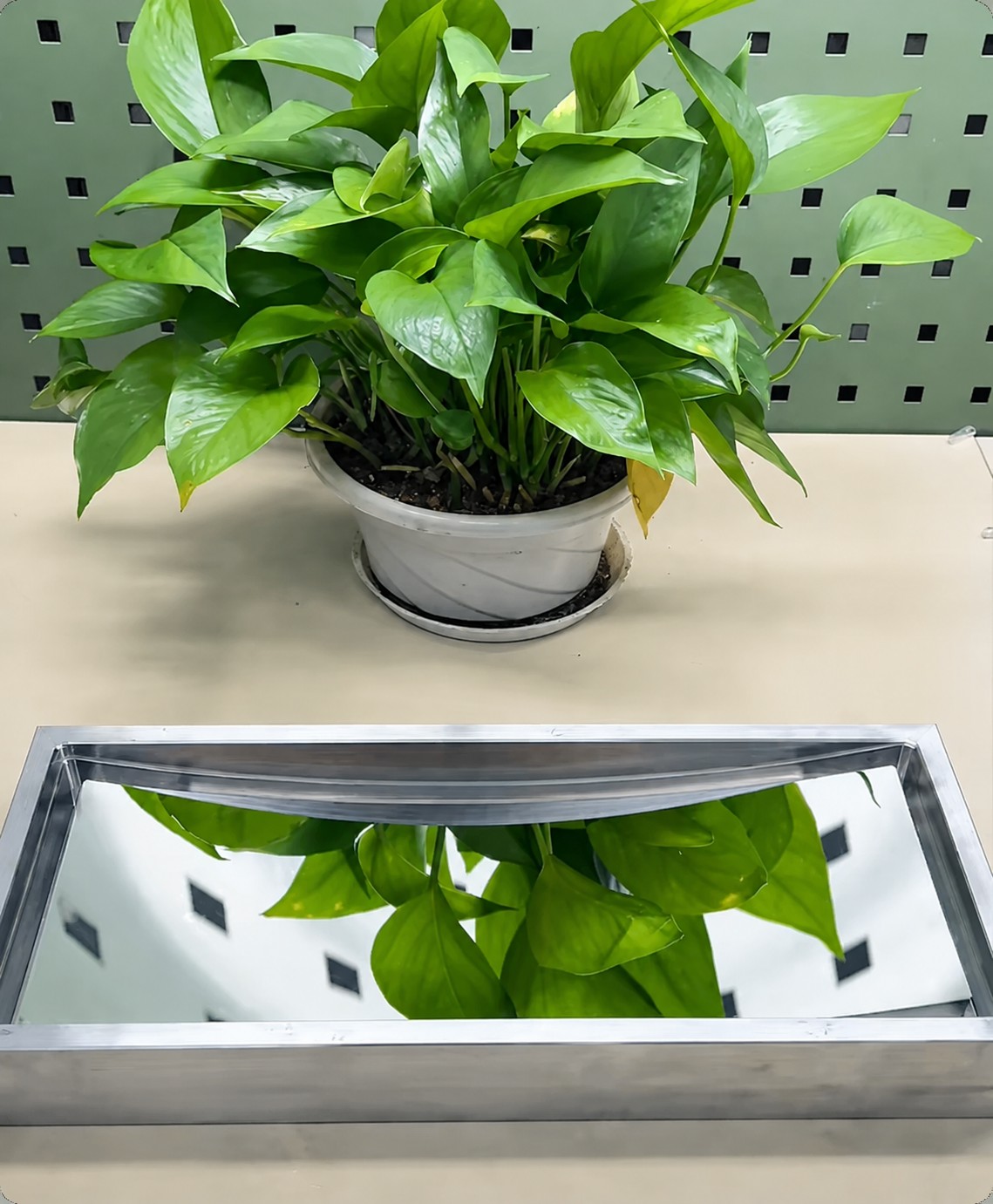
Prototype Optical Mold Inserts for Precision Design Validation
Before committing to production tooling, many optical projects need a prototype insert that can do more than check dimensions. It should help verify surface logic, geometry feasibility, local feature definition and the real machining risks behind the design.
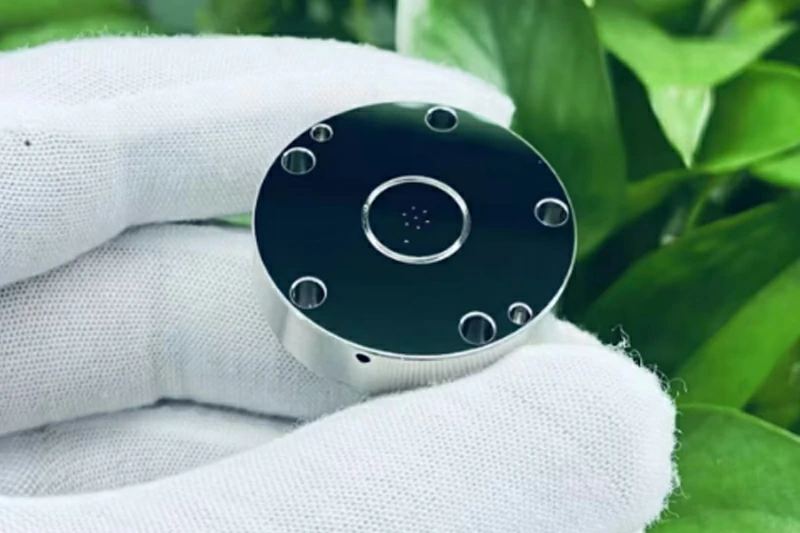
Yishun supports prototype optical mold inserts for customers who need to validate demanding optical structures before moving to full production tooling.
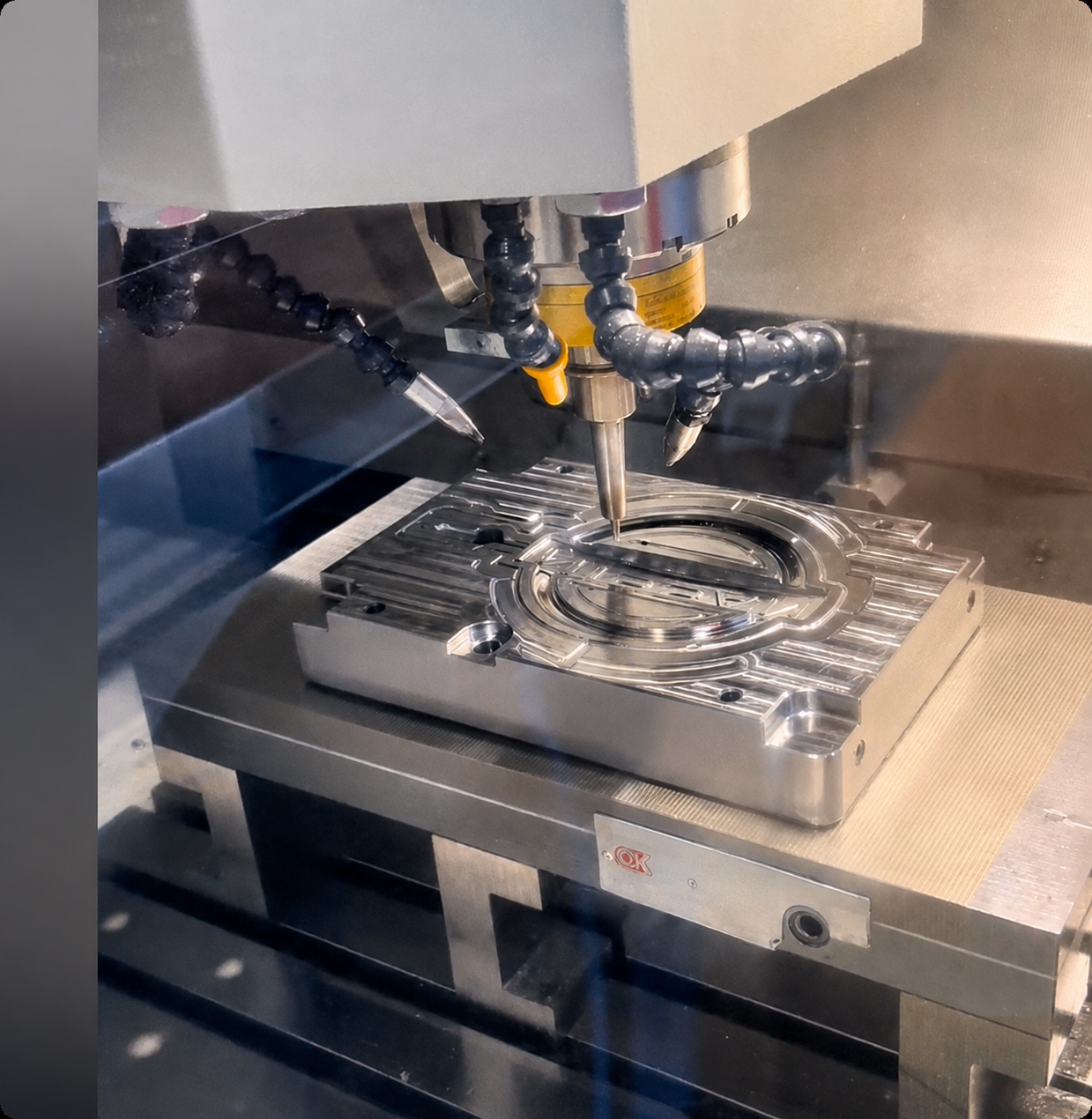
Why prototype inserts matter before production tooling
For many new optical products, the real question is not simply whether the part can be machined. It is whether the surface logic, structure design and local optical areas can be controlled in a way that still makes sense when the project moves into production.
When customers need validation before committing to a full mold route
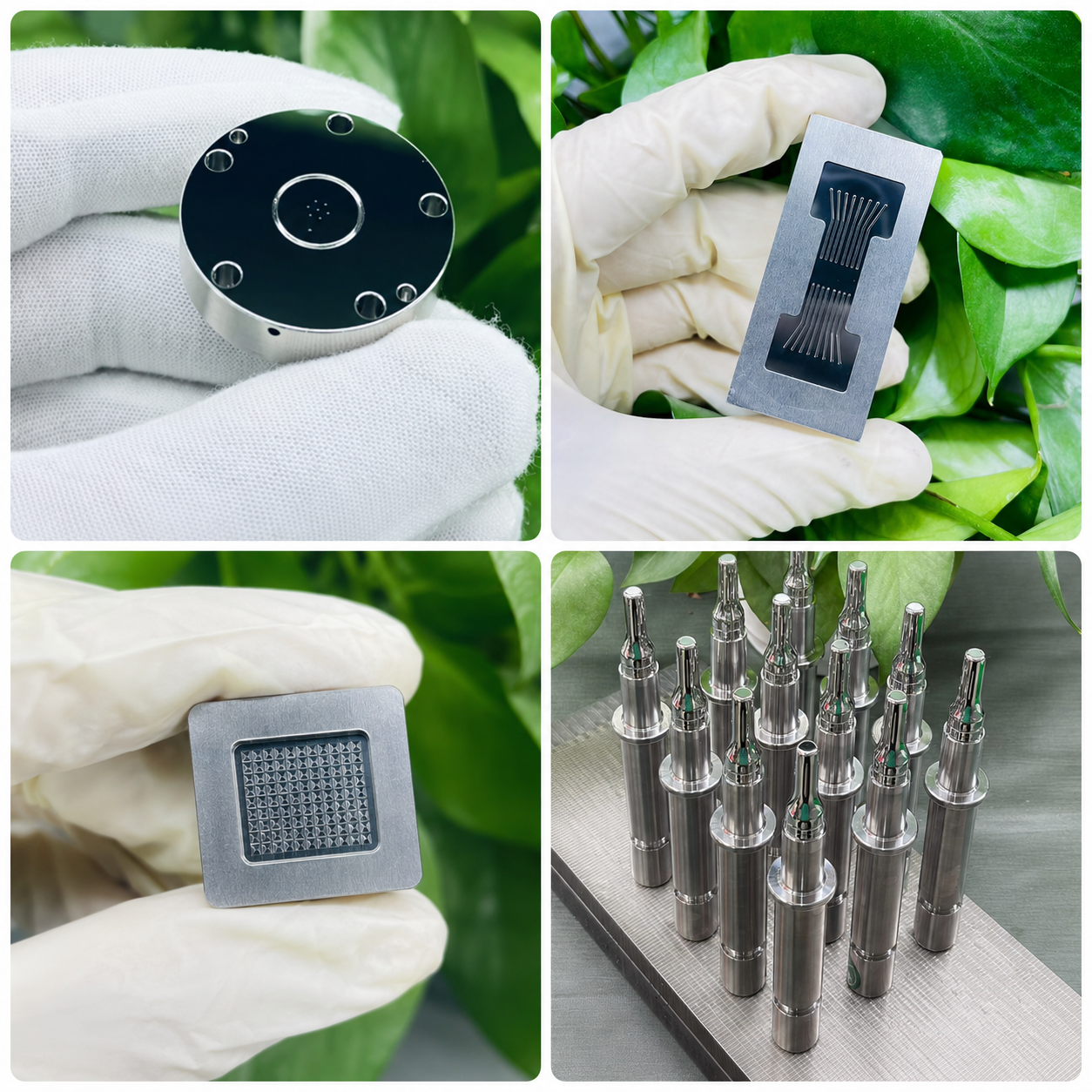
Prototype inserts can support multiple optical structures
Prototype optical mold inserts are useful when the design needs early machining validation, especially before production tooling is released.
What matters most in a prototype optical insert
A useful prototype is not just a fast sample. It should help the customer make better engineering decisions before production tooling begins.
Geometry feasibility
- Can the shape actually be machined in a stable way?
- Are there risky local transitions or inaccessible areas?
- Will the current design logic still hold in production?
Surface behavior
- Does the chosen route support the required optical or appearance quality?
- Will finishing change the local geometry or edge definition?
- Can the prototype reveal likely surface problems early?
Reference and fitting logic
- Are datums and fitting surfaces aligned with later assembly needs?
- Can future inserts follow the same logic?
- Does the prototype route support later replacement or scaling?
Feature definition
- Are micro-features, edges or small grooves preserved clearly?
- Is the structure sensitive to polishing or rework?
- Where is the highest risk of shape drift?
Future production continuity
- Can prototype results be translated into a production insert route?
- What should change before scaling up?
- Which risks should be corrected at prototype stage?
Engineering judgment
- The prototype should answer the right question.
- Not every issue should wait for mold trial.
- Early review reduces later correction cost.
From drawing review to prototype validation
The page is not about quick quoting only. The value is helping the customer validate the right machining logic before committing to the next stage.
Review
Check drawing, 3D model, optical areas, datums and the real validation goal.
Risk judgment
Identify where geometry, surface or local features may create problems later.
Prototype route
Select the machining logic that best supports early validation of key risks.
Machining & check
Produce the insert and review critical structure, finish and fitting logic.
Next-step advice
Use the result to refine the production route or adjust the design before tooling release.
Prototype support is more useful when it connects to production reality
What should a prototype insert confirm before moving forward

Frequently asked questions
These are common questions customers ask before sending drawings for prototype optical inserts.
What is the main purpose of a prototype optical mold insert?
Its main purpose is to validate machining feasibility, surface logic, key geometry and local feature behavior before the customer commits to a full production tooling route.
Can a prototype insert still be useful if the final product is not ready for mass production?
Yes. That is often exactly when a prototype insert is most valuable, because it helps reveal design and process risks early.
What kinds of optical structures can be reviewed in prototype stage?
Aspheric, freeform, mirror-finish and selected micro-feature optical inserts can all be reviewed depending on the actual project structure and validation goal.
Is a prototype insert only for checking dimensions?
No. A useful prototype should also help verify surface logic, local transitions, feature definition and whether the route still makes sense for later production tooling.
What information should we provide before asking for review?
2D/3D drawings, material information, optical-zone notes, expected validation goal and any known concerns will help make the review more accurate.
Can Yishun help connect the prototype result to later production inserts?
Yes. One of the key goals of this page is to support a smoother transition from prototype validation to production insert planning.
Can you review an existing prototype that still has problems?
Yes. If you can provide drawings, photos, samples or issue descriptions, we can help evaluate whether the problem is mainly related to geometry, surface route or structure design.
If you need to validate a precision optical insert before production, send the drawing first
We can help review whether a prototype optical mold insert should focus on geometry, surface quality, feature stability or production feasibility—so the prototype stage supports the next step instead of only adding another sample.