Key Takeaways
- China hosts world-class optical manufacturers with capabilities matching or exceeding Western suppliers
- Effective qualification requires systematic evaluation of equipment, certifications, and references
- Quality verification through inspection and documentation prevents costly problems
- Cultural understanding and communication strategies improve partnership success
- Strategic partnerships with established Chinese suppliers offer significant cost and capability advantages
Introduction
China has emerged as a premier destination for precision optical manufacturing. Companies like Apple, Philips, and BYD already source optical components from Chinese manufacturers, achieving quality levels that meet the most demanding international standards.
For Western buyers considering optical manufacturing partnerships in China, this guide provides practical strategies for finding reliable suppliers, qualifying their capabilities, and building successful long-term relationships.
The Reality of Optical Manufacturing in China
Capabilities Have Advanced Dramatically
Myth: Chinese manufacturers produce only low-quality, basic components.
Reality: Leading Chinese optical manufacturers like YISHUN Optical operate equipment that matches or exceeds Western standards:
- Moore Nanotechnology Systems diamond turning
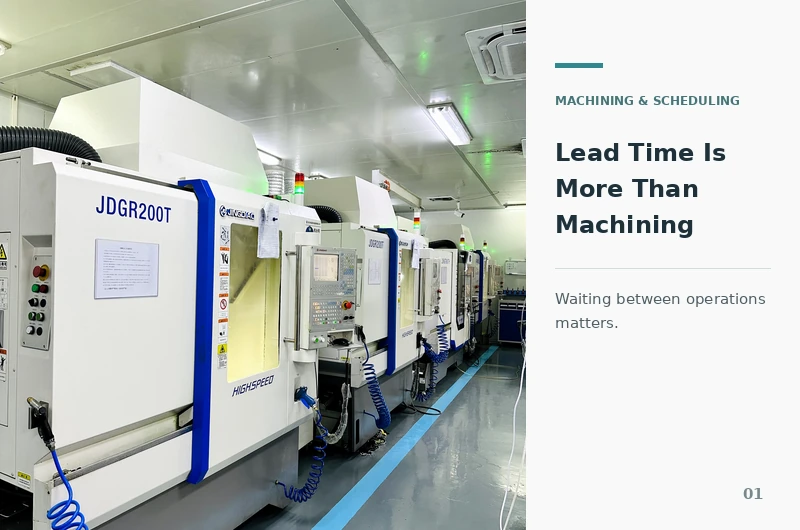
- RODERS five-axis machining centers
- Zygo and Zeiss interferometric measurement
- ABB robotic polishing cells
- Class 1000 cleanroom environments
Proven Capabilities:
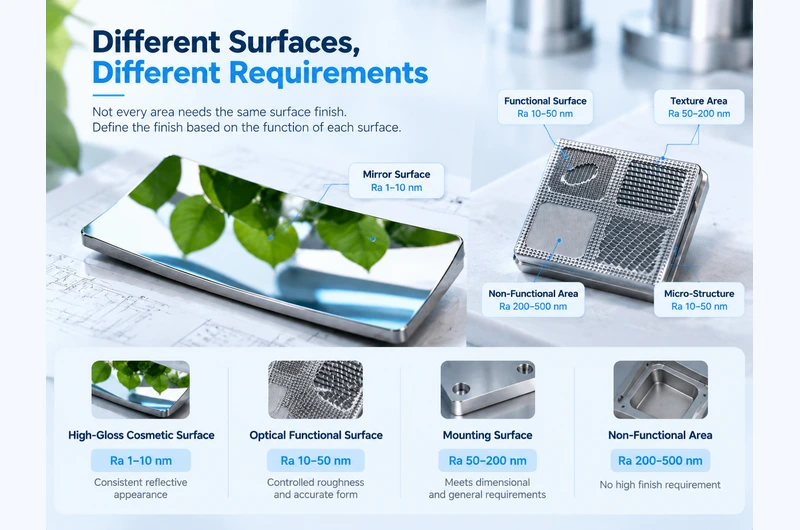
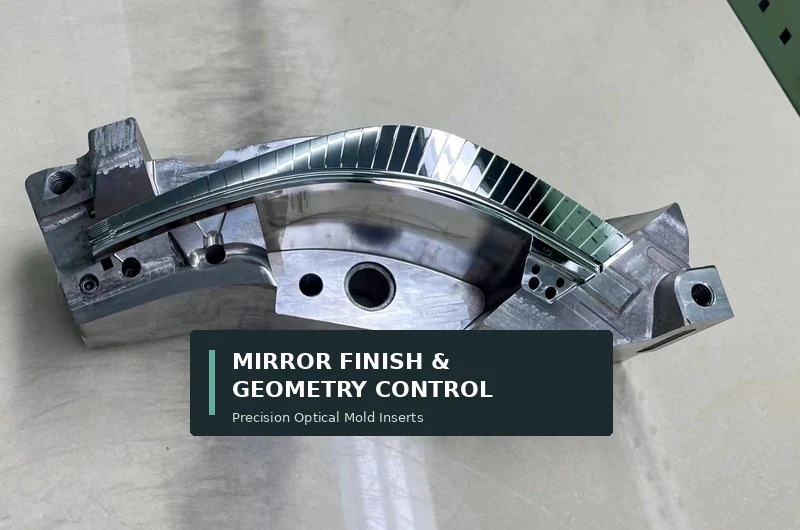
- Ra 1nm surface roughness achievement
- ±0.5μm dimensional tolerances
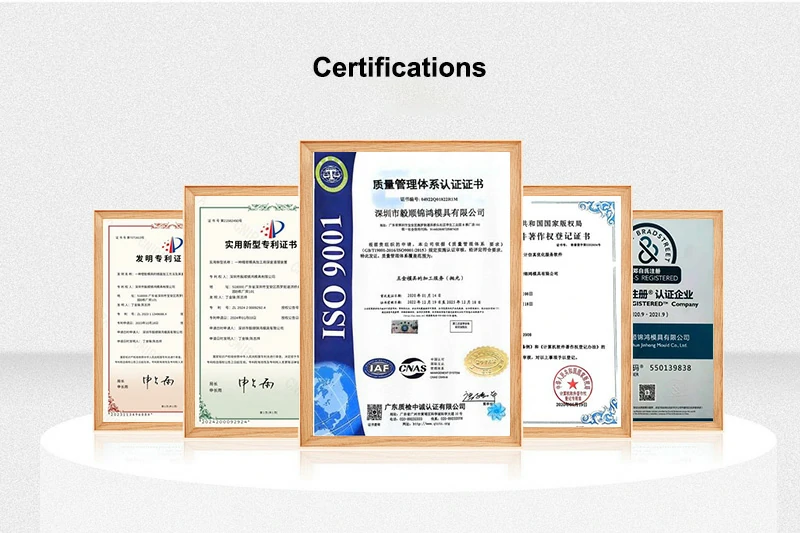
- ISO 9001:2015 and ISO 14001:2015 certifications
- Supply to Apple, BYD, KOITO, Philips, Foxconn
Cost Advantages Are Real but Not Extreme
Cost Structure Differences:
| Factor | China | Western Comparison |
|---|---|---|
| Labor cost | Lower | 3-5x higher |
| Equipment | Similar | Similar (same brands) |
| Overhead | Competitive | Varies |
| Logistics | Added cost | Domestic advantage |
| Quality risk | Manageable | Lower typically |
| Total cost | 15-30% lower | Baseline |
Realistic Expectations: Don’t expect 50-70% cost reductions. Realistic savings of 15-30% reflect genuine efficiency differences, not just lower labor costs.
Finding Qualified Optical Manufacturers in China
Where to Search
Online Directories and Platforms:
- Alibaba/Made-in-China (large supplier base, varying quality)
- Global Sources (premium supplier focus)
- ThomasNet (includes international suppliers)
- Industry associations (optics and photonics organizations)
Industry Channels:
- Trade shows: SPIE Photonics, Optical Fabrication conferences
- Referrals from industry contacts
- Customer recommendations
- Engineering consultants with China experience
Direct Outreach:
- Search for suppliers with English websites and Western customer references
- Focus on suppliers with demonstrated export experience
- Look for suppliers with ISO certifications and Western customer logos
Initial Screening Criteria
Red Flags to Avoid:
- No English communication capability
- Unable to provide certifications or references
- Pricing significantly below market (too good to be true)
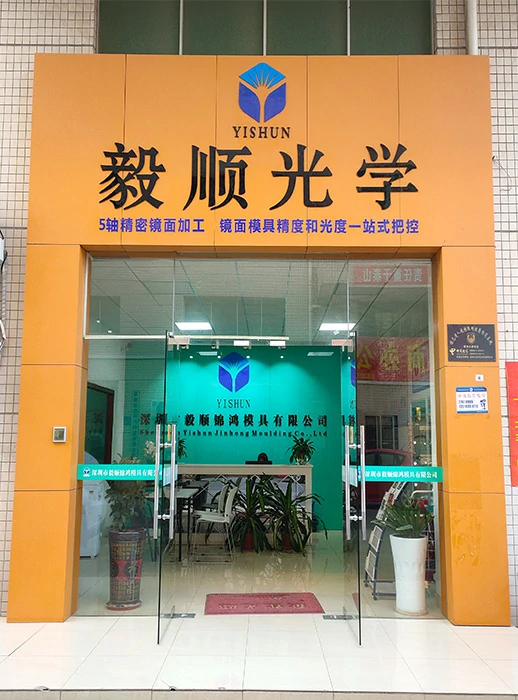
- No physical facility photos or vague facility descriptions
- Unwilling to provide samples or conduct trials
- Limited export experience
Positive Indicators:
- English-language website and sales team
- Clear company registration and facility information
- ISO certifications with verifiable audit history
- Named Western customers (with permission to reference)
- Professional quotation documentation
- Willingness to conduct trial orders
Qualification Framework for Chinese Optical Suppliers
Technical Capability Assessment
Equipment Verification:
| Equipment Category | What to Verify | Why It Matters |
|---|---|---|
| Diamond turning | Brand, model, age | Moore/RODERS indicate capability |
| CNC machining | Axis count, precision | 5-axis enables complex geometry |
| Inspection | Zygo/Zeiss/Mitutoyo | Measurement capability |
| Cleanroom | Class rating | Surface contamination control |
Questions to Ask:
- What specific equipment will process my parts?
- Can you provide equipment photos and capability statements?
- How do you verify measurement traceability?
- What is your cleanroom classification?
- Do you have backup equipment if primary machines are down?
YISHUN Response: YISHUN operates Moore Nanotech and RODERS equipment with comprehensive inspection capability including Zygo interferometers and Zeiss coordinate measuring machines.
Quality System Evaluation
Certification Requirements:
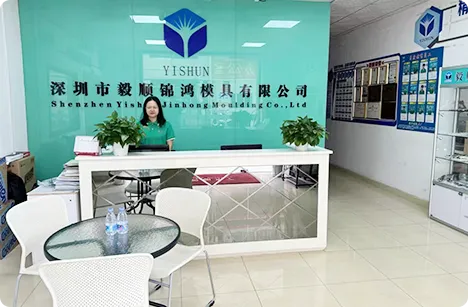
- ISO 9001:2015 (minimum quality standard)
- ISO 14001:2015 (environmental management)
- Industry-specific: IATF 16949 (automotive), ISO 13485 (medical)
Verification Steps:
- Request copies of certificates
- Verify with issuing certification body
- Check audit history and any non-conformances
- Request audit reports (some suppliers will share)
- Verify scope matches your requirements
Documentation Expectations:
- Certificate of Conformance with every shipment
- Dimensional inspection data
- Surface finish verification
- Material certificates
- First Article Inspection reports
Reference Verification
Reference Questions to Ask:
- How long have you purchased from this supplier?
- What quality level have they achieved (PPM or defect rate)?
- How responsive are they to technical questions?
- Have they met agreed delivery dates?
- Would you continue or expand the relationship?
What to Look For:
- References in your industry (automotive, medical, etc.)
- References of similar size and complexity
- Multiple reference sources for confirmation
- Willingness of supplier to facilitate references
YISHUN References: YISHUN provides reference contacts from current customers in automotive, medical, consumer electronics, and semiconductor industries upon request.
Sample Evaluation
Trial Order Strategy:
| Order Type | Purpose | Quantity | Expectation |
|---|---|---|---|
| Prototype | Capability verification | 3-5 pieces | Prove technical ability |
| Pilot | Process qualification | 10-25 pieces | Confirm production process |
| Production | Volume qualification | 50-100 pieces | Verify capacity and consistency |
Sample Evaluation Checklist:
- Dimensional conformance to specifications
- Surface finish meets requirements
- Material verification (if specified)
- Packaging and labeling appropriate
- Documentation complete and accurate
- Consistency across sample lot
Communication and Cultural Considerations
Language and Documentation
Communication Challenges:
- Technical terminology variations
- Interpretation differences
- Time zone considerations
- Written vs. spoken English quality
Best Practices:
- Use clear, simple English (avoid idioms)
- Provide detailed technical specifications
- Confirm understanding of critical requirements
- Document all communications in writing
- Use drawings with explicit tolerance callouts
- Consider video conferences for complex discussions
Cultural Factors
Understanding Chinese Business Culture:
- Relationship-building (Guanxi): Chinese business values personal relationships. Invest time in understanding your supplier contact.
- Face (Mianzi): Indirect communication about problems preserves relationships. Ask open-ended questions.
- Hierarchy: Technical decisions may require internal approval. Allow time for review.
- Long-term perspective: Chinese suppliers prefer stable, long-term relationships over transactional sales.
Practical Tips:
- Be patient with initial discussions
- Show respect for your supplier’s expertise
- Follow up persistent but not aggressive
- Recognize achievements and good performance
- Be fair in negotiations—win-win relationships succeed
Communication Tools and Cadence
Recommended Communication:
- Email for documentation and formal communications
- WeChat/WhatsApp for quick questions and updates
- Video conference for complex technical discussions
- Regular status meetings (weekly during development, monthly in production)
Response Time Expectations:
- Email: 24-48 hours (Chinese business hours, not Western)
- Urgent issues: Direct phone/WeChat call
- During Chinese holidays: Allow extended response times
Risk Management Strategies
Quality Risk Mitigation
Incoming Inspection:
- Implement incoming inspection for critical dimensions
- Define acceptable quality levels before orders
- Report quality issues with documented evidence
- Establish corrective action requirements
Supplier Quality Agreements:
- Define quality requirements explicitly
- Specify inspection and documentation requirements
- Define non-conforming material handling
- Establish warranty and liability terms
- Include continuous improvement expectations
Diversification Strategy:
- Qualify two suppliers for critical components
- Don’t concentrate all volume with one supplier
- Maintain backup capacity relationships
- Balance cost consolidation against supply security
Logistics and Supply Chain Risk
Lead Time Buffering:
- Plan 2-3 weeks additional lead time for international shipping
- Consider air freight for urgent needs (significant cost premium)
- Build safety stock for critical components
- Monitor shipping disruptions and port conditions
Shipping and Customs:
- Understand incoterms implications (FOB, CIF, DDP)
- Plan for customs clearance time
- Understand import duty rates for optical components
- Consider using customs brokers experienced with precision components
Supply Chain Visibility:
- Request production scheduling updates
- Track shipments through logistics providers
- Maintain buffer inventory for long-lead items
- Establish emergency contact protocols
Contractual Protection
Key Contract Elements:
- Detailed specifications and quality requirements
- Inspection and acceptance criteria
- Delivery schedule and lead times
- Pricing and payment terms
- Warranty and liability provisions
- Intellectual property protection
- Dispute resolution mechanisms
IP Protection Considerations:
- Work with suppliers who understand Western IP concerns
- Limit information sharing to what’s necessary
- Consider non-disclosure agreements
- Understand Chinese legal environment for IP enforcement
Building Successful Long-Term Partnerships
Partnership Development Stages
Stage 1: Qualification (3-6 months)
- Technical capability verification
- Sample evaluation and qualification
- Quality system assessment
- Initial pricing negotiation
Stage 2: Trust Building (6-12 months)
- Pilot production runs
- Process refinement and optimization
- Communication protocol establishment
- Relationship development
Stage 3: Strategic Partnership (Year 2+)
- Volume growth and commitment
- Joint improvement initiatives
- Long-term pricing agreements
- Strategic collaboration on new products
Partnership Success Factors
For Western Buyers:
- Clear, complete specifications
- Fair and timely payment
- Realistic expectations
- Long-term commitment
- Relationship investment
What YISHUN Provides:
- Transparent capability documentation
- Quality performance data
- Engineering collaboration
- Production scheduling reliability
- Continuous improvement engagement
Conclusion
Finding reliable optical manufacturing partners in China requires systematic qualification, realistic expectations, and effective relationship management. The capabilities of leading Chinese optical manufacturers match or exceed Western standards, and strategic partnerships deliver both cost advantages and manufacturing excellence.
Success comes from treating Chinese suppliers as strategic partners rather than transactional vendors, investing in relationships, and maintaining clear communication and quality requirements.
Ready to explore optical manufacturing partnership in China?
Contact YISHUN Optical for capability discussions, sample evaluations, and quotation requests. With 20+ years of experience serving Western customers including Apple, BYD, and Philips, YISHUN provides the capability, quality systems, and partnership approach that Western buyers require.
📧 Email: info@yishunoptical.com 🌐 Website: https://yishunoptical.com/
Frequently Asked Questions
Are Chinese optical manufacturers reliable for high-precision components?
Yes, for qualified suppliers. Leading Chinese manufacturers like YISHUN achieve Ra 1nm surface roughness and ±0.5μm tolerances with ISO certifications and references from Apple, BYD, and Philips. The key is proper qualification—same as any supplier regardless of geography.
How do I verify Chinese supplier certifications?
Request certificate copies and verify with issuing certification bodies (Bureau Veritas, SGS, TÜV, etc.). Most certification bodies provide online verification. Check audit history and any non-conformances. Request specific scope documentation that covers your requirements.
What quality level can I expect from Chinese optical manufacturers?
Qualified suppliers achieve equivalent quality to Western manufacturers: defect rates under 100 PPM, documented process capability, comprehensive inspection documentation. Quality varies across suppliers—proper qualification identifies capable partners.
How do I protect my intellectual property when working with Chinese suppliers?
Use NDAs, share information on need-to-know basis, work with established companies with reputation investment, and understand legal environment. Many Western companies successfully protect IP with Chinese suppliers through reasonable precautions rather than extreme measures.
What are the hidden costs of sourcing from China?
Beyond unit price: shipping (2-5% of cost), duties (varies by product and country), customs clearance, longer lead times (2-3 weeks shipping), inventory carrying costs (safety stock), and communication overhead. Total cost typically 15-30% lower despite these additions.
How do I handle quality issues with Chinese suppliers?
Document issues thoroughly with photos and measurements, communicate through established channels, request corrective action plans, verify implementation, and establish clear quality agreements before problems occur. Most issues resolve through professional communication and relationship management.
Should I visit Chinese suppliers in person?
Yes, for strategic suppliers. Facility visits reveal equipment condition, production organization, staff competence, and overall professionalism that documentation cannot. Plan visits with clear objectives, bring technical team members, and conduct formal evaluation during visits.
How do I manage time zone differences?
Use asynchronous communication (email, messaging) with 24-48 hour response expectations. Schedule video calls that work for both parties (early morning or late evening in China = reasonable Western hours). Be flexible with scheduling and respect Chinese holidays.
What payment terms are standard for Chinese suppliers?
Common terms: 30% deposit, 70% before shipment (T/T). For established relationships: net 30 after acceptance. Letter of credit for larger orders. Avoid 100% prepayment unless supplier is extremely well-established and trusted.
How do I start the qualification process with YISHUN?
Send detailed specifications including drawings, surface finish requirements, tolerance requirements, material specifications, quantity requirements, and quality documentation needs. YISHUN provides detailed quotations including feasibility assessment and proposed approach within 48 hours.