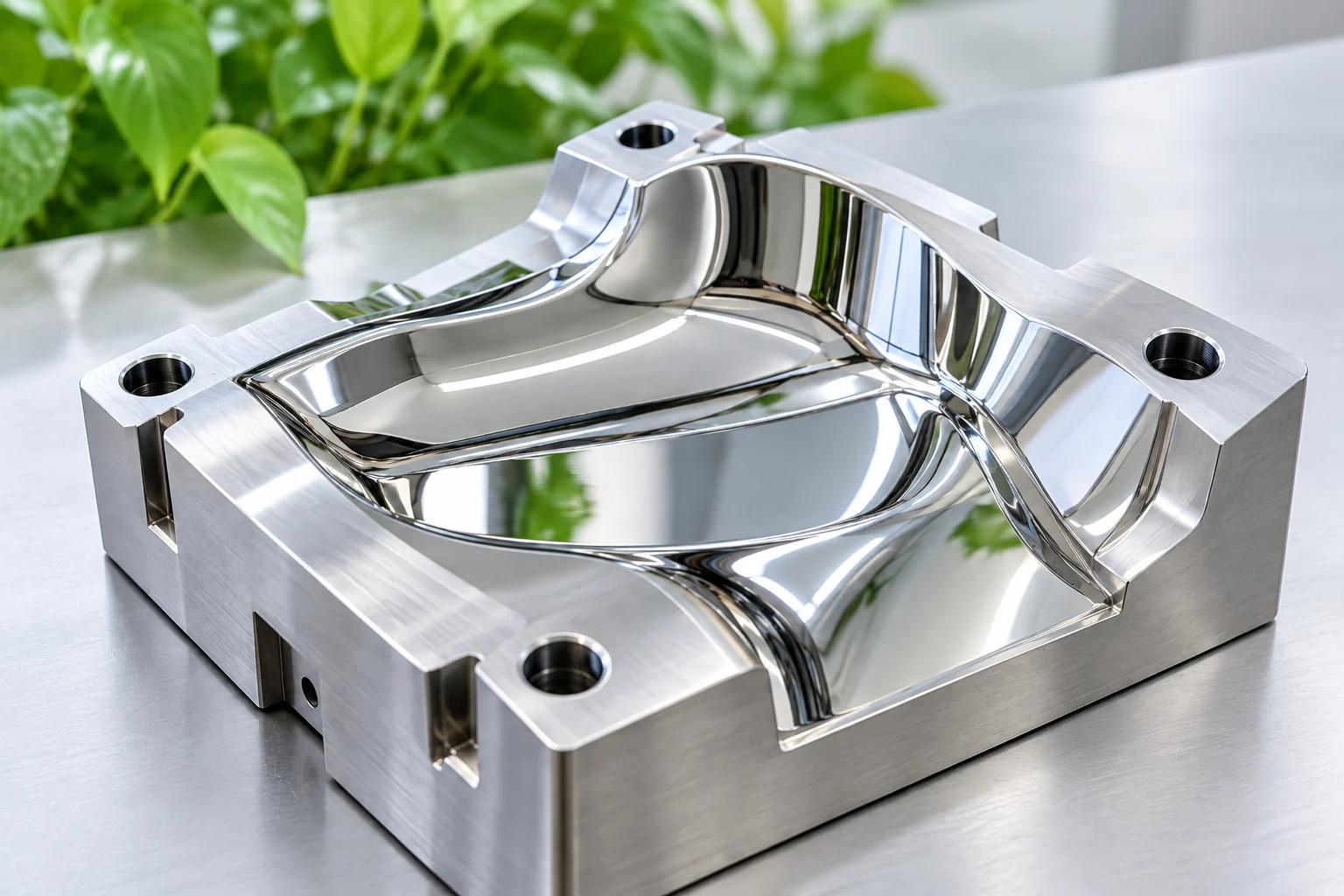
Key Takeaways
- Medical device optical components must meet ISO 13485 quality management system requirements
- Surface roughness below Ra 1nm ensures optical clarity for imaging and diagnostic applications
- Biocompatibility testing (ISO 10993) applies to patient-contacting optical elements
- Tolerance control of ±0.5μm enables precise optical alignment in surgical instruments
- Documentation and traceability requirements extend throughout the product lifecycle
- YISHUN Optical’s cleanroom capabilities support medical device manufacturing standards
The medical device industry imposes some of the most stringent requirements on optical component manufacturing. Whether serving as critical elements in surgical microscopes, diagnostic imaging systems, or minimally invasive instruments, optical components must perform reliably in environments where failure can directly impact patient outcomes.
For procurement engineers and quality professionals sourcing medical optical components, understanding the regulatory framework and manufacturing capabilities required for these applications is essential for supplier qualification and program success.
The Regulatory Framework for Medical Optical Devices
Medical devices incorporating optical components fall under comprehensive regulatory oversight in major markets worldwide. This regulatory environment shapes virtually every aspect of component design, manufacturing, and verification.
United States Food and Drug Administration (FDA)
The FDA regulates medical devices under the Federal Food, Drug, and Cosmetic Act. Optical components used in FDA-cleared devices must be manufactured under quality systems that comply with 21 CFR Part 820, the FDA’s Quality System Regulation. Key requirements include:
- Design controls with documented verification and validation
- Production and process controls ensuring consistent manufacturing
- Corrective and preventive action (CAPA) procedures
- Document and records control with retention requirements
- Complaint handling and adverse event reporting
European Union Medical Device Regulation (MDR)
The EU MDR (Regulation 2017/745) establishes requirements for medical devices sold in European markets. Optical components may be considered “components” or “parts” that contribute to device functionality, with traceability requirements extending to these elements. Notified Body review applies to higher-risk device classifications.
ISO 13485 Quality Management Systems
ISO 13485:2016 provides the framework for medical device quality management systems. While certification is not mandatory in all markets, compliance is effectively required for serious medical device manufacturing. Key requirements include:
- Documented quality management system procedures
- Risk-based approach to quality planning
- Competence and training documentation
- Supplier qualification and control
- Process validation and monitoring
- Traceability throughout the production lifecycle
Critical Optical Requirements for Medical Devices
Medical device optical components serve diverse applications with correspondingly diverse requirements. Understanding these application-specific needs guides specification development and supplier evaluation.
Surgical Microscope Optics
Surgical microscopes used in ophthalmology, neurosurgery, and other specialties require:
- Chromatic aberration control across the visible spectrum
- Flatness specifications for imaging surfaces
- Transmission characteristics that preserve tissue color accuracy
- Anti-reflective coatings optimized for surgical illumination
- Exceptional edge definition for precise surgical guidance
Endoscopic Imaging Systems
Minimally invasive surgical endoscopes impose severe constraints on optical element size while demanding high resolution:
- Small diameter lenses (often 1-3mm) with complex multi-element designs
- Wide-angle fields of view with minimal distortion
- Excellent contrast transfer for tissue differentiation
- Compatibility with sterilization processes including autoclaving
- Precise concentricity for catheter-based delivery systems
Diagnostic Imaging Optics
Optical components in diagnostic equipment including spectrophotometers, microscopes, and imaging systems require:
- Calibrated transmission and reflectance characteristics
- Wavelength-specific performance documentation
- Long-term stability under extended operation
- Calibration traceability to national standards
Ophthalmic Instruments
Eye examination and surgical devices have unique requirements:
- Refractive accuracy measured in diopters
- Safe illumination levels protecting sensitive retinal tissue
- Compliance with laser safety standards for treatment systems
- Precise centering critical for patient comfort and measurement accuracy
Surface Quality Specifications for Medical Optics
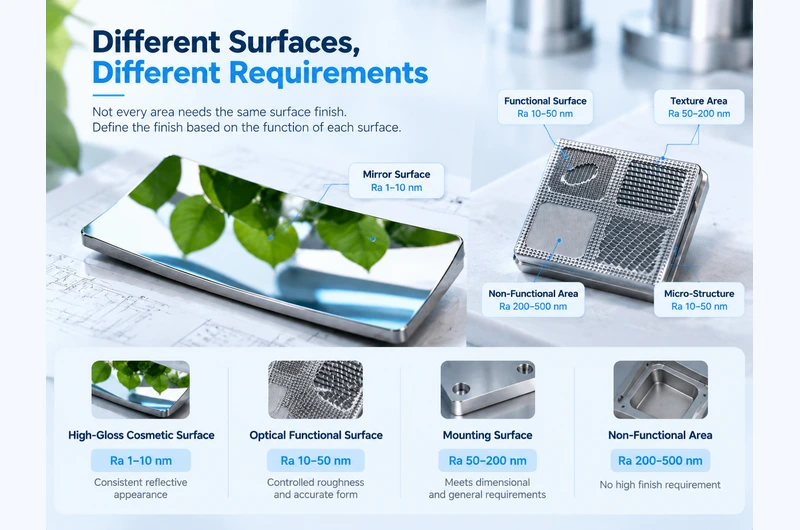
Surface quality directly impacts medical optical performance, with requirements often exceeding those for consumer or industrial applications.
Surface Roughness
Medical imaging applications typically require surface roughness below Ra 1nm to ensure:
- Maximum light transmission without scatter losses
- Sharp image formation without ghost images or flare
- Effective anti-reflective coating adhesion
- Resistance to contamination and cleaning damage
Surface Figure
Optical surface figure determines wavefront quality, with specifications typically expressed in waves (λ) of light. Medical imaging systems often require:
- Surface accuracy of λ/4 to λ/10 PV for imaging elements
- Slope errors below 30 arc-seconds for critical surfaces
- Centration within seconds of arc for multi-element assemblies
Scratch-Dig Specifications
Traditional scratch-dig specifications (per ISO 10110-7 surface imperfection specification) remain relevant for medical optical components. Critical surfaces typically require:
- 20-10 or better scratch-dig for imaging elements
- 40-20 minimum for non-imaging optical surfaces
- Documentation of inspection conditions and lighting
Precision Manufacturing for Medical Optical Components
Achieving medical optical specifications requires advanced manufacturing capabilities and rigorous process control.
Diamond Turning for Medical Optics
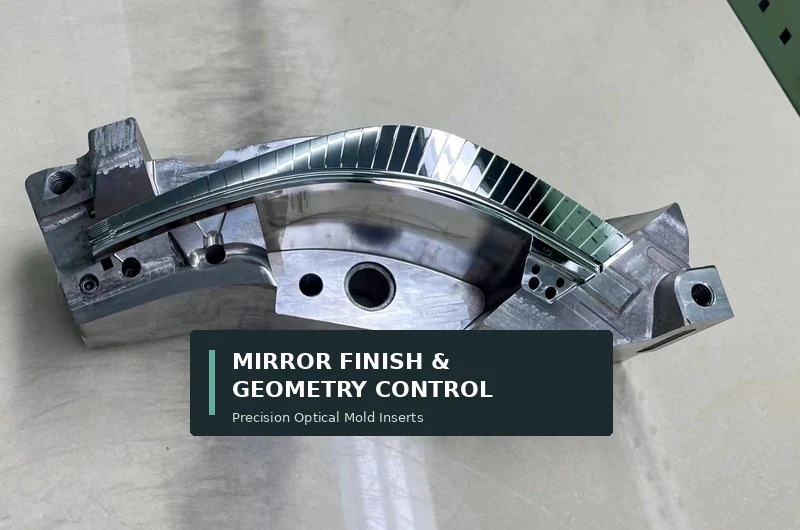
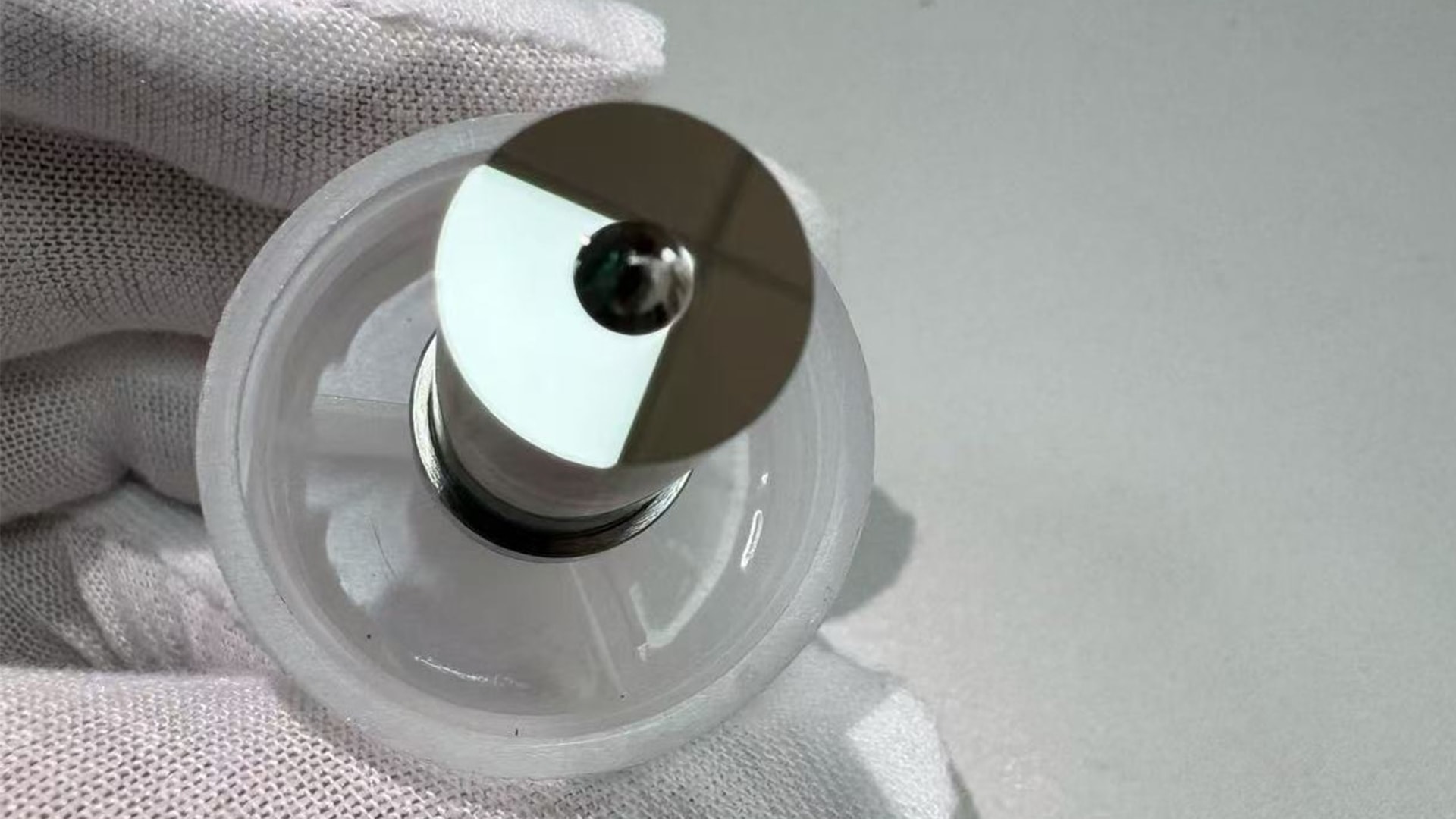
Single Point Diamond Turning (SPDT) has transformed medical optical manufacturing by enabling:
- Direct production of optical-quality surfaces
- Sub-nanometer surface roughness without post-polishing
- Complex aspheric and toric surface geometries
- Excellent form accuracy (typically ±0.5μm)
- High throughput compared to traditional methods
The Moore Nanocenter and similar ultra-precision machines achieve positioning accuracy measured in nanometers, enabling production of surfaces meeting the most demanding medical optical requirements.
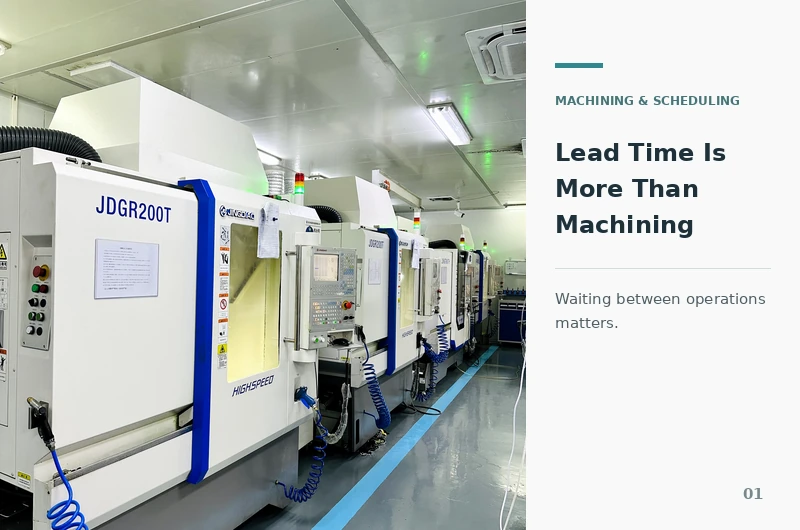
Multi-Axis Machining for Medical Device Components
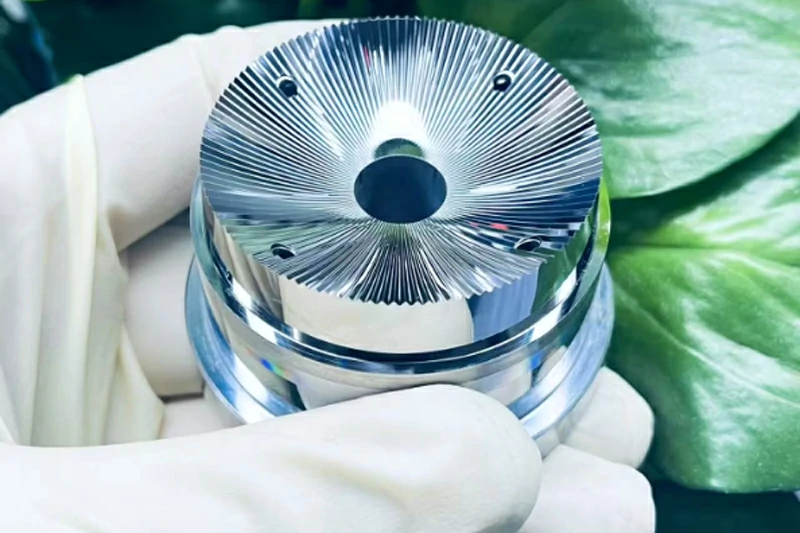
Complex medical optical devices require multi-axis manufacturing capabilities:
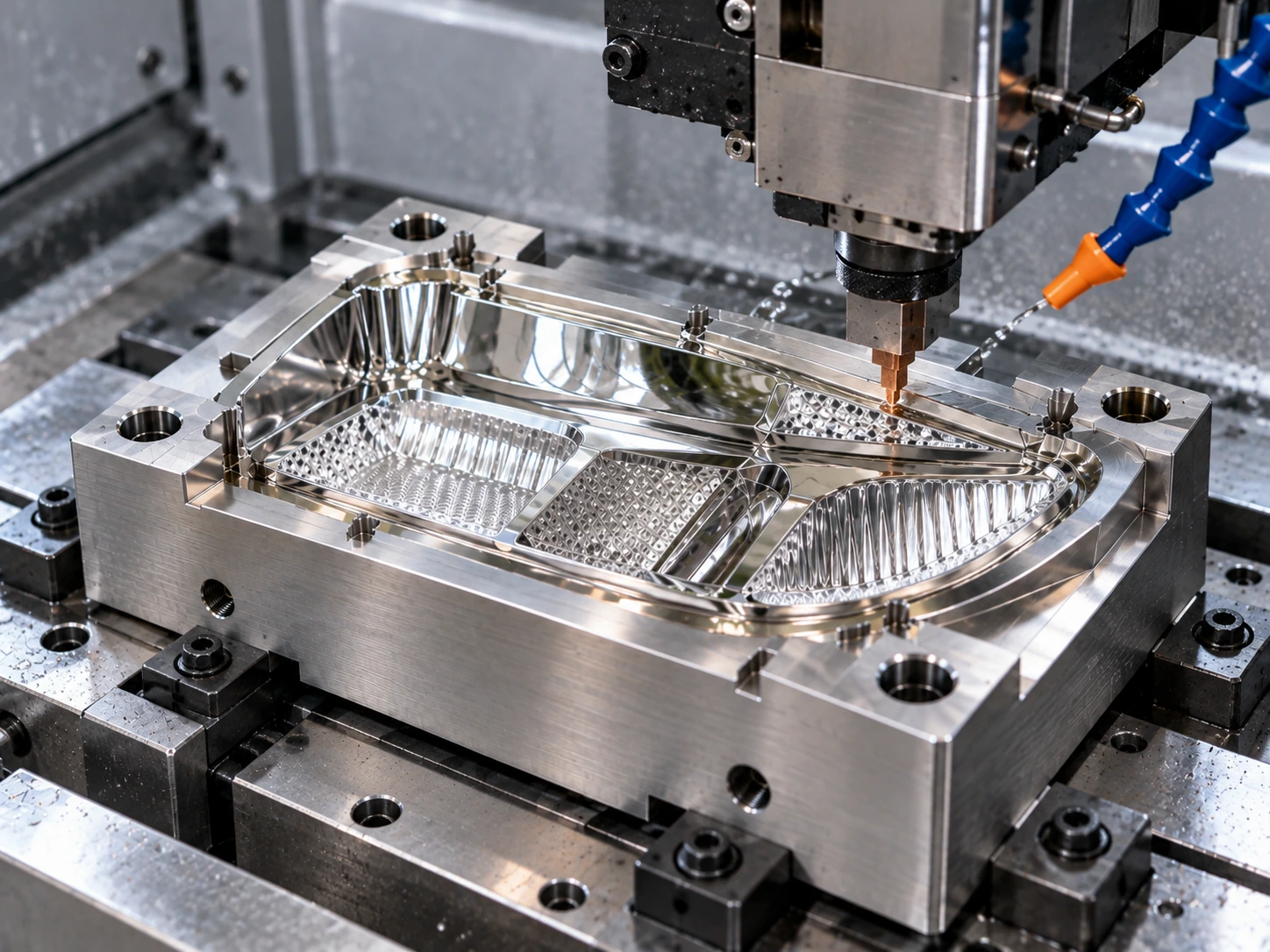
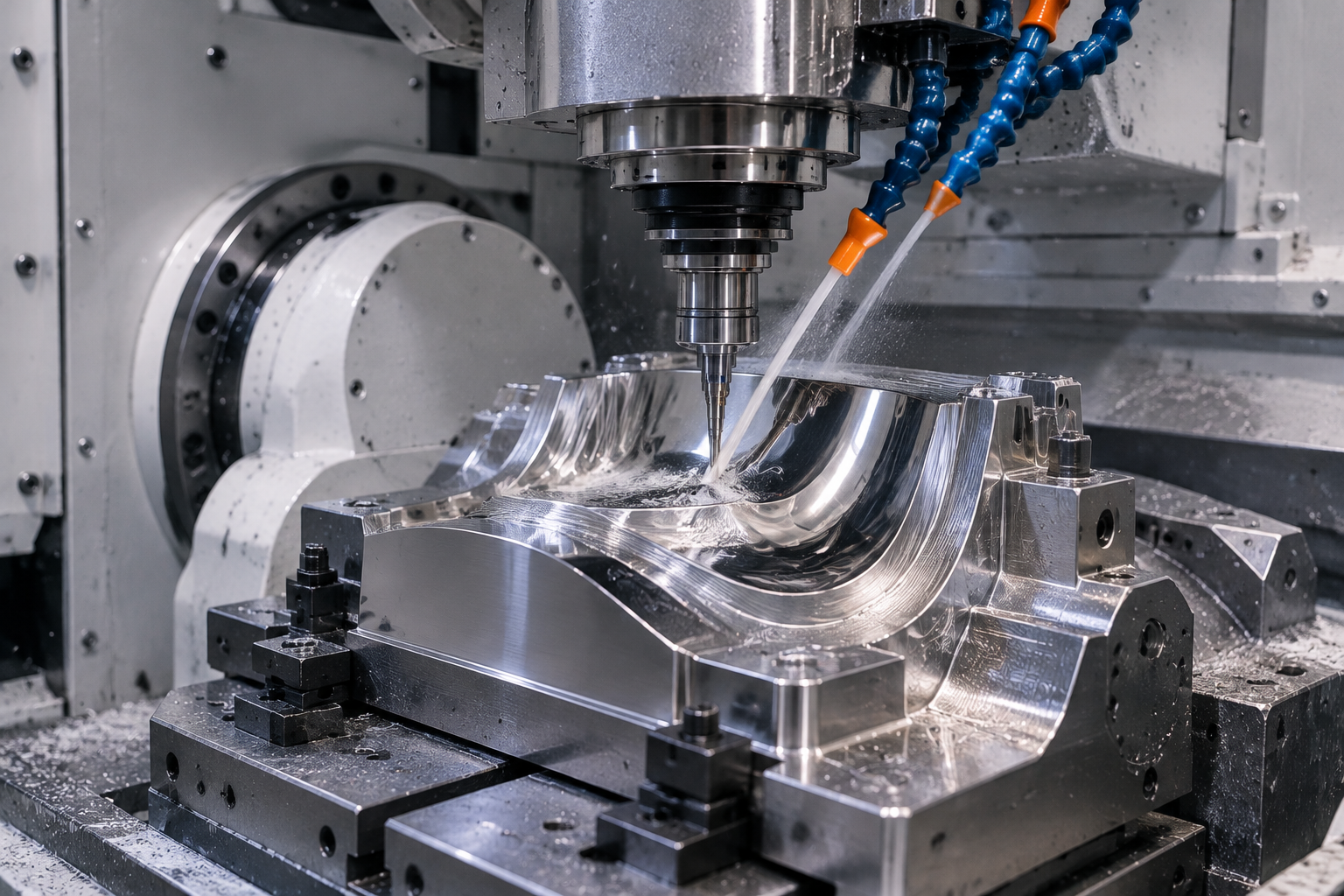
- Five-axis machining for contoured housing and mounting features
- Precise datum establishment for optical element positioning
- Integration of mechanical and optical features in single setups
- Consistent accuracy across production volumes
Material Selection for Medical Applications
Material selection for medical optics balances multiple factors:
| Material | Medical Applications | Key Considerations |
|---|---|---|
| Stainless Steel (316L) | Surgical instruments, housings | Biocompatible, autoclavable, excellent machinability |
| Titanium (Ti-6Al-4V) | Implants, precision instruments | Biocompatible, high strength, challenging to machine |
| Aluminum | Non-contact optical elements | Lightweight, machinable, coating compatible |
| Optical Glass (BK7, B270) | Lenses, windows | Superior optical properties, requires grinding/polishing |
| PMMA | Disposable optics, covers | Optical clarity, biocompatible, single-use applications |
| Sapphire | High-durability windows | Extreme hardness, excellent transmission |
Sterilization Compatibility
Medical optical components must maintain performance through sterilization processes including:
Steam Autoclaving
Temperature cycles to 134°C can affect optical coatings, adhesives, and plastics. Component design must account for thermal expansion and material compatibility.
Ethylene Oxide (EtO) Sterilization
Lower temperature process (typically 37-60°C) but requires gas permeability and outgassing considerations.
Gamma Radiation
Sterilization doses (25-40 kGy) can degrade certain plastics, adhesives, and coatings. Material selection must verify radiation stability.
Plasma/Steris Sterilization
Hydrogen peroxide plasma processes are compatible with most optical materials but require specific cleaning procedures.
Documentation and Traceability Requirements
Medical device quality systems require comprehensive documentation:
Device History Records (DHR)
Each production lot requires documented evidence including:
- Lot numbers and quantities
- Manufacturing date and operator identification
- Equipment and tooling used
- Process parameters and measurement results
- Inspection and test outcomes
- Non-conformance dispositions
First Article Inspection Reports
Initial production samples require complete dimensional and functional verification, documented for customer review and approval.
Certificate of Conformance
Each shipment typically requires supplier certification that components meet specifications, with reference to inspection records.
Material Certifications
Material test reports documenting composition, mechanical properties, and traceability to material certifications.
Process Validation for Medical Optical Manufacturing
Manufacturing processes for medical optical components must be validated to demonstrate consistent capability:
Installation Qualification (IQ)
Documentation confirming that equipment was installed correctly per manufacturer specifications.
Operational Qualification (OQ)
Testing demonstrating that equipment operates within specified parameters under normal conditions.
Performance Qualification (PQ)
Ongoing verification that processes produce acceptable results consistently during production.
Process Capability Studies
Statistical analysis of production data demonstrating process capability (Cpk ≥ 1.33 typically required).
Cleanliness and Contamination Control
Medical optical components require careful contamination control:
Particle Generation
Optical surfaces and mechanisms must not generate particles that could contaminate surgical sites or affect instrument function.
Residual Contamination
Cleaning validation ensures removal of machining fluids, debris, and other contamination before shipment.
Packaging Considerations
Specialized packaging maintains cleanliness during storage and transport, with validation of packaging integrity.
Biocompatibility Considerations
Components contacting patient tissue require biocompatibility assessment per ISO 10993:
- Cytotoxicity testing for cell toxicity effects
- Sensitization testing for allergic response potential
- Irritation testing for tissue reaction
- Appropriate testing based on contact duration and tissue type
Supply Chain Considerations for Medical Optical Components
Medical device manufacturers must qualify optical component suppliers thoroughly:
Supplier Audits
On-site audits verify quality system compliance, manufacturing capabilities, and process controls.
Quality Agreement Development
Formal agreements specify quality requirements, inspection protocols, change notification procedures, and documentation requirements.
Long-Term Supply Assurance
Medical device lifecycles often span decades, requiring supplier commitment to long-term availability and change management.
Conclusion
Medical device optical components occupy a unique intersection of precision manufacturing and regulatory compliance. Success requires not only technical capability to achieve optical specifications, but also quality systems, documentation practices, and process controls that satisfy medical device regulatory requirements.
For medical device manufacturers, supplier qualification should verify both optical manufacturing capability and quality system compliance. For optical manufacturers, entering the medical device market requires investment in quality infrastructure, documentation systems, and regulatory expertise—but opens access to demanding applications where precision truly matters.
Frequently Asked Questions
What ISO standards apply to medical optical component manufacturing?
ISO 13485:2016 establishes quality management system requirements for medical device manufacturers. Additional standards may apply depending on the specific device application and market (ISO 14971 for risk management, ISO 10993 for biocompatibility, etc.).
What surface quality is required for medical imaging optics?
Medical imaging optics typically require surface roughness below Ra 1nm and figure accuracy of λ/4 to λ/10 PV, with specific requirements depending on the imaging application and resolution requirements.
How does medical optical manufacturing differ from general precision optics?
Medical optical manufacturing requires additional quality system infrastructure (ISO 13485), enhanced documentation and traceability, biocompatibility considerations, sterilization compatibility, and often longer product lifecycles with corresponding supply chain stability requirements.
What materials are commonly used for medical optical components?
Common materials include stainless steel and titanium for instruments, optical glasses (BK7, B270) for imaging elements, sapphire for durable windows, and medical-grade plastics (PMMA, polycarbonate) for disposable applications.
How are medical optical components verified for biocompatibility?
Biocompatibility testing per ISO 10993 evaluates cytotoxicity, sensitization, and irritation based on the component’s contact type (surface device, external communicating device, or implant) and contact duration.
What documentation is required for medical optical component shipments?
Typical documentation includes Certificate of Conformance, Device History Record references, material certifications, first article inspection reports, and potentially sterilization compatibility certificates depending on application requirements.
Can diamond-turned components meet medical optical specifications?
Yes, Single Point Diamond Turning can achieve surface roughness below Ra 1nm and form accuracies of ±0.5μm, meeting most medical optical requirements. Some applications may still require subsequent polishing or coating processes.
Seeking a qualified supplier for medical device optical components? Contact YISHUN Optical at info@yishunoptical.com or visit yishunoptical.com to discuss your medical optics requirements and learn about our quality system capabilities.