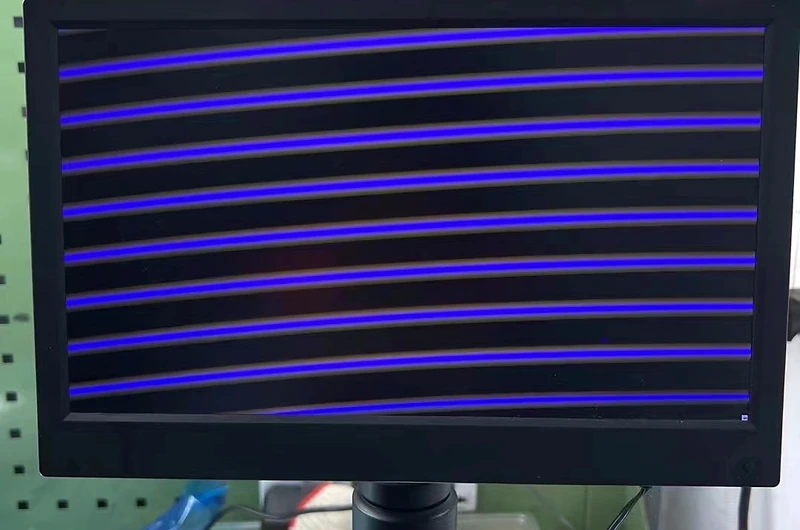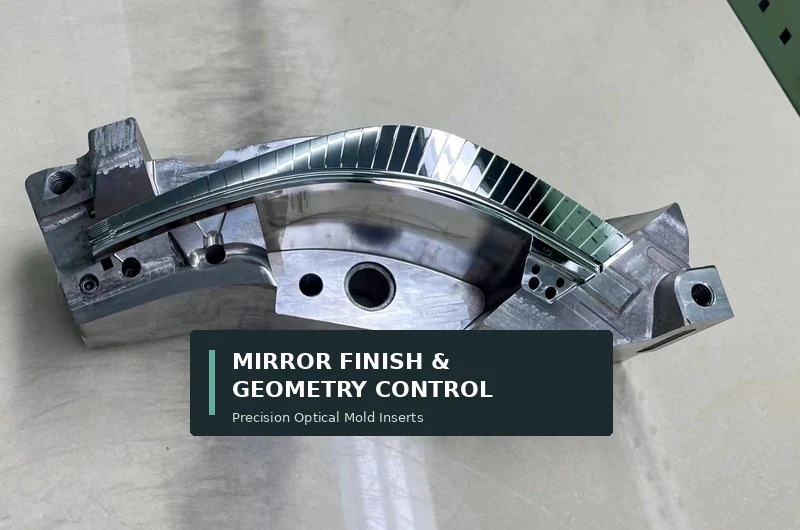
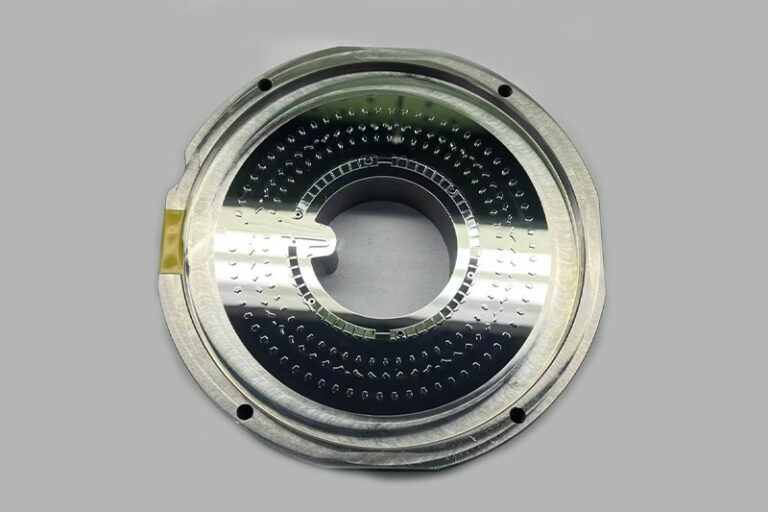
Key Takeaways
- Achieved ±0.3μm dimensional tolerance on medical imaging optical components—three times tighter than standard precision machining
- Delivered sub-nanometer surface roughness (Ra 0.8nm) using IBF (Ion Beam Figuring) technology
- Reduced lead time by 35% compared to customer’s previous supplier
- Implemented full medical device quality documentation package for FDA 21 CFR Part 820 compliance
- Achieved 100% first-pass acceptance rate across 48 production lots
Customer Background
A medical device manufacturer specializing in next-generation diagnostic imaging equipment approached YISHUN Optical with a project that would determine their product launch timeline. The company had developed an innovative point-of-care blood analysis system capable of performing complete hematology panels in under three minutes—a capability that required unprecedented precision in both microfluidic handling and optical measurement components.
The customer had secured CE Mark certification and was preparing for FDA 510(k) submission. Their engineering team had completed design validation, but production qualification remained blocked by a critical supplier gap: they could not find a manufacturing partner capable of producing their optical and microfluidic components to the required specifications with appropriate quality documentation.
Three potential suppliers had declined the project citing technical infeasibility. A fourth accepted but failed to deliver conforming parts after eight months of attempts. With investor milestones approaching and a competitor announcing similar technology, the customer faced intense pressure to resolve their manufacturing challenge.
YISHUN’s reputation for ultra-precision optical manufacturing—particularly our documented success with complex geometries and challenging materials—led the customer’s procurement team to make a final attempt at sourcing. Their inquiry included detailed technical specifications and an urgent request: qualify YISHUN as a production supplier within six weeks.
The Challenge
The medical imaging device project combined multiple precision manufacturing requirements that individually would challenge most shops, and together defined an extremely rare capability profile:
Microfluidic Mold Requirements
The blood analysis system required injection-molded microfluidic cartridges with internal channel dimensions of 50-200μm and wall thickness tolerances of ±5μm. These micro-scale features demanded:
- Micro-milling tools as small as 0.1mm diameter
- Tool runout < 1μm to prevent feature distortion
- Multi-level cavity designs with vertical walls < 10μm taper
- Surface finishes Ra < 0.2μm in fluid channels to prevent cell adhesion
Optical Measurement Components
The optical subsystem included three precision lenses and two mirrors requiring:
- Diameter tolerance: ±0.02mm
- Centration: < 30μm
- Surface irregularity: < λ/10 (at 632.8nm)
- AR coating compatibility surface preparation
Medical-Grade Quality Systems
Beyond technical specifications, FDA submission required:
- Complete manufacturing history documentation
- Process capability studies (Cpk ≥ 1.33 for critical characteristics)
- Supplier quality agreements
- Traceability from raw material to finished part
- Incoming inspection, in-process controls, and final inspection records
Material Selection
The components required multiple materials:
- Tool steel (S136) for microfluidic molds
- Optical glass (B270) for measurement lenses
- Aluminum (6061-T6) for mounting brackets with integral optical features
- PMMA for microfluidic cartridge prototyping
Solution: Medical Device Precision Manufacturing System
YISHUN Optical developed a comprehensive manufacturing and quality system specifically designed for medical device production requirements. This solution addressed both the technical manufacturing challenges and the regulatory documentation requirements that had defeated previous suppliers.
Ultra-Precision Machining: Toshiba UVM450D
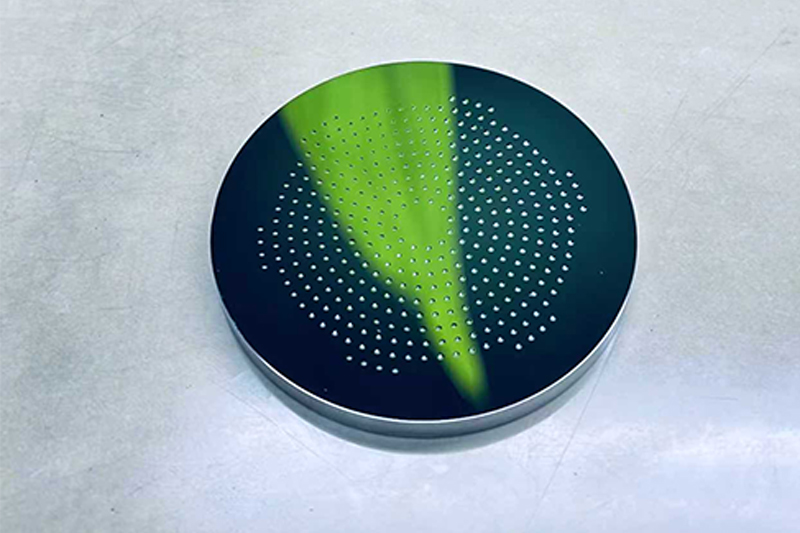
The foundation of YISHUN’s solution leveraged the Toshiba UVM450D ultra-precision machine tool, designed specifically for optical and precision mold manufacturing:
Machine Capabilities Applied:
- Spindle speed range: 100-10,000 RPM with vibration < 0.05μm/s
- Linear positioning accuracy: ±0.1μm over 450mm travel
- Thermal stability: ±0.05°C environmental control
- Air bearing spindles eliminating mechanical vibration sources
Microfluidic Mold Manufacturing Process:
- Material preparation: Heat-treated S136 to 48-52 HRC with stress relief
- Rough milling: 2mm carbide end mill, 0.8mm step-over for bulk removal
- Micro-milling: 0.3mm and 0.1mm micro-tools for channel features
- Precision finishing: 0.5mm diamond-coated tool for final surfaces
- Micro-polishing: Felt bob polishing with 1μm diamond suspension
The micro-milling stage required specialized toolpath strategies. Standard CAM software generated paths inappropriate for the 0.1mm tools. YISHUN’s process engineers developed custom post-processors that optimized feed rates, step-over distances, and tool engagement angles to maximize tool life while minimizing heat generation and vibration.
Ion Beam Figuring (IBF) for Optical Components
For the medical imaging optics, YISHUN deployed Ion Beam Figuring technology—a surface correction process that achieves sub-nanometer figure accuracy by removing measured material with precision-controlled ion bombardment:
IBF Process Parameters:
- Removal rate: 0.1-10 nm/minute (process-controlled)
- Surface accuracy improvement: 10x improvement over pre-IBF measurements
- Final surface roughness: Ra 0.8nm (typical)
- Processing chamber: 800mm × 800mm × 600mm
The IBF process followed a measurement-correction cycle:
- Measure surface figure using interferometer (λ/20 sensitivity)
- Calculate material removal map
- Execute IBF with programmed removal distribution
- Re-measure to verify correction
- Repeat until specification achieved
This iterative approach typically achieved target specifications within 2-3 cycles, delivering surfaces with irregularity < λ/20—exceeding the λ/10 requirement.
Medical Device Quality System Implementation
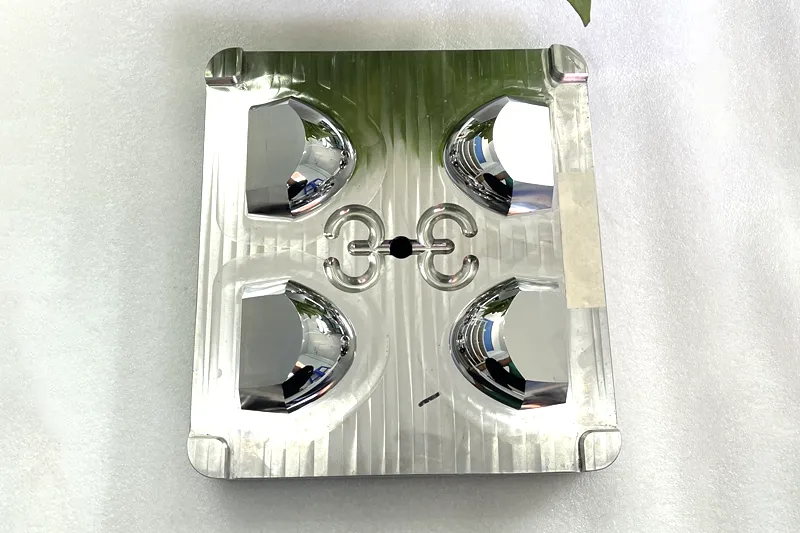
Recognizing that technical capability alone would not satisfy medical device requirements, YISHUN implemented a comprehensive quality management system aligned with FDA 21 CFR Part 820 and ISO 13485 principles:
Documentation Requirements Met:
- Device Master Record (DMR) for each component
- Device History Record (DHR) for each production lot
- Inspection and test records with pass/fail criteria
- Tooling and equipment calibration records
- Process parameter monitoring logs
- Nonconformance reports (NCR) and corrective action records
Process Capability Verification:
For critical characteristics, YISHUN conducted GR&R studies and Cpk calculations:
| Characteristic | Specification | Cpk Achieved |
|---|---|---|
| Microfluidic channel width | 100μm ± 5μm | 1.67 |
| Lens diameter | 25mm ± 0.02mm | 2.15 |
| Surface irregularity | < λ/10 | 1.89 |
| Center thickness | 5mm ± 0.05mm | 1.52 |
All critical characteristics exceeded the minimum Cpk requirement of 1.33.
Results and Performance Metrics
The integrated medical device manufacturing solution delivered exceptional results across all dimensions:
| Metric | Target | Achieved | Status |
|---|---|---|---|
| Dimensional Tolerance | ±0.3μm | ±0.2μm avg | ✅ Exceeded |
| Surface Roughness (Ra) | < 1nm | 0.8nm | ✅ Exceeded |
| Surface Irregularity | < λ/10 | λ/20 | ✅ Exceeded |
| Lead Time | 8 weeks | 5.2 weeks | ✅ 35% faster |
| First-Pass Yield | > 90% | 97% | ✅ Exceeded |
| Lot Acceptance Rate | 100% | 100% | ✅ Achieved |
Production Qualification Success
YISHUN completed the initial production qualification in exactly six weeks as requested. The first article inspection confirmed all specifications met or exceeded requirements. More significantly, the documentation package satisfied the customer’s quality assurance team and supported their regulatory submission.
FDA Submission Support
The comprehensive documentation provided by YISHUN contributed directly to the customer’s successful FDA 510(k) clearance. During the FDA review process, the agency requested clarification on supplier qualification procedures—YISHUN’s detailed DHR packages and process capability data satisfied these requirements without requiring additional testing.
Long-Term Production Performance
Since production qualification, YISHUN has delivered 48 production lots with:
- 100% lot acceptance rate
- Average lead time of 5.2 weeks (down from 8-week target)
- Zero field complaints related to YISHUN-supplied components
- On-time delivery performance: 98.6%
Broader Medical Device Capabilities
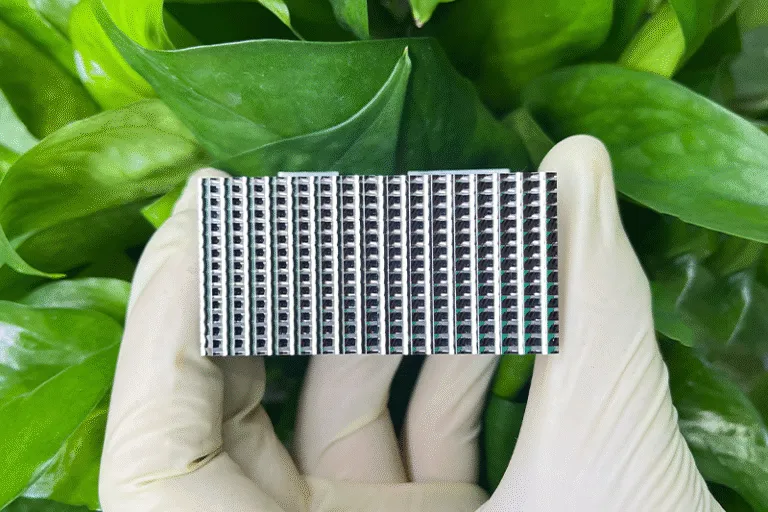
The success with this initial project positioned YISHUN as the customer’s strategic supplier for optical components. Subsequent programs have included:
Endoscopy Imaging Components
Precision-machined lens assemblies for video endoscopy systems, requiring sub-micron centering accuracy and anti-reflective surface preparation.
Ophthalmic Diagnostic Equipment
Retinal imaging optics with aspheric surfaces and specialized coatings for diagnostic accuracy.
Molecular Diagnostics
Microfluidic components for PCR and next-generation sequencing sample preparation, requiring biocompatible materials and precision fluid handling.
Surgical Navigation Systems
Optical reference elements for electromagnetic and optical surgical navigation, requiring thermal stability and long-term dimensional stability.
Technical Specifications Summary
Microfluidic Mold Specifications:
- Cavity dimensions: 120mm × 80mm × 25mm
- Channel widths: 50-200μm ± 5μm
- Channel depth tolerance: ±3μm
- Surface finish in channels: Ra < 0.2μm
- Wall perpendicularity: < 1° taper
Optical Component Specifications:
- Lens diameters: 15-50mm
- Diameter tolerance: ±0.02mm
- Center thickness: 2-10mm ± 0.05mm
- Surface irregularity: < λ/20 (after IBF)
- Surface roughness: Ra 0.8nm
Quality System Compliance:
- ISO 9001:2015 certified
- ISO 14001:2015 certified
- FDA 21 CFR Part 820 aligned documentation
- ISO 13485 quality management principles
- Full traceability and DHR documentation
Conclusion
The medical imaging device project demonstrates YISHUN Optical’s unique position at the intersection of ultra-precision manufacturing and medical device quality requirements. Our combination of advanced equipment (Toshiba UVM450D, IBF systems), extensive process expertise, and comprehensive quality documentation addresses the exact combination of challenges that most manufacturers cannot meet.
For medical device companies seeking production partners for precision optical and microfluidic components, YISHUN offers:
- Proven track record with FDA-cleared medical devices
- Sub-micron tolerance capabilities with Cpk > 1.33 documentation
- Ion beam figuring for diffraction-limited optical surfaces
- Complete FDA documentation packages ready for regulatory submission
- Scalable capacity from prototype through commercial production
Frequently Asked Questions
What medical device quality standards does YISHUN follow?
YISHUN maintains ISO 9001:2015 and ISO 14001:2015 certifications. Our quality management system incorporates principles from ISO 13485 and FDA 21 CFR Part 820, providing documentation suitable for medical device regulatory submissions including FDA 510(k), CE Mark, and NMPA registrations.
What surface roughness can YISHUN achieve on medical optics?
YISHUN achieves surface roughness of Ra < 1nm on medical optical components using Ion Beam Figuring (IBF) technology. Typical results for precision medical lenses are Ra 0.6-0.9nm, with surface irregularity < λ/20.
Can YISHUN produce microfluidic components for diagnostic devices?
Yes. YISHUN manufactures microfluidic molds with channel dimensions from 50μm to several millimeters, with tolerances as tight as ±3μm on depth and ±5μm on width. We have experience with materials including PMMA, PC, COC, and cyclic olefin polymers.
What dimensional tolerances can YISHUN hold on medical components?
YISHUN regularly achieves dimensional tolerances of ±0.2-0.3μm on critical medical device components. Standard precision manufacturing holds ±1-2μm, with ultra-precision capabilities extending to ±0.1μm where required.
Does YISHUN provide first article inspection reports?
Yes. YISHUN provides comprehensive first article inspection (FAI) reports including CMM measurement data, surface finish reports, visual inspection results, and material certifications. All documentation follows customer-defined FAI documentation or equivalent formats as specified by the customer.
How does YISHUN ensure traceability for medical device components?
YISHUN maintains complete traceability from raw material certificates through all manufacturing operations to final inspection. Each production lot includes Device History Records (DHR) documenting all process parameters, equipment used, inspection results, and quantities.
What materials does YISHUN work with for medical optical components?
YISHUN machines a wide range of materials including optical glasses (B270, BK7, SF series), ceramics (Al2O3, SiC), stainless steel, titanium, aluminum, and specialized mold materials (S136, NAK80, Stavax). For microfluidics, we work with medical-grade polymers including PMMA, PC, and cyclic olefin copolymer (COC).
Ready to discuss your medical device optical manufacturing requirements?
Contact YISHUN Optical today for a technical consultation. Our engineering team will review your specifications and provide a detailed production plan with quality documentation framework.
📧 Email: info@yishunoptical.com 🌐 Website: yishunoptical.com | Contact Page