
Mirror Finish Machining: Getting the Shine Without Losing Accuracy
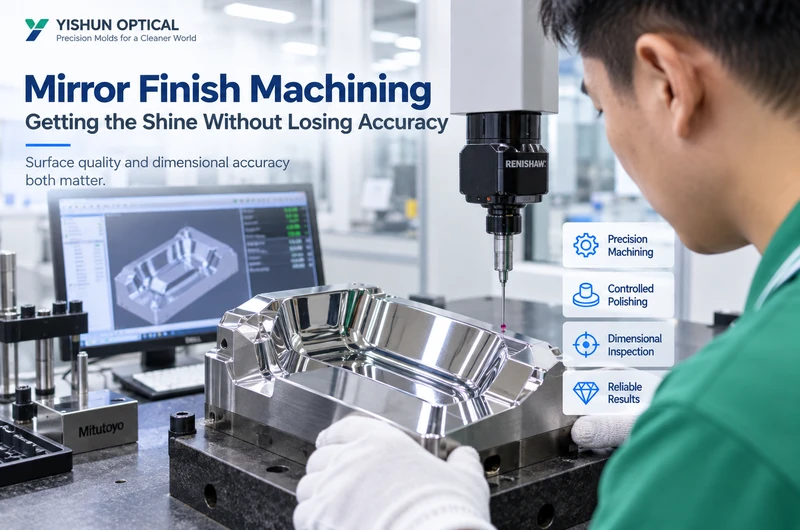
A mirror-finished mold insert can look perfect and still fail dimensional inspection. This article explains how machining strategy, controlled polishing and separate surface and dimensional checks help protect both gloss and geometry.
Deep Cavity Mold Insert Machining: Controlling Vibration and Polishing Access
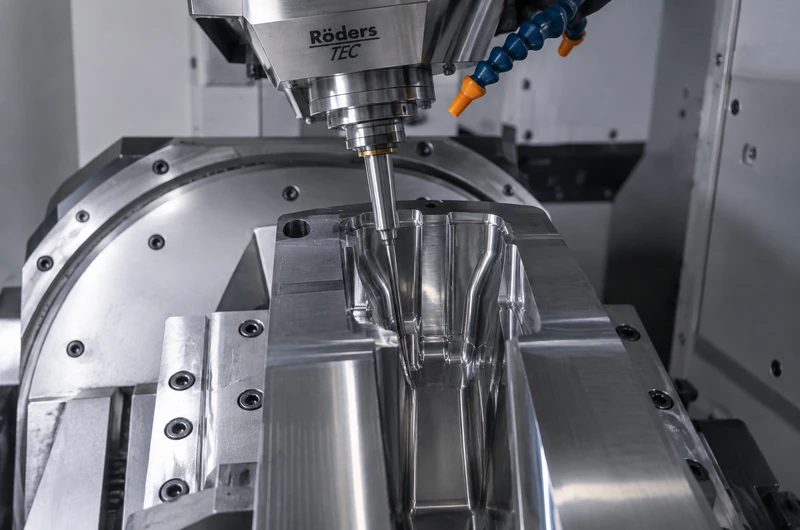
Deep cavities create more than a simple reach problem. Long tool overhang, side-wall vibration and limited polishing access can all affect the final mirror surface. This article explains how machining strategy, tool posture and controlled finishing help reduce those risks.
How to Make a High Gloss Mold Insert With Less Hand Polishing
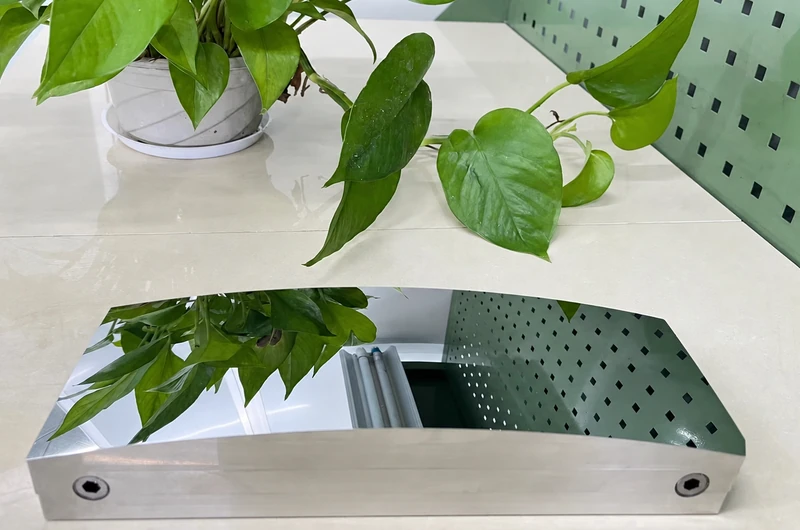
A high gloss mold insert does not always need a long EDM-and-polish route. This article explains how better machining can reduce heavy hand polishing, shorten the process and protect critical geometry.
Why Are CNC Tool Marks Still Visible After Mirror Machining?
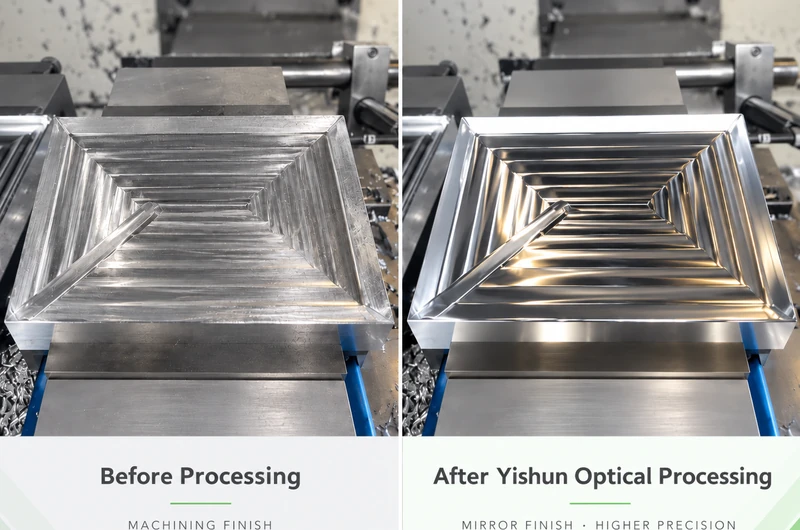
Deep CNC tool marks can turn a finishing job into repeated polishing and rework. We explain how tool stability, spindle speed, tool path and five-axis machining can improve the starting surface.