
Mirror-Finish Inner Hole Machining for Mold Inserts
Complex inner holes can be difficult to machine and polish without changing their geometry. Learn how YISHUN Optical evaluates oil-wire EDM, precision machining and inspection to control internal profiles and surface quality.
Deep Cavity Mirror Polishing: Maintaining Surface Consistency in Hard-to-Reach Areas
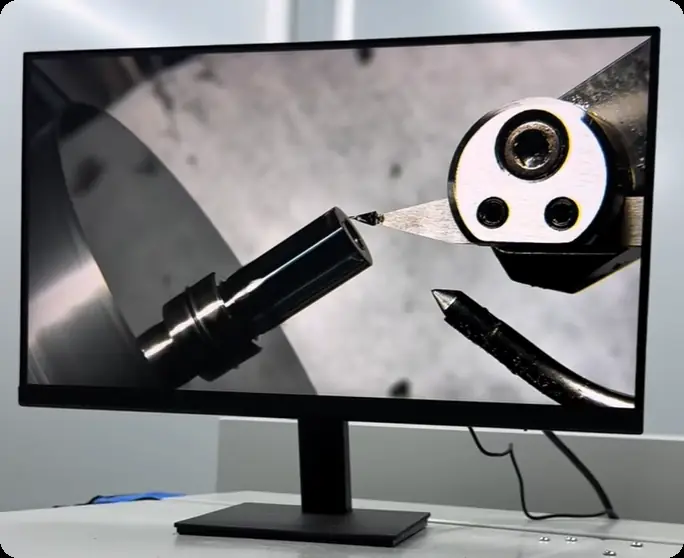
Deep cavity surfaces are difficult to polish because access, pressure control and material removal are harder to maintain. This article explains how proper process planning helps achieve consistent mirror finishing while protecting mold insert geometry.
Small Radius Mold Insert Machining: Protecting Corners Before Polishing
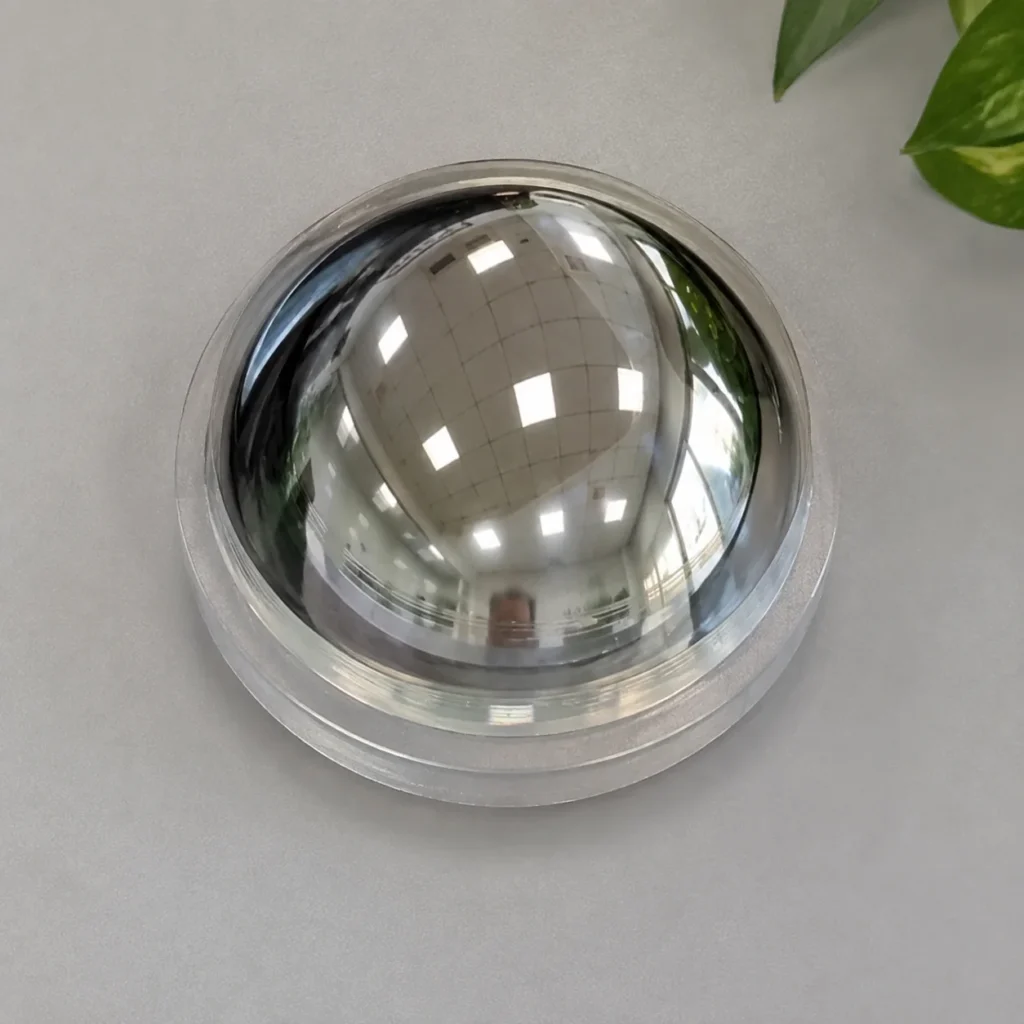
Small radii and sharp internal corners can easily change during polishing. This article explains how machining strategy, tool selection, mirror EDM and controlled finishing help protect critical corner geometry.
Deep Cavity Mold Insert Machining: Controlling Vibration and Polishing Access
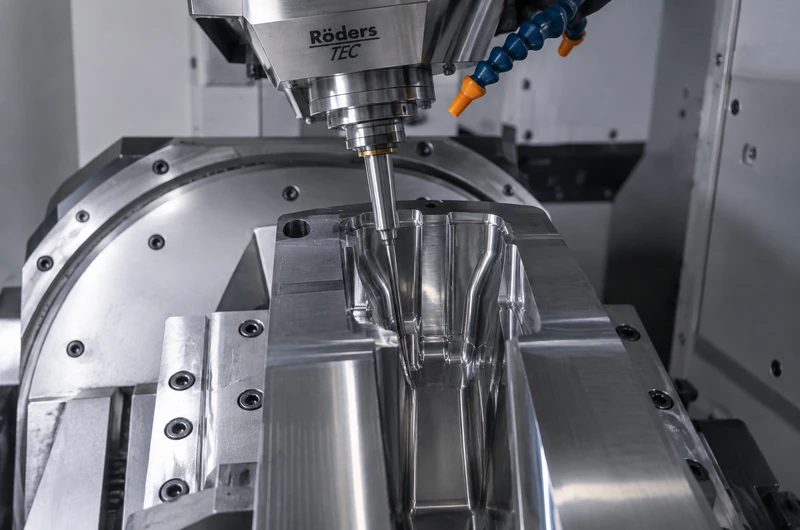
Deep cavities create more than a simple reach problem. Long tool overhang, side-wall vibration and limited polishing access can all affect the final mirror surface. This article explains how machining strategy, tool posture and controlled finishing help reduce those risks.
How to Make a High Gloss Mold Insert With Less Hand Polishing
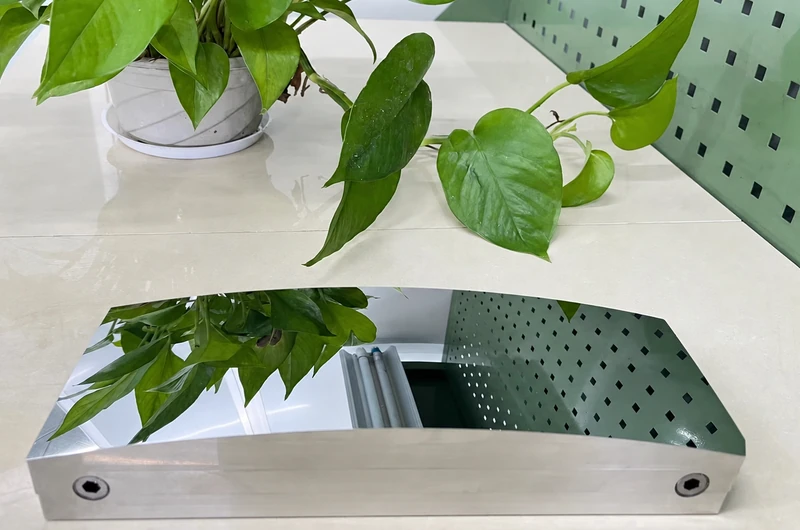
A high gloss mold insert does not always need a long EDM-and-polish route. This article explains how better machining can reduce heavy hand polishing, shorten the process and protect critical geometry.
Mirror Mold Insert Dimensions Changed After Polishing?
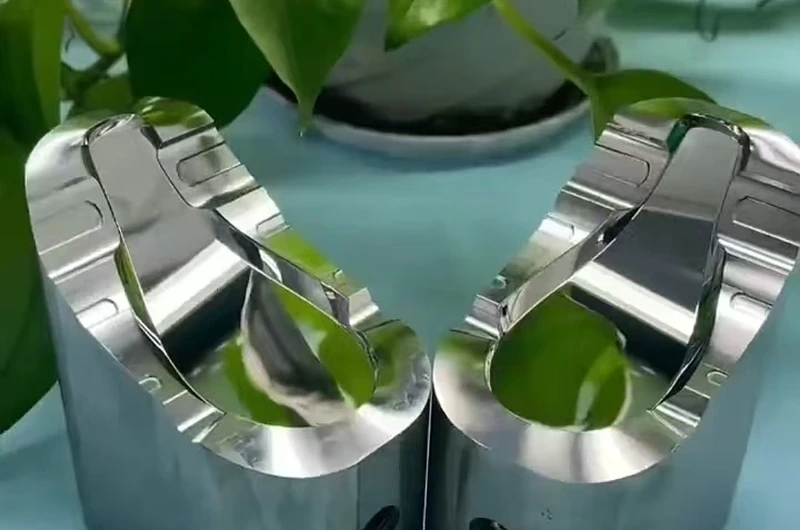
Mirror polishing can improve a mold insert’s surface while quietly changing small radii, edges or critical dimensions. This article explains where that risk comes from, how we reduce the finishing burden during machining, and why critical geometry should be checked again after polishing.