
Small Radius Mold Insert Machining: Protecting Corners Before Polishing
Small radii and sharp internal corners can easily change during polishing. This article explains how machining strategy, tool selection, mirror EDM and controlled finishing help protect critical corner geometry.
Deep Cavity Mold Insert Machining: Controlling Vibration and Polishing Access
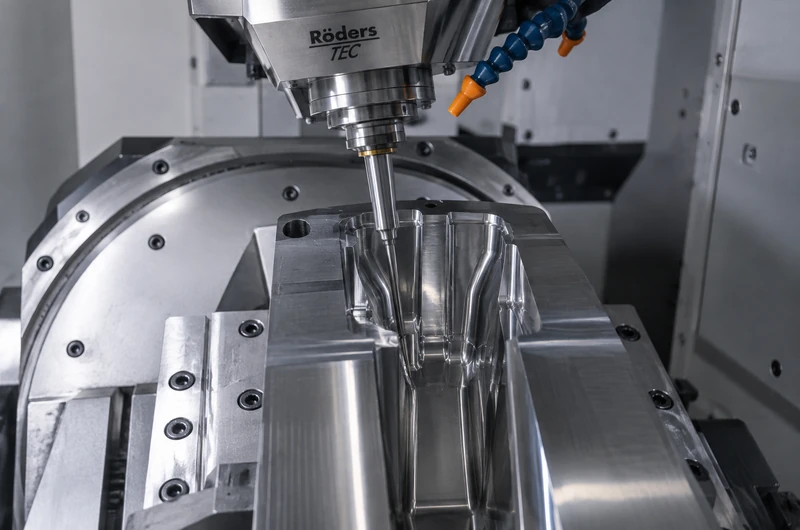
Deep cavities create more than a simple reach problem. Long tool overhang, side-wall vibration and limited polishing access can all affect the final mirror surface. This article explains how machining strategy, tool posture and controlled finishing help reduce those risks.
How to Make a High Gloss Mold Insert With Less Hand Polishing
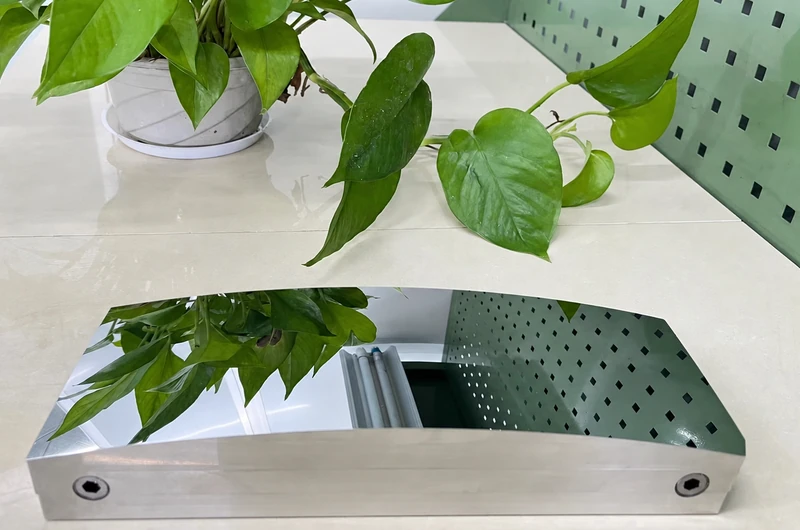
A high gloss mold insert does not always need a long EDM-and-polish route. This article explains how better machining can reduce heavy hand polishing, shorten the process and protect critical geometry.
Why Manual Mold Polishing Can Cause Mirror Mold Insert Failure
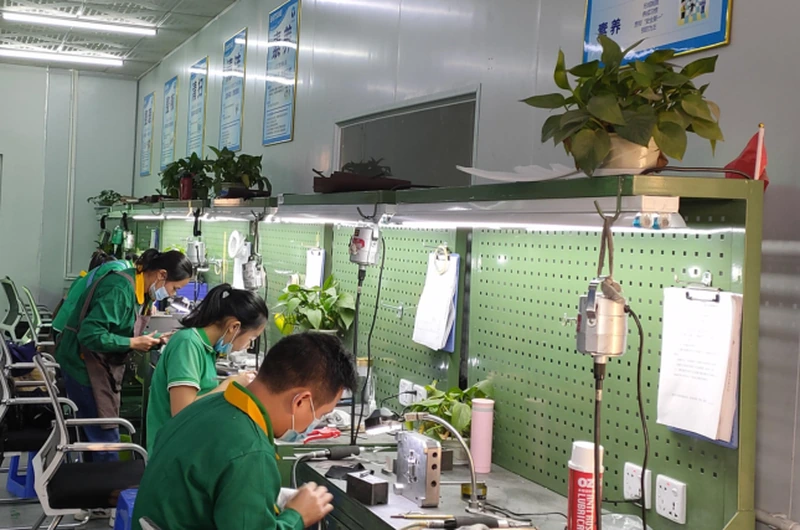
Manual mold polishing can create a bright surface while quietly changing edges, radii and local geometry. This article explains why that happens and how better machining, controlled polishing and post-finish inspection reduce rework.
Why Are CNC Tool Marks Still Visible After Mirror Machining?
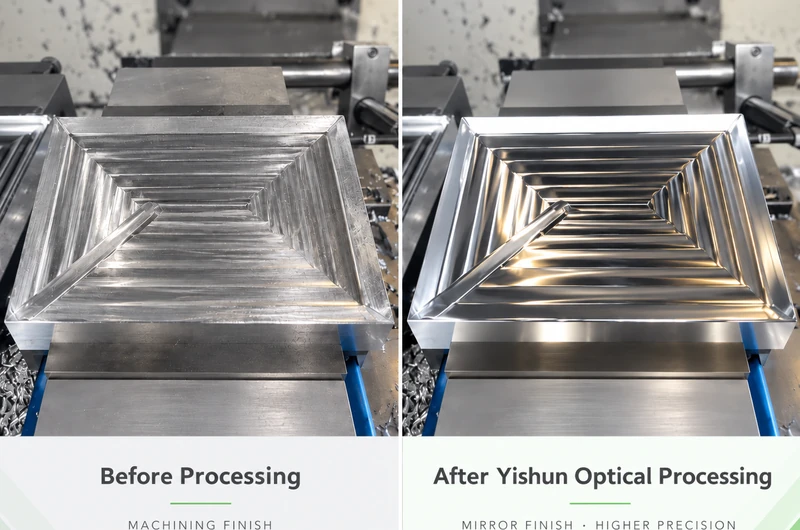
Deep CNC tool marks can turn a finishing job into repeated polishing and rework. We explain how tool stability, spindle speed, tool path and five-axis machining can improve the starting surface.
Mirror Mold Insert Dimensions Changed After Polishing?
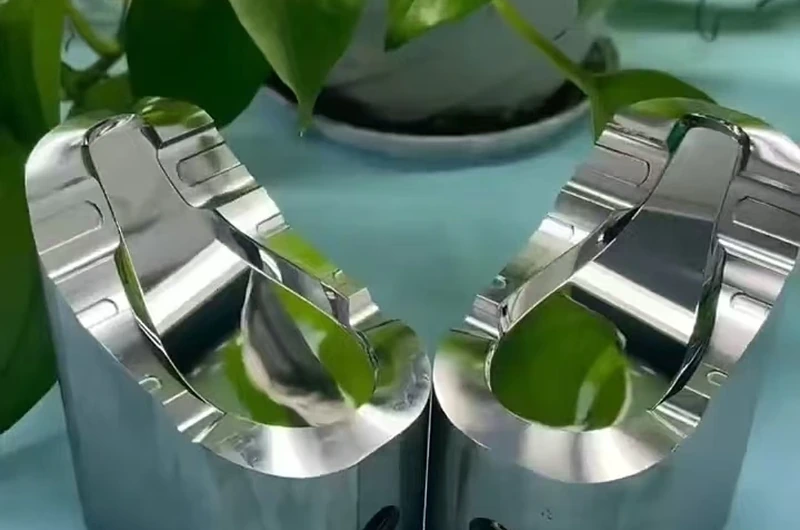
Mirror polishing can improve a mold insert’s surface while quietly changing small radii, edges or critical dimensions. This article explains where that risk comes from, how we reduce the finishing burden during machining, and why critical geometry should be checked again after polishing.
How to Prevent Edge Rounding During Mirror Polishing
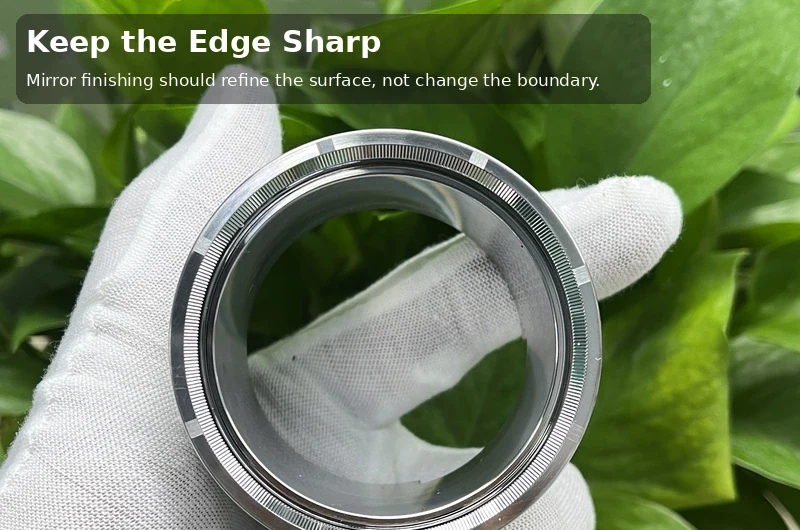
Sharp edges can slowly become rounded during mirror polishing, especially when heavy manual finishing is needed to remove machining marks. This article explains how we reduce polishing allowance, protect critical boundaries, divide finishing zones and verify edge geometry after polishing.
A Long Equipment List Doesn’t Mean an Ultra-Precision Machining Supplier Can Deliver Your Project
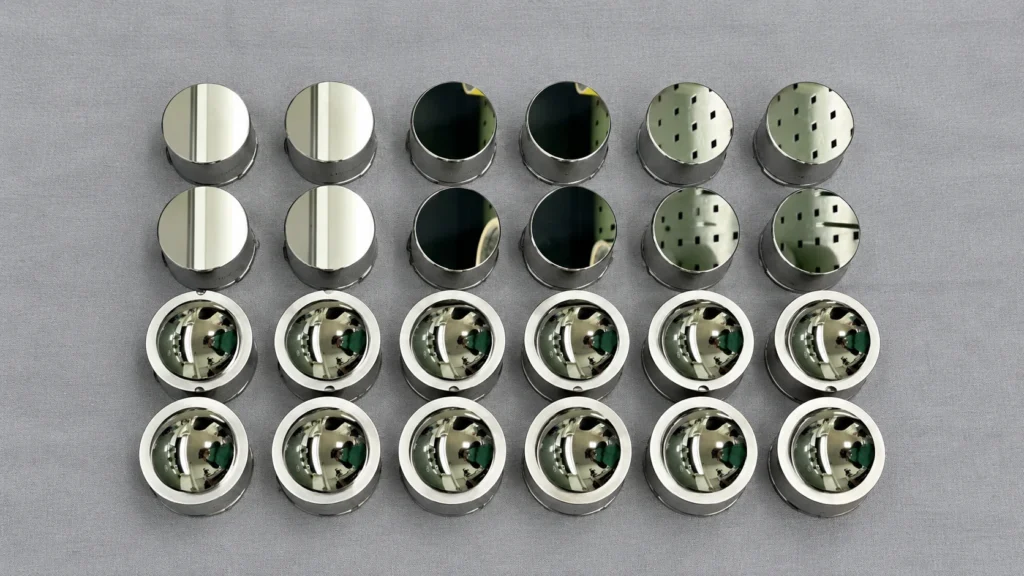
A long equipment list does not automatically mean an ultra-precision machining supplier can deliver a difficult optical or mirror-finished component. This article explains how buyers should evaluate engineering judgment, process suitability, inspection capability and repeatability before approving a supplier.
Why Your Ultra-Precision Machining Quote Keeps Getting Delayed
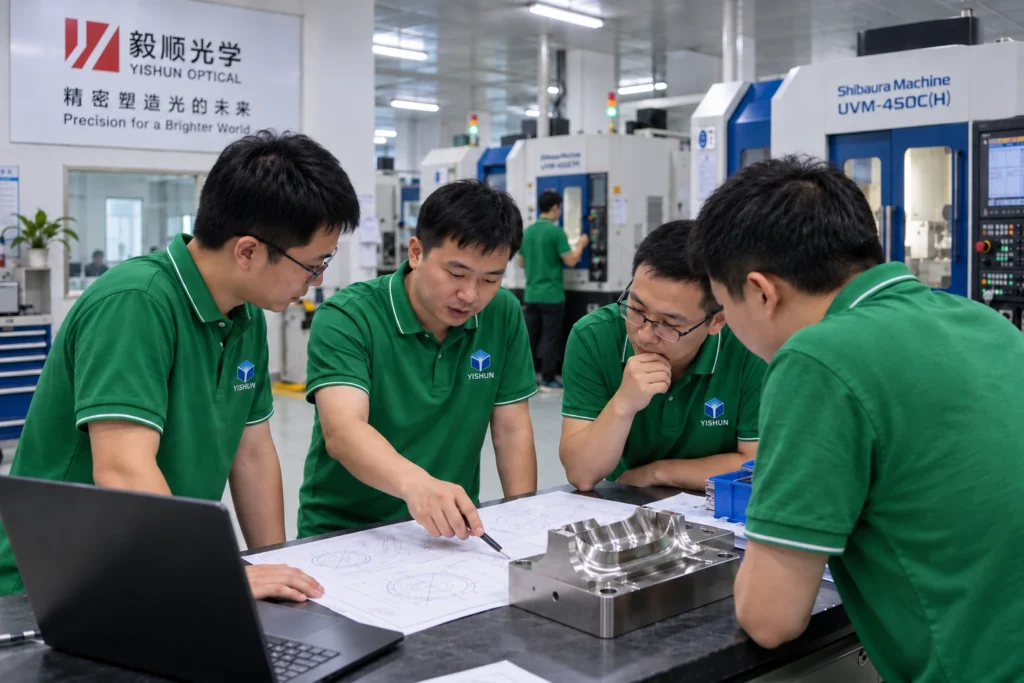
Repeated requests for drawings, material details, optical areas and inspection requirements can slow down an ultra-precision machining quote. In this article, Yishun Optical explains why these delays happen, what risks they can create, and how a complete engineering review helps reduce repeated communication before machining begins.