When customers first evaluate an ultra-precision machining supplier, one of the first things they usually ask for is an equipment list.
That makes sense.
If you need an optical mold insert, a freeform surface or a mirror-finished component, you want to know whether the supplier has the right machines.
The problem is that equipment lists can create a false sense of confidence.
A supplier may show diamond turning machines, five-axis machining centers, polishing equipment and advanced inspection systems.
Everything looks impressive.
But six weeks later, the project may still run into the same problems you were trying to avoid:
the geometry cannot actually be reached by the selected tool;
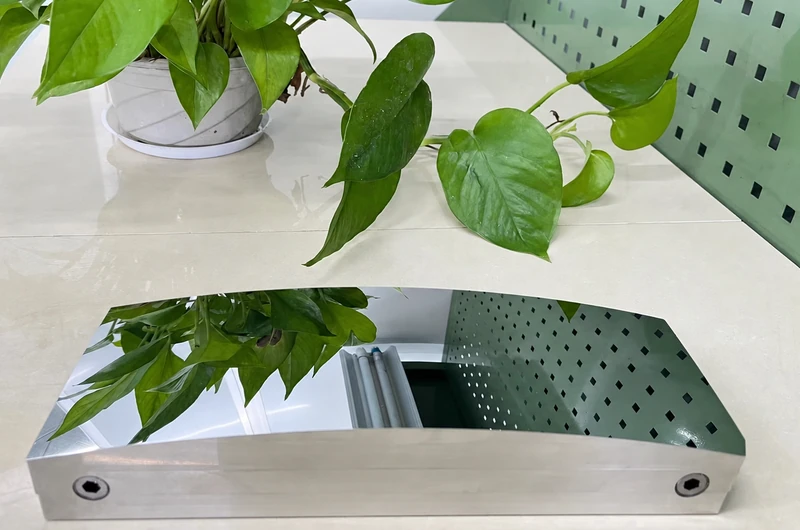
the surface looks bright but does not meet the functional requirement;
the machining and inspection teams use different references;
the polishing step changes an edge or local form;
or the supplier only discovers the real manufacturing difficulty after cutting has already started.
That is why, when customers ask me how to evaluate an ultra precision machining supplier, I would never recommend starting with the question:
“What machines do you have?”
I would start with a different question:
“How will you use those machines to control my specific part?”
Machine Capability and Project Capability Are Not the Same Thing
This distinction is extremely important.
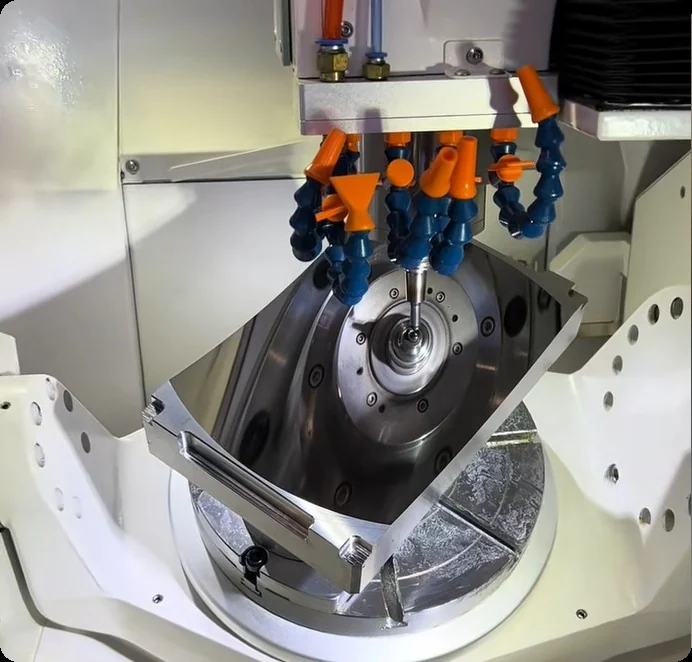
A machine may have excellent positioning accuracy.
That does not automatically mean every finished part coming off that machine will achieve the same tolerance.
The final result also depends on the material, part size, geometry, tool accessibility, fixture stability, machining strategy, temperature, remaining stock, finishing method and inspection approach.
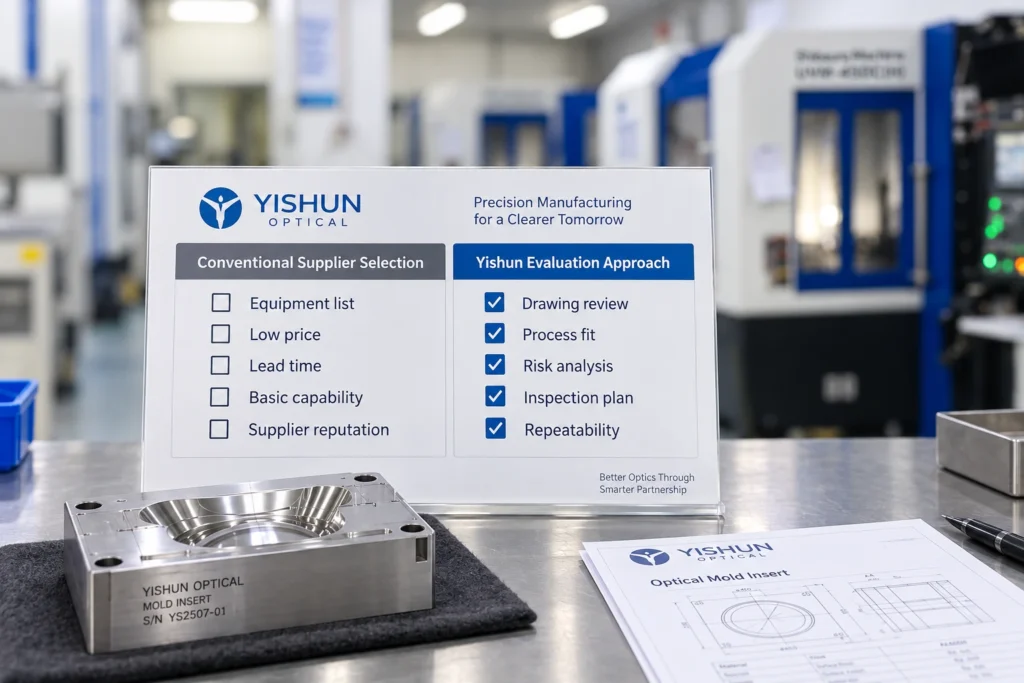
In our own project documentation at Yishun Optical, we make this distinction very clearly: machine positioning accuracy is not the same as finished-part tolerance, and final capability should only be confirmed after the drawing and inspection requirements have been reviewed.
For a buyer, this is one of the easiest ways to tell whether you are speaking with a machine seller or an engineering team.
If you send a difficult drawing and the supplier immediately says:
“No problem, our machine accuracy is 1 micron,”
I would ask more questions.
The machine specification may be true.
But it still has not answered whether your part can be made.
Ask the Supplier to Connect Each Process to a Real Manufacturing Problem
A good equipment list becomes useful only when the supplier can explain why each process is needed.
For example, in our own Fresnel and optical mold work, ultra-precision cutting equipment such as Moore and Toshiba systems may be used for suitable optical surfaces and groove structures.
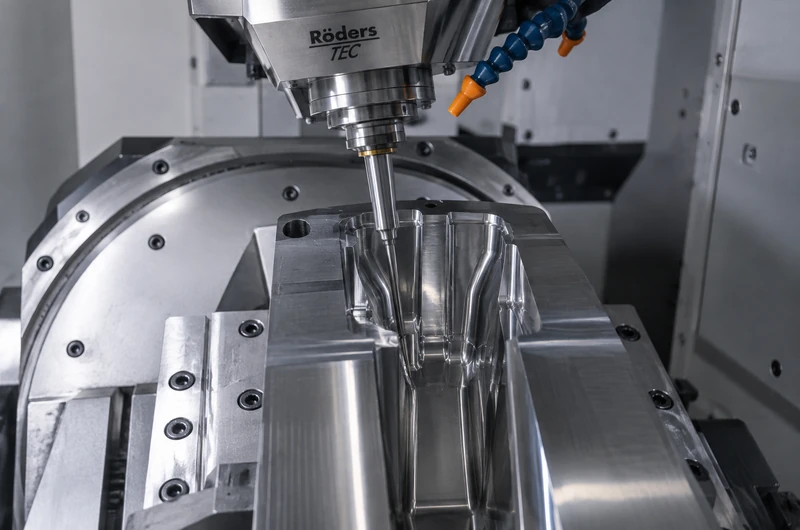
Röders and five-axis machining systems can support freeform transitions, datums and complex insert geometry.
Controlled polishing equipment may then be used where tool marks need to be removed without losing critical geometry.
Inspection is handled separately through equipment such as ZEISS CMM, ZYGO white-light interferometry, roughness measurement and 3D comparison when the project requires it.
The important part is not the brand name.
The important part is the relationship:
geometry → process → risk → inspection.
If a supplier cannot explain that relationship for your drawing, the equipment list tells you much less than it appears to.
The Supplier Should Find Problems Before Production, Not After
One of the strongest supplier-qualification signals is what happens before quotation or machining.
Does the supplier only give you a price?
Or do they ask questions?
Sometimes buyers become uncomfortable when a supplier asks many technical questions.
But for difficult optical or ultra-precision parts, I am usually more concerned when there are no questions at all.
If the drawing contains a deep cavity, a small radius, a critical optical boundary, a difficult datum relationship or an unclear surface requirement, somebody should notice it.
At Yishun, our normal project logic is not simply drawing → machining.
It is closer to:
understand the requirement → identify the risk → choose the process → verify the result.
That same engineering logic appears throughout our internal optical insert workflow.
A good supplier does not only tell you what it can do.
It should also tell you what may go wrong.
Look at the Inspection Plan Before You Look at the Sample Report
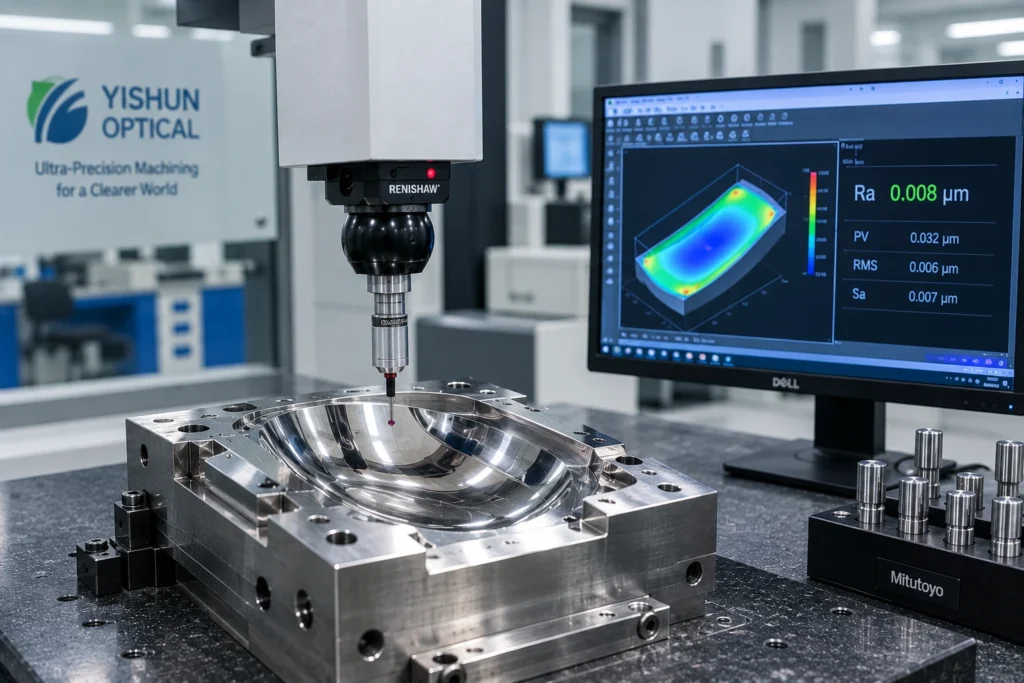
Customers often ask a potential supplier for inspection reports.
That is useful, but I would go one step further.
Do not only ask:
“Can you provide reports?”
Ask:
“What will you measure on my part, with which equipment, and against which datum or acceptance requirement?”
A beautifully formatted report is not valuable if it measures the wrong thing.
For different projects, our inspection resources can include CMM dimensional reports, surface roughness measurement, white-light interferometry, optical microscopy and other agreed checks. The purpose is to give engineering, quality and purchasing teams a clear basis for part acceptance rather than simply generating more paperwork.
This matters especially for optical surfaces.
A supplier may show you a roughness value and say the surface passed.
But if your real concern is form accuracy, reflection continuity, edge preservation or a specific freeform region, roughness alone may not answer your question.
Supplier qualification should therefore include measurement capability that matches the actual functional requirement.
Do Not Judge Only by the Best Sample in the Display Cabinet
Almost every precision supplier can show you one beautiful part.
The more useful question is:
Can they repeat the result?
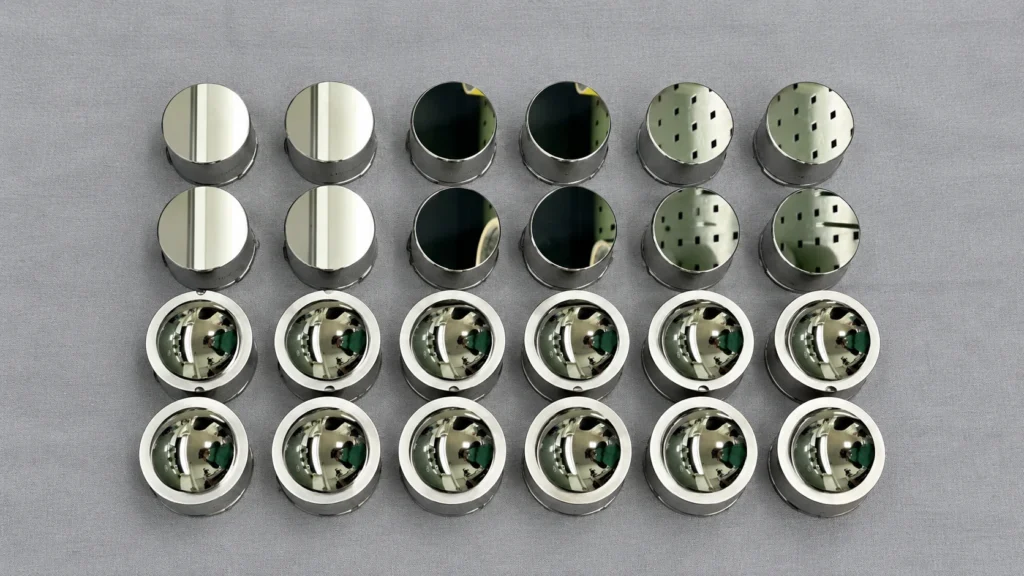
If your project eventually requires multiple mold inserts, replacement inserts or another batch six months later, one perfect sample is not enough.
Ask how the supplier controls:
program revisions,
datums,
tooling,
inspection methods,
critical process parameters,
and changes between the first part and later parts.
You are not only buying one machined surface.
You are buying the supplier’s ability to reproduce a controlled manufacturing decision.
That difference becomes very important once the project moves beyond a prototype.
Pay Attention to What Happens Between Processes
Many difficult mold inserts cannot be completed by one operation.
A part may need several steps: rough machining, precision machining, optical finishing, local correction and inspection.
Every handoff creates risk.
A datum can shift.
A finished area can be damaged.
An operator can work from an outdated requirement.
A polishing step can change geometry that was already correct.
This is why we believe process coordination matters as much as individual machine capability.
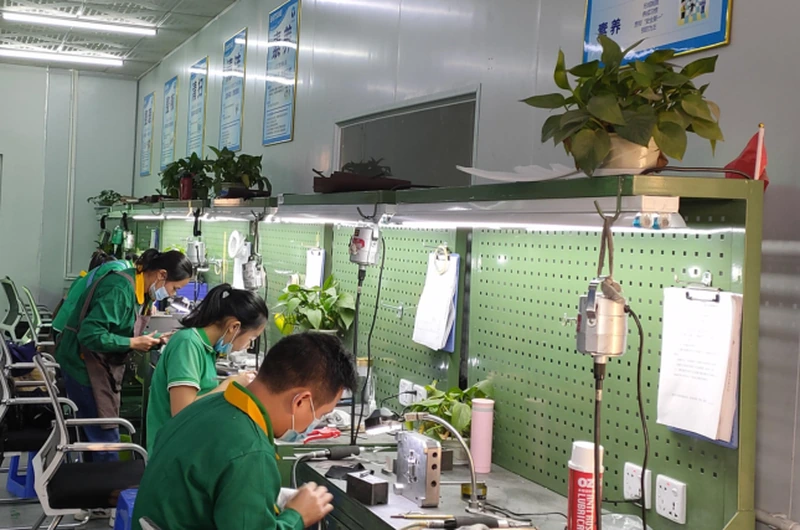
Yishun’s own machining approach combines multiple processes rather than relying on one piece of equipment for every geometry; the purpose is to match the process to the feature and reduce the problems created when difficult components have to move repeatedly between unrelated suppliers.
For a buyer, it is worth asking exactly which operations the supplier controls and how responsibility is handled between steps.
Five Questions I Would Ask Before Approving a Supplier
You do not need a 50-page audit form to learn a lot about an ultra-precision machining supplier. I would start with these questions:
- What do you see as the three biggest manufacturing risks in our drawing?
- Which process will you use for each critical feature, and why?
- How will the functional surface be measured and accepted?
- Which steps require handoffs, polishing or secondary processing, and how are they controlled?
- Can you show a relevant inspection report or similar manufacturing example—not just a machine specification?
The quality of the answers will usually tell you more than the length of the equipment list.
We Prefer Customers to Evaluate Us the Same Way
When a new customer evaluates Yishun Optical, I do not expect them to choose us simply because we have Moore, Toshiba, Röders, five-axis equipment, polishing systems or ZEISS and ZYGO inspection equipment.
Those machines are important.
But they are only tools.
What matters is whether our engineers can look at the customer’s drawing, understand where the real difficulty is, choose the right machining route and define how the result will be verified.
That is the part that determines whether a difficult project can actually be delivered.
So if you are comparing several ultra-precision machining suppliers, my suggestion is simple:
Do not ask only who owns the best machine. Ask who understands your risk before that machine starts cutting.
That is usually where the real difference between suppliers becomes visible.