Procuring custom precision parts presents a specific supply chain challenge: finding a manufacturing strategy that supports everything from a single initial prototype to a mass production run of tens of thousands of units. Buyers often face rigid Minimum Order Quantities (MOQs), steep cost increases during design iterations, or a loss of dimensional accuracy when transitioning from a small test batch to high-volume manufacturing.
This guide breaks down how volume requirements impact the engineering and procurement of ultra-precision components. You will understand how to structure your orders during prototyping, pilot runs, and large-scale manufacturing to control costs, maintain micron-level tolerances, and streamline your supply chain.
Prototyping: Validating Designs with Zero to Low MOQ
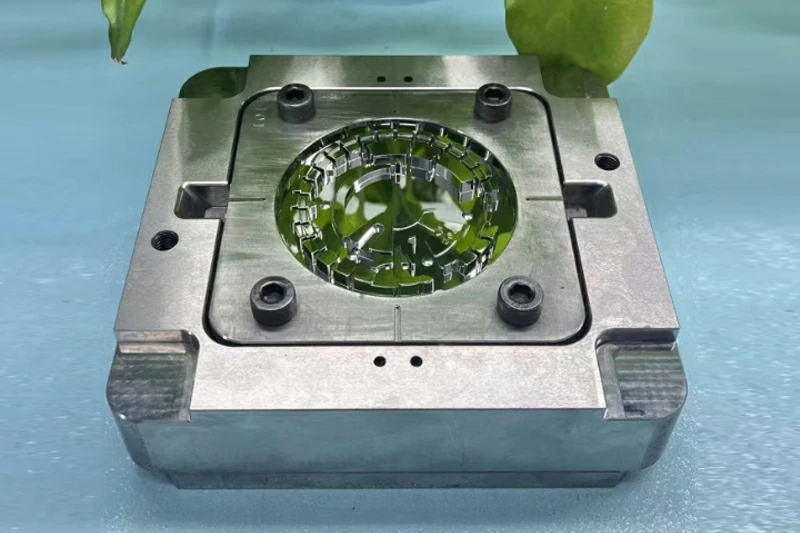
During the initial product development phase, the primary goal is design validation, not cost-per-part optimization. Engineers need to test fit, form, and function before committing to expensive tooling or long-term production contracts.
For these early stages, finding prototype machining services that offer zero or low MOQ is essential. Because setups for single parts are manual and time-intensive, the unit cost is inherently higher. However, this flexibility allows teams to make immediate design adjustments without wasting material or scrapping a large batch of obsolete parts.
To accelerate the quoting and manufacturing process for prototype runs, engineering and purchasing teams should prepare a complete specification package.
Prototype Specification Checklist:
- Material Grade: Specify the exact alloy or polymer (e.g., Aluminum 6061-T6, Titanium Grade 5) rather than generic terms.
- Critical Tolerances: Identify only the dimensions that require ultra-precision tolerances. Over-tolerancing non-critical areas exponentially increases prototype costs.
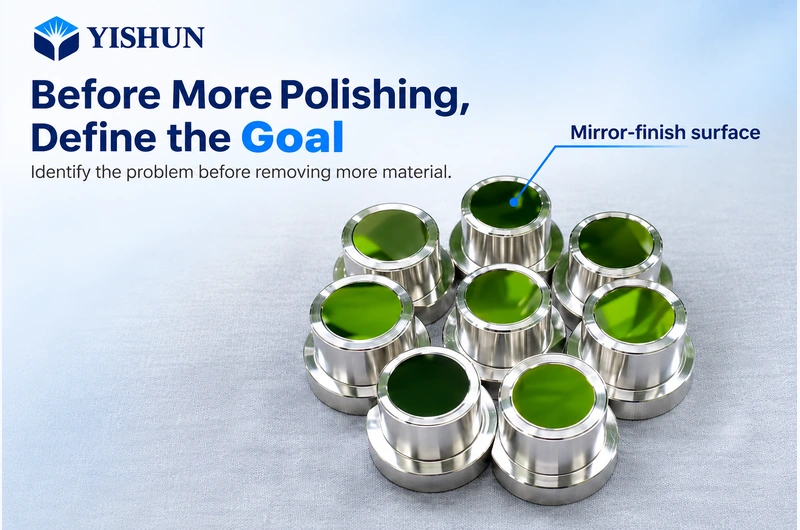
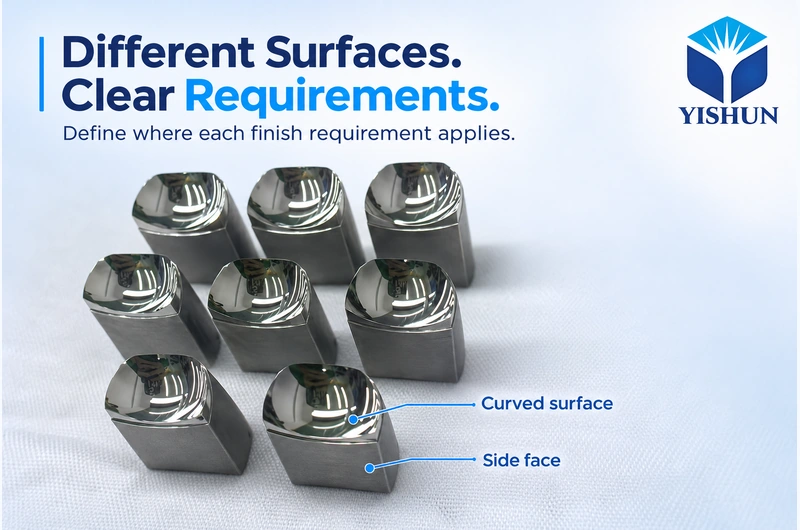
- Surface Finish Requirements: Clearly indicate acceptable Ra (Roughness Average) values and any required post-processing treatments—before specifying a finish finer than your application truly needs, check what nanometer-level surface finish actually demands in process terms.
- 3D CAD and 2D Drawings: Provide both formats. The CAD model drives the toolpaths, while the 2D drawing dictates the specific GD&T (Geometric Dimensioning and Tolerancing) requirements.
By providing clear documentation, buyers can secure accurate estimates for reliable ultra precision machining services that support early-stage development.
Pilot Runs and Low-Volume Production: Bridging the Gap
Once the prototype is validated, the project moves into pilot runs or low volume precision machining. This phase typically involves batches ranging from a few dozen to a few hundred units.
The purpose of a pilot run is to verify assembly workflows, conduct field testing, and evaluate market response. Manufacturing strategies shift here: machinists begin designing custom fixtures to hold multiple parts simultaneously, reducing load and unload times.
Understanding the differences between prototyping and low-volume production helps procurement managers forecast budgets accurately.
Comparison: Prototyping vs. Low-Volume Production
| Factor | Prototyping (1–10 units) | Low-Volume Production (50–500 units) |
|---|---|---|
| Primary Objective | Design and functional validation | Assembly testing and process validation |
| Fixture Investment | Minimal (standard clamping methods) | Moderate (custom soft jaws or multi-part fixtures) |
| Cost Per Part | Highest (due to one-off setup time) | Lower (setup costs distributed across the batch) |
| Machining Approach | Slower, heavily monitored feeds and speeds | Optimized toolpaths for efficiency and repeatability |
| Lead Time | Rapid (often expedited) | Moderate (requires time for fixture creation and material batching) |
Scaling Up: High-Volume Production Runs and Cost Efficiency
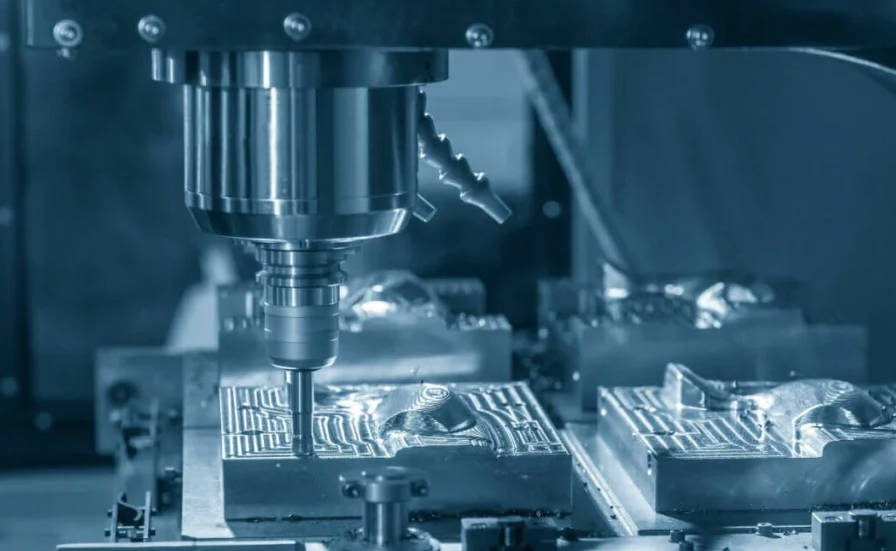
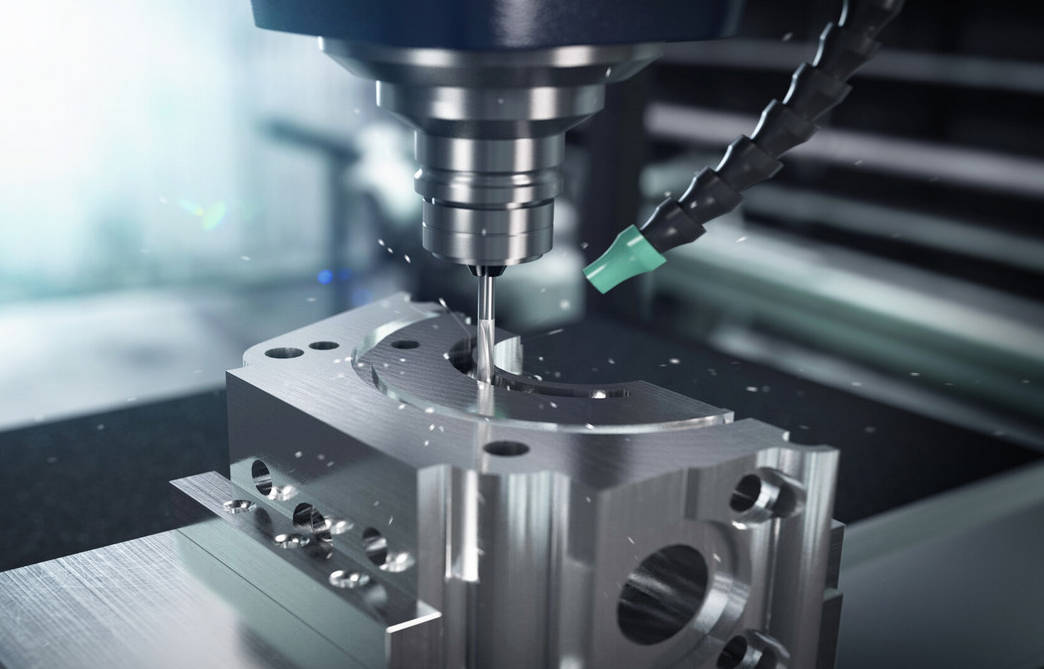
Transitioning from pilot runs to high volume precision manufacturing unlocks significant economies of scale. When ordering custom precision parts in the thousands, the cost per unit drops drastically. This reduction is achieved through fully optimized CNC programming, automated material loading (such as bar feeders or robotic arms), and dedicated machine scheduling.
However, moving to mass production requires a strict commitment to the final design. Any engineering changes at this volume result in severe delays and scrapped inventory.
Decision Framework: When to Scale to Mass Production — Before placing a high-volume order, confirm the following conditions:
- Design Lock: All GD&T specifications are finalized, and no further dimensional changes are expected.
- Material Supply Chain: The required raw material grade is available in the necessary quantities and formats (e.g., standard extrusion sizes) to support continuous manufacturing.
- Market Demand: Sales forecasts or internal consumption rates justify the inventory holding costs associated with a large batch.
- Process Stability: The manufacturer has demonstrated capability (Cpk) during the pilot run, proving they can hold the required tolerances consistently.
Maintaining Ultra-Precision Tolerances at Any Scale
A common concern when scaling custom precision parts is quality degradation. A machinist might easily hold a tight tolerance on a single prototype through careful manual adjustment, but holding that same tolerance across ten thousand parts requires robust systems.
Quality control in high-volume environments relies on standardized, repeatable inspection workflows rather than individual operator intervention.
Quality Assurance Steps for Scaled Production:
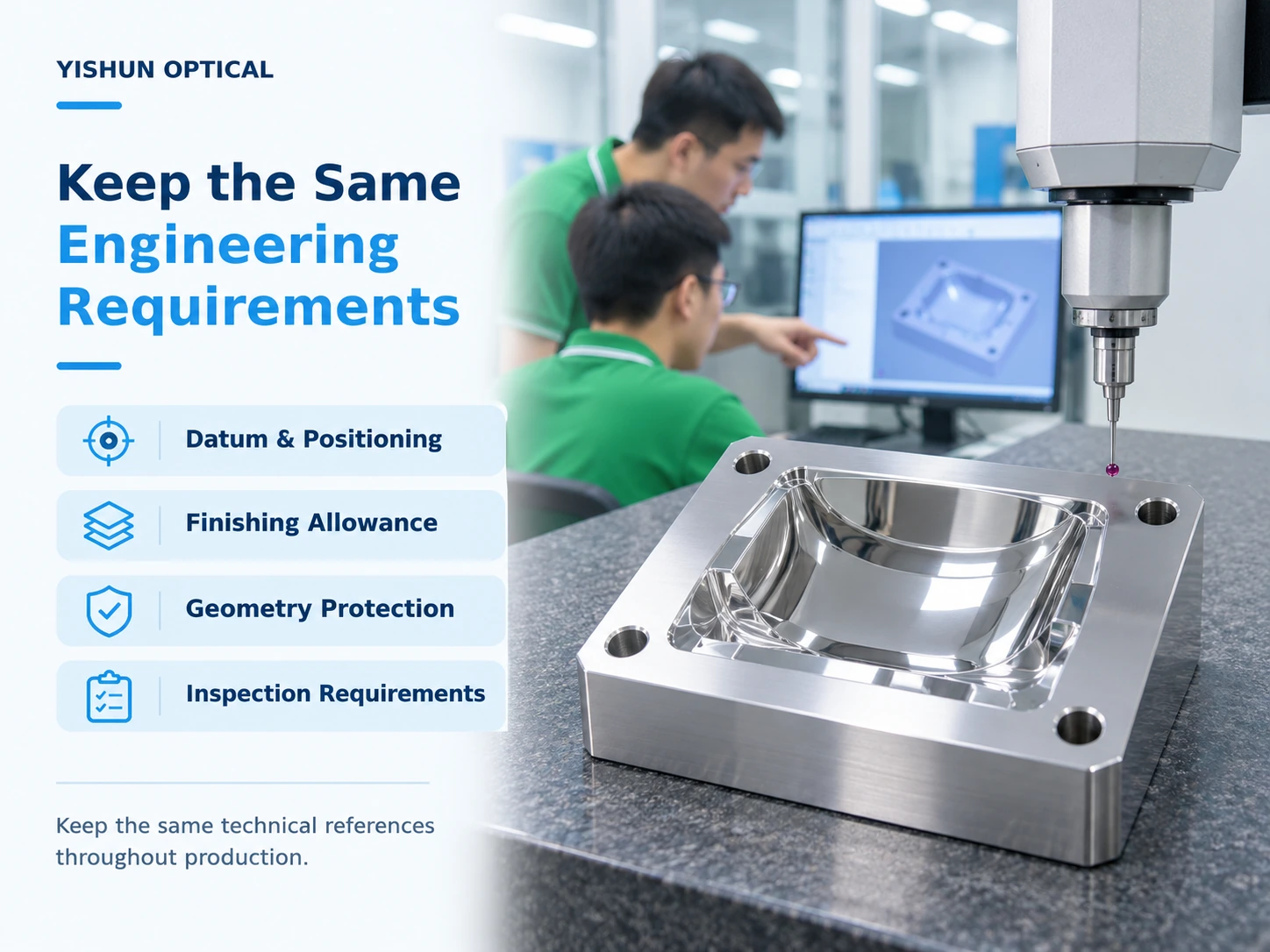
- First Article Inspection (FAI): Before the full batch runs, the first machined part undergoes rigorous measurement against the 2D drawing to verify the setup.
- In-Process Monitoring: Operators or automated probing systems measure specific critical dimensions at defined intervals (e.g., every 50th part) to detect tool wear before parts fall out of tolerance.
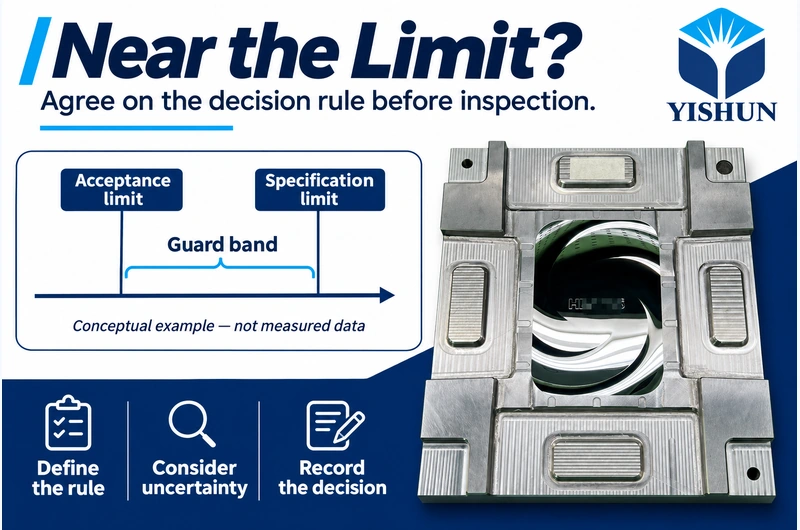
- Automated CMM Inspection: For complex geometries, Coordinate Measuring Machines (CMM) run pre-programmed inspection routines to verify dimensions quickly and consistently across large samples—using the same metrology measurement principles applied to optical surface verification.
- Final Quality Audit: A statistically significant sample of the finished batch is inspected for dimensional accuracy and surface finish prior to shipping.
Why Partner with an End-to-End Machining Service?
Transitioning from prototype to production machining is inherently risky if you switch suppliers mid-project. Using one facility for the prototype and a different facility for mass production often leads to mismatched expectations. The new supplier must recreate fixtures, rewrite CNC programs, and navigate the exact same learning curve the prototype shop already conquered.
Partnering with an end-to-end manufacturer like YISHUN ensures continuity. The data, tooling strategies, and quality control metrics developed during the prototyping phase translate directly into the high-volume production plan.
Procurement Checklist: Evaluating a Lifecycle Manufacturing Partner
- Scalable Equipment: Do they have distinct machine groups for rapid prototyping alongside automated cells for high-volume runs?
- DFM Capabilities: Do they provide Design for Manufacturability feedback during the prototype phase to lower your eventual mass production costs?
- Unified Quality Systems: Will the inspection methods used on your pilot run match the protocols used for your final volume orders?
Start Your Next Ultra Precision Project with YISHUN
Navigating MOQ limits and scaling production does not have to compromise the accuracy of your components. Whether you require a single zero-MOQ prototype to test a new assembly, or a high-volume production run of complex geometries, matching your volume requirements with the right machining strategy ensures predictable costs and consistent quality.
To evaluate the manufacturing feasibility and costs for your specific project phase, submit your CAD files and technical drawings to our engineering team. We will review your volume requirements and provide a detailed manufacturing plan.
Key Takeaways
- Prototyping prioritizes design validation and speed over cost, requiring suppliers with zero or low MOQ flexibility.
- Transitioning to pilot runs lowers the unit cost through batch setups and custom fixturing, ideal for assembly and market testing.
- High-volume production maximizes cost efficiency but requires finalized designs and stable material supply chains.
- Maintaining ultra-precision at scale relies on systemic quality control, including First Article Inspection (FAI) and automated CMM routines, rather than manual operator adjustments.
- Utilizing a single end-to-end manufacturing partner prevents data loss and reduces the risks associated with moving from prototype to mass production.
FAQ
What is the typical MOQ for precision prototypes?
For true prototyping services, the MOQ is typically one unit. The goal is to provide engineers with functional parts for testing without requiring a bulk purchase. However, the cost per part will be higher than in volume production due to setup times.
How does high-volume manufacturing reduce the cost per part?
High-volume manufacturing reduces unit costs by distributing the initial programming and setup expenses across thousands of parts. It also utilizes automation, such as bar feeders, and optimized multi-part fixtures to minimize machine downtime and operator intervention.
Why is it risky to change suppliers between prototyping and production?
Switching suppliers means the new facility must recreate the CNC programs, design new fixtures, and establish their own quality control baselines. This duplicates setup costs and introduces the risk of unexpected tolerance deviations that the original prototype supplier had already resolved.
How do you ensure quality consistency in large production runs?
Consistency is maintained through rigid process controls, including First Article Inspections, scheduled in-process tool wear checks, and automated CMM measurements on statistically valid samples of the production batch.