
Right-Angle Mirror Cavities: CNC or Mirror EDM?
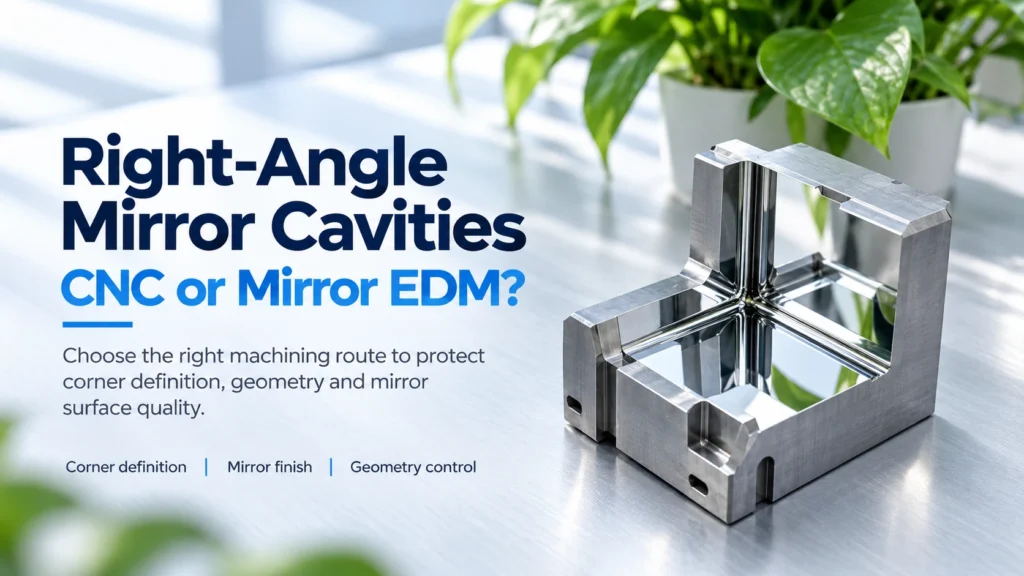
Right-angle mold inserts require careful process selection to maintain corner accuracy, surface quality and geometry consistency. This article explains when CNC mirror machining or mirror EDM is more suitable for precision cavities.
Reducing EDM Marks on High-Gloss Mold Inserts
High-gloss mirror mold inserts often require extremely […]
Deep Cavity Mirror Polishing: Maintaining Surface Consistency in Hard-to-Reach Areas
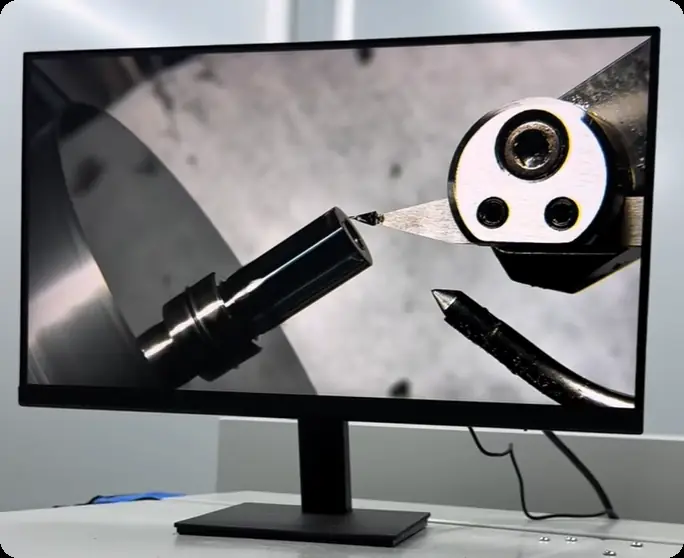
Deep cavity surfaces are difficult to polish because access, pressure control and material removal are harder to maintain. This article explains how proper process planning helps achieve consistent mirror finishing while protecting mold insert geometry.
Why Mirror Mold Inserts Lose Edge Definition During Polishing
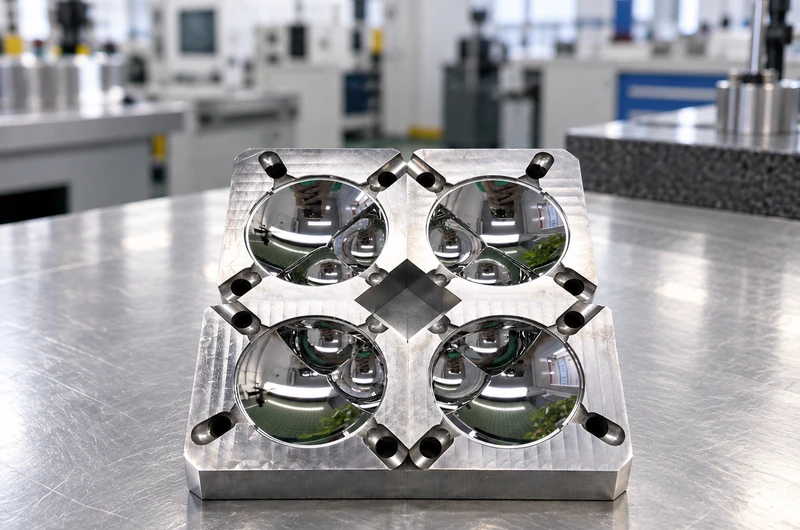
A mirror surface is not enough if the original geometry changes. This article explains why mirror mold inserts lose edge definition during polishing and how better process control protects precision features.
Reducing Mold Insert Rework: Stop the Cycle Before It Starts
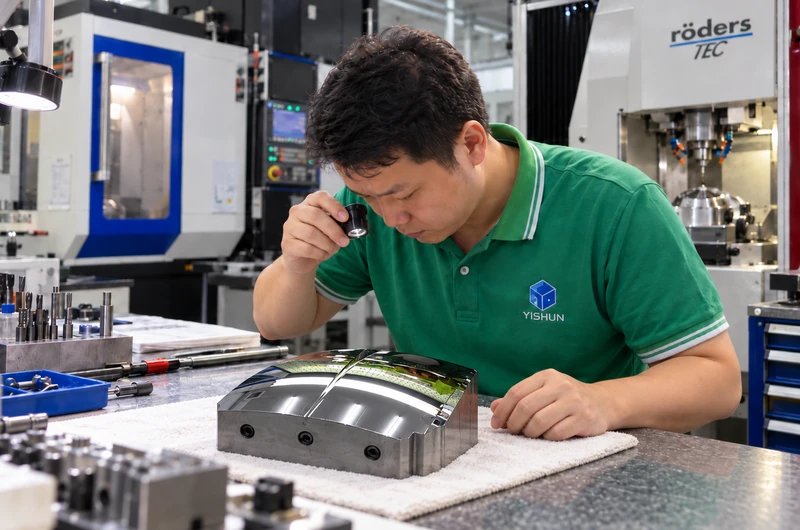
Repeated machining, EDM and polishing can quickly turn a small defect into an expensive rework cycle. This article explains how better process planning, controlled finishing and intermediate inspection help reduce mold insert rework.
Mirror Finish Machining: Getting the Shine Without Losing Accuracy
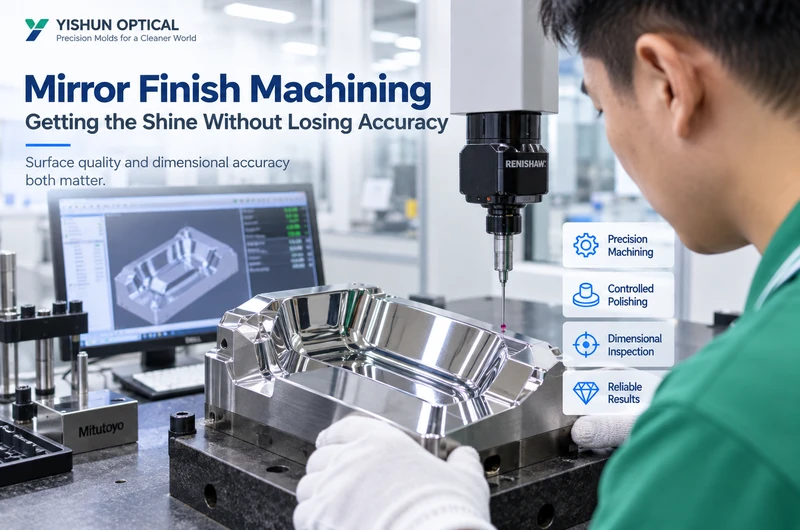
A mirror-finished mold insert can look perfect and still fail dimensional inspection. This article explains how machining strategy, controlled polishing and separate surface and dimensional checks help protect both gloss and geometry.
Why Manual Mold Polishing Can Cause Mirror Mold Insert Failure
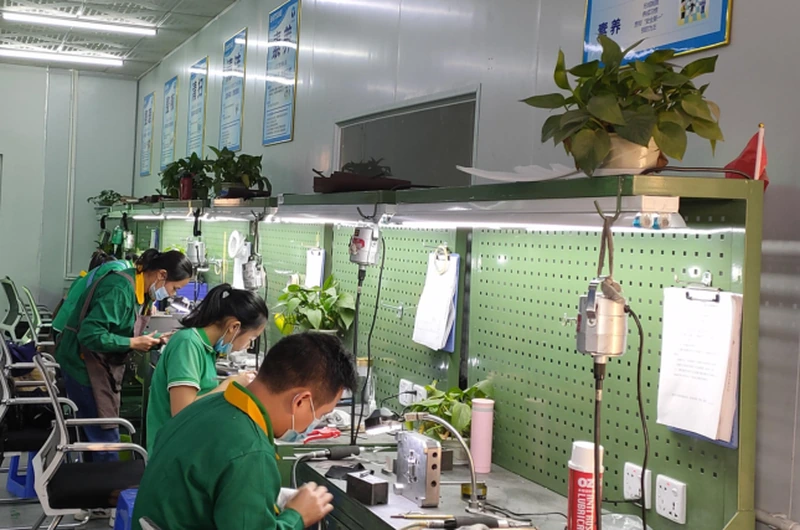
Manual mold polishing can create a bright surface while quietly changing edges, radii and local geometry. This article explains why that happens and how better machining, controlled polishing and post-finish inspection reduce rework.
Why Are CNC Tool Marks Still Visible After Mirror Machining?
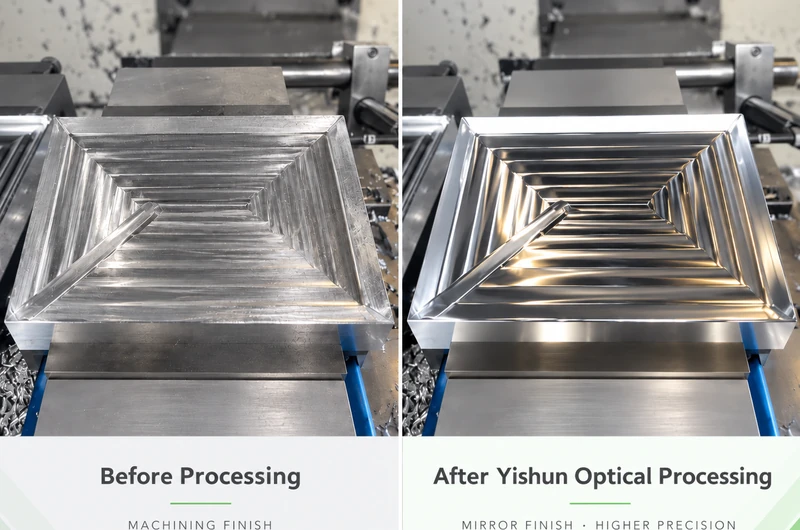
Deep CNC tool marks can turn a finishing job into repeated polishing and rework. We explain how tool stability, spindle speed, tool path and five-axis machining can improve the starting surface.