Optical Polishing vs CNC Machining: Which Process Do You Need?

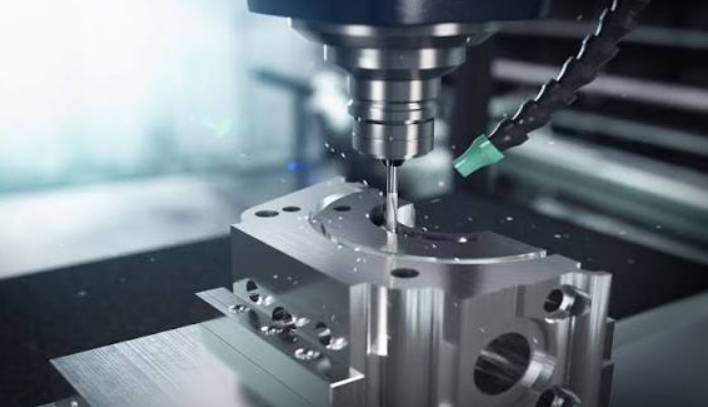
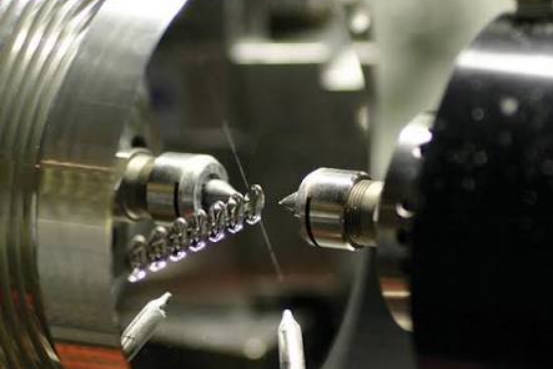
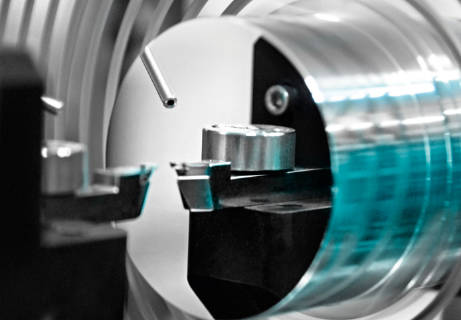
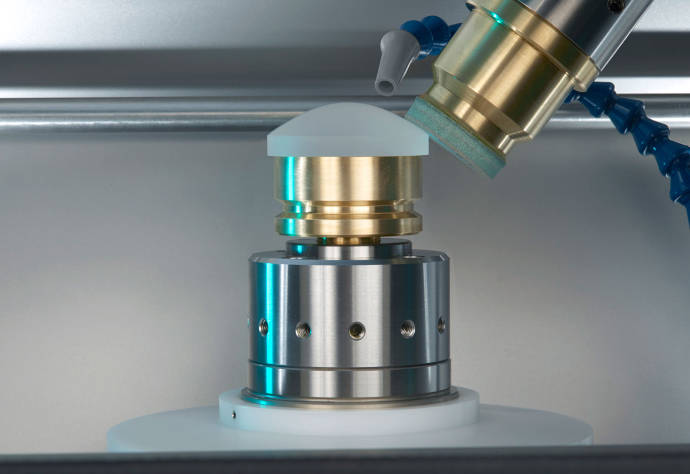
Many precision components require both precise geometry and exceptional surface quality. Understanding the difference between CNC machining and optical polishing—and how they complement each other—ensures you specify and procure the right manufacturing process for your application. This guide clarifies when each process is appropriate, how they work together, and how to make informed decisions between […]
The Ultimate Checklist for Evaluating Optical Component Manufacturers

Evaluating optical component manufacturers requires systematic assessment across technical capability, quality assurance, and business reliability. This comprehensive checklist provides the evaluation framework used by industry leaders like Apple, BYD, and Philips when qualifying precision optical suppliers. Use this checklist during initial supplier qualification, periodic re-evaluation, and major product launch assessments. Each evaluation criterion includes specific […]
Optical Polishing Cost Guide 2026: What Affects Pricing and How to Budget

Understanding optical polishing cost drivers helps you make informed sourcing decisions and optimize your budget allocation. Whether you’re procuring optical components for automotive lighting, medical imaging, or consumer electronics, the principles affecting pricing remain consistent across applications. This 2026 cost guide breaks down the factors that determine optical polishing pricing, provides typical cost ranges, and […]
Top 10 Questions to Ask Before Hiring an Optical Machining Company

Hiring an optical machining company requires more than comparing price quotes. The wrong supplier choice leads to quality escapes, production delays, and costly re-qualification efforts. Before committing to a partnership, you need answers to critical questions that reveal true capabilities, not just marketing promises. This guide presents the ten most important questions to ask optical […]
How to Choose the Right Optical Polishing Service Provider: A Complete Guide

Selecting the right optical polishing service provider can make or break your precision component project. Whether you’re sourcing optical elements for automotive lighting systems, medical imaging equipment, or semiconductor fabrication tools, the supplier you choose directly impacts product quality, production timelines, and total cost of ownership. With over 20 years of experience supplying precision optical […]
Sapphire Polishing vs Glass Polishing: What’s the Difference?

The main difference between sapphire polishing and glass polishing is that sapphire is much harder, more wear-resistant, and more anisotropic than optical glass, so it usually requires more aggressive abrasives, longer processing time, tighter heat control, and more careful surface damage management. Glass polishing is generally faster and more chemically responsive, while sapphire polishing is […]
What Is Subsurface Damage in Optical Components and How to Eliminate It?

Subsurface damage in optical components refers to hidden microcracks, residual stress, embedded abrasive particles, voids, and structural defects beneath the visible surface of an optic. It is often introduced during sawing, grinding, lapping, or polishing, and it can reduce optical performance even when the surface looks smooth. For precision optics, surface roughness alone is not […]
Top 10 Questions to Ask Before Choosing a Lapping Service Provider

When selecting a lapping service provider, the stakes are incredibly high. Precision lapping is often the final stage in the manufacturing process, meaning any error can result in the loss of expensive, pre-machined components. To ensure your project meets exacting specifications for flatness, parallelism, and surface finish, you must vet your partner thoroughly. The top 10 questions […]
How to Evaluate an Optical Polishing Service Supplier: The Ultimate Checklist

To evaluate an optical polishing service supplier effectively, you must assess their technical metrology capabilities, material expertise, quality management certifications (such as ISO 9001), and their ability to meet specific surface roughness and flatness tolerances. A reliable supplier should provide interferometric data and profilometer reports to validate that components meet Angstrom-level requirements. Choosing the right partner involves auditing their production scalability, […]