
Double-Sided Lapping vs Single-Sided Lapping: Which Is Better for Optical Parts?
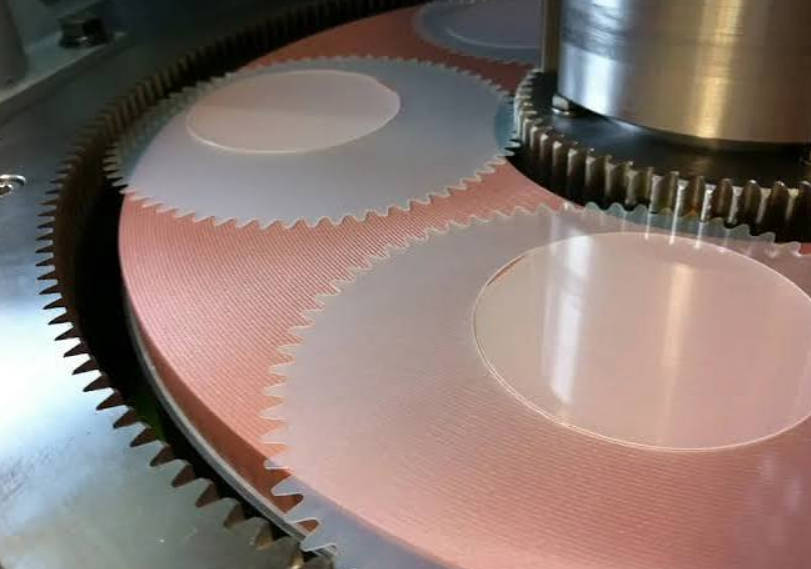
When choosing between double sided lapping and single s […]
Lithography Equipment Mold Processing: Sub-Micron Tolerances in Cleanroom Environments

Lithography mold processing requires achieving sub-micron tolerances while maintaining contamination-free surfaces essential for advanced semiconductor manufacturing. Yishun Optical delivers cleanroom optical mold fabrication through specialized ultra-precision machining in Class 10 environments, with 4 Toshiba UVM machining centers achieving PV≤0.15μm and surface finishes reaching Ra≤0.005μm.
LiDAR Lens Mold Manufacturing: Achieving Nanometer Precision for Autonomous Driving Sensors
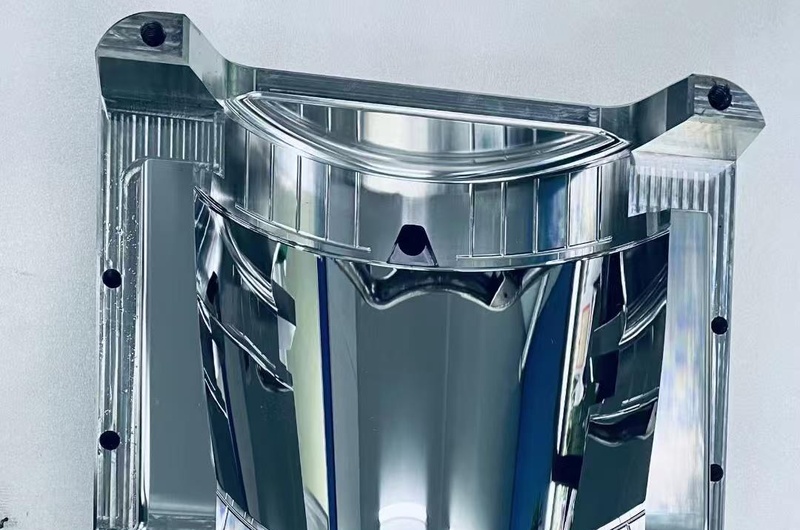
LiDAR lens mold manufacturing demands sub-micrometer form accuracy and surface roughness below Ra 0.005 μm to meet the stringent optical performance requirements of autonomous driving sensors. This article examines the complete production pipeline — from mold steel selection and ultra-precision machining strategy to Class 10 cleanroom molding and quality metrology — providing actionable guidance for Tier-1 automotive optics suppliers seeking a LiDAR lens mold partner capable of nanometer-level precision.
Foldable Smartphone Mold Mirror Polishing: Maintaining Surface Integrity Across Hinge Zones
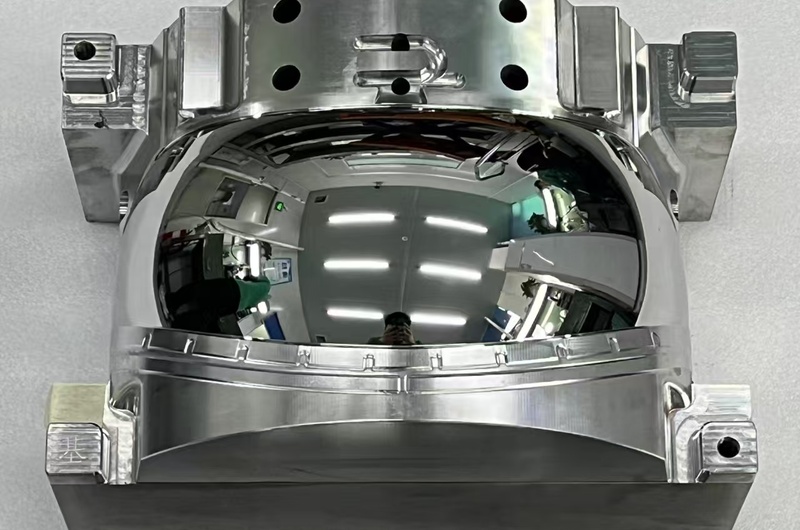
Foldable smartphones represent the most significant form factor innovation in mobile devices since the introduction of touchscreens. However, manufacturing the precision molds for these devices—particularly achieving consistent mirror-quality finishes across hinge zones with complex geometries—presents unique challenges that push the boundaries of conventional polishing technology.
Chemical Mechanical Polishing (CMP) for Optical Mold Surfaces: Process Control and Quality Metrics
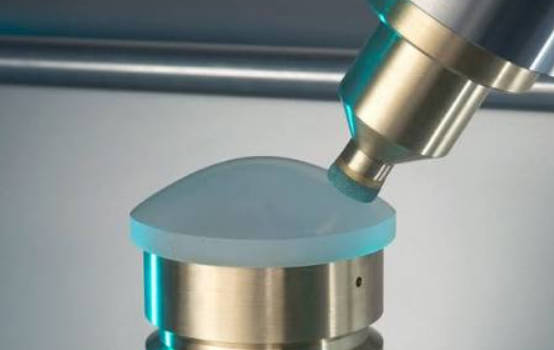
Chemical mechanical polishing (CMP) delivers the exceptional surface quality essential for optical mold applications in semiconductor manufacturing, achieving nanometer-level planarization through synergistic chemical and mechanical actions.
How to Choose an Optical Polishing Service Supplier
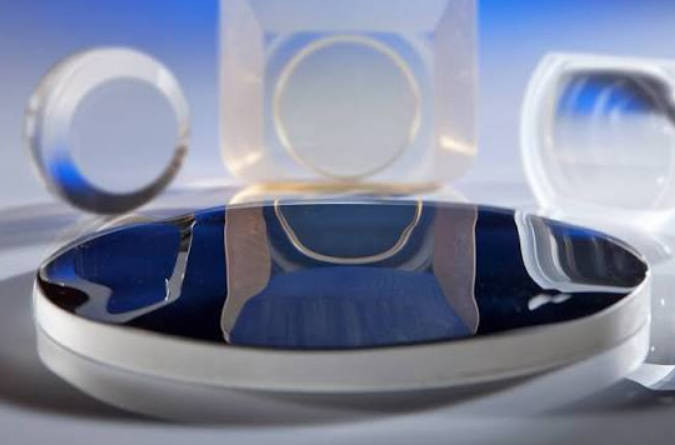
1. SEO Strategy Summary Choosing the right optical poli […]
Automotive Headlamp Reflector Mold Polishing: Achieving SPI A1 Mirror Finish for DLP and ADB Systems
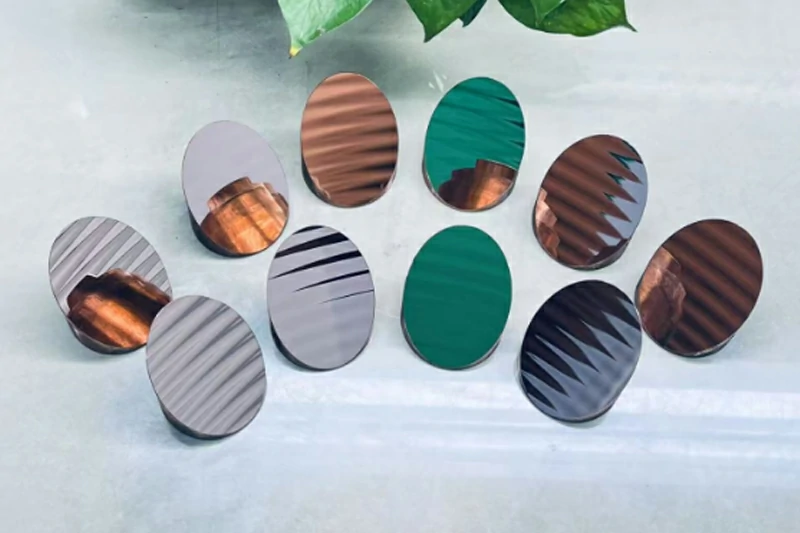
Automotive headlamp reflector mold polishing to SPI A1 mirror finish (Ra ≤0.012 μm) is a critical enabler for DLP (Digital Light Processing) and ADB (Adaptive Driving Beam) adaptive headlamp systems that require precision reflector surfaces to achieve the optical efficiency, beam pattern accuracy, and thermal stability demanded by modern automotive lighting regulations including ECE R112 and SAE J581
AR/VR Headset Lens Mold Manufacturing: Freeform Aspheric Surfaces and Dual-Curve Precision
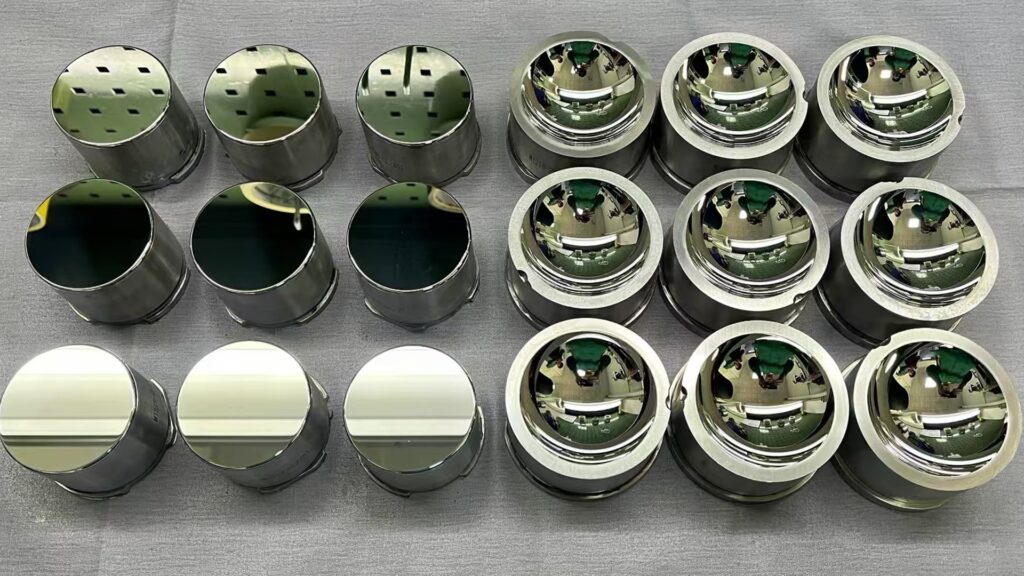
The augmented and virtual reality (AR/VR) industry is experiencing unprecedented growth, with major technology companies investing billions in head-mounted display development. Manufacturing the precision molds for AR VR lens components demands capabilities far beyond conventional optical mold production.
AR-HUD Optical Mold Core Machining: From Design Validation to Mass Production
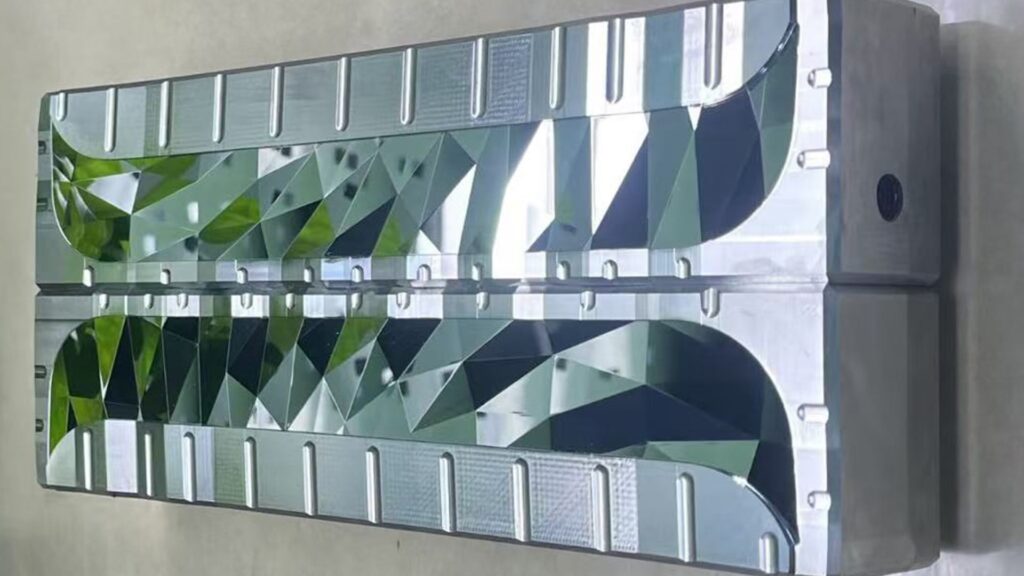
AR-HUD (Augmented Reality Head-Up Display) optical mold core machining represents the pinnacle of precision mold manufacturing, demanding freeform surface form accuracy of PV≤0.15 μm, surface roughness below Ra 0.02 μm, and the integration of ultra-precision diamond turning, slow tool servo machining, and robotic polishing within a single production workflow.