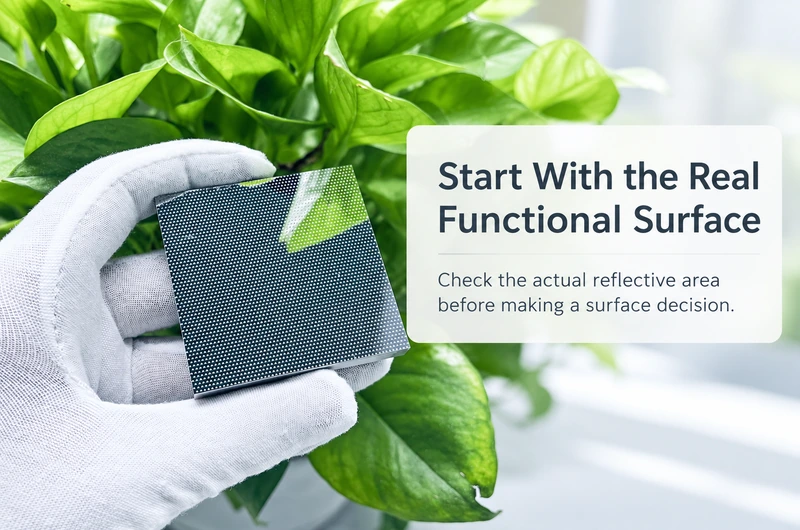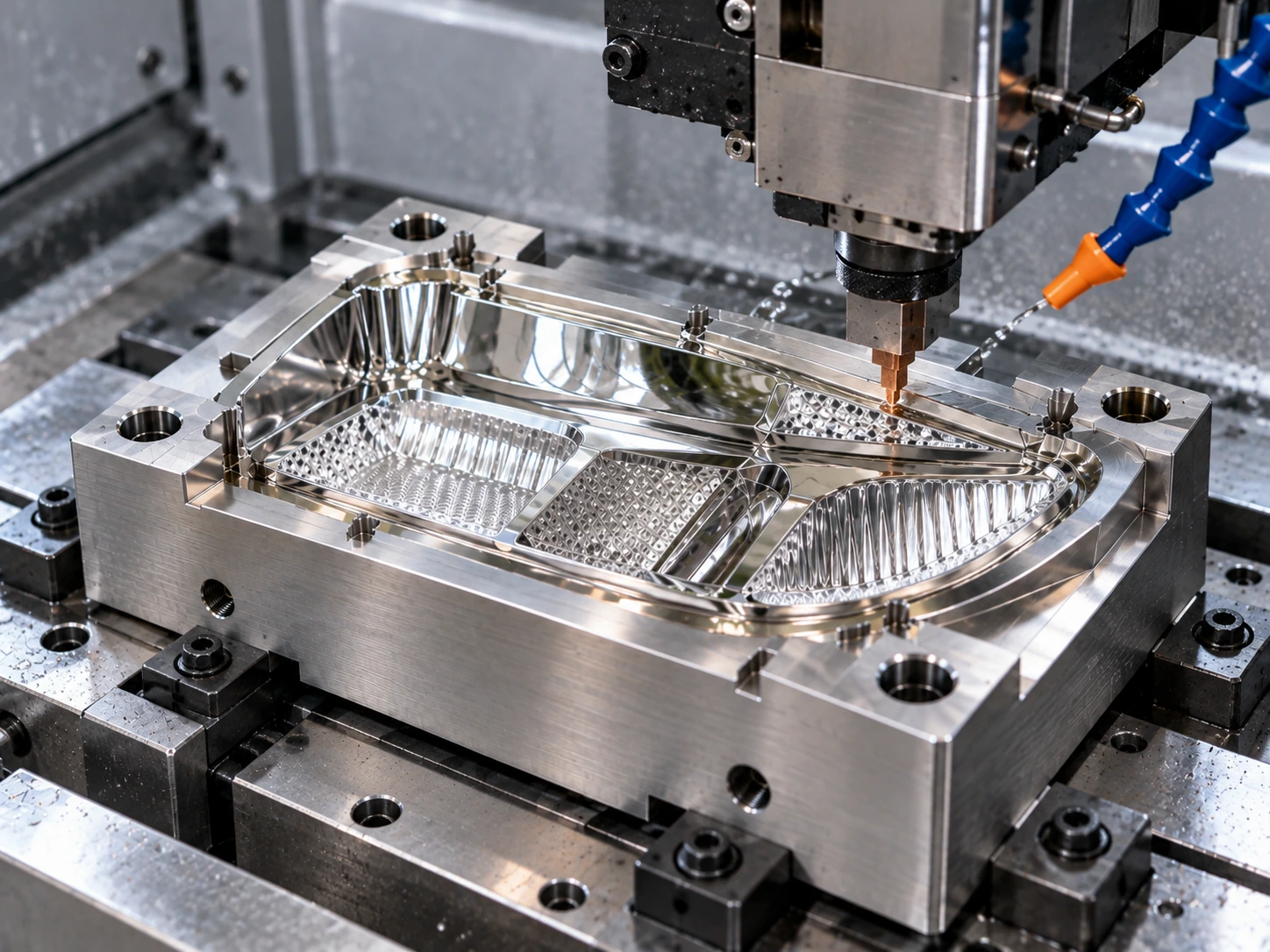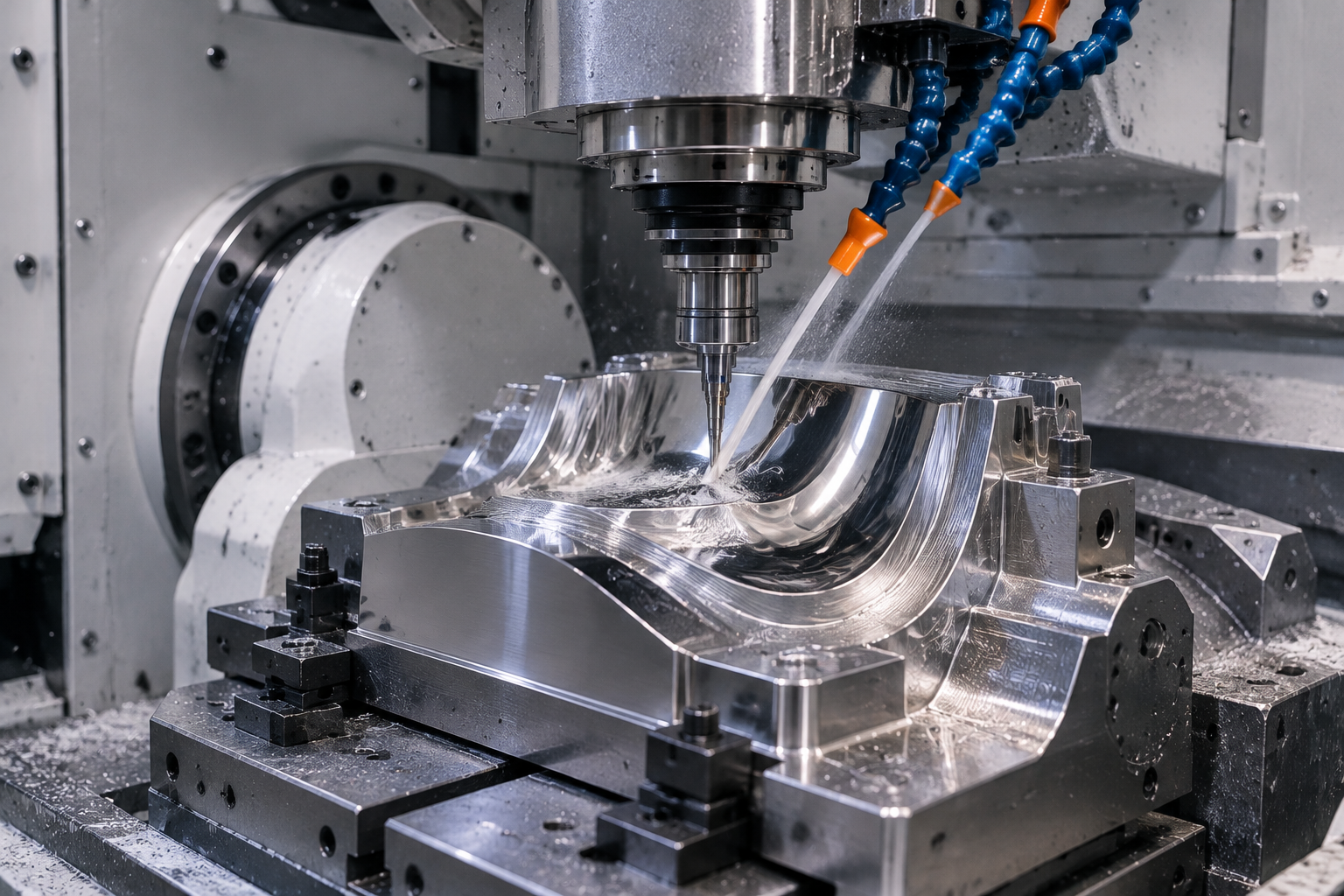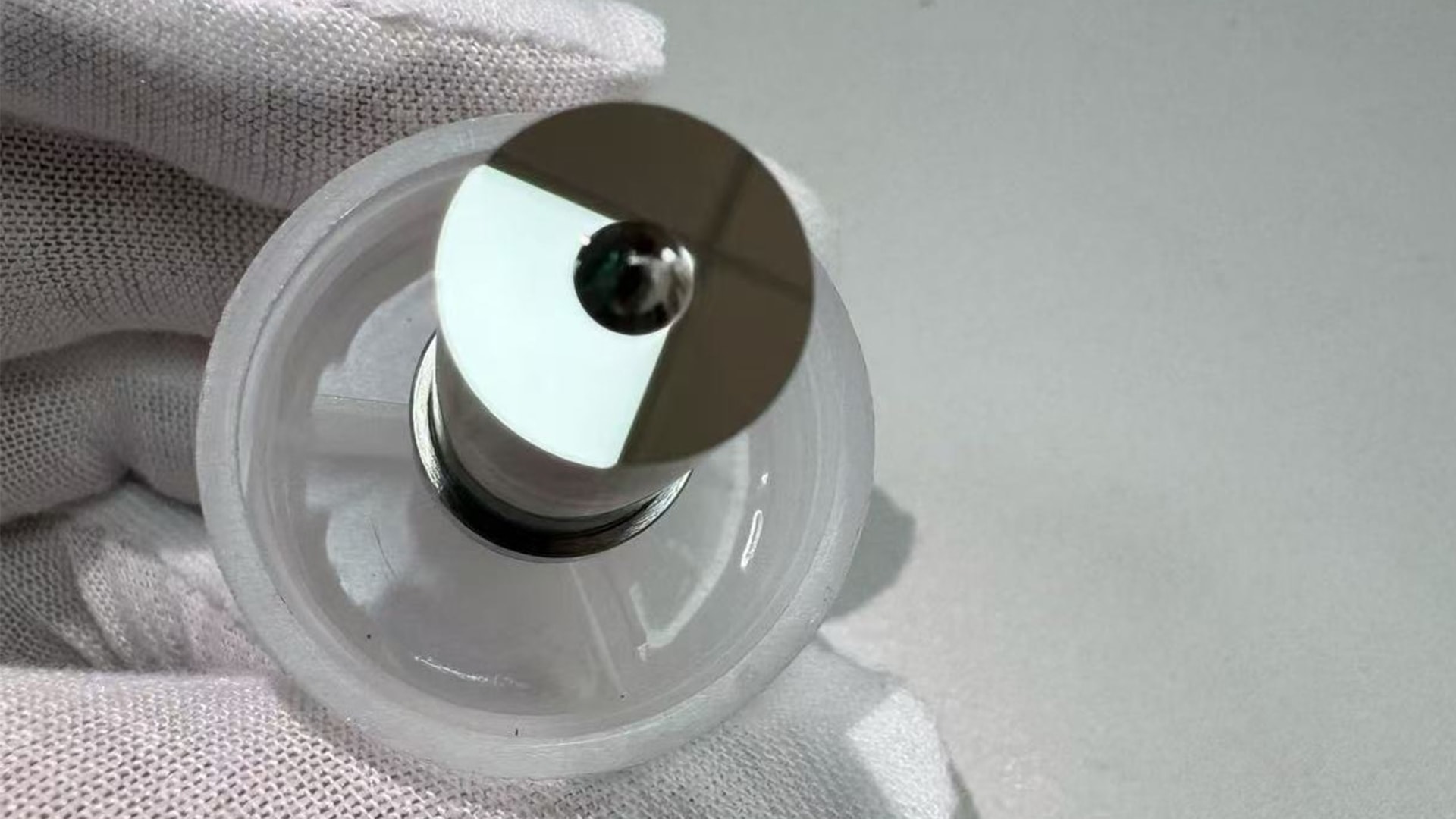
When choosing between double sided lapping and single sided lapping for optical parts, neither process is universally better. The correct choice depends primarily on how many surfaces must be controlled, the required flatness and parallelism, final thickness tolerance, component geometry, material, and production volume.
Double-sided lapping is generally preferred when both major faces must be processed together and tight parallelism, thickness uniformity, and two-sided flatness are important. Single-sided lapping is often more suitable when only one functional surface requires precision finishing or when the component geometry cannot be processed efficiently between two lapping plates.
For buyers, the important question is therefore not simply “Which process is more accurate?” but rather “Which process controls the characteristics that matter to this particular part?”
This guide explains the mechanical differences between single-sided and double-sided lapping, compares their advantages and limitations, and provides a practical selection framework for optical and precision components.
First, What Does Lapping Do to an Optical Part?
Lapping is a precision material-removal process used to improve surface geometry and dimensional control before final finishing.
A typical process places abrasive particles between a workpiece and a controlled lapping plate. Relative movement between the plate, abrasive, and workpiece gradually removes microscopic amounts of material.
Depending on the application, precision lapping can help control:
- Surface flatness;
- Parallelism;
- Final thickness;
- Thickness variation;
- Surface uniformity;
- Damage left by earlier machining or grinding;
- Preparation for subsequent polishing.
Lapping should not automatically be considered the final optical finishing step.
A lapped surface may have excellent geometry while still having a matte appearance or higher roughness than required for the final component. When very low roughness, high transparency, or a reflective surface is required, polishing may follow the lapping operation.
This is why many precision projects use a combined optical polishing and lapping process.
How Does Single-Sided Lapping Work?
In single-sided lapping, one primary surface of the component is processed against a lapping plate.
The component may be:
- Held in a fixture;
- Mounted to a carrier;
- Bonded temporarily to a support;
- Loaded against the lapping plate through a controlled pressure system.
Abrasive slurry is introduced between the component and plate. The relative motion of the workpiece and plate removes material from the exposed surface.
Only one side is directly lapped during each processing cycle.
If both surfaces need to be finished using a single-sided process, the part usually needs to be removed, turned over, referenced again, and processed from the opposite side.
What Is Single-Sided Lapping Good At?
Single-sided lapping is particularly useful when:
- Only one surface is critical;
- The opposite surface must remain untouched;
- The component has an irregular back surface;
- The component cannot fit into a conventional double-sided carrier;
- Different finishing requirements apply to each surface;
- One side contains features that prevent simultaneous processing;
- Local control of a particular surface is more important than two-sided throughput.
It also provides engineers with considerable flexibility in fixture design.
For example, a component with a precision front face but a machined rear structure may be easier to process using a custom single-side fixture than between two opposing lapping plates.
How Does Double-Sided Lapping Work?
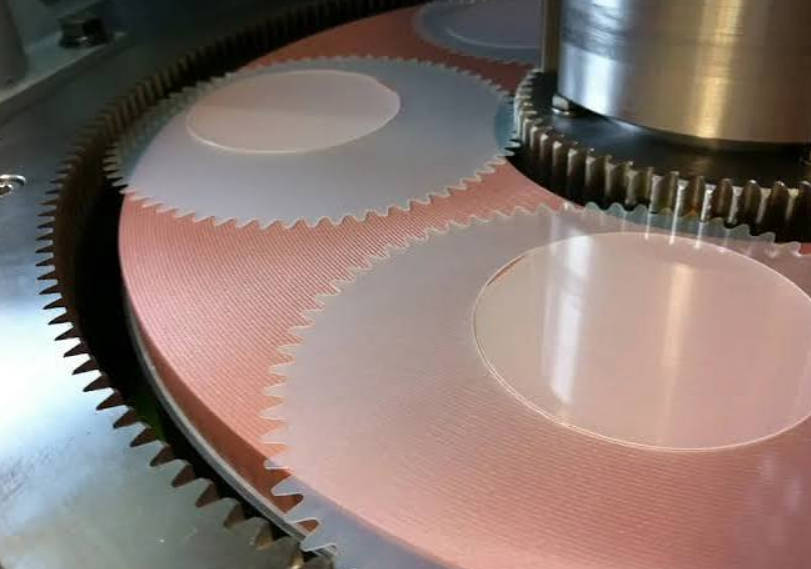
Double-sided lapping processes two opposing surfaces simultaneously.
The workpieces are typically positioned inside carriers located between an upper and lower lapping plate. The plates and carriers move relative to one another, creating controlled abrasive paths across both surfaces.
In many machine configurations, the carriers move in a planetary pattern between the two plates. Abrasive slurry reaches the contact areas while controlled pressure is applied through the upper plate.
Material is therefore removed from the top and bottom surfaces during the same processing cycle.
The main engineering advantage of double-sided lapping is not simply that it processes two surfaces faster; it allows the relationship between those two surfaces to be controlled during the same operation.
This is especially important for parameters such as:
- Parallelism;
- Total thickness;
- Thickness variation;
- Flatness on both surfaces;
- Batch-to-batch dimensional consistency.
Single-Sided vs Double-Sided Lapping: Key Differences
| Factor | Single-Sided Lapping | Double-Sided Lapping |
| Surfaces processed | One surface per cycle | Two opposing surfaces simultaneously |
| Main strength | Flexible control of one critical surface | Two-sided geometry and thickness control |
| Parallelism | Requires careful referencing if both sides are processed separately | Naturally suited to controlling opposite-surface relationship |
| Thickness control | Possible, but may require multiple setup and measurement steps | Well suited to controlling final thickness |
| Flatness | Strong control of the processed face | Can control flatness of both major faces |
| Part geometry | More flexible for irregular or asymmetric components | Most suitable for parts that can fit securely in carriers |
| Setup | Fixture or carrier for one working face | Carrier positioned between upper and lower plates |
| Processing efficiency | Efficient for one-sided requirements | Efficient when both faces require processing |
| Thin components | Requires careful support and fixture design | Often suitable when geometry and carrier design permit |
| Different requirements on each side | Easier to customize each surface separately | Less convenient when surfaces require very different processes |
| Production volume | Suitable for prototypes and varied parts | Attractive for repeat batches of compatible flat components |
| Subsequent polishing | May be required | May be required |
Which Method Gives Better Flatness?
Both methods can produce highly controlled flat surfaces when the process is properly designed.
The important distinction is how many surfaces need to meet the requirement.
If only one functional face needs tight flatness, single-sided lapping may be completely appropriate.
If both major faces must be flat, double-sided lapping can process both simultaneously and reduce the number of separate setups.
However, machine type alone does not determine final flatness.
Important process variables include:
- Lapping plate condition;
- Plate flatness;
- Abrasive particle size;
- Slurry concentration;
- Pressure distribution;
- Relative speed;
- Carrier position;
- Material removal rate;
- Workpiece stiffness;
- Temperature;
- Processing time;
- Plate conditioning frequency.
A poorly maintained double-sided process may perform worse than a well-controlled single-sided process.
Flatness capability should therefore be evaluated as a complete process-and-metrology system rather than judged from the words “single-sided” or “double-sided” alone.
Which Method Provides Better Parallelism?
Parallelism is one of the strongest reasons to consider double sided lapping.
Parallelism describes the relationship between two opposing surfaces.
When both surfaces are processed simultaneously between controlled plates, the process is naturally suited to producing two faces with a consistent geometric relationship.
Single-sided lapping can also achieve tight parallelism, but processing both surfaces generally requires additional steps:
- Lap the first surface;
- Establish that surface as a reference;
- Refixture or turn the part;
- Process the opposite surface;
- Measure thickness and parallelism;
- Make additional corrections if necessary.
Every additional setup introduces opportunities for fixture error, contamination, reference error, or uneven material removal.
For components where opposite-face alignment is a primary requirement, double-sided processing can simplify this control strategy.
Which Method Is Better for Thickness Control?
When a component requires a closely controlled final thickness, double-sided lapping is often an efficient process option.
Because material is removed from both major surfaces during the same operation, the process can be managed around the finished part thickness rather than separately correcting each side.
This can be useful for parts such as:
- Flat optical substrates;
- Optical windows;
- Precision glass plates;
- Ceramic substrates;
- Quartz components;
- Sapphire plates;
- Precision spacers;
- Flat reference components;
- Semiconductor-related substrates.
However, final thickness capability still depends on material behavior, initial stock variation, carrier design, machine condition, process monitoring, and inspection.
For extremely strict dimensional requirements, in-process measurement and controlled finishing stages remain important.
What About Thin Optical Parts?
Thin components create several manufacturing challenges:
- Bending;
- Local deformation;
- Handling damage;
- Uneven pressure;
- Edge chipping;
- Fixture-induced distortion.
Double-sided lapping can be attractive for thin, plane-parallel components because the workpiece is processed between two opposing plates rather than being finished completely from one side at a time.
However, this does not mean every thin component automatically belongs on a double-sided machine.
The supplier must evaluate:
- Part thickness;
- Diameter or overall dimensions;
- Material brittleness;
- Carrier thickness;
- Carrier pocket clearance;
- Edge geometry;
- Pressure;
- Required removal amount.
Carrier design becomes especially important because the component must move correctly without excessive impact, binding, or edge damage.
When Is Single-Sided Lapping the Better Choice?
Single-sided lapping is often a stronger process choice in the following situations.
Only One Surface Is Functional
If only one surface requires controlled flatness or finish, processing the opposite face may add unnecessary cost.
The Back Surface Has Features
Parts containing pockets, ribs, holes, bosses, curved structures, or other features may not be compatible with conventional double-sided processing.
The Two Surfaces Require Different Processes
One side may require aggressive material correction while the opposite face requires little or no material removal.
Processing the surfaces separately provides greater flexibility.
The Component Requires Special Support
Some fragile or unusual components need customized mounting to prevent deformation during finishing.
Small Prototype Quantities
For development work, single-sided processing may sometimes provide a simpler setup when the goal is to evaluate one critical face rather than optimize production throughput.
When Is Double-Sided Lapping the Better Choice?
Double-sided lapping becomes particularly attractive when several requirements occur together.
Both Surfaces Must Be Flat
Processing both faces simultaneously can reduce separate setup steps.
Parallelism Is Critical
The process is designed around the relationship between two opposing surfaces.
Thickness Uniformity Matters
Material removal from both surfaces can support controlled final thickness and reduced part-to-part variation.
The Part Is Plane-Parallel
Flat plates, discs, substrates, and similar components are often suitable candidates.
Production Consistency Is Important
Multiple compatible components can be loaded into carriers and processed under the same controlled conditions.
Both Faces Require Similar Material Removal
When the upper and lower surfaces have similar requirements, simultaneous processing can be more efficient than treating each side independently.
Is Double-Sided Lapping Always Faster?
Not necessarily.
Double-sided processing removes material from two surfaces simultaneously, which can reduce total machining steps when both sides require equivalent work.
But total lead time also includes:
- Machine setup;
- Carrier preparation;
- Plate conditioning;
- Slurry preparation;
- Loading and unloading;
- Cleaning;
- Intermediate inspection;
- Final inspection.
For a complex component where only one face requires lapping, preparing a double-sided process may offer little benefit.
Production efficiency must therefore be evaluated at the complete process level.
Does Double-Sided Lapping Cost More?
The answer depends on the component.
Double-sided equipment, carriers, plate preparation, and process control can require more specialized setup. However, processing both sides in one operation may reduce handling and repeated machining steps.
The most useful comparison is total cost per conforming component, not machine-hour cost.
Consider:
| Cost Factor | Why It Matters |
| Number of processing cycles | Additional cycles increase machine and handling time |
| Custom fixture or carrier | Complex geometry may require specialized tooling |
| Inspection frequency | Tight specifications require more measurement |
| Material removal | More stock removal increases processing time |
| Reject risk | Thin or brittle materials may require conservative parameters |
| Batch quantity | Dedicated setup costs can be distributed across larger batches |
| Final polishing | Additional finishing may be required after lapping |
| Cleaning | Precision surfaces require controlled post-process cleaning |
A process with a higher initial setup charge may still produce a lower total cost when it reduces subsequent operations or improves batch consistency.
Lapping Does Not Automatically Mean Optical Polishing
Another common purchasing mistake is assuming that a precisely lapped surface automatically has the final optical surface finish.
Lapping primarily focuses on geometry and controlled material removal.
Depending on the abrasive and process, a lapped component may still require polishing to achieve the target:
- Surface roughness;
- Transparency;
- Reflectivity;
- Cosmetic surface condition;
- Surface imperfection requirement;
- Final functional performance.
A practical process chain may therefore look like:
Raw Material
↓
Grinding or Pre-Machining
↓
Precision Lapping
↓
Intermediate Flatness and Thickness Inspection
↓
Precision Polishing
↓
Surface and Dimensional Inspection
↓
Cleaning and Packaging
Buyers who require both geometric accuracy and very low surface roughness should discuss the entire precision optical polishing and lapping service rather than specifying lapping as an isolated process.
Five Variables That Should Decide Your Process
Instead of selecting the process by habit, evaluate these five variables.
1. Number of Critical Surfaces
One critical face favors single-sided processing.
Two opposing critical faces increase the value of double-sided processing.
2. Parallelism Requirement
The tighter the relationship required between the two faces, the more important simultaneous two-sided control becomes.
3. Part Geometry
Carrier-compatible flat components are natural candidates for double-sided processing.
Irregular geometries may require custom single-side workholding.
4. Final Surface Requirement
If lapping is only an intermediate geometry-control stage, consider how the component will transition into polishing.
5. Production Quantity
A process suitable for one prototype may not be the most economical method for thousands of repeated components.
Practical Process Selection Matrix
| Part Requirement | Likely Starting Choice | Reason |
| One precision flat face | Single-sided | No need to process the opposite surface |
| Two precision flat faces | Double-sided | Both surfaces can be processed together |
| Tight parallelism | Double-sided | Better suited to controlling opposing surfaces |
| Tight finished thickness | Double-sided | Two-sided removal supports thickness control |
| Irregular rear geometry | Single-sided | Easier custom fixturing |
| Different requirements on each face | Single-sided | Each face can receive a different process |
| Plane-parallel substrate | Double-sided | Geometry matches the process well |
| Complex asymmetric component | Single-sided | Greater fixture flexibility |
| Repeat batch of flat parts | Double-sided | Efficient multi-part processing |
| One-side repair or correction | Single-sided | Avoids unnecessary removal from the opposite side |
The correct lapping method should be selected from the drawing requirements, not simply from the assumption that a more complex machine automatically produces a better part.
Common Mistakes When Specifying Lapping Services
Mistake 1: Asking for Double-Sided Lapping Without Explaining Why
A drawing should define the required result—flatness, thickness, parallelism, or surface finish—not simply dictate a machine type without a functional reason.
Mistake 2: Specifying Flatness but Ignoring Parallelism
Two individually flat surfaces are not necessarily parallel.
For plane-parallel components, both requirements may need to be controlled separately.
Mistake 3: Ignoring Initial Thickness Variation
Large stock variation may affect processing time and final uniformity.
Provide realistic incoming material information when requesting a quotation.
Mistake 4: Forgetting the Final Surface Finish
A lapping specification alone may not define the required final roughness or cosmetic surface quality.
Mistake 5: Over-Tightening Every Tolerance
Extremely restrictive flatness, thickness, parallelism, and roughness requirements can significantly increase process complexity.
Specify tolerances according to actual functional needs.
Mistake 6: Ignoring Measurement Methods
A numerical tolerance should be paired with an agreed inspection method.
What Should You Put in a Lapping RFQ?
For more accurate technical evaluation and quotation, provide:
- Material and material grade;
- 2D drawing;
- Relevant 3D model when useful;
- Overall component dimensions;
- Incoming thickness;
- Final thickness;
- Thickness tolerance;
- Flatness requirement;
- Parallelism requirement;
- Surface roughness requirement;
- Critical surfaces;
- Edge condition;
- Quantity per batch;
- Prototype and projected production quantity;
- Final polishing requirement;
- Inspection and documentation requirements.
Instead of writing only “double-side lap,” specify what the finished part must achieve.
For example:
Both major faces require precision finishing. Final thickness, flatness, parallelism, and surface roughness shall meet the drawing requirements. Supplier to recommend single-sided or double-sided processing based on manufacturability.
This gives the process engineer enough information to evaluate the most appropriate manufacturing route.
How to Evaluate a Precision Lapping Supplier
When comparing suppliers, ask more than whether they have a double-sided lapping machine.
A useful supplier review should include:
Process Capability
Can the supplier explain why it recommends single-sided or double-sided processing for your component?
Carrier and Fixture Experience
Can it design workholding appropriate for your part dimensions, geometry, and material?
Plate Control
How does the supplier condition and verify its lapping plates?
Material Experience
Has it processed similar glass, quartz, ceramic, sapphire, metal, or other precision materials?
Metrology
Can the supplier measure the flatness, parallelism, thickness, and roughness specified on the drawing?
Process Transition
If polishing follows lapping, how is sufficient material allowance maintained for the next operation?
Repeatability
How are process parameters controlled between prototype and repeat production?
YISHUN Optical provides optical polishing and lapping services for precision components with different surface, geometry, and dimensional requirements.
For project-specific evaluation, engineers can provide component drawings and required tolerances so that the processing route can be selected according to the actual geometry and functional surfaces rather than a generic process assumption.
More information about YISHUN Optical and its precision surface-processing services is available through the YISHUN Optical website.
FAQ
What is the difference between single sided and double sided lapping?
Single-sided lapping processes one surface against a lapping plate during each cycle. Double-sided lapping places the workpiece between upper and lower plates so that two opposing surfaces are processed simultaneously.
Is double sided lapping more accurate than single sided lapping?
Not automatically. Double-sided lapping is particularly effective for controlling the relationship between two opposing surfaces, including parallelism and thickness. Single-sided lapping can still provide excellent flatness when only one critical surface requires processing.
When should I use double sided lapping for optical parts?
Consider double-sided lapping when both major surfaces require processing and the component has demanding flatness, parallelism, thickness, or thickness-uniformity requirements.
When is single sided lapping better?
Single-sided lapping is often more suitable when only one surface is critical, when the opposite face must remain unchanged, or when irregular geometry prevents efficient two-sided processing.
Can double sided lapping improve parallelism?
Yes. Because both opposing surfaces are processed within the same operation, double-sided lapping is naturally suited to controlling parallelism between the two faces.
Can double sided lapping control final thickness?
It can be an effective method for controlling thickness because material is removed from both opposing surfaces during processing. Actual tolerance depends on material, component size, machine condition, carrier design, process control, and inspection.
Is double sided lapping suitable for thin components?
It can be suitable for many thin, flat components, but carrier design, edge clearance, pressure, material brittleness, and workpiece deformation must be carefully evaluated.
Does a lapped optical part need polishing afterward?
Often, yes. Lapping primarily controls geometry and dimensions. If the final component requires very low roughness, high transparency, a reflective finish, or strict cosmetic quality, an additional polishing step may be necessary.
Is double sided lapping more expensive?
Not necessarily. Equipment and setup may be more specialized, but simultaneous processing of two surfaces can reduce separate operations. Cost should be evaluated according to total processing time, tooling, inspection, quantity, and yield.
What should I send to an optical lapping service supplier?
Provide the material, drawing, dimensions, critical surfaces, final thickness, flatness, parallelism, roughness, quantity, edge requirements, polishing requirements, and required inspection documentation.
Conclusion
Single-sided and double-sided lapping solve different manufacturing problems.
Single-sided lapping provides greater flexibility when one critical face needs to be processed independently or when the component has complex geometry.
Double-sided lapping becomes especially useful when two opposing surfaces must be controlled together and requirements such as parallelism, thickness uniformity, and two-sided flatness become important.
For optical parts, process selection should begin with surface function, geometry, flatness, parallelism, thickness, material, and quantity—not with the assumption that one lapping method is universally superior.
For components requiring precision geometry control followed by high-quality surface finishing, engineers can review YISHUN Optical’s precision optical polishing and lapping capabilities and evaluate the appropriate process based on the component drawing and final acceptance requirements.