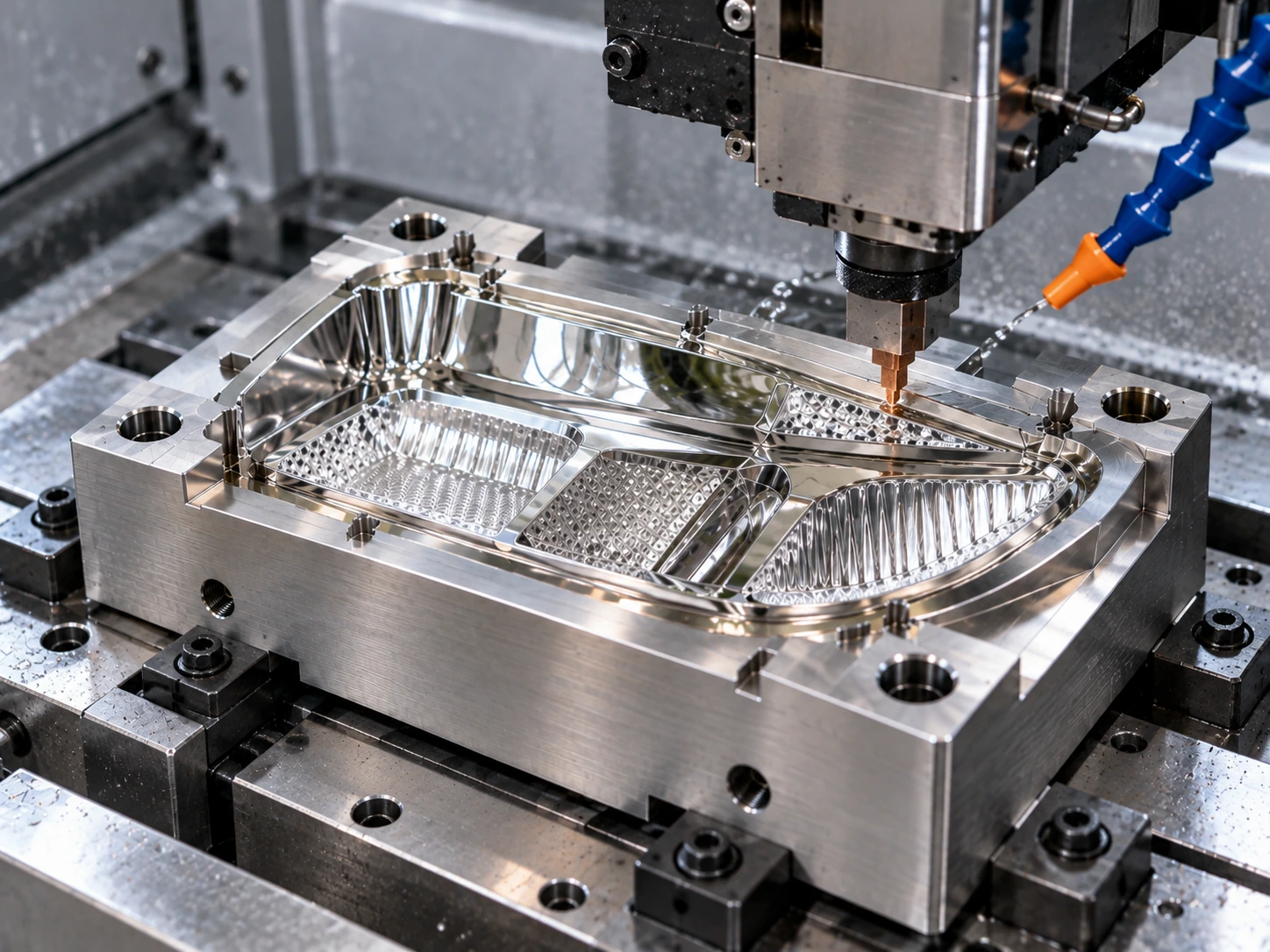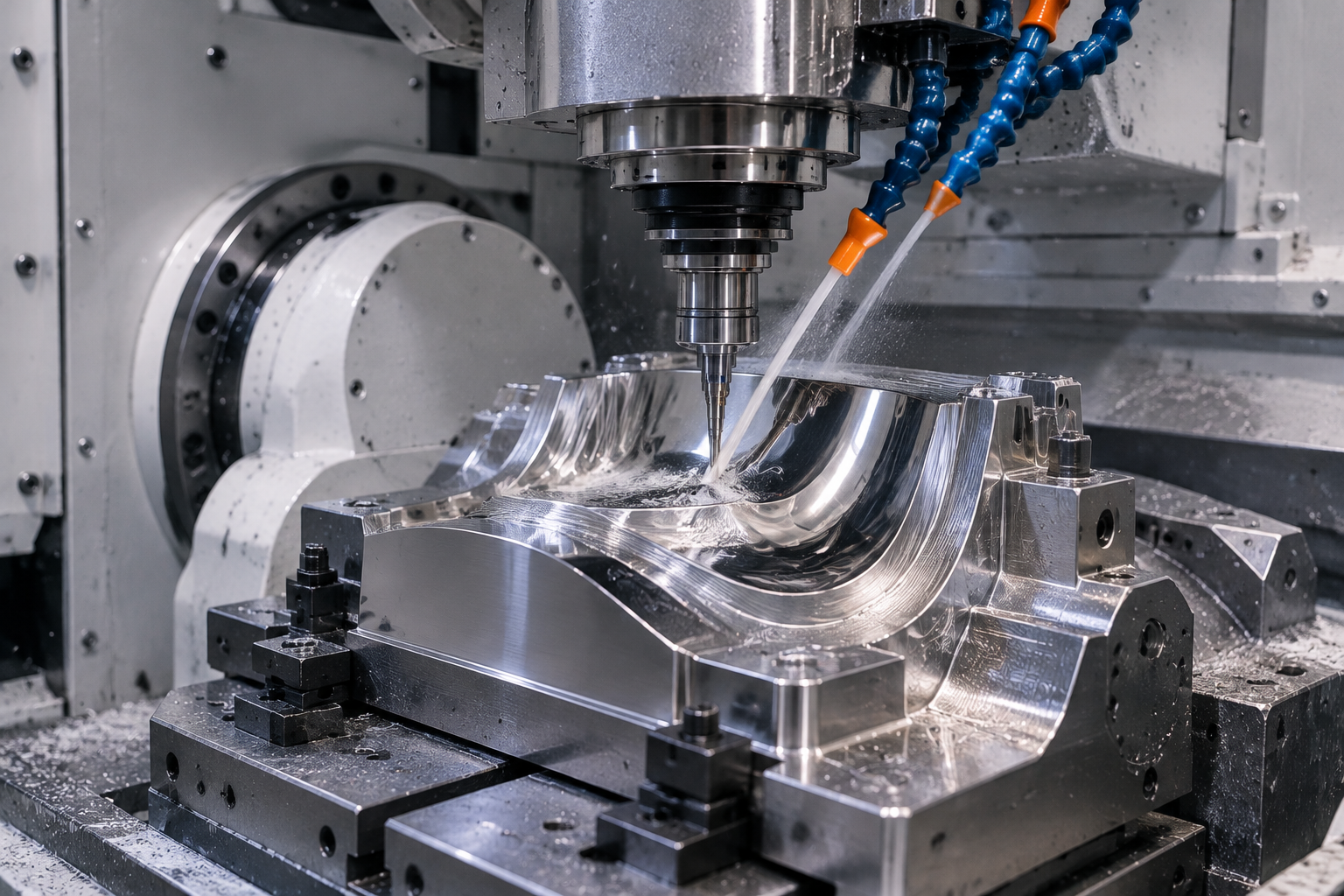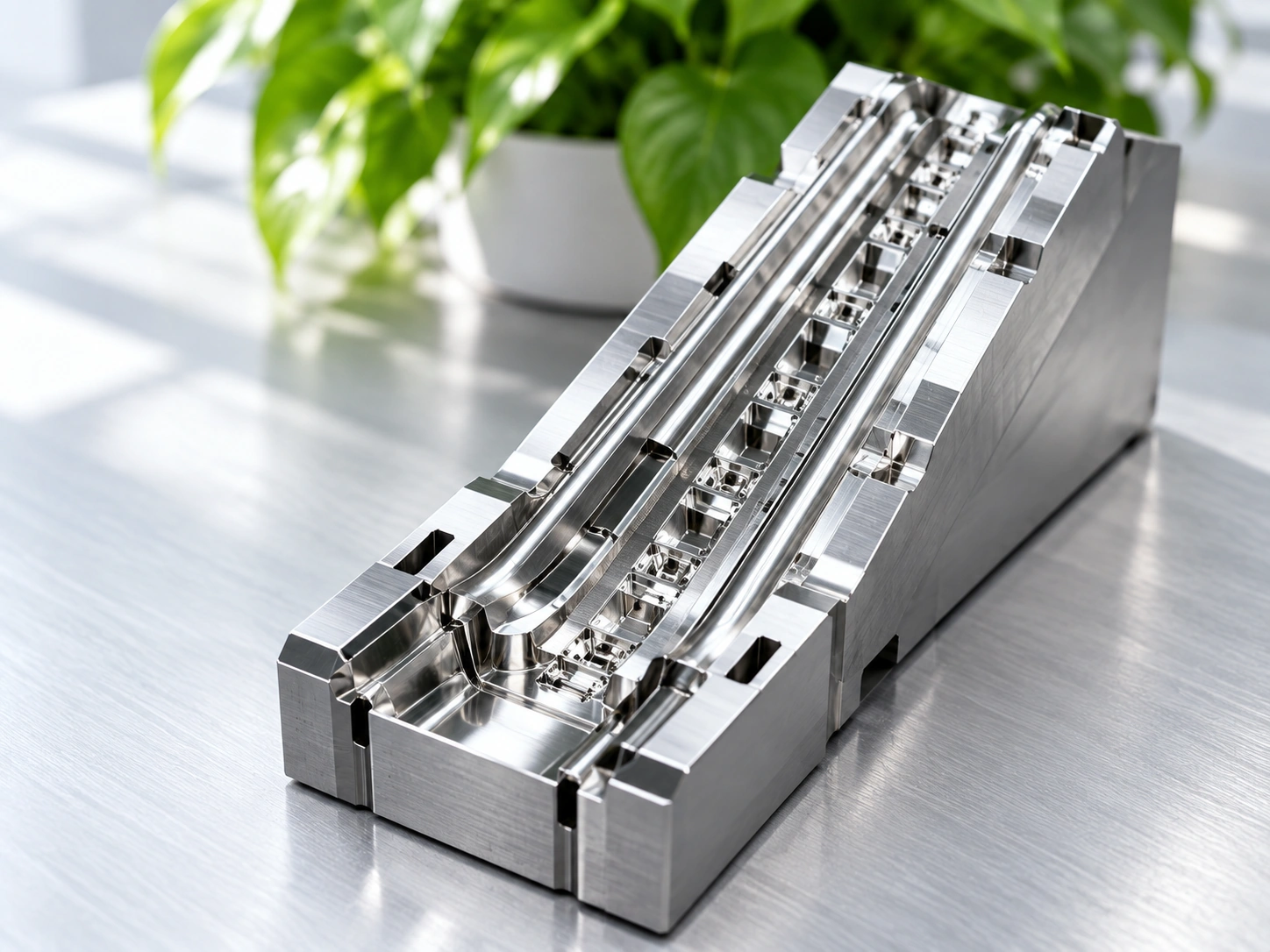
Foldable smartphones represent the most significant form factor innovation in mobile devices since the introduction of touchscreens. However, manufacturing the precision molds for these devices—particularly achieving consistent mirror-quality finishes across hinge zones with complex geometries—presents unique challenges that push the boundaries of conventional polishing technology. Yishun Optical has developed specialized capabilities including ABB 6-axis robotic polishing systems with ±0.001mm repeatability and comprehensive quality assurance protocols to address these demanding requirements. This article examines the technical challenges of foldable phone mold manufacturing, with particular focus on mirror polishing strategies for maintaining surface integrity across hinge zones where mechanical movement creates distinct thermal and stress environments.
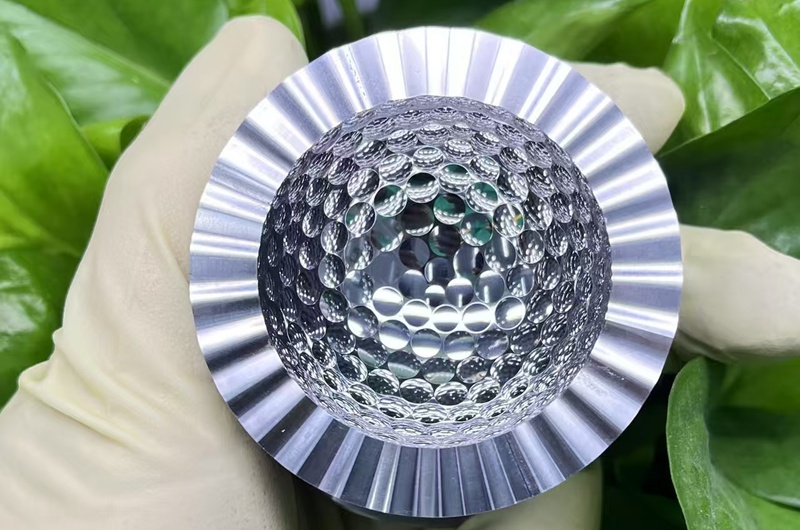
The complexity of foldable device molds extends far beyond conventional smartphone tooling. Hinge mechanisms require precise coordination between multiple mold components, each with different geometric constraints and functional requirements. Yishun Optical’s 20+ years of experience in precision optical mold manufacturing, combined with our status as an Apple Gold Supplier, enables us to deliver the consistent quality that premium foldable device manufacturers demand.
Understanding Foldable Smartphone Mold Complexity
The manufacturing of foldable smartphone components demands mold designs of unprecedented complexity. Unlike traditional rigid smartphones with simple flat or gently curved surfaces, foldable devices require:
- Hinge mechanism housings with precise clearance for mechanical assemblies
- Flexible display support structures maintaining consistent curvature during folding
- Multi-material interfaces accommodating different expansion coefficients
- Cosmetic surfaces meeting stringent visual quality requirements
The Challenge of Hinge Zone Molding
The hinge zone represents the most demanding region in foldable device mold manufacturing. This area must accommodate:
- Mechanical hinge components requiring precise clearances
- Display folding with consistent radius and minimal stress concentration
- Cosmetic surfaces transitioning seamlessly between flat and curved regions
- Sealing requirements for dust and moisture protection
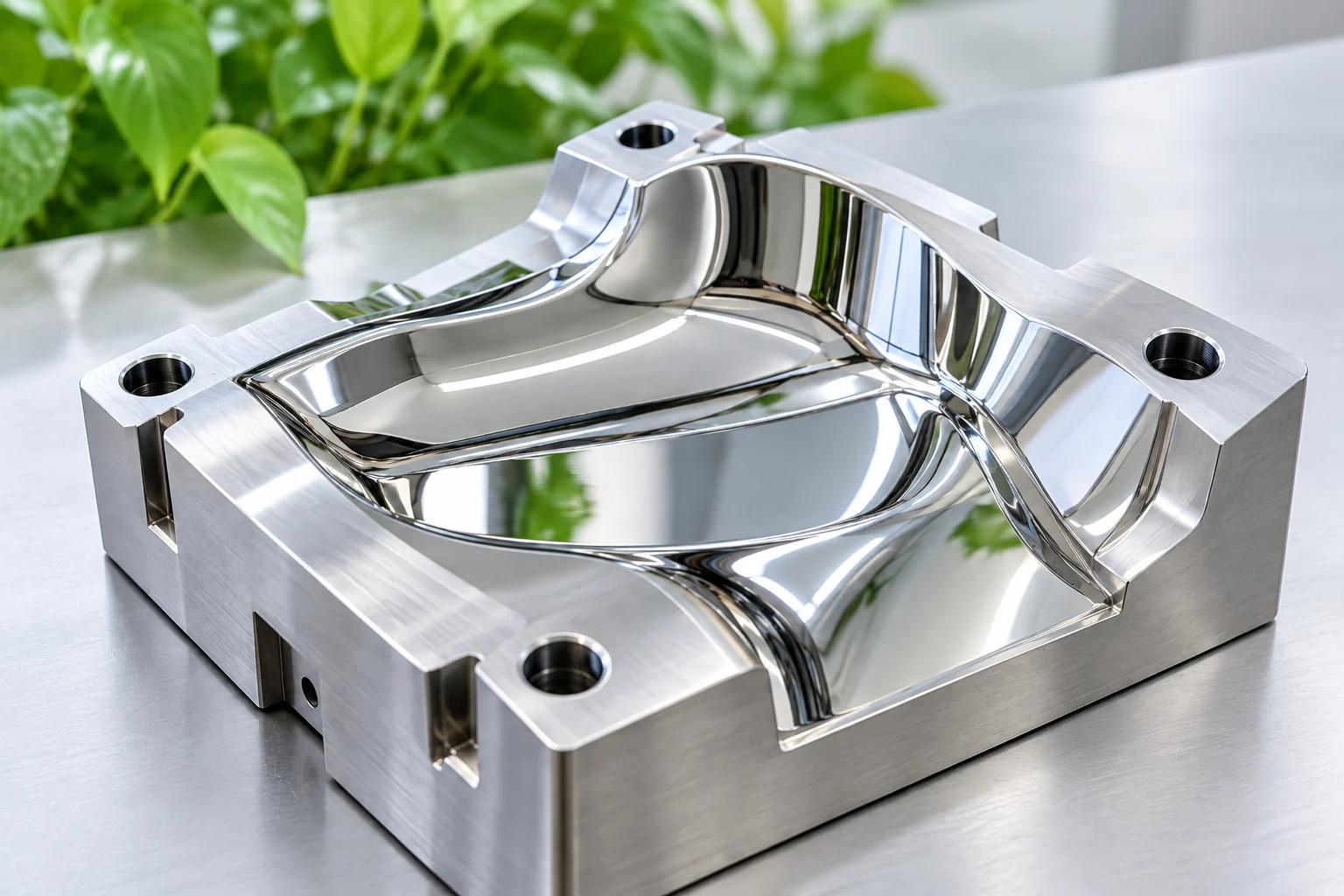
Mirror polishing these complex geometries while maintaining consistent surface quality across all zones requires specialized equipment and refined process methodologies.
Material Considerations for Foldable Device Molds
Foldable device molds typically employ hardened tool steels capable of maintaining dimensional stability through millions of opening and closing cycles. The mold surface must resist:
- Abrasive wear from ejection and parting line operation
- Corrosive attack from moisture and processing residues
- Thermal fatigue from cyclic injection temperatures
- Adhesive wear from molten polymer flow
Yishun Optical selects mold materials based on production volume requirements, with premium grades for high-volume programs demanding superior wear resistance and polishability.
Mirror Polishing Requirements for Foldable Device Molds
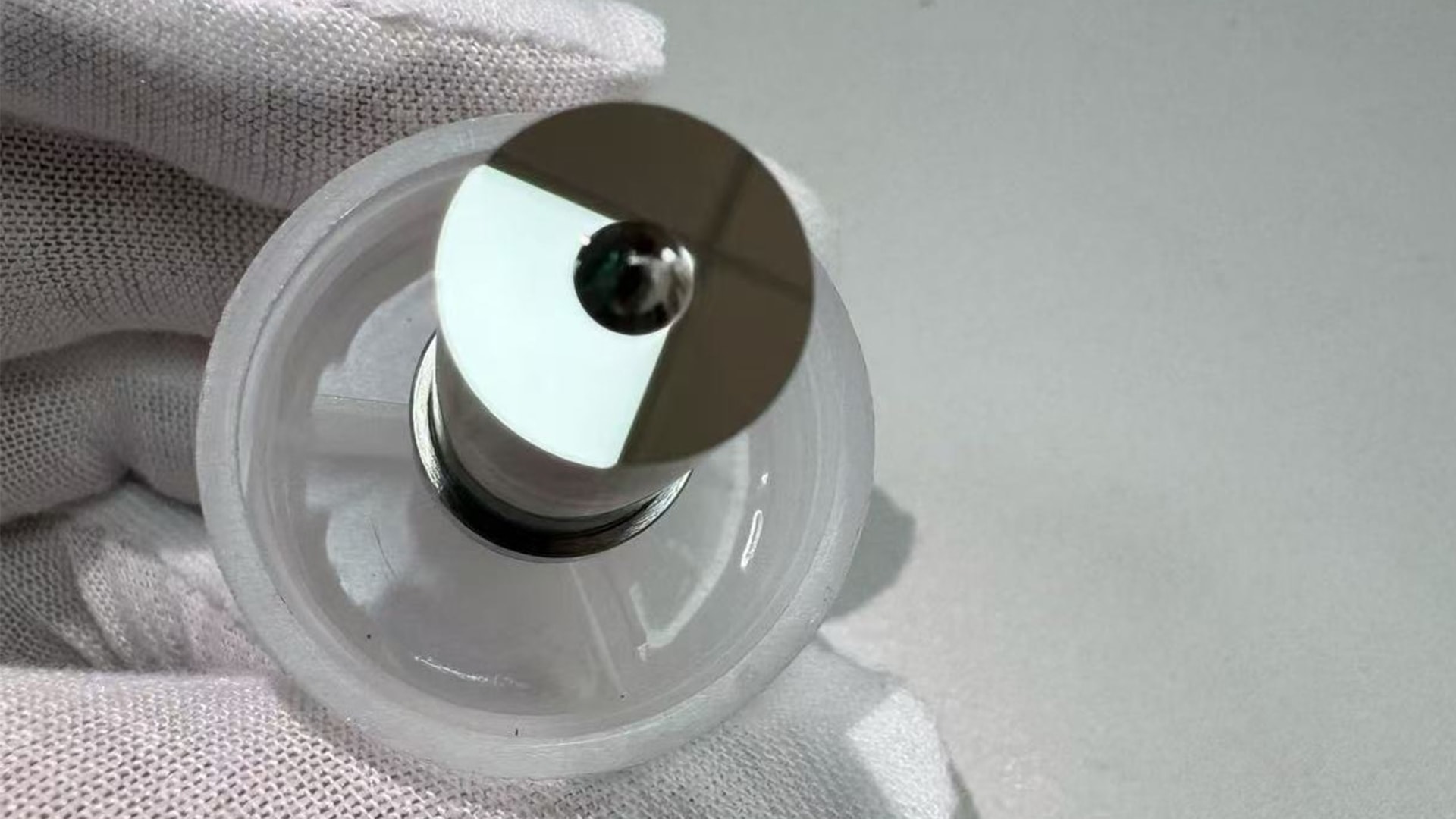
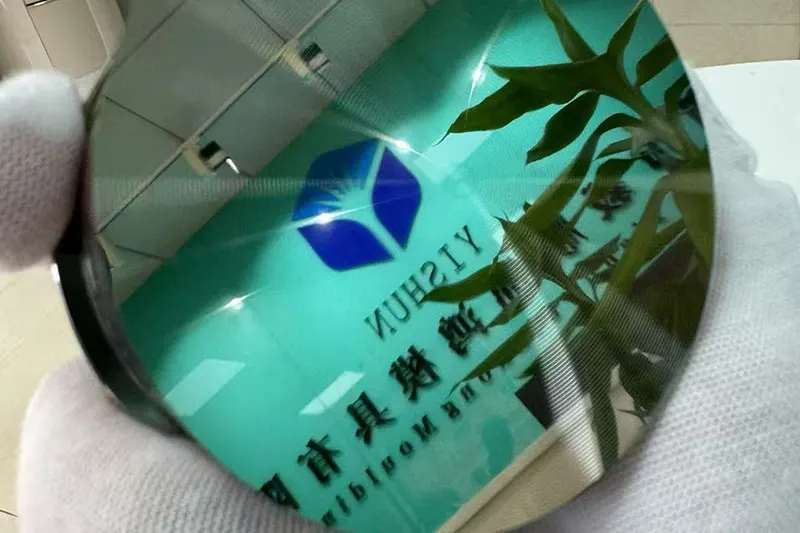
Achieving mirror-quality surface finishes on foldable device molds requires addressing several interconnected challenges. The surface quality directly impacts part ejection force, cosmetic appearance, and long-term mold performance.
Surface Roughness Specifications
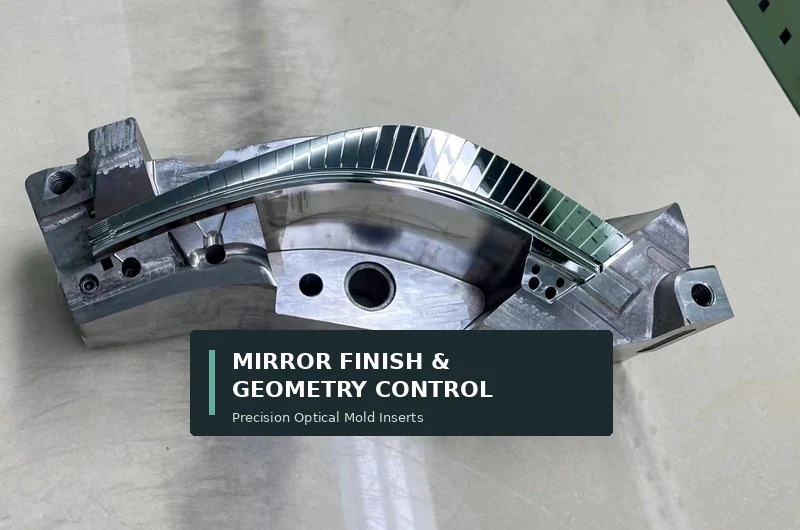
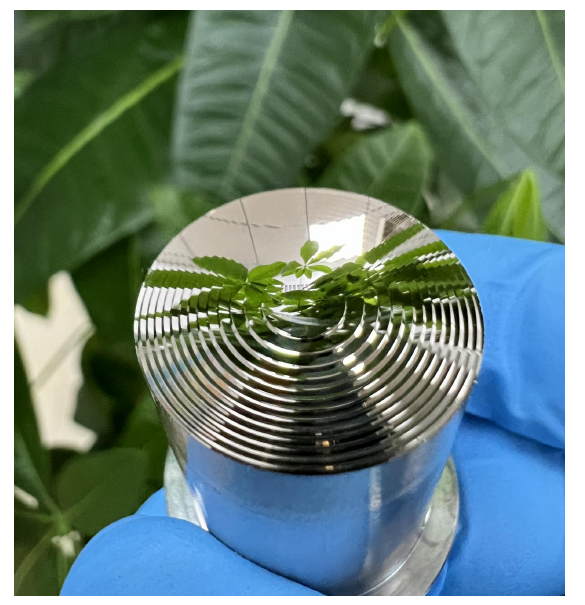
Foldable device mold surfaces typically require Ra values of 0.05-0.1μm for functional areas and Ra≤0.005μm for critical optical surfaces. Meeting these specifications consistently across complex geometries demands:
- Multi-stage polishing processes progressing from coarse to fine abrasives
- Process optimization for each surface region type
- In-process metrology verifying surface quality at each stage
- Environmental controls minimizing contamination effects
The transition from Ra 0.1μm to Ra 0.005μm represents approximately 95% reduction in surface height variations—a level of precision that requires meticulous process control.
Geometric Constraints in Hinge Zones
Hinge zones present unique challenges for mirror polishing:
- Compound curvature variations requiring adaptive tool path generation
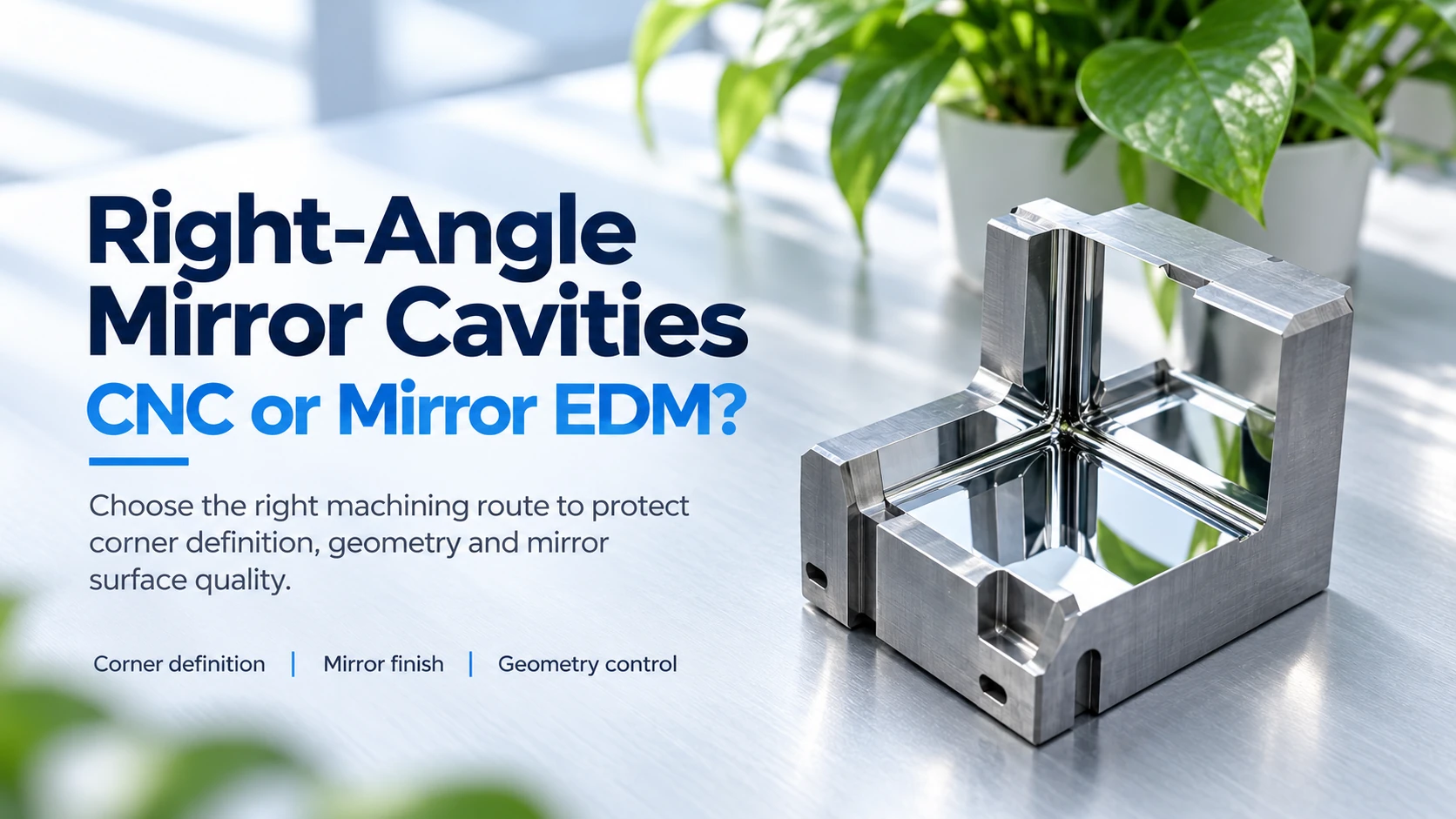
- Sharp corner transitions demanding specialized polishing techniques
- Deep cavity features limiting access for manual polishing
- Multiple surface normals complicating automated polishing optimization
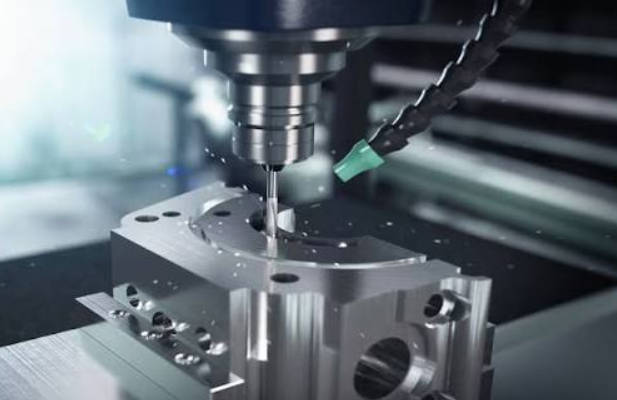
Traditional polishing approaches struggle to maintain consistent surface quality across these geometric transitions. The combination of complex curvature and stringent surface requirements necessitates advanced robotic polishing systems.
Advanced Polishing Technologies for Foldable Device Molds
Yishun Optical has invested in specialized polishing capabilities to address the demanding requirements of foldable device molds. Our equipment infrastructure combines traditional expertise with advanced automation to deliver consistent quality.
ABB 6-Axis Robotic Polishing Systems
The deployment of ABB 6-axis robotic polishing systems represents a transformative advancement in optical mold manufacturing. These systems provide:
- ±0.001mm positional repeatability ensuring consistent material removal across surface geometries
- Adaptive force control maintaining optimal contact pressure regardless of surface orientation
- Flexible tool path generation accommodating complex surface contours
- Process documentation enabling traceability for quality assurance
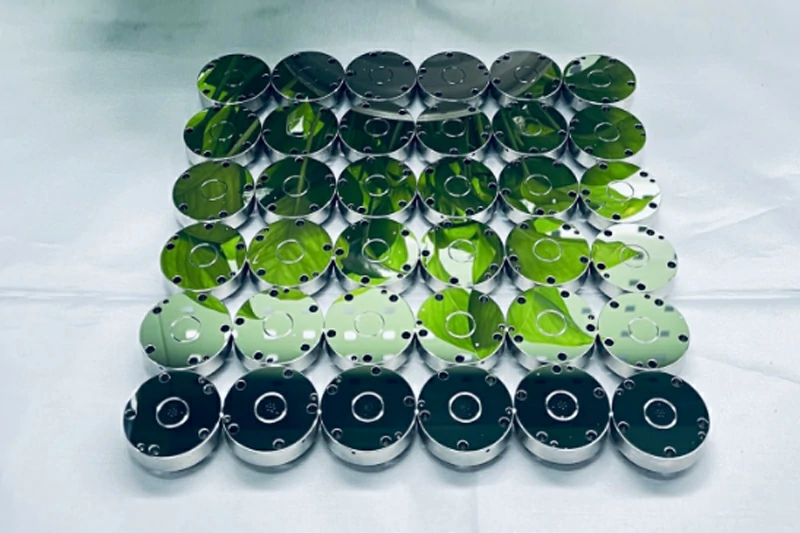
The robotic system eliminates the variability inherent in manual polishing while providing superior consistency across high-volume production runs. Each polishing cycle follows precisely programmed tool paths with force feedback ensuring optimal contact conditions.
Multi-Stage Polishing Methodology
Achieving Ra≤0.005μm surface finishes requires systematic progression through multiple polishing stages:
- Rough polishing: Remove machining marks and establish basic surface form
- Intermediate polishing: Reduce surface roughness to sub-micron levels
- Fine polishing: Achieve target Ra values with minimal material removal
- Buffing/lapping: Remove final surface imperfections for mirror finish
Each stage employs specific abrasive media, process parameters, and quality verification criteria. Yishun Optical’s process engineering team has optimized these sequences for foldable device applications.
Specialized Polishing Tools for Complex Geometries
Hinge zones and other challenging features require specialized polishing tools:
- Flexible shaft tools for deep cavity access
- Contoured polishing laps matching surface geometries
- Small-diameter tools for confined areas
- Rotating tool holders ensuring uniform material removal
The combination of robotic automation and skilled manual techniques ensures comprehensive coverage of all mold surfaces.
Maintaining Surface Integrity Across Hinge Zones
The hinge zone represents the most critical region in foldable device mold manufacturing. Surface integrity in this area directly impacts product performance, longevity, and cosmetic appearance.
Thermal Management Considerations
Repeated folding generates localized heating in the hinge mechanism. This thermal cycle affects:
- Material selection for dimensional stability
- Surface treatment for wear resistance
- Clearance design accounting for differential thermal expansion
Yishun Optical’s thermal analysis during mold design helps optimize these parameters for long-term performance.
Stress Distribution Analysis
Foldable device operation subjects mold components to cyclic stresses. Proper surface treatment helps:
- Minimize crack initiation at surface defects
- Distribute stress concentrations across larger areas
- Maintain surface integrity through millions of cycles
The mirror polish process must not introduce residual stresses that could compromise long-term performance.
Sealing Surface Requirements
Hinge zones typically include sealing surfaces requiring:
- Precise geometry for reliable sealing performance
- Consistent surface quality across entire seal perimeter
- Adequate hardness for wear resistance
- Clean surface conditions free from contamination
Yishun Optical’s quality protocols include specific verification steps for sealing surface performance.
Quality Assurance for Foldable Device Molds
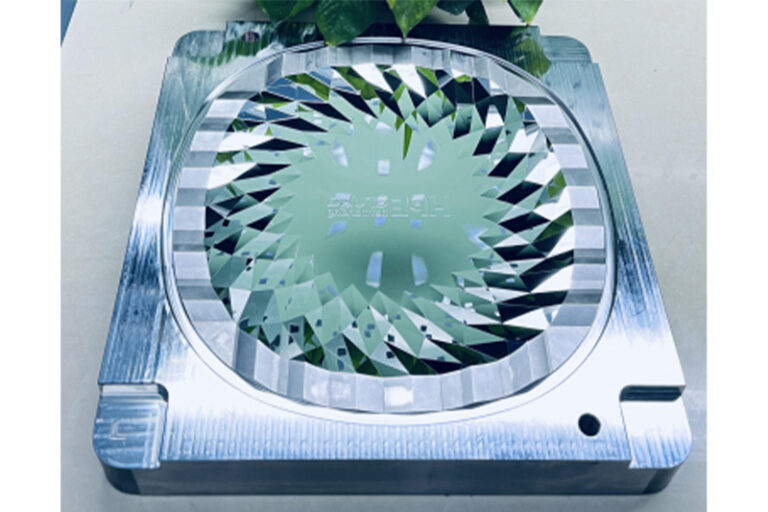
Comprehensive quality assurance ensures that mirror-polished foldable device molds meet stringent requirements for surface quality, dimensional accuracy, and functional performance.
Surface Quality Verification
Surface quality verification employs multiple measurement techniques:
- Optical profilometry for quantitative roughness measurements
- Visual inspection under standardized lighting conditions
- Gloss measurement for cosmetic surface verification
- Surface replication for detailed defect analysis
Yishun Optical maintains calibrated measurement capabilities traceable to national standards, ensuring reliable quality verification.
Dimensional Verification
Complex foldable device molds require comprehensive dimensional verification:
- CMM measurement of critical dimensions
- Optical scanning for surface form analysis
- Functional testing of moving components
- Fit verification with mating mold components
The combination of in-process and final inspection ensures dimensional conformance throughout production.
Process Documentation
Quality assurance extends beyond measurement to comprehensive process documentation:
- Polishing parameters recorded for each surface region
- Material batch tracking for traceability
- Equipment calibration verification
- Operator certifications for specialized processes
This documentation provides complete traceability for quality verification and continuous improvement.
Yishun Optical’s Foldable Device Mold Capabilities
Yishun Optical offers comprehensive capabilities for foldable smartphone mold manufacturing, from initial design through high-volume production. Our capabilities include:
Equipment Infrastructure
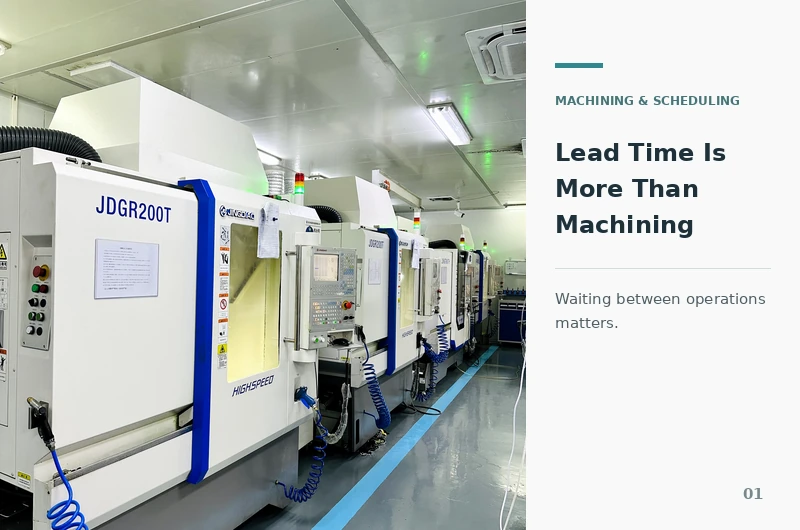
- 25 five-axis machining centers (Röders RXP500DS, Roku Roku): Complex surface generation with micron-level accuracy
- 4 Toshiba UVM ultra-precision machining centers: PV≤0.15μm form accuracy for demanding optical surfaces
- 2 Moore single-point diamond turning lathes: Ra≤2nm surface finish capability
- ABB 6-axis robotic polishing systems: ±0.001mm repeatability for consistent polishing results
- Class 10 cleanroom: Contamination-controlled environment for critical manufacturing operations
Quality Certifications
- Apple Gold Supplier: Demonstrated capability meeting Apple’s stringent quality requirements
- ISO 9001: Quality management system ensuring consistent process control
- ISO 14001: Environmental management system for sustainable manufacturing
- National High-Tech Enterprise: Recognition of technological innovation capability
- Specialized & New Enterprise (2024): Government recognition of industry leadership
Production Experience
- 3,000+ Apple mold sets: Proven capability for premium consumer electronics
- 20+ years experience: Deep expertise in precision mold manufacturing
- 300+ global partners: Trusted by leading brands worldwide
Design Guidelines for Foldable Device Molds
Successful foldable device mold manufacturing requires attention to design for manufacturability. Key considerations include:
Draft Angle Optimization
Adequate draft angles ensure reliable part release while minimizing polishing requirements:
- Functional surfaces: Draft angles optimized for specific requirements
- Cosmetic surfaces: Balanced draft for optimal surface quality
- Hinge zones: Specialized draft strategies for complex geometries
Early collaboration with Yishun Optical’s engineering team helps optimize draft angles for production requirements.
Surface Transition Design
Smooth transitions between surface regions simplify polishing and improve mold performance:
- Radius specifications for corner transitions
- Blend surface design for curvature continuity
- Parting line optimization minimizing cosmetic impact
Material Selection Guidance
Yishun Optical provides material recommendations based on:
- Production volume requirements
- Surface finish specifications
- Wear resistance needs
- Cost considerations
FAQ: Foldable Smartphone Mold Mirror Polishing
Q1: What surface finish can Yishun Optical achieve on foldable device molds?
Yishun Optical achieves surface finishes down to Ra≤0.005μm through multi-stage polishing processes utilizing ABB 6-axis robotic polishing systems with ±0.001mm repeatability. Surface quality is verified through comprehensive metrology including optical profilometry and visual inspection.
Q2: How does Yishun Optical handle the complex geometries of hinge zones?
Hinge zones require specialized polishing strategies combining robotic automation for accessible surfaces with skilled manual techniques for confined areas. Our process engineering team develops customized polishing sequences for each mold design, ensuring consistent surface quality across all geometric transitions.
Q3: What equipment does Yishun Optical use for foldable device mold manufacturing?
Our equipment infrastructure includes 25 five-axis machining centers from Röders and Roku, 4 Toshiba UVM ultra-precision machining centers, 2 Moore single-point diamond turning lathes, and ABB 6-axis robotic polishing systems—all operating in climate-controlled environments for optimal precision.
Q4: How does Yishun Optical ensure consistency across high-volume production runs?
Our ISO 9001-certified quality management system, combined with advanced process monitoring and in-process metrology, ensures consistent quality across production runs. Statistical process control methods monitor key parameters throughout manufacturing, with automated systems providing real-time verification.
Q5: What certifications does Yishun Optical hold?
Yishun Optical holds Apple Gold Supplier status, ISO 9001, ISO 14001, National High-Tech Enterprise, and Specialized & New Enterprise (2024) certifications. These credentials demonstrate our commitment to quality and continuous improvement.
Q6: Can Yishun Optical support both prototype and production volumes?
Yes. Yishun Optical supports both prototype quantities for validation and high-volume production for commercial programs. Our equipment infrastructure and process capabilities scale from initial prototypes through millions of units.
Q7: What is the typical lead time for foldable device molds?
Standard lead times range from 6-12 weeks depending on complexity and current capacity. Expedited services are available for time-critical programs. Contact us to discuss specific project requirements.
Conclusion
Manufacturing foldable smartphone molds with mirror-quality surface finishes demands capabilities that exceed conventional mold manufacturing. The combination of complex hinge zone geometries, stringent surface quality requirements, and high-volume production demands necessitates investment in specialized equipment and refined process methodologies.
Yishun Optical has established this manufacturing foundation through strategic investment in advanced polishing technology, comprehensive quality assurance capabilities, and certified quality management systems. Our status as an Apple Gold Supplier with over 3,000 mold sets delivered demonstrates the production capability required for premium foldable device programs.
For manufacturers developing next-generation foldable devices, partnering with an experienced foldable phone mold supplier is essential for achieving surface quality targets within production constraints. Yishun Optical offers the technical capabilities, quality certifications, and manufacturing experience to support your foldable device mold requirements.
Contact Yishun Optical today to discuss your foldable smartphone mold requirements:
- Email: yishun158@163.com
- Phone: +86-755-82594863
- Website: https://yishunoptical.com/