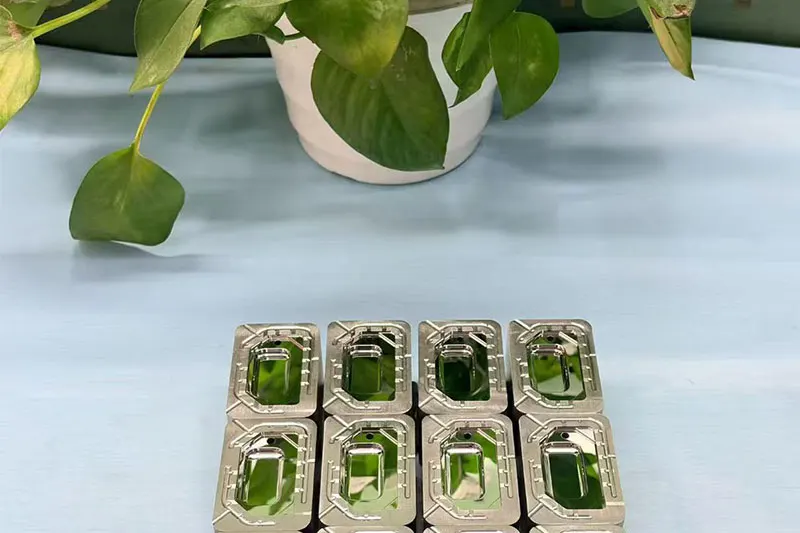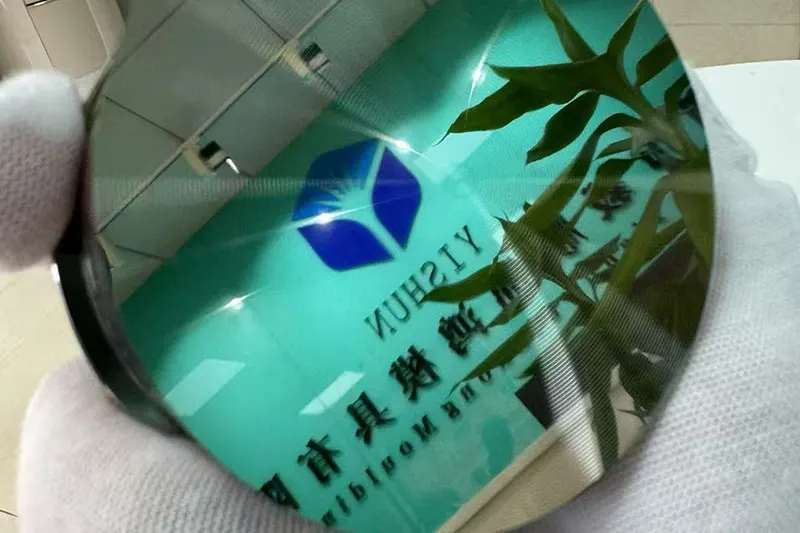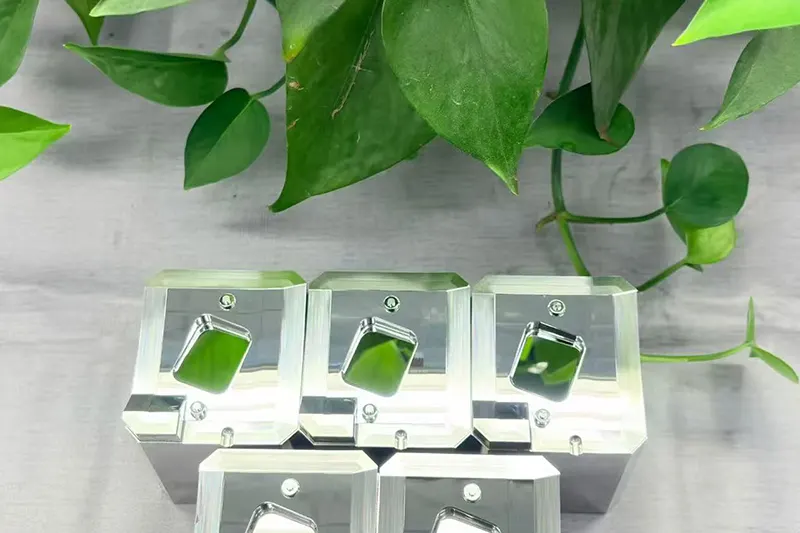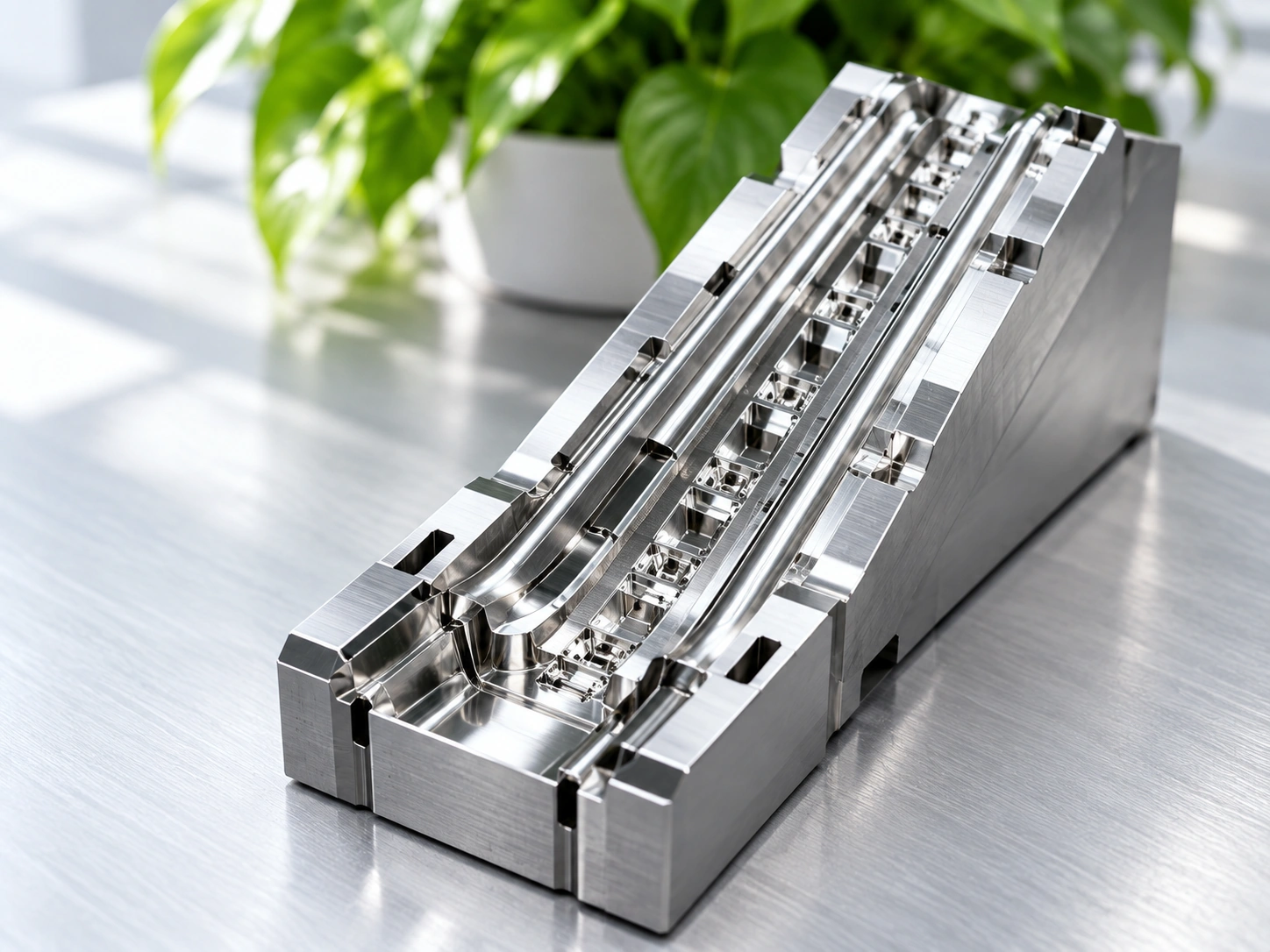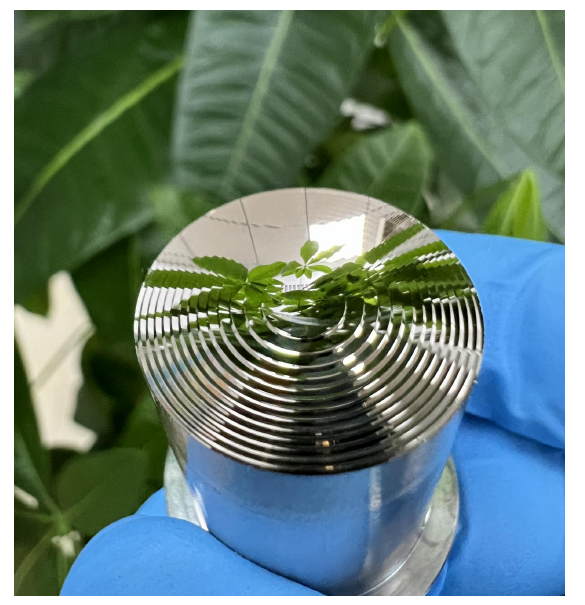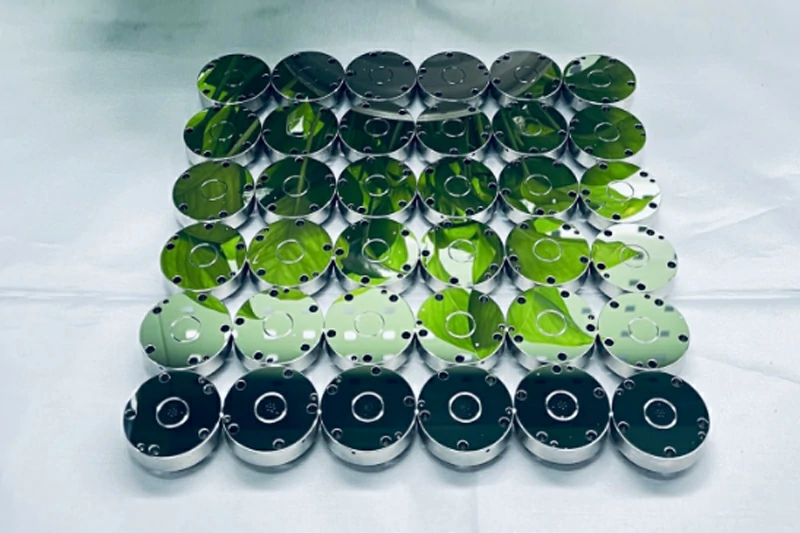
The augmented and virtual reality (AR/VR) industry is experiencing unprecedented growth, with major technology companies investing billions in head-mounted display development. Manufacturing the precision molds for AR VR lens components demands capabilities far beyond conventional optical mold production. The freeform aspheric mold surfaces required for modern headsets must achieve sub-micron form accuracy while accommodating complex surface geometries that traditional manufacturing approaches cannot address. Yishun Optical has developed specialized manufacturing capabilities including 5-axis ultra-precision machining, advanced metrology systems, and certified quality protocols to meet the demanding requirements of headset optics manufacturing.
According to industry analysts at Counterpoint Research, AR/VR headset shipments are projected to exceed 50 million units annually by 2026, driving corresponding demand for precision mold manufacturing capabilities. Yishun Optical’s combination of advanced equipment infrastructure, 20+ years of optical manufacturing expertise, and Apple Gold Supplier status positions us as a preferred partner for leading headset manufacturers.
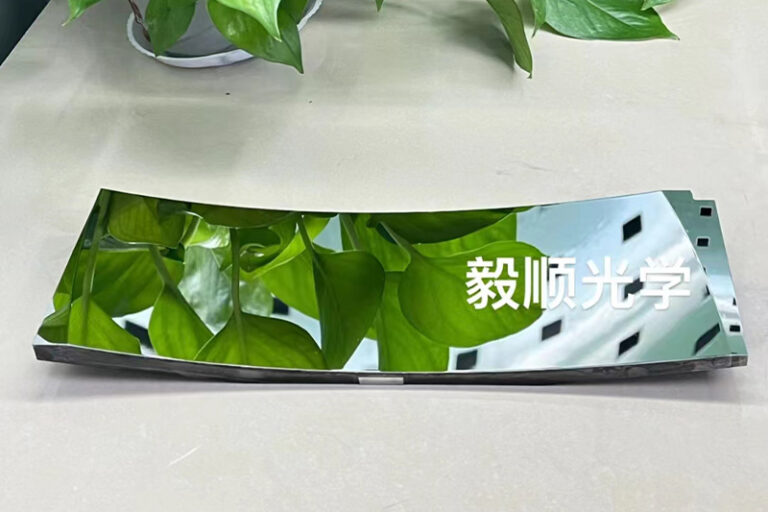
The Demands of Modern AR/VR Optics
AR/VR headsets present optical engineering challenges that push the boundaries of manufacturing capability. Unlike conventional optical systems with rotational symmetry, modern headsets incorporate:
- Pancake lenses enabling compact form factors through folded optics
- Freeform surfaces correcting aberrations without additional elements
- Dual-curve geometries accommodating wide field-of-view requirements
- Micro-lens arrays for advanced display technologies
Field of View Requirements
Modern AR/VR headsets target increasingly wide field-of-view (FOV) specifications:
- Current generation: 90-120° horizontal FOV
- Next generation: 140-200° horizontal FOV
- Ultimate goal: Human visual immersion (>200° FOV)
Achieving these specifications requires complex surface geometries that cannot be produced through conventional manufacturing approaches.
Optical Resolution Requirements
Retinal resolution demands drive surface quality requirements:
- Angular resolution: 60 pixels per degree for visual immersion
- Surface quality: Sub-micron form accuracy essential
- Surface finish: Ra≤0.005μm for minimal light scattering
- Coating compatibility: Defect-free surfaces for anti-reflective treatments
Compact Form Factor Constraints
AR/VR headsets must balance optical performance with wearable comfort:
- Thin lens profiles requiring precision mold manufacturing
- Lightweight materials demanding high-volume production capability
- Multiple element systems necessitating tight assembly tolerances
- Aesthetic requirements for consumer market acceptance
Freeform Aspheric Surface Manufacturing Challenges
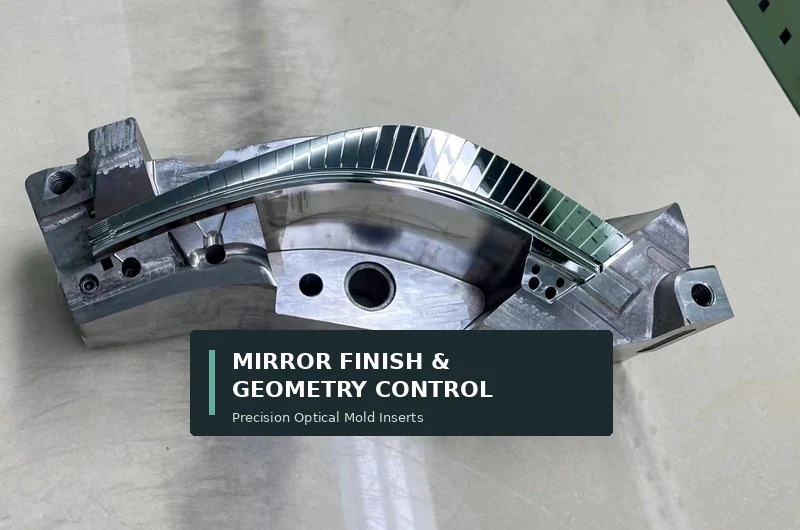
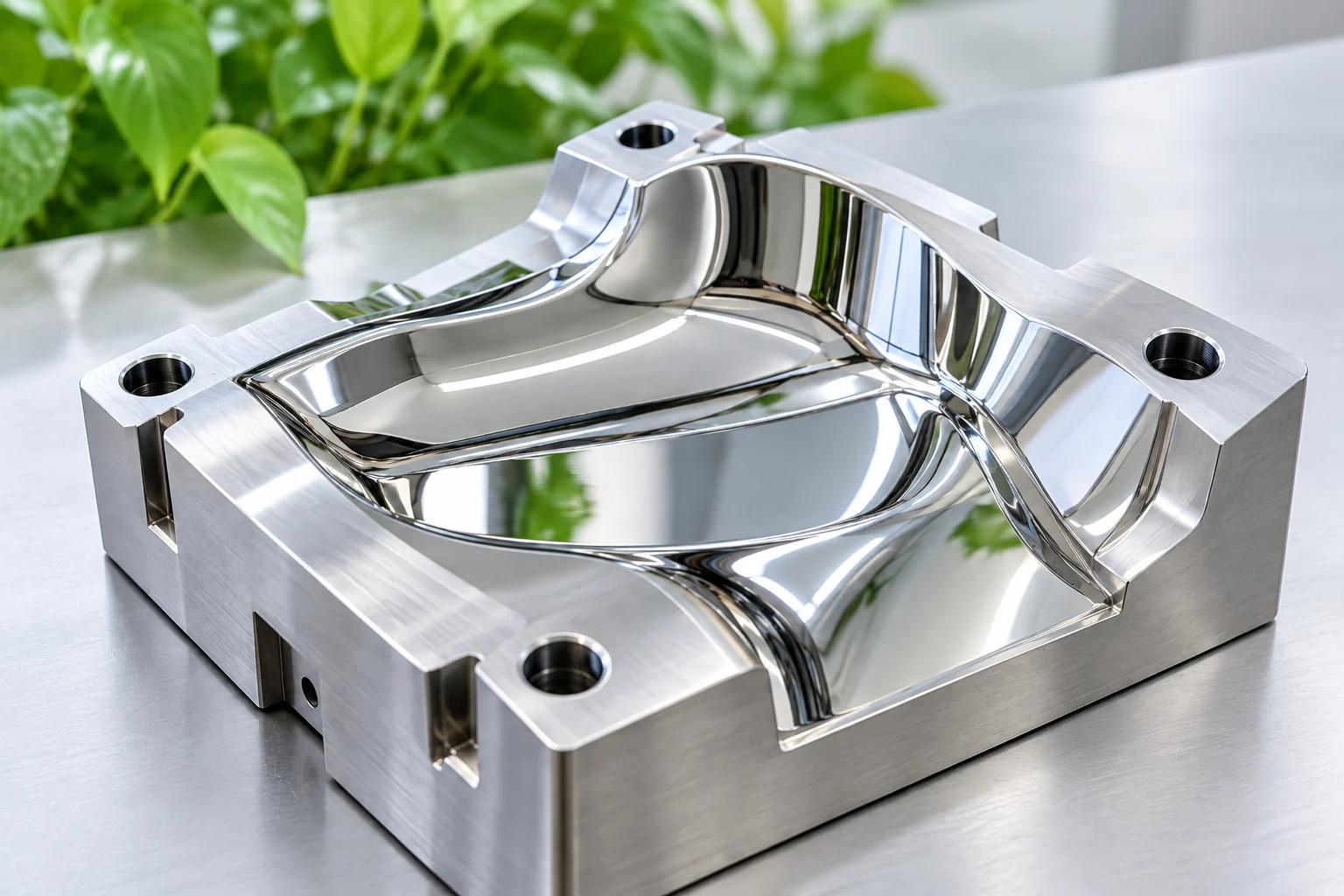
Freeform aspheric surfaces represent the cutting edge of optical mold manufacturing. Unlike traditional spherical or simple aspheric surfaces, freeform optics lack rotational symmetry, creating unique manufacturing challenges.
What Are Freeform Aspheric Surfaces?
Freeform surfaces are optical surfaces that cannot be described by simple mathematical functions like spheres or paraboloids. They offer:
- Aberration correction without additional optical elements
- Compact system designs reducing headset weight and size
- Wide field-of-view achieving immersive visual experiences
- Off-axis performance enabling unconventional optical layouts
The mathematical description of freeform surfaces typically employs polynomial series:
- Zernike polynomials for circular apertures
- XY polynomials for rectangular apertures
- NURBS (Non-Uniform Rational B-Splines) for complex geometries
- Custom formulations for specialized applications
Manufacturing Challenges for Freeform Surfaces
Manufacturing freeform aspheric mold surfaces presents interconnected challenges:
Tool Path Generation Traditional CNC programming assumes rotational symmetry or simple 2D contours. Freeform surfaces require:
- 5-axis tool path generation controlling tool orientation and position simultaneously
- Collision avoidance ensuring tool accessibility for all surface regions
- Scallop height control maintaining consistent surface quality
- Feed rate optimization accounting for varying cutting conditions
Tool Engagement Control Cutting tool engagement varies dramatically across complex freeform surfaces:
- Variable cutting angles affecting tool life and surface quality
- Underscut regions requiring specialized tooling strategies
- Edge quality control maintaining surface integrity at boundaries
- Thermal management for sustained machining accuracy
Surface Quality Consistency Maintaining uniform surface quality across complex geometries demands:
- Adaptive machining parameters compensating for geometric variations
- Multi-stage finishing achieving consistent final surface quality
- In-process monitoring detecting deviations in real-time
- Skilled operator expertise addressing unexpected conditions
Dual-Curve Precision Requirements
Modern AR/VR lens systems frequently employ dual-curve geometries to achieve optical performance targets. These surfaces feature two or more distinct curvature regions optimized for different functions.
Types of Dual-Curve Lens Designs
Pancake Lens Architecture Pancake lenses employ reflective surfaces to fold the optical path:
- Compact form factor reducing headset depth
- Multiple reflections requiring precise surface alignment
- Coating optimization for high reflectivity and polarization control
- Dual-curve surfaces for beam splitting functionality
Birdbath Optics Birdbath designs use partial reflectors for AR applications:
- See-through capability combining virtual and real images
- Combiner surfaces requiring specific curvature for both functions
- Exit pupil expansion enabling comfortable viewing
- Compact geometry for lightweight headset designs
Waveguide Integration Waveguide-based AR systems incorporate:
- Coupling gratings requiring precise micro-structure control
- Exit pupil expanders distributing light across pupil
- Total internal reflection demanding surface quality consistency
- Multi-layer alignment for color correction
Precision Requirements for Dual-Curve Surfaces
Dual-curve surfaces demand precision specifications that exceed conventional tolerances:
| Parameter | Specification | Measurement Method |
|---|---|---|
| Form accuracy | PV≤0.15μm | Interferometric testing |
| Surface roughness | Ra≤0.005μm | Optical profilometry |
| Center thickness | ±0.01mm | CMM measurement |
| Decentration | ±0.005mm | Optical alignment |
| Surface tilt | ±0.5 arcmin | Autocollimator |
Yishun Optical’s metrology capabilities enable verification of these demanding specifications.
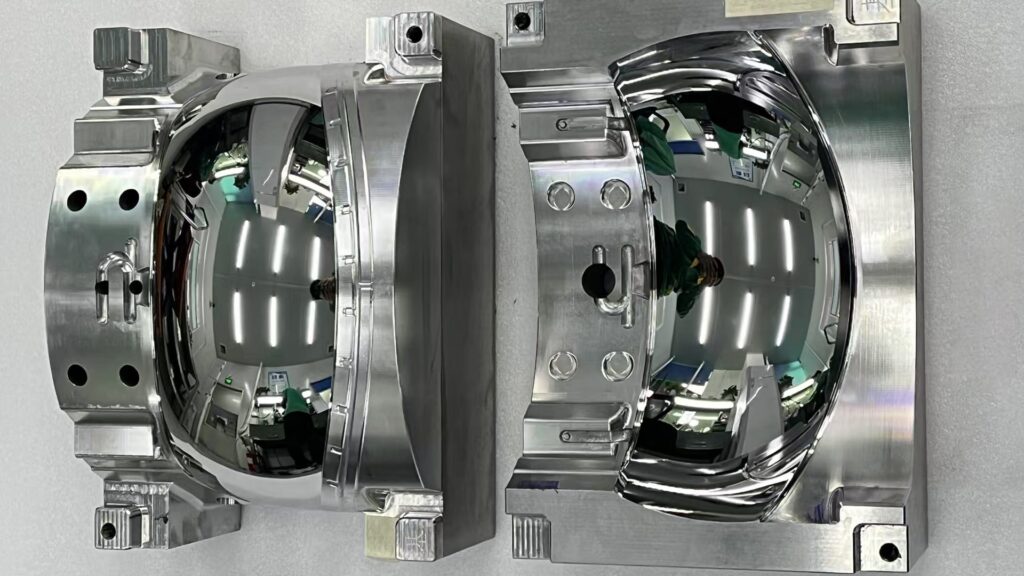
Yishun Optical’s AR/VR Lens Mold Manufacturing Capabilities
Yishun Optical has developed comprehensive manufacturing capabilities for AR/VR lens mold production, combining advanced equipment infrastructure with refined process methodologies.
Ultra-Precision Machining Infrastructure
Our equipment infrastructure addresses the demanding requirements of freeform aspheric mold manufacturing:
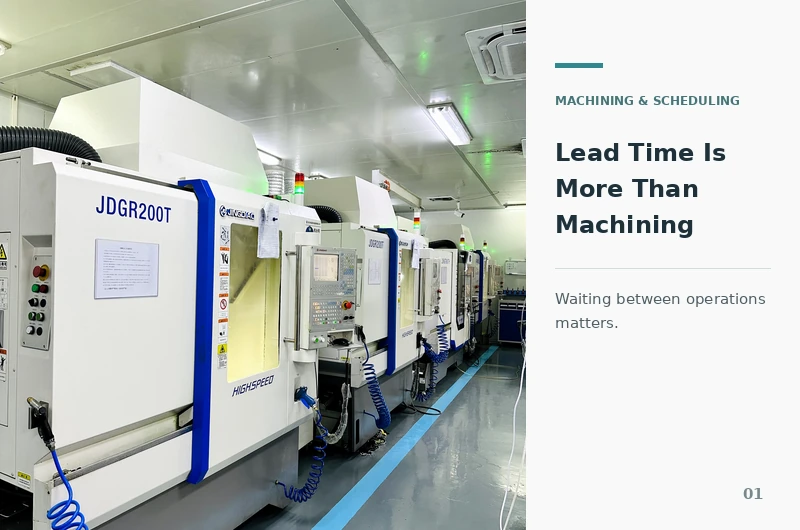
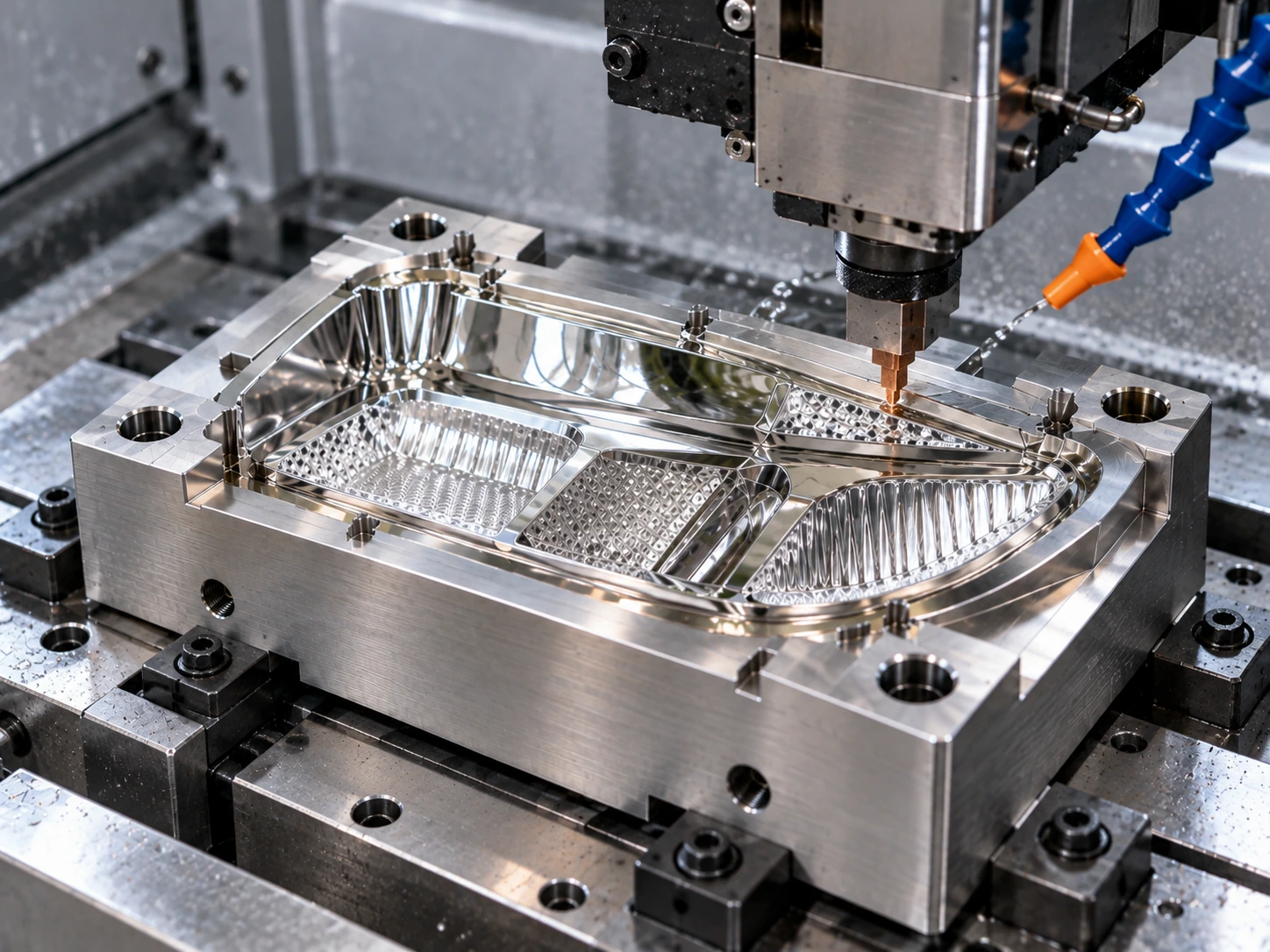
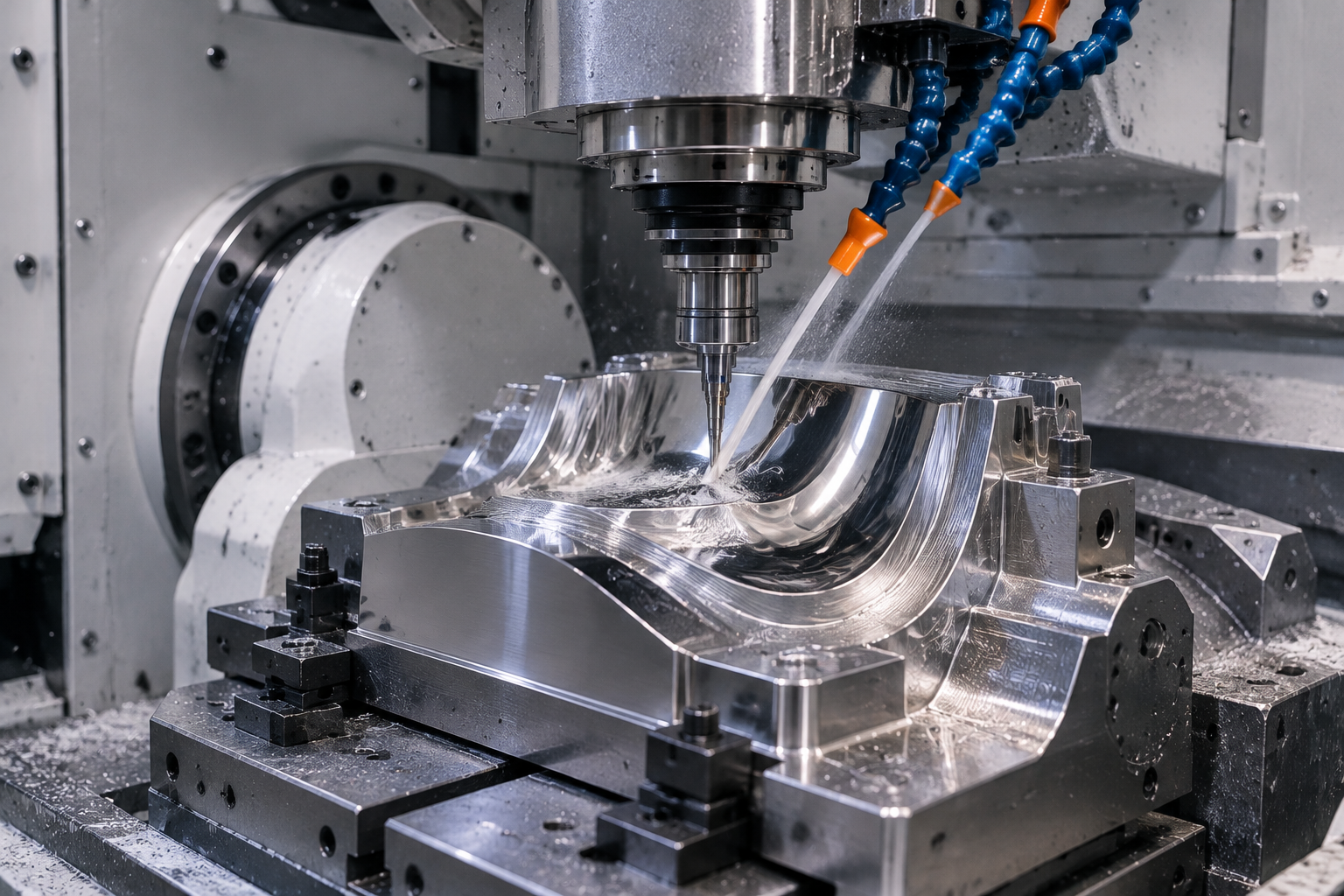
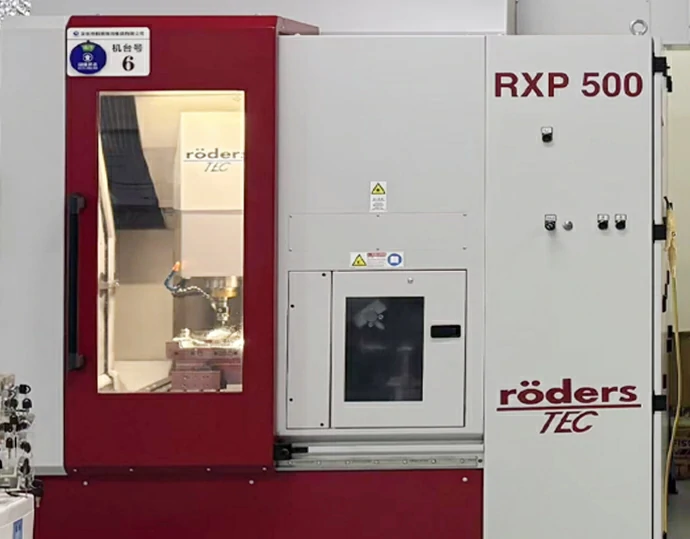
25 Five-Axis Machining Centers Röders RXP500DS and Roku Roku machining centers provide:
- Simultaneous 5-axis capability for complex surface generation
- Linear motor drives for micron-level accuracy
- Thermal isolation systems maintaining thermal stability
- High-speed spindles (up to 60,000 RPM) for fine surface generation
4 Toshiba UVM Ultra-Precision Machining Centers These machines achieve:
- PV≤0.15μm form accuracy
- Exceptional surface quality from machining operations
- Large workpiece capacity for production-scale components
- Excellent long-term stability for extended machining cycles
2 Moore Single-Point Diamond Turning Lathes Diamond turning capabilities include:
- Ra≤2nm surface finish from machining
- Deterministic material removal for form correction
- Sub-micron form accuracy
- Exceptional repeatability for production volumes
Advanced Polishing Systems
Achieving the ultimate surface quality for AR/VR applications requires sophisticated polishing technologies:
ABB 6-Axis Robotic Polishing Systems
- ±0.001mm positional repeatability ensuring consistent material removal
- Adaptive force control accommodating surface geometry variations
- Flexible tool paths for complex freeform surfaces
- Complete process documentation for quality traceability
Magnetorheological Finishing (MRF) MRF technology provides:
- Deterministic material removal based on magnetic field control
- Sub-nanometer surface finishes approaching theoretical limits
- Stress-free surfaces without subsurface damage
- Excellent figure correction capability
Comprehensive Metrology
Quality assurance for AR/VR applications requires advanced metrology systems:
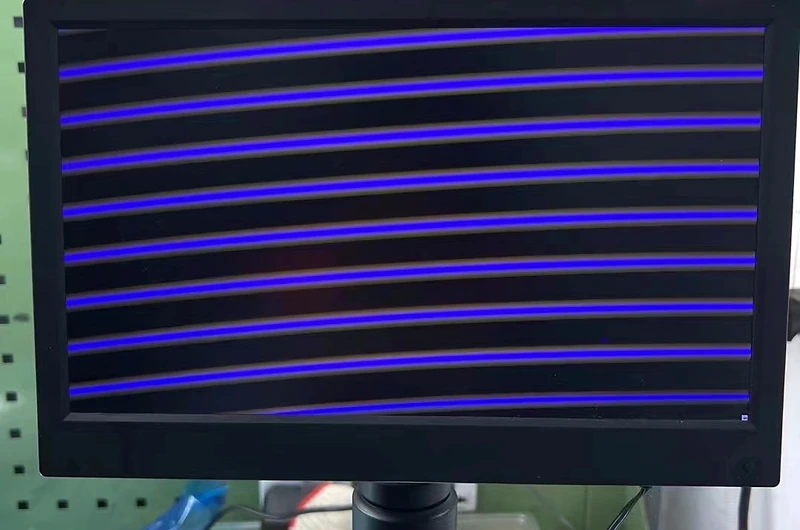
Interferometric Testing
- Sub-wavelength surface form measurement
- Wavefront analysis for optical performance prediction
- Fringe analysis software for comprehensive surface characterization
- Reference surface calibration traceable to national standards
Coordinate Measuring Machines
- High-accuracy dimensional verification
- Freeform surface scanning for CAD comparison
- Non-contact measurement for delicate surfaces
- Temperature-compensated measurement for accuracy
Optical Profilometry
- Surface roughness measurement from macro to nano scales
- Mid-spatial frequency analysis for polishing optimization
- Texture characterization for coating compatibility
- PSD (Power Spectral Density) analysis for optical scattering
Material Considerations for AR/VR Optics
AR/VR lens mold materials must balance multiple requirements including machinability, durability, thermal stability, and cost.
Common Mold Materials
Tool Steels
- S136/Stavax: Excellent polishability, corrosion resistance
- 8407: Superior toughness for complex geometries
- H13: Cost-effective for production volumes
Carbide
- Superior wear resistance for high-volume production
- Higher machining cost offset by extended tool life
- Specialized grinding requirements
Copper Alloys
- Excellent thermal conductivity for cycle time reduction
- Good machinability for prototype development
- Limited durability for production volumes
Lens Materials
AR/VR lenses employ various optical materials:
Optical Polymers
- PMMA: Excellent optical clarity, moderate cost
- Polycarbonate: Superior impact resistance
- Cycloolefin Polymer: Excellent optical stability
- High-index materials: Reduced lens thickness
Optical Glass
- Superior scratch resistance
- Excellent optical stability
- Higher processing temperatures
- Enhanced durability requirements
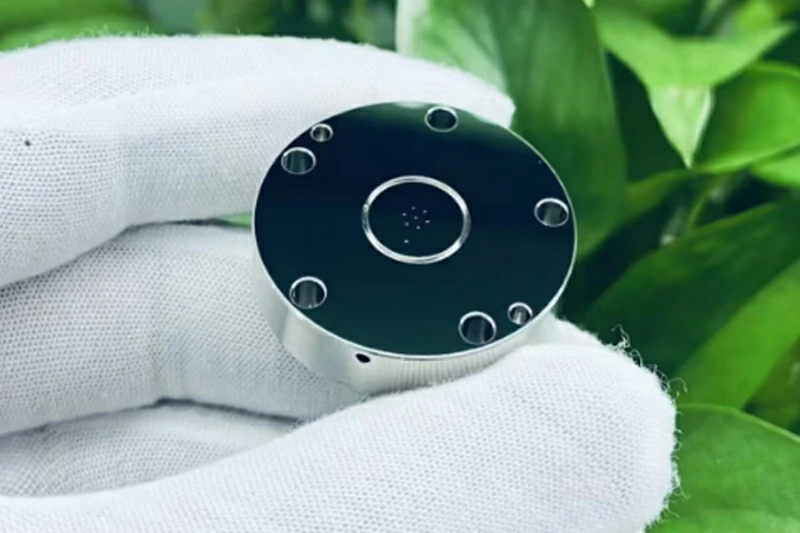
Quality Assurance for AR/VR Lens Molds
Comprehensive quality assurance ensures that AR/VR lens molds meet the stringent requirements for optical performance and production capability.
In-Process Quality Control
Quality verification throughout manufacturing includes:
- Setup verification confirming machine readiness
- In-process sampling monitoring key characteristics
- Tool condition monitoring preventing quality escapes
- Environmental monitoring ensuring stable conditions
Final Inspection Protocol
Complete mold verification includes:
- Surface form measurement verifying PV specifications
- Surface roughness verification confirming Ra requirements
- Dimensional inspection checking critical dimensions
- Functional testing validating molding performance
Documentation and Traceability
Complete documentation provides:
- Process parameters for each manufacturing stage
- Measurement results traceable to calibration standards
- Material certificates confirming material properties
- Operator records ensuring process accountability
Yishun Optical’s AR/VR Manufacturing Excellence
Yishun Optical brings comprehensive capabilities to AR/VR lens mold manufacturing, supported by certified quality systems and extensive manufacturing experience.
Quality Certifications
- Apple Gold Supplier: Demonstrated capability meeting Apple’s stringent requirements
- ISO 9001: Quality management system ensuring consistent process control
- ISO 14001: Environmental management system for sustainable manufacturing
- National High-Tech Enterprise: Recognition of technological innovation
- Specialized & New Enterprise (2024): Government recognition of industry leadership
Production Track Record
- 3,000+ Apple mold sets: Proven capability for premium consumer electronics
- 20+ years experience: Deep expertise in precision optical manufacturing
- 300+ global partners: Trusted by leading brands worldwide
- Class 10 cleanroom: Contamination-controlled manufacturing environment
Design for Manufacturability Support
Yishun Optical’s engineering team collaborates with customers during design phases to:
- Optimize surface geometries for manufacturing
- Recommend material selections for application requirements
- Specify tolerances balancing performance and cost
- Develop production strategies for volume manufacturing
FAQ: AR/VR Headset Lens Mold Manufacturing
Q1: What form accuracy can Yishun Optical achieve for AR/VR lens molds?
Yishun Optical achieves PV≤0.15μm form accuracy through ultra-precision machining and advanced finishing processes. Our metrology systems verify these specifications through interferometric testing and comprehensive surface analysis.
Q2: Can Yishun Optical manufacture freeform aspheric surfaces?
Yes. Our 25 five-axis machining centers combined with specialized tool path generation software enable manufacturing of complex freeform surfaces. We have extensive experience with polynomial, Zernike, and NURBS-defined surface geometries.
Q3: What surface finish is achievable for AR/VR applications?
Through multi-stage polishing including ABB robotic polishing and MRF finishing, Yishun Optical achieves surface finishes down to Ra≤0.005μm—sufficient for high-efficiency anti-reflective coatings and minimal optical scattering.
Q4: How does Yishun Optical handle dual-curve surface manufacturing?
Dual-curve surfaces require specialized tool path strategies and quality protocols. Our process engineering team develops optimized manufacturing approaches for each specific design, ensuring consistent quality across all surface regions.
Q5: What metrology capabilities does Yishun Optical have for AR/VR applications?
Our metrology infrastructure includes Zygo interferometers, CMM systems, and optical profilometers capable of verifying sub-micron specifications. All measurement systems are calibrated traceable to national standards.
Q6: Can Yishun Optical support both prototype and production volumes?
Yes. We support prototype quantities for product development through high-volume production for commercial programs. Our equipment infrastructure and process capabilities scale to meet any production requirement.
Q7: What is the typical lead time for AR/VR lens molds?
Lead times range from 6-12 weeks depending on complexity and current capacity. Expedited services are available for time-critical programs. Contact us to discuss your specific requirements.
Conclusion
Manufacturing AR VR lens molds with freeform aspheric surfaces and dual-curve precision demands manufacturing capabilities that push the boundaries of conventional optical mold production. The combination of complex surface geometries, sub-micron form accuracy requirements, and demanding surface finish specifications necessitates specialized equipment, refined processes, and comprehensive quality systems.
Yishun Optical has established this manufacturing foundation through strategic investment in ultra-precision machining technology, advanced polishing capabilities, and comprehensive metrology systems. Our status as an Apple Gold Supplier with over 3,000 mold sets delivered and partnerships with 300+ global brands demonstrates the production capability required for commercial AR/VR programs.
For manufacturers developing next-generation AR/VR headsets, partnering with an experienced headset optics manufacturing supplier is essential for achieving optical performance targets. Yishun Optical offers the technical capabilities, quality certifications, and manufacturing experience to support your AR VR lens mold requirements.
Contact Yishun Optical today to discuss your AR/VR headset lens mold requirements:
- Email: yishun158@163.com
- Phone: +86-755-82594863
- Website: https://yishunoptical.com/