
Why Inspection Reports Matter for Precision Mold Inserts
A clear inspection report helps customers verify critical requirements, reduce acceptance uncertainty and establish a consistent basis for repeat orders of precision mold inserts.
Can Mirror Milling Reduce Mold Polishing Cost?
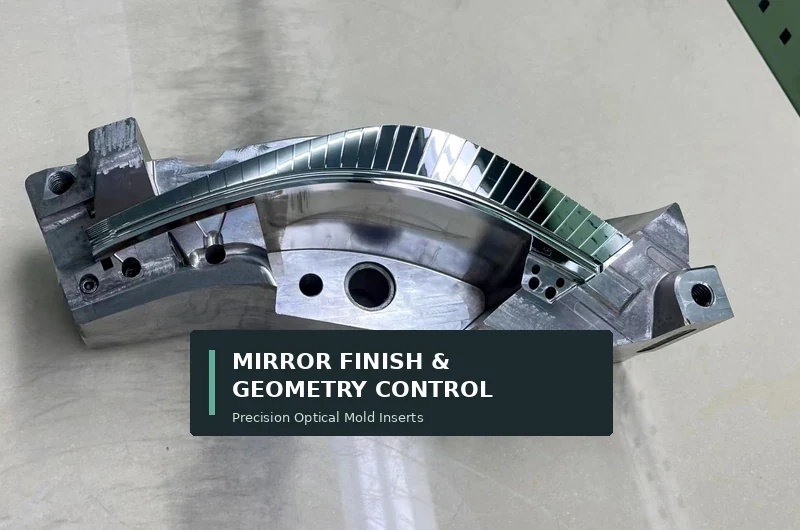
Mirror milling can influence more than surface finish. For precision optical mold inserts, the right machining strategy can reduce polishing time, protect critical geometry, and help control overall finishing costs.
How to Choose the Right Process for a Mirror Mold Insert
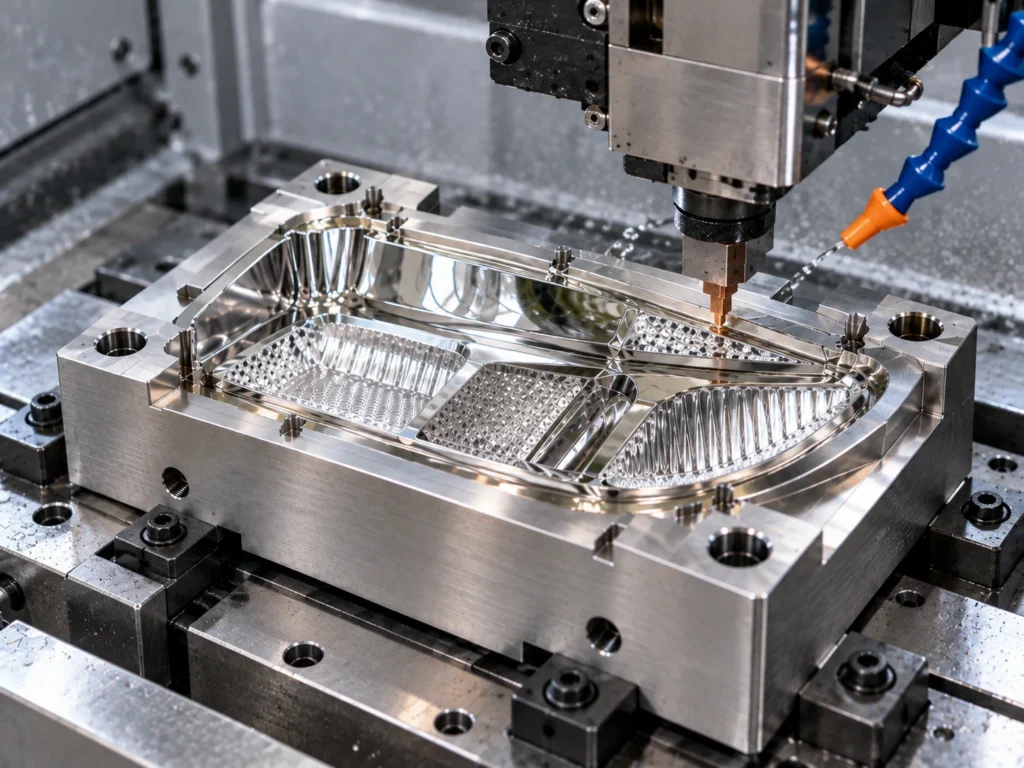
Choosing the right process is critical for mirror mold inserts. Explore how machining methods are selected based on geometry, surface finish and accuracy requirements.
Why Optical Mold Inserts Need Both Surface Finish and Form Accuracy
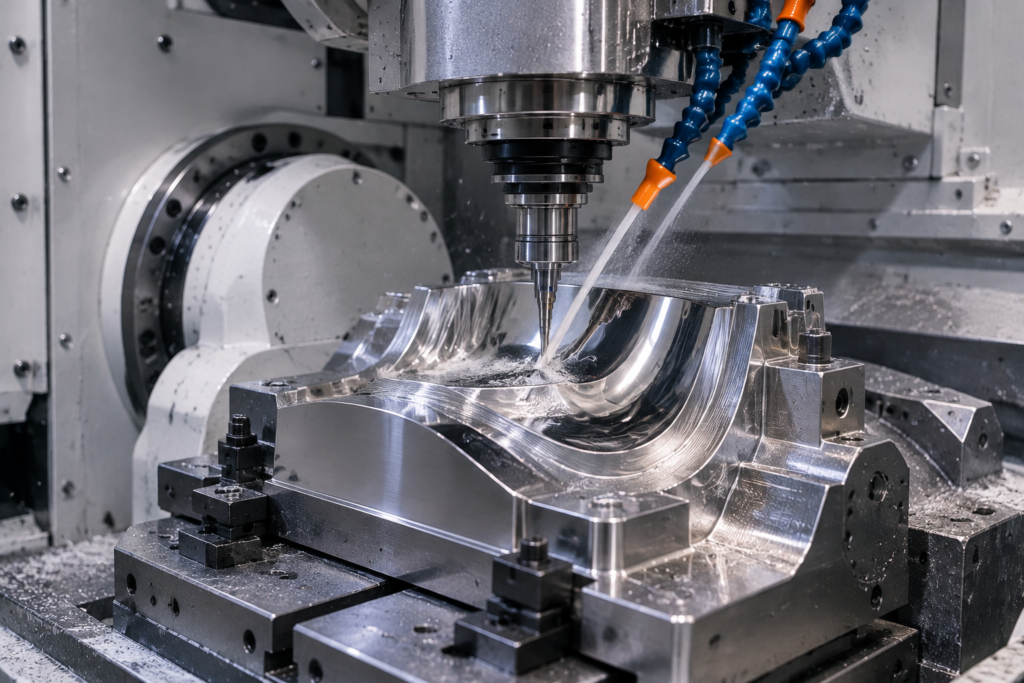
A mirror finish does not always mean a precise optical mold insert. Learn how surface finish and form accuracy work together for better results.
How to Control Surface Accuracy on Freeform Mold Inserts
A smooth mirror finish does not guarantee accurate freeform geometry. Explore how precision machining, controlled polishing and suitable inspection help protect critical optical mold insert surfaces.
Why Mirror Mold Inserts Lose Edge Definition During Polishing
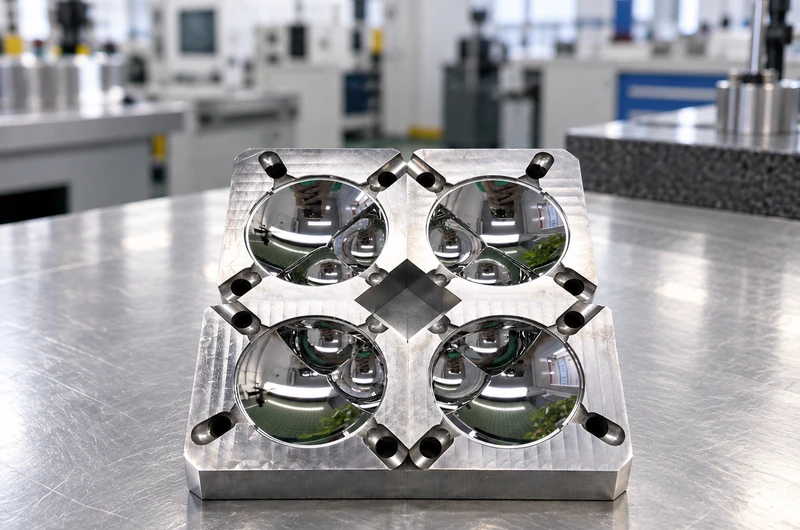
A mirror surface is not enough if the original geometry changes. This article explains why mirror mold inserts lose edge definition during polishing and how better process control protects precision features.
A Long Equipment List Doesn’t Mean an Ultra-Precision Machining Supplier Can Deliver Your Project
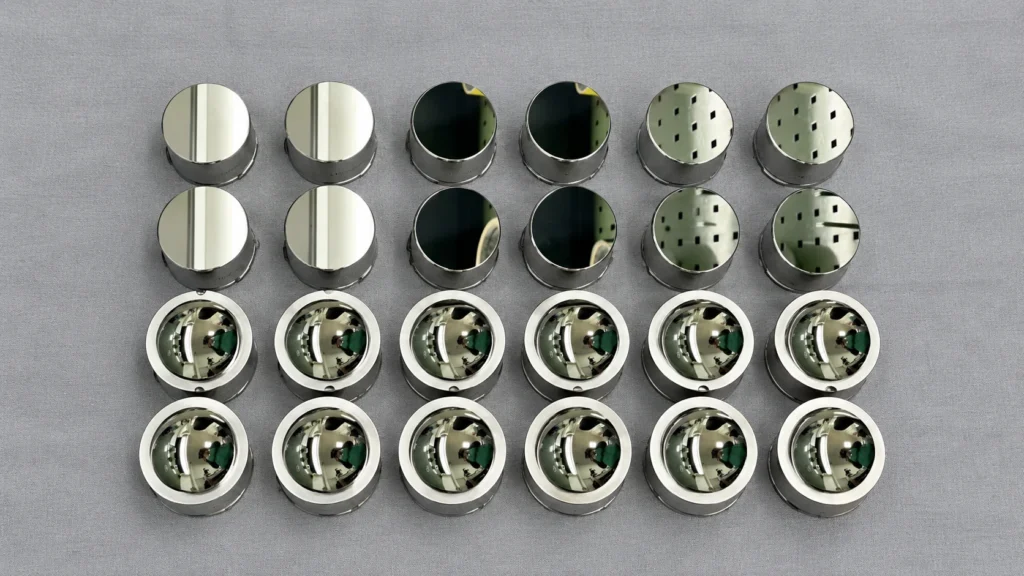
A long equipment list does not automatically mean an ultra-precision machining supplier can deliver a difficult optical or mirror-finished component. This article explains how buyers should evaluate engineering judgment, process suitability, inspection capability and repeatability before approving a supplier.