
How Surface Finish Affects Ultra Precision Machined Parts
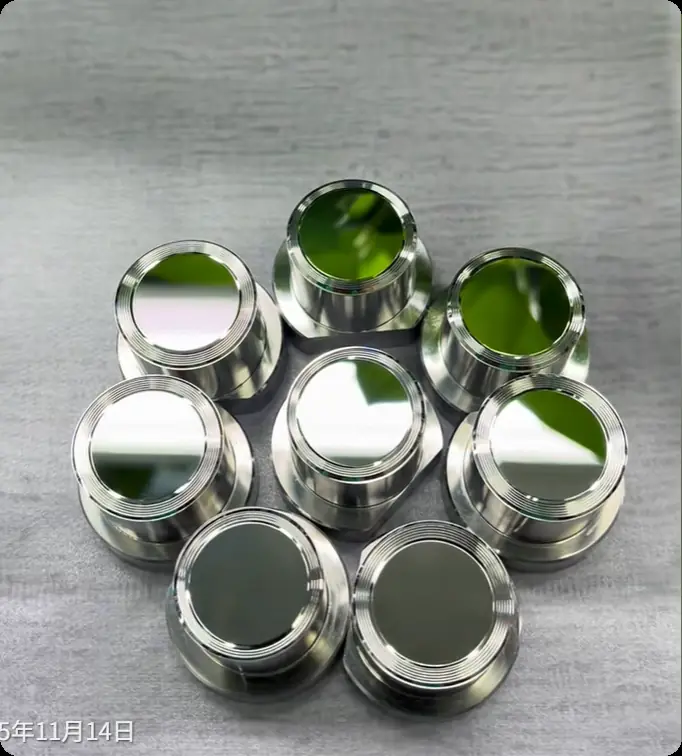
Surface finish decides how ultra precision machined parts seal, slide and perform optically. Learn how to specify Ra, process route and measurement.
Why Temperature Control Matters in Ultra Precision Machining
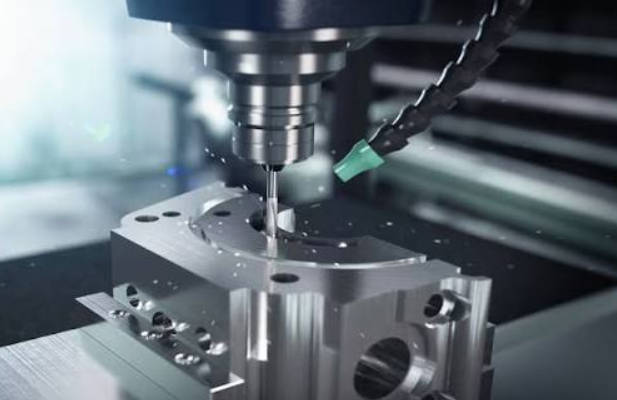
Learn why temperature control decides whether ultra precision machining holds ±0.5 μm tolerances and Ra 1 nm finishes, plus the thermal questions to ask suppliers.
How to Choose Between Lapping, Polishing and Ultra Precision Machining
Unsure whether to specify lapping, polishing or ultra precision machining? Compare surface finish, flatness and geometry to choose the right process for precision optical parts.
Custom Precision Optical Component Manufacturing: From Drawing to Finished Part
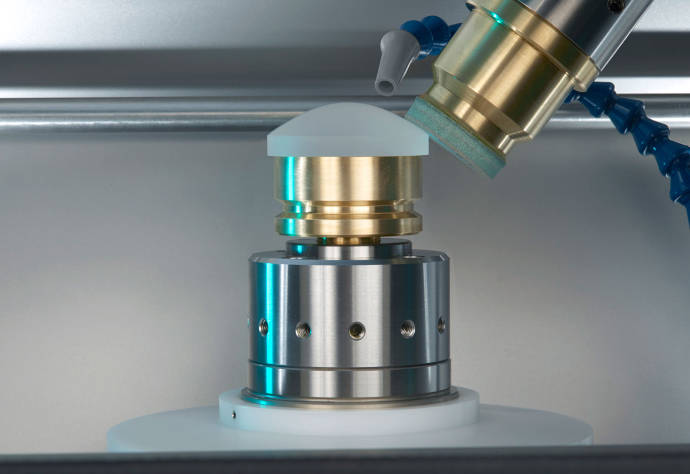
Learn how custom optical component manufacturing turns drawings into finished parts through precision machining, optical polishing, lapping, and QC.
Optical Polishing vs Lapping: What Is the Difference?
Optical polishing vs lapping: learn how each precision process works, the flatness and surface finish each achieves, and when to choose one for your part.
What Flatness Can Optical Lapping Achieve?
Optical lapping achieves flatness to 1 µm (±1 µm) at YISHUN; polishing extends it to 0.1 µm. Learn what affects achievable flatness and how to specify it in your RFQ.
Why Surface Roughness Matters in Optical Polishing
Surface roughness controls how light transmits, reflects, and scatters in optics. Learn Ra vs RMS, roughness targets by material, and how precision optical polishing achieves them.