Optical Polishing vs Lapping: What Is the Difference?
Optical polishing and lapping are both precision surface-finishing processes, but they are not the same operation. Lapping is primarily used to establish extreme flatness, parallelism, and dimensional accuracy by rubbing two surfaces together with an abrasive slurry between them. Polishing is typically the final step that creates a mirror-like, low-surface-roughness finish. In most precision optical programs, parts are lapped first to control geometry, then polished to refine the surface—so the two processes are complementary rather than competing.
Engineers frequently compare optical polishing vs lapping because supplier literature sometimes uses the terms loosely, and the correct choice has a direct effect on cost, lead time, and final performance. Mistaking one for the other can lead to over-specifying a mirror finish where only flatness matters, or under-specifying surface quality on an optical face.
What Each Process Actually Does
Before comparing tolerances, it helps to understand the role each process plays in a manufacturing sequence. Both remove material, but they target different outcomes and sit at different points in the workflow.
| Attribute | Optical Lapping | Optical Polishing |
|---|---|---|
| Primary goal | Flatness, parallelism, geometry | Surface finish, clarity, gloss |
| Typical mechanism | Two surfaces rub with loose abrasive | Soft pad or buff with fine abrasive |
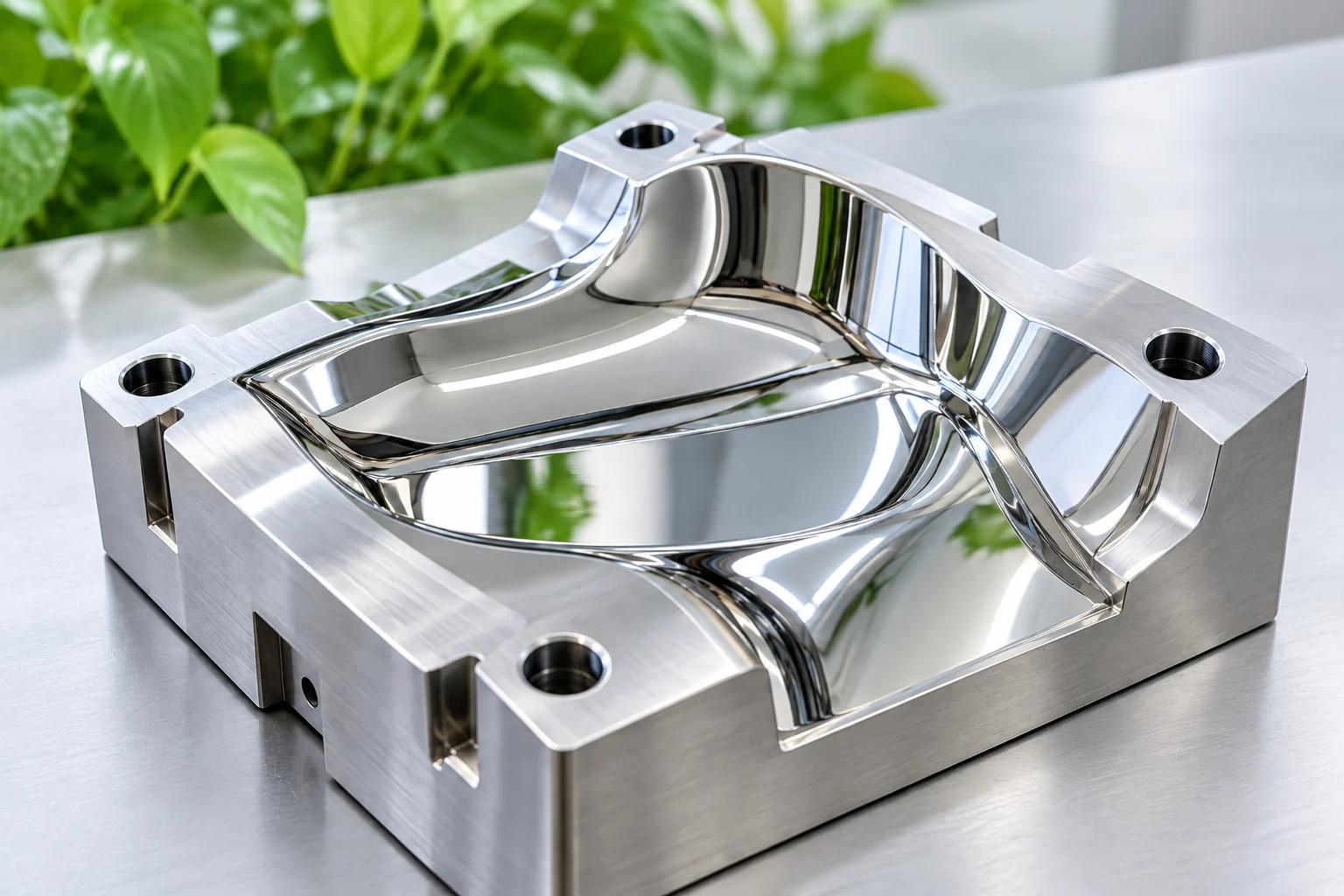
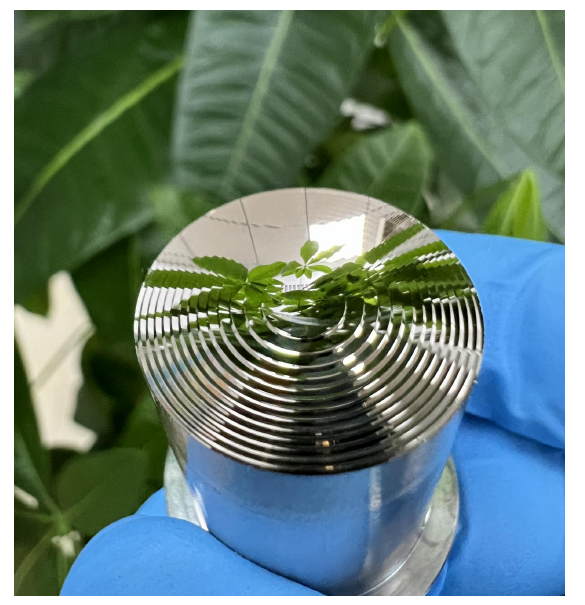
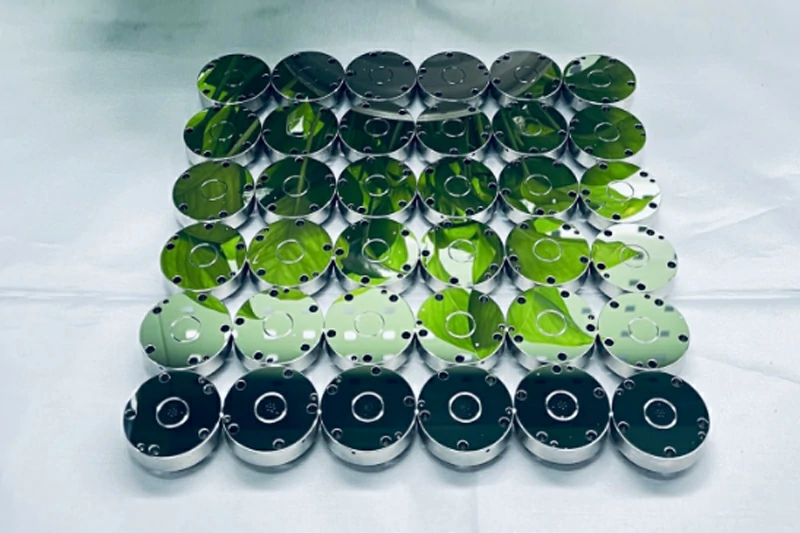
| Surface result | Matte ‘pear skin’ or frosted look | Mirror-like reflective finish |
| Flatness control | Strong (to about 1 µm) | Fine (to about 0.1 µm after lapping) |
| Surface roughness | Improved, but not the main target | Very low (down to Ra 1 nm) |
| Position in workflow | Mid-stage geometry step | Final finishing step |
For procurement teams, the practical question is rarely ‘which is better’ and more often ‘which does my drawing actually require.’ A specification that calls for a mirror surface but tolerates moderate flatness may only need polishing, while a reference flat or sealing face with relaxed appearance requirements may only need lapping. Mapping the requirement to the correct process prevents paying for a finish you do not need.
How Optical Lapping Works
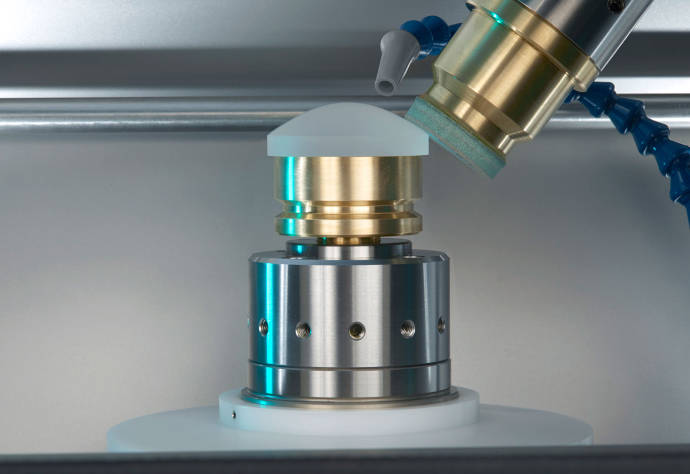
Lapping uses a charged lap—usually a cast iron, ceramic, or glass plate—and a loose abrasive slurry such as aluminum oxide, silicon carbide, or diamond trapped between the lap and the workpiece. As the parts and lap move against each other, the abrasive cuts both surfaces toward a common plane.
Lapping Mechanics and Abrasives
Because the abrasive is loose rather than bonded, lapping generates little heat and applies even, low-pressure cutting across the entire contact face. This is what makes it effective for controlling flatness and parallelism on brittle or hard materials such as sapphire, quartz, silicon carbide, optical glass, and hardened tool steels. Grain size, lap material, and pressure are selected based on the target flatness and the material being processed.
What Lapping Achieves
A dedicated optical lapping process is valued for geometry, not shine. Typical outcomes include flatness on the order of 1 µm, dimensional tolerance around ±1 µm in many setups, and a characteristic ‘pear skin’ or frosted surface. That matte finish is expected—and often required—before polishing begins, because it gives polishing a consistent, uniform starting surface.
How Optical Polishing Works
Polishing refines the lapped or machined surface using a softer working medium—often a polyurethane or pitch lap, a felt or cotton buff, or a controlled robotic head—combined with increasingly fine abrasive suspensions. The goal shifts from geometry to surface quality.
Polishing Mechanics and Media
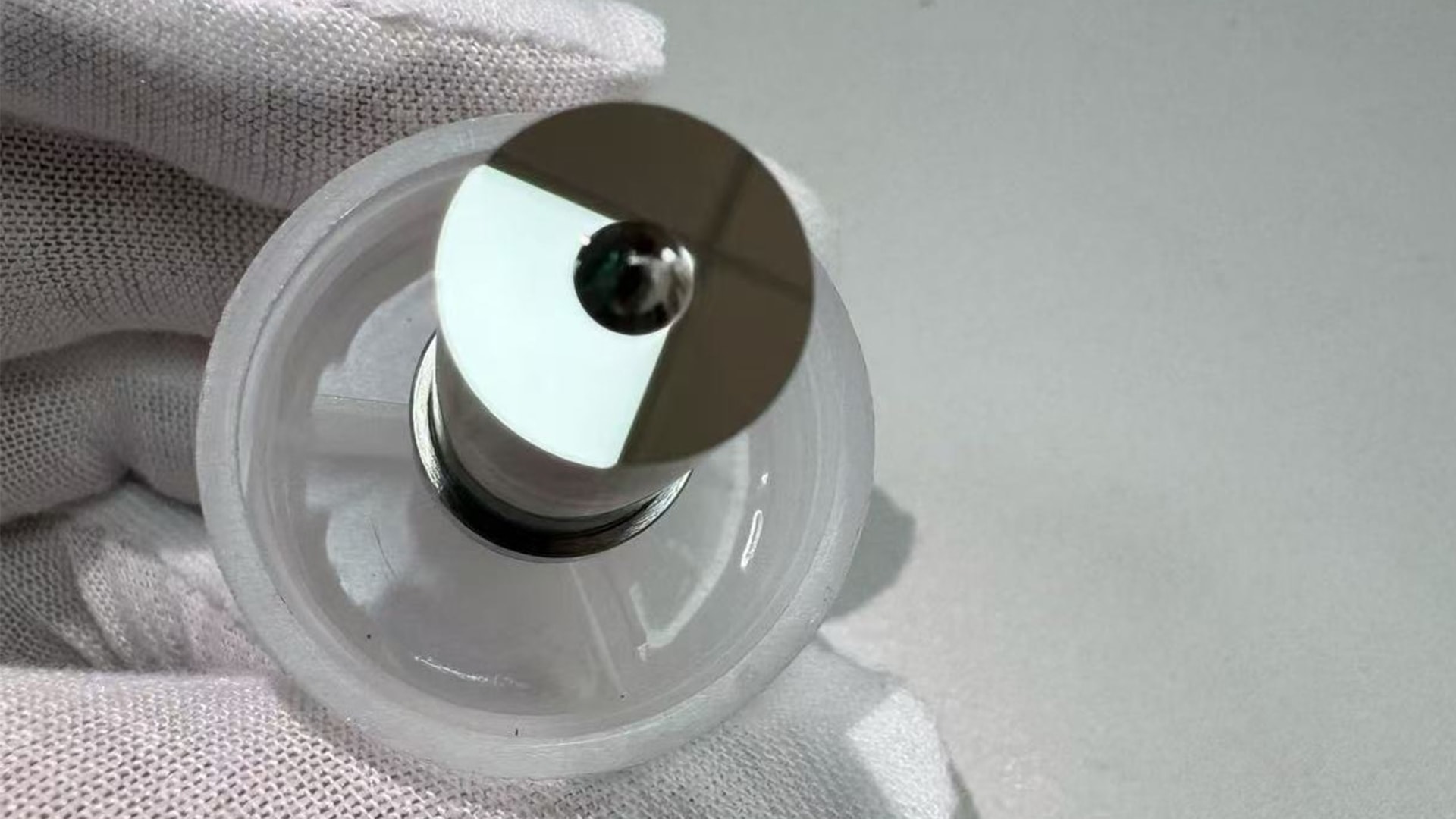
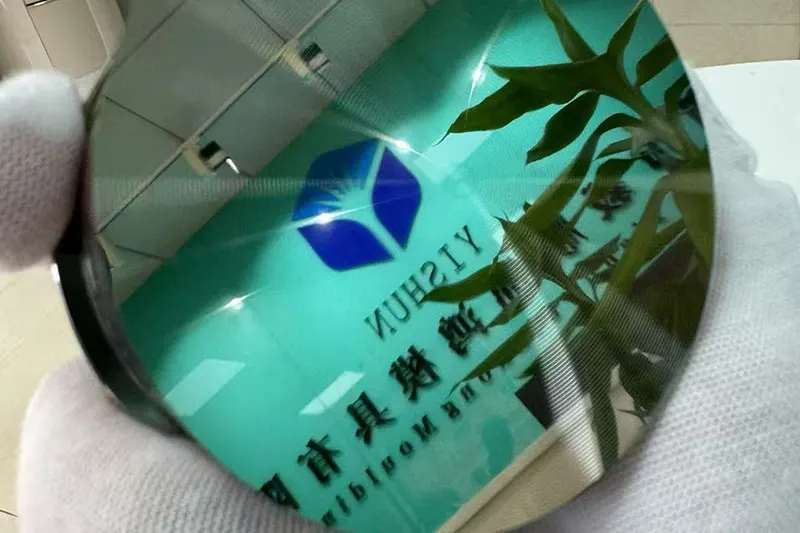
Where lapping uses rigid laps and loose grit, polishing uses compliant media that conform to the surface. This conformity is what produces a mirror-like finish with very low surface roughness—in advanced optical programs, surface roughness can be brought down to approximately Ra 1 nm. Polishing is therefore the step that determines how light interacts with the finished surface: transmission, reflection, and scatter all depend on it.
What Polishing Achieves
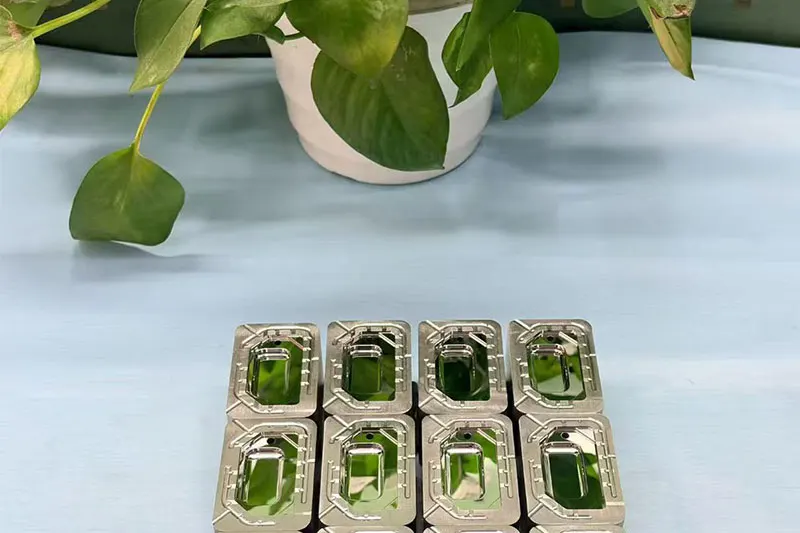
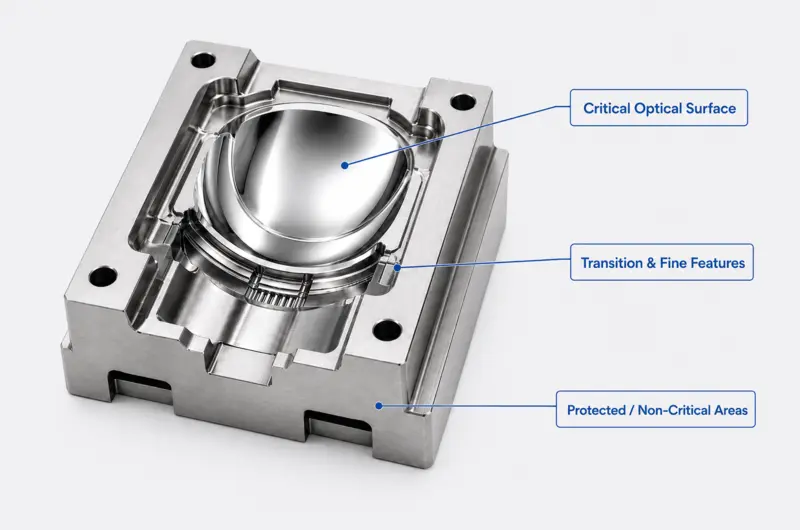
Beyond appearance, polishing affects function. For optical windows, lenses, mirrors, and mold inserts, a refined surface reduces scattering, improves dimensional stability, and supports the tight flatness (around 0.1 µm in capable programs) and tolerances (around ±0.5 µm) that downstream assembly demands.
Optical Polishing vs Lapping: Side-by-Side Comparison
The table below summarizes how a dedicated optical polishing and lapping provider typically positions the two processes. The figures reflect representative capabilities rather than a universal standard, and exact values depend on material, part size, and specification.
| Consideration | Lapping | Polishing |
|---|---|---|
| Best for | Flatness, parallelism, stock-removal control | Mirror finish, low Ra, optical clarity |
| Typical flatness | About 1 µm | About 0.1 µm after lapping |
| Typical tolerance | About ±1 µm | About ±0.5 µm |
| Surface roughness | Reduced, matte | Down to Ra 1 nm |
| Surface appearance | ‘Pear skin’ or frosted | Mirror-like |
| Stage in production | Geometry establishment | Final finishing |
Providers such as YISHUN Optical’s precision optical polishing and lapping services routinely run both steps in sequence, because few high-precision optical parts reach spec on geometry alone or on surface finish alone.
When to Choose Lapping, Polishing, or Both
The right choice depends on what the part must do, not on which process sounds more advanced.
Choose Lapping When…
- You need tight flatness or parallelism across a sealing or reference face.
- The part is hard, brittle, or heat-sensitive and cannot tolerate high cutting temperatures.
- You are establishing geometry before a final finishing step.
- Stock removal must be controlled and uniform across the whole surface.
Choose Polishing When…
- The specification calls for a mirror finish, low scatter, or specific optical transmission or reflection.
- Surface roughness (Ra) is a controlled parameter on the drawing.
- The part is already geometrically correct and only needs surface refinement.
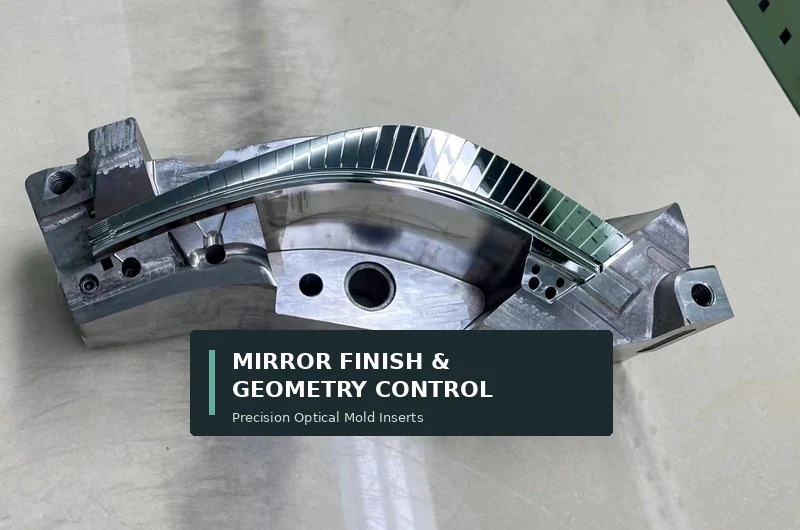
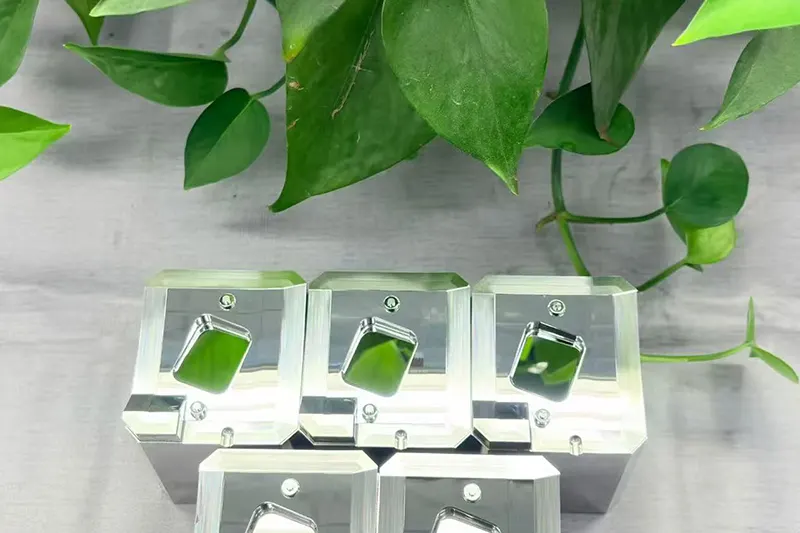
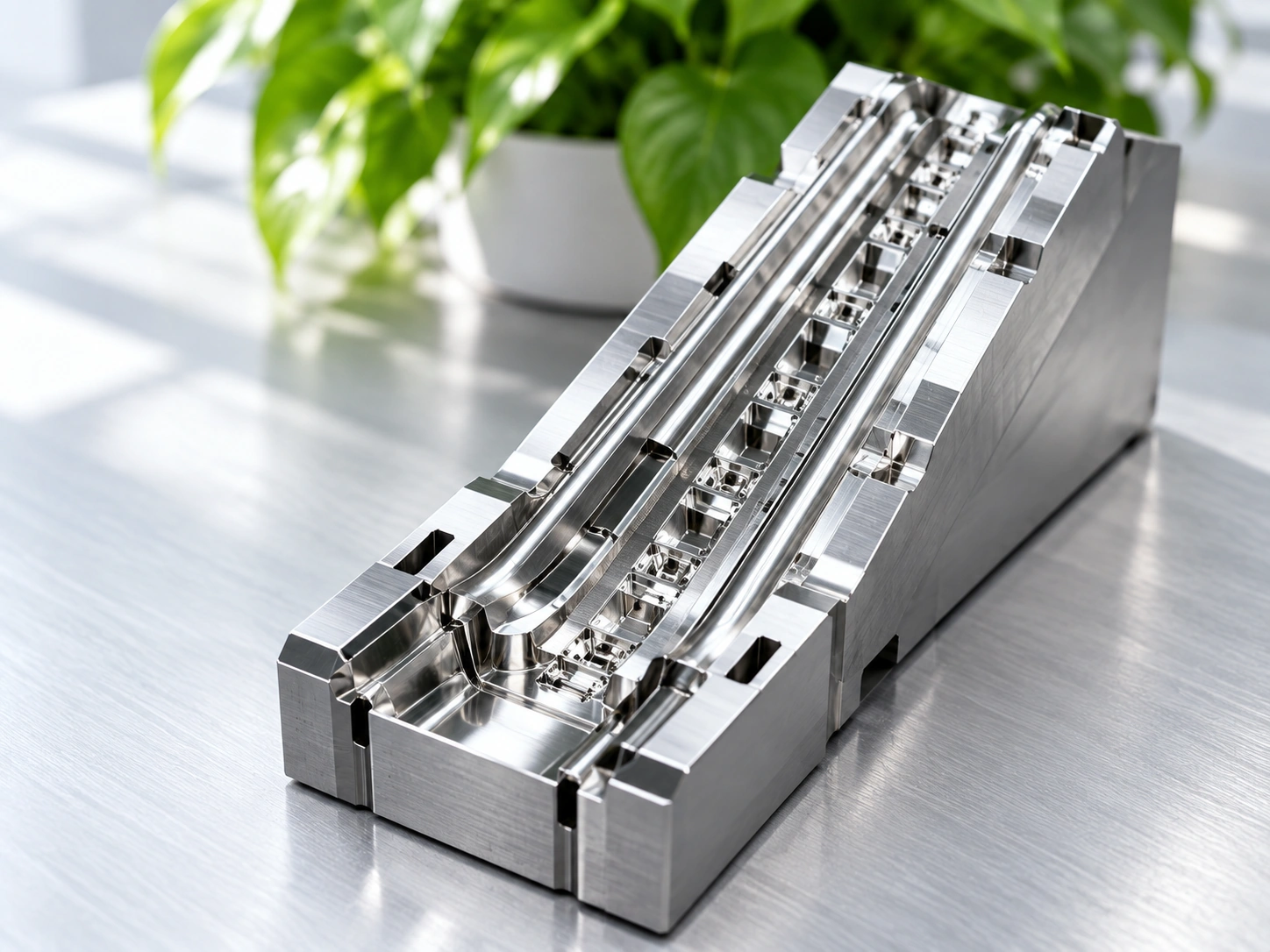
- You are finishing mold inserts, optical windows, lenses, or mirrors.
Use Both When…
- The drawing requires both tight flatness and a mirror surface—common for optical mirrors, laser components, and high-gloss mold inserts.
- You need repeatable quality across prototype and production volumes.
Common Misconceptions About Lapping and Polishing
Several assumptions cause parts to be specified or quoted incorrectly. Clarifying them early avoids scrap and rework.
- Lapping and polishing are the same operation. They use different tools, media, and pressures, and target different outcomes—geometry versus surface quality.
- Polishing always removes more material. In practice lapping is often the heavier stock-removal and geometry step, while polishing is a light final refinement.
- A mirror finish means the part is also flat. Appearance and geometry are independent; a shiny part can still be out of flatness.
- Any shop with a polisher can do optical work. Optical-grade results depend on process control, metrology, and material knowledge, not just equipment.
Materials, Tolerances, and Quality Considerations for Buyers
Process selection also depends on the material. A capable optical lapping and polishing partner should handle a broad range: stainless steel, superalloys, copper, titanium, tungsten, and other hard alloys, as well as optical glass, sapphire, quartz, silicon carbide, PEEK, PMMA, and similar plastics. Each material responds differently to abrasive type, pressure, and cycle time, so material specification belongs in the request for quote.
Hard crystals such as sapphire and silicon carbide respond differently than metals: they are brittle and heat-sensitive, which is exactly why loose-abrasive lapping is favored before polishing. Plastics such as PMMA and PEEK require different pressures and media to avoid deformation or subsurface damage. A supplier that asks about your material up front—rather than quoting from a generic description—is more likely to deliver a part that meets spec.
Quality control matters as much as the process itself. Look for documented metrology, controlled environments, and a quality system aligned with ISO-standard requirements, plus the ability to report measured flatness, surface roughness, and dimensional results against your drawing. Verifiable measurement is what turns a polished part into a part you can qualify for production.
How to Specify Your Requirements to a Service Provider
To receive an accurate quote and the right process route, share the following with your supplier:
- Material type and hardness.
- Required flatness, parallelism, and dimensional tolerance.
- Target surface roughness (Ra or Rz) and any appearance requirement (mirror, ‘pear skin’, and so on).
- Part geometry, size, and quantity (prototype versus production).
- Intended application (optics, laser, semiconductor, medical, automotive, and others).
- Any referenced standard or internal specification.
Giving your supplier a complete technical package upfront reduces iteration, rework, and lead time, and helps confirm whether lapping, polishing, or both are required.
Why Work With a Dedicated Optical Polishing and Lapping Partner
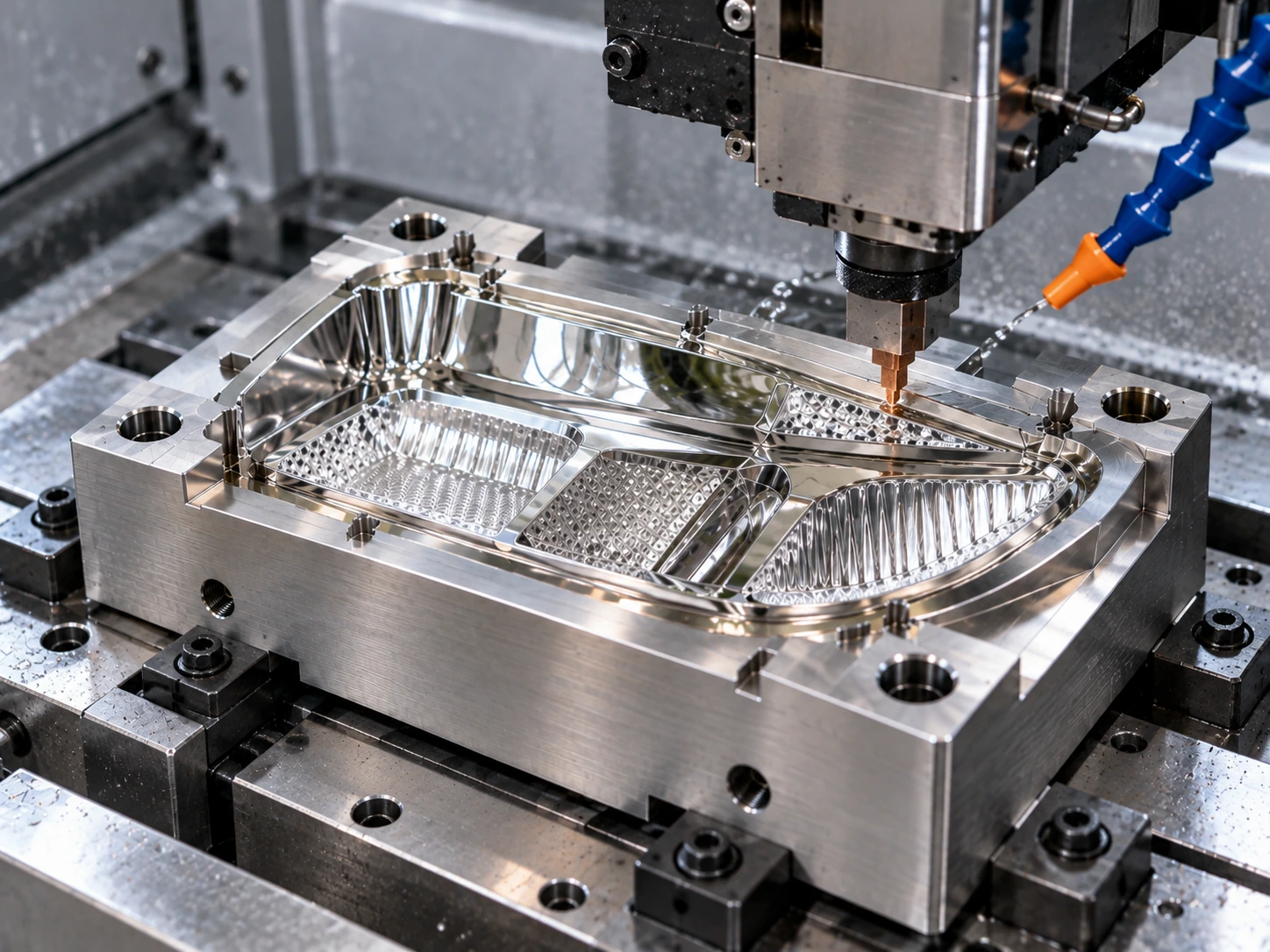
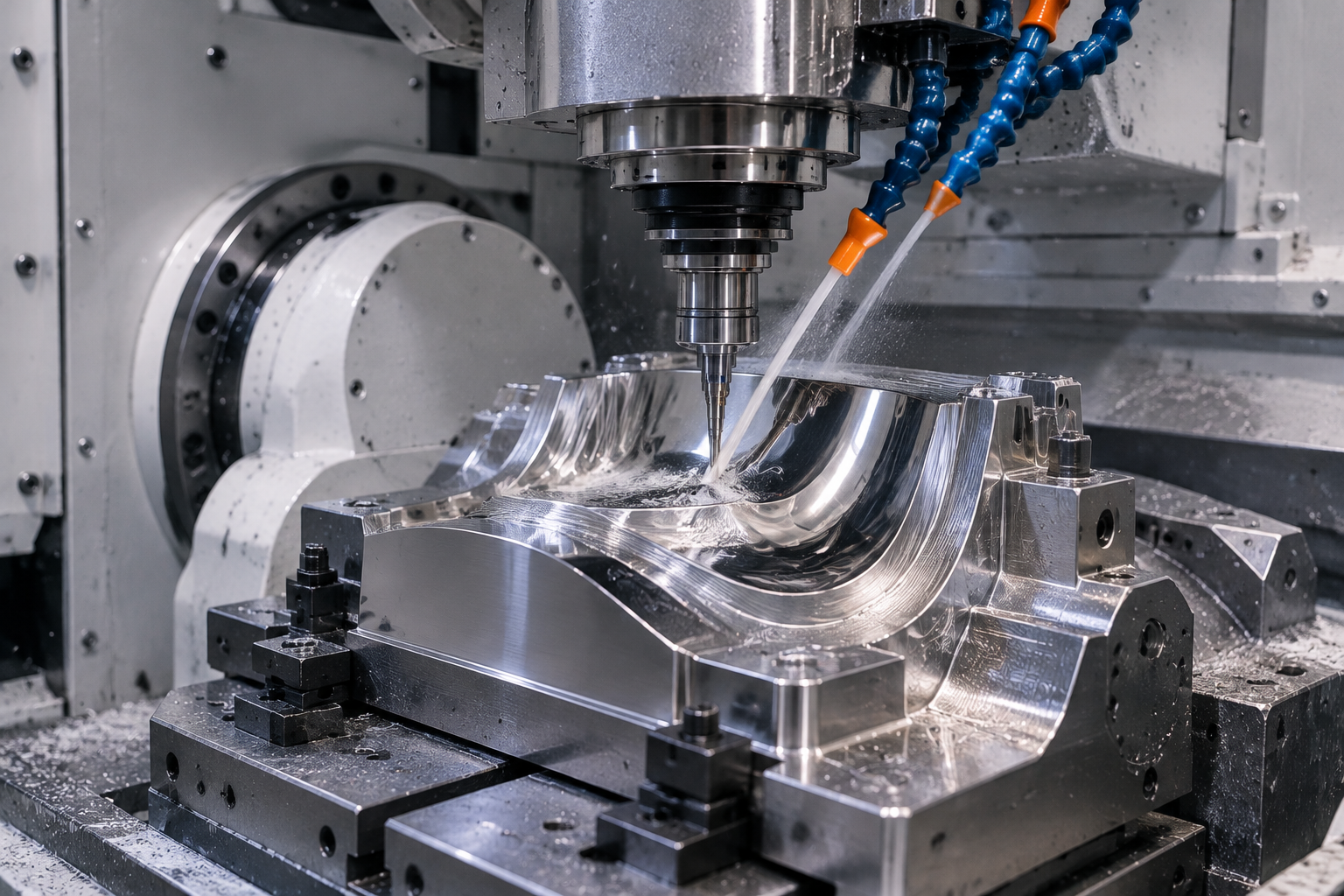
Choosing a specialist matters because lapping and polishing are process-intensive disciplines where small parameter changes shift the result. An experienced provider brings not only equipment—such as multi-axis polishing and grinding systems and controlled-environment finishing—but also the engineering judgment to decide whether your part needs lapping, polishing, or both. YISHUN Optical’s ultra-precision machining services have focused on optical polishing and lapping since 2005, with lapping capabilities developed from 2007, supporting requirements across optics, laser, semiconductor, medical, automotive, and new-energy applications.
Frequently Asked Questions
Is lapping better than polishing?
Neither is universally better. Lapping is the stronger choice for flatness, parallelism, and geometry; polishing is the stronger choice for surface finish and optical clarity. Most precision optical parts use both in sequence. The decision should follow the drawing, not a preference for one process name.
Can lapping produce a mirror finish?
Usually not. Lapping typically leaves a matte ‘pear skin’ or frosted surface. A mirror finish is achieved through polishing, which is why the two are commonly paired.
What surface roughness can optical polishing achieve?
In capable programs, optical polishing can reduce surface roughness to approximately Ra 1 nm, though the achievable value depends on material, geometry, and the preceding process route. Always confirm the achievable value for your specific material and geometry with the supplier, since published figures describe capable programs rather than a universal result for every material.
Which process controls flatness better?
Lapping is the stronger choice for establishing flatness and parallelism (commonly around 1 µm), while polishing refines an already-controlled surface and is often applied after lapping to reach finer levels.
Do I need both lapping and polishing for my optical part?
If your drawing calls for both tight geometry and a mirror or low-scatter surface, you will likely need both. If only surface finish matters and geometry is already correct, polishing alone may be sufficient.
How do I tell a supplier which process my part needs?
Share your material, required flatness and tolerance, target Ra, appearance, and application. A qualified supplier will recommend the route—lapping, polishing, or both—based on those parameters.
Conclusion
Optical polishing and lapping solve different problems: lapping establishes geometry, polishing perfects the surface. Understanding the difference helps you specify the right process, avoid unnecessary cost, and receive parts that meet both form and finish requirements. If you are evaluating a component for production, request a quote for optical polishing and lapping with your drawing and target specifications so the correct process route can be confirmed.