
Mirror Polishing Solutions for Premium Home Appliance Panels
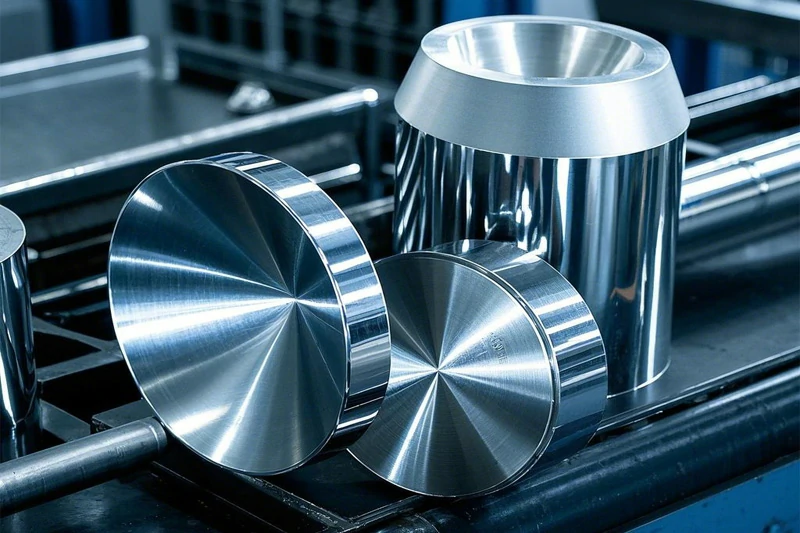
Discover how Yishun Optical’s precision mold polishing and five-axis mirror machining deliver Ra≤0.005μm surface finishes for premium refrigerator, AC, and washing machine panels. Learn why leading appliance brands trust our Shenzhen mold polishing expertise.
High-Precision Reflective Mirror Machining Techniques for Optical Systems
.png)
Explore ultra-precision mirror machining for optical systems. Learn how SPDT, precision mold polishing and optical mold machining deliver mirrors at Ra≤0.005μm.
Aspherical Optical Lens Mold Core Customization – Ultra-Precision Machining Solutions
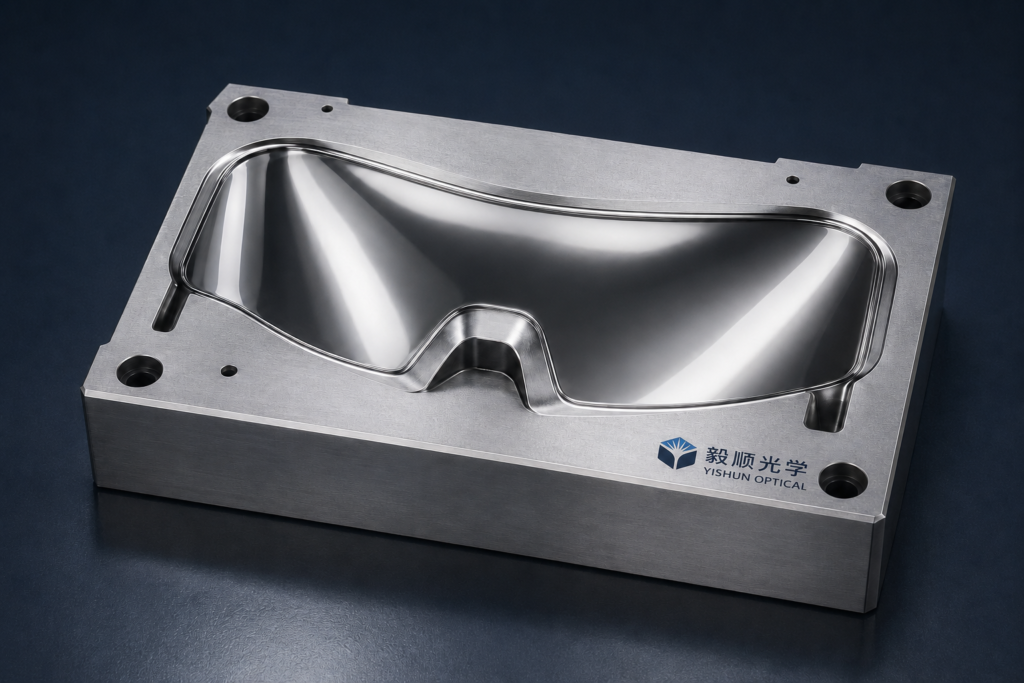
Yishun Optical provides ultra-precision optical mold core customization for aspherical lenses, achieving Ra≤0.005μm via five-axis mirror machining solutions.
High-Gloss Interior Panel Mold Polishing Solutions for Automotive Manufacturing
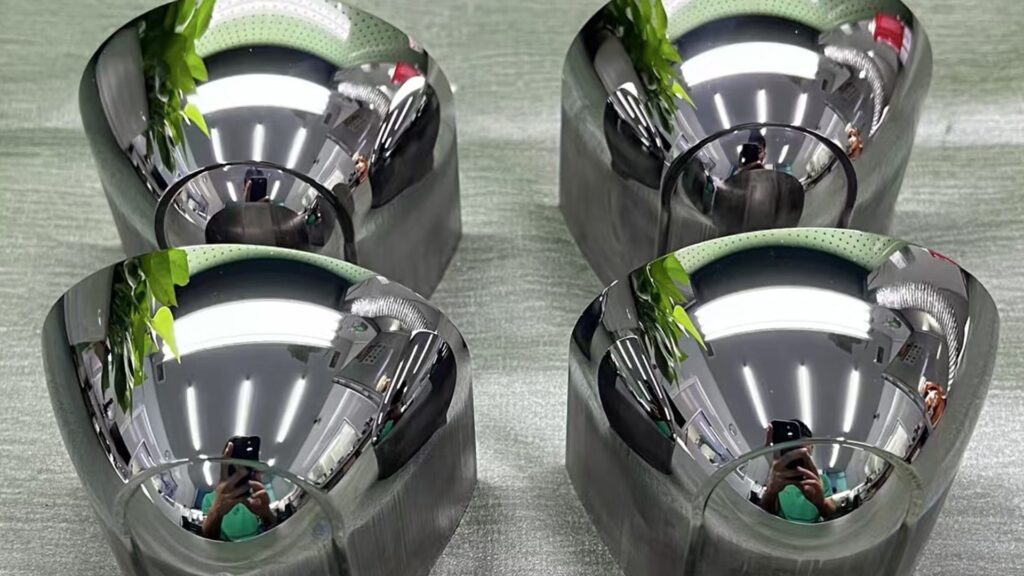
Precision mold polishing and five-axis mirror machining for automotive high-gloss interior panels. Yishun Optical delivers SPI A0 mold mirror polishing.
Ultra-Precision LED Headlight Lens Mold Manufacturing: How Yishun Optical Delivers Mirror-Grade Optical Molds for the Automotive Industry
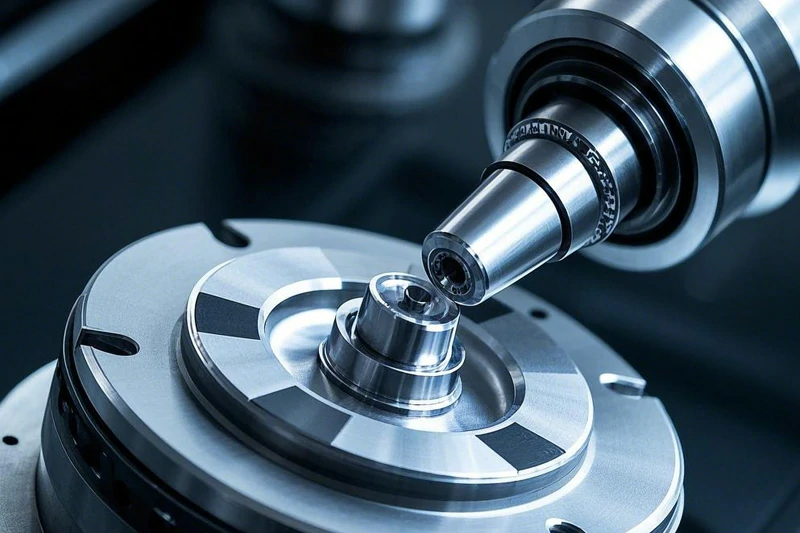
Discover how Yishun Optical uses ultra-precision mirror machining and optical mold core customization to manufacture LED headlight lens molds with Ra≤0.005μm surface finish for leading automotive brands.
Five-Axis Mirror Machining for Titanium Smartphone Housings: Achieving Ra≤0.005μm Surface Quality
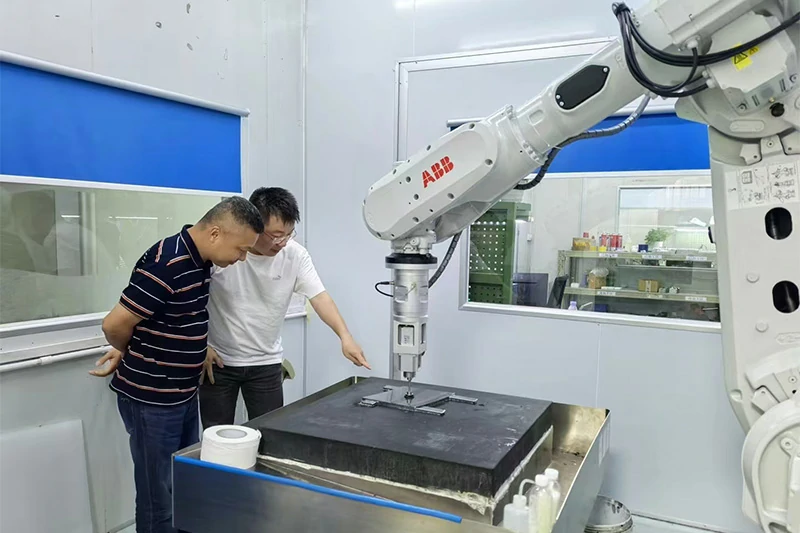
Yishun Optical delivers five-axis mirror machining for titanium smartphone housings at Ra≤0.005μm, with nanometer accuracy and Apple Gold Supplier quality.
Optical Surface Quality Explained: Scratch-Dig, Roughness and Flatness
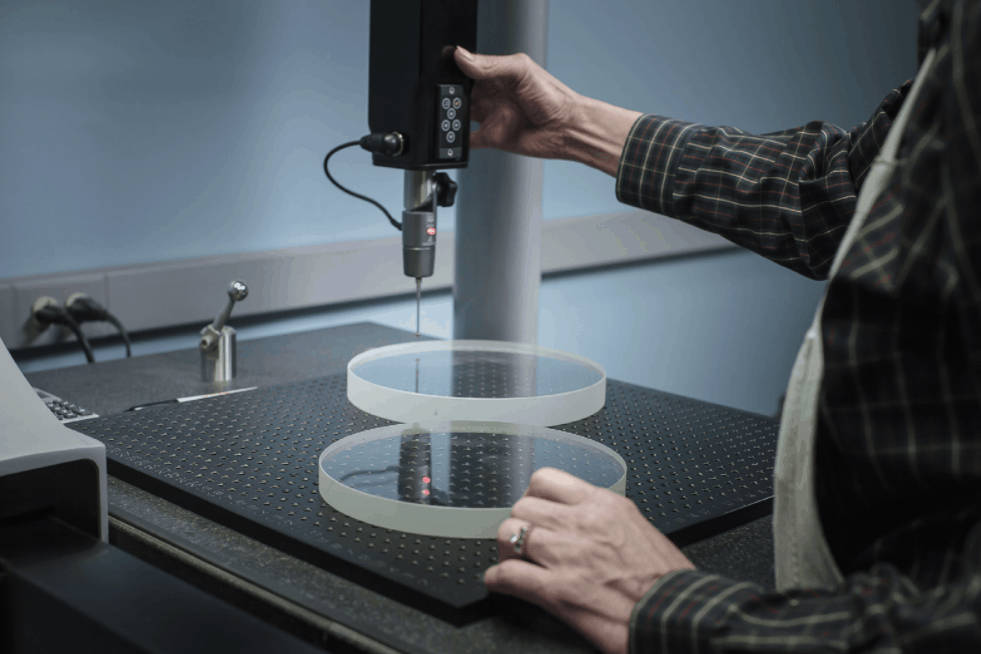
Optical surface quality is not defined by a single numb […]
Robotic Polishing Automation for Optical Molds: When and How to Upgrade from Manual Finishing
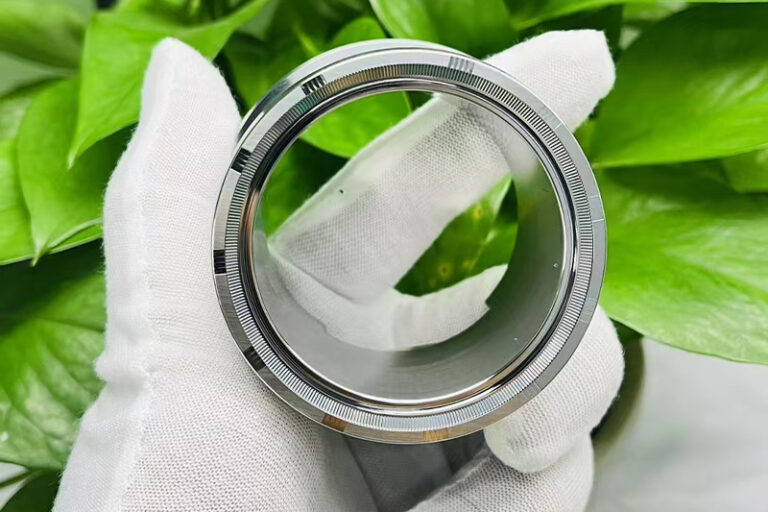
Robotic polishing automation delivers ±0.001mm repeatability and eliminates quality variability inherent in manual finishing, making it essential for high-volume optical mold production.
Outsourcing vs In-House Optical Mold Polishing: A Total Cost of Ownership Analysis
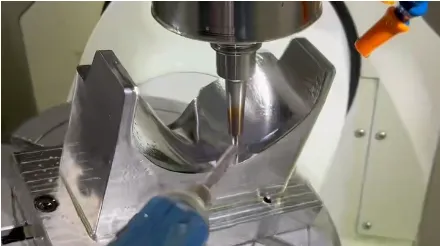
Making build-versus-buy decisions for optical mold polishing requires comprehensive cost analysis beyond unit prices. A slightly higher unit price from a reliable, high-quality supplier often results in lower total cost when factoring in reduced quality issues, fewer delivery problems, and lower qualification burden.