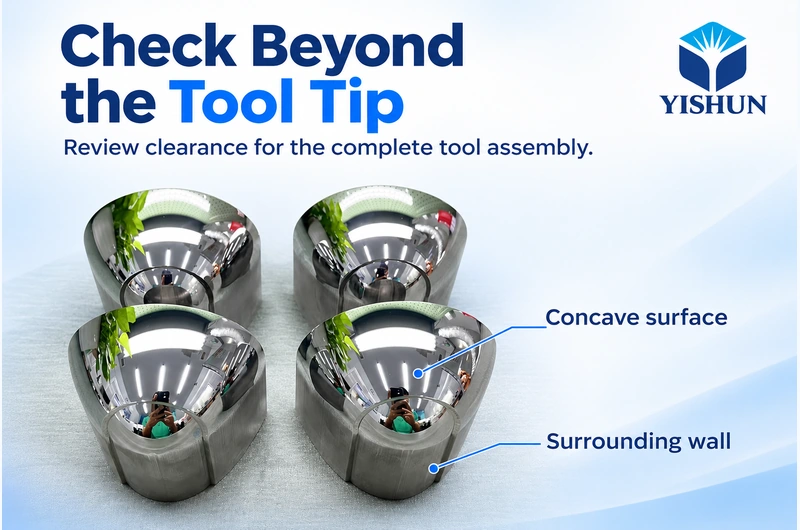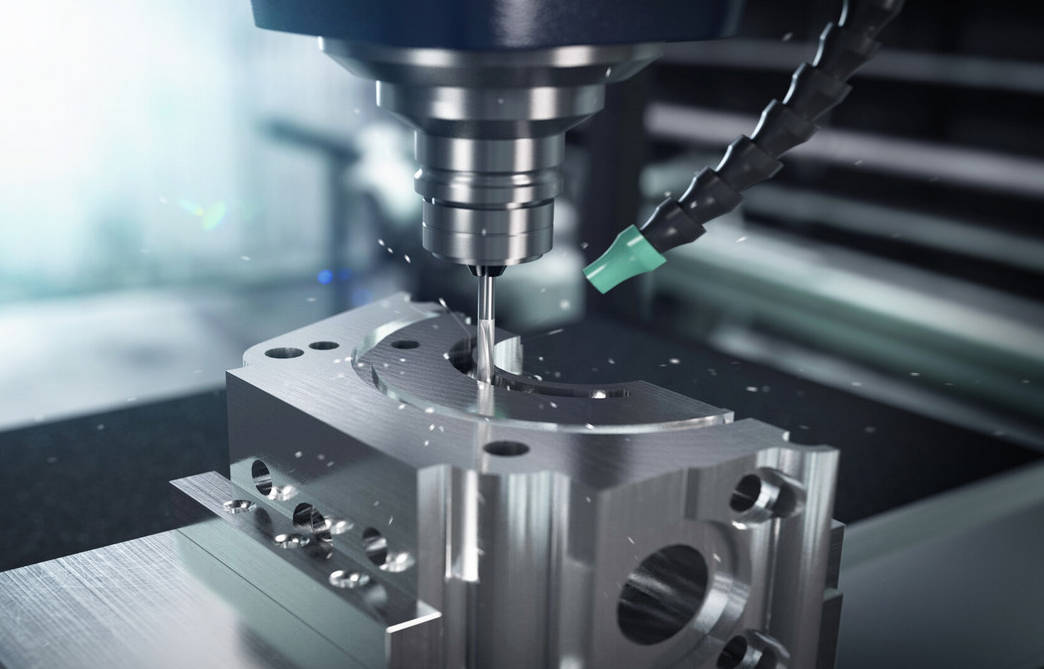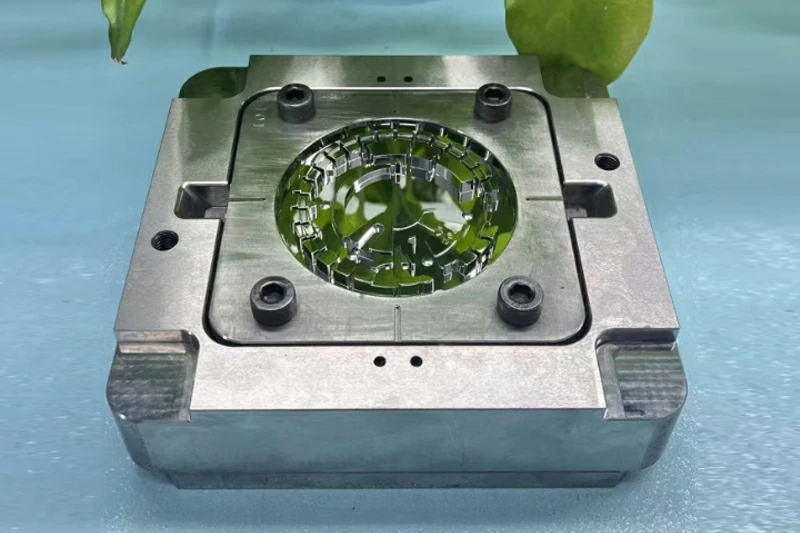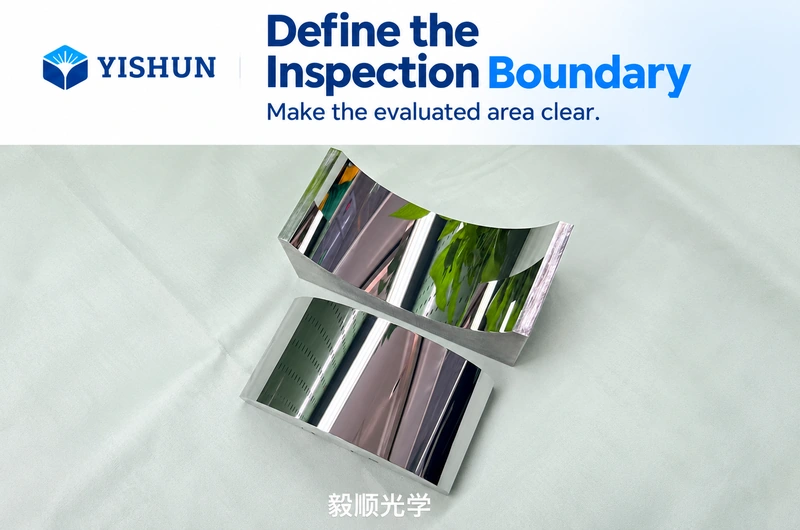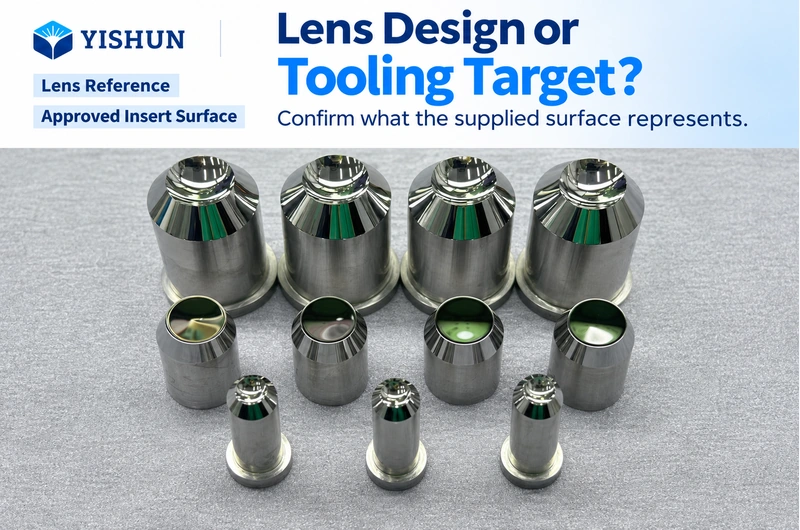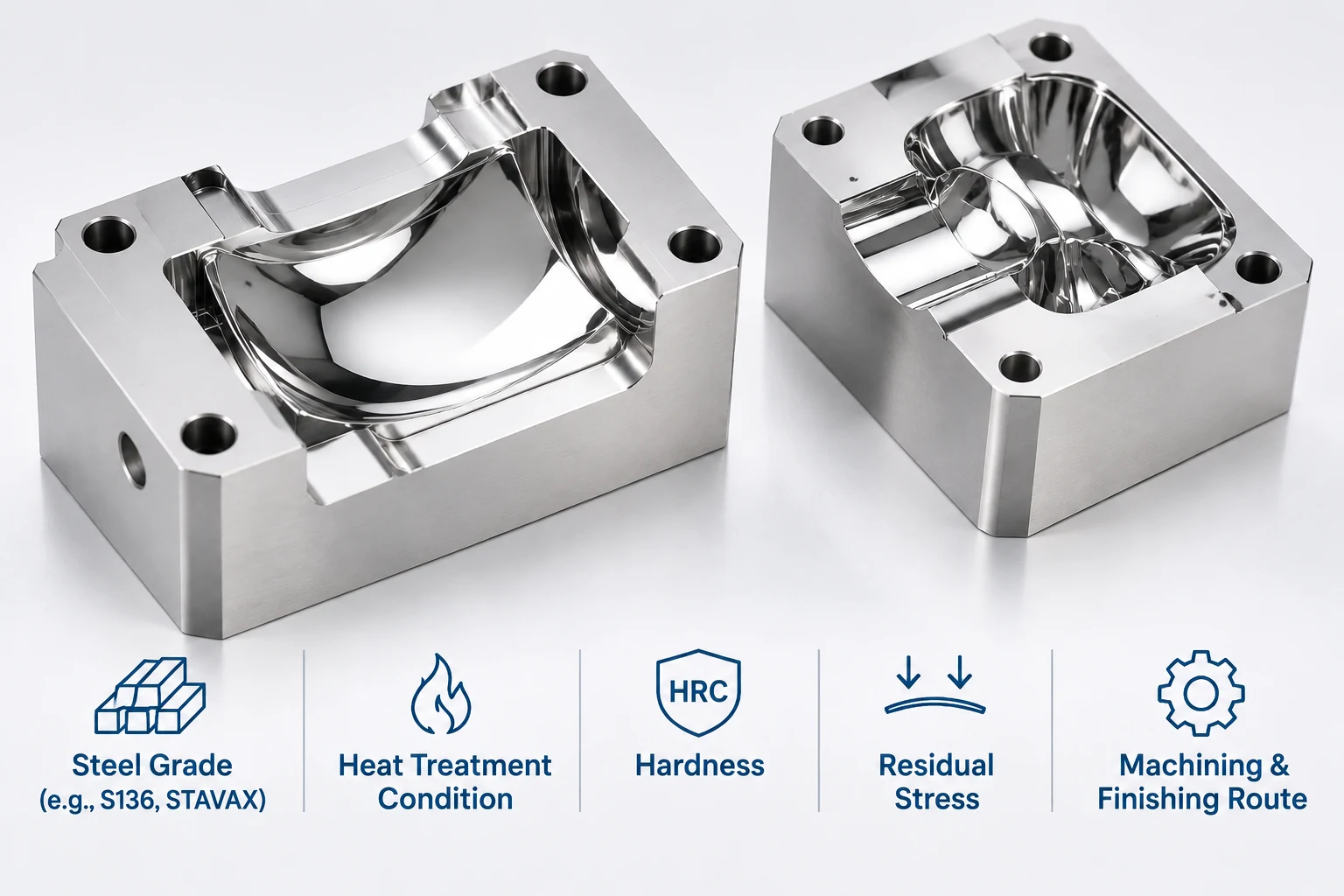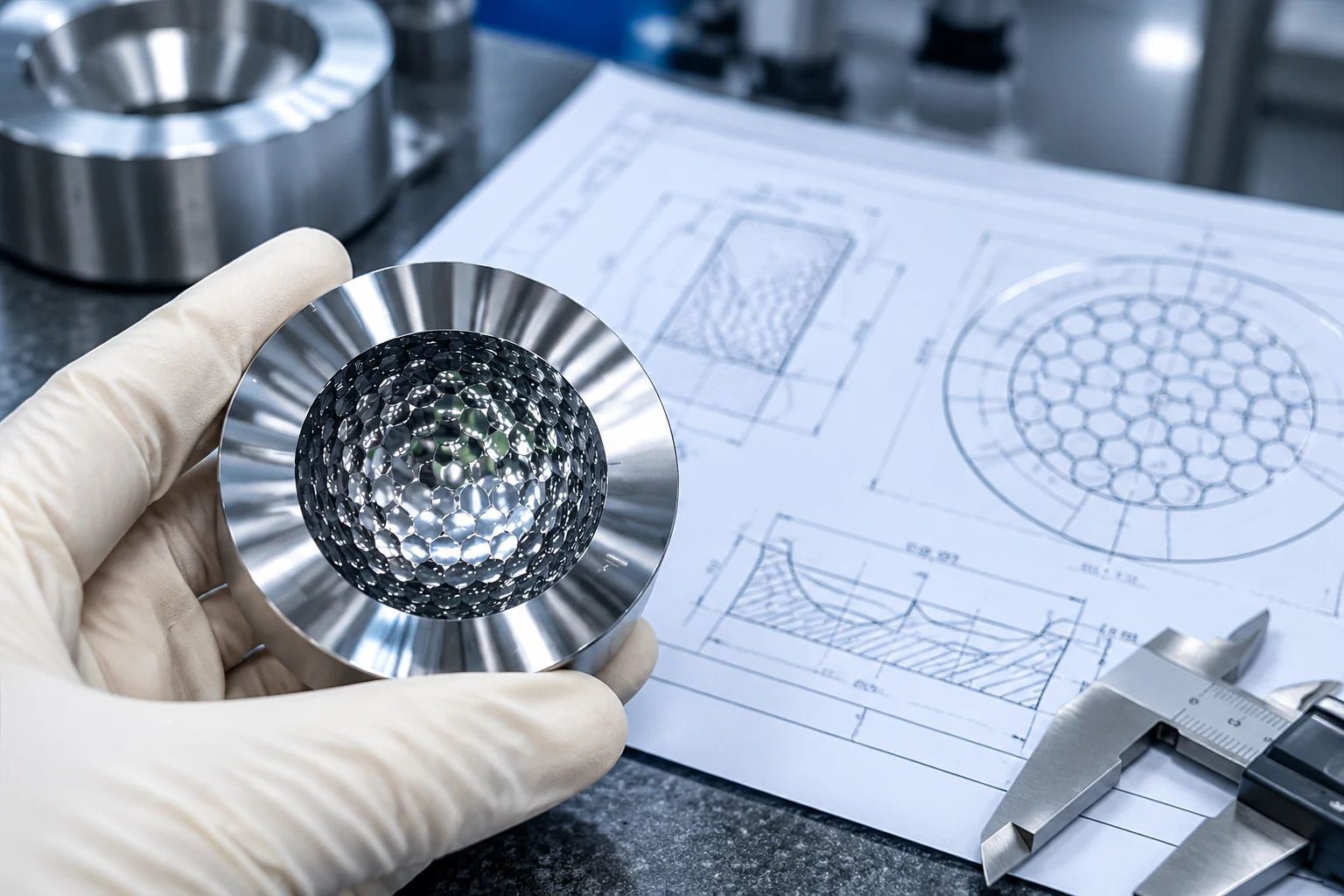
A mold insert needs a precision working surface, several holes and a narrow slot. The drawing defines the finished geometry, but the manufacturing sequence remains open.
Machining the holes first may interrupt the later diamond cut. Machining them afterward means another operation must take place near a finished surface.
Neither sequence is automatically safer. The decision depends on where the features intersect, how the component is supported and what the remaining operations could change.
Before releasing the route, identify which risk each proposed sequence creates—and how it will be controlled.
Start With the Intersection
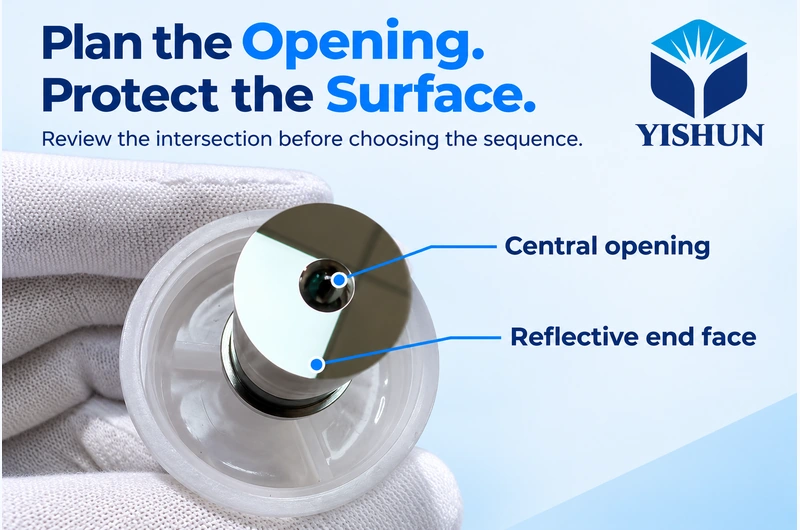
The presence of a hole does not necessarily mean the diamond tool will cross it.
A rear mounting hole, a side passage and an opening through the working face create different conditions. Review the actual relationship between each feature and the planned finishing path.
Check whether the hole or slot breaks through the surface being cut, approaches a thin section or remains outside the tool’s travel.
Also distinguish an interruption in the functional area from one in surrounding material. Their acceptance implications may differ, even when both affect the cutting operation.
Use sectional views where the relationship is unclear. A top view alone may hide the feature that determines the sequence.
Understand What Changes When Features Come First
If a hole or slot intersects the finishing path, the cutting edge may repeatedly leave and re-enter the material.
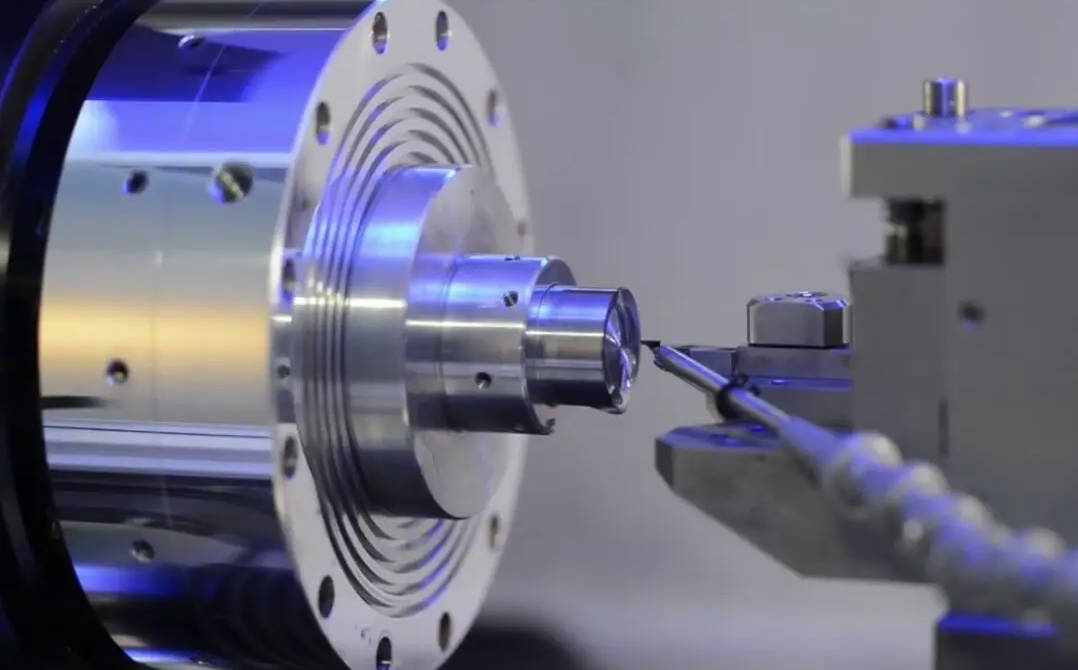
For single-point diamond turning, that transition deserves specific review. Its significance depends on the material, opening geometry, cutting conditions and required surface result.
Do not reduce the assessment to whether the machine can complete the motion. Consider the condition at the opening boundary and whether any resulting surface disturbance would enter the functional region.
Features made first may also change component stiffness or remove a surface previously intended for support.
The relevant question is whether the insert remains suitable for the planned finishing operation after those features exist.
Recognize the Exposure When Features Come Later
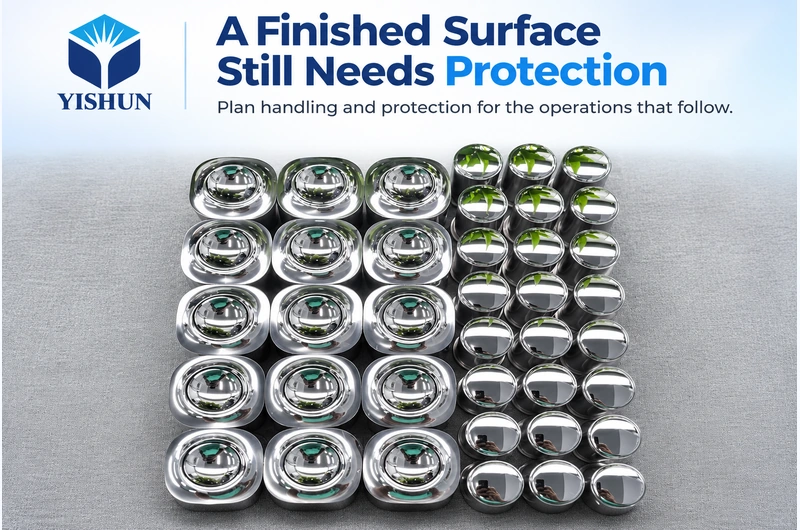
Completing the mirror surface first avoids crossing an opening that has not yet been machined. However, it transfers other risks to the later operation.
The finished face may be exposed to chips, coolant, handling and additional fixturing. A tool breaking through into that face may also leave an edge condition requiring attention.
Determine how the insert will be held without damaging the finished area. Confirm where chips can travel and whether cleaning can remove contamination without introducing marks.
A protective cover or masking method may help in some situations, but it must suit the material and geometry. Do not assume adhesive contact, coating removal or wiping is harmless.
Protection must cover the complete operation, including loading and unloading.
Plan the Exit Edge Before Making the Opening
The feature entrance is often easy to see and reach. Its exit may be on the finished working surface or inside an inaccessible passage.
Review both ends before choosing the sequence.
If an edge requires deburring, chamfering or blending, establish how that work will be performed and whether the necessary tool can reach it. A drawing note requiring a burr-free edge does not itself provide a workable manufacturing method.
Avoid leaving an undefined hand-finishing step beside a critical surface. Removing a burr can also change a nearby radius or boundary.
Where the design permits an edge treatment, specify it clearly rather than allowing an operator to invent one after breakthrough.
Review Support After Material Is Removed
A component that is stable as a solid blank may behave differently after a slot or deep hole is added.
Consider the remaining wall sections and the support available during each operation. A feature may weaken a clamping region or make the part more sensitive to the chosen holding method.
This matters whichever operation comes first. Early feature machining can affect the later finish cut; late feature machining can change a component whose surface has already been accepted.
The process review should therefore consider the final geometry as well as the intermediate conditions.
Do not assume that a successful surface result before the last operation proves the finished insert will remain acceptable.
Use an Intermediate Sequence When It Has a Clear Purpose
Some projects may benefit from roughing a feature before surface finishing and completing it afterward.
That option still needs a defined reason. Leaving a wall intact may preserve a continuous cut, but the final breakthrough remains an operation that needs control.
Similarly, leaving stock for a later finish cut only helps if the remaining geometry, access and allowance support that plan.
Record which features are complete at each stage, what material remains and which surfaces are protected. Avoid workshop shorthand such as “leave a little for later.”
A split sequence is useful when it resolves a specific conflict, not simply because it adds another stage.
Verify After the Last Influential Operation
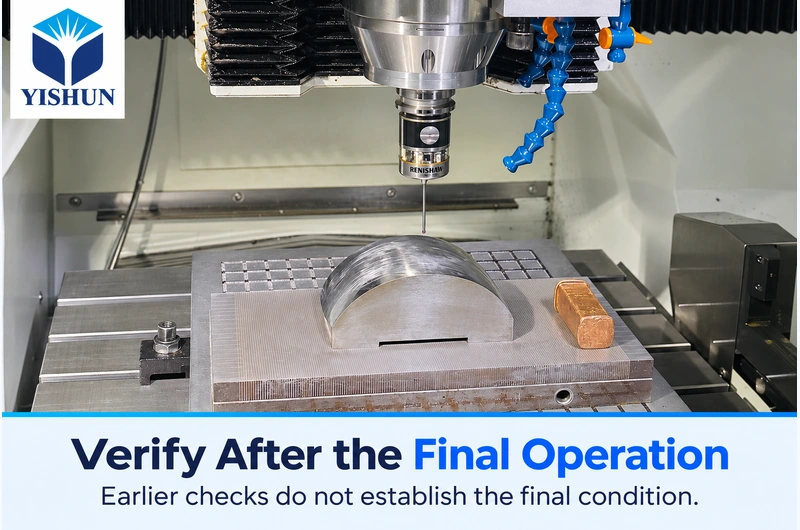
Inspection timing should follow the risks created by the route.
If later hole or slot machining could affect surface condition, dimensions or form, include the relevant checks afterward. An earlier report establishes the condition at that stage, not necessarily the condition at delivery.
The final review should also address opening boundaries, edge treatment and cleanliness where these are part of acceptance.
For a new route, an agreed intermediate check may help identify which operation introduced a change. Keep its purpose clear so it supports a decision rather than merely adding inspection activity.
Provide the Information Needed to Choose
YISHUN Optical supports custom mirror-finish mold inserts and ultra-precision component machining.
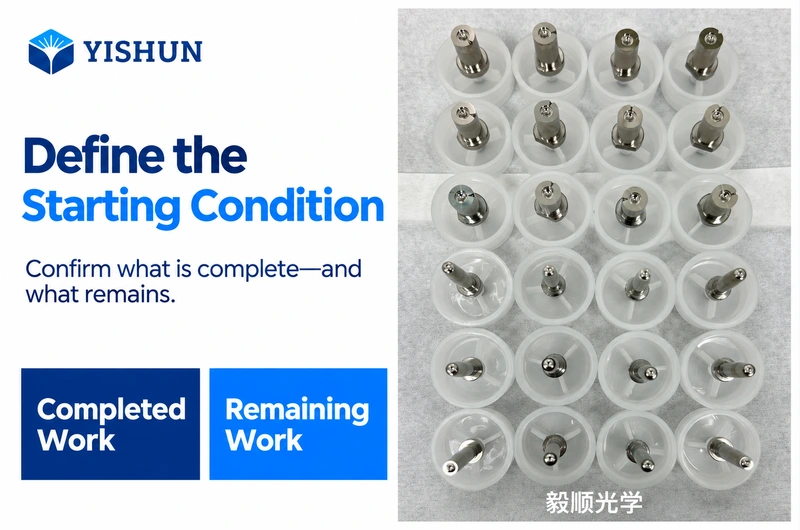
To review the sequence, provide the drawing, section views, material details and surface requirements. Identify which openings intersect the working face, any restricted edge treatments and whether the insert is supplied partly machined.
The objective is a route in which cutting continuity, feature completion and finished-surface protection have all been considered before work begins.