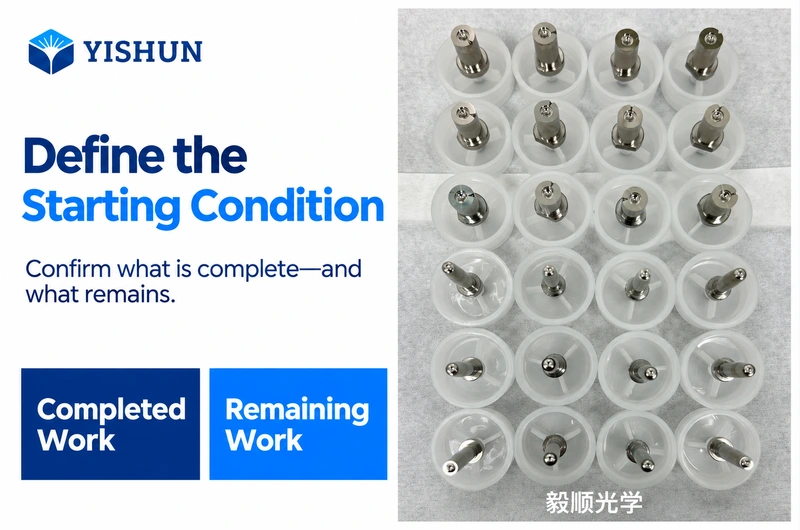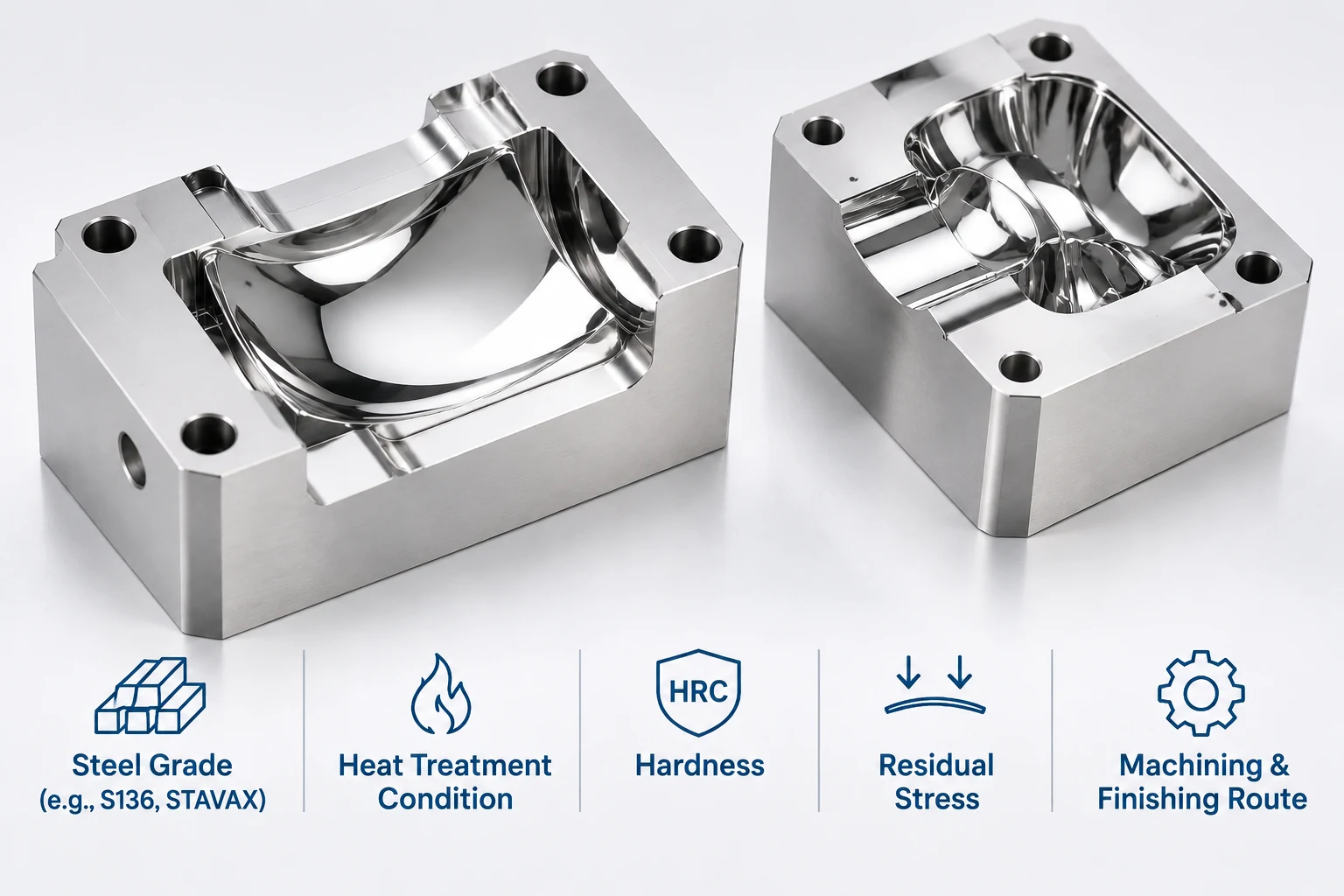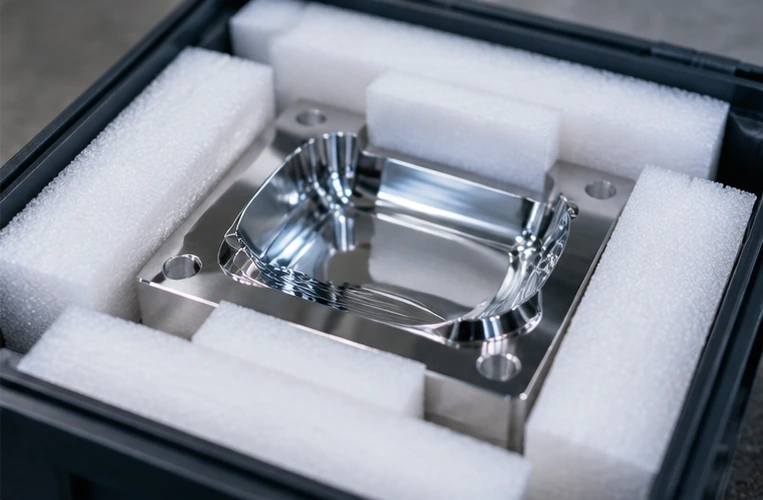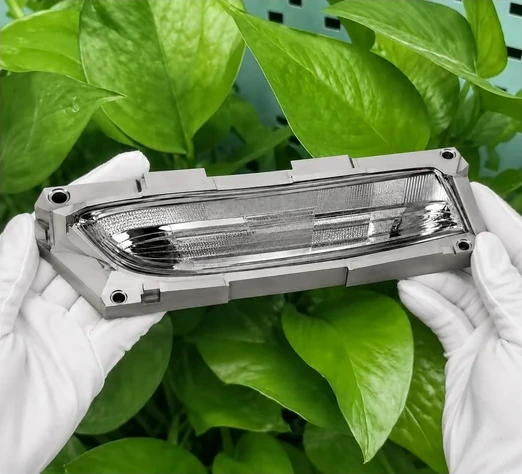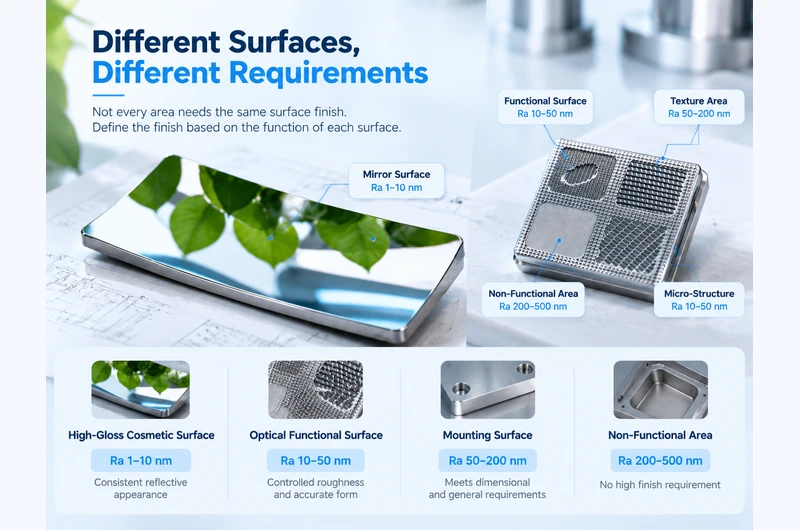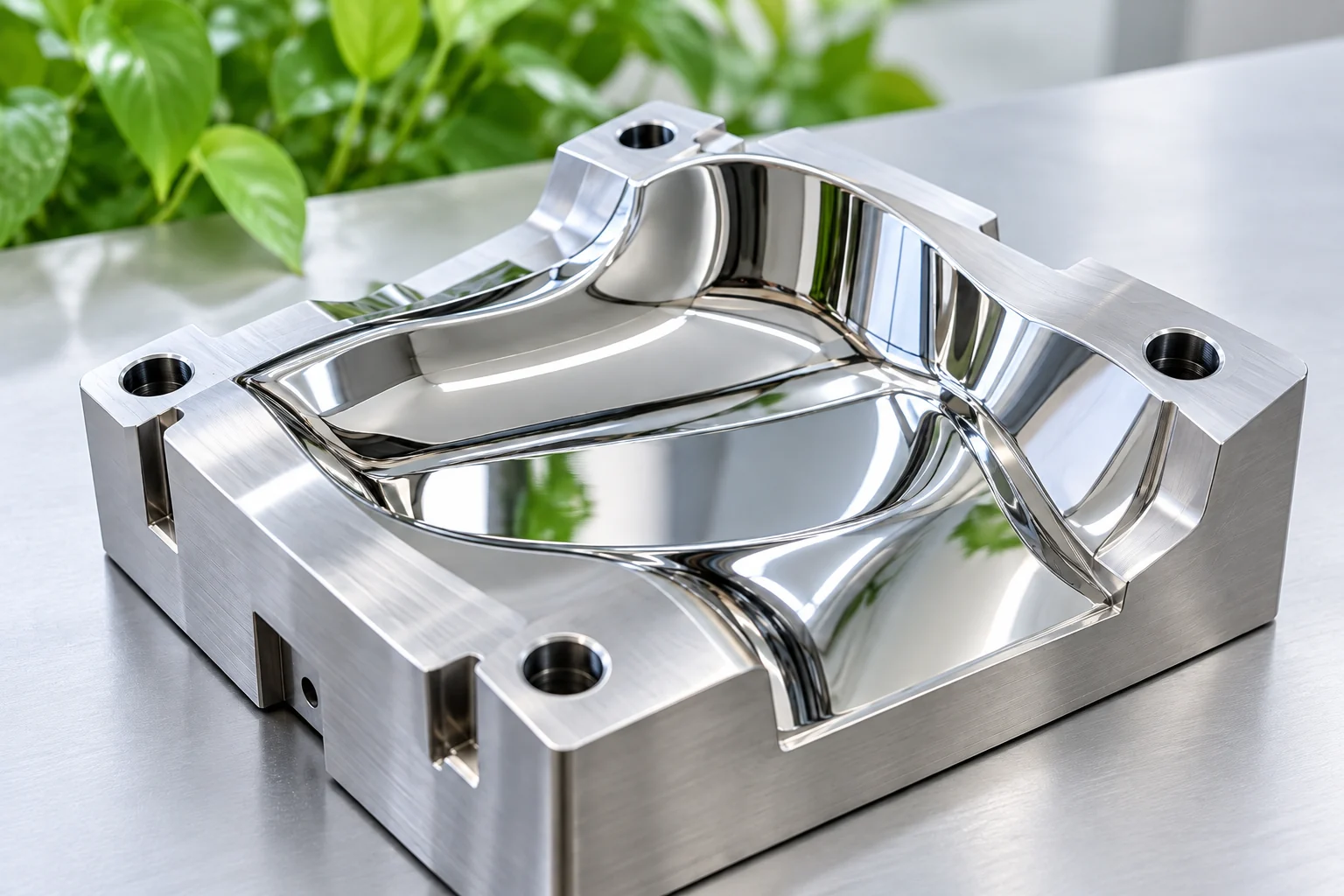
The customer already has the material. The mold insert blank has been purchased, heat-treated or partly machined, and the next supplier is asked to quote only the remaining work.
This can simplify procurement, but it changes the starting point for the quotation.
The supplier must evaluate the blank that will actually arrive, not just the finished component shown in the drawing. Missing material history, uncertain allowance or an unsuitable locating surface can affect whether the remaining work is feasible.
For customer-supplied mold insert blanks, a useful quotation begins with a clear description of the incoming condition.
Define Where the Supplier’s Work Begins
“Customer-supplied blank” can describe very different workpieces.
It may mean raw stock cut to an approximate size, a heat-treated block, a rough-machined insert or a nearly finished component requiring local correction.
Each condition creates different responsibilities. A supplier quoting finish machining needs to know whether material preparation, datum creation, corrective machining and inspection of the incoming part are included.
Describe the completed operations and the requested remaining operations separately. Also clarify whether the supplier may modify existing features or must preserve them.
This establishes the scope before either side assumes that the blank is ready for the next operation.

Confirm the Actual Material Condition
A material grade alone does not describe everything relevant to machining.
Provide available records for hardness, heat treatment, coating and previous processing. Identify whether these are documented requirements, supplier declarations or measured results.
For a partly processed blank, explain any known repairs, welding, coating removal or repeated finishing. These details may affect the proposed route and should not be left for the receiving workshop to discover.
Missing records do not automatically make a blank unusable. They do create an open question. Agree on whether additional checks are required, who will arrange them and whether the quotation remains conditional until the results are available.
Avoid treating an unverified assumption as an established material property.
Check Allowance Where It Matters
An overall blank dimension does not establish that sufficient material remains around every critical feature.
A rough cavity may be within the expected external dimensions while leaving too little stock at a transition. An earlier operation may have shifted a surface relative to the intended datum. Local correction may require material removal that the final geometry cannot accommodate.
Where available, provide a rough-machining drawing or measurements showing the current condition against the finished requirements.
For complex surfaces, identify how the remaining allowance will be assessed. The method should suit the geometry and the decision being made.
Do not apply a universal finishing allowance to every material or feature. The required stock depends on the incoming condition, planned operations and acceptance requirements. A photograph alone cannot confirm it.
Review Datums, Support and Tool Access
A blank may contain enough material and still be difficult to locate or support for the remaining work.
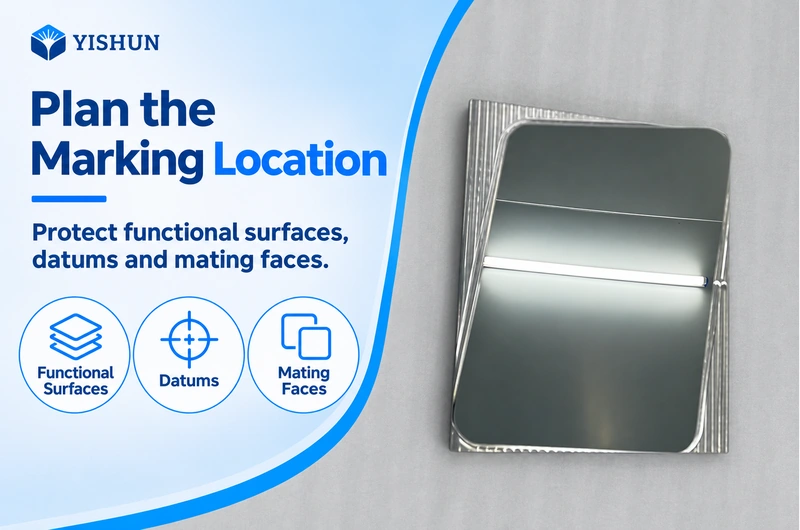
Check whether suitable reference surfaces exist, whether they relate correctly to the finished geometry and whether clamping can avoid protected areas.
Existing holes and machined faces should not automatically be accepted as reliable datums. Their condition and relationship to the final requirements need review.
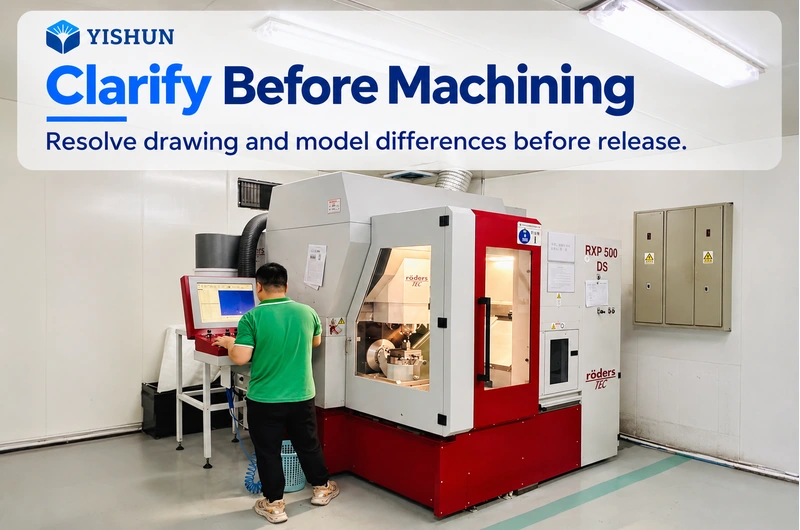
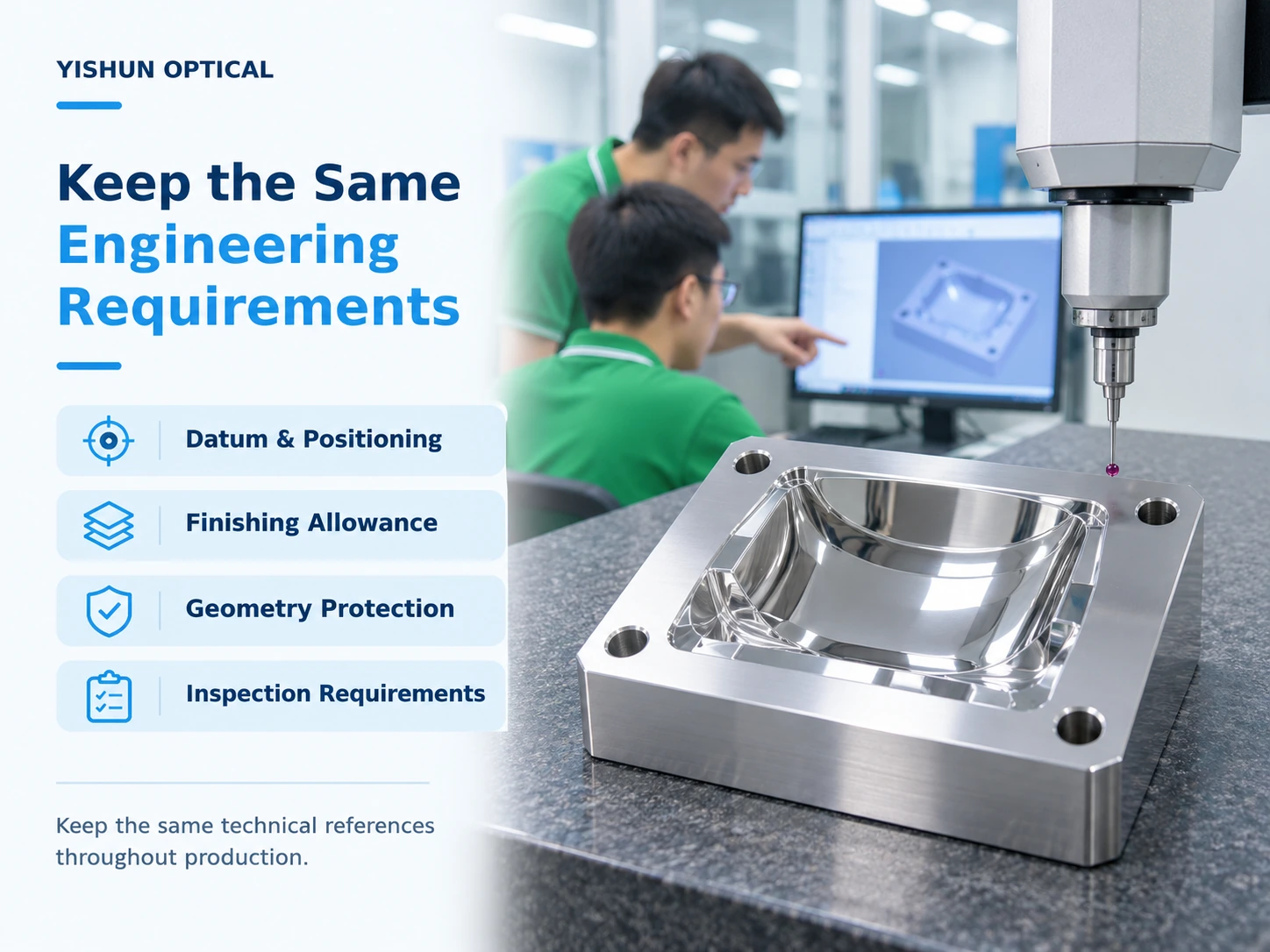
For custom optical mold core and insert machining, the incoming blank and finished design should be considered together. The route must account for how the actual workpiece can be held, reached and inspected.
If preparation of new locating features is necessary, confirm that this work is permitted and included in the scope.

Make the Quotation Assumptions Visible
Before shipment, the supplier may only have drawings, records and photographs. A quotation can therefore depend on stated incoming conditions.
Identify the assumptions that affect feasibility or price. Examples include the declared material condition, available allowance, usable datums and absence of previously undisclosed damage.
Distinguish the agreed machining scope from additional work that may become necessary after receipt. Clarify how a discrepancy will be reviewed before extra processing begins.
Also establish what starts the quoted lead time. Dispatch of the blank, physical receipt and acceptance of a usable blank are different milestones.
These points help both sides understand the offer without turning every uncertainty into an assumed inclusion.
Verify the Blank Before Committing Critical Work
Incoming review should compare the received item with the conditions used for quotation.
Depending on the project, this may include checking identity, quantity, available records, visible damage, key dimensions, reference surfaces and remaining allowance.
The review does not need to imply that every property has been independently tested. Record what was checked, what evidence supports it and which uncertainties remain.
If the blank differs from the declared condition, document the discrepancy before corrective work removes evidence. Where relevant, identify the work that should wait and the operations that can proceed independently.
A problem found at receipt should lead to a defined decision, not an automatic attempt to make the blank fit the original quotation.

Agree on the Response to an Unsuitable Blank
Possible responses may include revised machining, an approved geometry change, return of the blank or replacement material. The appropriate option depends on technical feasibility and customer approval.
Do not assume that every shortage of allowance can be corrected by polishing, or that a design change is acceptable simply because it allows machining to continue.
Clarify approval responsibility, additional cost and schedule implications before proceeding.
When requesting a quotation, send the finished drawing, current blank information, material records, known processing history and available measurements. Highlight protected features and explain exactly which operations you want supplied.
Submit these details to YISHUN Optical for review so the quotation can reflect the actual starting condition and the work still required.