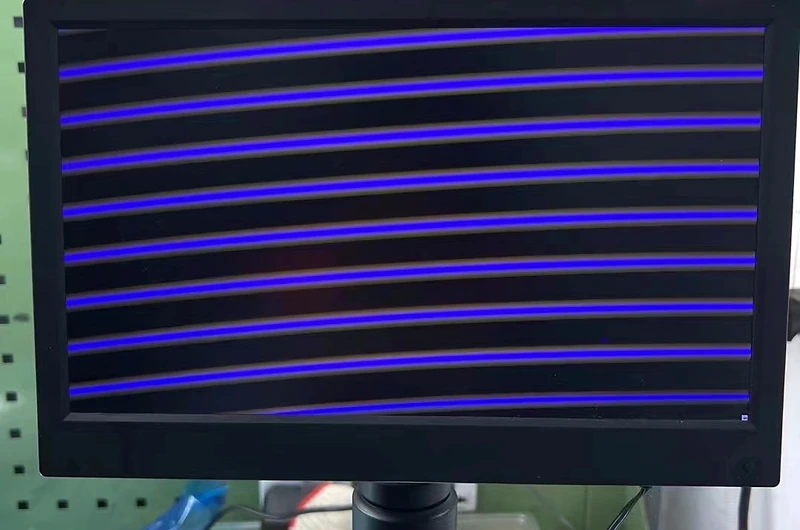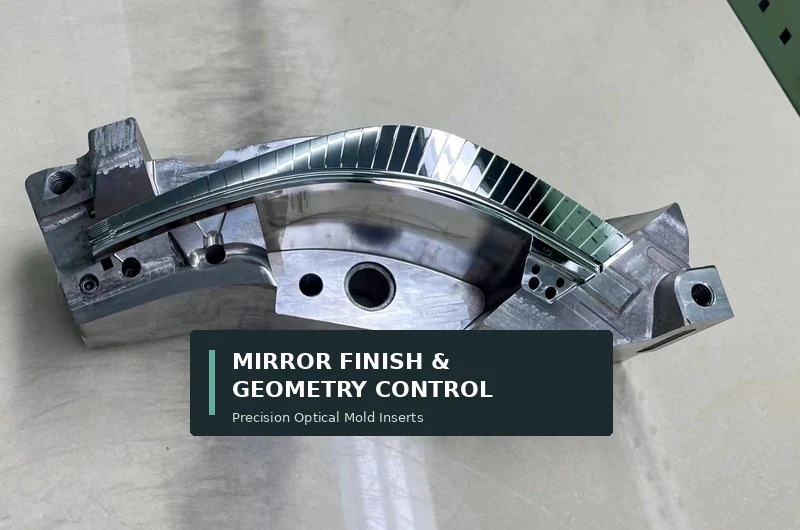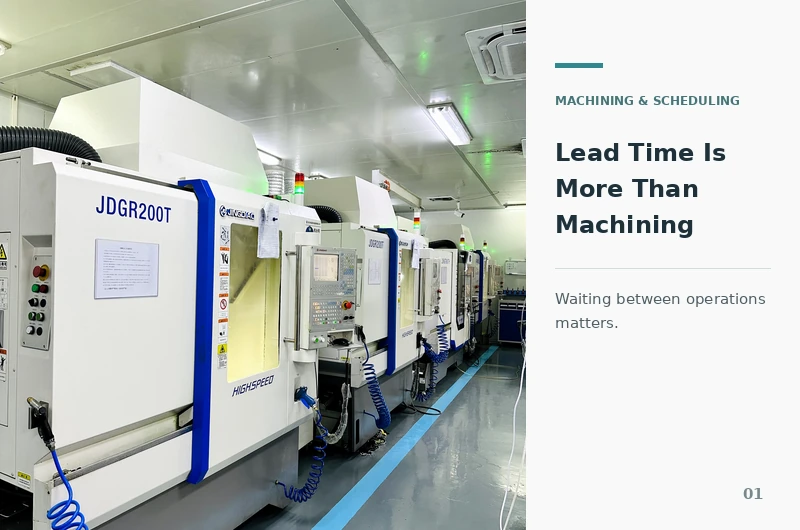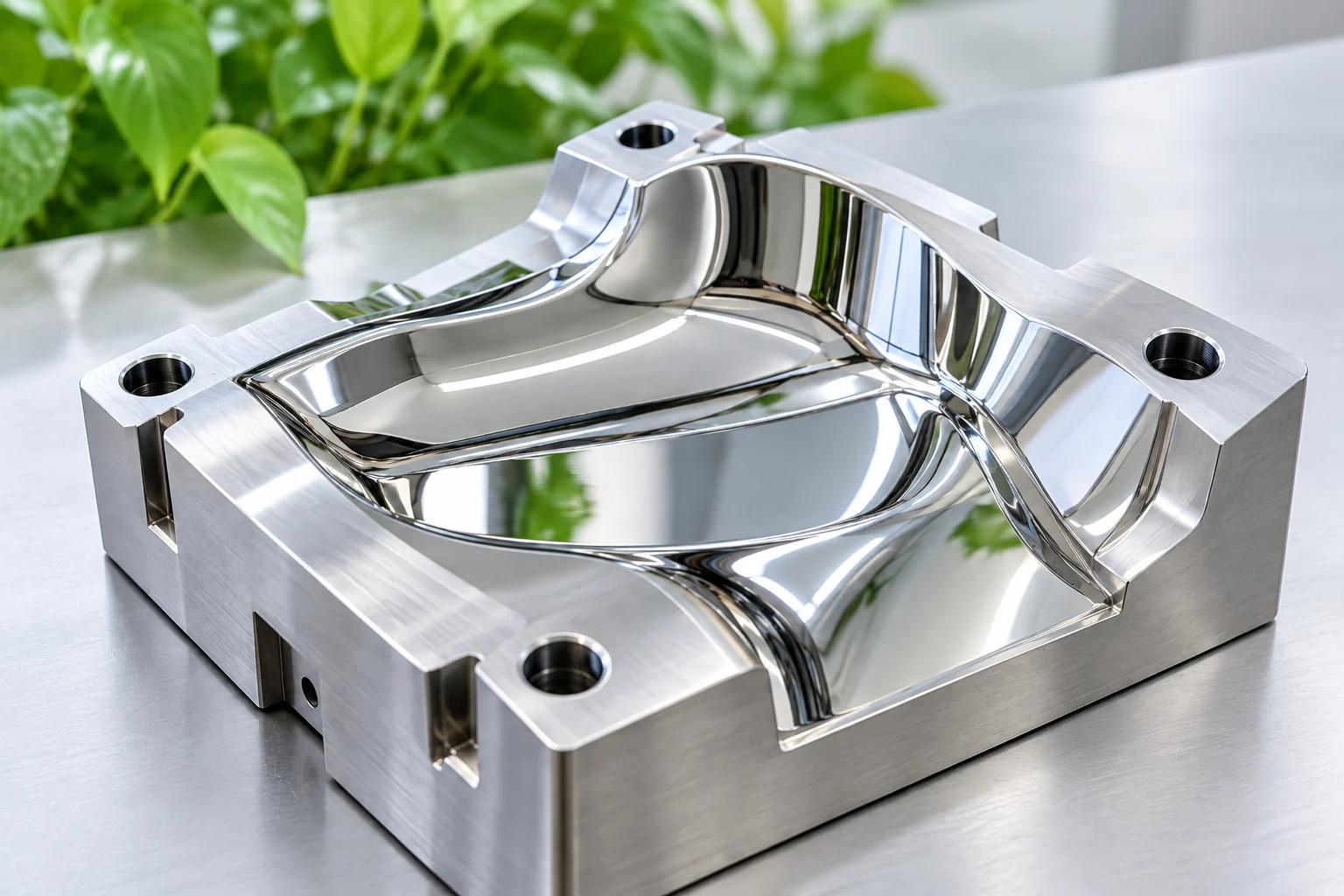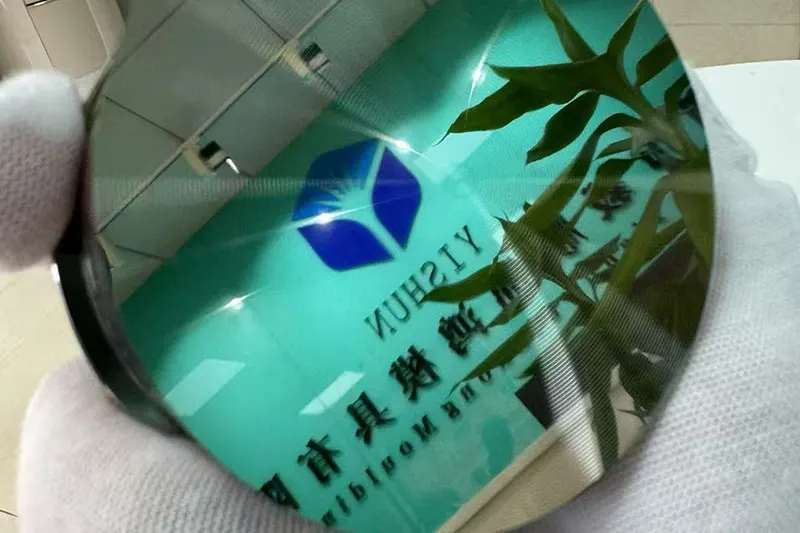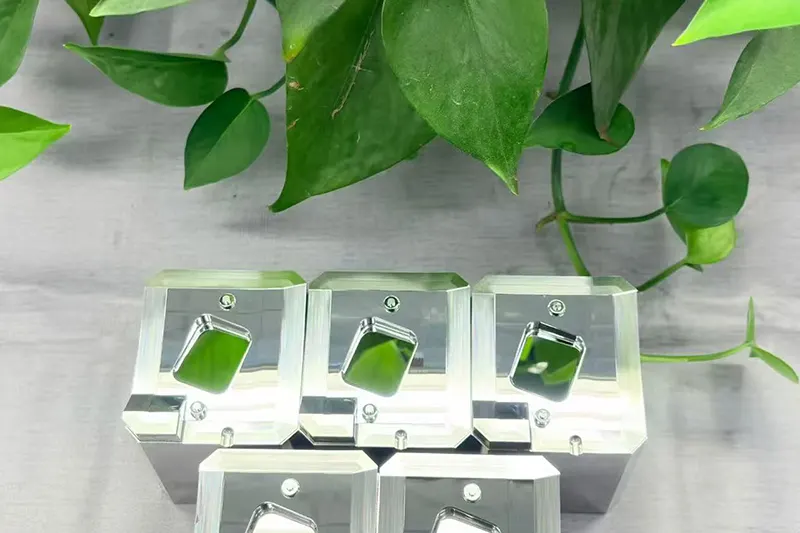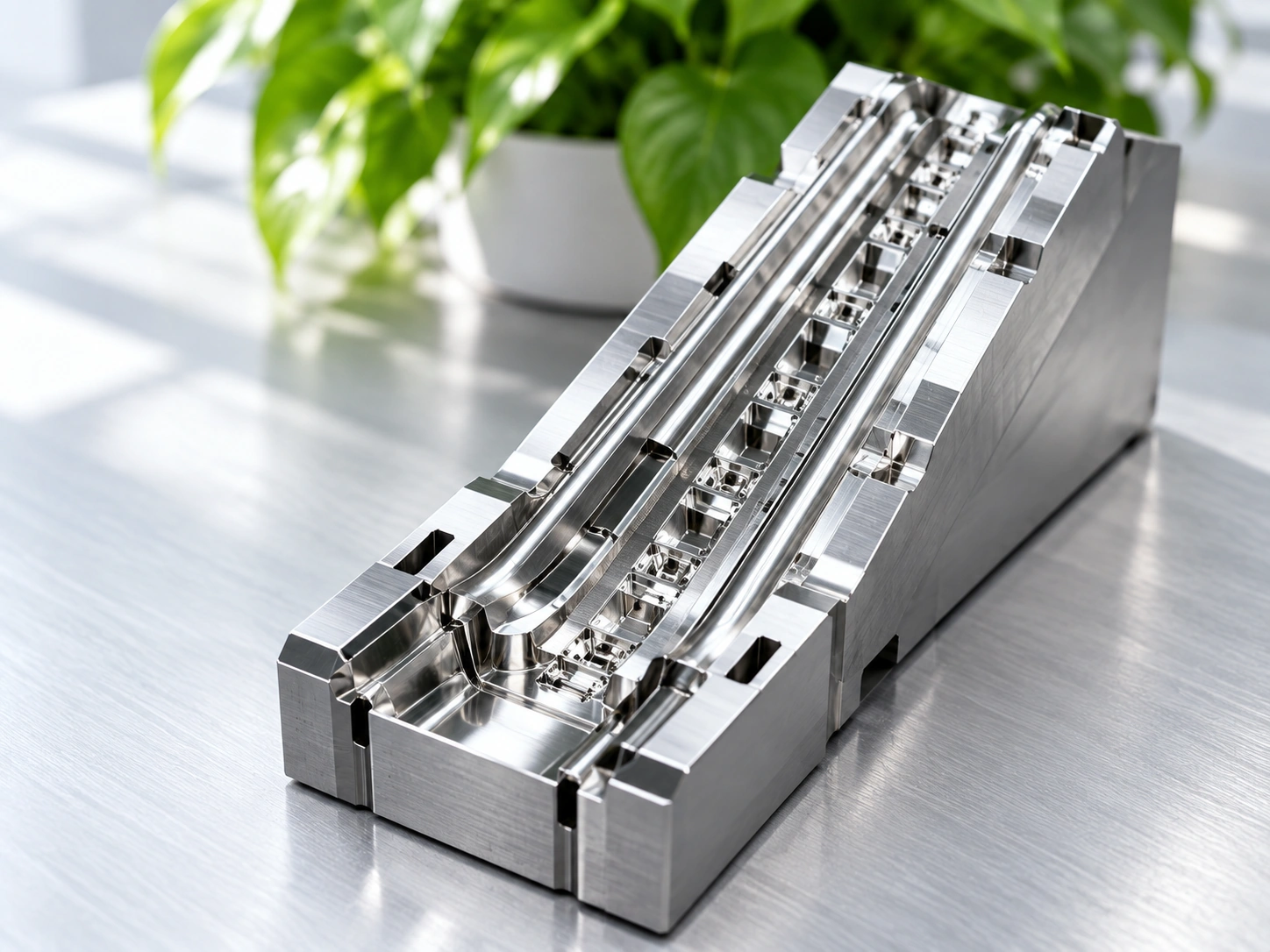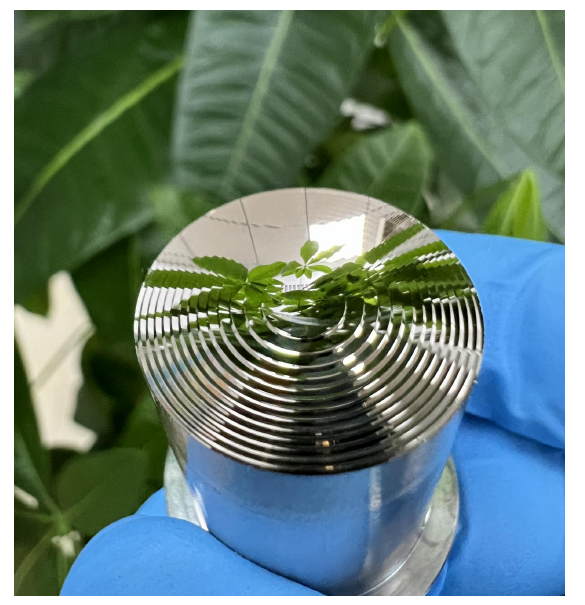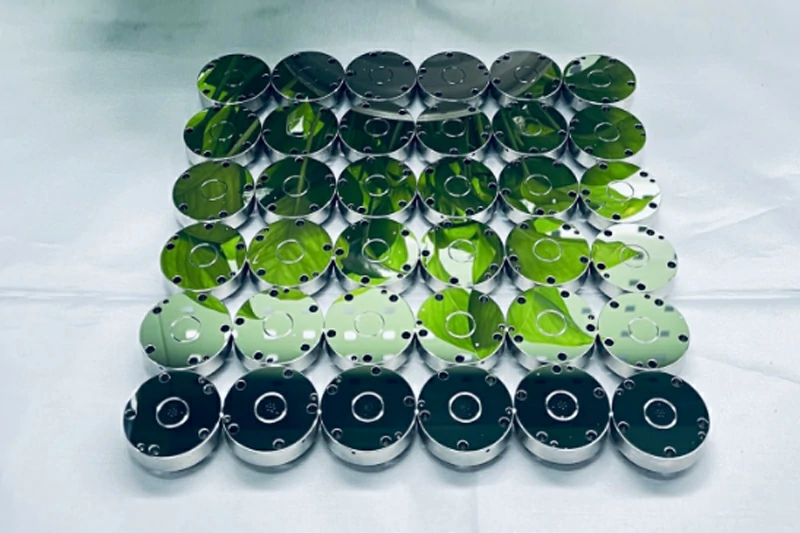
Automotive camera lens mold processing is one of the most demanding disciplines in precision mold manufacturing, requiring dimensional tolerances of ±0.005 mm, surface roughness below Ra 0.02 μm, and material selection optimized for high-volume polycarbonate and COP (cyclic olefin polymer) lens production under ISO TS 28927 and IATF 16949 quality standards. This article provides a comprehensive technical guide covering tolerance allocation across the mold assembly, material selection for optical-grade lenses, and manufacturing best practices validated through Yishun Optical’s production of 3,000+ precision mold sets for Tier-1 automotive suppliers. With 4 Toshiba UVM ultra-precision machining centers (PV≤0.15 μm), 25 five-axis machining centers, and ABB robotic polishing systems (±0.001 mm repeatability), Yishun Optical is equipped to deliver automotive camera lens molds that meet the most stringent ADAS optical performance requirements.
The Critical Role of Automotive Camera Lenses in Modern Vehicles
Every advanced driver assistance system (ADAS) function — from lane keeping to automatic emergency braking — depends on a camera that can reliably resolve road geometry in real time. As of 2024, the average premium vehicle contains 8–12 cameras, with Level 3 autonomous vehicles requiring up to 20 stereoscopic vision units (IHS Markit Automotive Camera Market Report, 2024). Each of these cameras depends on a lens produced from a precision automotive camera lens mold — a tooling component where microns matter and surface quality determines system safety performance.
The optical performance chain is unforgiving: a 1 μm surface scratch on a camera lens mold cavity will reproduce as a defect in every lens produced from that mold, creating a light scatter center that can reduce image contrast by 5–8% and compromise lane detection accuracy in low-light conditions. According to the European New Car Assessment Programme (Euro NCAP) 2024 requirements, all ADAS cameras must maintain ≥90% MTF (Modulation Transfer Function) at 80 lp/mm across the operating temperature range of −40°C to +85°C — specifications that begin with the precision of the automotive camera lens mold.
Tolerance Allocation Strategy for Automotive Camera Lens Molds
Understanding the Tolerance Stack-Up
Automotive camera lens mold tolerances must be allocated across the complete mold assembly, accounting for the cumulative effect of individual component tolerances on the final lens dimensional accuracy. The total tolerance budget for an ADAS camera lens with focal length tolerance of ±0.05 mm breaks down as follows:
- Lens diameter tolerance: ±0.01 mm (controlled by cavity core/p insert accuracy)
- Lens thickness tolerance: ±0.02 mm (controlled by cavity depth and core pin length)
- Surface spacing (optical axis): ±0.005 mm (controlled by guide pin and bushing clearance)
- Surface angle (tilt): ≤0.02° (controlled by core/cavity alignment)
- Draft angle: 0.5–2.0° (controlled by machining and EDM erosion accuracy)
Yishun Optical achieves positional accuracy of ±0.002 mm on five-axis machining centers equipped with Fanuc and Heidenhain control systems, enabling us to consistently meet these demanding automotive camera lens mold tolerances across production volumes of 500,000+ shots per mold cavity.
Key Toleranced Features in Automotive Camera Lens Molds
According to precision mold manufacturer SSPrecision’s technical data (2024), achieving ±0.005–0.02 mm injection mold tolerances requires simultaneous management of five critical variables: mold steel stability, tool path strategy, temperature control (±1°C workshop at 20°C), EDM surface finishing, and CMM metrology with measurement error below ±0.001 mm.
Yishun Optical’s mold manufacturing workflow for automotive camera lens applications incorporates all five variables within a unified quality management system certified to ISO 9001:2015, ensuring that every mold cavity we deliver meets the dimensional repeatability required for automotive production.
Positional Accuracy and Optical Axis Alignment
The optical axis of an automotive camera lens must be perpendicular to the imaging sensor plane within ±0.1°. This translates to a tilt tolerance of ≤0.02° across the lens diameter, which Yishun Optical achieves through precision-ground core/cavity fit (H6/g5 clearance fits) and in-process CMM verification at every critical machining stage.
Mold Steel Selection for Automotive Camera Lens Applications
Material Requirements
Automotive camera lens molds operate in high-volume production environments requiring steel grades that combine:
- High hardness (HRC ≥50) for wear resistance across 500,000+ shot lifetimes
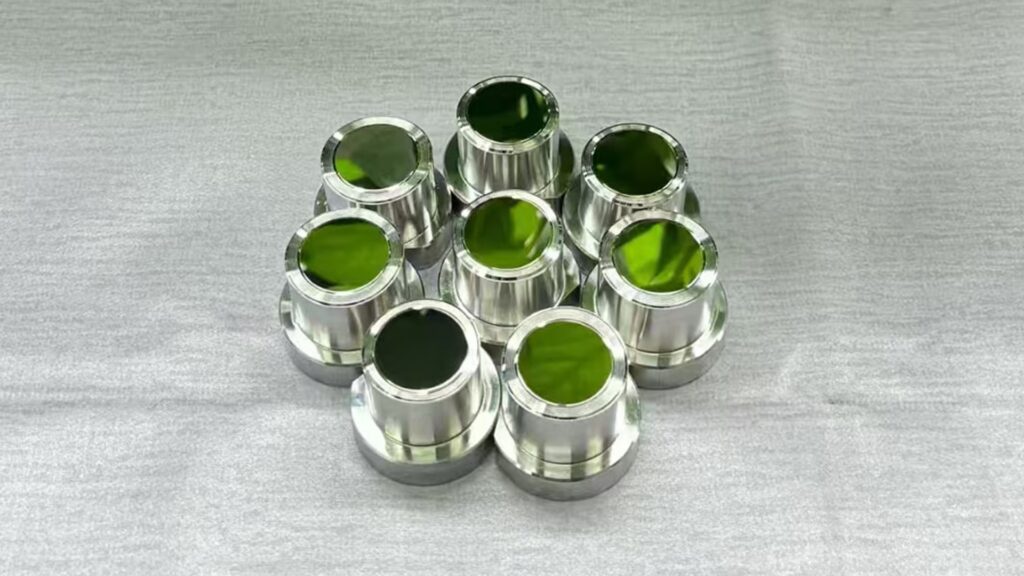
- Mirror polishability to Ra ≤0.01 μm for optical-quality lens surfaces
- Corrosion resistance against optical polymer additives and cleaning agents
- Low thermal expansion coefficient (11–12 μm/m·°C) to maintain precision across thermal cycles
Recommended Mold Steels
| Steel Grade | Hardness | Polishability | Corrosion Resistance | Application |
|---|---|---|---|---|
| S136H (STAVAX ESR) | 48–52 HRC | Excellent | High | High-end optical lenses, PC and COP |
| NAK80 | 37–43 HRC | Excellent | Moderate | Medium-volume, pre-hardened convenience |
| H13 (Chrome-plated) | 52–58 HRC | Good | Moderate | Glass-filled optical polymers |
| 420 Stainless (ESR) | 48–52 HRC | Excellent | Excellent | Long-life production molds, optical PMMA |
Yishun Optical sources mold steels exclusively from certified suppliers including ASSAB (Sweden), Daido (Japan), and Buderus (Germany), ensuring metallurgical consistency across all automotive camera lens mold production. Every steel lot is verified with material certificates traceable to ISO 10474 (Steel — Technical delivery conditions for steel products).
Steel Heat Treatment and Stress Relief
Internal stress in mold steel can cause dimensional drift during machining and thermal cycling, compromising the precision of automotive camera lens molds. Yishun Optical applies systematic stress relief machining (pre-hardened steel) or vacuum hardening (tool steel) followed by low-temperature stress relief at 200°C to achieve total distortion below 0.01 mm across the largest mold cavity dimension.
Ultra-Precision Machining of Automotive Camera Lens Mold Cavities
Five-Axis Machining Strategy
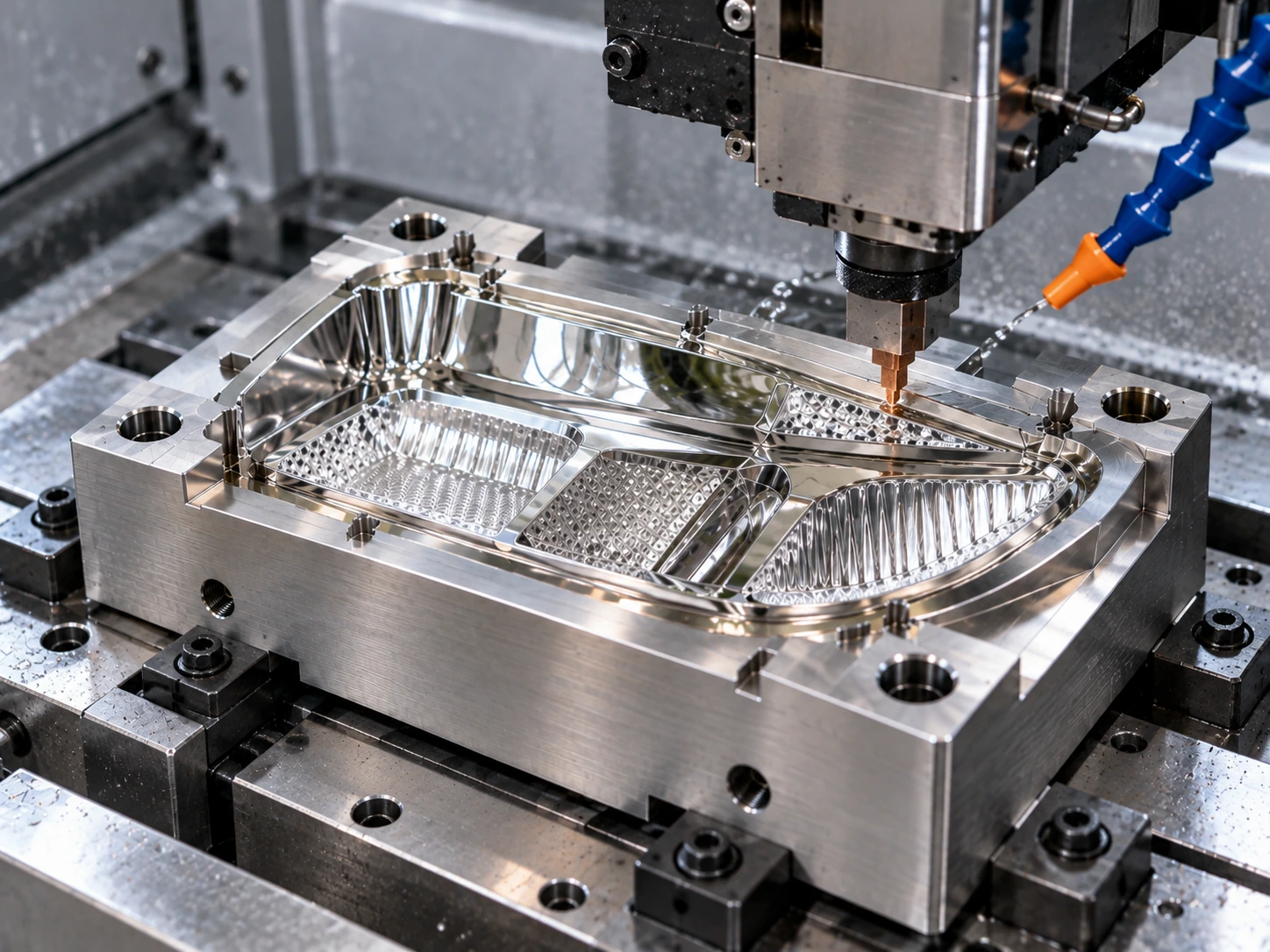
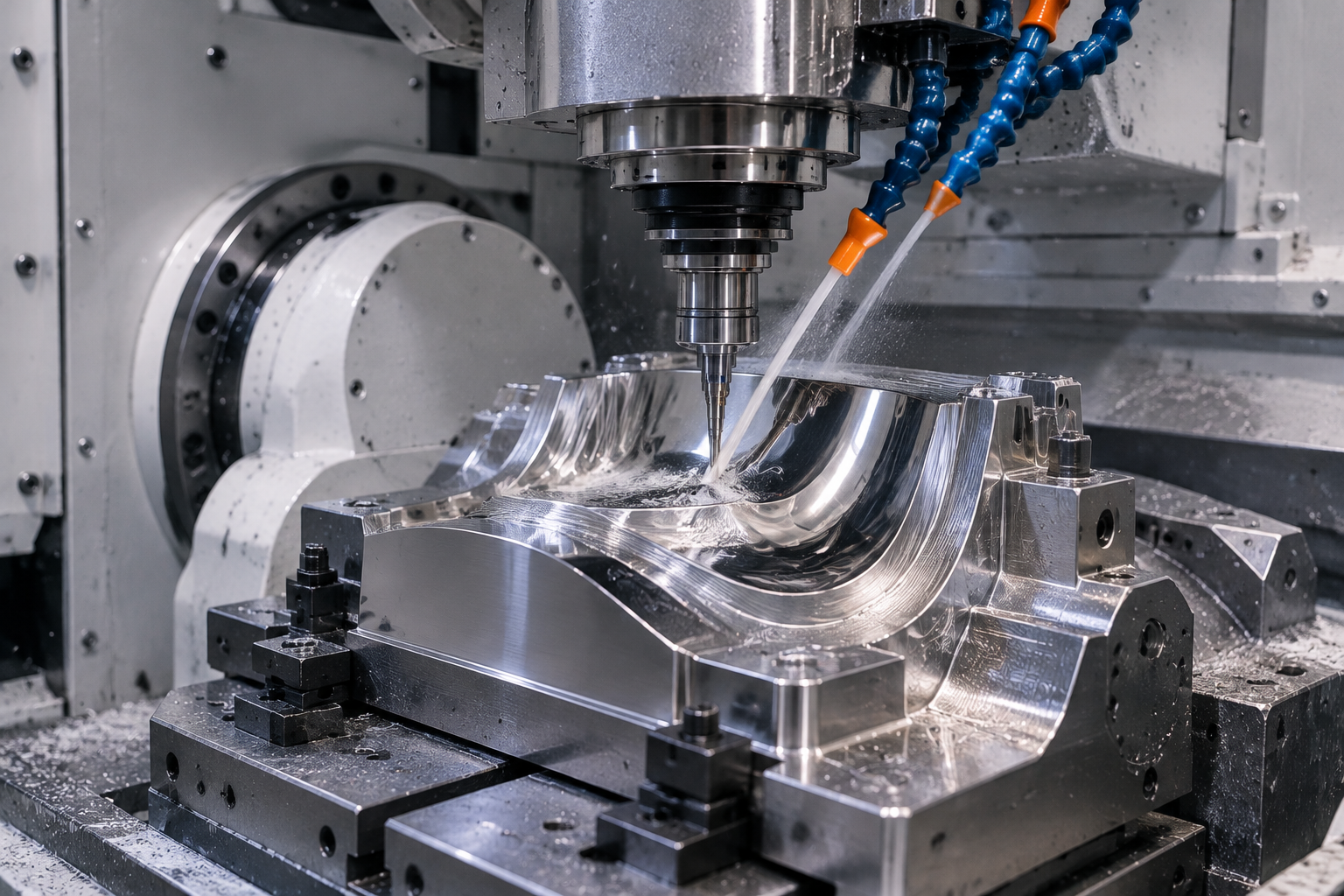
The complex aspheric and freeform surfaces of modern automotive camera lens molds require simultaneous 5-axis machining to eliminate re-chucking errors that would otherwise accumulate across multiple setups. Yishun Optical’s 25 five-axis machining centers — including Röders RXP500DS and Roku Roku precision machines — achieve surface form accuracy of PV≤0.15 μm on automotive camera lens mold cores through:
- High-speed machining (HSM) at spindle speeds up to 60,000 rpm with depth of cut controlled to 0.05–0.2 mm
- Trochoidal milling for efficient material removal in deep cavities while minimizing tool deflection
- Continuous path interpolation for smooth surface generation without machine vibration marks
- In-process probing using Renishaw OMP400 probes for real-time dimensional verification
Electrical Discharge Machining (EDM) for Fine Details
Automotive camera lens molds frequently incorporate micro-features — vents, gate land geometries, and ejector pin seatings — that require EDM processing. Yishun Optical’s EDM systems achieve surface finishes of Ra 0.05–0.15 μm on hardened steel cavities, suitable for optical polymer lens surfaces with careful post-EDM polishing.
According to research published in the Journal of Materials Processing Technology (Elsevier, 2023), the EDM recast layer on hardened tool steel must be fully removed before polishing, as residual recast layer can cause subsurface cracking during polishing and reduce mold life in production. Yishun Optical addresses this risk through systematic EDM finishing protocols and 100% CMM verification of post-EDM dimensions.
Surface Polishing Protocol
The polishing sequence for automotive camera lens mold cavities follows a progressive multi-stage protocol:
- Mechanical polishing — Abrasive papers from 320 grit through 3,000 grit, progressing incrementally to remove EDM recast layer and establish base surface
- Buff polishing — Felt wheels with diamond compound (6 μm → 3 μm → 1 μm) for progressive surface refinement
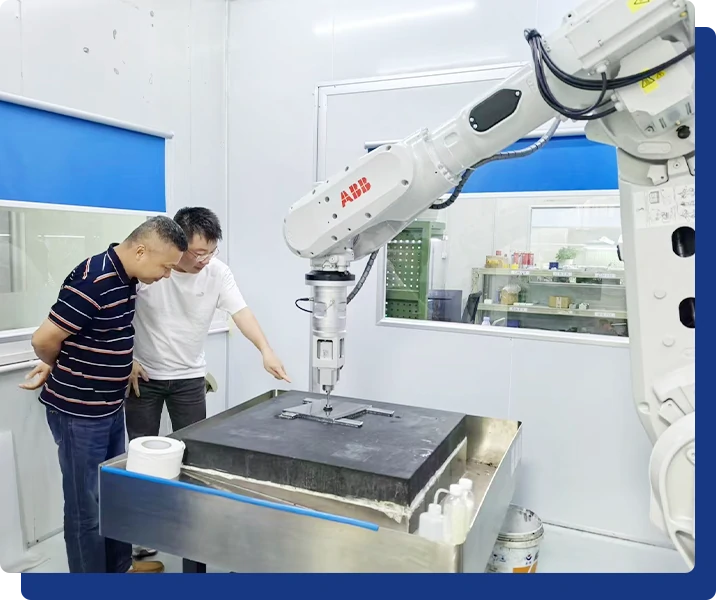
- Robot-assisted polishing — ABB 6-axis robotic polishing system (±0.001 mm repeatability) for uniform pressure application across complex contours
- Final electropolishing — Electrochemical micro-smoothing to Ra ≤0.005 μm for the highest optical quality lenses
Optical Mold Tolerances and Surface Quality Standards
Surface Roughness Requirements by Application
Different automotive camera applications demand different surface quality specifications:
| Camera Type | Surface Roughness (Ra) | Typical Tolerance | Operating Temperature |
|---|---|---|---|
| Forward ADAS (120° FOV) | ≤0.02 μm | ±0.01 mm | −40°C to +85°C |
| Surround View (190° FOV) | ≤0.05 μm | ±0.02 mm | −40°C to +85°C |
| Rear View Monitor | ≤0.10 μm | ±0.03 mm | −40°C to +70°C |
| Driver Monitoring (DMS) | ≤0.02 μm | ±0.005 mm | −20°C to +60°C |
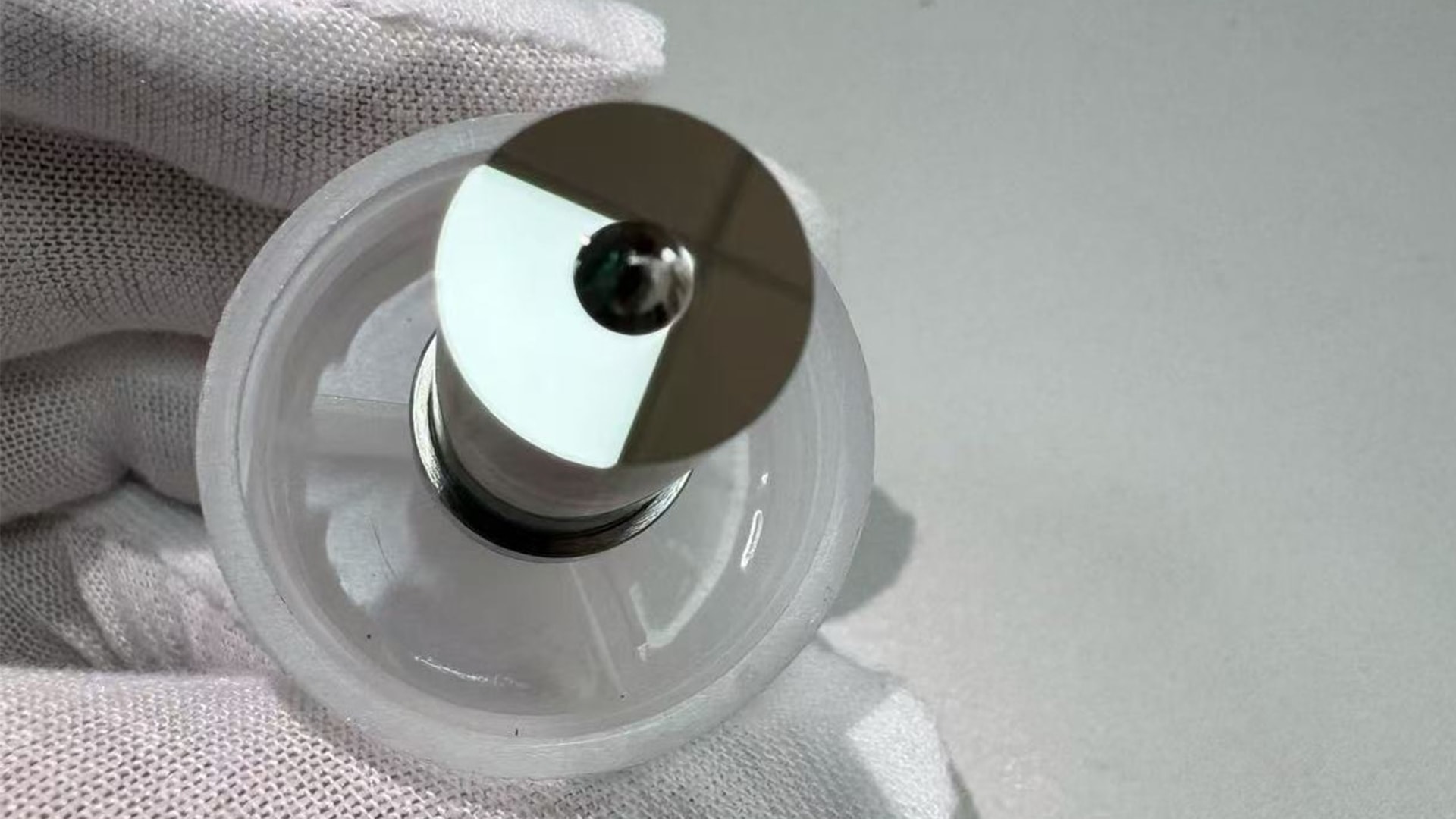
Driver Monitoring Systems (DMS) impose the most stringent tolerances due to their near-infrared (NIR) optimized optics and eye-tracking accuracy requirements. Yishun Optical’s ultra-precision machining capabilities — specifically our Moore single-point diamond turning lathes achieving Ra≤2 nm — are specifically suited to these extreme precision requirements.
ISO 10110-5 Surface Quality Standards
Yishun Optical’s automotive camera lens mold surface quality is verified to ISO 10110-5 (Optics and photonics — Preparation of drawings for optical elements and systems — Surface form and surface roughness tolerance specifications). Our standard offering meets surface quality class 5 (scratch-dig 5-5, corresponding to visible defect sizes below 0.05 mm), with class 3 available for the most demanding applications.
Material Selection for Automotive Camera Lenses
Optical-Grade Polycarbonate (PC)
Polycarbonate is the dominant material for automotive camera lenses due to its combination of high impact resistance, optical clarity (88–91% transmittance), and excellent thermal stability (glass transition temperature Tg = 147°C). However, polycarbonate is highly hygroscopic and requires thorough drying (4–6 hours at 120°C to moisture content <0.02%) before injection molding.
According to Covestro’s processing guidelines for Makrolon® AL2447/AL2647 (Covestro Processing Information for Automotive Lenses, 2024), polycarbonate drying to dew point below −20°F is essential to avoid moisture-related defects including silver streaking, bubbles, and molecular chain scission that reduce optical transmittance and increase yellowing rate.
Yishun Optical specifies mold temperature of 70–110°C for polycarbonate automotive camera lenses, with barrel temperatures of 270–305°C and hold pressure of 50–75% of injection pressure. These parameters are optimized in our mold trials to minimize residual birefringence — critical for cameras with polarized sensing elements.
Cyclic Olefin Polymer (COP)
COP offers superior optical properties including lower moisture absorption, minimal birefringence, and better dimensional stability at elevated temperatures compared to polycarbonate. For automotive camera lenses in surround view and DMS applications, COP (ZeonorFilm® and TOPAS® grades) is increasingly specified due to its ability to maintain optical performance across the full −40°C to +85°C operating range.
Optical PMMA
PMMA (polymethyl methacrylate) provides the highest light transmittance (92%) and excellent UV resistance for exterior automotive camera applications. However, its brittleness limits use to non-structural lens elements. Yishun Optical specifies PMMA for cover lenses and optical filters where maximum light transmission is the primary requirement.
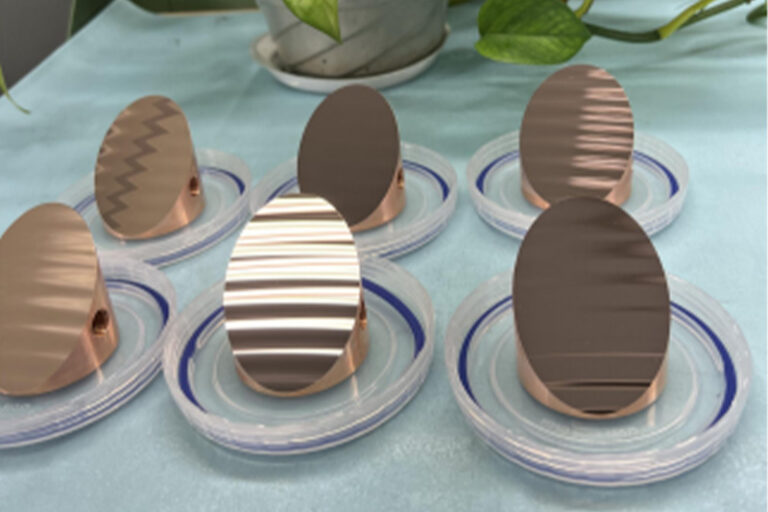
Best Practices for Automotive Camera Lens Mold Processing
Temperature Control
Workshop temperature control at ±1°C (maintained at 20°C) is essential for automotive camera lens mold machining accuracy. Thermal expansion of mold steel (11–12 μm/m·°C) means a 2°C temperature variation across a 100 mm mold dimension produces 0.022 mm dimensional error — exceeding the ±0.005 mm tolerance budget. Yishun Optical’s precision machining workshop maintains 20°C ± 0.5°C through precision HVAC systems, eliminating machining accuracy errors from thermal effects.
Injection Molding Process Optimization
Optimal injection molding of automotive camera lenses requires:
- Vacuum-assisted material drying for ≥15 minutes to eliminate moisture-related defects
- Segmented injection (5–10 mm/s → 80–100 mm/s → deceleration) for uniform filling without jet flow
- Gradient demolding pressure with rebound ≤5 μm to maintain seal fitting accuracy
- CMM in-line inspection of critical lens dimensions (diameter, thickness, surface spacing) for 100% production verification
Ejector System Design
The ejector system for automotive camera lens molds must apply uniform ejection force without deforming the lens surface. Yishun Optical designs ejector layouts using FEA (Finite Element Analysis) simulation to ensure deflection below 0.001 mm during ejection, with silicone rubber ejector pads for optical-grade lens materials to prevent surface contact damage.
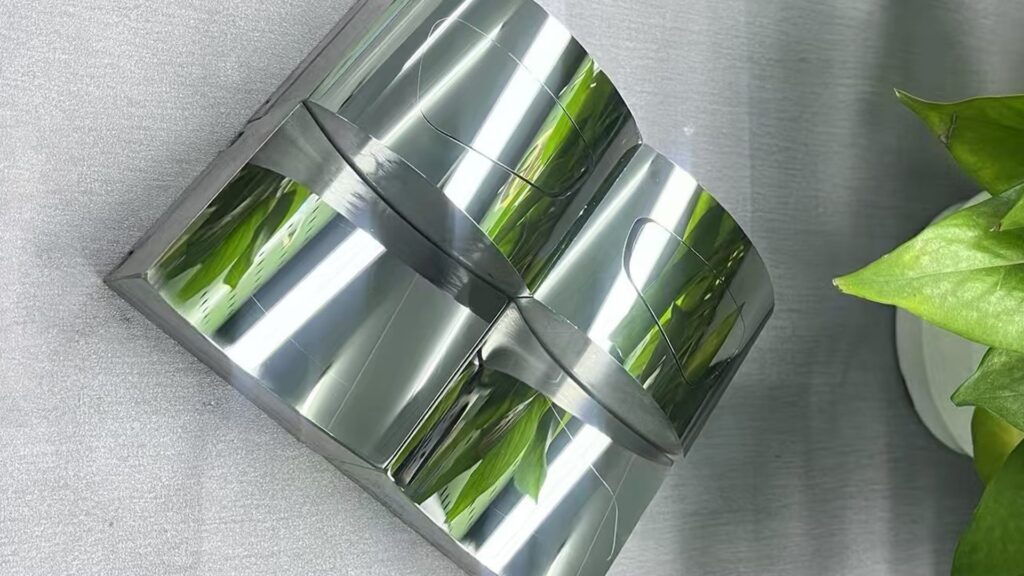
FAQ: Automotive Camera Lens Mold Processing
Q1: What tolerances can Yishun Optical achieve on automotive camera lens molds?
A: Yishun Optical consistently achieves dimensional tolerances of ±0.005 mm on critical lens dimensions and surface roughness of Ra≤0.02 μm (mechanical polish) through our 4 Toshiba UVM ultra-precision machining centers, 25 five-axis machining centers, and ABB robotic polishing systems.
Q2: What materials do you recommend for automotive camera lens molds?
A: For polycarbonate and COP lenses, we recommend S136H stainless tool steel (high polishability and corrosion resistance). For high-volume production with glass-filled polymers, H13 chrome-plated tool steel provides superior wear resistance. All materials are sourced from certified international suppliers.
Q3: How do you prevent surface defects on automotive camera lens molds during EDM processing?
A: Yishun Optical’s EDM finishing protocol includes complete recast layer removal before polishing, stress relief heat treatment after EDM, and 100% CMM verification. We use low-frequency EDM parameters to minimize heat-affected zone depth and prevent micro-cracking.
Q4: What surface roughness is needed for ADAS camera lens molds?
A: Forward ADAS cameras require Ra ≤0.02 μm. Surround view cameras require Ra ≤0.05 μm. Driver monitoring systems (DMS) require Ra ≤0.02 μm with specific NIR spectral compatibility. We achieve these specifications through progressive mechanical polishing followed by robot-assisted electropolishing.
Q5: What lead time can Yishun Optical offer for automotive camera lens mold production?
A: Prototype aluminum tooling requires 2–3 weeks for optical and dimensional validation. Full steel production tooling typically requires 8–12 weeks depending on lens complexity, followed by 2–4 weeks for PPAP approval under IATF 16949 requirements.
Q6: Does Yishun Optical provide PPAP documentation for automotive camera lens molds?
A: Yes. Yishun Optical provides complete PPAP documentation packages including CMM reports, surface roughness certificates, mold flow analysis reports, and process capability studies (Cpk ≥1.67) for all automotive customer requirements.
Q7: How does Yishun Optical ensure consistency across high-volume production of automotive camera lenses?
A: Our Class 10 cleanroom, ISO 9001 quality management system, robotic polishing (ABB, ±0.001 mm repeatability), and 100% in-line CMM inspection ensure consistent quality across 500,000+ shot production runs. Our quality management system is certified to ISO 9001 and ISO 14001.
Conclusion
Automotive camera lens mold processing sits at the intersection of ultra-precision machining, optical engineering, and automotive quality management — demanding sub-micron tolerances, nanometer surface finishes, and zero-defect production discipline. From S136H steel selection through five-axis machining, EDM finishing, and robotic polishing, every process step must be executed with the precision that ADAS safety requirements demand.
Yishun Optical’s combination of 25 five-axis machining centers, 4 Toshiba UVM ultra-precision machines, 2 Moore diamond turning lathes, and ABB robotic polishing provides the manufacturing infrastructure to meet these demands consistently. Our ISO 9001 / ISO 14001 certification, National High-Tech Enterprise status (2024), and Specialized & New Enterprise designation — backed by 20+ years of experience and 3,000+ precision mold sets delivered — make us the trusted optical mold partner for Tier-1 automotive suppliers worldwide.
For automotive camera lens mold specifications, pricing, or feasibility assessments, visit https://yishunoptical.com/ or contact us at yishun158@163.com / +86-755-82594863. Free DFM reviews are available for all new automotive optical mold projects.