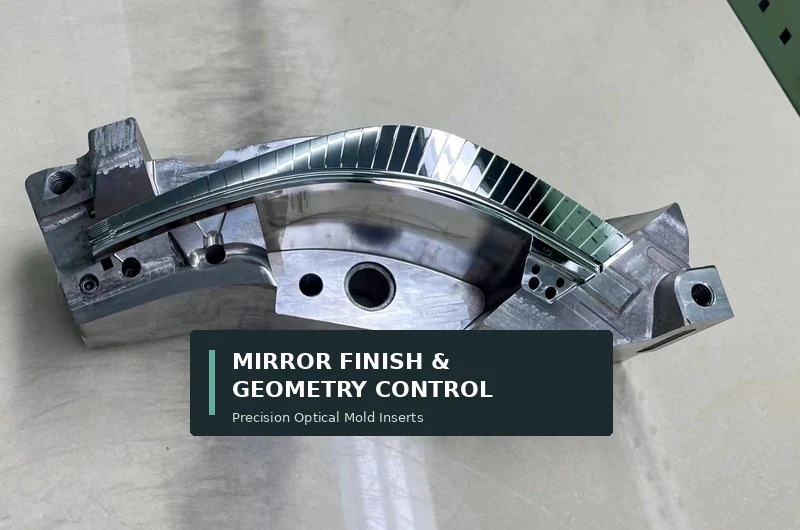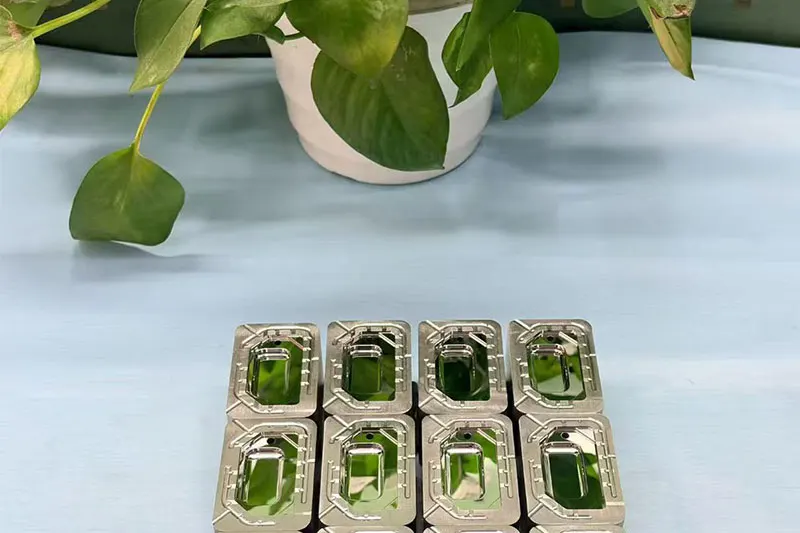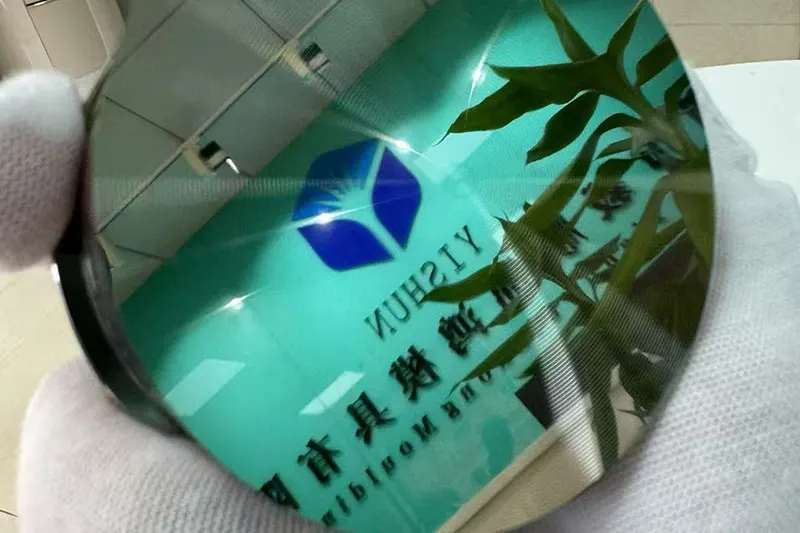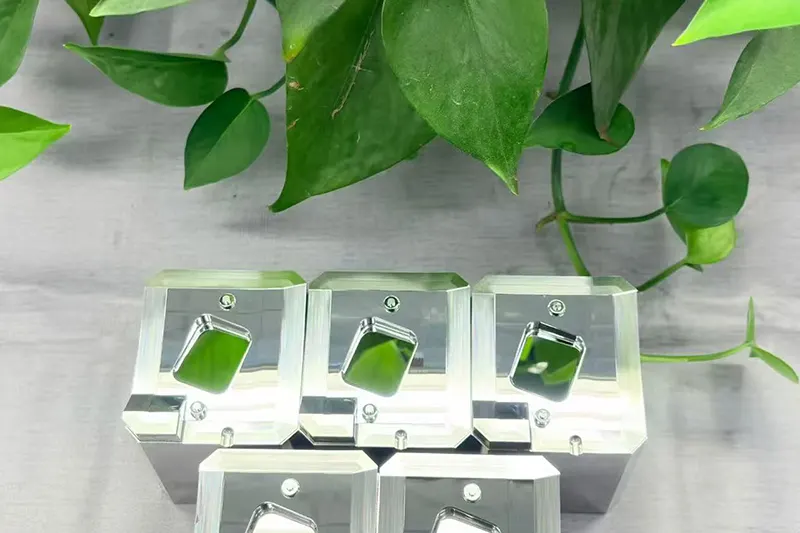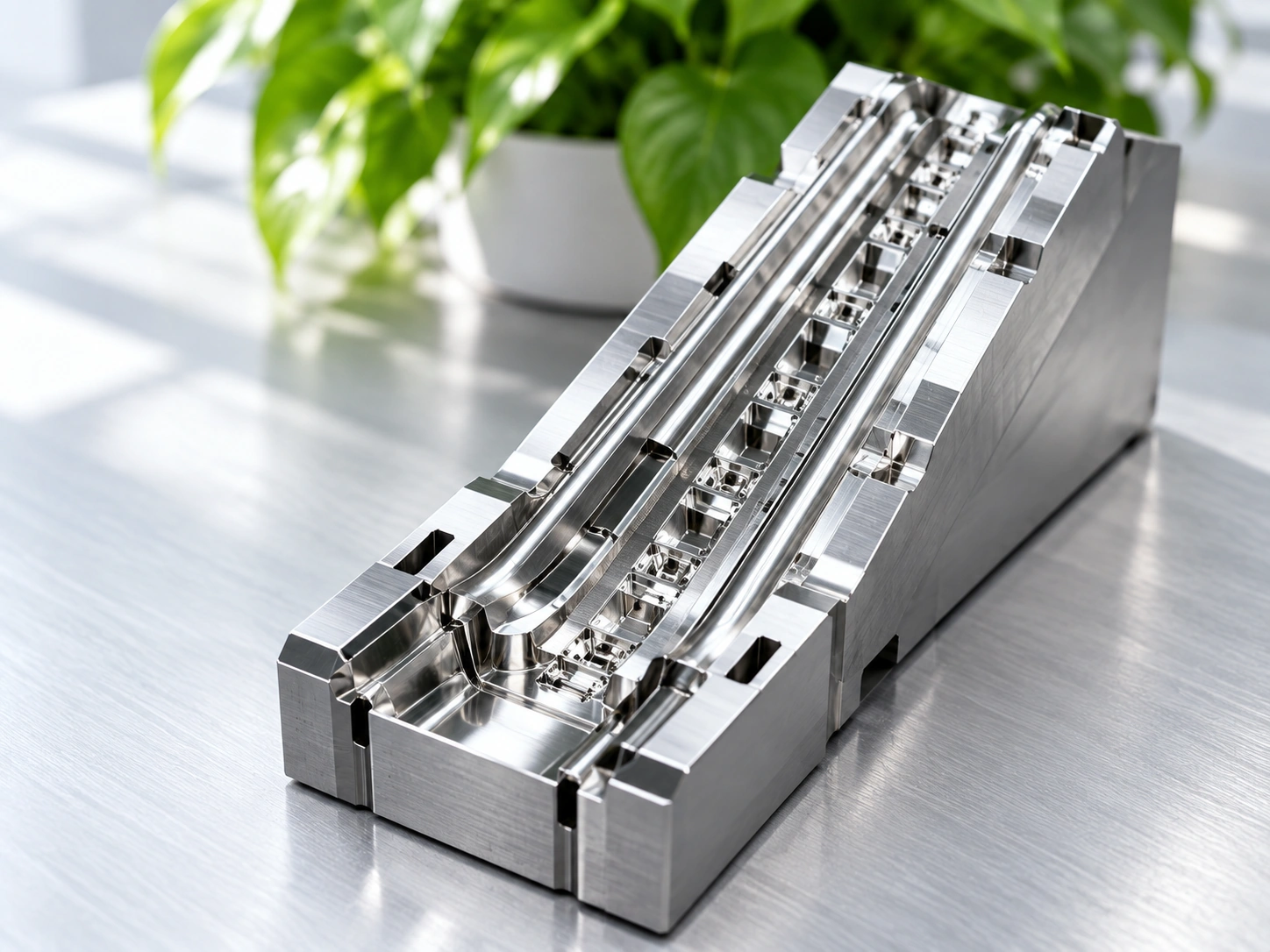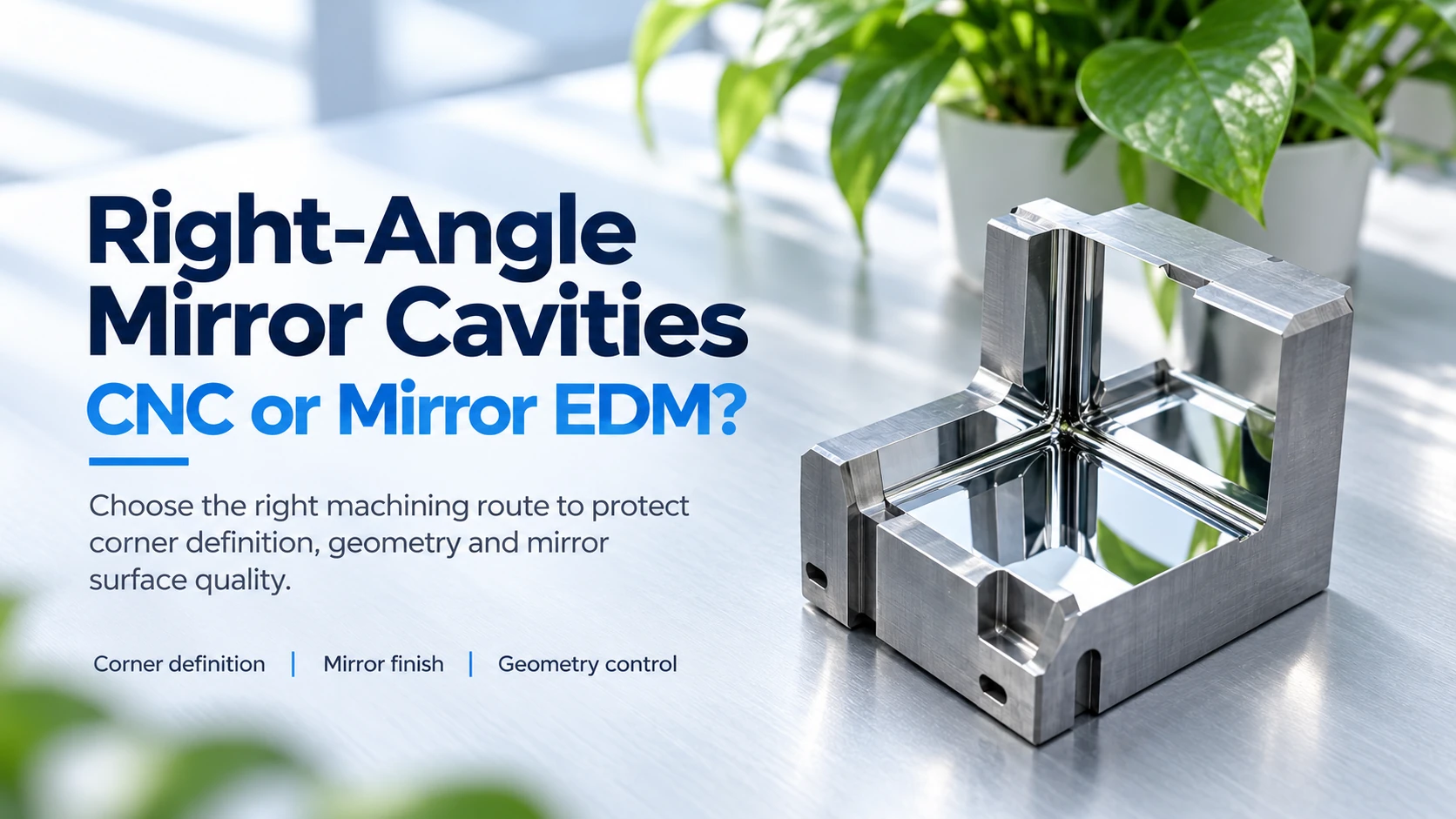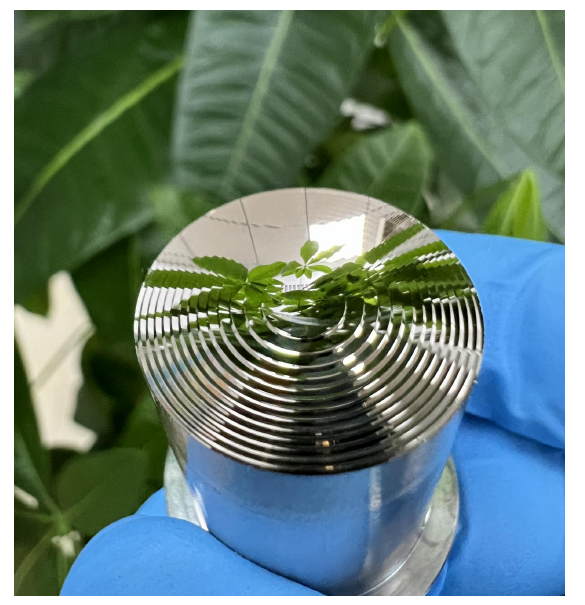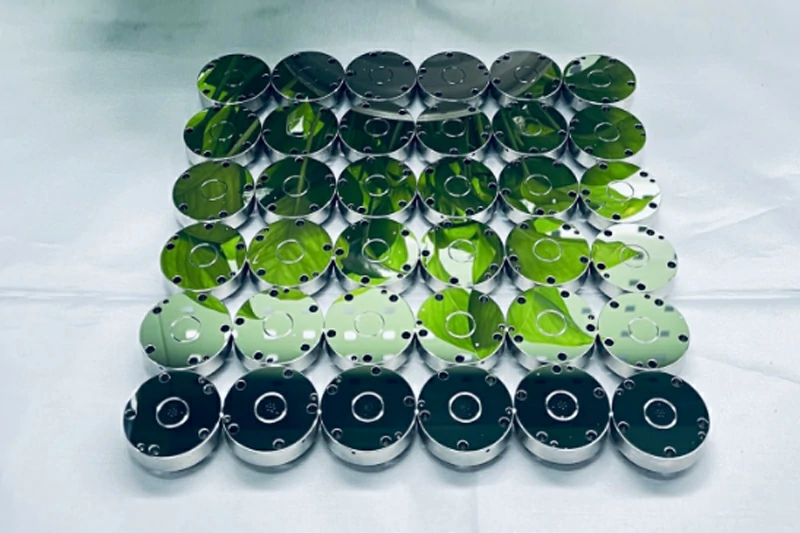
Automotive headlamp reflector mold polishing to SPI A1 mirror finish (Ra ≤0.012 μm) is a critical enabler for DLP (Digital Light Processing) and ADB (Adaptive Driving Beam) adaptive headlamp systems that require precision reflector surfaces to achieve the optical efficiency, beam pattern accuracy, and thermal stability demanded by modern automotive lighting regulations including ECE R112 and SAE J581. This article provides a comprehensive technical guide to headlamp reflector mold polishing — covering the SPI surface finish classification system, the multi-stage polishing workflow from coarse grinding through robot-assisted mirror finishing, material selection for headlamp reflector mold applications, and the quality verification protocols that ensure consistent SPI A1 surface quality across high-volume production. Yishun Optical, with 2 Moore single-point diamond turning lathes (Ra≤2 nm), an ABB 6-axis robotic polishing system (±0.001 mm repeatability), and 25 five-axis machining centers, delivers SPI A1 mirror finish reflector molds to Tier-1 automotive headlamp manufacturers worldwide. Contact us at yishun158@163.com or +86-755-82594863.
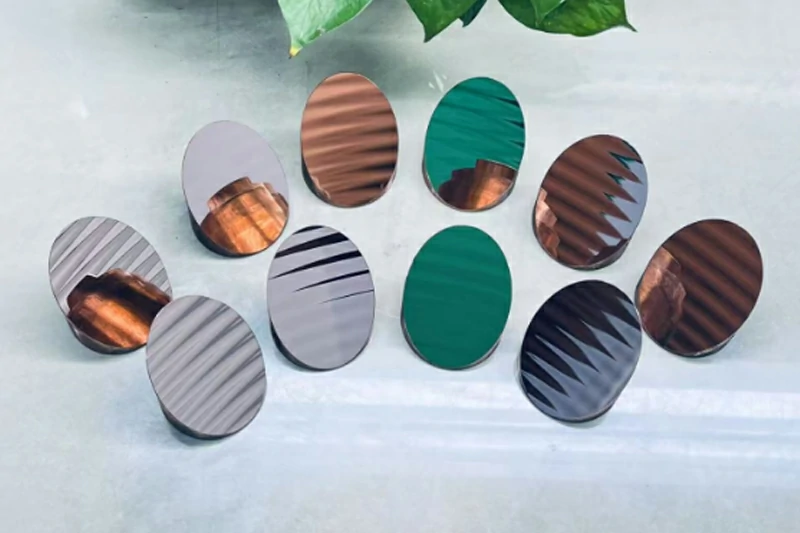
Why SPI A1 Mirror Finish Is Essential for Modern Headlamp Reflectors
The surface quality of a headlamp reflector mold directly determines the optical efficiency, beam pattern precision, and aesthetic quality of every headlamp produced from that mold — for every vehicle in every market, for the entire production life of that headlamp program. In DLP and ADB adaptive headlamp systems, where individual LED elements must be precisely imaged to create dynamic beam patterns with pixel-level control, the reflector surface quality becomes even more critical: surface irregularities on the mold translate directly to light scatter, optical loss, and beam pattern distortion that can fail regulatory testing.
According to the European Union’s type approval regulation ECE R112 (Uniform provisions concerning the approval of motor vehicles with regard to the installation of lighting and light-signalling devices), headlamp beam pattern precision requires optical surface accuracy corresponding to form deviations below 0.05 mm — a specification that begins with the mold surface quality. A scratch or tool mark of 0.01 mm depth on a headlamp reflector mold will create a visible light scatter artifact in the projected beam pattern at distances exceeding 5 meters.
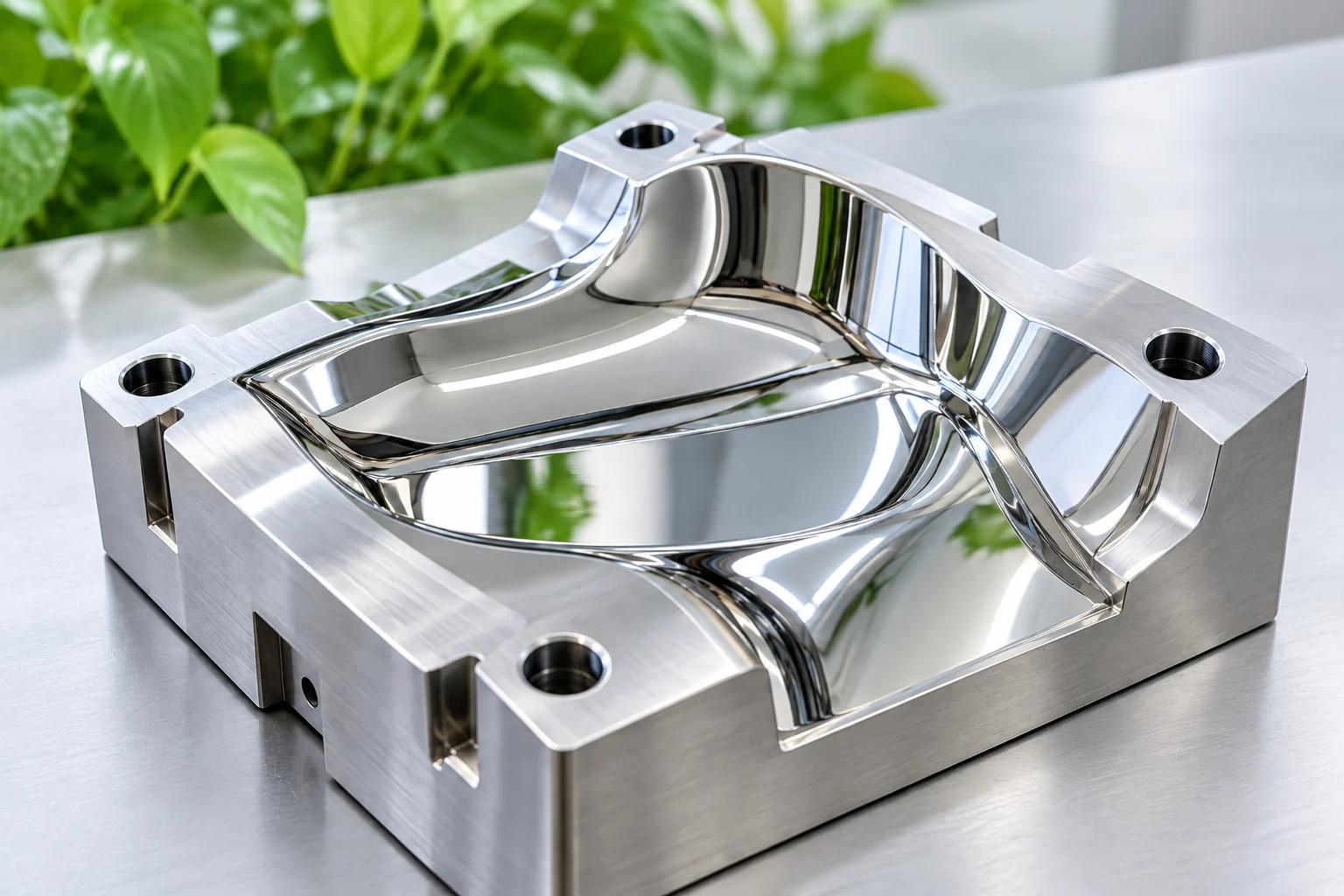
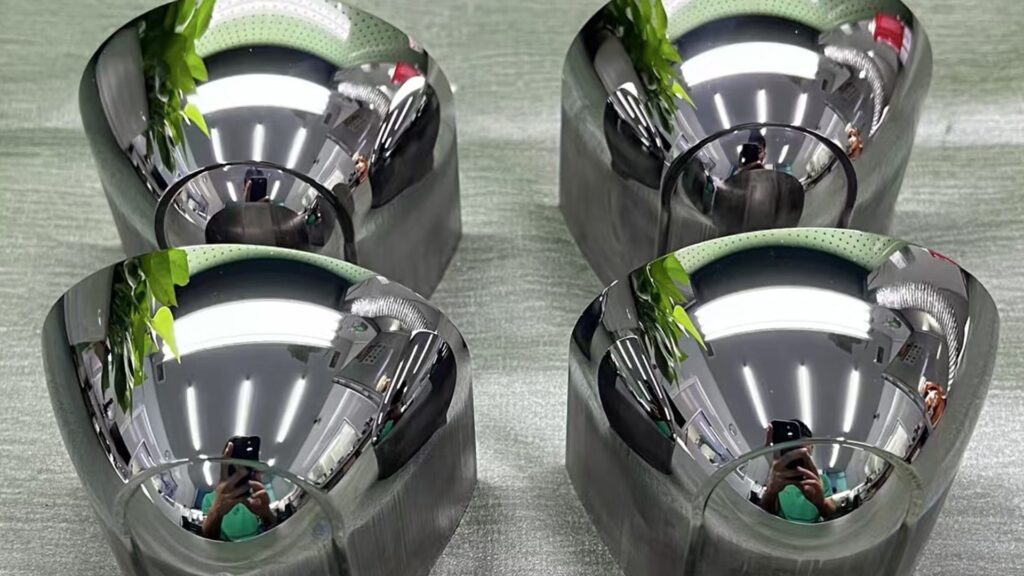
The Surface Finish Standards published by the Society of the Plastics Industry (SPI) define a widely adopted classification system for mold surface finishes, ranging from SPI A1 (mirror finish, Ra ≤0.012 μm) through SPI D3 (rough texture, Ra 2.5–3.2 μm). Automotive headlamp reflector cavities — particularly those for DLP and ADB systems — universally require SPI A1 or SPI A2 (super fine, Ra ≤0.025 μm) finishes to meet the optical performance and aesthetic quality requirements of premium automotive lighting systems.
The SPI Surface Finish Classification System for Automotive Molds
Understanding the SPI Grades
The SPI mold surface finish classification system provides a standardized reference for surface quality requirements across injection molding applications:
| SPI Grade | Ra (μm) | Rz (μm) | Typical Application | Polishing Method |
|---|---|---|---|---|
| A1 | ≤0.012 | ≤0.05 | Optics, mirrors, DLP/ADB reflectors | Diamond paste (1 μm) + electropolish |
| A2 | ≤0.025 | ≤0.10 | Optical surfaces, display lenses | Diamond paste (3 μm) + buff |
| A3 | ≤0.050 | ≤0.20 | Clear optical parts, lenses | Diamond paste (6 μm) + pre-polish |
| B1 | ≤0.100 | ≤0.40 | Semi-gloss automotive trim | Fine stone + buff |
| B2 | ≤0.200 | ≤0.80 | Low-gloss automotive trim | Stone polishing |
| C1 | ≤0.400 | ≤1.60 | Textured surfaces | Flash buff |
| D3 | 2.50–3.20 | — | Heavy texture | As machined |
According to technical data from automotive mold specialist automotive-molds.com (2025), achieving SPI A1 mirror finish on tool steel headlamp reflector molds requires a systematic multi-stage polishing workflow with no stage skipped, as each progressive step addresses a specific spatial frequency of surface irregularity.
Why Headlamp Reflectors Require SPI A1
Modern automotive headlamp reflectors serve multiple functions simultaneously:
- Light collection and collimation — Gathering light from the LED/laser source and directing it into the prescribed beam pattern
- Beam pattern shaping — Creating the specific photometric distribution required by ECE R112 (low beam) and SAE J581 (high beam)
- Thermal management — Dissipating heat from high-power LED arrays (typically 10–50 W) without distortion
- Aesthetic integration — Providing the signature lighting appearance that defines the vehicle’s visual identity
Each function is compromised by surface imperfections on the reflector mold cavity. A surface roughness of Ra 0.05 μm (SPI A3) reduces specular reflectance efficiency by approximately 2–3% compared to Ra 0.012 μm (SPI A1). For a DLP headlamp with 1,000+ individually controlled pixels, this efficiency loss compounds across the entire optical system, reducing effective beam range and contrast.
Polishing Workflow for Headlamp Reflector Molds
Stage 1: Surface Preparation and EDM Recast Removal
The starting surface condition of a headlamp reflector mold cavity depends on the preceding machining process:
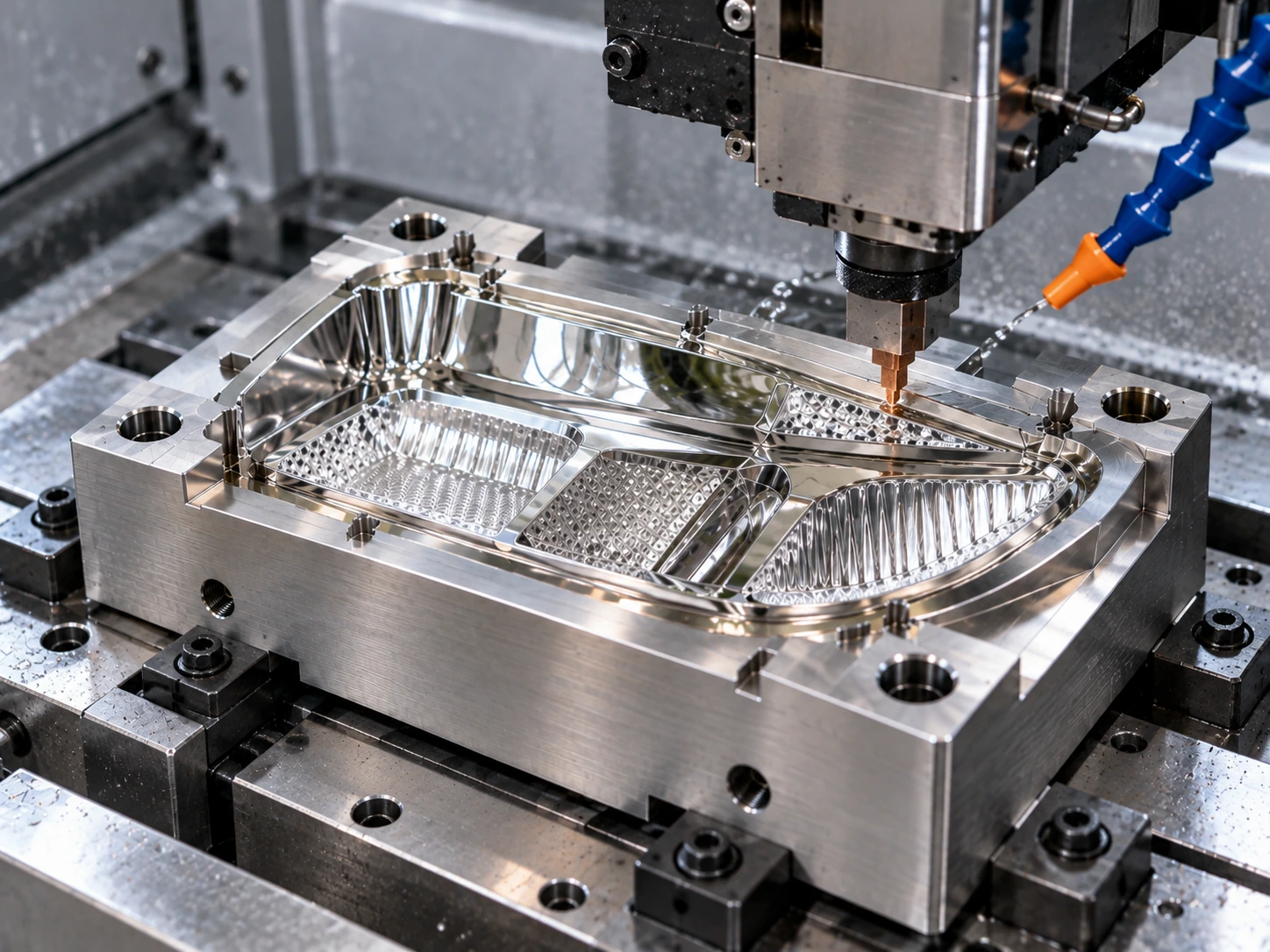
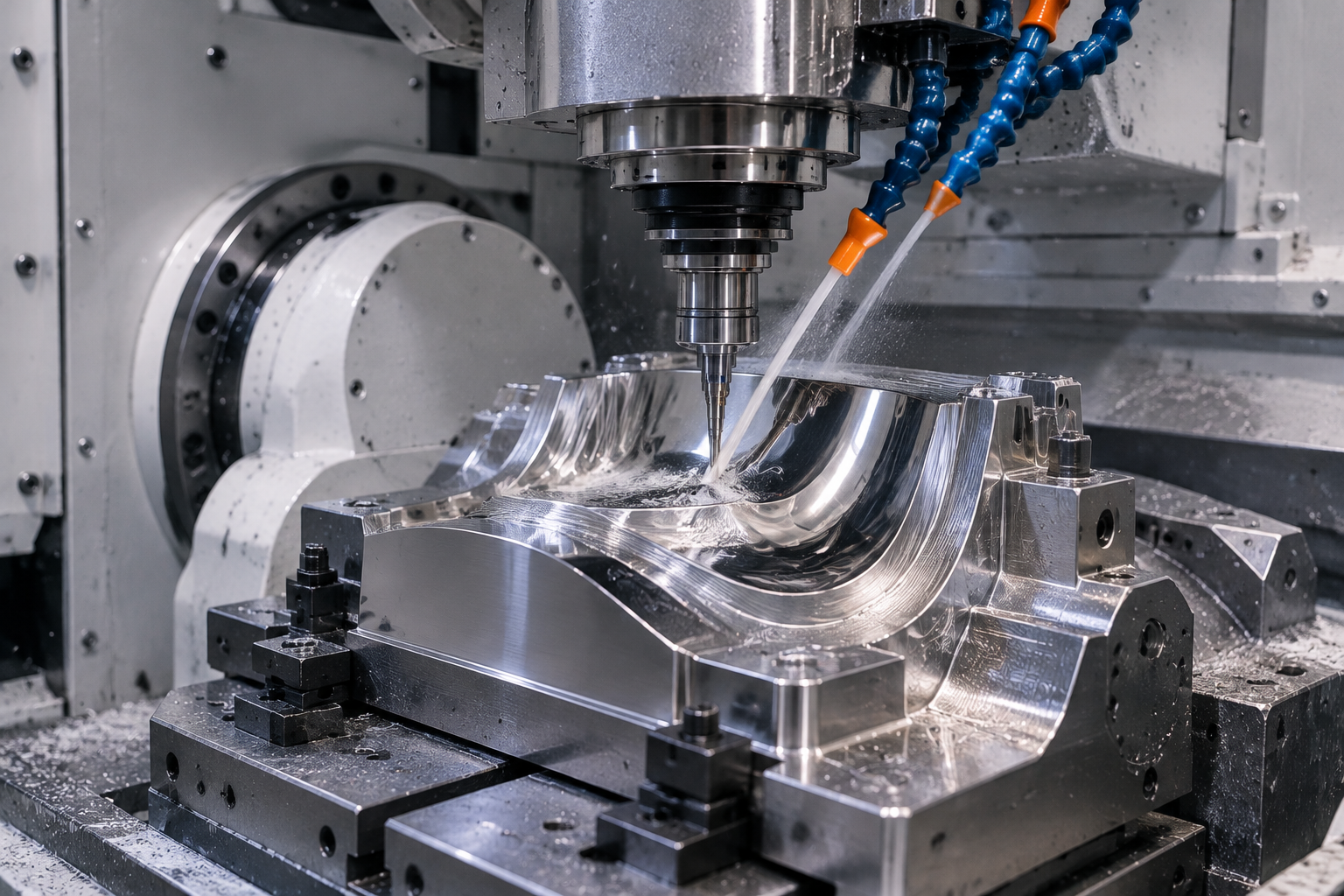
- After 5-axis HSM machining: Surface roughness Ra 0.8–3.2 μm, with visible tool marks
- After grinding: Surface roughness Ra 0.2–0.8 μm, with grinding wheel marks
- After EDM: Surface roughness Ra 0.05–0.15 μm, with EDM recast layer (depth 0.005–0.020 mm)
The EDM recast layer must be fully removed before mechanical polishing begins. Research in the Journal of Materials Processing Technology (Elsevier, 2023) demonstrates that residual EDM recast layer creates a brittle, micro-cracked surface layer that will fracture under polishing pressure, creating new surface defects. Yishun Optical addresses this through systematic EDM finishing with progressive electrode wear and 100% verification of recast-free surfaces before polishing.
Stage 2: Progressive Mechanical Polishing
Mechanical polishing of headlamp reflector molds follows a systematic progression of abrasive steps, each addressing progressively finer surface irregularities:
| Step | Abrasive | Grit/Particle Size | Surface Ra (μm) | Purpose |
|---|---|---|---|---|
| 1 | Silicon carbide paper | 180 grit | 1.6–2.0 | Remove major EDM/ machining marks |
| 2 | Silicon carbide paper | 320 grit | 0.8–1.2 | Reduce scratch depth |
| 3 | Silicon carbide paper | 600 grit | 0.4–0.6 | Prepare for fine polishing |
| 4 | Diamond compound | 15 μm | 0.2–0.3 | Pre-polish, transition stage |
| 5 | Diamond compound | 9 μm | 0.1–0.15 | Fine pre-polish |
| 6 | Diamond compound | 6 μm | 0.05–0.08 | Intermediate polishing |
| 7 | Diamond compound | 3 μm | 0.025–0.035 | Near-mirror pre-finish (SPI A2) |
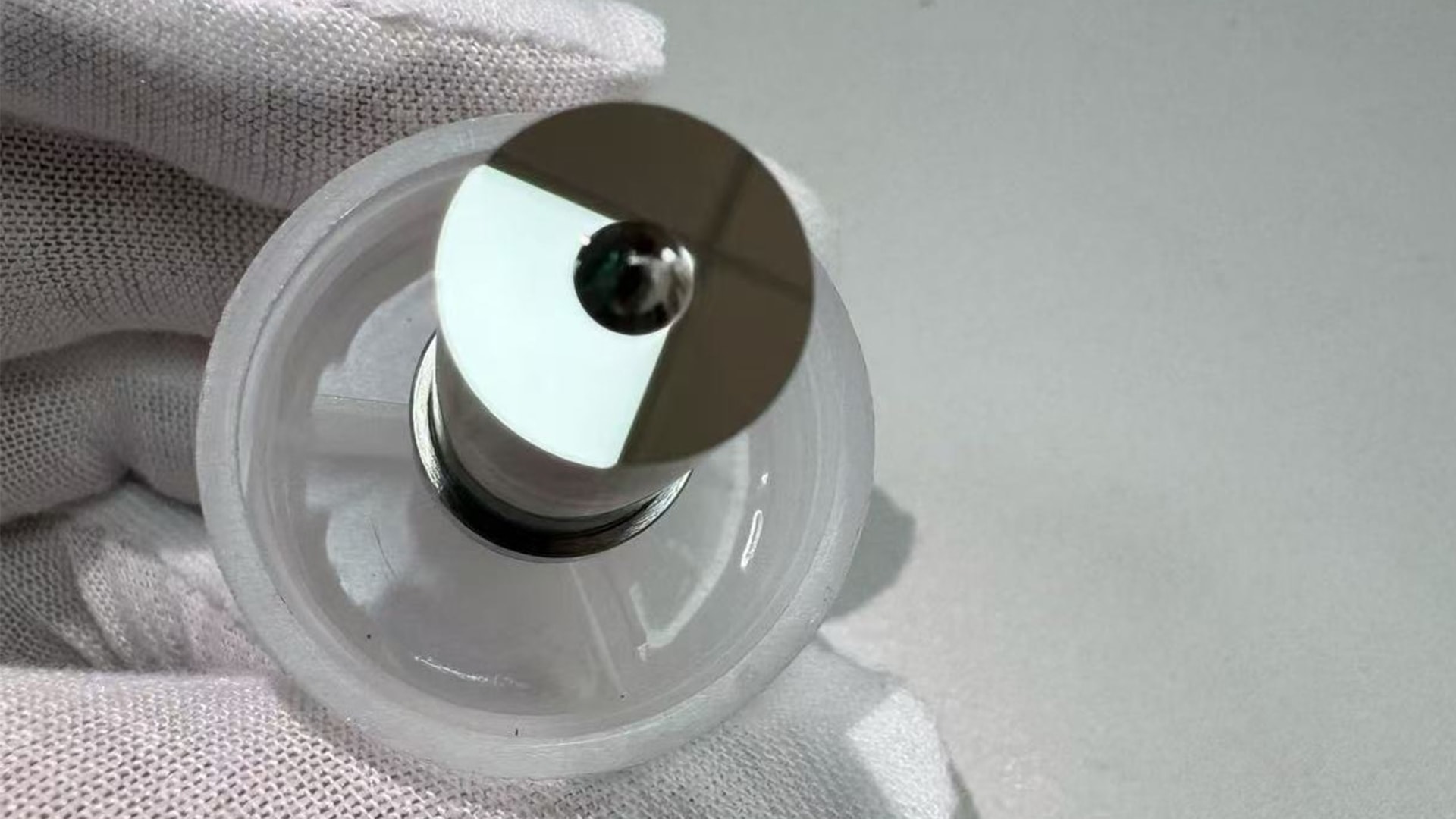
| 8 | Diamond compound | 1 μm | 0.012–0.018 | Mirror finish (SPI A1) |
| 9 | Fine buffing | 0.25 μm alumina | ≤0.012 | Final super-mirror (SPI A1+) |
According to mold polishing technical literature (moldproducer.com, 2025), the progression between abrasive steps must follow a maximum particle size reduction ratio of approximately 2:1 to avoid leaving deep scratches from the previous step. Skipping abrasive steps — for example, moving directly from 15 μm to 3 μm diamond compound — creates scratch patterns that are difficult to fully remove in subsequent polishing stages.
Stage 3: Chemical and Electrochemical Polishing
For the most demanding headlamp reflector applications, Yishun Optical applies electrochemical polishing (electropolishing) as a final surface refinement step. Electropolishing uses anodic dissolution in electrolyte solution to selectively remove the highest surface peaks, achieving:
- Surface roughness improvement: Ra reduction of 30–50% compared to mechanical polishing alone
- Surface stress relief: Elimination of tensile surface stress introduced by mechanical polishing
- Micro-crack removal: Dissolution of micro-crack tips at grain boundaries that mechanical polishing cannot address
- Corrosion resistance improvement: Creation of a chromium-enriched passive surface layer on tool steel
According to research published in the International Journal of Advanced Manufacturing Technology (Springer, 2024), electropolishing of S136H tool steel headlamp reflector molds achieves Ra≤0.008 μm surface roughness with subsurface damage depth below 0.001 μm — superior to purely mechanical polishing methods.
Robot-Assisted Polishing with ABB 6-Axis System
The Case for Robotic Polishing of Reflector Molds
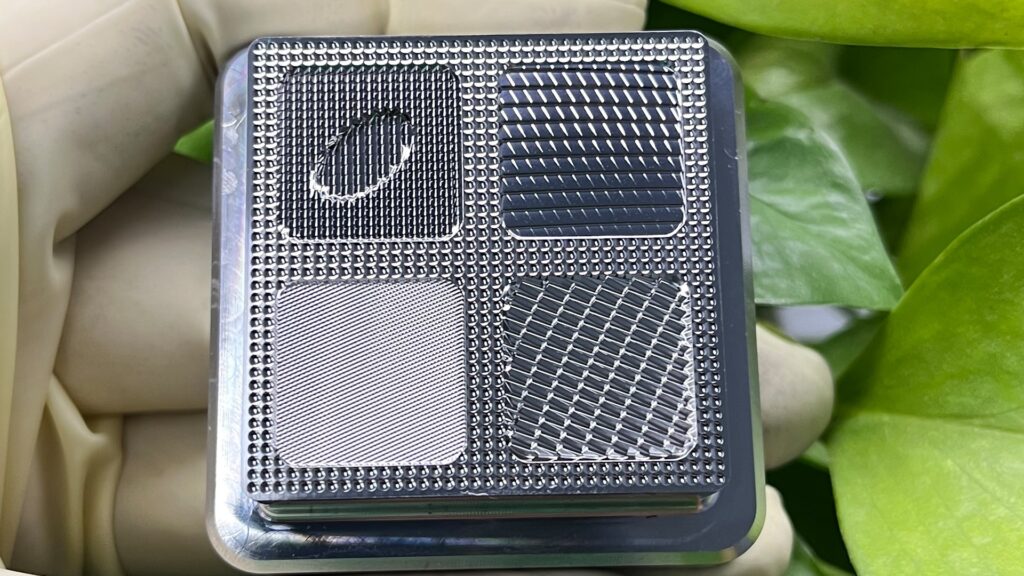
Headlamp reflector surfaces often feature complex 3D curved geometries — paraboloid, ellipsoid, or freeform surfaces — that challenge manual polishing consistency. A skilled manual polisher can maintain consistent pressure on flat surfaces but struggles to apply uniform pressure across compound curved geometries, resulting in surface quality variations of Ra 0.005–0.020 μm across the same reflector mold.
Yishun Optical addresses this challenge with an ABB 6-axis robotic polishing system achieving:
- Positional repeatability: ±0.001 mm — eliminating the pressure variation that causes surface quality non-uniformity
- Consistent contact force: Force-controlled polishing head maintaining preset polishing pressure across all surface geometries
- Process documentation: Every polishing path recorded with force, speed, and time data for quality traceability
- Tool path optimization: CAM-generated polishing paths derived from CAD surface geometry for complete coverage
Robotic Polishing Workflow
- CAD surface model import — Import the headlamp reflector mold CAD geometry for path generation
- Tool path planning — Generate robotic polishing paths with adaptive step-over based on surface curvature
- Parameter optimization — Optimize polishing force (typically 5–15 N), rotational speed (1,000–3,000 rpm), and feed rate for each polishing stage
- Process execution — Sequential execution of abrasive stages from coarse to fine using the same robotic system
- In-process measurement — White light interferometric verification of surface quality at each stage transition
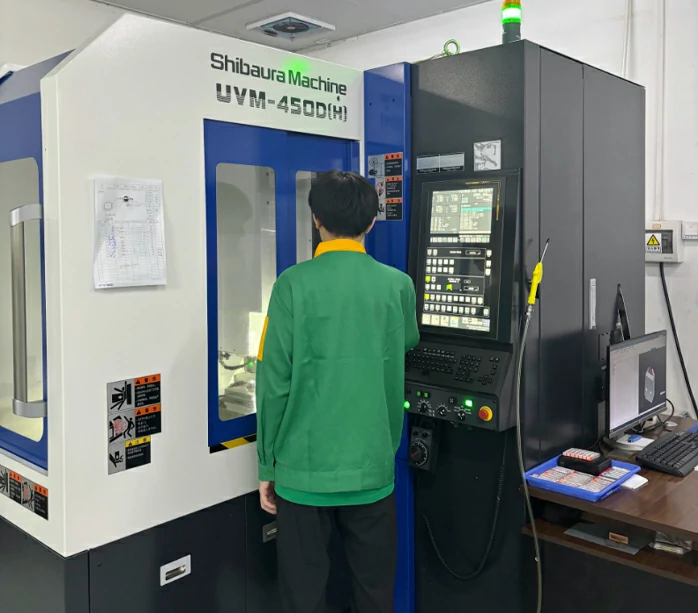
The combination of robotic polishing consistency and ultra-precision machining form accuracy (PV≤0.15 μm from Yishun Optical’s Toshiba UVM machines) produces headlamp reflector molds that maintain SPI A1 surface quality consistently across complex 3D geometries and across the full mold cavity — part after part, shot after shot.
Material Selection for Headlamp Reflector Mold Applications
Recommended Mold Steels for Reflector Polishing
| Steel Grade | Hardness | Polishability | Thermal Conductivity | Reflector Application |
|---|---|---|---|---|
| S136H (ESR) | 48–52 HRC | Excellent | 25 W/m·K | Premium DLP/ADB reflectors |
| NAK80 | 37–43 HRC | Excellent | 35 W/m·K | Medium-volume production |
| H13 (Chrome-plated) | 52–58 HRC | Good | 25 W/m·K | High-volume glass-filled PC |
| Aluminum 7075 | 87 HB | N/A (machined only) | 130 W/m·K | Rapid prototyping |
S136H (martenstic stainless tool steel with ESR refinement) is Yishun Optical’s preferred material for DLP and ADB headlamp reflector molds due to its exceptional polishability to Ra≤0.008 μm, corrosion resistance against polycarbonate thermal degradation products, and dimensional stability across thermal cycles. The ESR (Electro-Slag Remelting) refining process reduces sulfur and non-metallic inclusions to levels below 0.003%, eliminating defect sites that would create surface imperfections during polishing.
DLP and ADB System Materials
Modern DLP (Digital Light Processing) and ADB (Adaptive Driving Beam) headlamp systems use different optical technologies that affect reflector design:
DLP Headlamps — Based on Texas Instruments DMD (Digital Micromirror Device) chips with up to 1.3 million individually addressable mirrors, DLP headlamps project dynamic beam patterns by controlling which mirrors are in the “on” or “off” position. The reflector in a DLP headlamp must efficiently collect light from a high-power LED source and direct it to the DMD with minimal loss. Optical efficiency requirements of ≥85% demand SPI A1 reflector mold surfaces.
ADB Headlamps — Adaptive Driving Beam systems use segmented LED arrays with individual reflectors or lenses per LED segment, allowing selective dimming of specific LED zones to create a dynamic beam pattern without moving mechanical parts. ADB reflectors require precise optical surface geometry to achieve sharp beam cutoff lines (required by ECE R112 for glare-free high beam operation), typically demanding form accuracy of PV≤0.05 mm.
DLP and ADB Optical Performance Requirements
Regulatory Standards
| Regulation | Jurisdiction | Key Requirement | Beam Pattern Precision |
|---|---|---|---|
| ECE R112 | Europe/Asia | Class A/B headlamps, glare-free high beam | Cutoff sharpness ≤0.1° |
| SAE J581 | USA/Canada | Adaptive high beam systems | Beam pattern tolerance ±0.5° |
| GB 4599 | China | Automotive headlamps | Meets ECE R112 equivalent |
| FMVSS 108 | USA | Headlamp performance | ADB permitted since 2022 |
According to SAE International’s 2024 technical review of adaptive lighting systems, the infrastructure law passed in the United States in 2022 paved the way for ADB technology deployment in new vehicles beginning in 2023 — opening a significant new market for high-precision headlamp reflector molds.
Optical Efficiency and Thermal Considerations
DLP headlamp systems with 1,000+ pixel resolution require optical efficiency of ≥85% from the LED source to the projected beam pattern to meet illumination requirements at 100-meter test distances. This efficiency budget breaks down as:
- LED to reflector: 75–80% (determined by reflector geometry and surface quality)
- Reflector to DMD: 80–90% (determined by DMD package design)
- DMD to projection lens: 70–80% (determined by projection lens quality)
- Projection lens to output: 85–95% (determined by lens coatings)
Surface roughness of Ra 0.05 μm (SPI A3) on the reflector mold creates approximately 2–4% additional light scatter loss compared to SPI A1 (Ra 0.012 μm), reducing total system optical efficiency by 1.5–3% and potentially requiring higher-power (and hotter) LED sources to meet regulatory illumination minimums.
Best Practices for Automotive Headlamp Reflector Mold Polishing
Environmental and Operator Factors
According to technical best practices from automotive-molds.com (2025), the polishing environment for SPI A1 headlamp reflector molds must meet the following requirements:
- Temperature: 20°C ± 2°C — thermal expansion of both the mold and polishing tools affects pressure distribution
- Humidity: 45–55% RH — prevents moisture condensation on polished surfaces and maintains consistent abrasive performance
- Cleanliness: ISO Class 7 (Class 10,000) minimum — particulate contamination creates scratches that defeat the polishing process
- Lighting: 1,000+ lux at the polishing surface — adequate illumination to detect sub-micron surface defects
Polishing Compound Selection
Diamond compounds are the preferred abrasive for headlamp reflector mold polishing due to their consistent particle size distribution, chemical stability, and superior cutting efficiency on hardened tool steel:
- Polycrystalline diamond (PCD): Preferred for粗 to medium polishing stages (15–6 μm) due to superior toughness and self-sharpening action
- Monocrystalline diamond: Preferred for fine polishing stages (3–1 μm) due to higher cutting efficiency at small particle sizes
- Cubic boron nitride (CBN): Alternative for difficult-to-polish tool steel grades and high-chromium content steels
Yishun Optical uses a systematic diamond compound progression with freshly applied compound at each stage, preventing contamination of fine polishing stages with coarse abrasive carry-over that would create deep scratches.
Quality Verification Protocol for SPI A1 Reflector Molds
Every headlamp reflector mold cavity at Yishun Optical undergoes comprehensive surface quality verification:
- Visual inspection: 10× magnification under polarized light to detect scratches, pits, and tool marks
- Surface roughness measurement: Talysurf contact profilometer, Ra, Rz, and Rt values across multiple measurement axes
- Gloss measurement: Gloss unit (GU) measurement at 60° angle per ISO 2813 — SPI A1 surfaces achieve ≥90 GU on steel
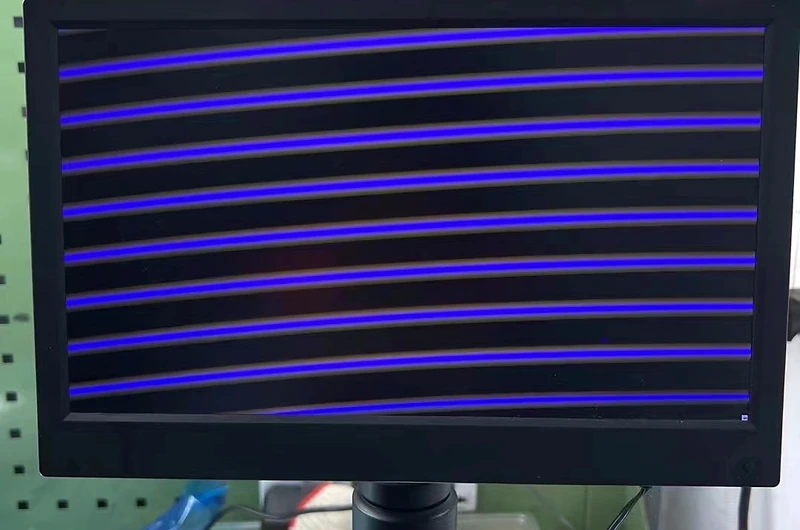
- Interferometric surface inspection: White light interferometry for sub-micron defect detection
- Replica tape sampling: For complex geometries where probe measurement is impractical
FAQ: Automotive Headlamp Reflector Mold Polishing
Q1: What surface roughness corresponds to SPI A1 mirror finish on headlamp reflector molds?
A: SPI A1 mirror finish corresponds to Ra ≤0.012 μm (12 nm) and Rz ≤0.05 μm on tool steel. Yishun Optical achieves Ra 0.008–0.012 μm consistently on S136H headlamp reflector mold cavities through our multi-stage mechanical polishing + robotic polishing workflow.
Q2: What is the difference between SPI A1 and A2 surface finish for headlamp reflectors?
A: SPI A2 (Ra ≤0.025 μm) is suitable for standard LED headlamp reflectors where moderate optical efficiency (80–85%) is acceptable. SPI A1 (Ra ≤0.012 μm) is required for DLP and ADB adaptive headlamp systems where maximum optical efficiency (≥85%) and precise beam pattern control are mandatory.
Q3: How does Yishun Optical ensure uniform SPI A1 surface quality on complex reflector geometries?
A: Yishun Optical uses an ABB 6-axis robotic polishing system with ±0.001 mm positional repeatability and force-controlled polishing heads to maintain consistent pressure across complex 3D curved reflector surfaces. This eliminates the surface quality variation inherent in manual polishing of compound curved geometries.
Q4: What mold steel do you recommend for DLP headlamp reflector molds?
A: Yishun Optical recommends S136H ESR stainless tool steel for DLP and ADB headlamp reflector molds due to its superior polishability (achievable Ra ≤0.008 μm), corrosion resistance, and dimensional stability. For high-volume production with glass-filled optical polymers, chrome-plated H13 tool steel provides enhanced wear resistance.
Q5: How do you prevent EDM recast layer from affecting SPI A1 surface quality?
A: Yishun Optical’s EDM finishing protocol includes complete recast layer removal through systematic electrode wear management, followed by stress relief heat treatment and 100% CMM verification before polishing. Any residual recast layer would create micro-cracking during polishing, compromising the final surface quality.
Q6: What is the typical lead time for a headlamp reflector mold with SPI A1 finish?
A: Prototype tooling with SPI A1 finish requires 3–4 weeks. Full steel production tooling for headlamp reflector applications requires 10–14 weeks depending on reflector complexity and the number of optical surfaces, followed by PPAP approval including photometric testing.
Q7: Does Yishun Optical provide photometric testing support for headlamp reflector prototypes?
A: Yishun Optical does not perform full photometric testing in-house, but we provide prototype reflector samples from our mold trials for our customers’ photometric testing laboratories. We also provide complete dimensional and surface quality documentation for your optical engineering team to correlate with photometric performance.
Conclusion
Automotive headlamp reflector mold polishing to SPI A1 mirror finish is a discipline that demands the convergence of precision machining, systematic polishing technique, robotic automation, and rigorous quality verification — executed within an environmental control framework that eliminates variability at every stage. For DLP and ADB adaptive headlamp systems, where every micron of surface irregularity translates to measurable optical loss and beam pattern deviation, SPI A1 mirror finish is not merely desirable — it is a regulatory and functional requirement.
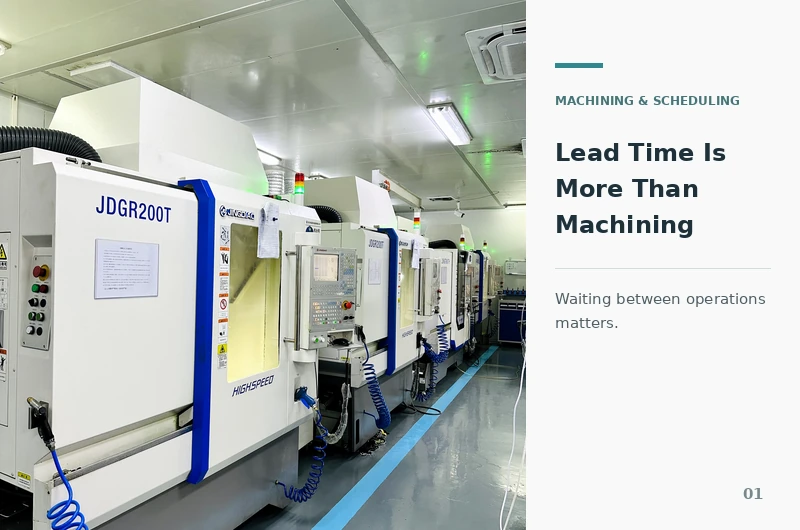
Yishun Optical’s manufacturing infrastructure — 25 five-axis machining centers, 2 Moore diamond turning lathes (Ra≤2 nm), an ABB 6-axis robotic polishing system (±0.001 mm repeatability), and 4 Toshiba UVM ultra-precision machines (PV≤0.15 μm) — provides the complete capability set required for SPI A1 headlamp reflector mold production at automotive volumes. Our ISO 9001 / ISO 14001 certifications, National High-Tech Enterprise status (2024), Specialized & New Enterprise designation, and Apple Gold Supplier qualification validate our commitment to quality across every mold we produce.
For headlamp reflector mold specifications, SPI A1 polishing quotations, or feasibility assessments for DLP and ADB headlamp programs, visit https://yishunoptical.com/ or contact us at yishun158@163.com / +86-755-82594863.