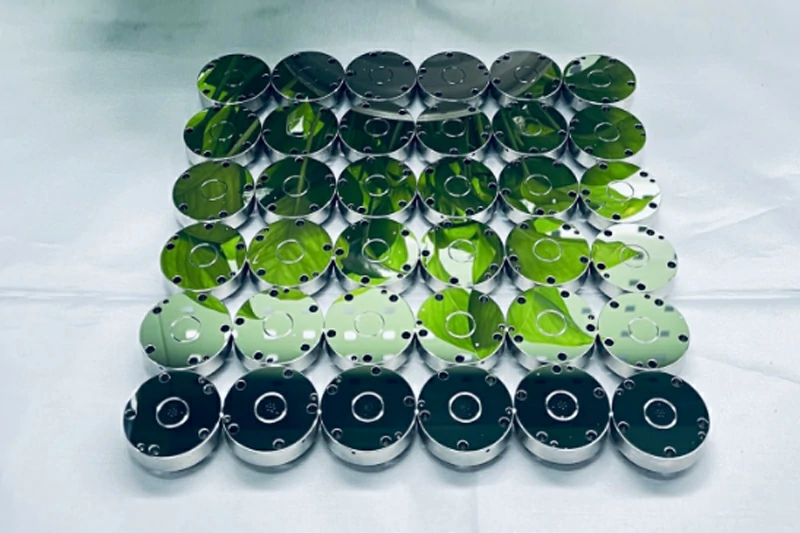
Why Microfluidic Chip Molds Demand Ultra-Precision Machining
Microfluidic technology has fundamentally reshaped how medical diagnostics are performed. From in vitro diagnostic (IVD) analyzers to point-of-care testing (POCT) devices, microfluidic chips serve as the critical interface between patient samples and diagnostic results. These compact platforms integrate sample preparation, reaction, separation, and detection into a single substrate — often no larger than a glass slide. The performance of the end-use diagnostic device depends directly on the precision of the mold that forms the microfluidic chip.
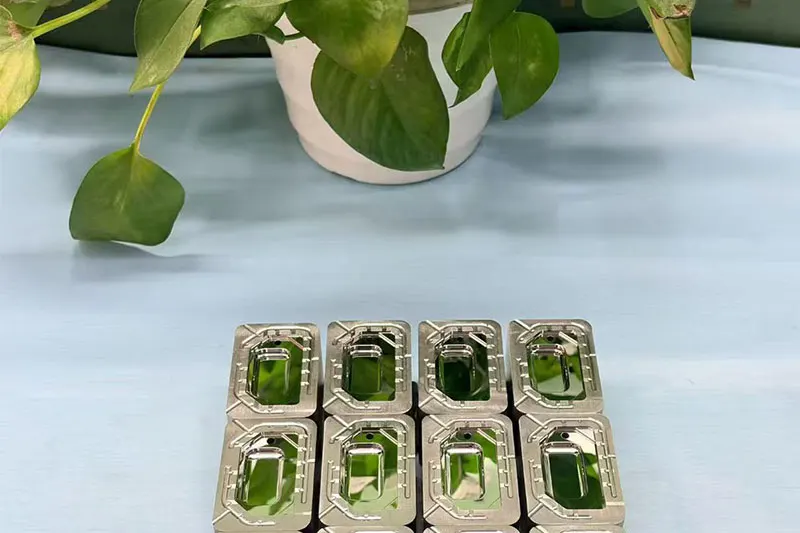
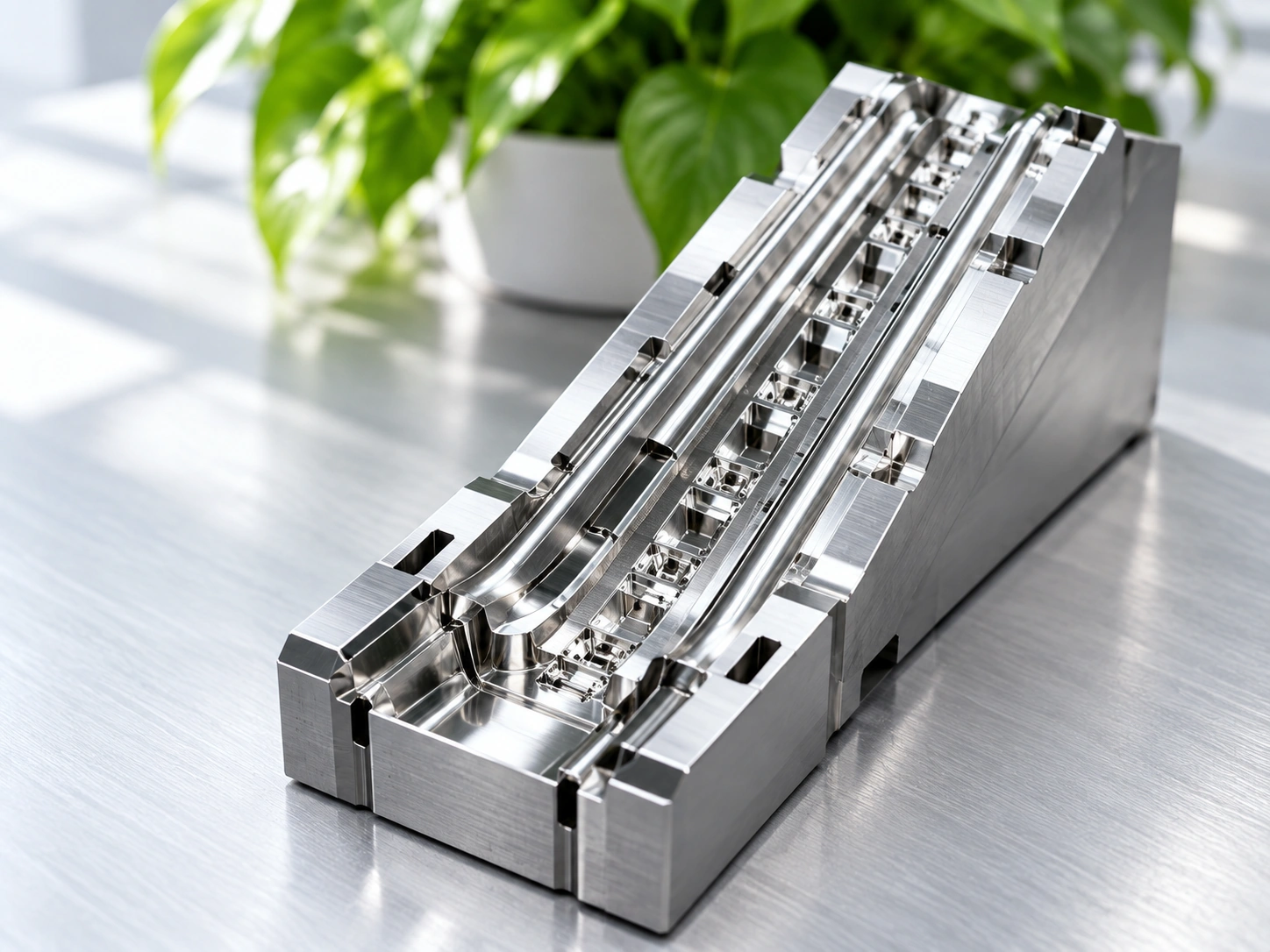
At the heart of every high-performance microfluidic chip lies a mold cavity with micron-scale channels, precise well arrays, and tightly controlled surface geometry. Channel widths as small as 10 micrometers require mold cores machined to sub-micron tolerances. Surface roughness directly affects fluid behavior — even minor irregularities can alter capillary flow, cause sample retention, or introduce measurement noise in optical detection systems. This is where ultra-precision mirror machining becomes non-negotiable.
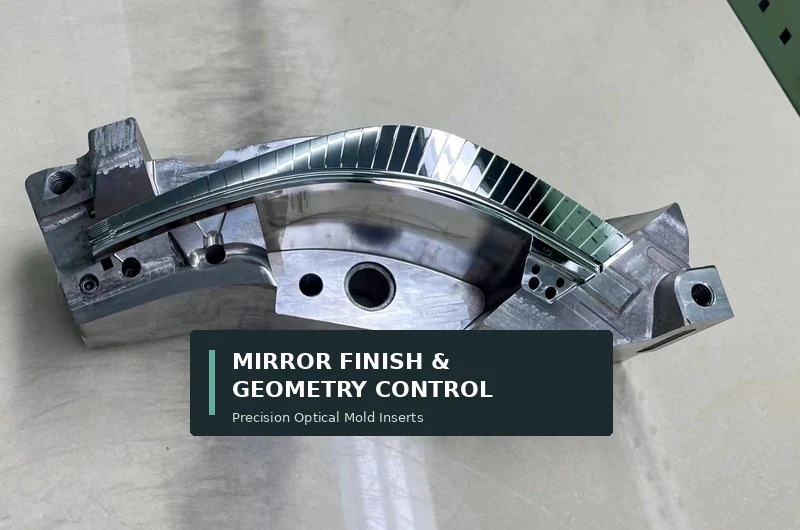
Yishun Optical has invested heavily in the equipment, processes, and expertise required to produce microfluidic chip molds that meet the exacting standards of the medical device industry. Through component mold core customization, Yishun Optical delivers mold inserts with surface roughness down to Ra≤0.005μm, form accuracy of PV≤λ/4, and dimensional tolerances held within ±0.005mm — specifications that align with the regulatory and performance requirements of IVD and POCT device manufacturers worldwide.
The challenge is not just achieving these numbers in isolation. It is doing so consistently, across complex three-dimensional geometries with high-aspect-ratio micro features, on biocompatible mold materials that resist standard machining approaches. Yishun Optical’s engineering team addresses each of these challenges through a combination of advanced equipment, validated process workflows, and rigorous quality inspection.
Precision Mold Polishing Challenges in Microfluidic Feature Fabrication
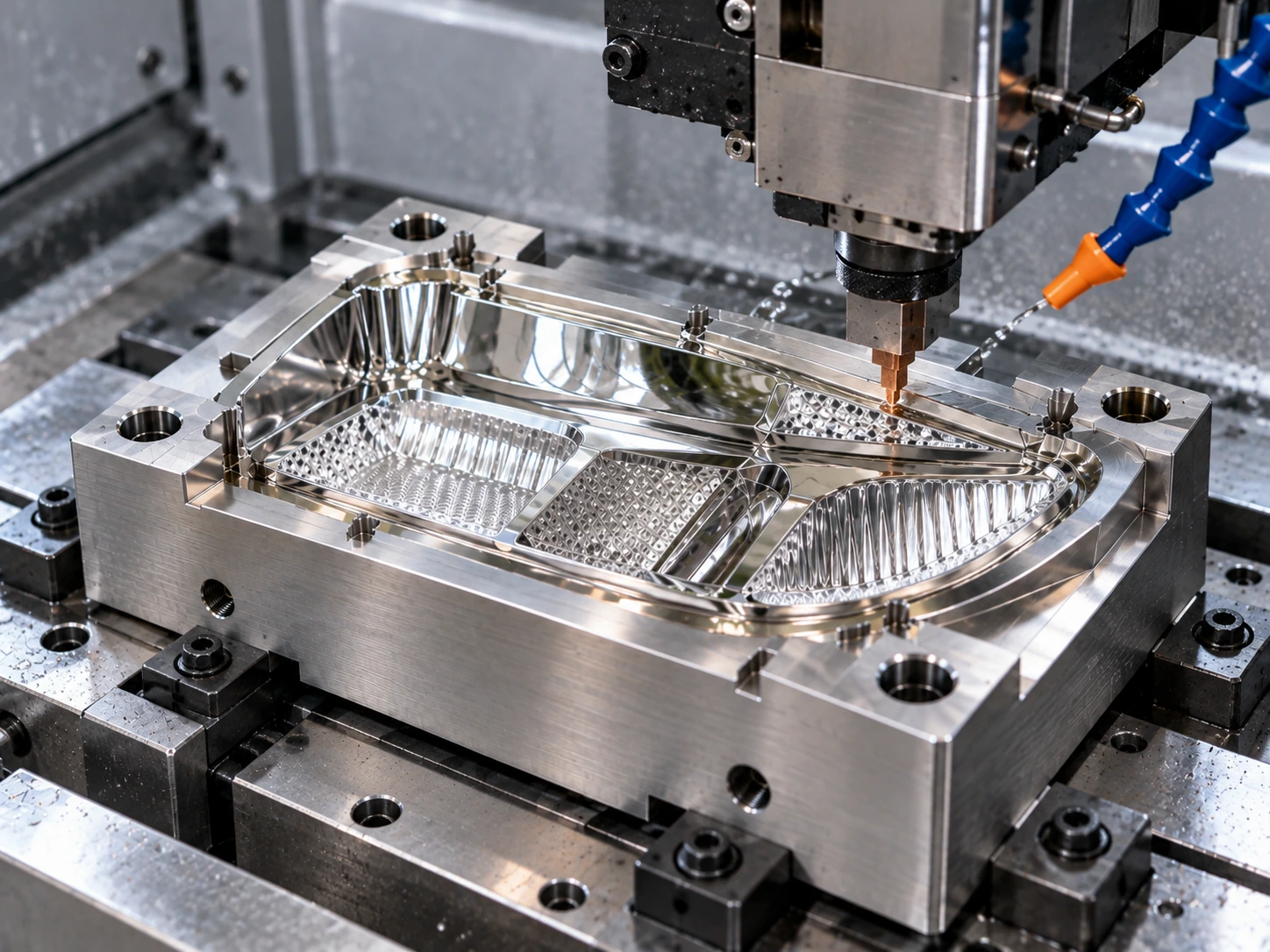
Manufacturing a microfluidic chip mold is fundamentally different from producing a conventional injection mold. The micro-scale features — channels, mixing structures, filtration membranes, and reaction chambers — require machining strategies that go well beyond standard CNC milling. Precision mold polishing for these features presents its own set of difficulties that many mold shops are simply not equipped to handle.
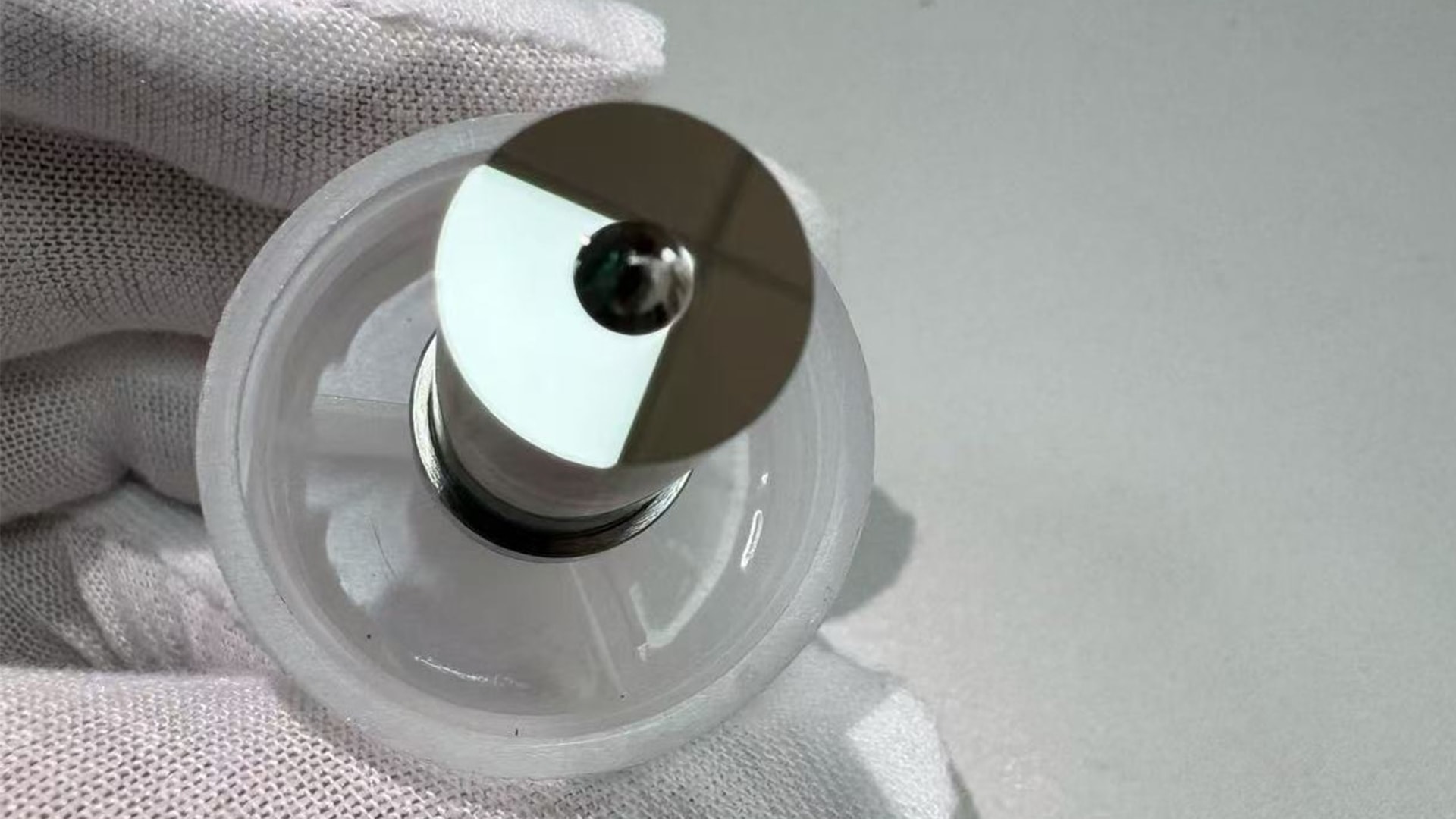
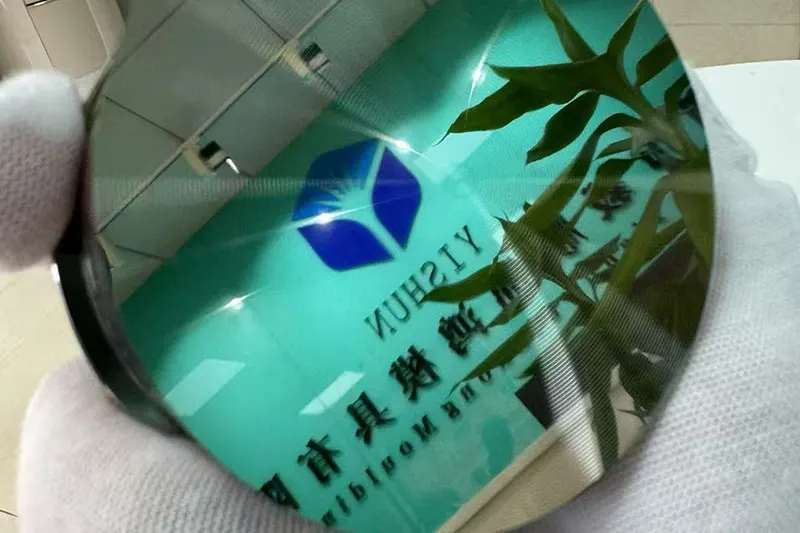
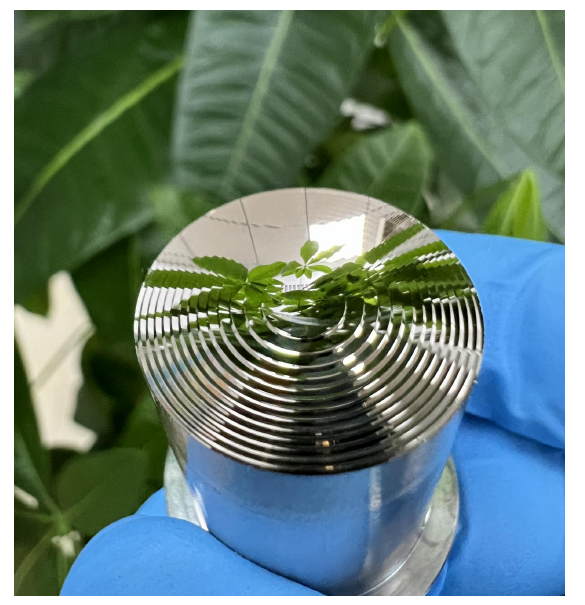
Micro-channel surface integrity. Fluid flow in microchannels is governed by laminar flow principles, where the wall surface condition has a disproportionate effect on flow behavior. A surface with Ra values above 0.02μm can cause protein adhesion, bubble trapping, or inconsistent sample transport. Yishun Optical achieves Ra≤0.005μm through ultra-precision mirror machining on the Moore Nanotechnology 350FG, which produces optical-quality surfaces directly through single-point diamond turning — eliminating the need for manual polishing that risks altering micro-feature geometry.
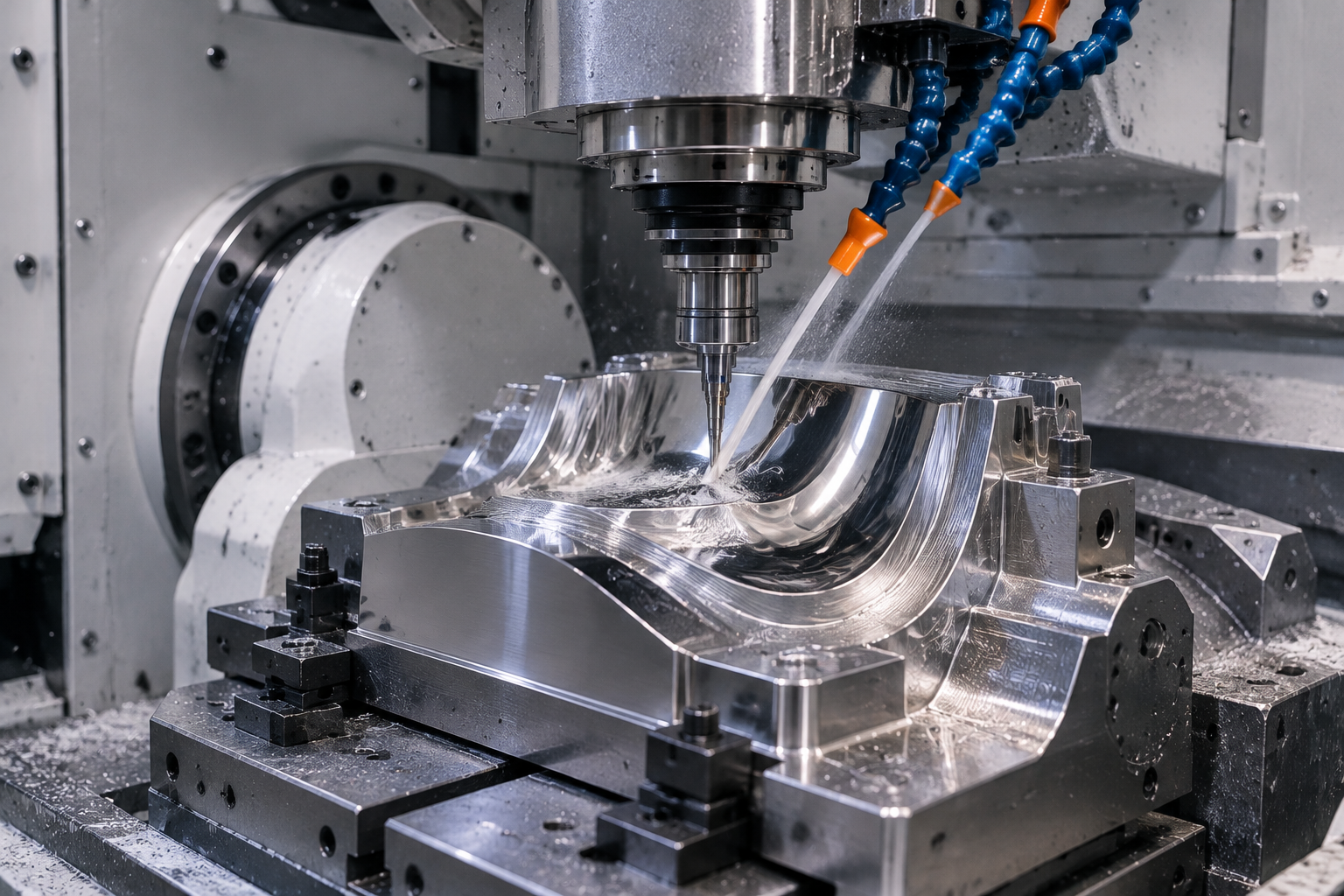
High-aspect-ratio structures. Many microfluidic designs require channels with depth-to-width ratios exceeding 5:1. Machining these features while maintaining straight sidewalls and flat bottoms demands the nanometer-level positioning stability that the Kern Pyramid Nano provides. Its five-axis simultaneous machining capability allows Yishun Optical to access deep, narrow cavities at optimal tool angles, maintaining consistent surface quality throughout the feature depth.
Material considerations for biocompatible molds. Medical microfluidic chips are commonly injection molded in cyclic olefin copolymer (COC), cyclic olefin polymer (COP), or medical-grade polycarbonate. The mold cores for these materials must be fabricated from high-hardness tool steels or nickel-phosphorus coated substrates that can withstand thousands of molding cycles while maintaining surface integrity. Yishun Optical’s optical mold core customization process accounts for the specific hardness, thermal stability, and surface energy requirements of each biocompatible material system.
Dimensional accuracy across complex geometries. A single microfluidic chip mold may contain hundreds of features — alignment pins, fluidic ports, vent channels, optical windows — each with its own tolerance stack-up. Yishun Optical holds ±0.005mm across the entire mold insert through temperature-controlled machining environments, in-process probing on the Kern Pyramid Nano, and final validation using the Zeiss Contura coordinate measuring machine.
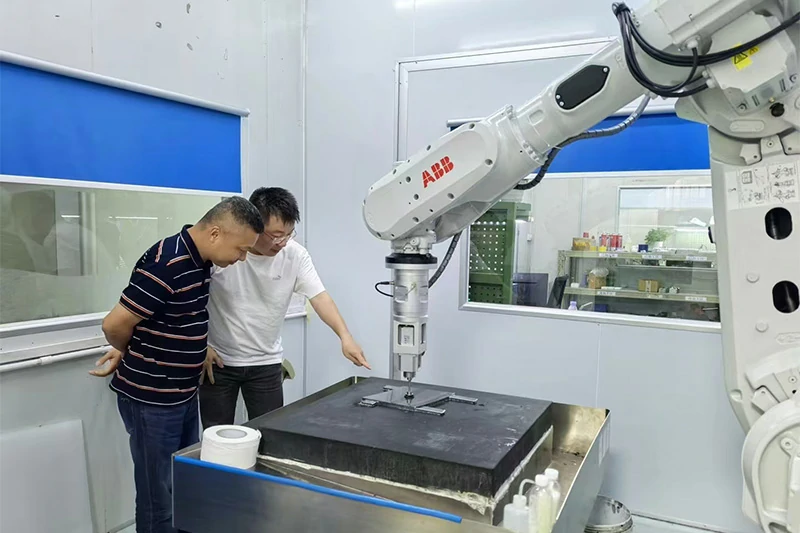
The Role of the Moore Nanotechnology 350FG in Microfluidic Mold Fabrication
Among the equipment in Yishun Optical’s production floor, the Moore Nanotechnology 350FG freeform generation machine holds a particularly important position for microfluidic chip mold fabrication. This platform was designed for ultra-precision diamond machining of optical-quality surfaces on complex freeform geometries — precisely the capability required for microfluidic mold cores.
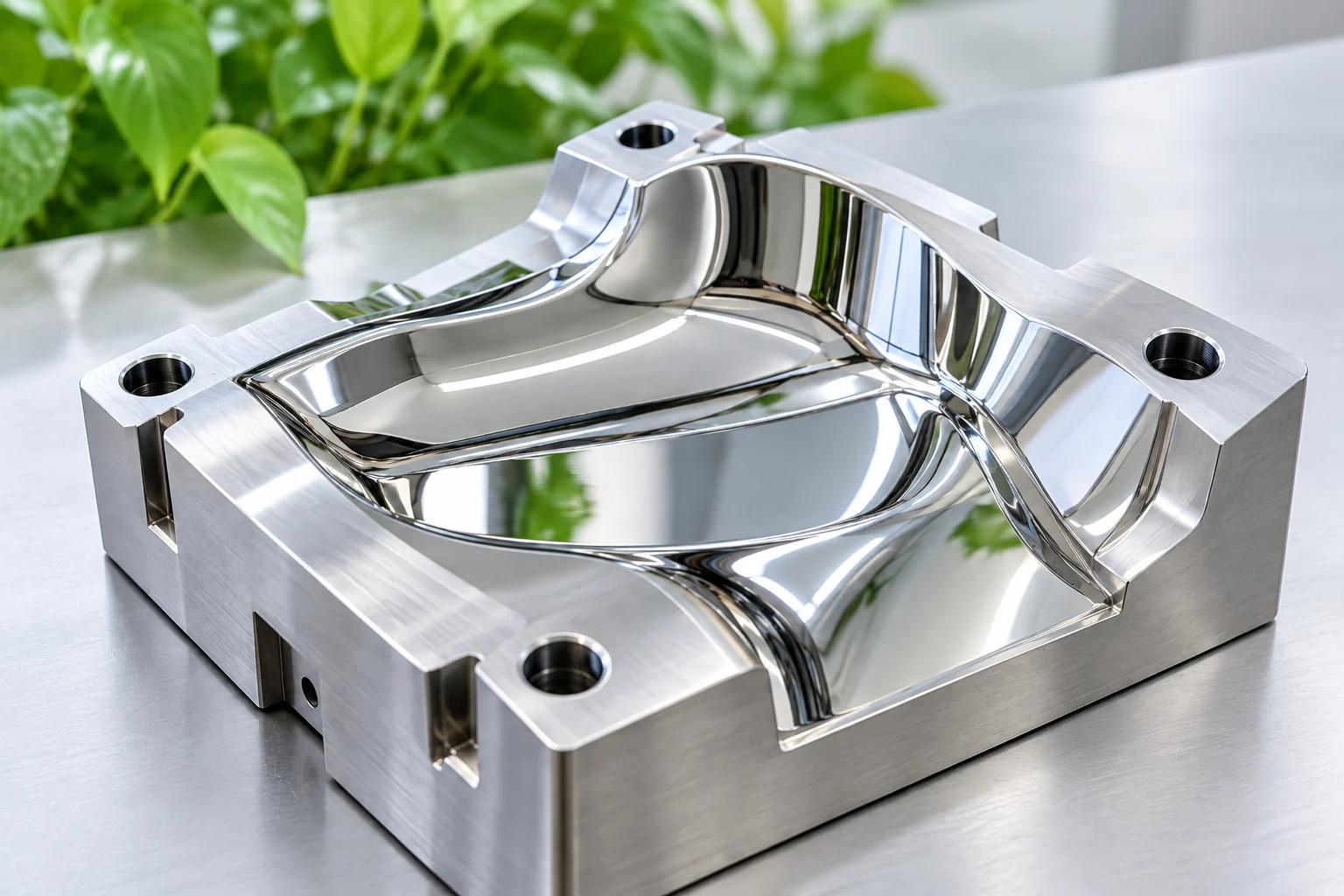
The Moore Nanotechnology 350FG operates on a hydrostatic bearing spindle architecture that delivers sub-micrometer spindle rotation accuracy. For microfluidic mold machining, this translates to channel surfaces with mirror-quality finishes that directly replicate into the molded plastic parts. When a POCT device requires an optical detection window within the microfluidic chip, the surface quality of the mold cavity determines whether light can pass through the molded part without scattering — a critical requirement for absorbance, fluorescence, and turbidity measurements.
Yishun Optical leverages the 350FG’s nanometric positioning resolution to machine microfluidic features with controlled edge definition. Transition zones between channels of different widths, tapered inlet structures, and curved mixing geometries all require tool paths that maintain continuous surface contact. The 350FG’s fast tool servo capability enables these complex surface variations within a single machining cycle, reducing lead times for mirror mold core customization projects.
The machine’s environmental control system maintains thermal stability within ±0.1°C during machining — essential when producing mold inserts where thermal expansion could otherwise shift critical dimensions by several micrometers. Yishun Optical combines this hardware advantage with proprietary tool path optimization algorithms developed through years of optical mold core customization work, ensuring that each microfluidic mold meets its surface roughness, form accuracy, and dimensional specifications.
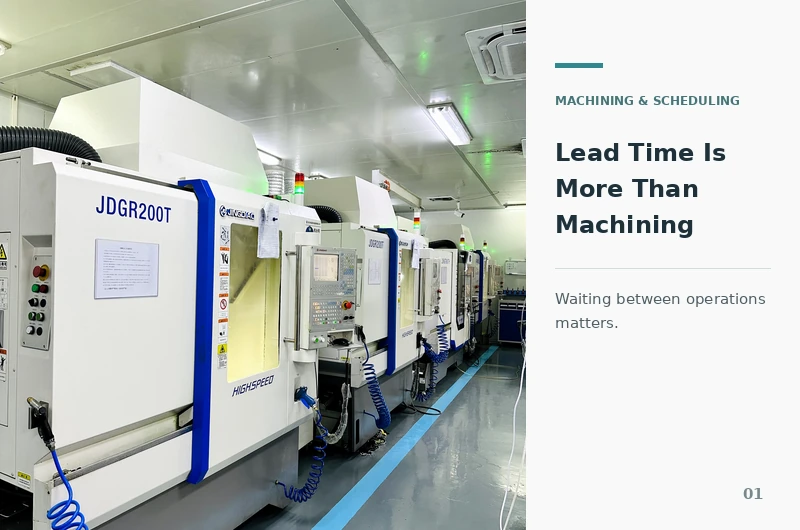
For a typical IVD microfluidic chip mold project at Yishun Optical, the Moore Nanotechnology 350FG handles the final finishing passes on all fluid-contacting surfaces and optical interfaces. This stage follows initial rough machining on the Kern Pyramid Nano, which removes the bulk of material and establishes the approximate feature geometry. The combined workflow between these two machines allows Yishun Optical to complete a complete microfluidic mold set within tight production timelines while maintaining the ultra-precision surface quality that diagnostic device performance demands.

Case Study: IVD Device Microfluidic Chip Mold — From Design to Delivery
To illustrate Yishun Optical’s capability in ultra-precision microfluidic chip mold manufacturing, consider a recent project involving a multi-layer microfluidic cartridge for a clinical chemistry IVD analyzer. The cartridge required two molded halves, each containing a distinct network of microchannels, reagent storage chambers, and optical measurement zones.
Design specifications. The client provided 3D CAD data with 47 individually toleranced features on each mold half. Channel widths ranged from 50μm to 500μm, with depths between 25μm and 200μm. The optical measurement zone required a flat surface with Ra≤0.01μm over a 5mm × 5mm area to serve as a light path window. Overall mold insert dimensions were 76mm × 25mm × 12mm, machined from nickel-phosphorus coated tool steel.
Yishun Optical’s process approach. The engineering team began with a comprehensive design-for-manufacturability review, identifying three features where the original design called for aspect ratios that would challenge even the Kern Pyramid Nano’s five-axis capability. Working with the client’s design engineers, Yishun Optical proposed modified geometries that preserved functional performance while enabling reliable machining.
Rough machining on the Kern Pyramid Nano established all major features to within 50μm of final dimensions. The five-axis simultaneous capability allowed the team to machine undercut features and angled channel junctions without re-fixturing, maintaining datum consistency throughout the process.
Final finishing on the Moore Nanotechnology 350FG brought all fluid-contacting surfaces to Ra≤0.005μm and optical zones to Ra≤0.003μm. The form accuracy across the optical measurement zone measured PV≤λ/4 at 632.8nm wavelength — well within the requirement for reliable photometric measurement.
Quality verification. Every feature was inspected on the Zeiss Contura coordinate measuring machine, which confirmed dimensional accuracy within ±0.005mm across all critical dimensions. The Zeiss Contura’s scanning probe capability allowed Yishun Optical to map channel profile geometries point-by-point, verifying that as-machined features matched the original CAD data. Surface roughness was independently verified using white-light interferometry, confirming Ra values consistent with the 350FG’s process capability.
Results. The completed mold set produced injection-molded microfluidic cartridges that passed all client-specified acceptance criteria on the first validation batch. The optical measurement zone delivered <0.5% absorbance noise in the client’s photometric detection system — a direct result of the ultra-precision mirror machining quality achieved by Yishun Optical. The project demonstrated that component mold core customization for medical microfluidic applications requires not just individual machine capability, but an integrated process chain from design review through final inspection.
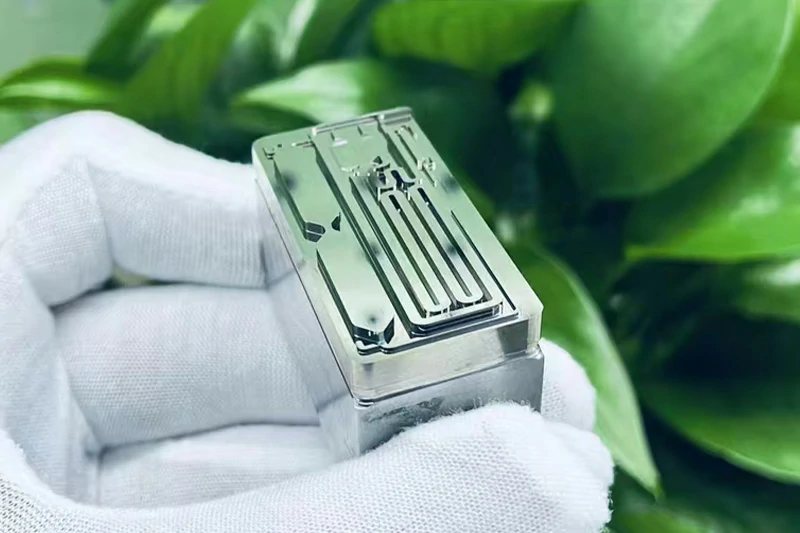
Yishun Optical’s Integrated Quality System for Medical Mold Manufacturing
Producing a microfluidic chip mold with ultra-precision specifications is only half the equation. Demonstrating and documenting that the mold meets those specifications is equally important — particularly in the medical device industry, where traceability and validation documentation are regulatory requirements.
Yishun Optical maintains ISO 9001, ISO 14001, and ISO 45001 certifications, providing the quality management framework that underpins every mold project. For medical device customers, Yishun Optical extends this framework with project-specific inspection reports, material certifications, and process validation records.
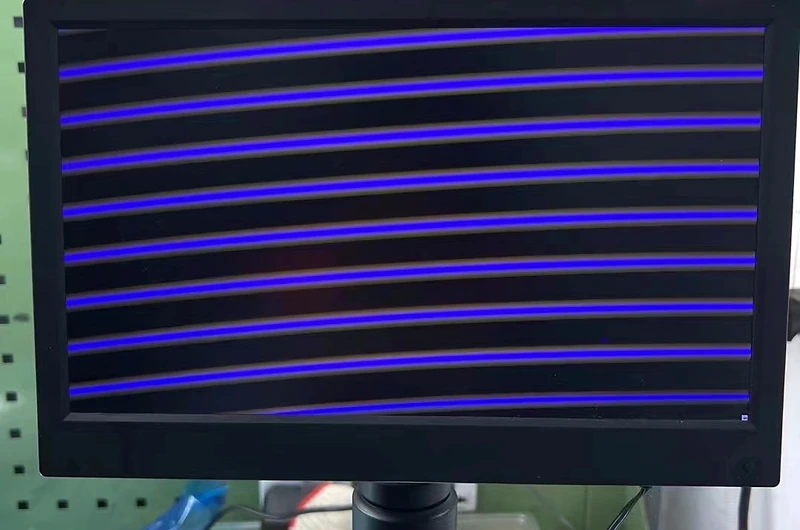
The Zeiss Contura serves as the cornerstone of Yishun Optical’s dimensional inspection capability. With measurement uncertainty below 0.1μm, the Contura verifies critical dimensions, form tolerances, and positional accuracy on every microfluidic mold before shipment. Surface roughness measurements are performed using calibrated contact and optical profilometers, with results correlated against the machining parameters established on the Moore Nanotechnology 350FG.
Yishun Optical’s quality philosophy extends beyond end-of-line inspection. In-process verification is performed at multiple stages: after rough machining on the Kern Pyramid Nano, after semi-finishing, and after final finishing on the 350FG. This staged approach catches deviations early, when they can be corrected without scrapping the workpiece — a critical factor when working with expensive mold base materials and tight delivery schedules.
As an Apple Gold Supplier, Yishun Optical operates under quality standards that exceed typical commercial mold shop practices. This discipline transfers directly to medical device mold projects, where the same rigor in process control, documentation, and traceability ensures that every microfluidic chip mold leaving Yishun Optical’s facility meets the highest standards of precision and reliability.
FAQ
Q1: What surface roughness can Yishun Optical achieve on microfluidic chip mold cores?
A: Yishun Optical achieves surface roughness of Ra≤0.005μm on microfluidic chip mold cores through ultra-precision mirror machining on the Moore Nanotechnology 350FG. For optical detection zones within microfluidic molds, Yishun Optical can reach Ra≤0.003μm, ensuring minimal light scattering for photometric and fluorescence-based diagnostic measurements.
Q2: What materials does Yishun Optical use for microfluidic chip mold fabrication?
A: Yishun Optical fabricates microfluidic chip molds from high-hardness tool steels and electroless nickel-phosphorus (NiP) coated substrates. These materials offer the hardness, wear resistance, and polishability required for high-volume injection molding of biocompatible plastics such as COC, COP, and medical-grade polycarbonate used in IVD and POCT devices.
Q3: How does Yishun Optical ensure dimensional accuracy on complex microfluidic mold geometries?
A: Yishun Optical maintains ±0.005mm dimensional accuracy through a multi-stage process control approach. The Kern Pyramid Nano five-axis machining center handles initial feature generation with nanometer-level positioning. The Moore Nanotechnology 350FG performs final finishing with sub-micrometer surface generation. All dimensions are verified on the Zeiss Contura coordinate measuring machine with measurement uncertainty below 0.1μm.
Q4: What is the typical lead time for a microfluidic chip mold project at Yishun Optical?
A: Lead time depends on the complexity of the mold design, the number of features, and the required surface specifications. A typical single-layer microfluidic mold with optical zones requires 4-6 weeks from drawing approval to first article delivery. Yishun Optical provides detailed project timelines during the quotation phase and maintains transparent progress tracking throughout the manufacturing process.
Q5: Can Yishun Optical handle multi-layer microfluidic cartridge mold projects?
A: Yes. Yishun Optical has extensive experience with multi-layer microfluidic cartridge molds that require precise alignment between multiple mold halves. The component mold core customization capability includes matching alignment features, inter-layer fluidic ports, and registration structures. The five-axis capability of the Kern Pyramid Nano ensures that alignment features across different mold halves maintain positional accuracy within ±0.005mm.
Q6: What quality documentation does Yishun Optical provide with medical microfluidic molds?
A: Yishun Optical provides comprehensive inspection reports including Zeiss Contura CMM data for all critical dimensions, surface roughness measurement results, material certificates, and process validation records. As an ISO 9001 certified manufacturer and Apple Gold Supplier, Yishun Optical maintains full traceability from raw material through final shipment for every mold project.
Q7: How does Yishun Optical support design-for-manufacturability in microfluidic mold projects?
A: Yishun Optical’s engineering team conducts a detailed design-for-manufacturability review at the start of every project. This review identifies features that may challenge machining capabilities — such as extreme aspect ratios, sharp internal corners, or unrealistic surface finish requirements on inaccessible surfaces — and proposes modifications that preserve the functional intent while enabling reliable, cost-effective manufacturing through ultra-precision mirror machining.
About Yishun Optical
Yishun Optical (Yishun Jinhong Mould Co., Ltd.) is a precision mold manufacturing company based in Shenzhen, China, specializing in ultra-precision mirror machining, component mold core customization, optical mold core customization, precision mold polishing, and mirror mold core customization for demanding applications across consumer electronics, automotive, optical instruments, home appliances, and medical devices.
Equipped with the Moore Nanotechnology 350FG, Kern Pyramid Nano, Zeiss Contura, and a comprehensive suite of supporting measurement and finishing systems, Yishun Optical delivers mold solutions with surface roughness down to Ra≤0.005μm, form accuracy of PV≤λ/4, and dimensional tolerances within ±0.005mm.
As an Apple Gold Supplier with ISO 9001, ISO 14001, and ISO 45001 certifications, Yishun Optical maintains the quality management standards required by the world’s most demanding manufacturers. The company serves medical device companies developing IVD analyzers, POCT platforms, and other diagnostic systems that rely on precision microfluidic chip molds for consistent, reliable performance.