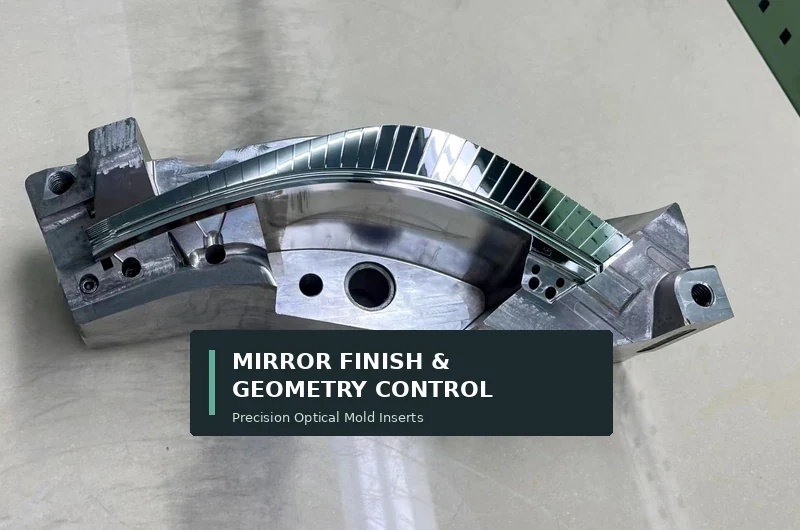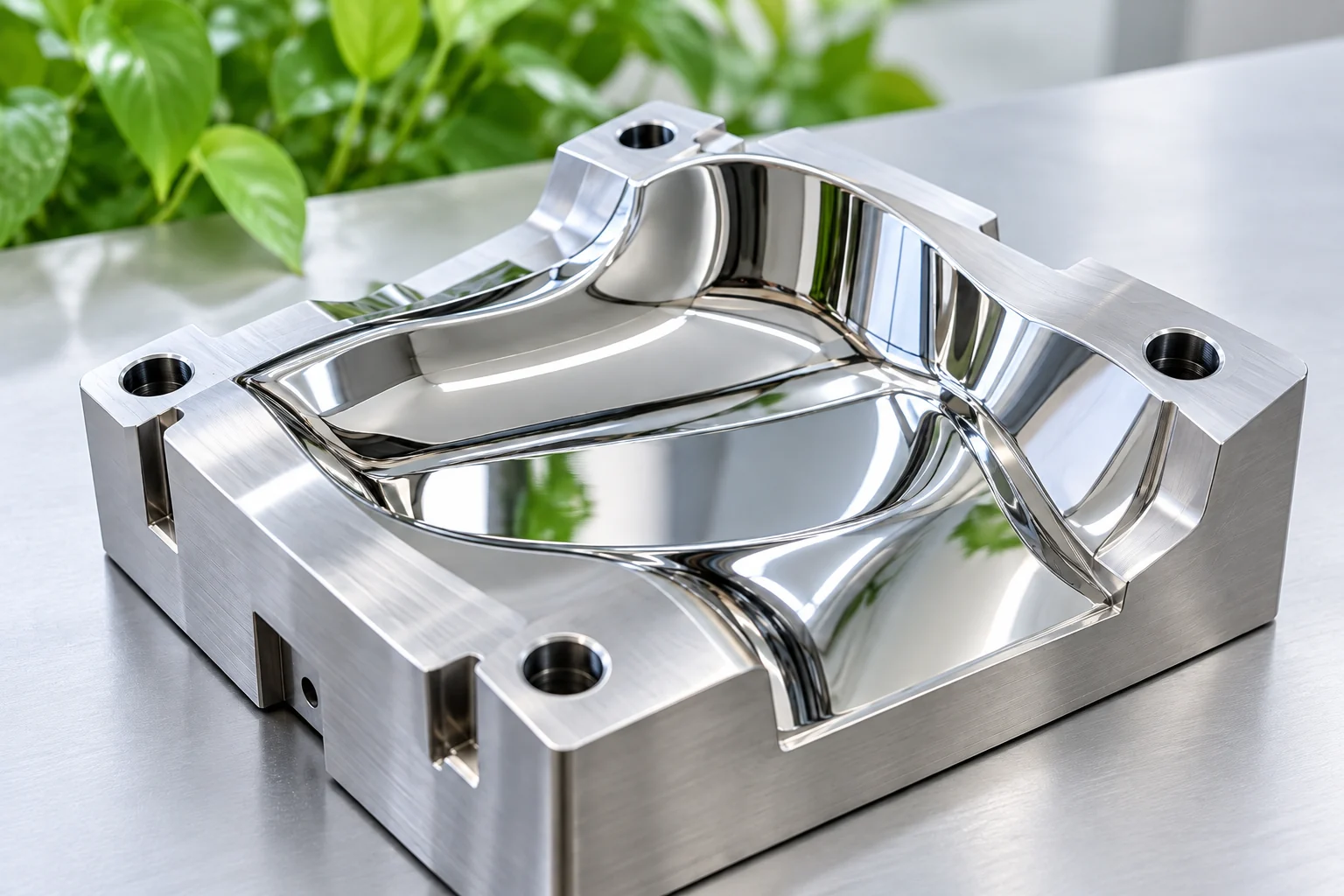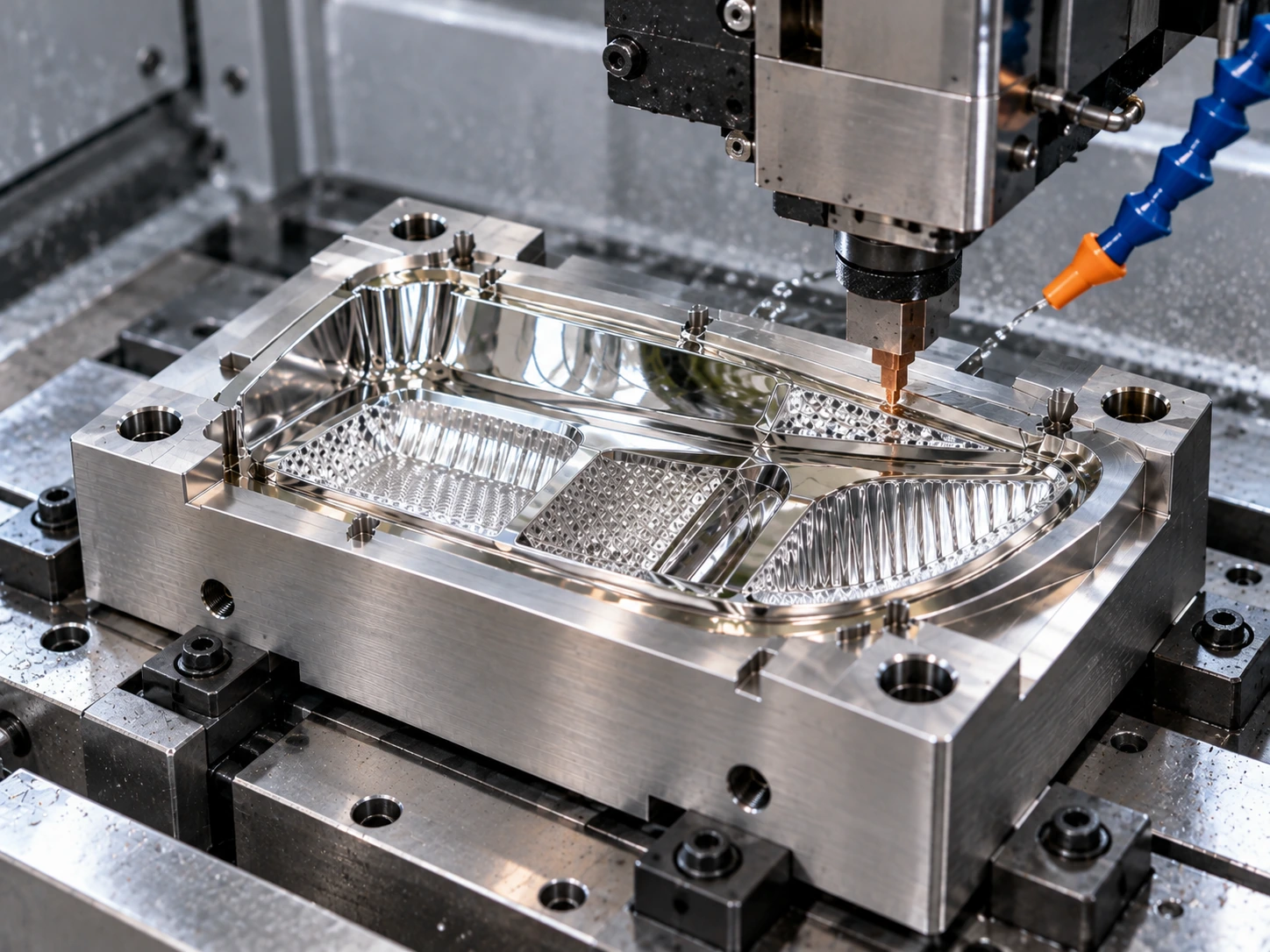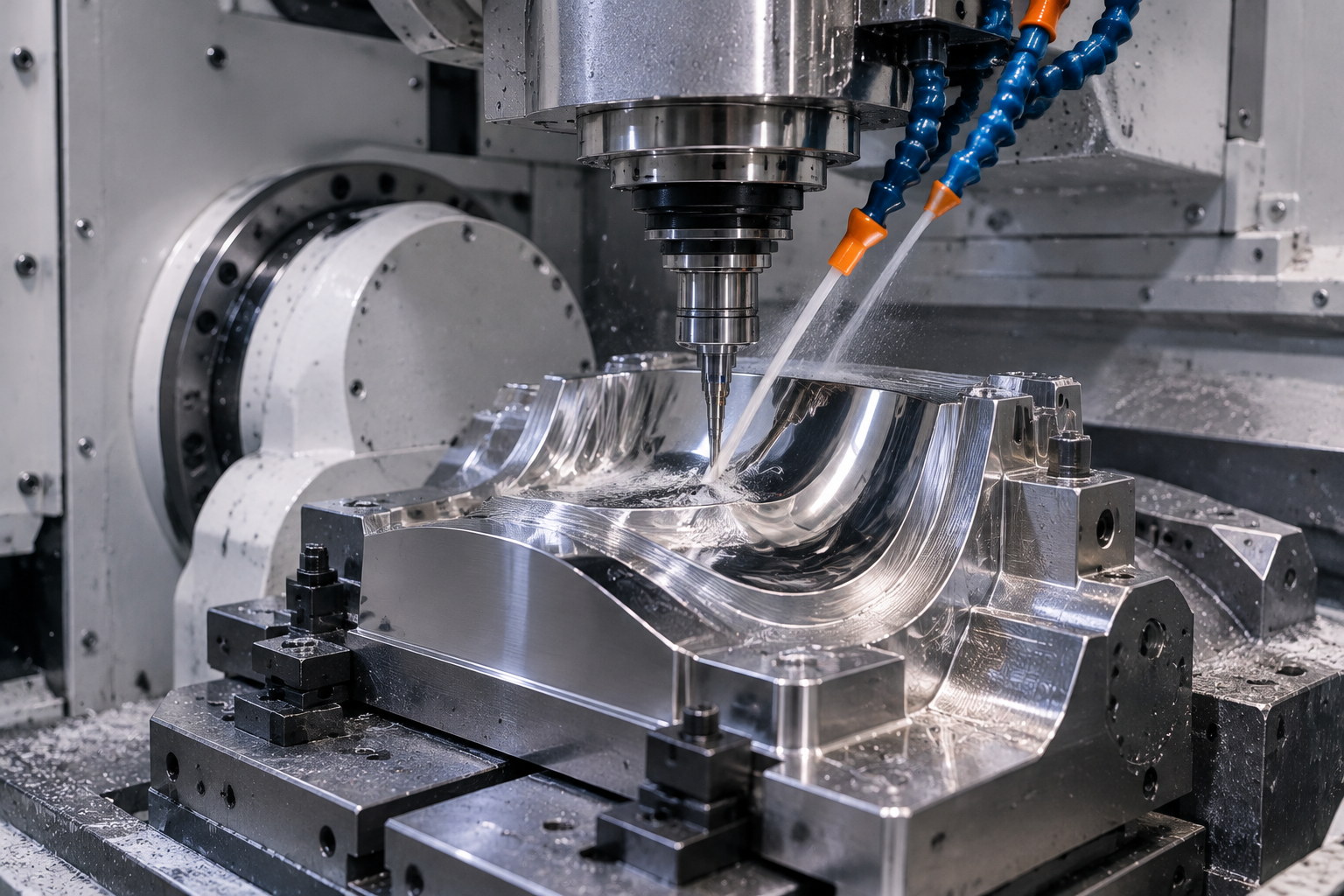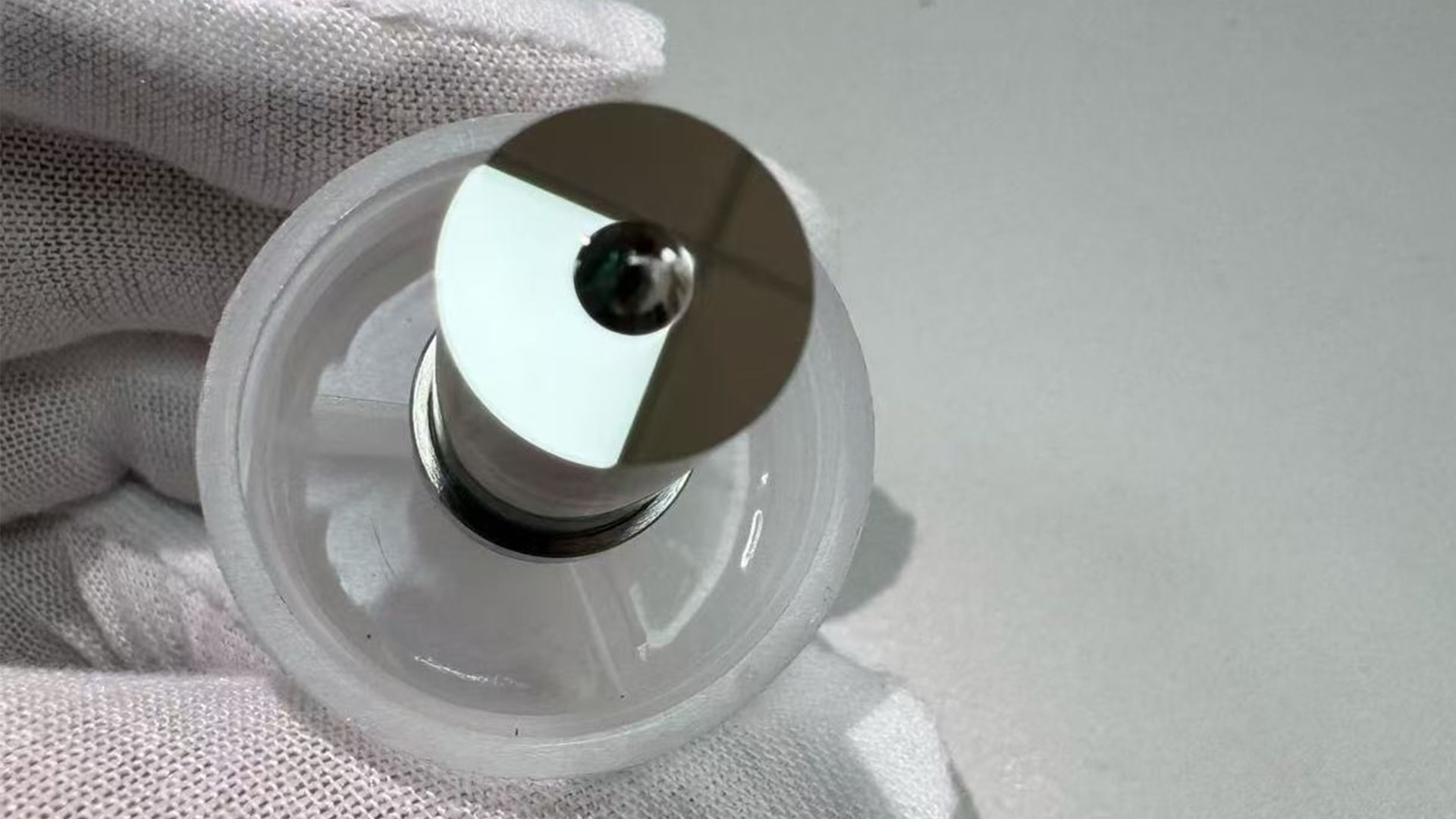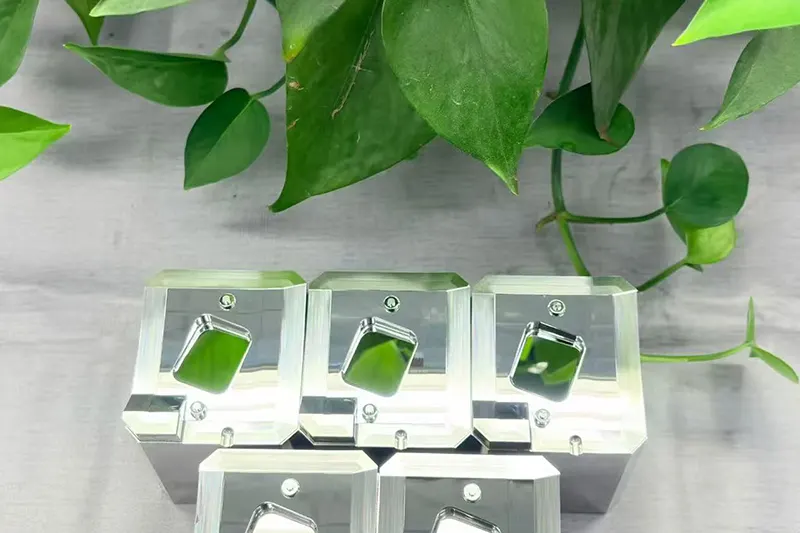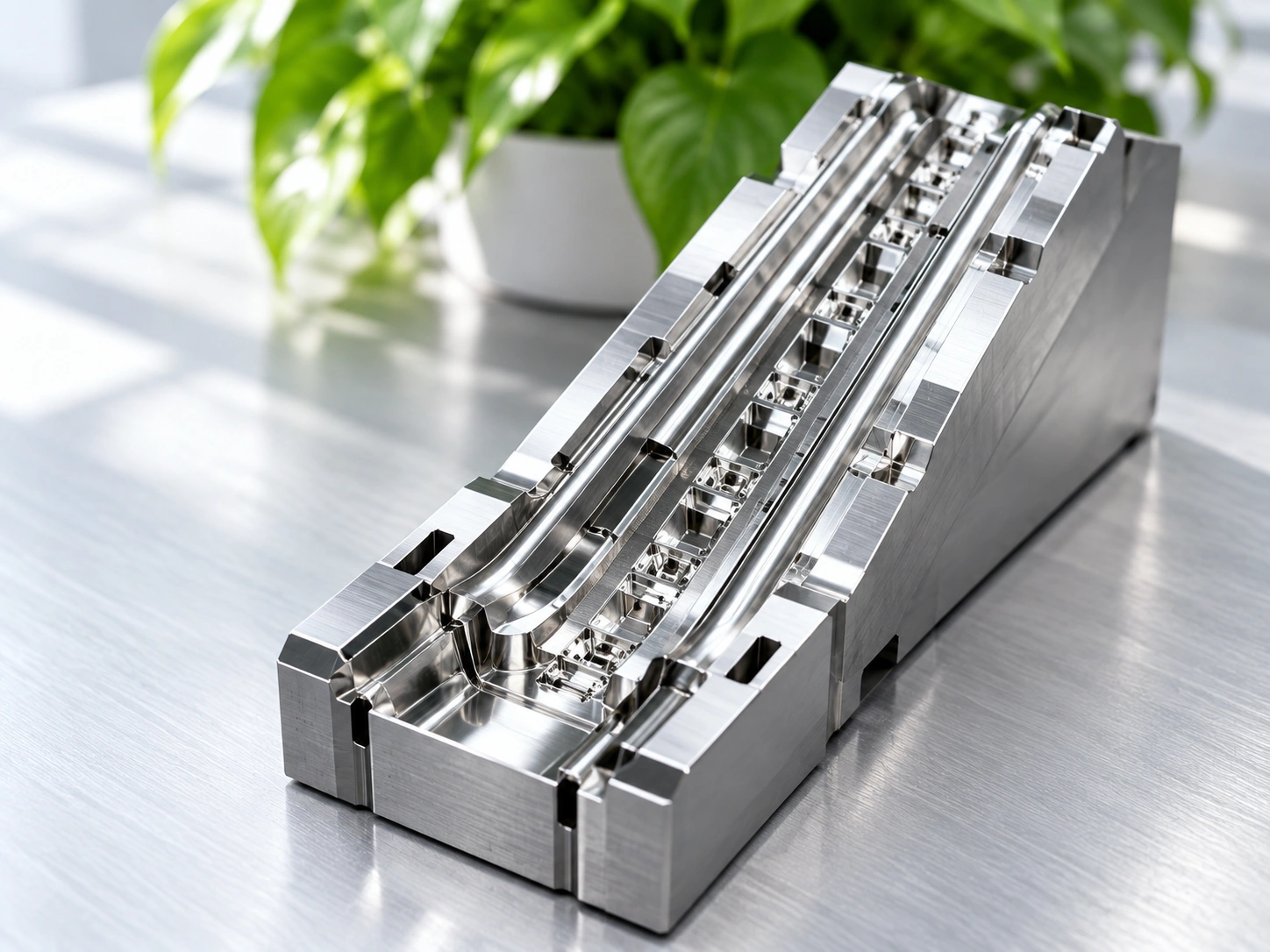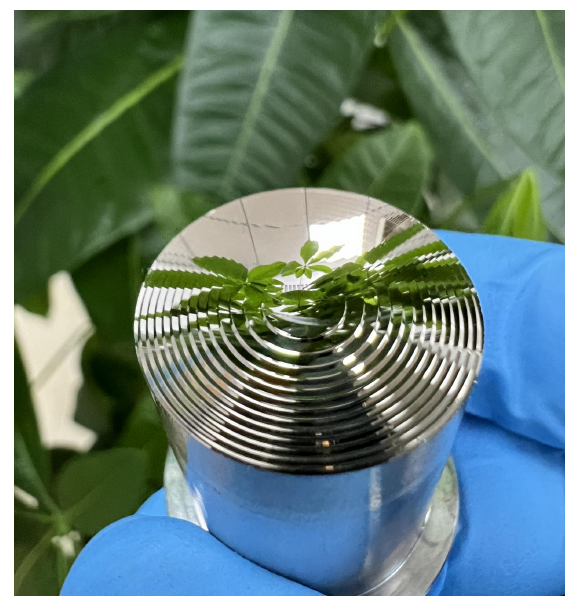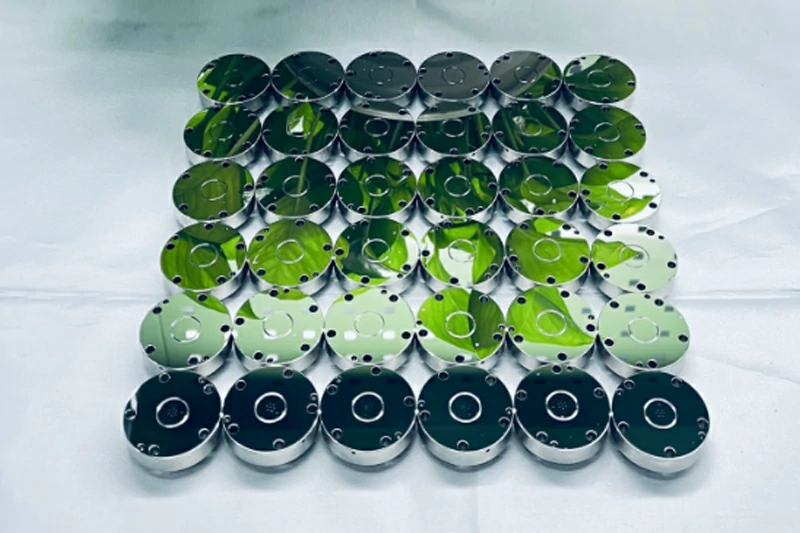
A deep cavity mirror mold insert can look acceptable after machining, but the final mirror finish may still become difficult to control.
The challenge usually appears when the surface needs to be refined.
Open surfaces are relatively easy to access.
But inside deep cavities, the polishing tool may not be able to maintain the same movement, pressure and contact condition across the entire area.
As a result, the surface may show differences that are difficult to correct:
- uneven gloss
- inconsistent reflection
- local polishing marks
- geometry changes near corners
This is why deep cavity mirror polishing is not simply about making a surface brighter.
The real challenge is achieving a consistent finish while protecting the original geometry.
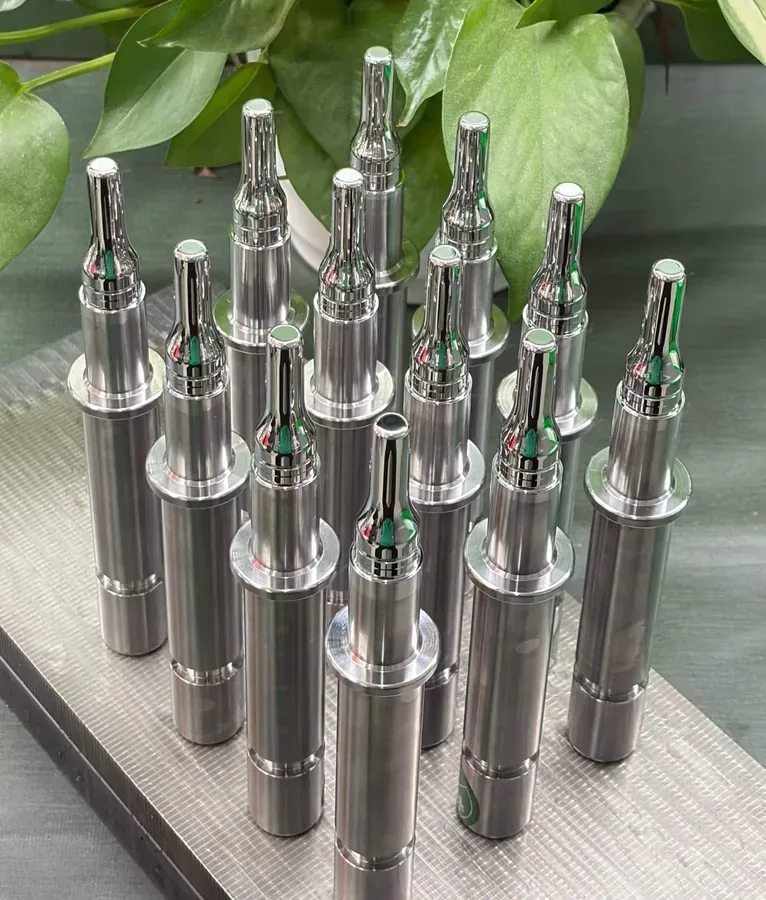
Deep Cavities Create Unique Polishing Challenges
Deep cavity polishing is different from polishing an open surface.
On an open surface, the operator can usually observe the area clearly and maintain more stable contact.
Inside a deep cavity, many conditions change.
The polishing tool may have limited movement.
The working angle may become restricted.
The contact area may become smaller.
The operator may have less visual feedback during the process.
These limitations make it harder to achieve the same surface condition throughout the cavity.
For precision mold inserts, this difference becomes more obvious when the cavity contains:
- small transitions
- narrow walls
- internal corners
- optical surfaces
- complex curved areas
The difficulty of deep cavity mirror polishing is not only removing surface marks.
It is maintaining control over every small area during finishing.
Limited Tool Access Makes Surface Consistency More Difficult
One of the biggest challenges in deep cavities is tool accessibility.
A polishing tool needs stable contact to remove material evenly.
However, inside a deep structure:
- the tool may not reach every area with the same angle
- pressure distribution can change
- movement becomes more restricted
- local areas may receive different finishing effects
This can create a common situation:
The cavity looks acceptable overall, but certain areas show different levels of gloss or reflection.
For example:
The bottom area may receive different polishing conditions compared with the side wall.
A transition area may become harder to maintain compared with an open surface.
This is why deep cavity mirror polishing requires process planning before the polishing stage begins.
The question is not only:
“Can the tool enter the cavity?”
The more important question is:
“Can the tool maintain stable finishing conditions after entering?”
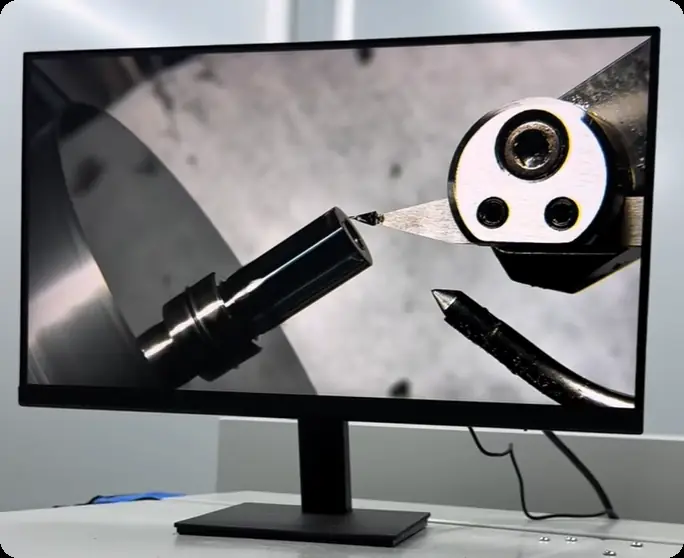
Why Deep Cavity Defects Cannot Always Be Removed by Polishing
A common expectation is that polishing can solve any surface problem.
In reality, polishing has limits.
If the previous machining process leaves:
- deep tool marks
- uneven surfaces
- excessive machining traces
- unstable geometry
then polishing may need to remove more material than expected.
This creates additional risks.
The more material removed during polishing, the harder it becomes to protect:
- cavity dimensions
- corner definition
- surface transitions
- functional areas
For deep cavities, this risk becomes even higher because access is already limited.
That is why deep cavity mirror polishing should not be treated as a repair process.
Polishing works best when the machining foundation is already stable.
Its role is to refine the surface, not rebuild the geometry.
The Relationship Between Machining Allowance and Final Surface Quality
Although this article focuses on polishing, the final result is strongly influenced by what happens before polishing.
A stable ultra-precision machining process provides the foundation for controlling surface quality and geometry before finishing.
The amount of finishing allowance matters.
Too little allowance may not provide enough room to remove surface imperfections.
Too much allowance may require excessive polishing and increase geometry risk.
A balanced process considers:
- machining condition
- material characteristics
- surface requirement
- cavity accessibility
- final inspection method
For complex inserts, the best finishing result usually comes from controlling every previous step.
This is especially important for deep cavity mirror polishing, where excessive correction after machining is much harder to manage.
Controlling Pressure and Contact During Deep Cavity Polishing
Polishing quality depends not only on the tool itself.
The interaction between the tool and the surface is equally important.
Inside deep cavities, maintaining consistent contact becomes more difficult.
Small changes in:
- polishing direction
- contact pressure
- tool movement
- processing time
can influence the final surface condition.
For this reason, experienced polishing processes focus on controlled material removal rather than simply increasing polishing time.
More polishing does not always create a better result.
Sometimes it creates new problems.
A stable deep cavity mirror polishing process requires understanding when to continue and when to stop.
This is also why controlled optical polishing services are important for maintaining surface consistency in complex areas.
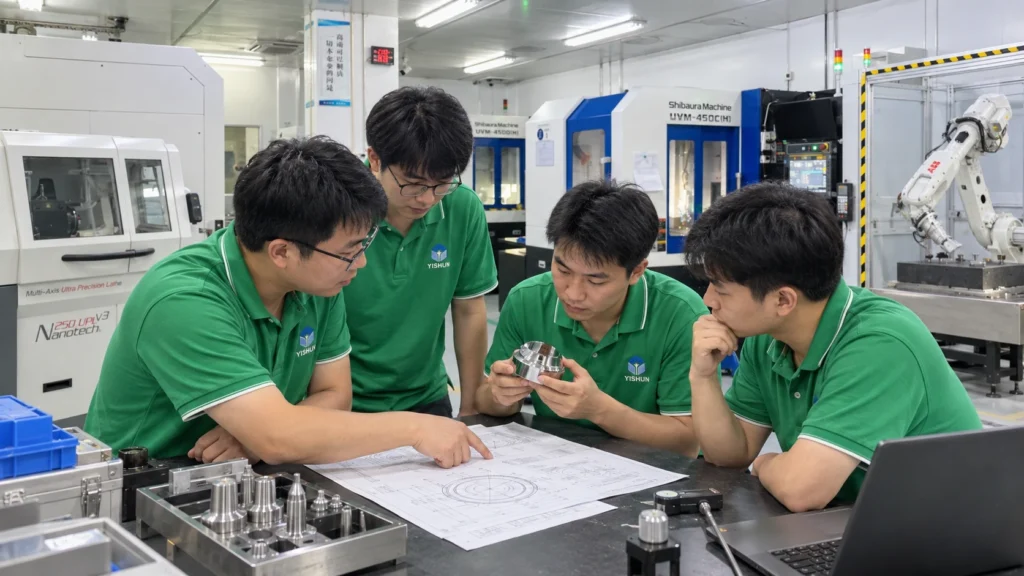
Different Cavity Areas Require Different Finishing Strategies
A complex deep cavity is rarely treated as one single surface.
Different areas usually have different requirements.
Some areas may focus on:
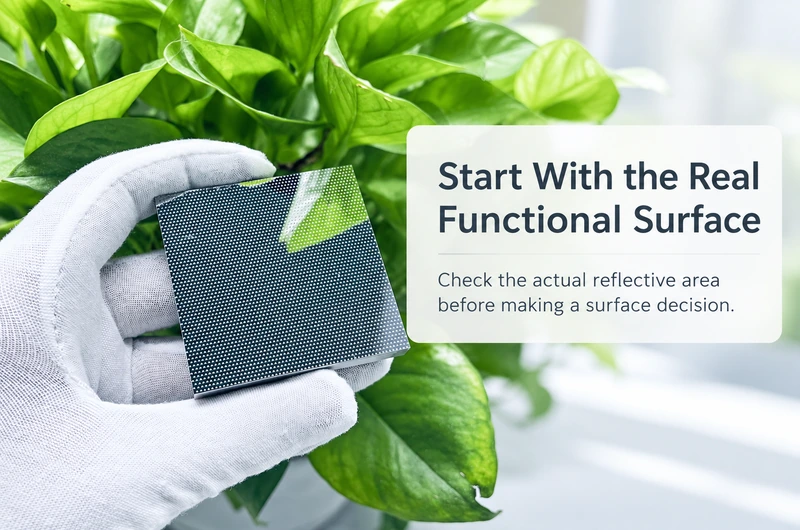
- mirror appearance
- optical reflection
- surface uniformity
Other areas may focus on:
- dimensional stability
- edge protection
- functional accuracy
Using the same polishing method everywhere may increase risk.
A better approach is to identify critical areas before finishing begins.
Then the process can be adjusted according to:
- accessibility
- geometry
- surface requirement
- inspection needs
This approach helps maintain consistency during deep cavity mirror polishing projects.
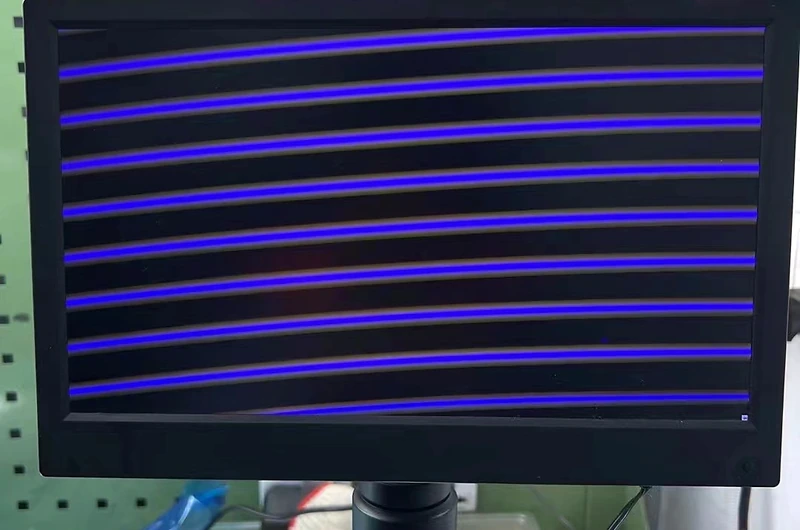
Inspection Needs to Verify More Than Visible Surface Quality
A surface can look good and still require further verification.
Visual inspection is useful, but it does not show everything.
For deep cavity inserts, inspection may need to confirm:
- surface condition
- critical dimensions
- cavity geometry
- transition areas
- functional surfaces
The most difficult areas are often the areas that need the most attention.
A good inspection plan should focus not only on what is easy to see, but also on what affects the final application.
This is why a clear quality management process is an important part of deep cavity mirror polishing.
How Yishun Approaches Complex Deep Cavity Mirror Polishing Projects
Deep cavity mirror finishing requires coordination between machining, polishing and inspection.
Before starting a project, it is important to understand:
- which surfaces require mirror finish
- which areas are difficult to access
- which features cannot change
- how the final quality will be verified
For complex mirror mold inserts, Yishun combines precision machining, high precision 5-axis mold machining, controlled polishing and inspection methods to evaluate each project according to its actual geometry.
The goal is not simply to achieve a reflective surface.
The goal is to achieve a consistent mirror finish while protecting the original design requirements.
A reliable deep cavity mirror polishing process starts with understanding the risks before finishing begins.
Conclusion: Consistent Mirror Finishing Starts Before Polishing
Deep cavity polishing is difficult because the finishing environment is not the same everywhere.
The deeper the structure, the harder it becomes to maintain stable contact, consistent removal and predictable results.
The solution is not simply adding more polishing time.
A better result comes from:
- proper process planning
- controlled machining allowance
- suitable finishing methods
- careful inspection
For precision mold inserts, the best mirror finish is achieved when surface quality and geometry protection are considered together.
FAQ
Why is deep cavity mirror polishing more difficult than open surface polishing?
Because limited access makes it harder to maintain stable tool movement, contact pressure and consistent material removal.
Can deep cavity defects always be corrected during polishing?
No. If too much material needs to be removed, polishing may affect geometry and critical dimensions.
How does polishing access affect surface consistency?
Limited access can create different polishing conditions between cavity areas, leading to uneven surface results.
Why is machining allowance important before mirror polishing?
Because the right allowance provides enough finishing space without requiring excessive material removal.
How can deep cavity polishing maintain geometry?
By controlling machining quality, polishing amount and inspection throughout the process.
What information should customers provide before starting a polishing review?
Drawings, 3D models, material information, surface requirements and critical areas should be provided for evaluation.