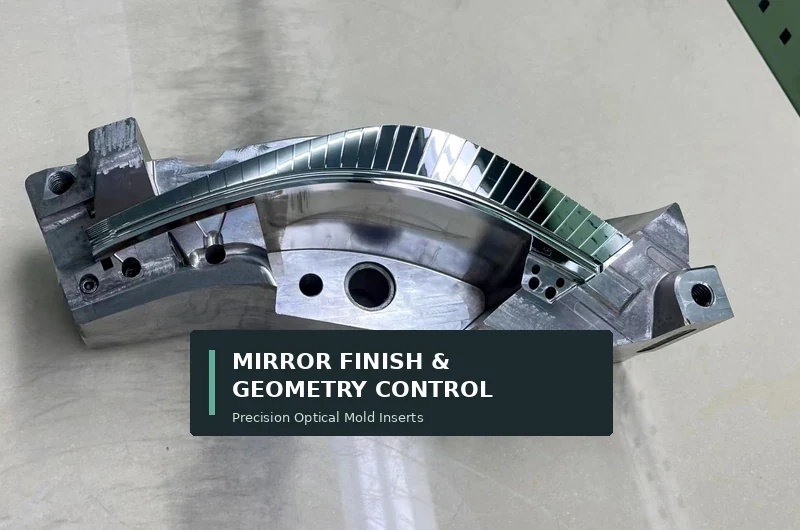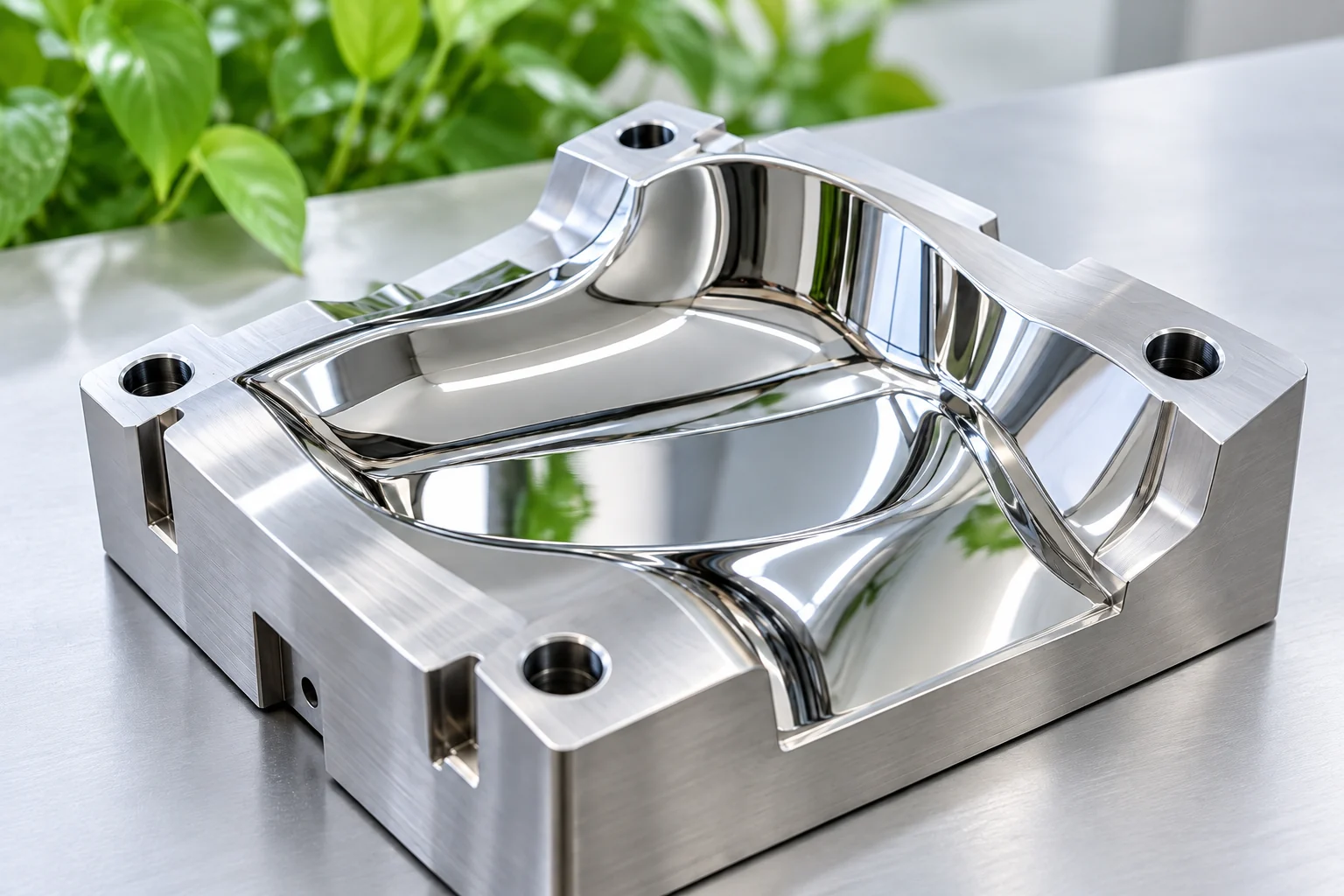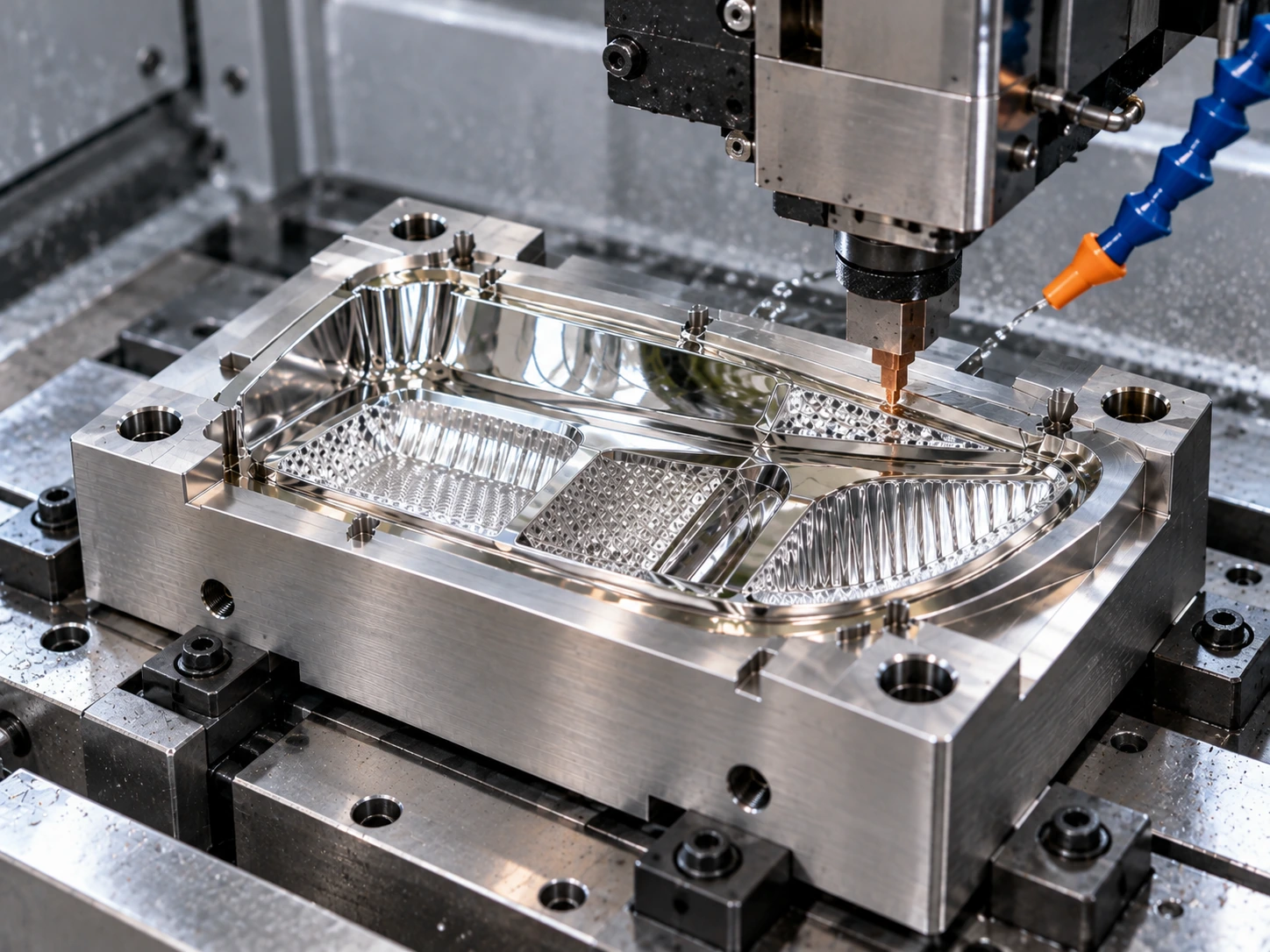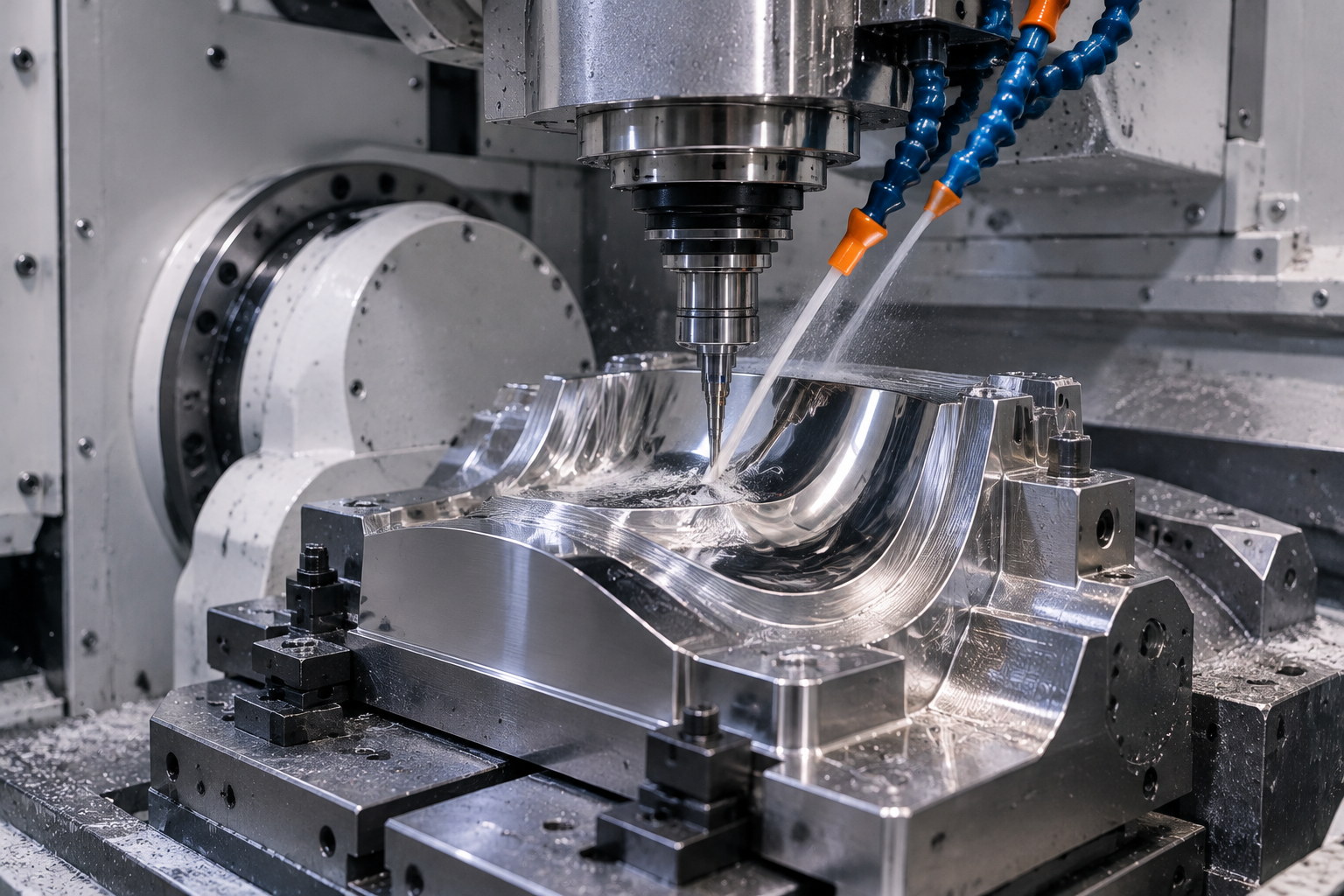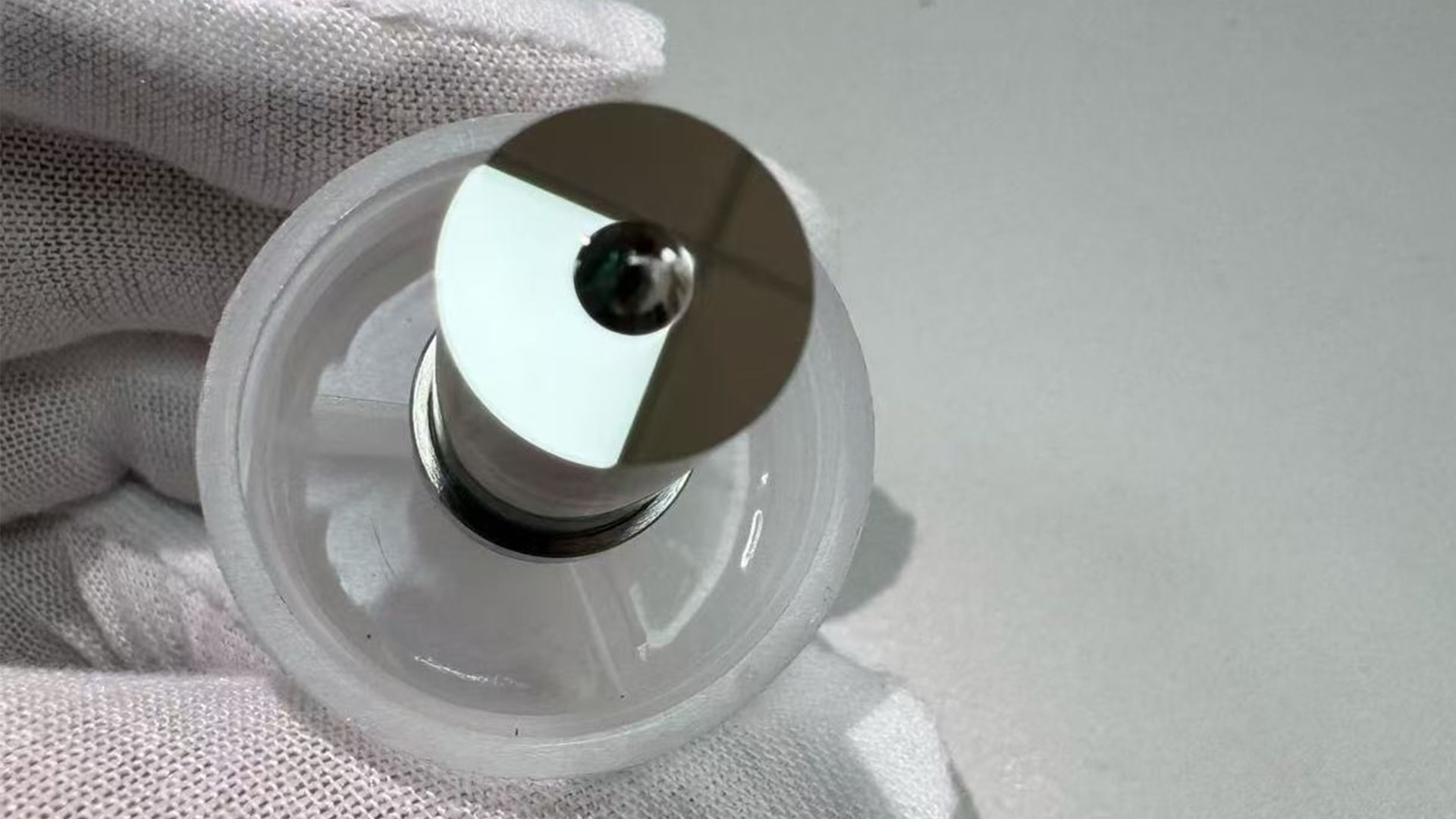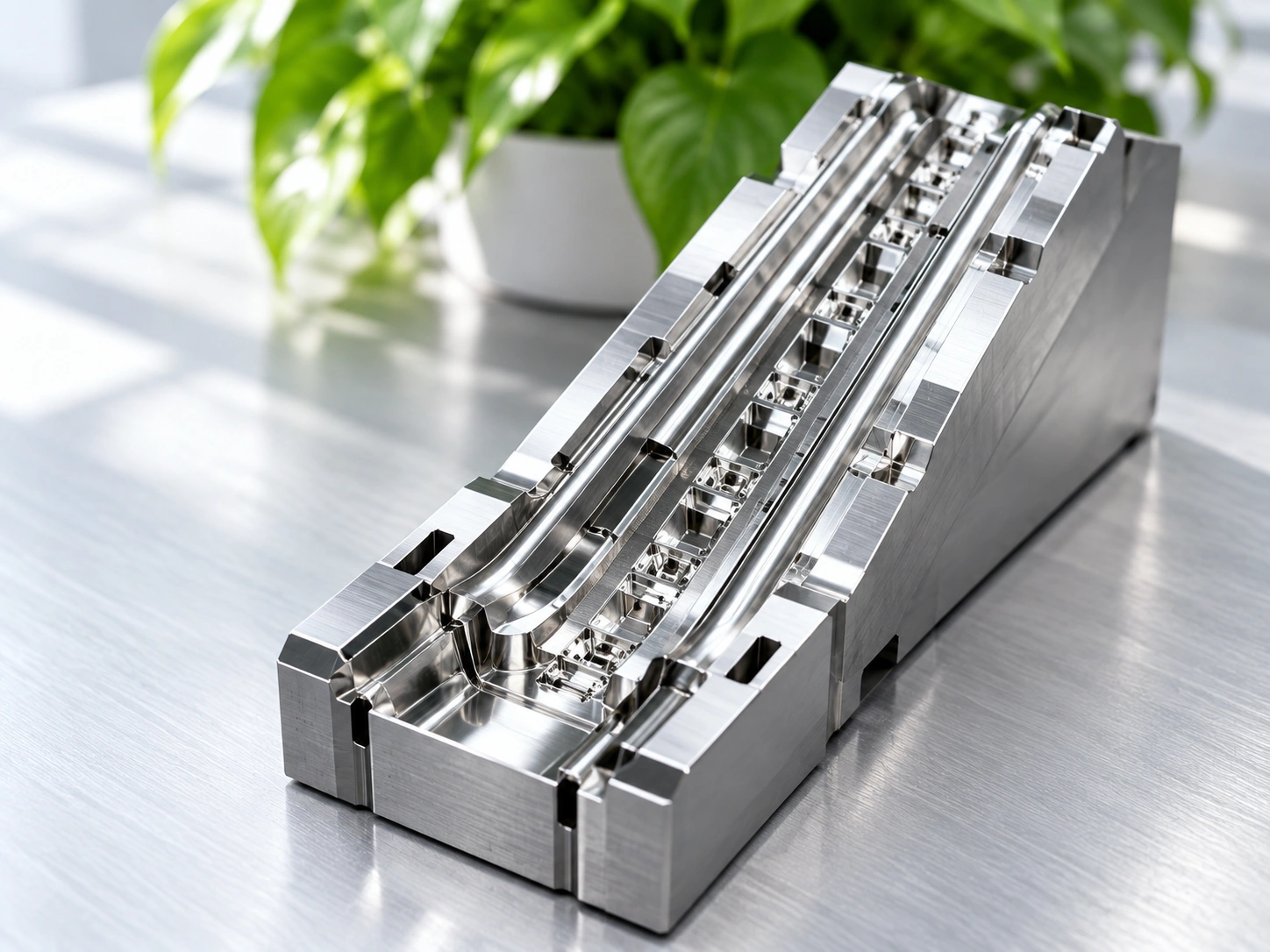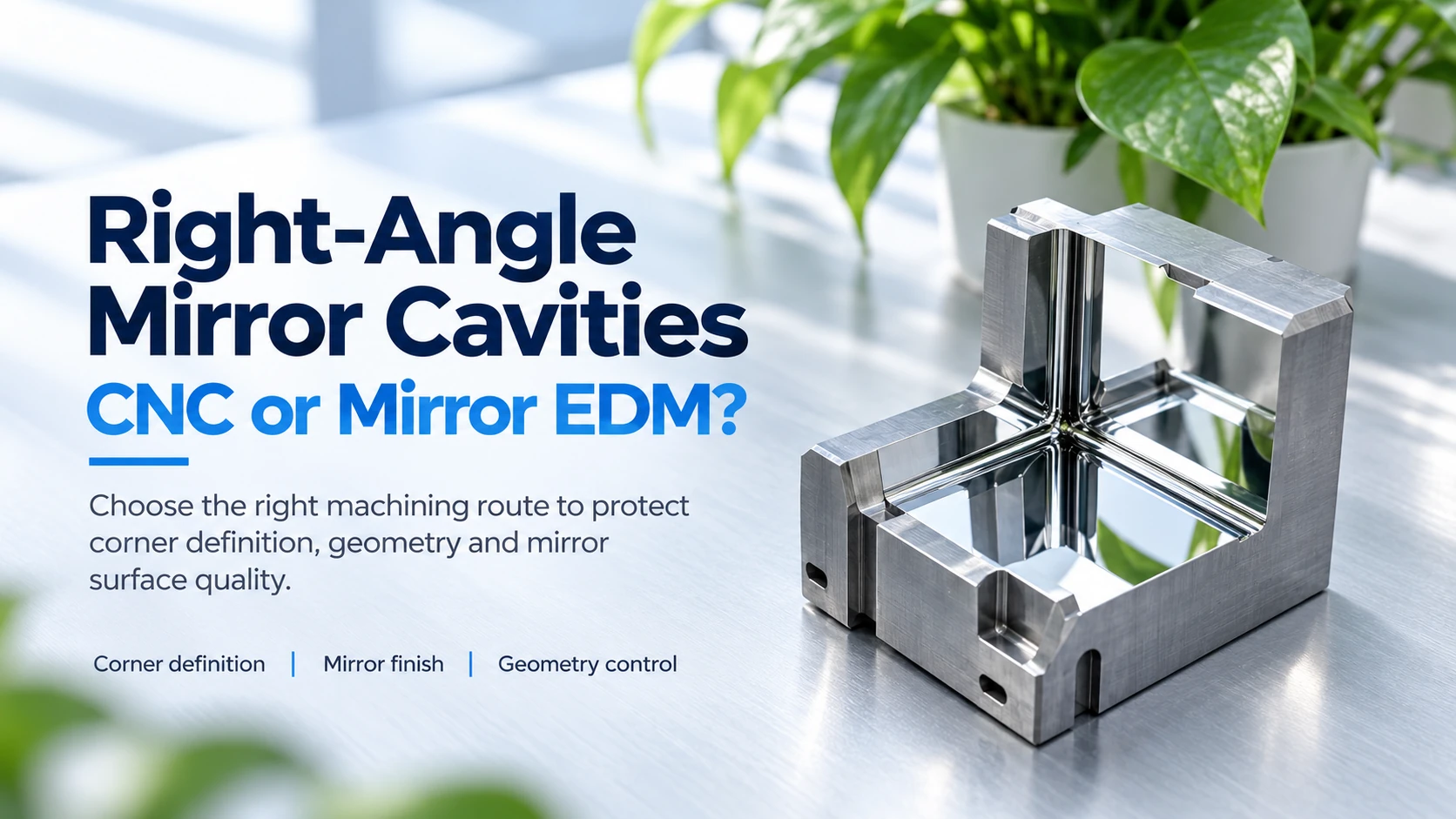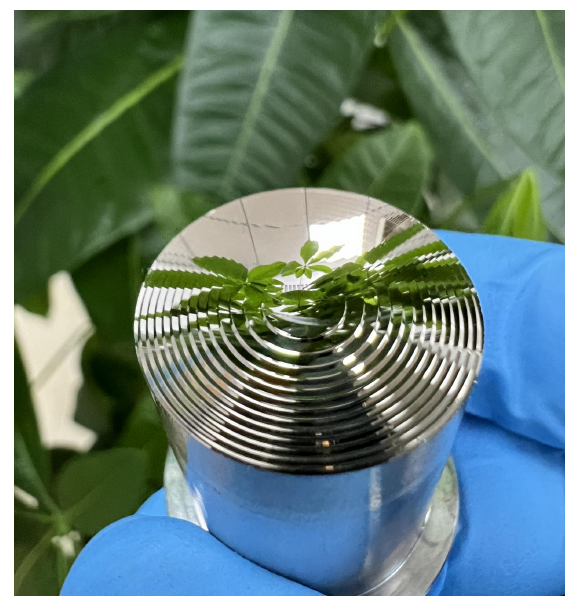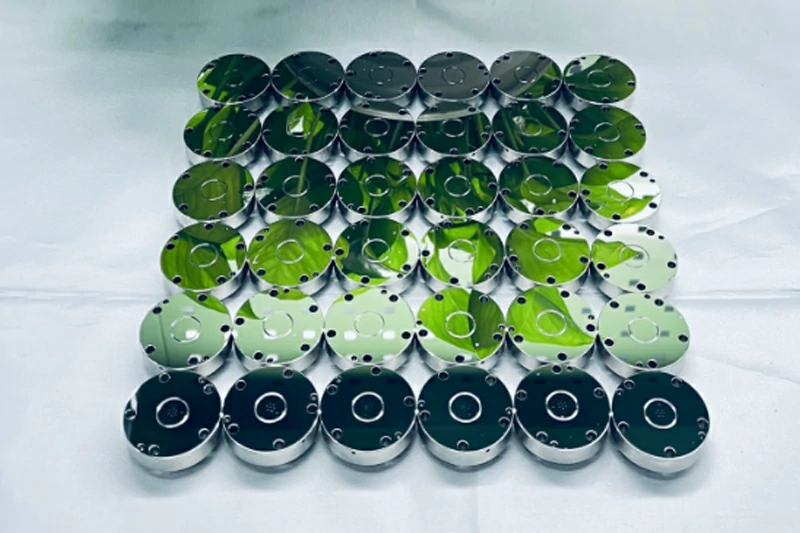
For precision mold inserts, small right-angle cavities often look simple on a drawing but become challenging during actual machining.
A sharp corner, narrow cavity or deep vertical wall requires more than just removing material.
The real challenge is maintaining:
- corner definition;
- dimensional accuracy;
- surface quality;
- geometry consistency after finishing.
Many customers encounter the same situation:
The cavity can be machined, but the final corner is not sharp enough.
Or the part meets the general size requirement, but manual correction changes the original geometry.
For right-angle mirror cavities, selecting the correct machining route at the beginning can significantly reduce finishing risks.
Precision mold inserts require a complete understanding of geometry, machining limitations and finishing requirements. This is why ultra-precision machining is not only about achieving tight tolerances, but also about controlling the relationship between every feature on the part.
Why Right-Angle Mirror Cavities Are Difficult to Machine
A theoretical 90-degree corner on a drawing does not always mean a perfect 90-degree corner can be produced directly.
The main limitation comes from the machining process itself.
During conventional milling, the cutting tool always has a certain radius.
When the tool moves inside a corner, it naturally leaves a small radius instead of a completely sharp intersection.
This becomes more challenging when the cavity includes:
- small corner features;
- narrow slots;
- deep vertical walls;
- mirror surface requirements.
For standard mechanical structures, a small corner radius may be acceptable.
However, for precision mold inserts, even a small geometric change can affect the final molded part.
The Risk of Relying on Manual Corner Correction
When the machining process cannot fully achieve the required corner condition, some projects rely on manual polishing or correction.
This approach may work for simple surfaces.
However, for high-precision mirror cavities, it introduces additional uncertainty.
Common risks include:
Corner radius becomes larger
Removing material manually can soften the original corner.
The cavity may look smoother, but the designed geometry is no longer accurate.
Surface transition changes
A small correction area can affect surrounding surfaces.
This is especially important for optical or appearance-critical components.
Quality consistency becomes difficult
Manual correction depends heavily on operator experience.
For repeated production requirements, maintaining the same result becomes more challenging.
CNC Mirror Machining and Mirror EDM Solve Different Problems
The choice between CNC mirror machining and mirror EDM should depend on the actual structure.
Neither process is suitable for every situation.
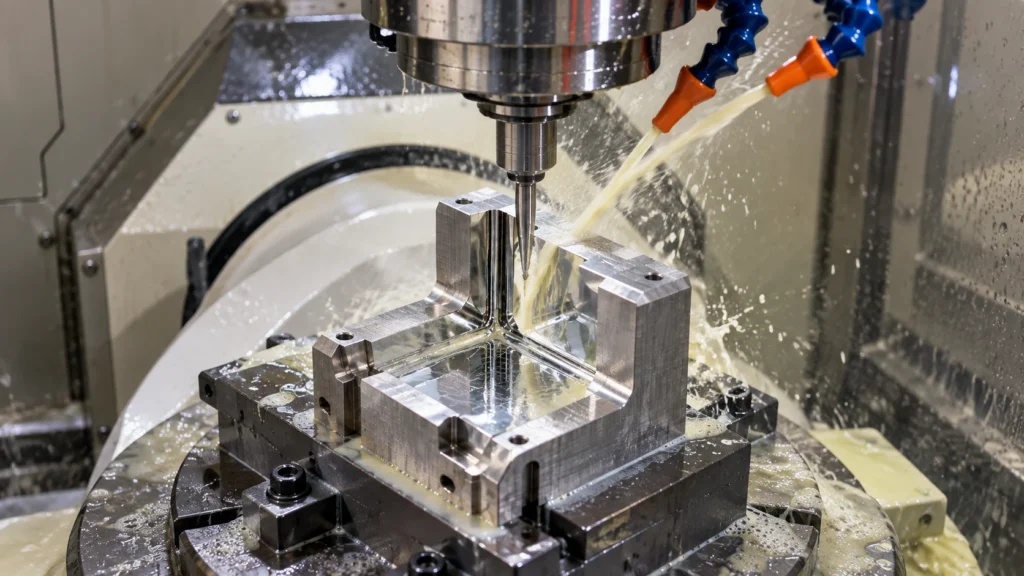
CNC Mirror Machining
High-speed mirror machining can provide advantages when:
- the tool can reach the required area;
- the geometry allows controlled tool movement;
- surface finish and dimensional accuracy are both important.
With optimized tool paths and proper machining conditions, it can reduce additional polishing requirements and protect the designed geometry.
For complex surfaces and difficult tool access conditions, High Precision 5-Axis Mold Machining provides better control of tool orientation and machining accessibility.
Mirror EDM
Mirror EDM becomes valuable when the structure contains areas that are difficult for cutting tools to access.
Typical examples include:
- narrow cavities;
- small internal corners;
- difficult-to-reach areas.
EDM does not rely on cutting tool radius in the same way as milling.
This allows it to handle certain corner structures that are difficult to achieve with conventional machining.
However, EDM surface condition and subsequent finishing requirements still need to be considered together.
How to Choose Between CNC and Mirror EDM
The correct decision should start from the part requirements, not from the machine preference.
Before selecting a process, several questions should be reviewed:
1. How small is the corner feature?
A larger corner requirement may be achievable through precision milling.
A smaller corner may require alternative methods.
2. Can the tool physically reach the machining area?
Even with advanced equipment, tool accessibility remains a fundamental limitation.
3. Is the surface finish requirement critical?
For mirror surfaces, the machining process must create a suitable foundation for final finishing.
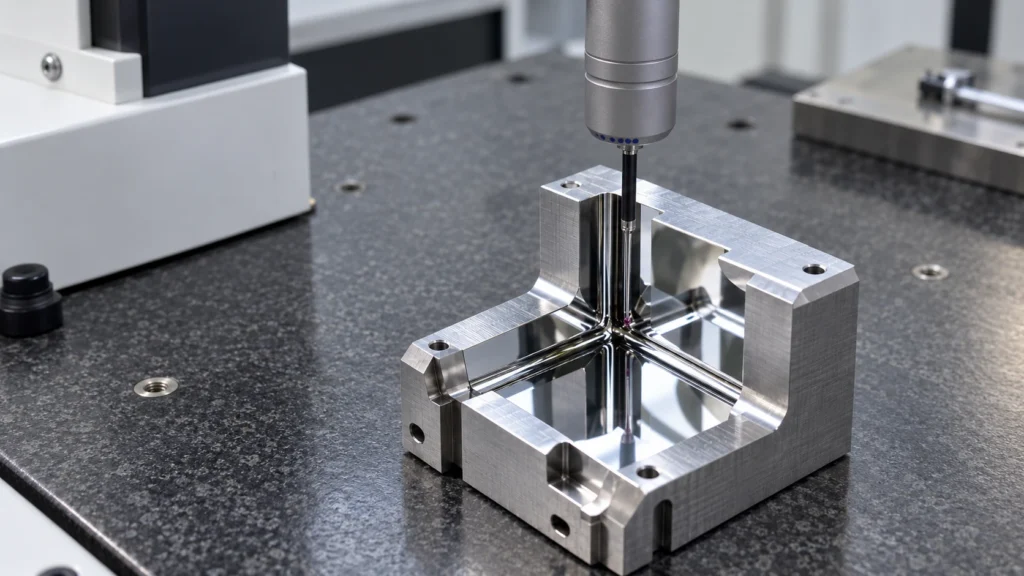
4. How will the geometry be verified?
The final acceptance should consider not only appearance but also:
- corner accuracy;
- cavity dimensions;
- surface consistency.
Yishun Approach: Match the Process to the Geometry
At Yishun, right-angle mirror cavity projects are evaluated based on the actual structure rather than selecting one process for every application.
The machining route may combine different technologies depending on the requirement:
- high-speed mirror machining;
- mirror EDM;
- precision polishing;
- dimensional inspection.
For small precision corners and narrow cavities, the goal is not simply achieving a bright surface.
The priority is maintaining the relationship between:
- designed geometry;
- surface quality;
- functional requirements.
Yishun’s Mirror Mold Insert solutions focus on solving difficult geometry and surface control challenges through a suitable process combination.
Protecting Geometry During Mirror Finishing
Mirror finishing is not only a polishing step.
For precision mold inserts, every finishing operation should consider the possible impact on geometry.
Important control points include:
- maintaining corner definition;
- protecting transition areas;
- controlling material removal;
- verifying final dimensions.
A good process reduces the need for correction after machining.
Instead of trying to repair geometry after the fact, it is better to select a machining route that already considers the final requirement.
During final acceptance, Quality Management helps verify that dimensional accuracy, surface condition and project requirements remain consistent.
Conclusion: The Right Process Creates Better Right-Angle Mirror Cavities
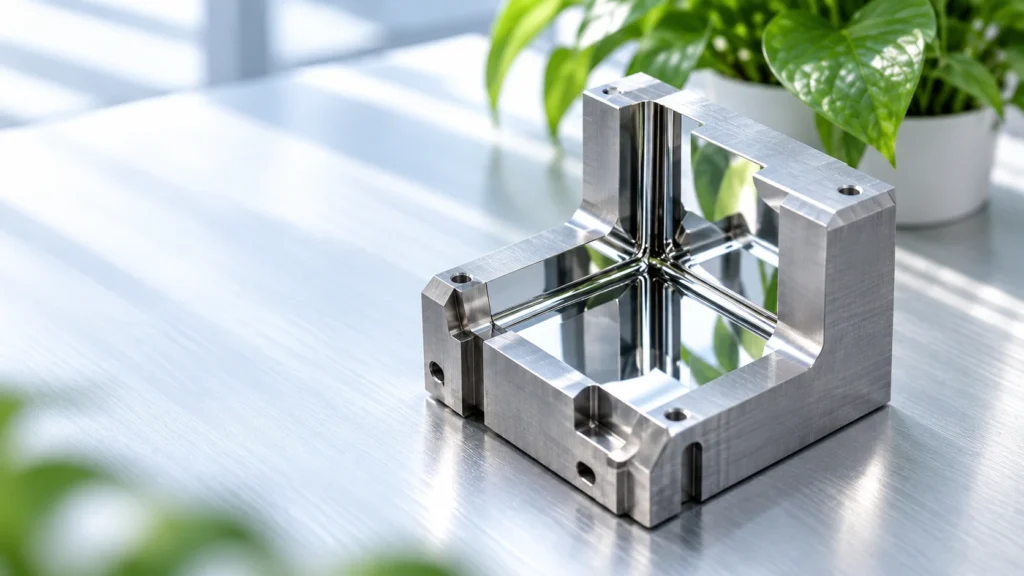
Right-angle mirror cavities require careful planning because small geometric changes can affect the final result.
CNC mirror machining and mirror EDM each have their own advantages.
The key is understanding:
- the cavity structure;
- tool accessibility;
- surface requirements;
- dimensional control needs.
Choosing the correct process before machining begins helps reduce manual correction, protect geometry and achieve more stable mirror cavity quality.
FAQ
Why are right-angle cavities difficult to machine?
Because cutting tools have limitations, especially when creating small internal corners and narrow structures.
Can CNC machining create a perfect sharp corner?
It depends on the tool size, geometry and required corner specification. Some structures require alternative processes.
When should mirror EDM be considered?
Mirror EDM is useful for narrow cavities, small corners and areas that are difficult for cutting tools to access.
Is mirror EDM always better than CNC machining?
No. The best method depends on geometry, surface requirements and final application.
Can manual polishing fix corner accuracy problems?
Manual polishing may improve appearance but can also change corner geometry if not carefully controlled.
What should be considered before selecting a machining process?
Material, cavity structure, surface finish, dimensional tolerance and inspection requirements should all be evaluated together.